In this guide
- 01What Is The Konpira Inu Dog Pilgrimage At Kotohira-gū?
- 02How Many Steps Are There At Konpira-san, And How Long Does The Climb Take?
- 03How Do I Use Kotohira-gū’s Official Vehicle-Entry Reservation For Mobility Support?
- 04The Main Shrine: Maritime Faith, Real Names, And A Clear Reason Sailors Came Here
- 05Okusha (Inner Shrine) And The Tengu Legend: Why The Last Steps Feel Different
- 06Konpira, Kumbhīra, And Zōzu-san: The Cross-Cultural Thread Most Visitors Miss
- 07The Floating-Barrel Offering: Another Pilgrimage Done By Proxy
- 08Kanamaru-za (Konpira Grand Theatre): Kabuki Beside A Pilgrimage Mountain
- 09Kotohira-gū Festival Planning: Dates That Change Traffic, Crowds, And Mood
- 10A Step-By-Step Plan For Visiting Konpira-san Without Rushing
- 11What Luxury Travelers Usually Get Wrong About Kotohira-gū
- 12How We Plan Kotohira-gū For HNW Travelers: Privacy, Craft, And Imperial-Class Calm
You see it partway up the climb, at the point where the steps begin to feel endless and the air turns a little thinner.
A small statue of a dog. Not cute. Not decorative. It stands there because, in the Edo period, a dog could finish the pilgrimage when a human could not.
That practice has a name: konpira inu. And it tells you what Kotohira-gū—better known as Konpira-san—has always asked of pilgrims. Trust. Endurance. And, remarkably, the kindness of strangers.
What Is The Konpira Inu Dog Pilgrimage At Kotohira-gū?
In the Edo period, some pilgrims sent a dog to Kotohira-gū carrying funds and an offering, and travelers relayed the dog hand-to-hand until it reached the shrine.
The journey to Shikoku was no gentle weekend outing then. Roads were rough, the weather turned fast, and a long trip could be genuinely dangerous for ordinary people. So when a person could not go, they sometimes sent a proxy in their place.
A dog wore a pouch around its neck with money for the shrine and for the road ahead. Simple. Bold. The dog was not so much “guided” as entrusted—fed here, led there, then handed to the next traveler heading toward Kotohira.
The fact that this worked at all is the startling part. A line of strangers, none of whom knew one another, accepted responsibility one stretch at a time, until the dog finally reached Konpira-san.
A statue commemorating this practice stands on the shrine grounds, around the 430th step.
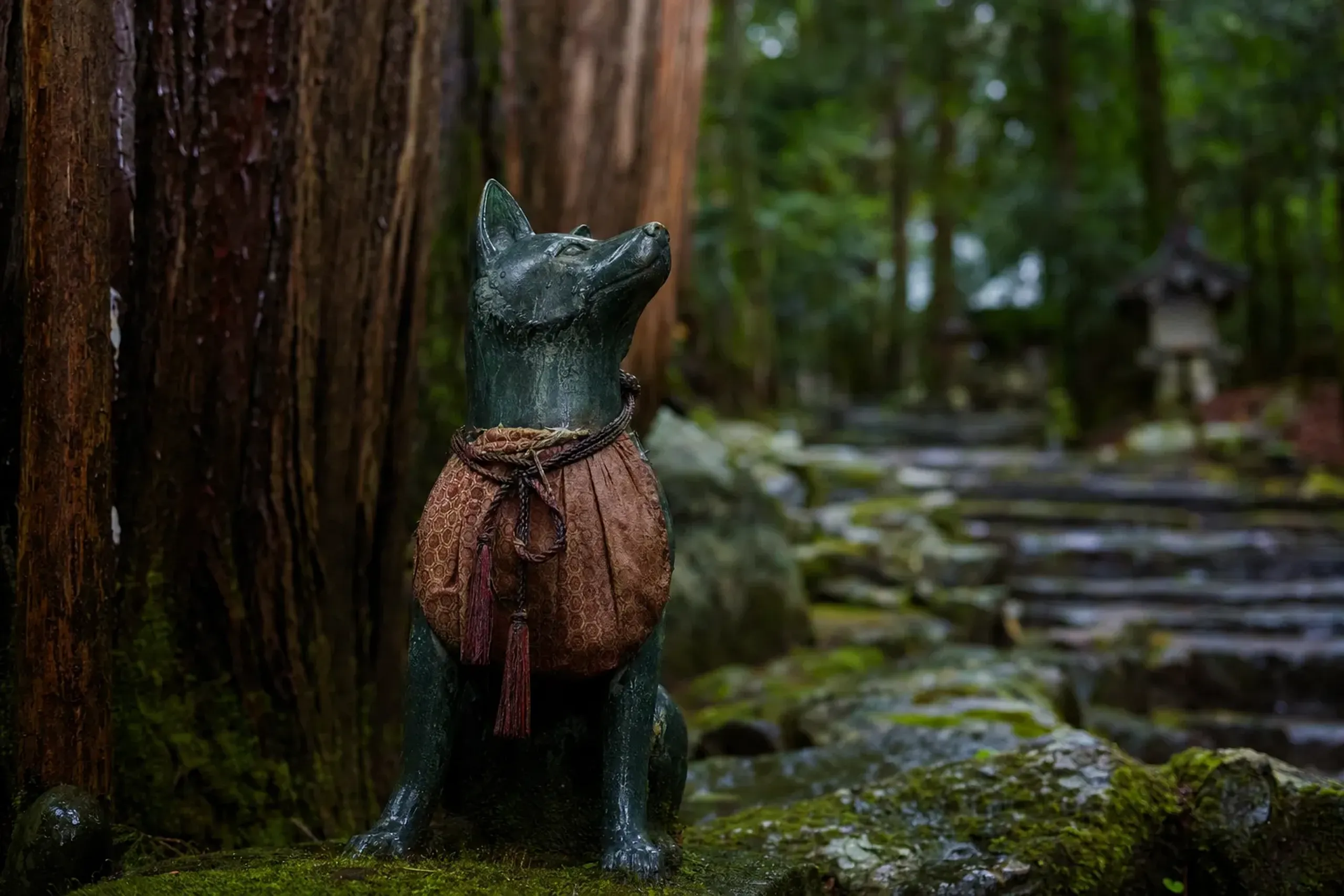
It is a quiet marker of a public ethic that feels rare now: you help because you can.
How Many Steps Are There At Konpira-san, And How Long Does The Climb Take?
Konpira-san has 785 steps to the main shrine precinct and 1,368 steps total to the inner shrine; many visitors take about 45 minutes to reach the main area.
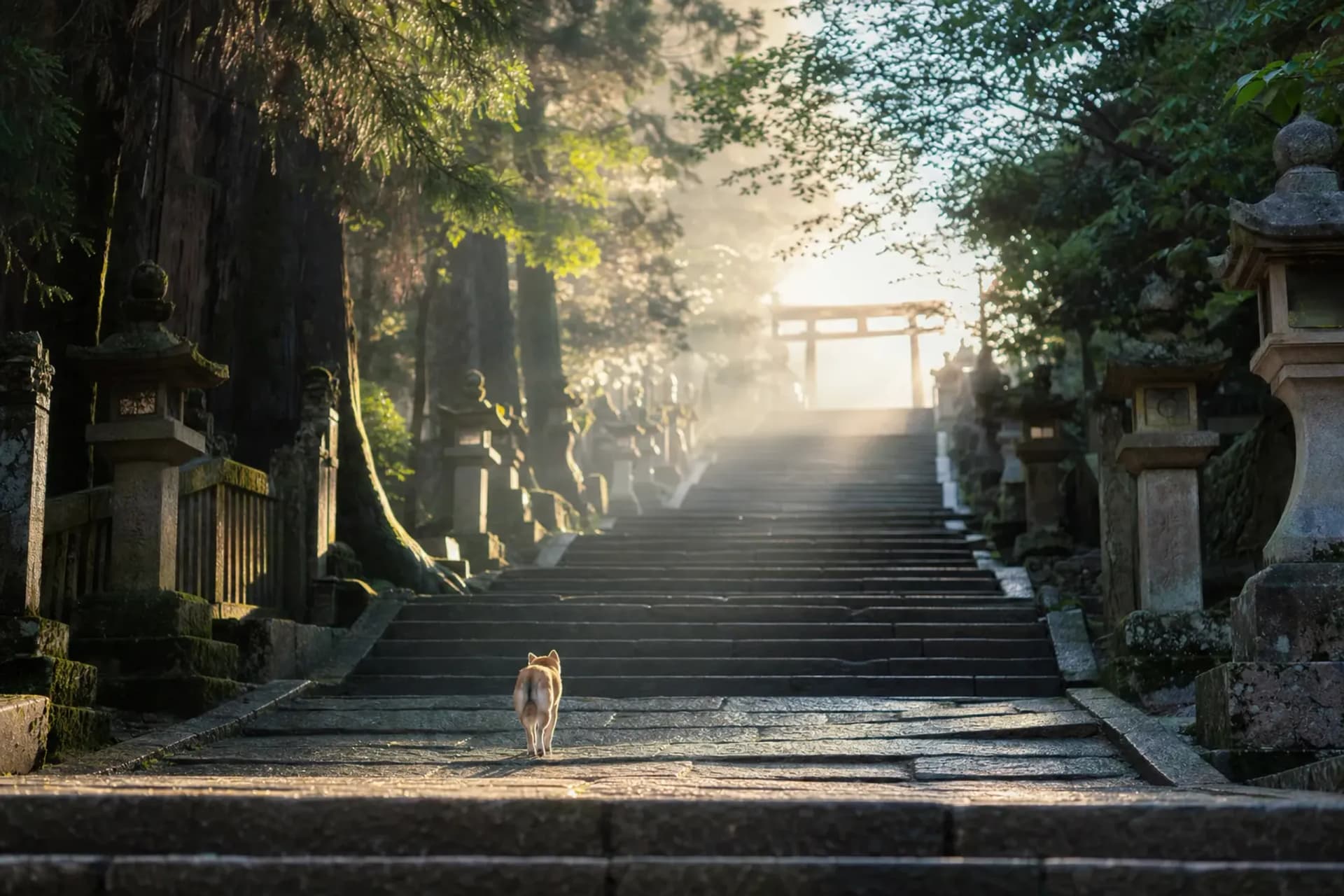
The approach begins long before the staircase itself. Shops line the street in Kotohira, and the mood can feel festive, even a little busy. Then the stone steps begin, and the tone changes. Fast.
For most travelers, the main goal is the Go-Hongū (main shrine precinct). That is the well-known figure: 785 steps. If you continue upward to the Okusha (inner shrine), the total becomes 1,368 steps, and your legs will remember it the next day.
Timing matters here more than most visitors expect. Early morning is calmer and cooler. Late afternoon brings softer light, but you must keep an eye on closing times and mind your footing on the way down.
Key fact: A traditional palanquin-carrying service that once transported visitors up the steps permanently closed in January 2020.
The Step Count That Was Intentionally “Fixed”
Once, the staircase to the main shrine was said to number 786 steps. That figure can sound like nayamu (to suffer or worry), which is considered inauspicious in Japanese wordplay.
So the staircase was deliberately altered. One additional downward step was built in.
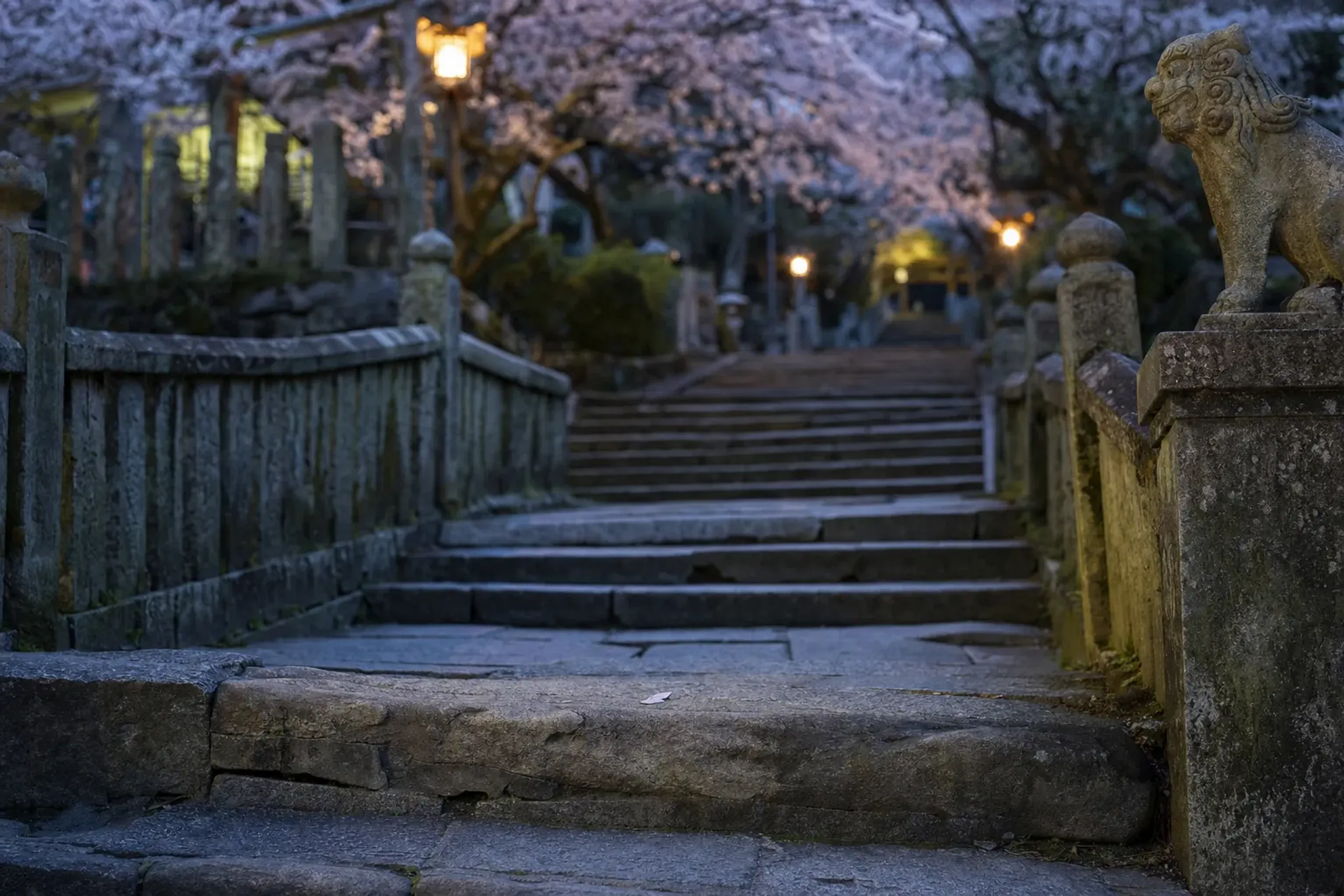
The net result: 785.
It is a small, almost mischievous detail. It also reveals how seriously people took the emotional texture of a pilgrimage—down to a single step.
A Gentler Way Up For Travelers Who Want Less Stair Time
There is a practical alternative for those who cannot—or simply do not wish to—complete the full climb. A taxi shortcut can bring you to a parking area near the 500th step, beside Shiseido Parlour “Kamitsubaki”.
This is not “cheating.” It is pacing. Families traveling with grandparents, or professionals trying to fit Kotohira into a tight route, often prefer a smarter exertion curve: fewer steps, more presence. Arriving by discreet private chauffeur makes this transition seamless, sparing you the crowds at the base of the approach.
How Do I Use Kotohira-gū’s Official Vehicle-Entry Reservation For Mobility Support?
Kotohira-gū’s official vehicle-entry reservation system accepts bookings roughly 6 to 60 days in advance, and it is designed for visitors who need vehicle access rather than a full stair climb.
This is one of the most overlooked planning tools for Konpira-san. It exists because real pilgrims have always had real bodies—injuries, age, and limits included.
If you are considering it, plan early. In our experience, travelers often decide “we’ll see how we feel,” then quietly regret leaving the choice until the last minute. A costly oversight.
Use the shrine’s official reservation site and follow the eligibility requirements listed there. The rules can change, and we treat them with respect.
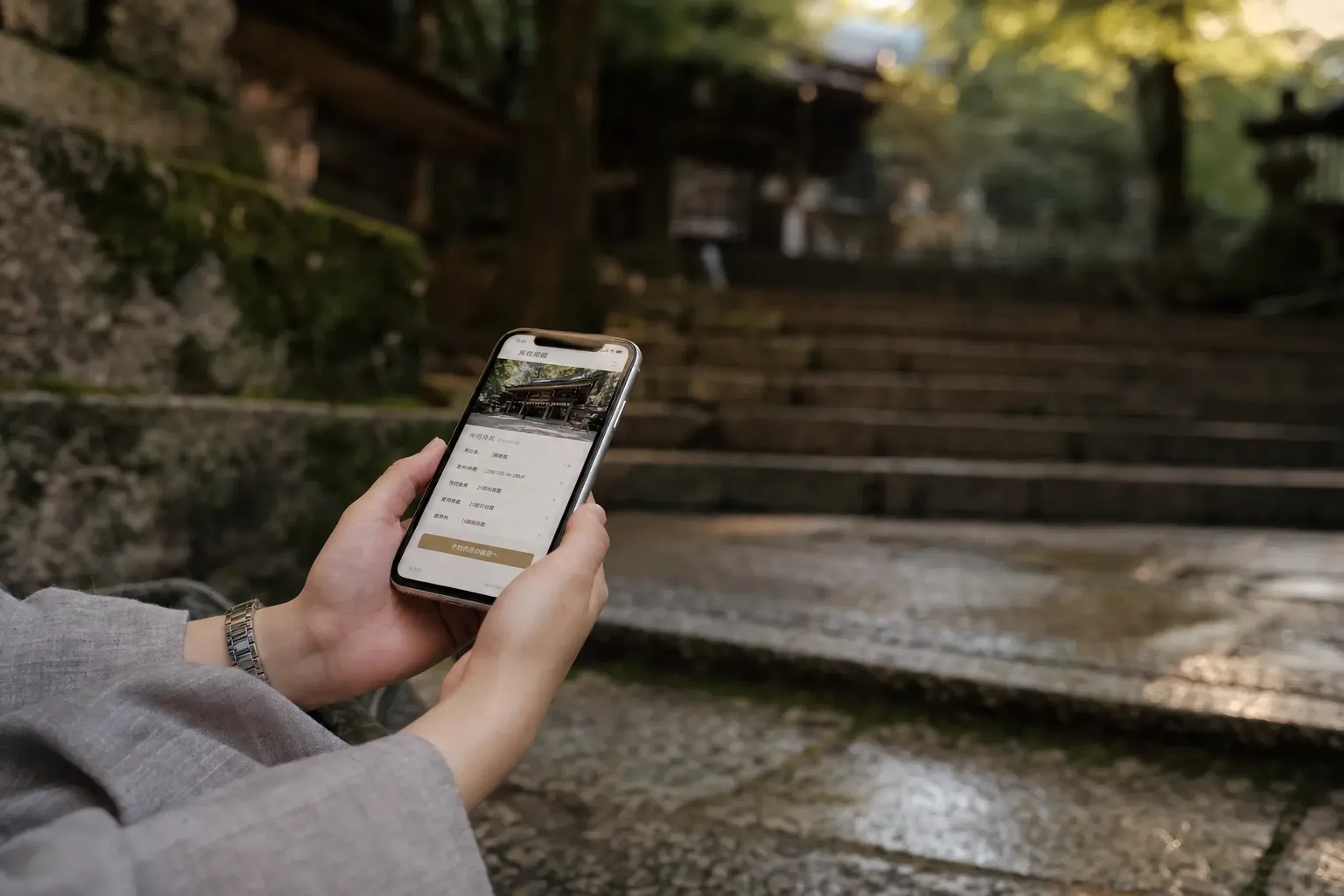
For questions, our concierge can guide you through the process quietly and precisely.
The Main Shrine: Maritime Faith, Real Names, And A Clear Reason Sailors Came Here
Kotohira-gū sits in Kotohira, Kagawa, on the island of Shikoku. It has been an object of worship since the Edo period (1603–1867), and it is described by Kagawa’s tourism site as the head shrine among the Kotohira/Konpira shrines found across Japan.
One reason for this stature is plain. Konpira-san has long been tied to the safety of travel and the sea, reflecting its historical importance to the sailors of the Seto Inland Sea. When you stand on the slope and look out, you can feel why: the landscape reads like a map.
The shrine enshrines two principal kami: Ōmononushi-no-Kami and Emperor Sutoku (Sutoku Tennō). This matters if you care about the religious identity of the place, not merely the view.
Move slowly through the precinct. Bow once at the gate, and again as you approach the worship hall. Then step aside. Let others have their moment, too. This restraint—this wabi sensibility of leaving space rather than filling it—is where the shrine reveals itself.
Okusha (Inner Shrine) And The Tengu Legend: Why The Last Steps Feel Different
The higher you go, the more the climb turns private. Fewer voices. Less commerce. More wind moving through the trees.
The inner shrine is formally Izutama Shrine. It is dedicated to Itsutamahikone-no-mikoto, a Sengoku-period figure said to have studied Japanese and Chinese classics and trained ascetically at Mt.
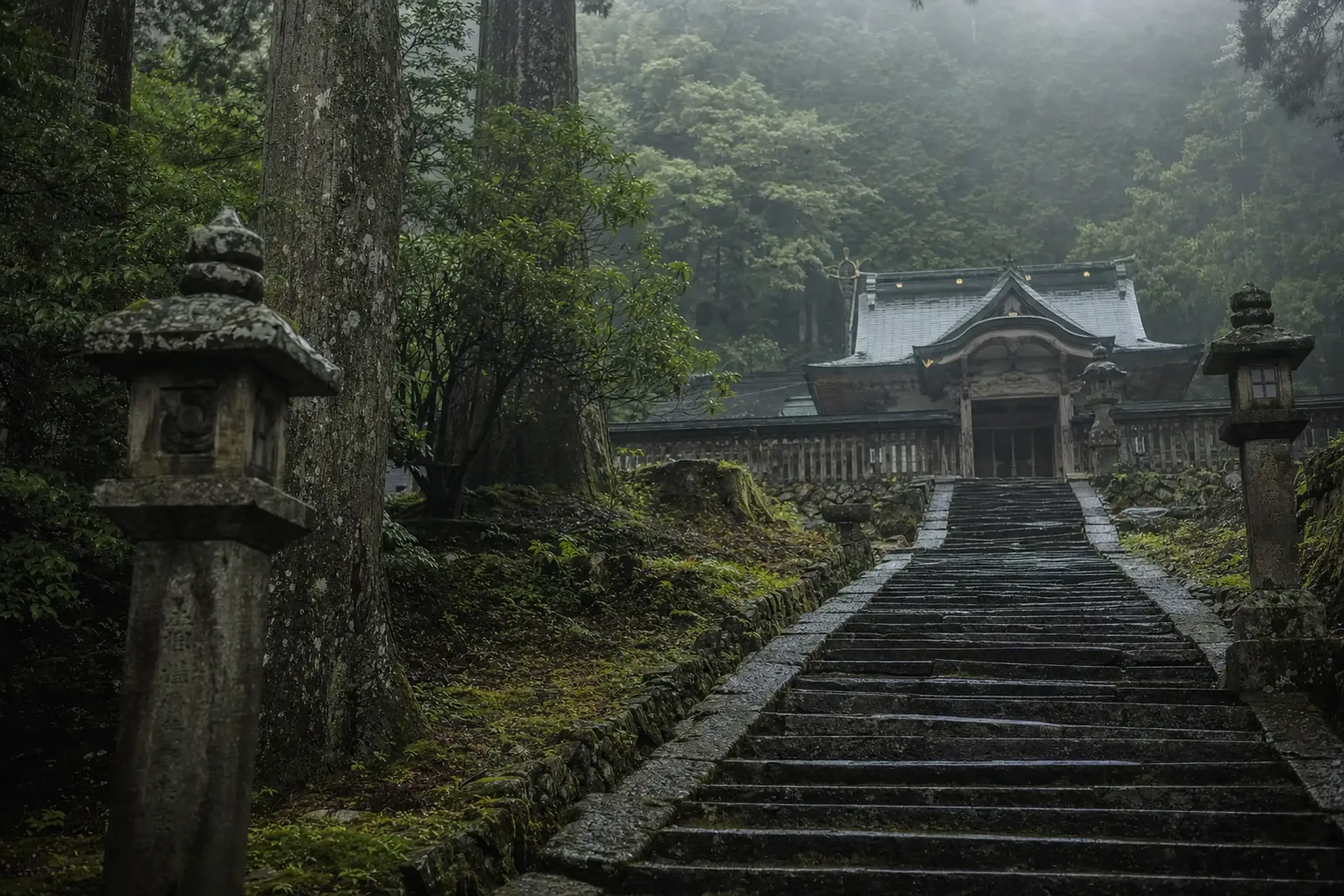
Kōya before dedicating himself to reviving Kotohira-gū.
Then comes the legend that makes the place stay in the mind. Upon his death, he is said to have declared, “I will protect this mountain forever,” before transforming into a tengu and vanishing.
You do not have to “believe” it in a modern sense to feel the intent behind it. The story is stitched into the physical site: carvings of a tengu and a crow-tengu mark the rock face beside the inner shrine, referencing the legend directly. Here, in the moss-quiet stillness of the upper precinct, the effort of the climb dissolves into something closer to reverence.
Konpira, Kumbhīra, And Zōzu-san: The Cross-Cultural Thread Most Visitors Miss
Konpira is identified with Kumbhīra, a deified Ganges crocodile from Buddhist mythology. The name itself carries a long echo—one reason Kotohira-gū is sometimes discussed through the lens of Japan’s historical blending of traditions.
The mountain here is called Zōzu-san, “Elephant Head Mountain.” That name has a curious mirror: it is also the name of a mountain in India, described by one source as “a mysterious puzzle.”
We do not overstate this as a confirmed historical link. We treat it as it is: a noted coincidence that invites reflection. That restraint matters, especially at religious sites.
For travelers who love context, this is the moment to pause, breathe, and notice how Japan’s sacred geography can be both intimately local and strangely far-reaching at once.
The Floating-Barrel Offering: Another Pilgrimage Done By Proxy
Long before modern shipping lanes and live tracking, sailors still needed help. They also needed someone to finish what they had started.
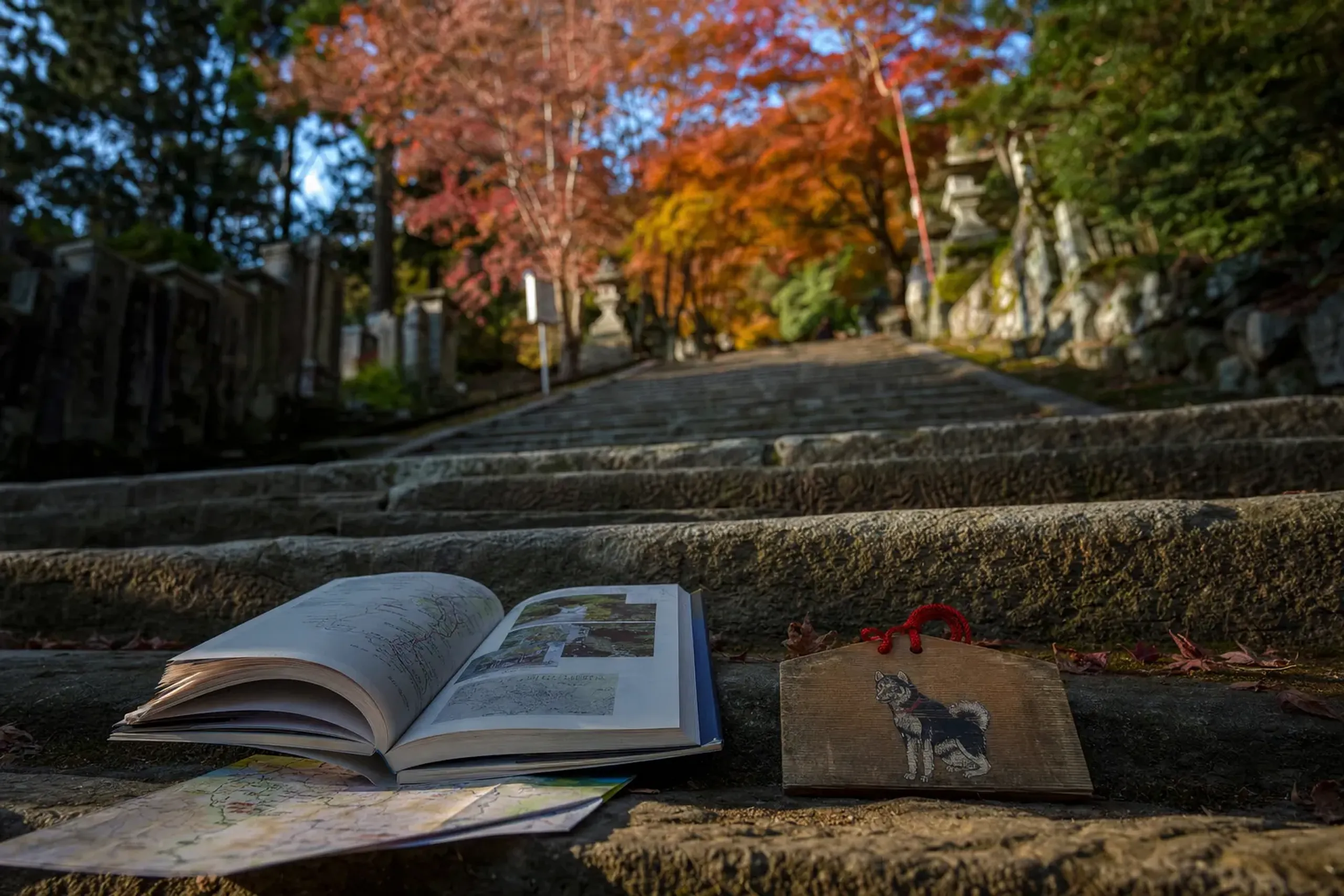
A tradition grew from that need. Sailors would place offering money and a dedication flag reading “Dedicated to Konpira Daigongen” into a small barrel and set it adrift at sea. Whoever found the washed-up barrel would deliver it to the shrine on the sailor’s behalf.
It sounds like folklore. Yet multiple historical records of successfully delivered barrels survive. Again, the same theme returns. Outsourcing the last mile to human decency.
When you connect the floating barrel with the konpira inu, Kotohira-gū stops being “a shrine with a lot of steps.” It becomes a place built on relay faith—people finishing journeys for one another.
Kanamaru-za (Konpira Grand Theatre): Kabuki Beside A Pilgrimage Mountain
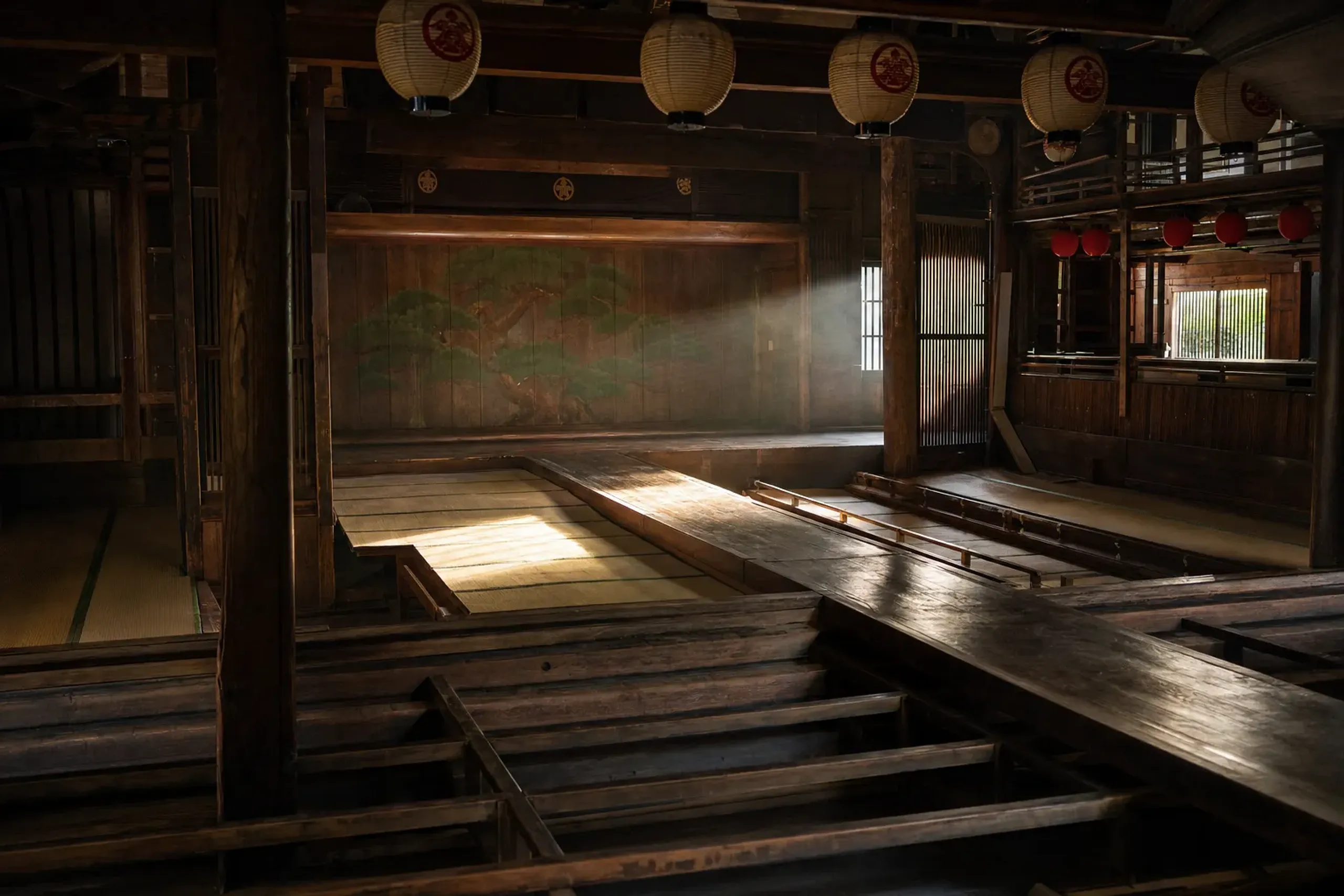
On the same grounds stands Konpira Grand Theatre (Kanamaru-za), the oldest surviving kabuki theater in Japan. It was originally built in 1835–1836 and was designated an Important Cultural Property in 1970.
It still hosts performances for one month each year, typically in April. If your timing aligns, Kotohira becomes a rare pairing: a sacred ascent in the morning, theater at night.
Even when no performance is running, Kanamaru-za lends texture to the town. Wood, shadows, steep seating, the intimacy of an audience pressed close to the stage. Old entertainment was a physical thing—and here you feel the craft, the shokunin discipline, in every hand-cut beam and hidden mechanism.
Kotohira-gū Festival Planning: Dates That Change Traffic, Crowds, And Mood
Kotohira-gū’s calendar is not background noise. It can reshape your entire day, especially if you are arriving by road.
According to Kotohira’s tourism association, the annual festival is held on January 6, and monthly festivals are held on the 6th of each month. Those dates can bring a different energy to the approach, even if you are not attending a specific rite.
For travelers planning well ahead, Kotohira-gū has published guidance for its 2026 Annual Grand Festival (Reiwa 8) with a three-day schedule window: October 9–11, 2026. That is a real planning lever. Use it. Knowing precisely what happens where, and in which month, is exactly the kind of seasonal foresight that separates a fluid visit from a frustrated one.
Key fact: Kotobus has announced that boarding/alighting at Konpira Sandoguchi will be suspended on October 3, 2026 and October 10, 2026 due to traffic restrictions for festivals.
If you want Kotohira at its calmest, avoid arriving at peak road-restriction moments with a rigid schedule. In our experience, the stress is never the shrine itself. It is the bottleneck you did not see coming.
A Step-By-Step Plan For Visiting Konpira-san Without Rushing
Luxury in Kotohira is not about speed. It is about having room to move at your own pace, with the right timing and the right pauses built in.
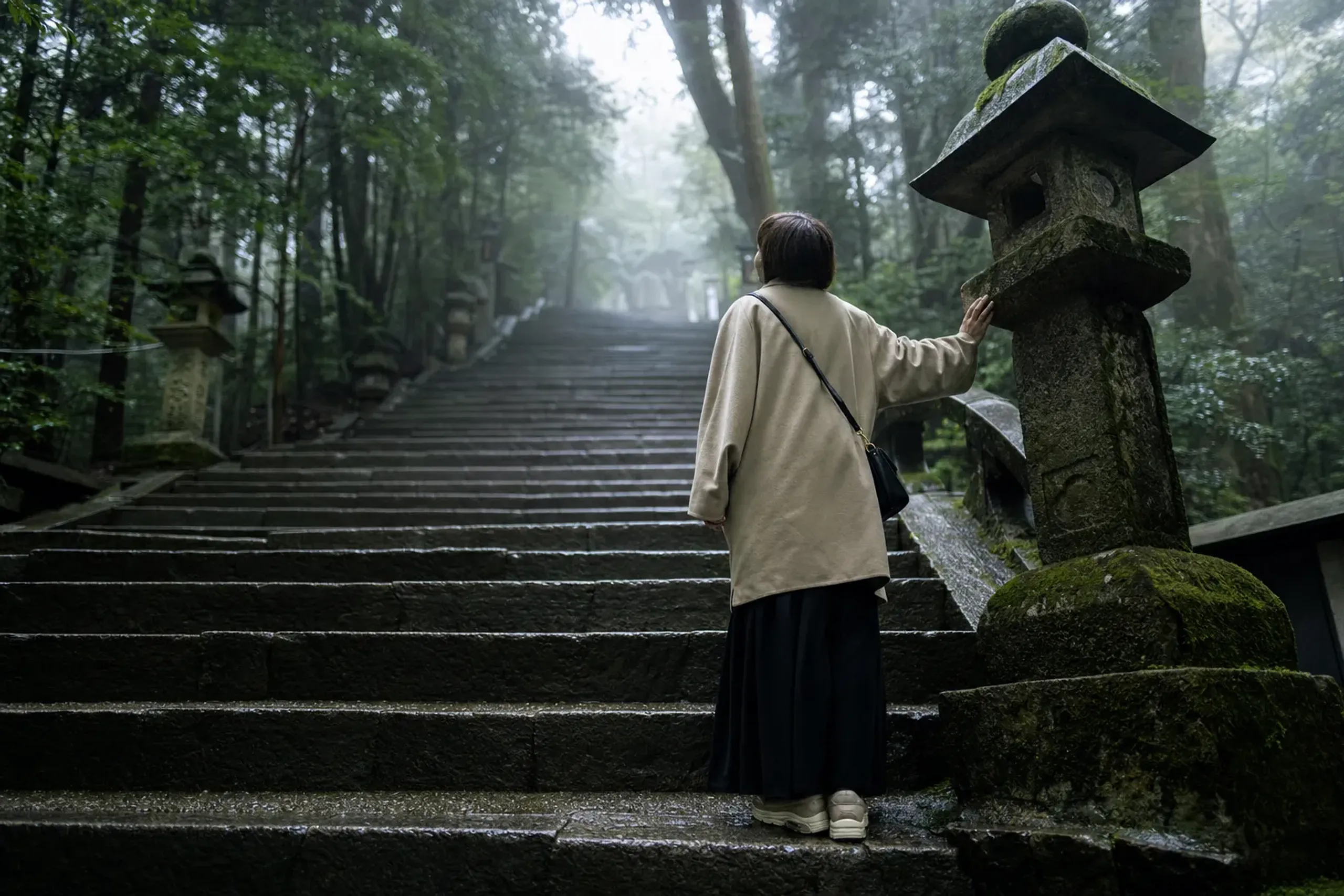
Step 1: Choose Your Finish Line Before You Start
Decide: main shrine (785 steps) or inner shrine (1,368 steps). Pick one. Commit. Your pacing eases the moment you stop negotiating with yourself.
If you are traveling with mixed fitness levels, set a shared plan: everyone reaches the main precinct, and only those who want the Okusha continue. Clean. No pressure.
Step 2: Build A “430th Step” Rest Stop Into Your Climb
Aim for the konpira inu statue area around the 430th step as a psychological midpoint. Not as a checklist item. As permission to pause.
Drink water. Adjust your layers. Look back down toward Kotohira town. That view is part of the pilgrimage, too.
Step 3: Use The Taxi Shortcut If It Protects The Day
If you are on a tight timetable, or managing knees and ankles, consider starting near the parking area around the 500th step by Shiseido Parlour “Kamitsubaki”.
This can turn Konpira-san from an ordeal into a pleasure. The shrine does not reward suffering. It rewards sincerity.
Step 4: Treat The Descent As Part Of The Visit
The stairs down are where many travelers grow careless. Slow down. Keep your steps short. Let faster people pass.
If you time it well, you return to town hungry. That is the correct ending.
What Luxury Travelers Usually Get Wrong About Kotohira-gū
They assume it is a “quick stop.” It is not. Even if you are fit, the climb demands focus, and the finest moments are quiet ones, not loud.
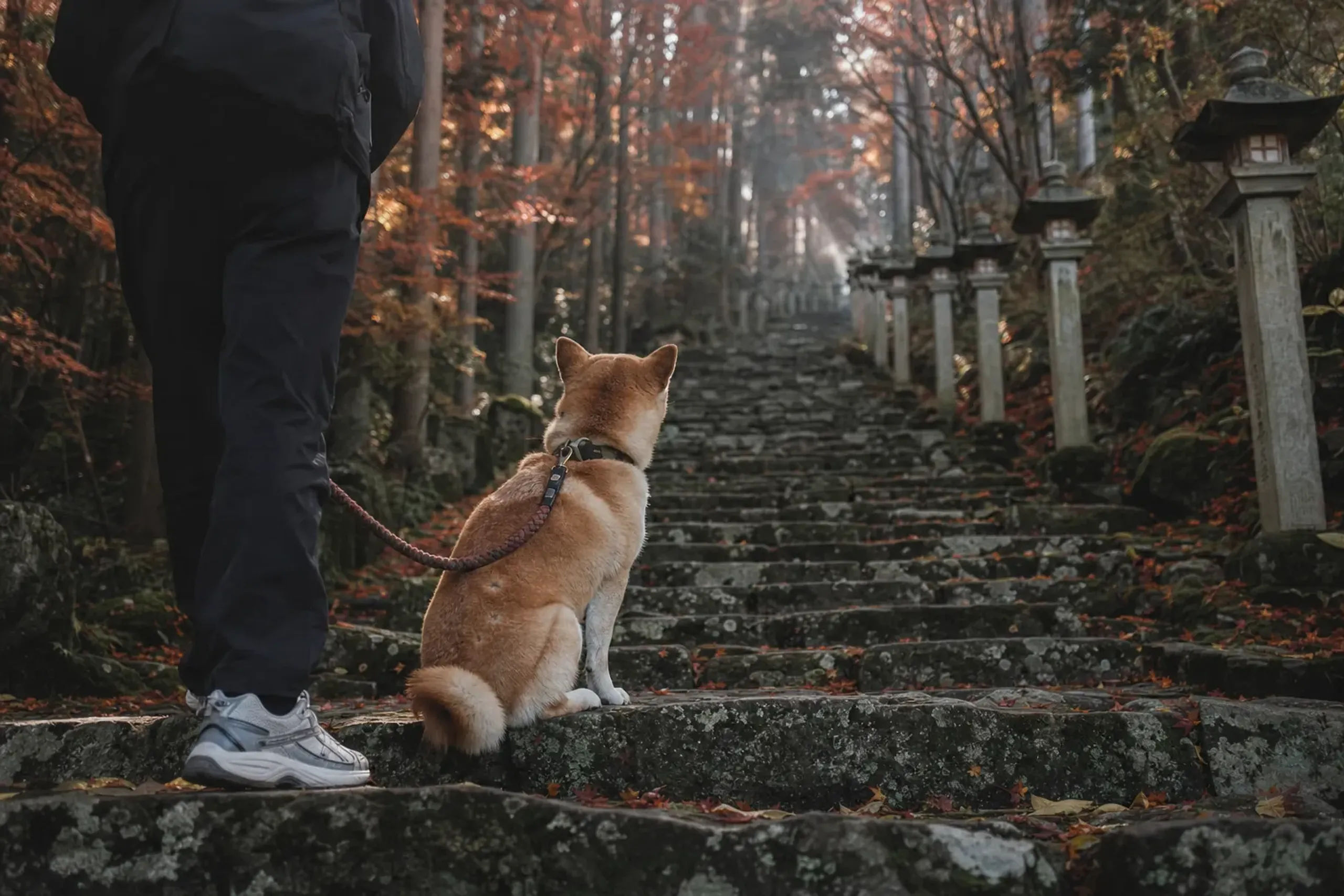
They also treat it like a photo mission. That steals the point. Kotohira-gū is a living place of worship, and the right posture—literal and social—matters here.
The final mistake is ignoring local disruption notices. A single suspended bus stop, or one festival traffic restriction, can unravel a day that looked flawless on paper.
How We Plan Kotohira-gū For HNW Travelers: Privacy, Craft, And Imperial-Class Calm
At Japan Royal Service, we plan Kotohira-gū with a particular kind of quiet in mind. Discretion first. Always.
For many discerning travelers, the real luxury is not being “seen.” It is moving through sacred spaces without friction, without broadcasting your itinerary, and without the small mistakes that invite unwanted attention. Total confidentiality of your identity and your route is not an add-on; it is the foundation of how we work.
We also think in terms of shokunin craft—not as a buzzword, but as a standard. The finest guides and drivers are disciplined professionals who can read a moment: when to speak, when to step back, when to let a shrine simply be a shrine. It is the same instinct that lets a great host anticipate a need before it is voiced.
If Kotohira-gū speaks to you—the relay faith, the tengu-guarded heights, the moss-quiet inner shrine—let us shape it around your pace and your privacy. To begin a tailor-made itinerary that weaves Konpira-san into a wider Shikoku journey, contact us here for a private, unhurried conversation.