In this guide
- 01Rice Trade Built Kurashiki, Then Built A Museum
- 02What Makes Kurashiki Bikan Historical Quarter Different From Other Preserved Towns?
- 03Namako-Kabe, Kura Storehouses, And The Kurashiki Architectural Vocabulary
- 04Ōhara Museum Of Art: Japan’s First Private Western Art Museum
- 05Where Can I See El Greco In Japan Without Tokyo Crowds?
- 06Imabashi Bridge’s Dragons: A Small Detail With Imperial-Class Echo
- 07Kurashiki Ivy Square: One Site, Three Eras
- 08How Do You See Kurashiki Bikan After Dark In Spring 2026?
- 09Kurashiki Canal Boat Ride (2026): What To Know Before You Show Up
- 10Access: Getting To Kurashiki Station And Walking Into The Quarter
- 11A One-Day, Art-Forward Walking Route Through Bikan (Step By Step)
- 12What Japan Royal Service Handles In Kurashiki (And What We Don’t Claim Publicly)
- 13Plan Your Kurashiki Day, Quietly
- 14Frequently Asked Questions
The canal is still, almost stubbornly so. White plaster walls and black tiles lean into their own reflections, and willow branches sketch slow lines across the Kurashiki River. You can hear shoes on stone. Then quiet again.
Kurashiki Bikan Historical Quarter looks like a preserved postcard. That is the trap. It is not a set.
The townscape exists because money once moved through here in bulk. Rice, measured and taxed, collected for the shogunate. The wealth stayed. Later, it became something rarer than a pretty street: Japan’s first private museum dedicated to Western art, holding one of only two El Greco paintings in the country. This is exactly the register of Japan we prize—a place the guidebooks reduce to a photo opportunity, but which rewards those who arrive knowing what they are looking at.
Rice Trade Built Kurashiki, Then Built A Museum
In 1642, the shogunate placed this area under direct control and established a magistrate’s office here. One decision. Long shadow.
Kurashiki became a centralized collection point for rice and regional goods, and the Kurashiki River worked as a practical canal. Storehouses rose along the water. Merchant houses followed, built to last, built to signal stability without shouting.
Centuries later, that accumulated capital funded an unexpected cultural statement. In 1930, Ōhara Magosaburō, the second president of Kurashiki Spinning Company, founded the Ōhara Museum of Art—Japan’s first private museum dedicated to Western art.
The result is the argument you can walk: Edo-period logistics turned into Meiji-era industry, then into modern patronage. Kurashiki isn’t “charming.” It’s consequential.
What Makes Kurashiki Bikan Historical Quarter Different From Other Preserved Towns?
Kurashiki’s Bikan area is a dense, lived-in townscape where roughly 90% of buildings predate World War II, anchored by working-canal geography and distinctive namako-kabe storehouse architecture rather than reconstruction.
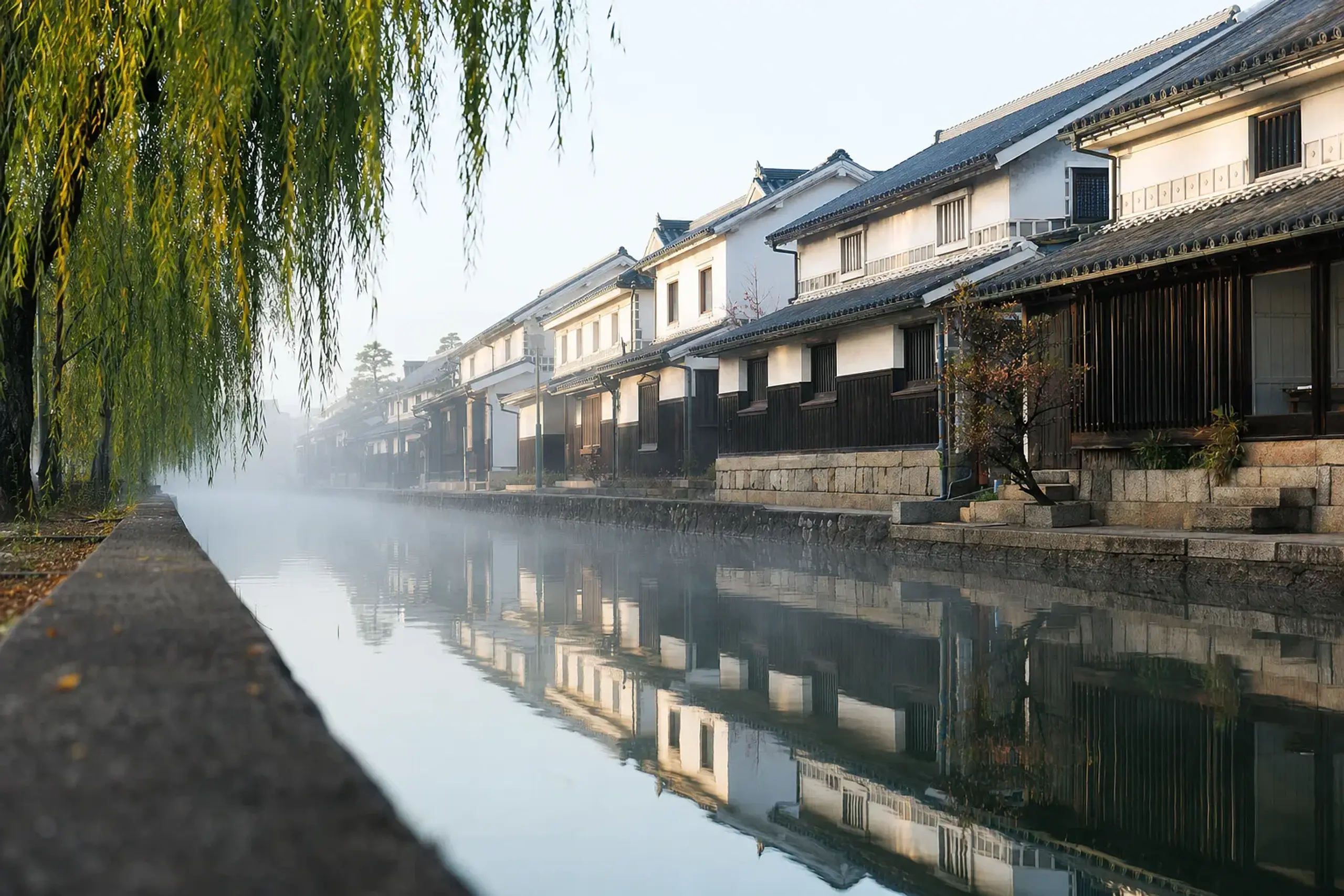
Many preserved districts in Japan feel curated. Kurashiki feels administered—because it was. The buildings along the canal read like an inventory of practical wealth: kura storehouses, machiya townhouses, and narrow service alleys that explain how goods moved when waterways mattered more than cars.
The city’s protection framework also arrived early and in layers. The area was designated a scenic district by city ordinance in 1969. In 1979 it was selected as an Important Preservation District for Groups of Historic Buildings (the second such district designated in Okayama Prefecture).
A landscape preservation ordinance followed in 1990, later revised in 2000 under Japan’s national Landscape Act. Dry detail, yes. But it explains why the district still feels coherent when so many historic streetscapes fray at the edges.
Namako-Kabe, Kura Storehouses, And The Kurashiki Architectural Vocabulary
If you want Kurashiki to make sense fast, look at the walls. Do not start with the souvenir shops. Start with construction.
Townhouses (machiya) here are built in nurikabe, a plastered-wall method that gives the facades their clean, sealed look. Storehouses (kura) are typically dozō, earthen-wall construction—thick, fire-conscious, built for safeguarding value.
The signature is namako-kabe: white lattice-pattern plaster laid over black tiles. It photographs well. It also signals a storage culture, where the building itself is part of risk management. This is wabi restraint made structural—beauty that emerges from function rather than ornament, from the quiet discipline of craftsmen who worked to protect, not to dazzle.
Kurashiki adds its own local identifiers: “Kurashiki windows” and “Kurashiki lattice,” including oyatsuki kirikoshi-gōshi, a parent-and-child bar pattern that looks decorative until you notice how it controls light and privacy.
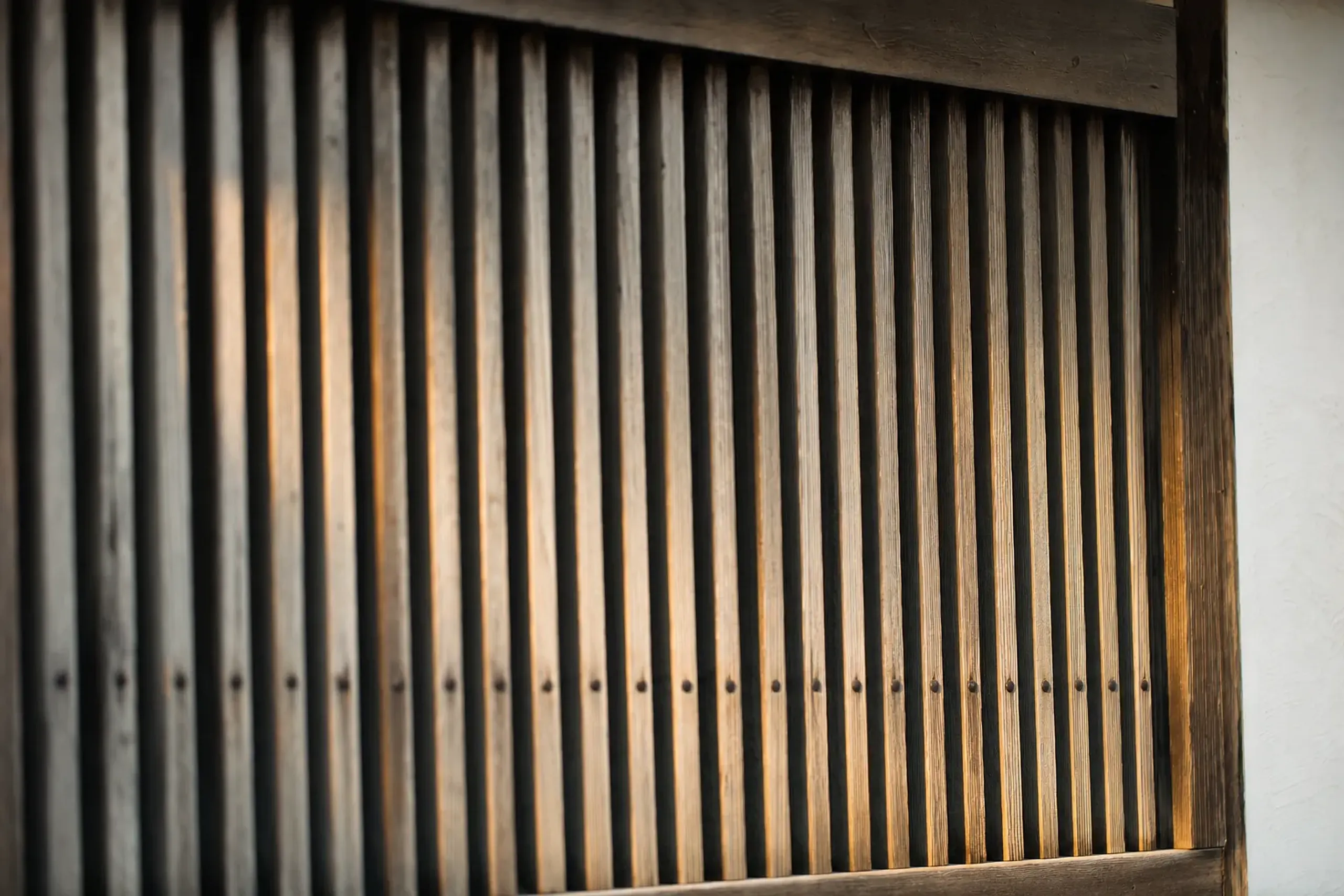
Quiet intelligence. Everywhere. The hand of the shokunin who set each bar is invisible until you slow down enough to read it.
Step off the riverfront street and you’ll find narrow alleys behind it, specifically called the Namako-kabe Back Streets. The pace changes. The walls come closer. The district stops performing and starts breathing.
Ōhara Museum Of Art: Japan’s First Private Western Art Museum
The Ōhara Museum of Art opened in 1930. That date matters. Japan was modernizing quickly, but a private museum devoted to Western art was still a daring, personal act.
Ōhara Magosaburō did not build it alone. The collection was developed through the painter Kojima Torajirō, whom Ōhara sponsored to study and collect in Europe. Patronage with intent. Not a shopping spree.
Today, the museum holds roughly 3,000 works. You will see names that usually live in capital cities and national institutions. Here, they sit beside the canal that once carried rice.
And then there is the single fact that changes how people plan a visit: El Greco’s “Annunciation,” one of only two El Greco paintings in all of Japan. If you care about Western art at all, Kurashiki stops being optional.
Where Can I See El Greco In Japan Without Tokyo Crowds?
You can see El Greco’s “Annunciation” at the Ōhara Museum of Art in Kurashiki, and it is one of only two El Greco paintings in all of Japan.
It is easy to underestimate this until you stand in front of it. The room settles. The canal-town context falls away.
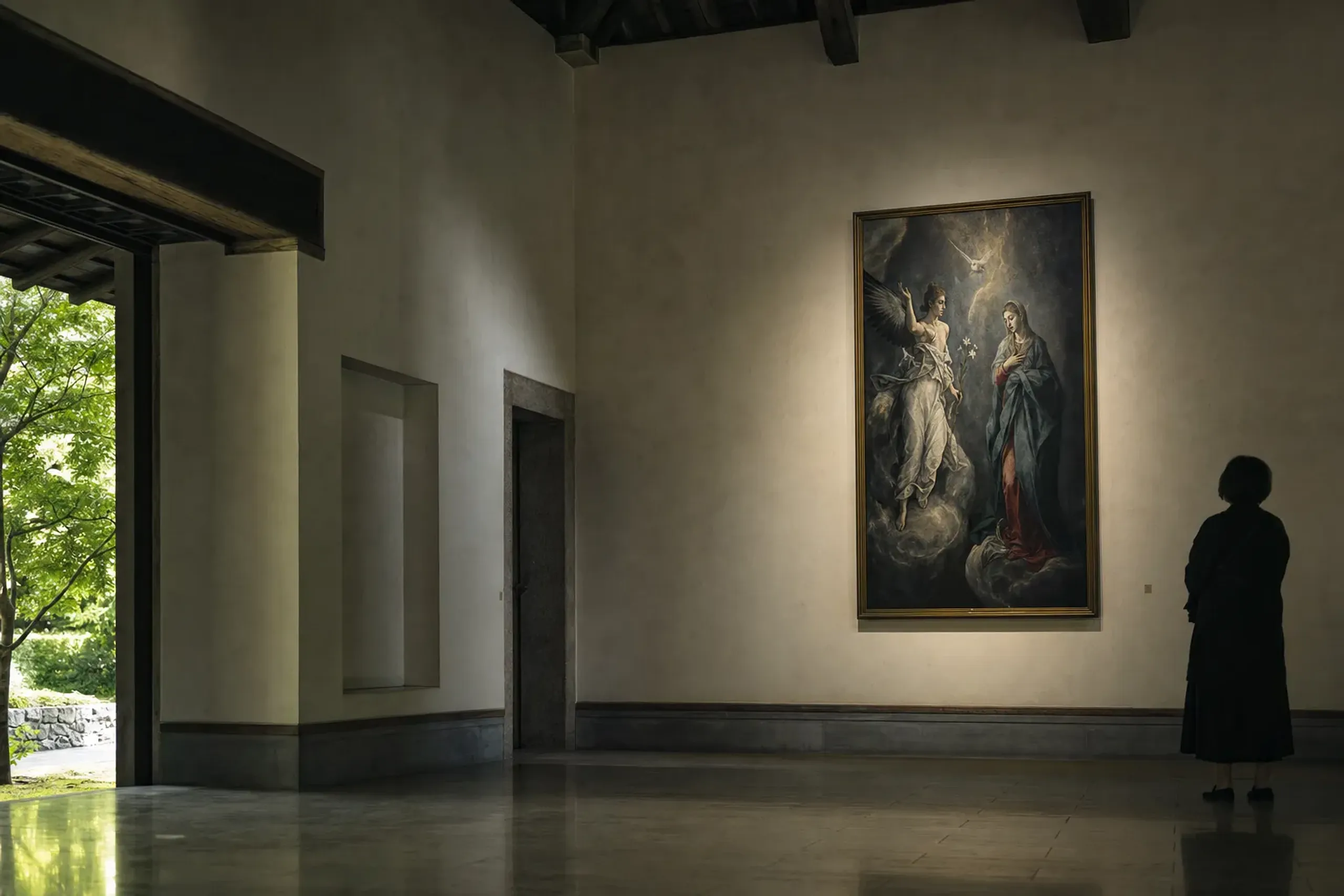
What remains is the improbability: a former shogunate rice-collection town ended up with a Spanish Renaissance masterpiece.
If you are traveling as a couple or a small group, our team at Japan Royal Service often suggests building your Kurashiki day around museum timing rather than shopping lanes. One disciplined museum window can reset the entire quarter—and a well-judged arrival, before the day-trip coaches, means you can stand before the Annunciation in something close to solitude.
Practical note for 2026: the museum was reported closed from February 9, 2026 for renovations and reopened April 25, 2026, including lighting upgrades (fluorescent to LEDs) and air-conditioning work for preservation and comfort. If you are planning around exhibitions, dates matter—this is precisely the kind of moving detail our concierge team tracks so your day never bends around a locked door.
Imabashi Bridge’s Dragons: A Small Detail With Imperial-Class Echo
Cross Imabashi, the bridge directly in front of the Ōhara Museum of Art, and look at what most visitors miss. The railings. They are carved with twenty dragon figures.
This is not random ornament. Imabashi was built specifically for an imperial visit in 1926, and it was designed by Kojima Torajirō himself. Formal purpose. Personal authorship.
The dragons reference Ōhara Magosaburō’s Chinese zodiac year, tying the bridge back to its patron with a private wink. It is a Kurashiki habit: public infrastructure carrying intimate signatures.
We call this “imperial-class” in the way we use the term at Japan Royal Service—not as glitter, but as the highest register of civic care. A bridge made for a state-level moment, in a canal town. The scale is restrained. The meaning is not. It is the kind of detail that separates the traveler who was told about a bridge from the one who understood why it was carved.
Kurashiki Ivy Square: One Site, Three Eras
Kurashiki Ivy Square is proof that the quarter’s story did not end with the Edo period.
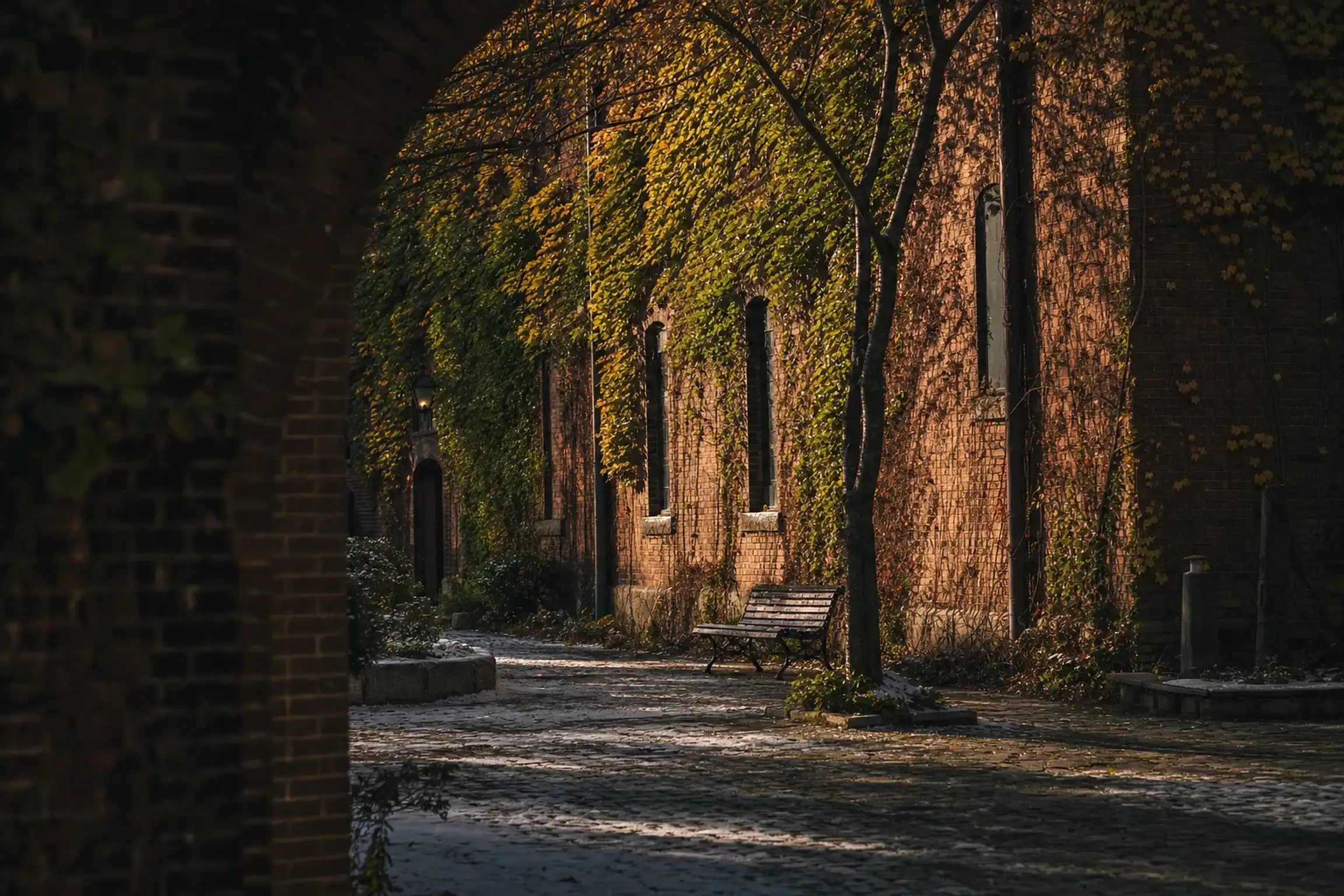
It kept converting itself.
The brick building began as a textile mill built in 1888. It stands on the very site of the original shogunate magistrate’s office—the administrative center established after 1642. Control point first. Production engine later.
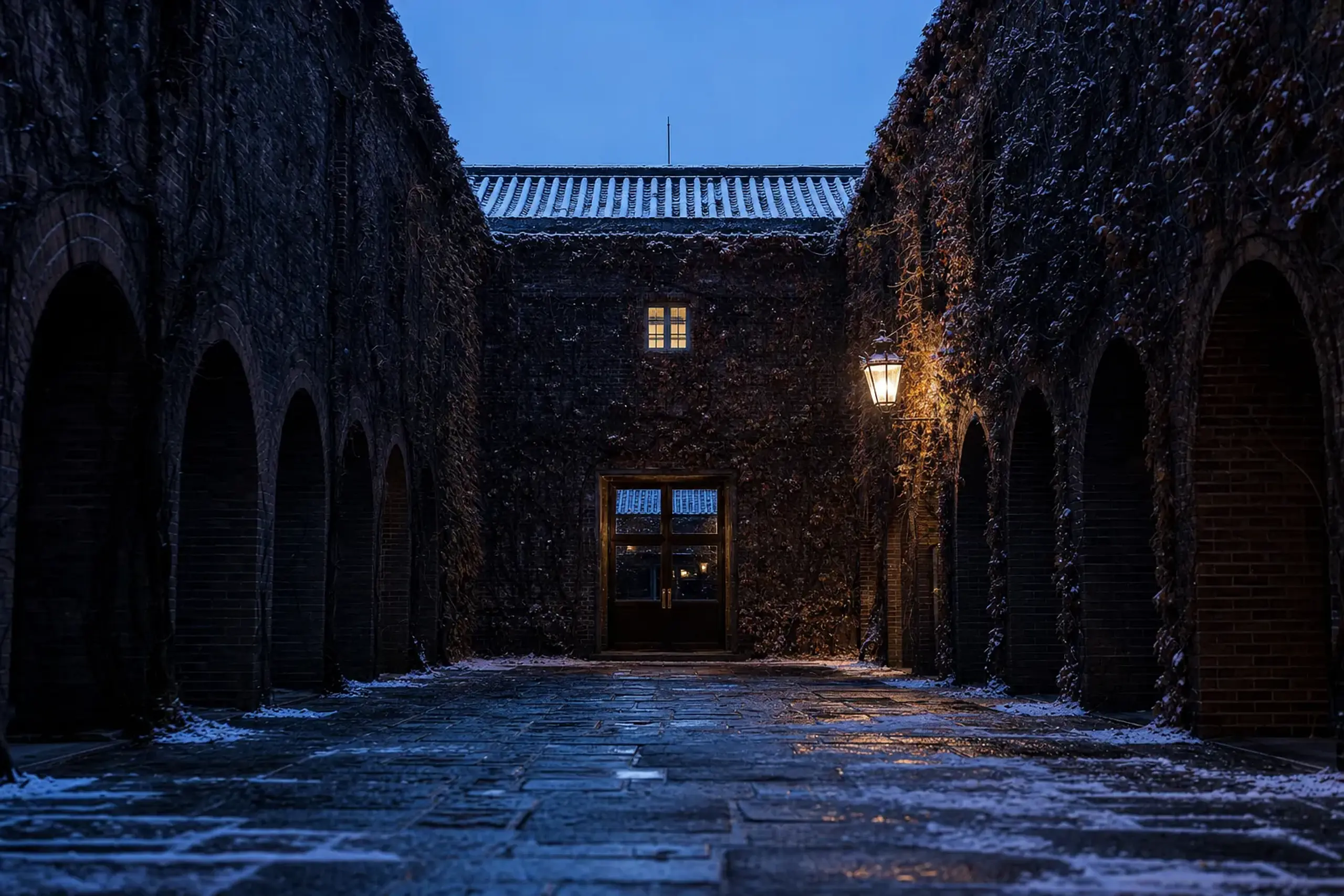
Today, the complex operates as a heritage-tourism hotel and cultural facility, its brick walls draped in ivy. The look is soft. The history is not.
If you want a single location that compresses Kurashiki’s whole arc—shogunate administration, industrial transition, then heritage preservation—this is it.
How Do You See Kurashiki Bikan After Dark In Spring 2026?
Kurashiki Haruyoi Akari runs March 7 to March 29, 2026, from 18:00 to 21:00 across the Bikan area, and small rain is not treated as a cancellation.
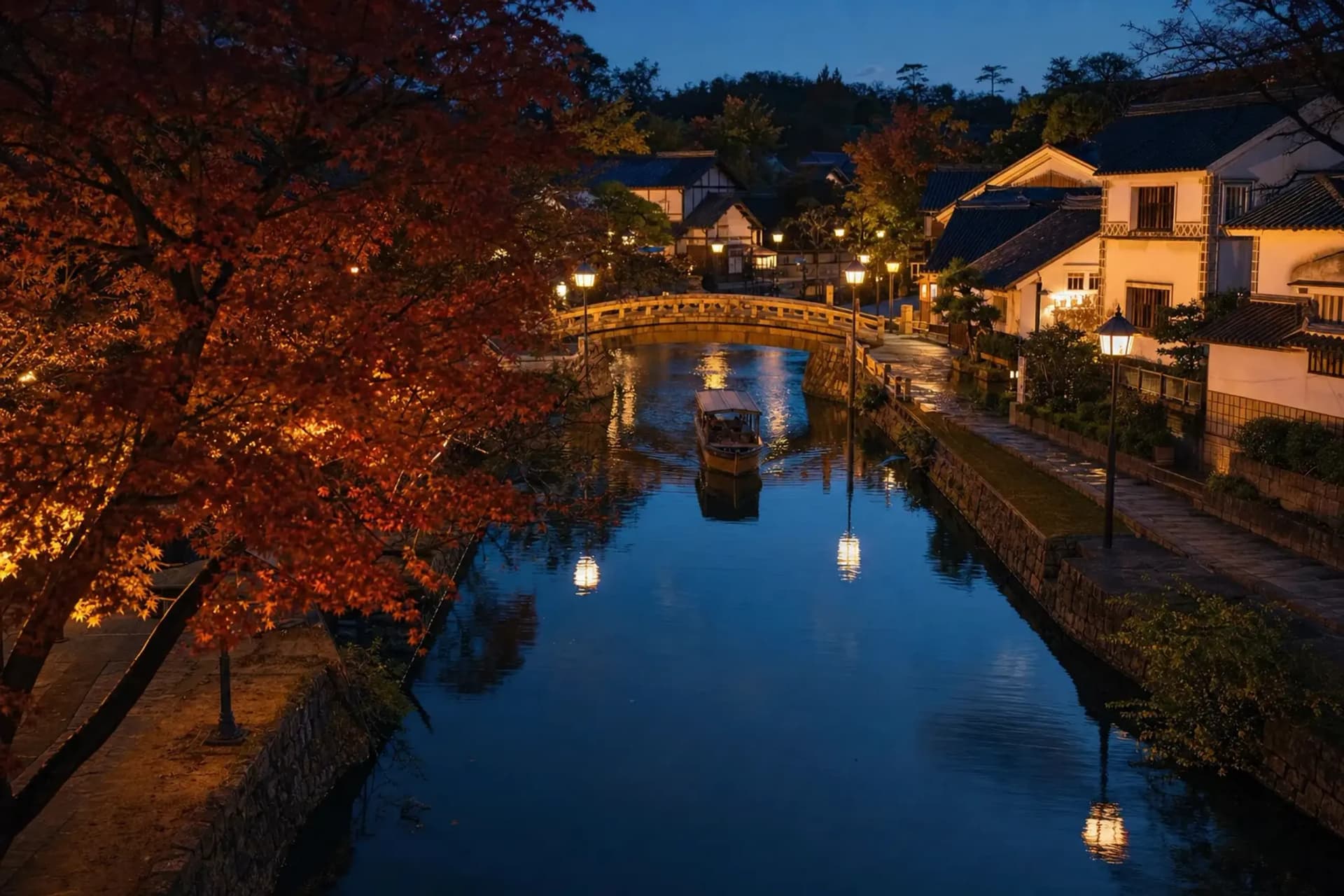
This is when the quarter becomes most itself. Day-trippers thin out. Shopfront light drops. Reflections sharpen in the canal, and namako-kabe walls stop looking graphic and start looking textured. There is a sabi quality to it—the beauty of age and stillness surfacing only once the crowd has gone.
The district’s evening lighting was designed by Ishii Motoko, an internationally recognized lighting designer. That named credit matters because it explains the mood: not bright, not theatrical, but watchful and measured, like someone adjusted the town’s breathing.
If you can, stay overnight. One slow walk between 19:30 and 20:30—no shopping agenda, no photo checklist—often becomes the memory that outranks the museum itself. This is the Japan that Google cannot hand you: a quiet you have to be present for.
Kurashiki Canal Boat Ride (2026): What To Know Before You Show Up
The Kurashiki canal boat ride (“くらしき川舟流し”) is same-day purchase only, with departures every 30 minutes from 9:30 to 17:00, and each boat carries up to 6 people.
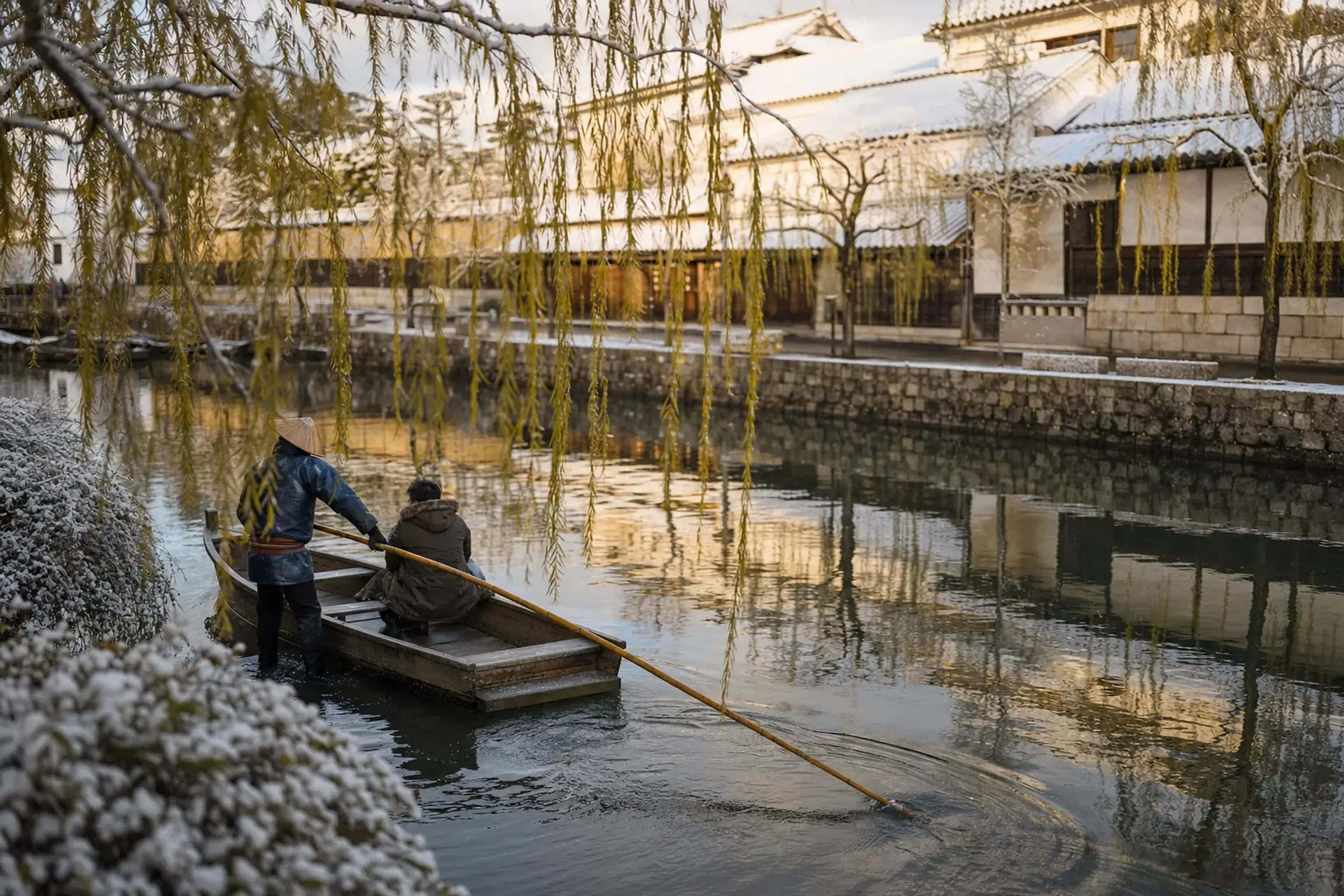
In July and August (July 1 to August 31), operations run only until 15:00. That seasonal cutoff catches people. It shouldn’t catch you.
Key fact: There are no reservations listed for the canal boat in the 2026 Kurashiki walking map. Plan your day with a graceful fallback if tickets sell out.
Our approach at Japan Royal Service is to treat the boat as a bonus, not a backbone. If you get it, it’s a quiet, low-angle view of walls and willows. If you don’t, the quarter still works beautifully on foot, especially through the Namako-kabe Back Streets.
Access: Getting To Kurashiki Station And Walking Into The Quarter
The quarter is close enough to arrive without friction. From Kurashiki Station, it is roughly a 15-minute walk from the south exit to the Bikan area—though most of our guests prefer a discreet private transfer and chauffeur that sets them down at the edge of the quarter, unhurried and unnoticed.
If you are coming by rail from the Kansai side, Japan’s national tourism guidance commonly routes travelers via Shin-Osaka → Okayama → Kurashiki. Simple. Reliable. Busy at peak hours.
Once you are in the quarter, we suggest one small rule: put your phone away for the first five minutes. Let your eyes adjust to the palette—white plaster, black tile, river green, willow shadows—then decide what deserves a photo.
A One-Day, Art-Forward Walking Route Through Bikan (Step By Step)
This is the paced version. No sprinting. No “must-do” stack. It is a template, not a timetable—the sort of rhythm we refine into a fully bespoke itinerary once we understand how you like to move through a place.
09:45–10:15: Arrive, Canal Orientation, And The First Look At Namako-Kabe
Walk straight toward the Kurashiki River. Pause at the water’s edge.
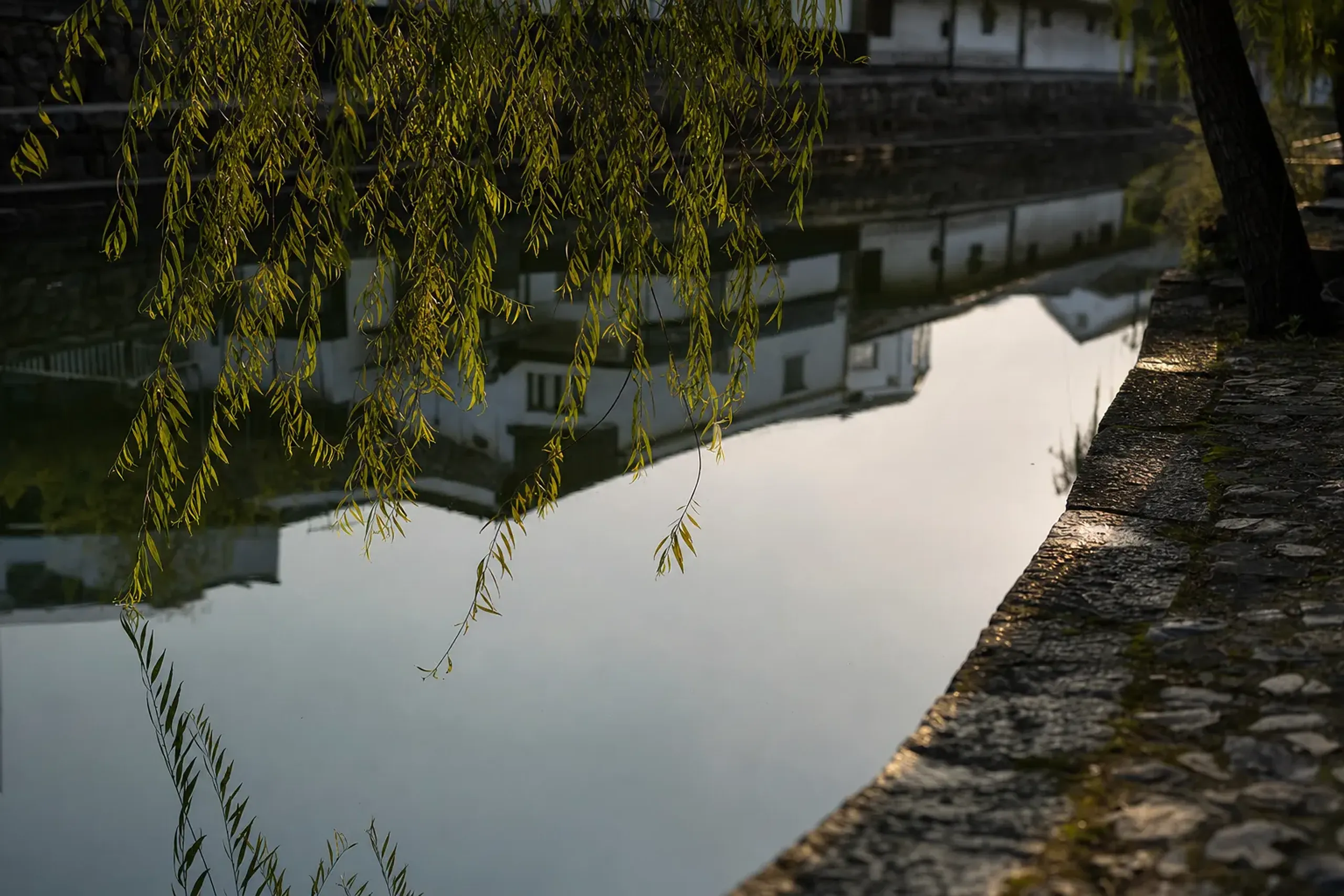
Listen first. Small choice, large payoff.
Use this window to clock the architectural basics: machiya facades in plastered nurikabe, and the heavier, sealed kura storehouses in earthen dozō construction. You are learning the town’s grammar.
10:30–12:00: Ōhara Museum Of Art (Slow, Not “Complete”)
Give the museum a real block of time. Two hours is not indulgent here. It is respectful.
If you are visiting after April 25, 2026, note the museum’s stated hours for its 2026 programming: 9:00–17:00, with last entry at 16:30 (as published for the spring 2026 exhibition period). Our concierge team verifies current hours and admission procedures close to your travel dates.
12:00–12:15: Cross Imabashi And Look Closely
Do not rush the bridge. It is the hinge between commerce and culture.
Find the dragon carvings on the railings and take a moment to connect the chain: Ōhara’s patronage, Kojima’s design hand, the imperial visit in 1926, and the museum’s front door a few steps away.
13:00–14:30: Namako-Kabe Back Streets And A Quieter Loop
After lunch, take the alleys behind the canal street. This is where Kurashiki feels least like an attraction.
Keep your pace deliberately slow. The reward is texture: tiled walls, lattice patterns, small courtyards, and the sense that the district’s best moments happen between the “sights.”
15:00–16:00: Kurashiki Ivy Square For The Full Historical Arc
End with Ivy Square so the story closes in order. Shogunate office to textile mill (1888) to heritage facility, all on one footprint. That continuity is Kurashiki’s real luxury.
What Japan Royal Service Handles In Kurashiki (And What We Don’t Claim Publicly)
Japan Royal Service supports Kurashiki visits through guiding and private transfers, with planning handled privately after you inquire so we can match pace, privacy needs, and season-specific conditions.
On the ground, this often looks like one calm day rather than a packed schedule: a chauffeured arrival in a quiet vehicle, a simple walking plan timed to museum hours, and a route that avoids the bottlenecks without treating the quarter like a puzzle to “solve.”
When we discuss third-party venues or public attractions, we share information and timing guidance only on the website. If you want private coordination, our concierge team discusses options directly via WhatsApp or LINE after you reach out.
Your identity stays protected. Always. Discretion is not an add-on for us; it is the baseline.
Plan Your Kurashiki Day, Quietly
The El Greco will still be there. What is harder to arrange is the version of Kurashiki that unfolds at your pace—the unhurried museum window, the chauffeured arrival, the evening walk when the lighting settles over the canal and the town finally exhales. That is the difference between visiting and being received.
When you are ready to shape a day here—or to fold Kurashiki into a wider, tailor-made journey through western Japan—contact us here. We will listen first, then plan privately around your dates, your pace, and your need for discretion.
Frequently Asked Questions
Is Kurashiki Bikan Historical Quarter Worth An Overnight Stay?
Yes—an overnight stay lets you experience the canal streets after day-trippers leave, especially during Haruyoi Akari (18:00–21:00), when the lighting design changes the entire mood.
If your trip already includes Kyoto, Kurashiki can feel like a quieter counterpoint: similar care in preservation, less crowd compression, and a museum that can anchor the day without competing noise.
What Are The 2026 Dates And Times For Kurashiki Haruyoi Akari?
Kurashiki Haruyoi Akari runs from March 7 to March 29, 2026, from 18:00 to 21:00 across the Bikan area, and small rain is not treated as a cancellation.