In this guide
- 01A Pass Built For Inclusion, Not Competition
- 02Where It Actually Started
- 03What Is The Kurokawa Onsen Nyūtō Tegata Bathing Pass?
- 04The Town That Calls Itself One Single Ryokan
- 05Seven Of Ten Water Types In One Small Valley
- 06When Is The Best Time To Visit Kurokawa Onsen?
- 07Frequently Asked Questions
- 08Why Choose Japan Royal Service
Picture a young man alone in a river gorge, chisel in hand, chipping stone for three and a half years. No machinery. No crew. Just one innkeeper in his twenties, carving a cave bath out of rock because he believed his valley deserved one.
His name was Gotō Tetsuya. The year he began, open-air bathing was still a rarity in Kyūshū. What he built at Shinmeikan ryokan would quietly reshape an entire town — and plant the seed for one of the most generous ideas in Japanese hospitality.
This is Kurokawa Onsen. And its story is not the one most people assume.
A Pass Built For Inclusion, Not Competition
Kurokawa Onsen's famous bath-hopping pass was created so that two inns without their own open-air baths would not be left behind. Not as a marketing trick — as a cooperative solution to a real problem.
Here is the usual pattern in an onsen town. Inn competes against inn. Each one guards its guests, its baths, its reputation. The strong properties pull ahead; the smaller ones fade.
Kurokawa's ryokan association decided to do the opposite. In 1986, some member properties simply could not build their own open-air baths — the land would not allow it, the site was too tight. Rather than let those inns fall away, the association created a single pass that let any guest, staying anywhere, bathe at other inns' open-air baths.
The stated principle was plain: build up the whole town together, rather than let one inn profit alone.
That is the heart of Kurokawa. Hold onto it, because every other detail flows from it.
Where It Actually Started
The turning point came not from a committee but from one determined family. In 1964, a new highway brought a first wave of attention to Kurokawa. The boom didn't hold. The valley slipped back toward quiet.
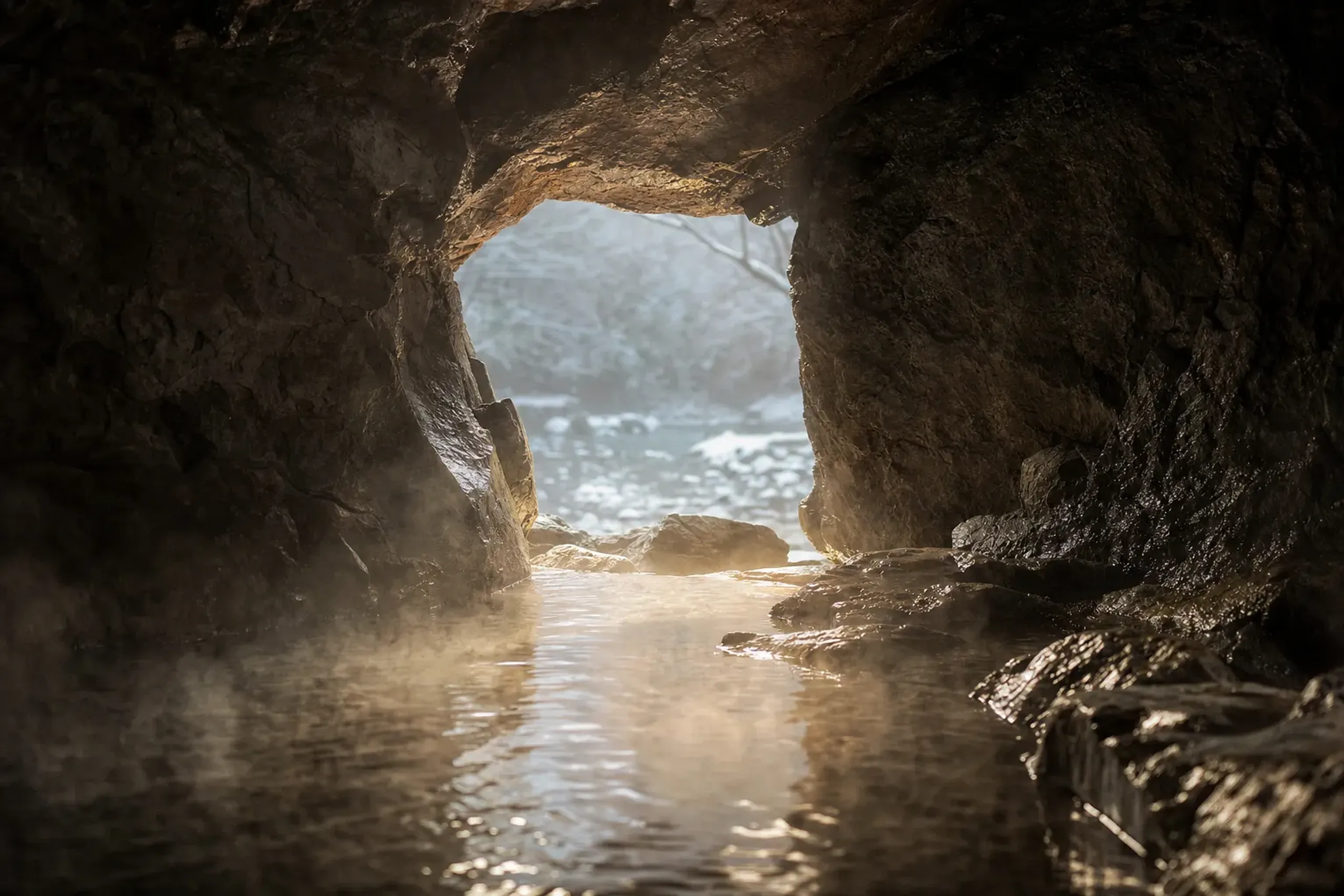
Then came Shinmeikan's third-generation owner. Gotō Tetsuya, born in 1931, was just 24 when he took a chisel to the rock beside the Tanoharu River. He carved a cave bath by hand, working at it for three and a half years until it was finished. One man. One tool. A bath cut into living stone.
It worked. Guests came for it. And here is the part that matters — the other ryokan didn't resent him. They followed him. One by one, inns along the valley built their own open-air baths, each shaped to its slice of riverbank.
But a few properties were boxed in by terrain. They wanted to join; they physically could not dig. That gap — between the inns that had baths and the inns that couldn't build them — is precisely what the pass was invented to close.
What Is The Kurokawa Onsen Nyūtō Tegata Bathing Pass?
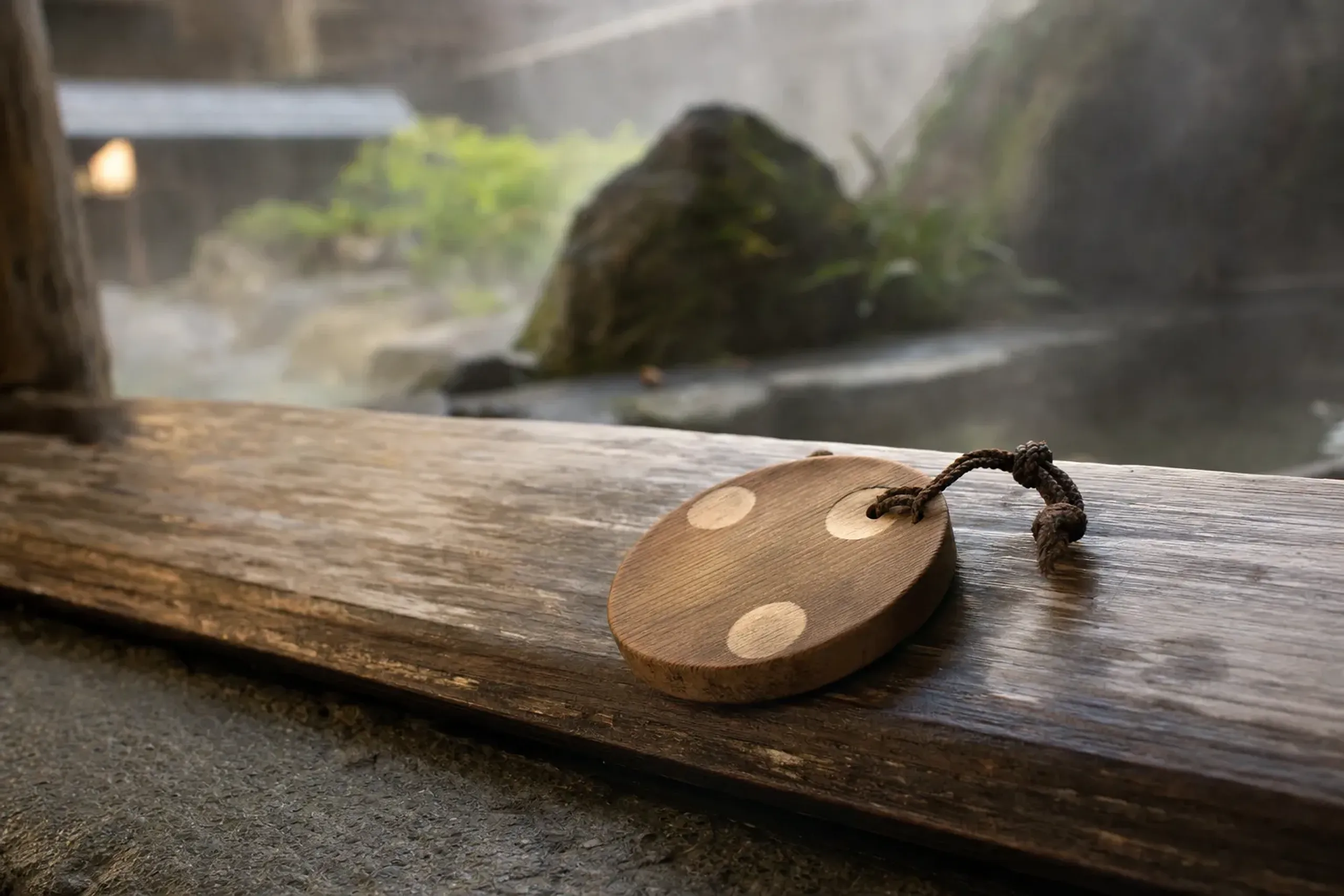
The nyūtō tegata is a wooden pass, valid for six months, that lets the holder enter three of Kurokawa's open-air baths at member ryokan across town.
You don't need to use it in a single day.
Across the association's roughly thirty inns there are around two dozen open-air baths in total — sources vary on the exact count, so treat it as approximate. Your three entries can be spent across separate visits over those six months. One of the three can even be redeemed for food or a souvenir instead of a bath.
What makes the pass itself remarkable is how it is made.
Handmade By The Valley's Own Residents
Each pass is cut from local Oguni cedar through a 17-step process — felling, drying, boiling, peeling, cutting, drilling. It is slow, deliberate work.
The final steps, the stamping and the stringing, are done by the Kurokawa district's own senior citizens' association. The town's elderly residents make the tickets by hand, as ongoing community work. So the object you carry from bath to bath was, in part, finished by the same hands that have lived in this valley for decades.
When you're done, the pass is yours to keep as a keepsake — or you can dedicate it at the town's roadside shrine. Over time the pass has grown beyond bathing; it now works as a kind of local currency, accepted at restaurants and shops throughout Kurokawa.
Key fact: The nyūtō tegata was not one person's clever idea. It was a collective 1986 decision by the ryokan association — designed so no member inn would be excluded.
The Town That Calls Itself One Single Ryokan
Kurokawa's own branding treats the entire town of around thirty inns, and the countryside around it, as one single ryokan.
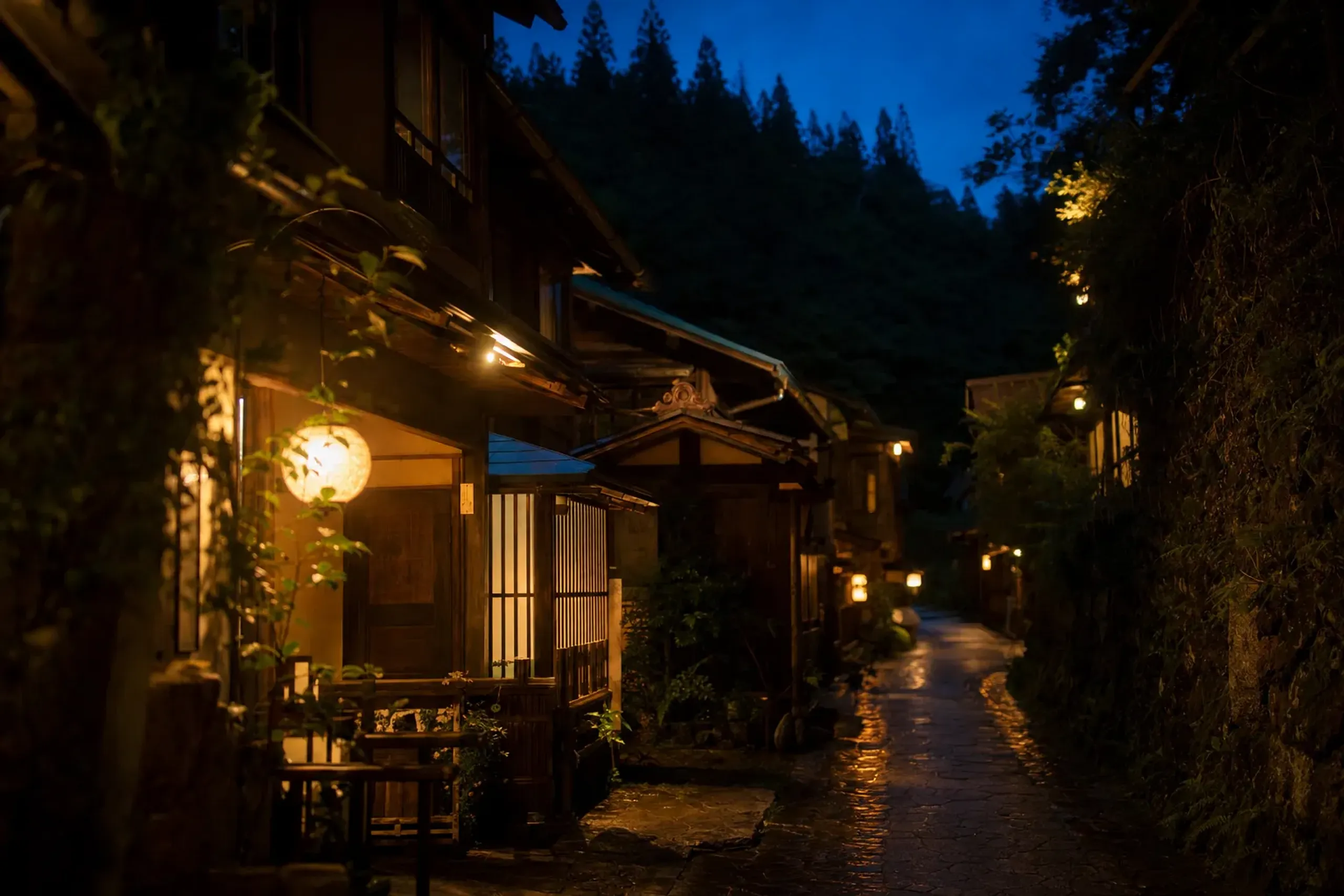
The idea is literal. The roads are the hallways. The trees and flowers are the garden. Every individual inn is simply a room within one larger whole. This isn't a phrase someone coined afterward to romanticize an accident — it is Kurokawa's stated, checkable philosophy, and it governs how the place looks and feels.
You see it in the restraint. No neon. No towering concrete hotels. Natural materials, muted colors, wooden façades leaning into the hillsides. The town agreed to protect its own quiet. For a traveler who prizes silence over spectacle, that shared discipline is the real luxury — it cannot be bought by a single property, only upheld by all of them together.
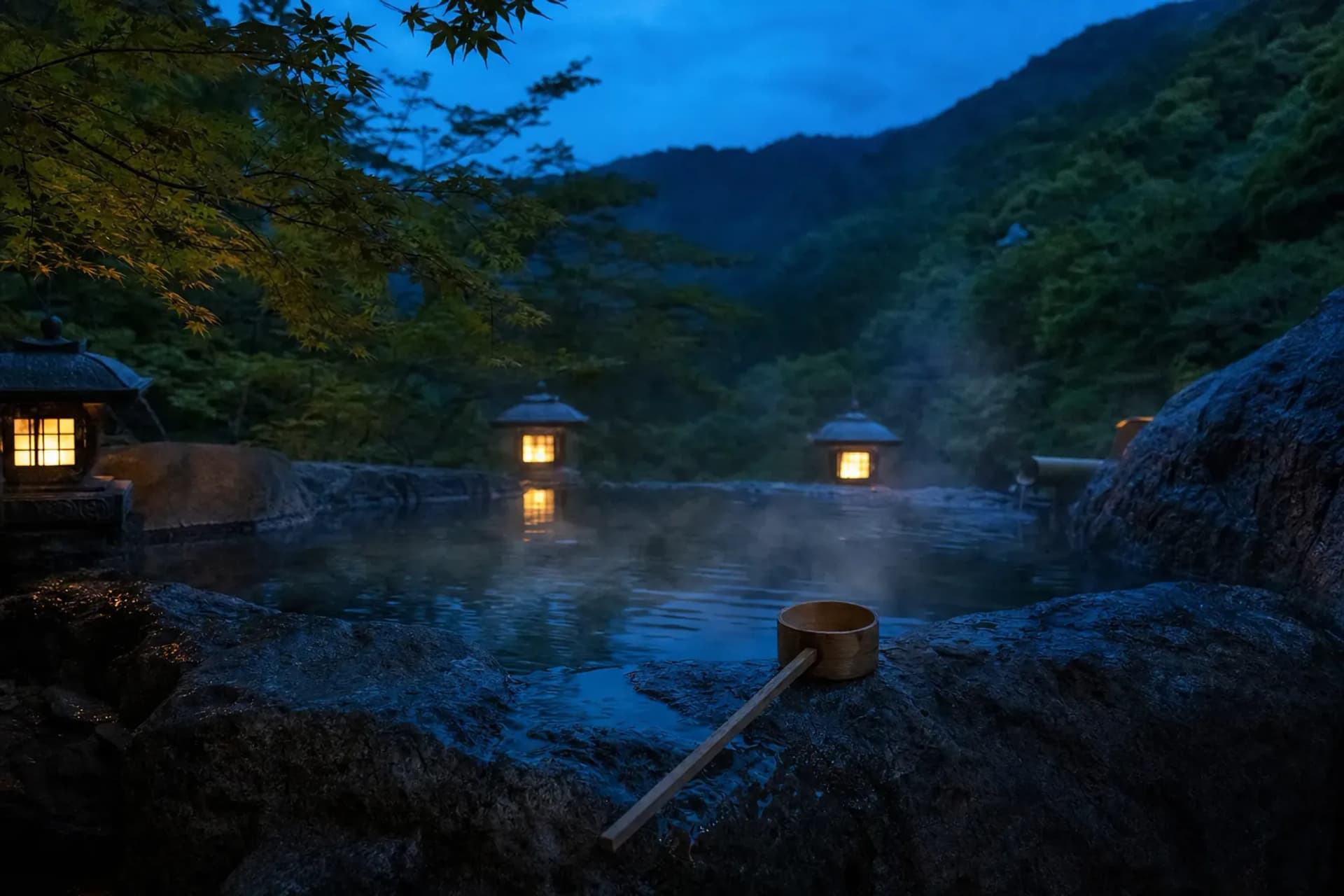
Walking from one open-air bath to the next along lantern-lit lanes, towel in hand, you stop feeling like a guest of any one inn. You become a guest of the valley.
Seven Of Ten Water Types In One Small Valley
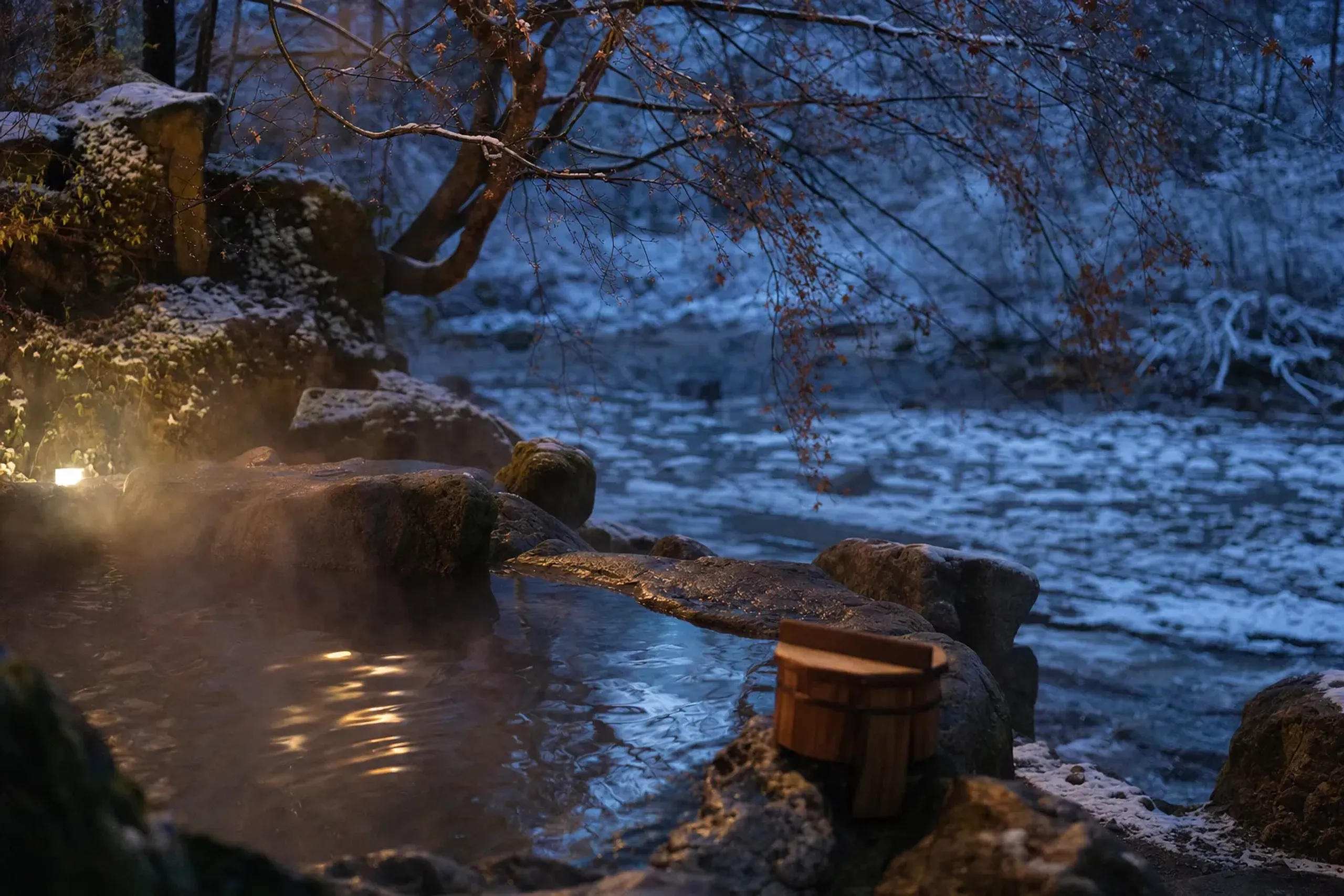
Kurokawa is a rare onsen town where 7 of Japan's 10 recognized hot spring water types can be found, with water quality differing from one ryokan to the next.
This is why bath-hopping here is more than novelty. Move between inns and you move between genuinely different waters — one bath softer on the skin, another sharper, another warming in a way the last was not.
The variety is the whole point of the pass.
The numbers tell you the idea landed. Visitor figures rose from 170,000 in 1989, when statistics began, to nearly 300,000 by 1999. A town that nearly faded after the 1960s became one of Japan's most admired hot spring destinations — not by outspending rivals, but by refusing to compete with its own neighbors.
When Is The Best Time To Visit Kurokawa Onsen?
Kurokawa rewards visitors year-round, but its highland setting about 20 km north of Mount Aso keeps summer evenings cooler than the lowlands, making it a quiet warm-season retreat.
In summer the town leans into the night. Official event listings have featured illumination such as the Kasa Andon light-up through the warmer months, and the association's 40th-anniversary programming for the nyūtō tegata has included a summer evening "Yusuzumi" lantern period. Dates shift year to year, so confirm the current schedule before you plan. The principle holds regardless: in summer, bathe at dawn and again after dinner, and walk the lantern-lit lanes once the heat lifts.
Autumn brings foliage along the gorge. Winter brings snow-dusted rooftops and steam rising off the rotenburo. There is no wrong season — only different ones.
Getting There
Kurokawa sits on no rail line. Access is by road — direct highway buses run from Fukuoka, and official tourism sources reference them — which is exactly why a private chauffeur changes the day entirely.
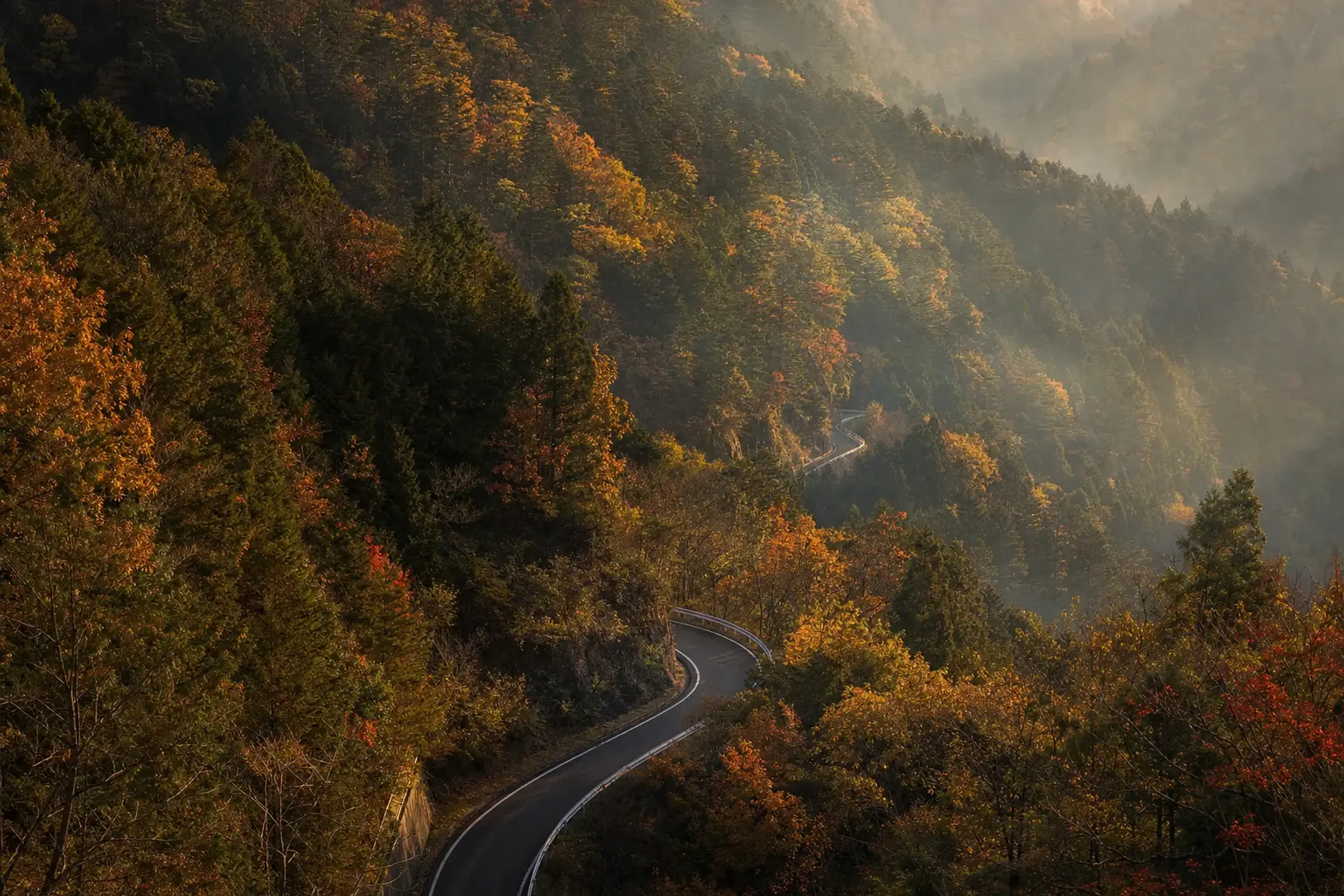
The drive through the Aso highlands is part of the pleasure, and a private car and driver lets you stop where the view asks you to.
Kurokawa pairs naturally with the wider Aso-Kuju region. Note that Mount Aso's crater access can shift with volcanic alert levels, so same-day plans near Aso benefit from flexibility. Nearby excursions such as Nabegataki waterfall have, in recent summers, used reservation-controlled entry on certain days. A little advance planning removes the friction. For another side of Kumamoto's craft of place, see our note on Suizenji Jōjuen.
Frequently Asked Questions
How Does The Kurokawa Onsen Bathing Pass Work For Overseas Visitors?
The wooden nyūtō tegata pass is valid six months and admits the holder to three of the town's open-air baths at member inns; one of the three uses can instead be redeemed for food or a souvenir. You may spread the uses across several visits.
Do I Have To Stay Overnight To Use The Kurokawa Bath-Hopping Pass?
No. The pass is open to day visitors as well as overnight guests, though staying at a ryokan lets you also use your own inn's private baths at dawn and after dinner, when the town is quietest.
Is Kurokawa Onsen Good To Visit In Summer With Mount Aso Nearby?
Yes. Kurokawa's highland setting keeps summer evenings cool, and the town leans into night illumination and lantern walks.
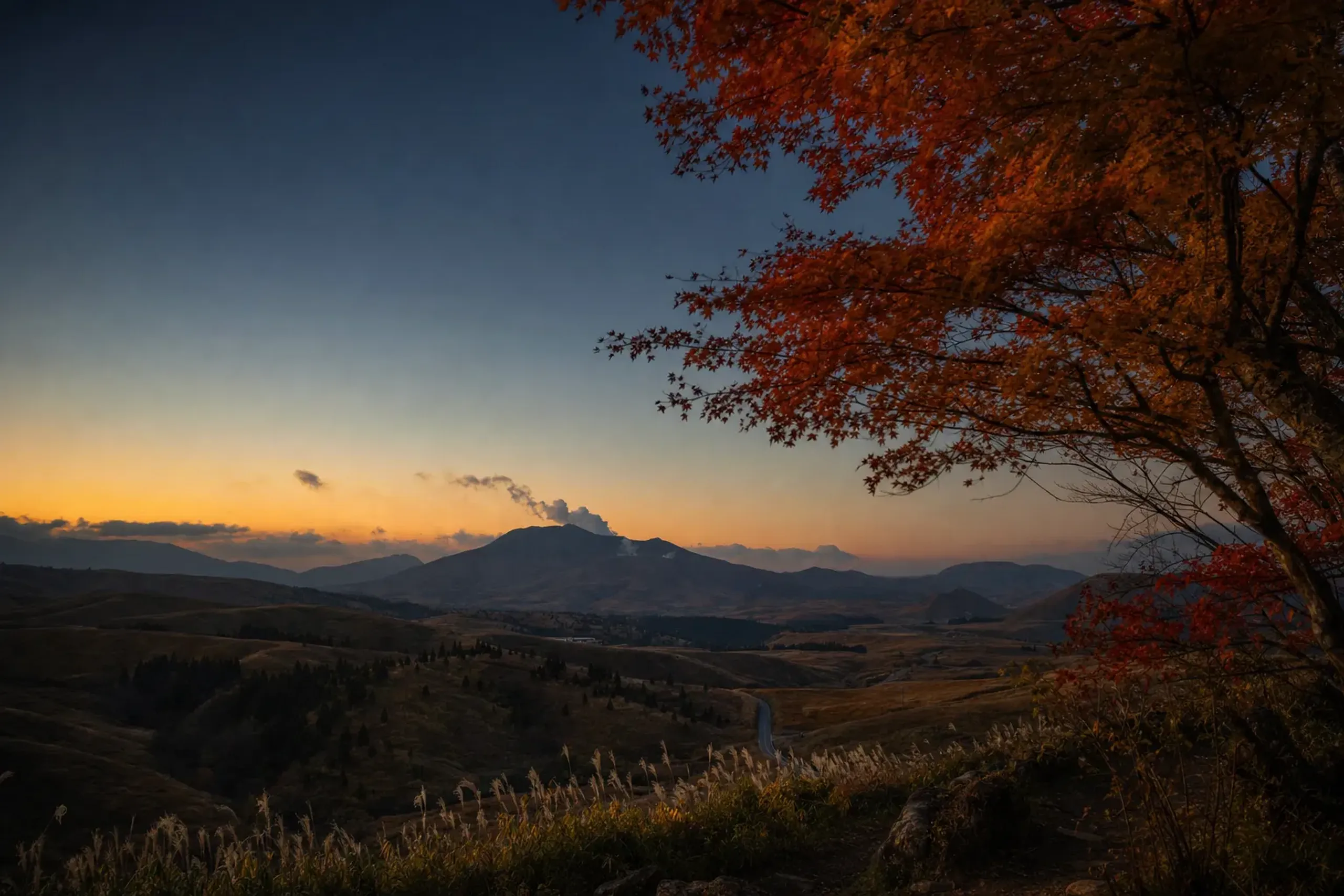
Because nearby Aso crater access can change with volcanic alerts, keep same-day Aso plans flexible.
Why Is Kurokawa Onsen Considered Special Among Japanese Hot Spring Towns?
Kurokawa preserves a strict wooden townscape with no neon or concrete towers, offers 7 of Japan's 10 hot spring water types across its inns, and runs a cooperative bathing pass built so smaller inns are never excluded.
Why Choose Japan Royal Service
Kurokawa does not announce itself. There are no grand lobbies, no gold leaf, no spectacle competing for your attention. Its luxury is silence, private water, and a valley that agreed to protect its own calm. Reading that correctly — and matching you to the right room within the "one single ryokan" — is where our work begins.
Our team at Japan Royal Service arranges three things for Kurokawa, plainly: expert guiding, private transfers through the Aso highlands, and carefully chosen accommodation and bespoke itinerary selection. Our concierge verifies current pass details, bath availability, and ryokan options on your behalf before you arrive, and keeps your identity and plans entirely private throughout.
In our experience, the difference between a good Kurokawa visit and an unforgettable one is timing and discretion — knowing which baths to walk to at dawn, which to save for after dinner, and when the lanterns come on.
To begin planning privately, reach our team via WhatsApp or LINE, or contact us here.