
In this guide
- 01Why "Beginner" Is The Right Way To Start
- 02Day One, Morning: The Museum That Makes You Fluent Without Trying
- 03Day One, Afternoon: Hands In The Clay, Nothing To Prove
- 04Day One, Late Afternoon: Tea, Wagashi, And A Slower Pulse
- 05Day Two, Morning: The Loom You Can Hear Before You See It
- 06Day Two, Late Morning: Dyeing Cloth With Your Own Hands
- 07Day Two, Afternoon: The Blade, If You Want To Go Deeper
- 08A Sample Two-Day Shape
- 09Light Etiquette, Held Feather-Light
- 10Where To Stay, If You Want The City As A Base
- 11Common Questions From First-Timers
- 12Why Choose Japan Royal Service
You stand at the workshop door. You have not touched clay since school. You cannot name a single glaze, you do not know what makes one bowl worth more than another, and you are half-convinced someone inside will ask you a question you cannot answer. Here is the secret nobody tells first-timers: none of that matters.
Curiosity is the only ticket. That is the whole prerequisite. The Kyoto craft world can feel like a members-only club for collectors who speak in whispered lot numbers — but the makers themselves rarely think that way. They want you to watch the hands. To hear the loom. To leave with a slightly changed eye.
This is a quiet, low-pressure itinerary built for exactly that. Two unhurried days across four crafts, no obligation to buy, no vocabulary to memorise. Our team at Japan Royal Service designs these mornings to run calmly, timed around Kyoto's official congestion data so you meet the work — not the crowds.
Why "Beginner" Is The Right Way To Start
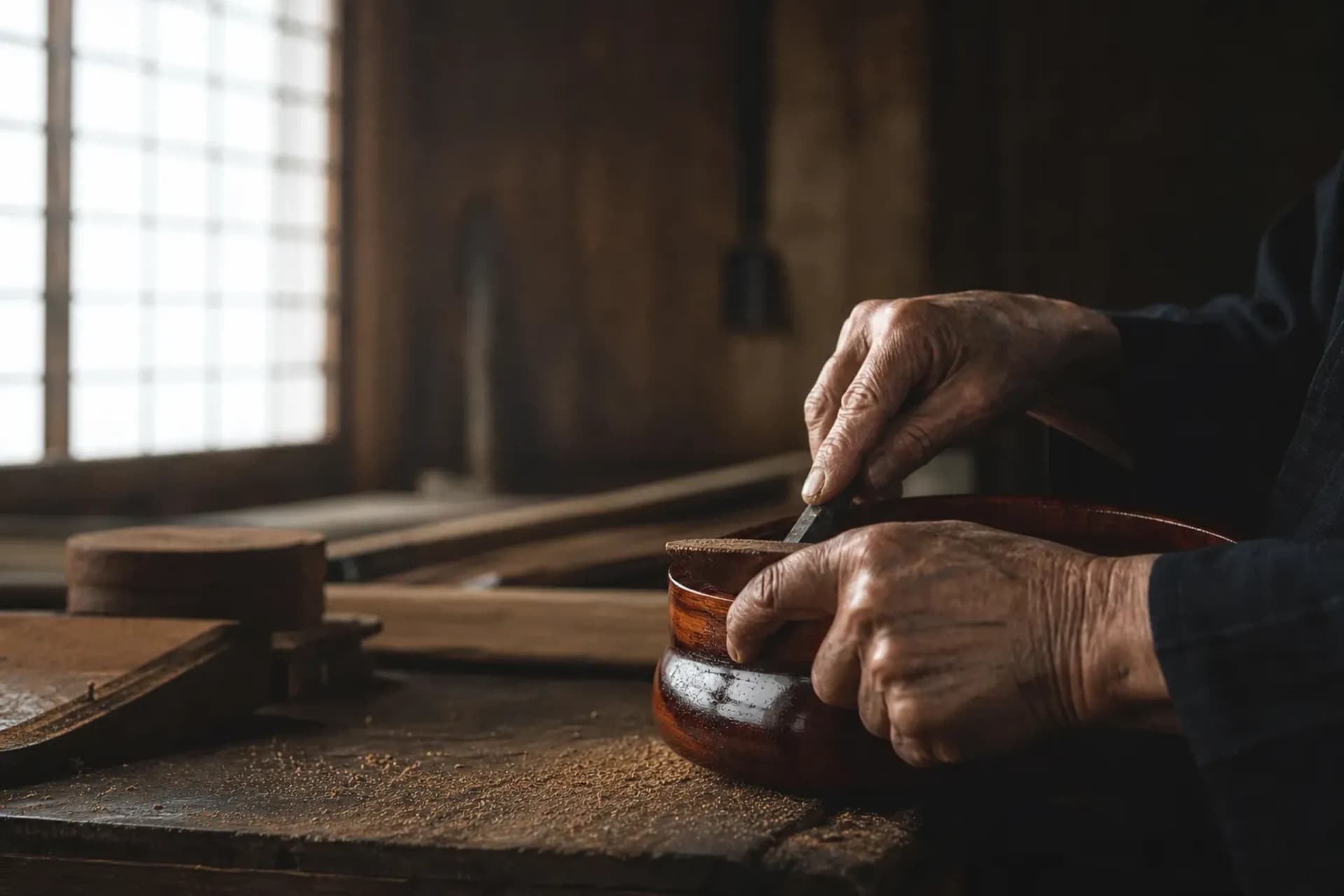
Curiosity is the only prerequisite — the clay forgives everything else.
Most craft content buries you in cultural explanation before you have felt anything. We do the reverse. Feel first, understand later — if you want to at all.
The plan below is a deliberate ladder. You climb it at your own pace. Museum on the ground floor, then an open studio demonstration, then a gentle hands-on session, and — for those who catch the bug — a private atelier visit where a maker works quietly beside you. No step obliges the next. Some guests stop after the museum, content. Others end the second day dyeing cloth and grinning.
The only rule: you never have to speak the language of craft. Point, watch, touch when invited. That is enough.
A word on timing, because it changes everything. Kyoto now publishes an official Travel Congestion Forecast, operated by the Ministry of Land, Infrastructure, Transport and Tourism's Kyoto National Highway Office. We read it the way a sailor reads the tide. Craft mornings early, museum through the busy midday, tea when the light goes gold and the day-trippers have gone. That single discipline is what makes "quietly" true rather than aspirational.
Day One, Morning: The Museum That Makes You Fluent Without Trying
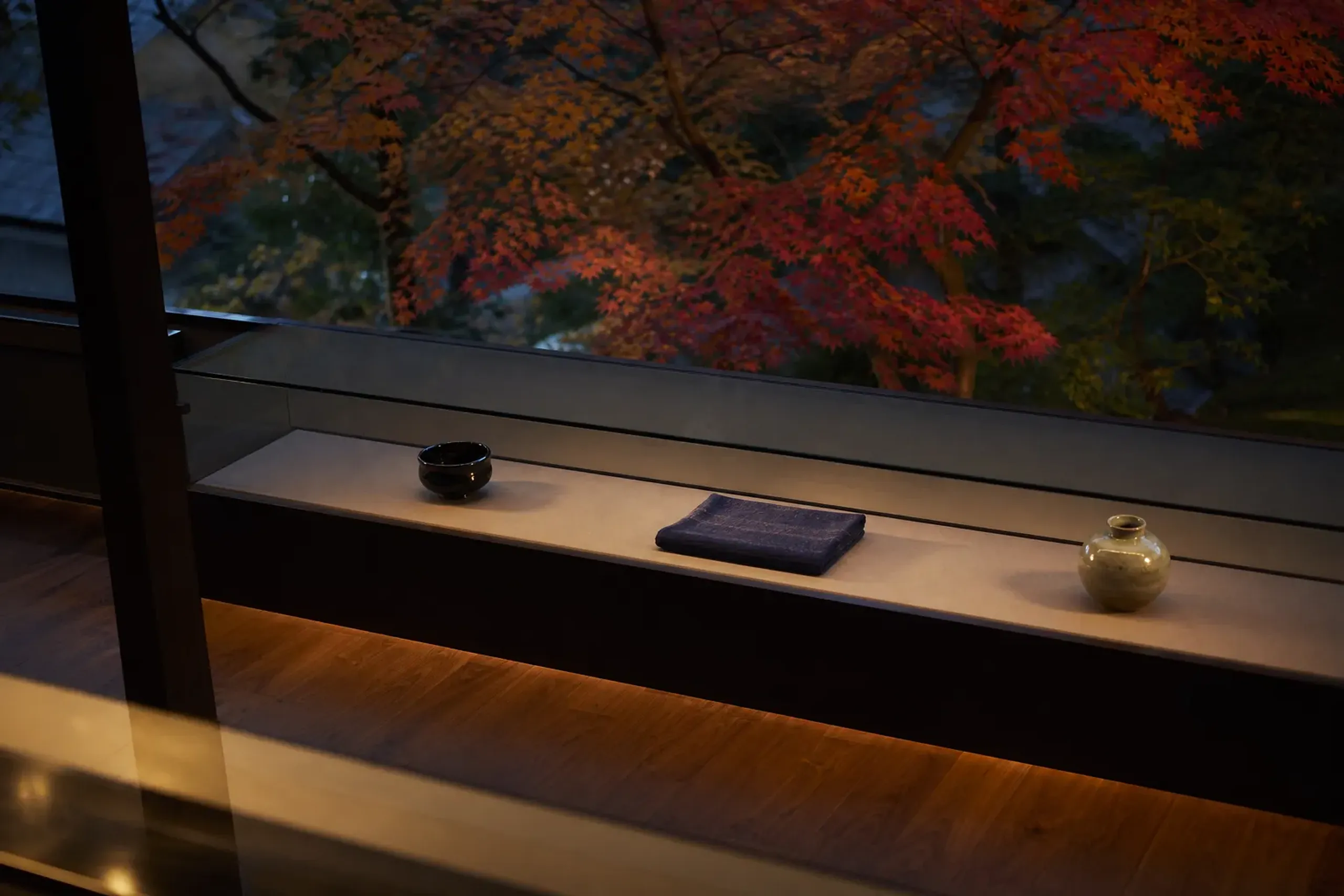
The grounding hour: look slowly, and notice which craft keeps pulling you back.
Start where nobody can embarrass you. The Kyoto Museum of Crafts and Design — also known as the Kyoto Traditional Industry Museum — sits inside the Miyako Messe hall near Heian Shrine. It gathers dozens of Kyoto crafts under one calm roof, with plain-language displays that show you what you are looking at.
This is your grounding hour. You will see Nishijin weaving, lacquer, ceramics, dyeing, metalwork — all in one place, with no pressure to react. Walk slowly. Notice which case pulls you back. That instinct is the whole point; it tells you which of the day's later stops will land hardest.
Quick Logistics
- Where: Miyako Messe basement, Okazaki district, near Heian Shrine and the museum belt
- Best window: arrive at opening; you'll have the galleries near-empty for the first hour
- Bring: nothing. Photography is generally welcome on the exhibition floor — confirm signage per display
- Feel for: which craft your eye keeps returning to
By the time you leave, you will recognise a Nishijin obi at ten paces. You did not study. You just looked. That is how a beginner becomes fluent in Kyoto — through the eyes, not the textbook.
Day One, Afternoon: Hands In The Clay, Nothing To Prove
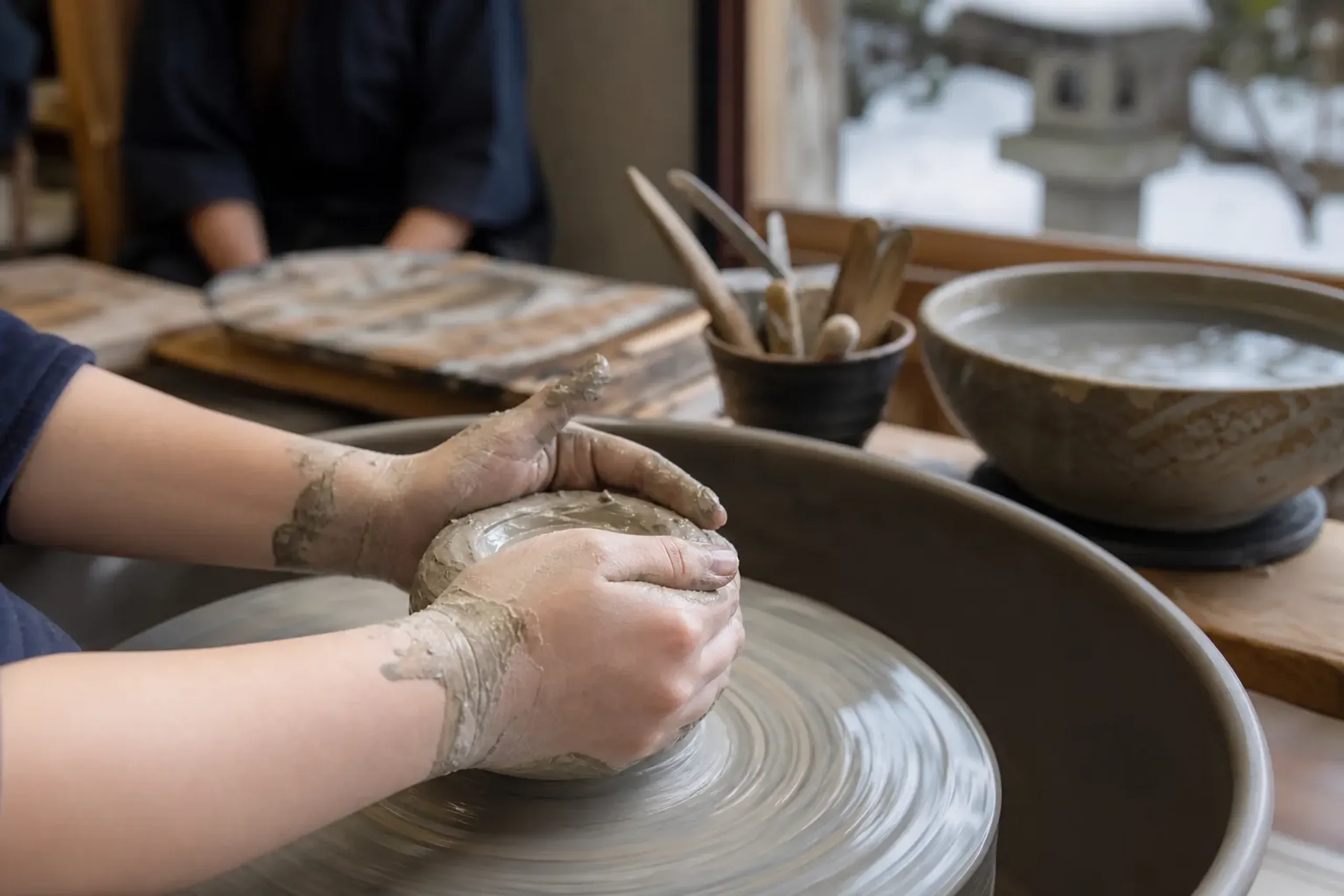
Now for the medium most people find least intimidating: ceramics. There is something forgiving about clay. It does not care that you have never done this. It simply moves under your fingers, wobbles, collapses, and forgives you again.
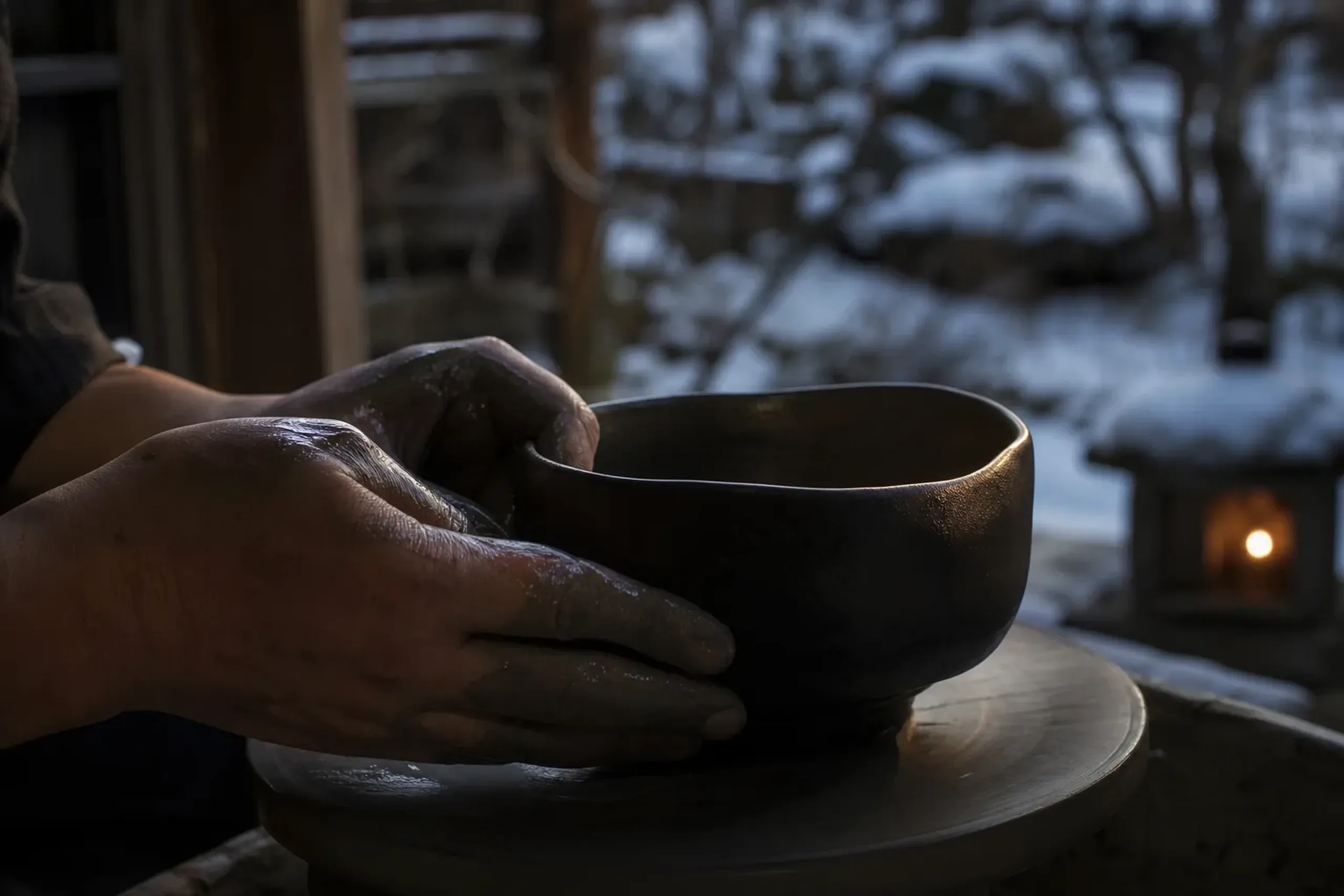
A beginner ceramics session is not about producing a museum piece. Big mistake to think it is. It is about the rhythm — the wheel's hum, the wet grip, the maker's hand landing over yours for three seconds to correct an angle. Most first-timers describe the same thing afterward: the room went quiet in their heads. That is the payoff. Not a bowl. A stillness.
Kyoto's Raku tradition — the hand-shaped, low-fired ware born for the tea room — is the aesthetic backdrop here, all subdued surfaces and deliberate imperfection. You are touching the wabi-sabi idea directly: beauty that admits the human hand rather than hiding it.
Quick Logistics
- Medium: hand-building or wheel, depending on the studio's beginner format
- Duration: keep it to a relaxed 60–90 minutes; longer starts to feel like homework
- Etiquette: quiet voices, phones down while the maker demonstrates, ask before filming their hands
- Take-home: often nothing on the day — fired pieces may follow later, or the memory alone is the souvenir
Day One, Late Afternoon: Tea, Wagashi, And A Slower Pulse
End the first day the Kyoto way — sitting still. A late-afternoon tea moment is not a craft workshop, exactly, but it is the mortar between the bricks. Seasonal wagashi, a bowl of matcha, and the deliberate slowness that the whole city is built around.
We schedule this for the golden hour precisely because the streets have thinned. You have made something with your hands, you have looked hard at old cloth and clay, and now you let it settle. No talking required. The best guests, we've found, go quiet here on their own.
Day Two, Morning: The Loom You Can Hear Before You See It
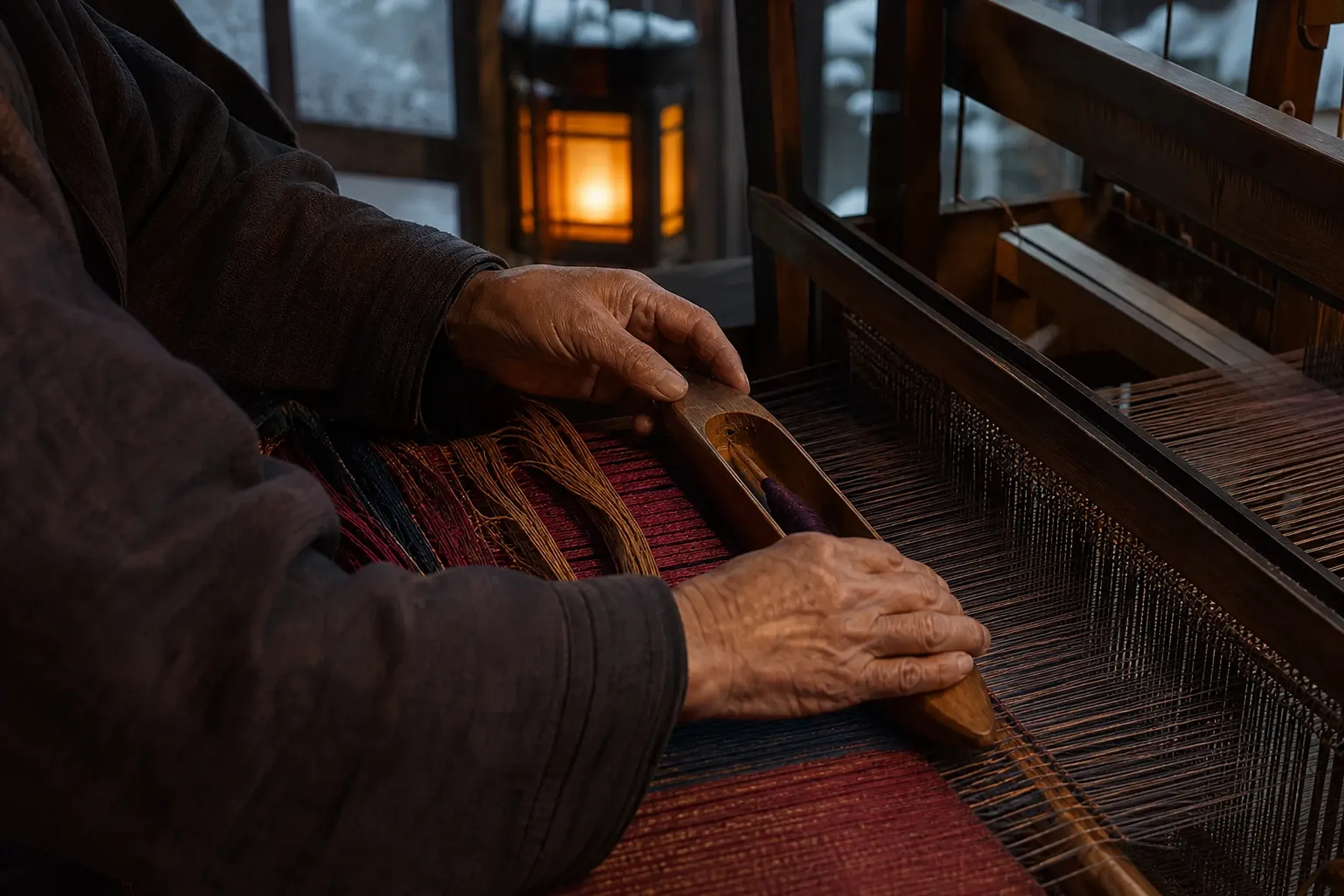
You hear the Nishijin loom before you see it — and your breathing slows to match.
Nishijin is Kyoto's weaving district, and its textile tradition runs back centuries. You will hear the loom before you round the corner — a rhythmic clack that fills the room and organises your breathing without asking permission.
Watching a Nishijin weaver is the purest "process over product" experience on this itinerary. Threads by the thousand. Fingers that move faster than you can track, then pause, then correct one strand you would never have noticed. You do not need to know the difference between one weave and another to feel the discipline of it. You just watch, and something in you slows down to match the loom.
Quick Logistics
- Where: the Nishijin district, northwest-central Kyoto
- Format: a short introductory visit — watch, ask, feel the finished fabric between your fingers
- No obligation: this is a looking visit; buying is never expected
- Feel for: the weight and cool of the silk, the difference between machine-smooth and hand-made
Day Two, Late Morning: Dyeing Cloth With Your Own Hands
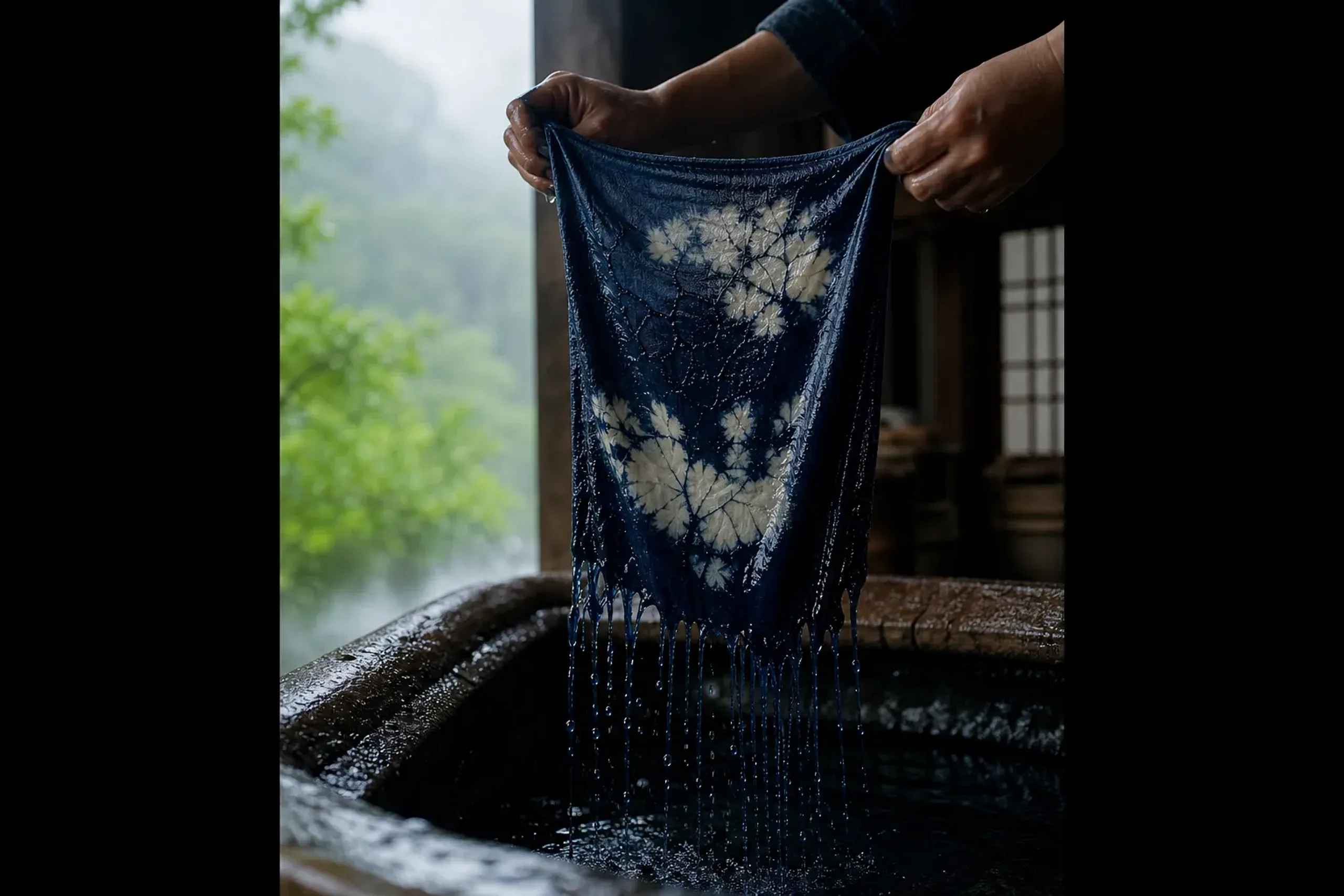
The moment the resist reveals the pattern — most people's favourite second of the day.
If ceramics is forgiving, dyeing is dramatic. You submerge cloth, you lift it, and colour appears where a moment ago there was none. Beginners tend to gasp. It is the most instantly rewarding craft on the list.
ROKETSU Dyeing Studio YAMAMOTO offers visitor workshops in roketsu, a wax-resist dyeing method. The studio states it is the only place in Japan where visitors can experience the entire roketsu dyeing process from start to finish. You draw a resist in wax, dye around it, and the pattern emerges. No prior skill. No jargon. Just the small thrill of watching a plain square become yours.
Quick Logistics
- Craft: roketsu wax-resist dyeing, beginner-friendly by design
- Take-home: usually one small dyed piece — a genuine, useful souvenir rather than a shopping bag
- Etiquette: aprons provided; wear clothes you don't mind splashing; keep voices low in the working studio
- Feel for: the moment the resist reveals the pattern — most people's favourite second of the day
Day Two, Afternoon: The Blade, If You Want To Go Deeper
The top rung of the ladder. Kyoto's knife tradition sits at the sharp edge of shokunin culture, and a beginner knife-making experience turns abstract respect into something you can hold.
Wabunka lists a Kyoto knife-making experience at a historic smithy — a chance to learn the fundamentals of blade craft from makers who have devoted their lives to it. You will not become a bladesmith in an afternoon. That is not the aim. The aim is to feel the heat, the weight of the hammer, the patience it takes to make one edge true. Afterward, every good knife you ever hold will feel different in your hand.
For those who want a gentler final stop instead, Wabunka also offers a bamboo chopstick-making session at Shop & Gallery Chikubuen, with matcha included. You shape your own chopsticks from Kyoto bamboo and sit with tea when you finish. Quieter, warmer, no fire. Both are correct endings — choose by temperament.
Quick Logistics
- Two closing options: knife-making (intense, deeply satisfying) or bamboo chopsticks with matcha (calm, tactile)
- Take-home: your chopsticks come with you; knife pieces follow the studio's finishing process
- Etiquette: follow every safety instruction exactly; punctuality matters enormously to working makers
- Feel for: the difference between watching craft and doing it — this is where it clicks
A Sample Two-Day Shape
Here is how the pieces fit, timed for calm rather than coverage.
| Time | Day One | Day Two |
|---|---|---|
| Morning | Crafts & Design Museum (quiet opening hour) | Nishijin weaving visit |
| Late morning | — | Roketsu dyeing hands-on |
| Afternoon | Beginner ceramics session | Knife-making or bamboo chopsticks |
| Late afternoon | Tea & seasonal wagashi (golden hour) | Free — walk, rest, or repeat a favourite |
Everything moves between stops in a private, chauffeured car. Kyoto's craft studios sit in different corners of the city, and a quiet private chauffeur service is what turns four scattered addresses into one unhurried day. No taxi queues, no map-squinting, no arriving flustered at a maker's door.
Light Etiquette, Held Feather-Light
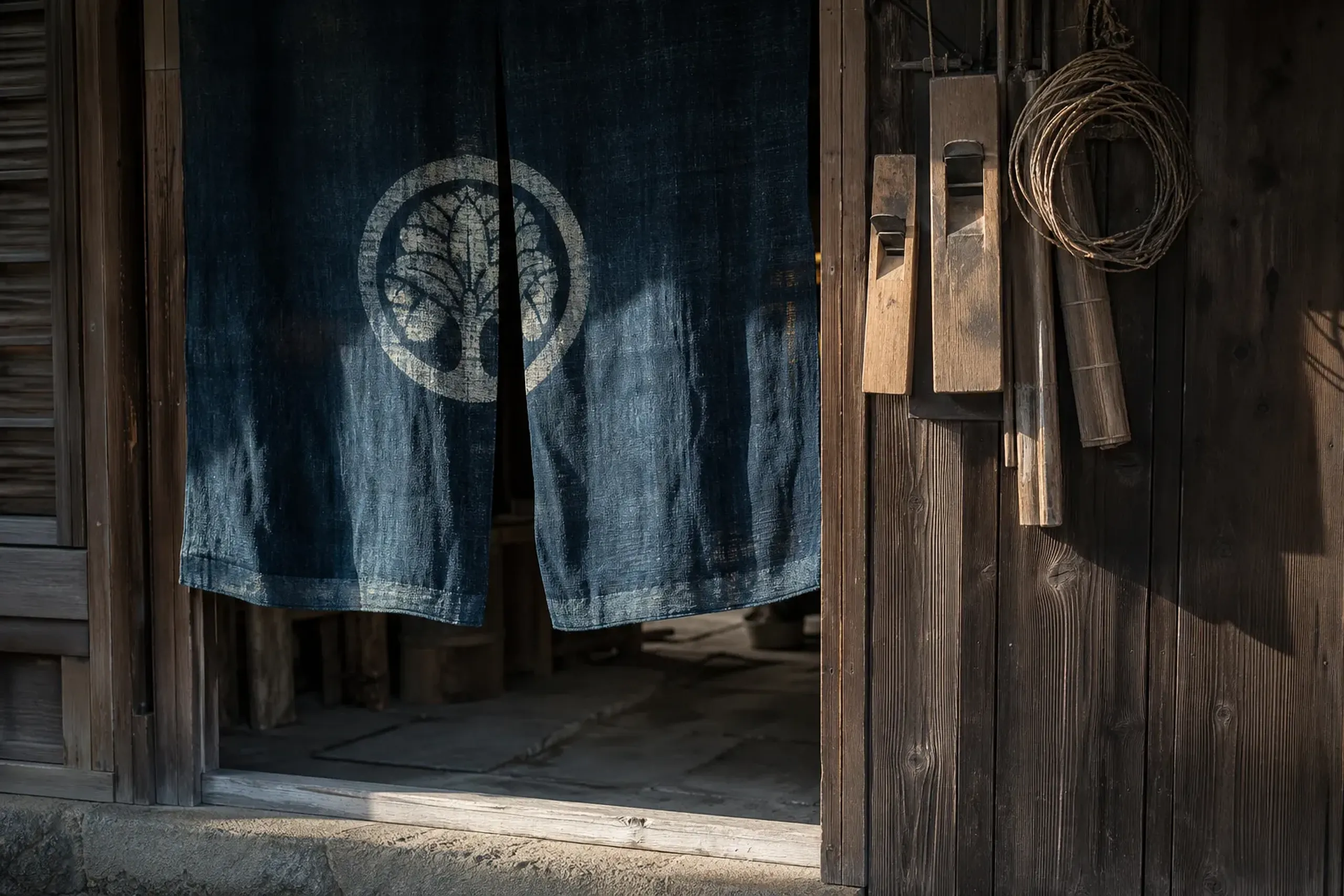
These are working places, not attractions — arriving well is the whole courtesy.
Kyoto has, in 2026, formalised its guidance on respectful visiting — part of a broader national effort by Japan's Tourism Agency to ease overtourism. Craft studios are working places, not attractions. A few small courtesies keep you welcome, and none of them require thought once you know them.
- Arrive on time. Makers keep tight schedules; lateness ripples through their whole day.
- Keep voices low. The room's quiet is part of the work.
- Ask before filming a maker's hands. Most say yes. The asking is what matters.
- Never feel obliged to buy. Interest honours the maker more than a rushed purchase.
- Book ahead, always. These are small studios, not walk-in shops.
That last point is where quiet travel and responsible travel meet. Small, booked, punctual visits support the makers directly and keep Kyoto's streets calm. Luxury here is not exclusivity for its own sake — it is the discipline of arriving well.
Where To Stay, If You Want The City As A Base
Kyoto's 2026 openings suit a slow craft itinerary. Capella Kyoto opened on March 22, 2026 in the historic Miyagawa-cho kagai — a heritage-immersive base with the hushed materials and controlled arrivals that make a craft-focused stay feel restful rather than logistical. The Imperial Hotel's Kyoto retreat, debuting March 5, 2026 near Gion, brings a formal, discreet register for guests who value that.
Either works as a still centre. You leave in the morning for the loom or the wheel, and return each evening to somewhere quiet enough to let the day settle.
Common Questions From First-Timers
Do I need any craft experience?
None. Every stop on this itinerary is chosen because it welcomes complete beginners. The makers correct your hands gently and expect nothing.
Will I have to buy something?
No. Some sessions send you home with a small piece you made — dyed cloth, chopsticks. Watching visits carry zero purchase expectation. Interest is the courtesy, not spending.
Is there a lot of talking or explanation to follow?
Very little, and only if you want it. The itinerary runs on watching and touching. We translate anything you'd like explained into plain words, and leave the rest as silence.
When is the best time to visit for calm?
Craft mornings are quietest year-round. In July, Gion Matsuri fills central Kyoto — a thousand-year-old festival worth seeing, but we route craft visits away from its peak congestion using the city's official forecast tool. Spring and autumn are lovely; midweek beats weekends everywhere.
How are the workshops arranged?
Many are bookable directly with the studios and marketplaces that host them. For a two-day sequence with private transfers, timing, and etiquette handled quietly, guests may contact our concierge for tailored guidance.
Why Choose Japan Royal Service
Anyone can list craft workshops. What our team at Japan Royal Service does is different — we build the tailor-made itinerary around your temperament and the city's real rhythms, so a first-timer never once feels out of place.
In our experience, the difference between a good craft day and a flustered one is entirely in the pacing. We read Kyoto's congestion data. We hold the studio bookings and the punctuality that working makers quietly require. We move you between addresses in a private car so you arrive calm at every door. And we protect your privacy completely — where you go and what you do stays yours.
You do not need to become a collector. You need to see Kyoto through a maker's hands, once, and let it change your eye. That is within reach. We simply make the arriving effortless.
To plan a quiet Kyoto craft itinerary, reach our team privately via WhatsApp or LINE, or contact us here.