In this guide
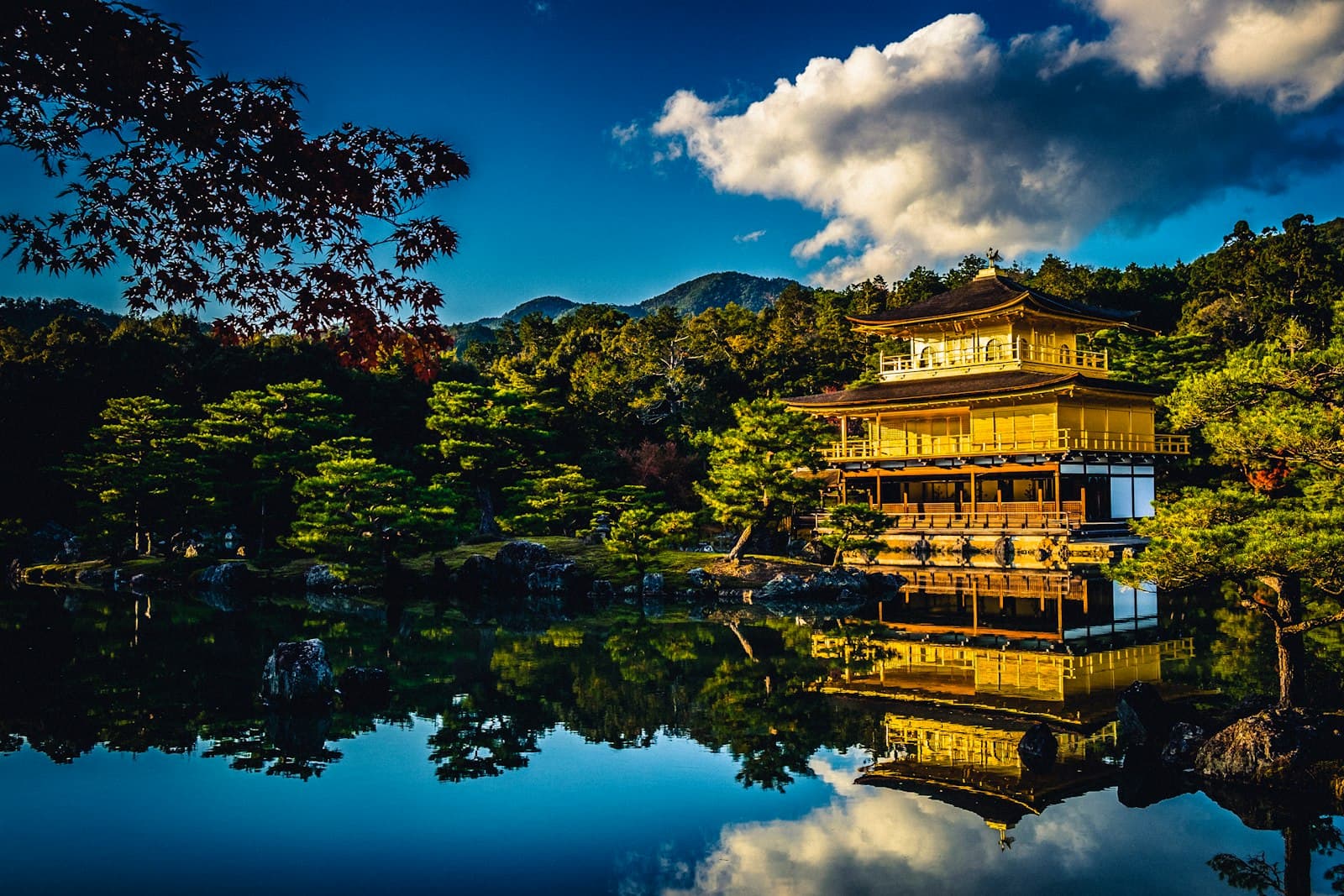
The first thing you notice is what is missing. No crowd noise. No shuffle of a hundred phone cameras. Just gravel underfoot, a temple garden still cool from the night, and the low creak of an old wooden gate opening for you alone. This is the Kyoto most visitors never meet.
Most trips to Kyoto move too fast. Golden Route, checklist, thirty minutes per shrine, back on the bus. The city gives up almost nothing this way. Its real gift is slowness. Our team at Japan Royal Service builds Kyoto journeys around a quieter promise: experience less, notice more. Over three days, that promise becomes something you can feel in your shoulders.
This is a 72-hour plan for the traveler who has already seen a great deal of the world and is tired of being rushed. It leans on early hours, uncrowded neighborhoods, seasonal meals, and one long, unhurried afternoon with a master craftsman. Kyoto's own tourism authorities now openly encourage this kind of demand-dispersed, reservation-based travel. Calm, it turns out, is also the responsible way to move through this city.
Why 72 Hours Is Enough (When You Slow Down)
Three full days sounds short for a city with seventeen UNESCO World Heritage sites. It is plenty. The trick is subtraction, not addition.
Kyoto rewards depth over coverage. A single garden studied for forty minutes leaves a deeper mark than six shrines glimpsed at speed. Kyoto City's official tourism platform has spent 2026 promoting congestion visualization and demand dispersion, steering visitors away from the same three landmarks at the same three hours. Our itineraries were already built this way. We time your movements to the gaps in the crowd, not the peaks.
The Shinkansen from Tokyo takes just over two hours, so Kyoto slots easily onto a longer Japan journey. But once you arrive, we ask you to stay put. No day trips. No frantic transfers. Just Kyoto, seen properly.
Who this itinerary suits: Well-traveled couples and solo travelers who want stillness over spectacle, cultural depth over photo counts, and a genuine encounter with a working artisan. Not for those who need to "see everything."
Day 1: Arrival and Silence
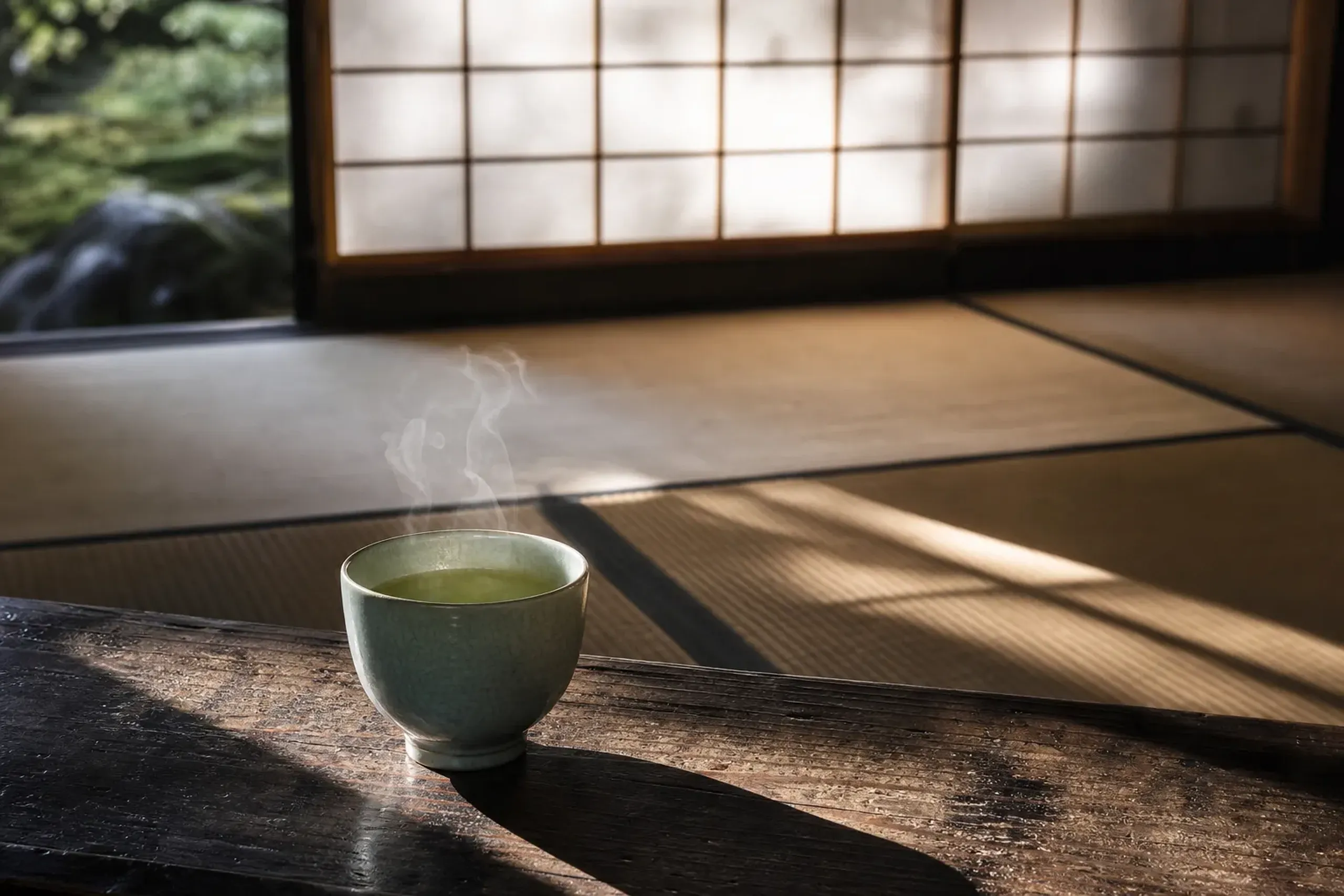
Arrival, slowed down: tea in a centuries-old Kyoto machiya.
You land, you settle, you exhale. The first day is deliberately thin. We resist the urge to fill it.
A Quiet Arrival
Your private chauffeur meets you on arrival and moves you into the city without friction. No taxi queue, no station chaos. Our private chauffeured transport in a Lexus LM 500 or Toyota Alphard gives you a sealed, quiet room on wheels while Kyoto slides past the window. The car matters more than people expect. It is where the mood of the whole trip is set.
For where you rest your head, Kyoto's new guard offers real choice. Six Senses Kyoto opened in Higashiyama in late April 2024, a wellness-leaning urban sanctuary. Capella Kyoto, a Kengo Kuma project with onsen suites and craft-linked programming, is scheduled to open on 22 March 2026. And the Imperial Hotel Kyoto opened in the Gion district on 5 March 2026, carrying its own thread of formal heritage. Each suits a different temperament. We match the property to your rhythm, not the other way around.
An Early Temple Garden, Before the Gates Open Wide
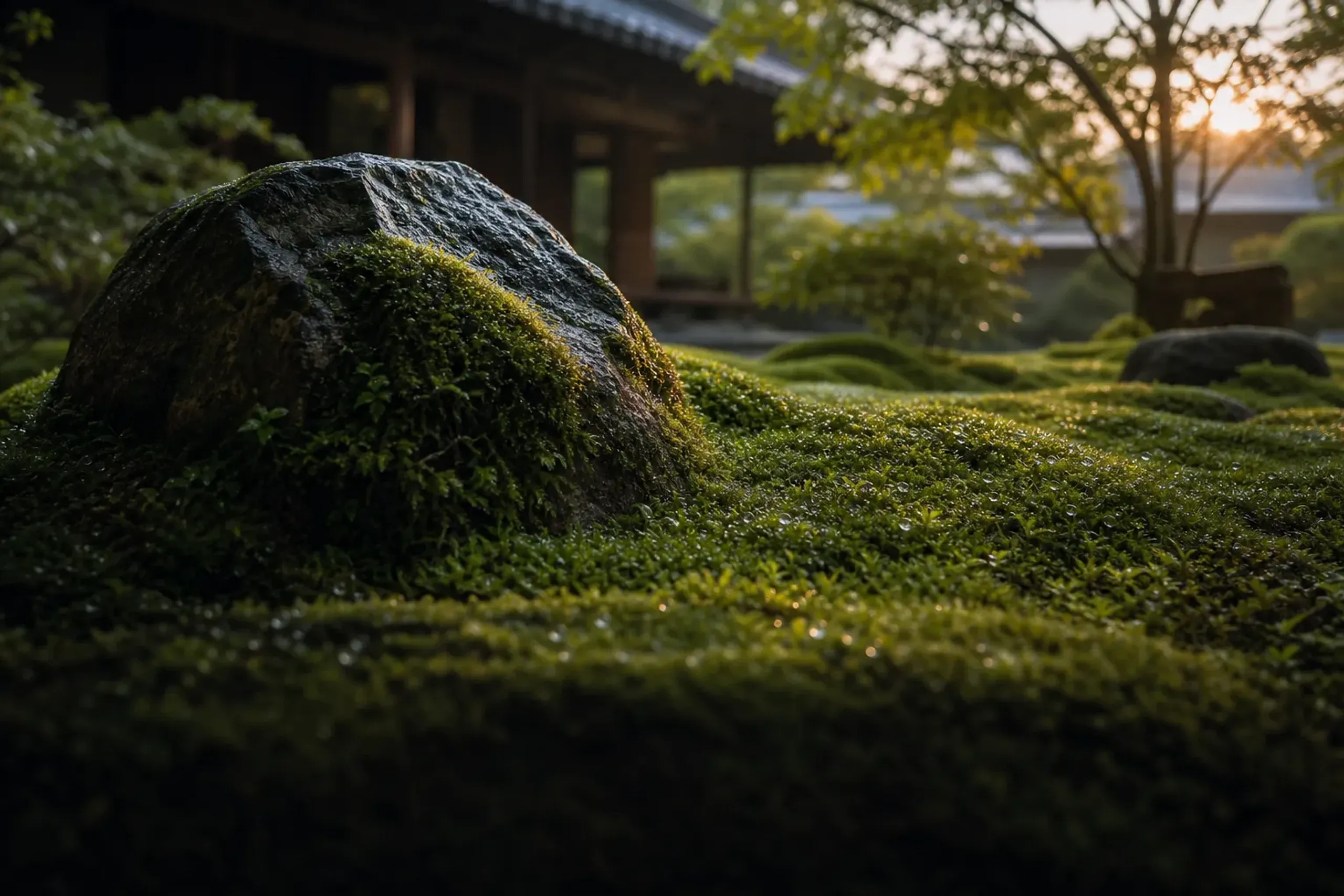
Late afternoon, we walk. Not far. A moss garden in the soft light before closing, when the day-trippers have thinned and the greens deepen. Kyoto's moss is a lesson in patience: it grows slowly, it holds water, it covers stone until the two become one thing. This is wabi-sabi you can kneel beside, not just photograph.
We keep the evening simple. A seasonal kaiseki dinner, small courses that follow the calendar rather than fight it. In our experience, guests who resist a packed first night sleep better and wake sharper. The city asks you to arrive twice. Once by train. Once by letting go.
Day 2: Craft and Contemplation
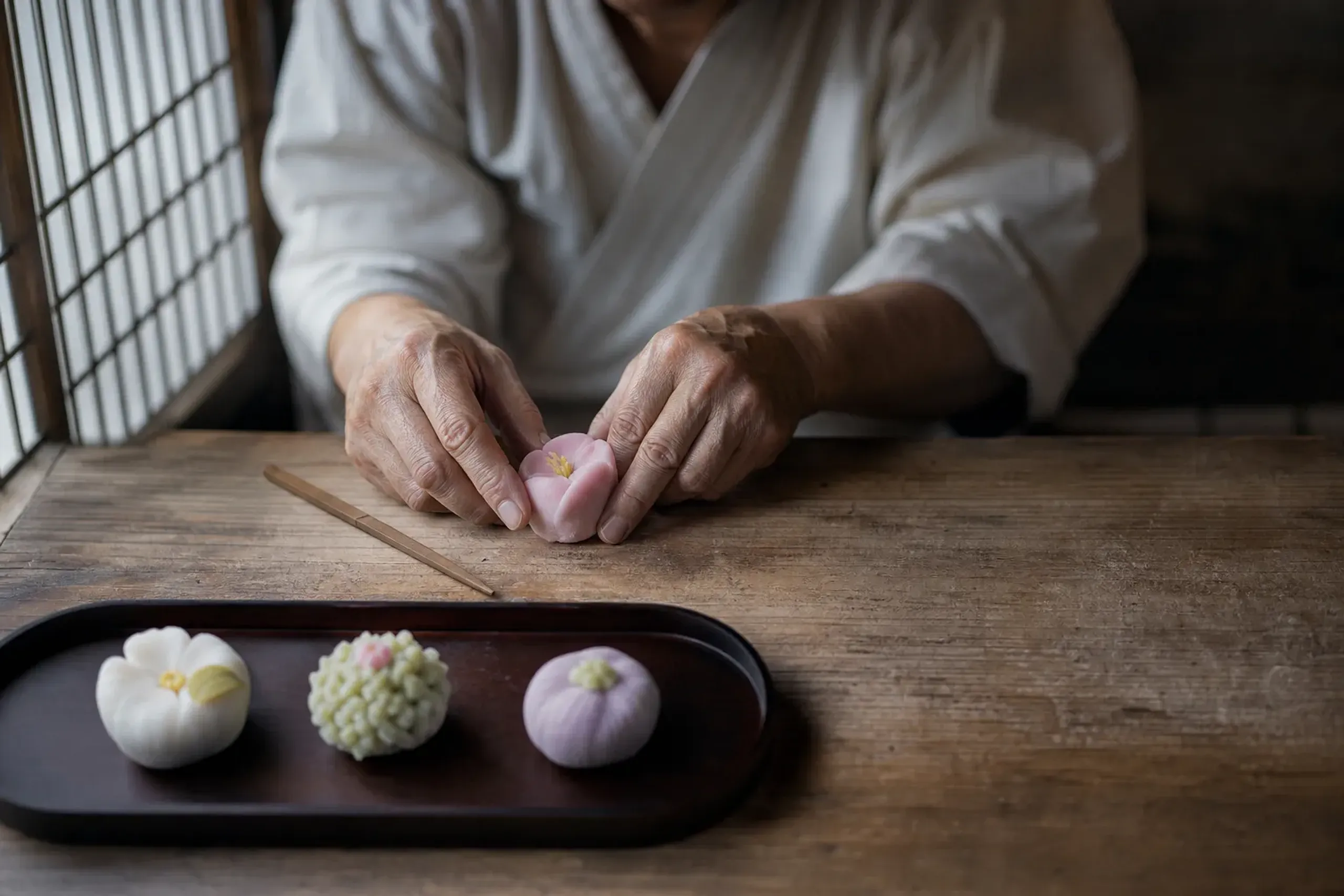
The heart of the journey: an unhurried afternoon with a master craftsman.
This is the heart of the journey. A slow morning, then a long private session with a master artisan. Everything else bends around it.
A Slow Morning in an Uncrowded Neighborhood
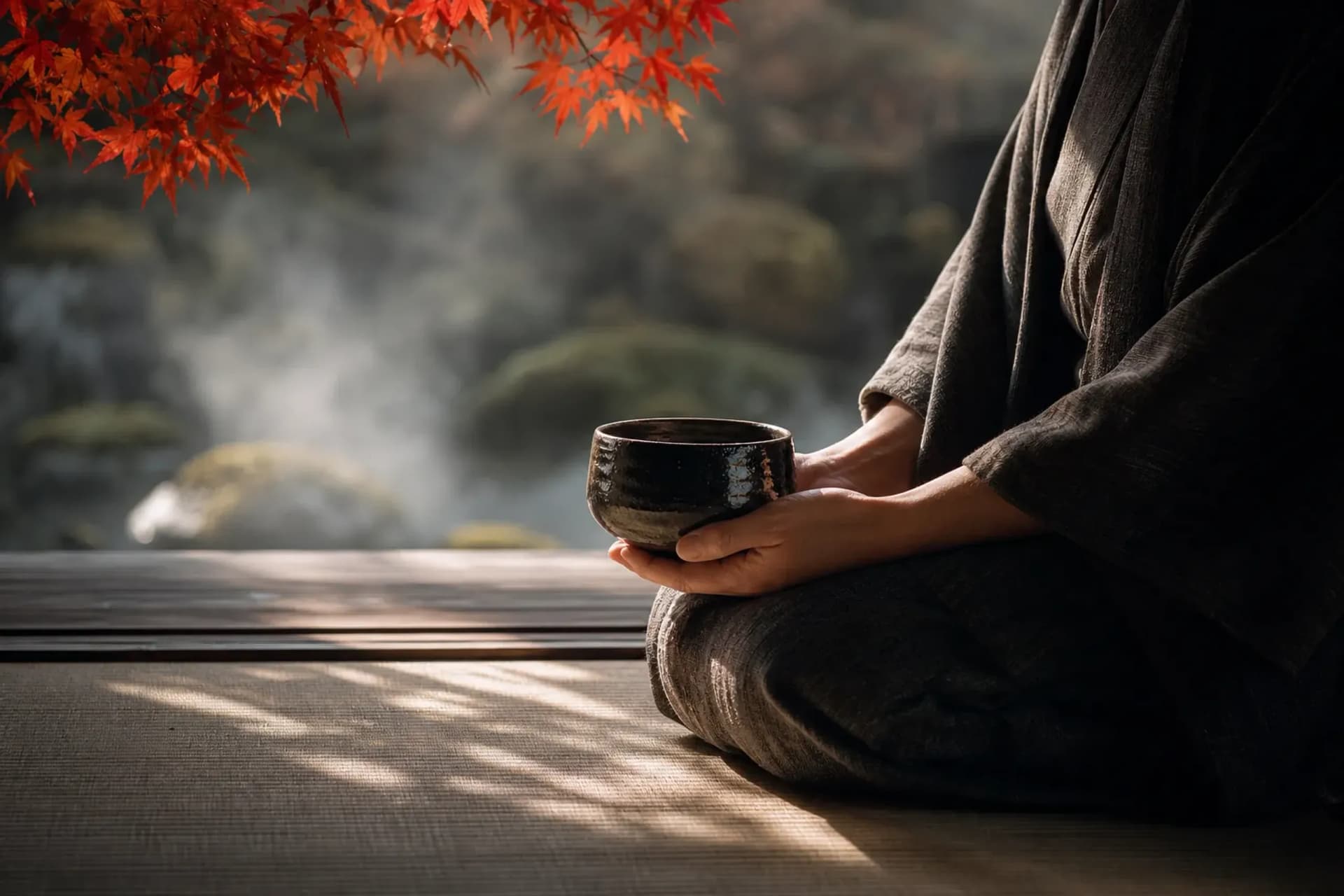
You wake without an alarm. Breakfast is unhurried. We route your morning through a quieter pocket of the city, away from the packed lanes, so you can walk misty streets that still belong to the people who live on them. A cup of tea in a centuries-old machiya. The smell of old cedar. Nowhere to be for an hour.
The Private Artisan Session
Now the center of the trip. We arrange a private, unhurried encounter with a Kyoto craftsman in a traditional machiya or working atelier. This is not a group workshop with a clock ticking. It is one master, and you.
Kyoto's living crafts run deep. Depending on your interests and the season, the encounter might involve traditional Japanese confection (nerikiri wagashi) shaped by hand in a private townhouse, or a heritage craft such as wa-rousoku candle-making, wagasa umbrella construction, bamboo work, shibori dyeing, or karakami woodblock printing. Each is a real, verifiable Kyoto practice with masters who have given decades to a single discipline.
The value is not the object you make. It is the philosophy behind it. A wagashi master will tell you why this month's sweet is shaped like a specific flower, and why next month's will be different. A karakami printer will show you the pattern blocks passed down through generations. This is shun made visible, and it is why a two-hour session with a shokunin lingers longer than a week of sightseeing.
- You will learn the thinking behind the craft, not just the technique.
- You will make or select a personal piece to carry home.
- You will meet someone who does not, as a rule, open the door to outside guests.
Wabi-sabi becomes a practice here, not a mood. Impermanence: the wagashi that must be eaten today. Simplicity: the single line of a candle flame. Patina: the worn wood of a tool used for fifty years. You do not observe these ideas. You handle them.
An Evening of Restraint
After craft, quiet. A small dinner. Perhaps tea in a garden as the light goes. We do not schedule a second activity. The day has already given you its weight. Let it settle.
Day 3: Gardens and Farewell
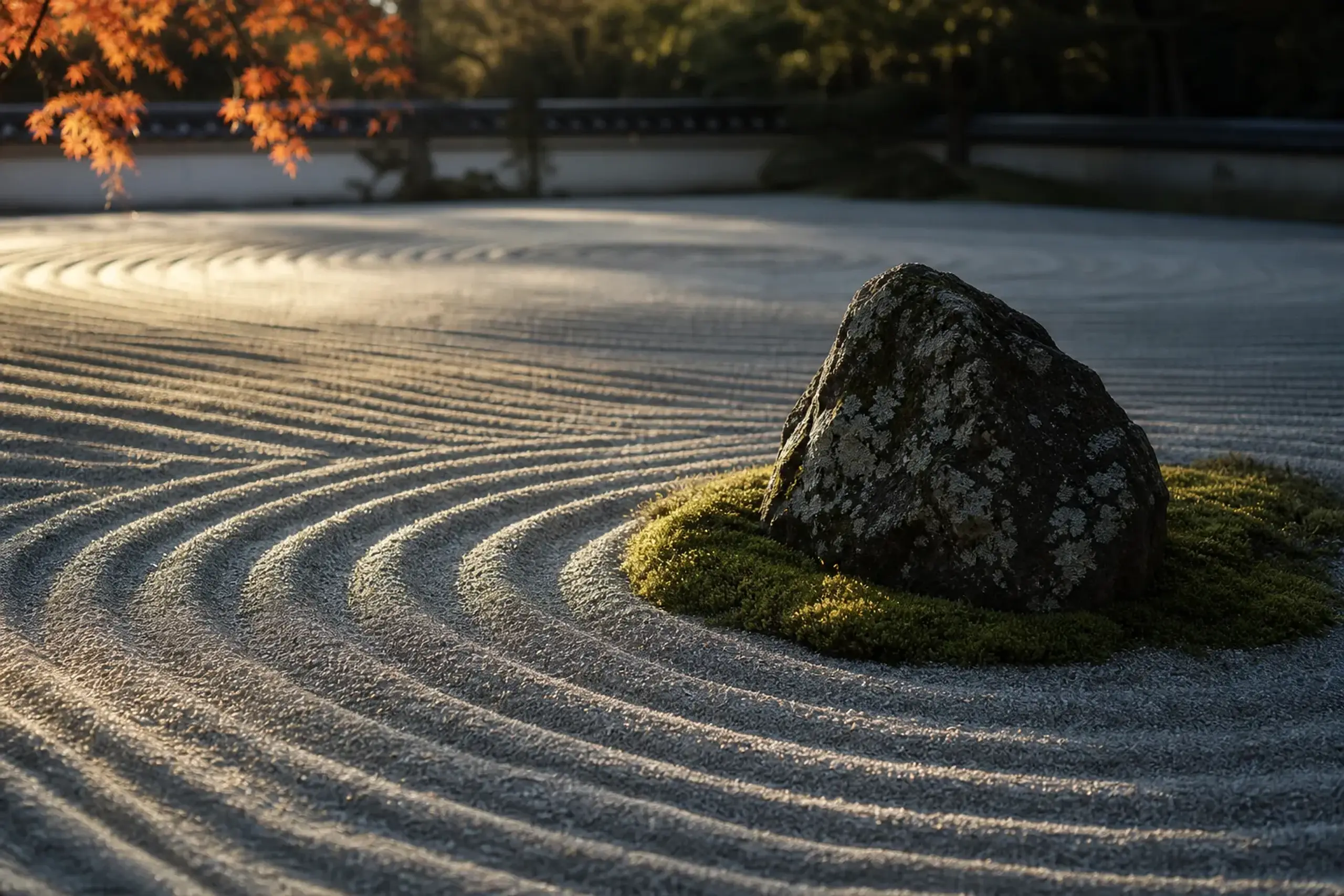
A dry garden read in near-solitude, the way it was meant to be seen.
The last morning is for gardens. Kyoto's dry landscape and moss gardens are its deepest teachers, and they are best met early, in silence.
Gardens at the Right Hour
We time your visit to open in near-solitude. A raked gravel garden read slowly, the way it was designed to be read, is a form of meditation. Some of Kyoto's most contemplative gardens require advance reservation, which naturally keeps them calm. We handle that timing so you arrive to stillness, not to a queue.
If you travel in winter, there is a bonus. The 'Kyoto Winter Special Openings' (Kyo no Fuyu no Tabi) reached its 60th edition in January to March 2026, opening temple interiors and cultural spaces rarely shown to the public. Winter is Kyoto's quietest luxury season. High cultural density, low crowds, cold clear air.
A Gentle Farewell
A final seasonal meal, then your chauffeur returns you to the station or the airport when you are ready, not a moment before. No rush to the platform. The trip ends the way it began. Calmly.
The Practical Notes: Seasons, Pacing, and Etiquette
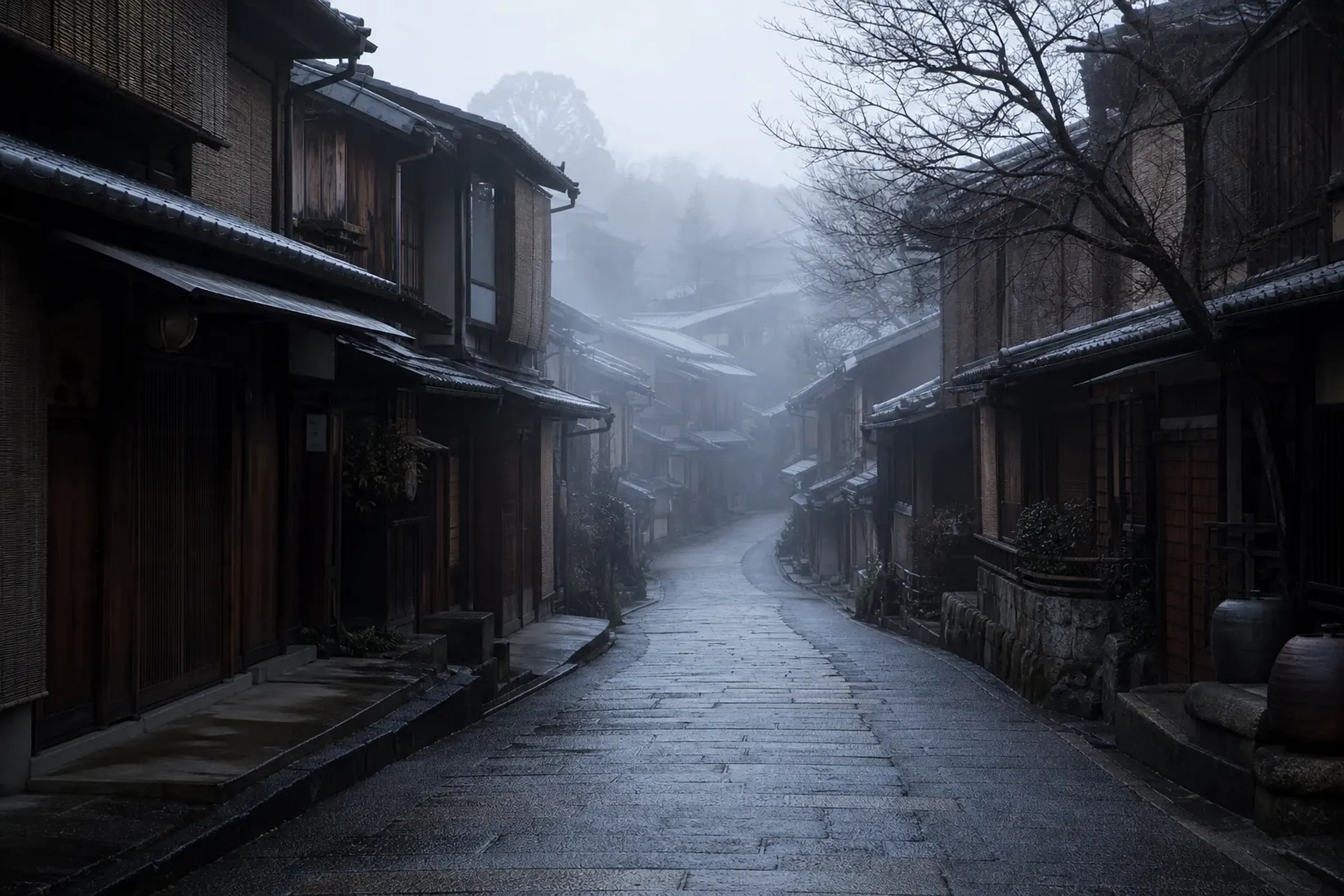
Timing your movements to the gaps in the crowd, not the peaks.
A few grounded details, because calm depends on good planning.
- Best seasons for calm: Winter (Jan–Feb) for quiet and special openings; late autumn on weekdays with early access; avoid peak cherry blossom weekends unless timed carefully.
- Pacing: Two anchors per day, maximum. One in the morning, one in the afternoon. Leave the evening open.
- Dress: Comfortable slip-on shoes for temples and machiya (you will remove them often). Smart-casual for kaiseki. Layers in winter.
- Reservations: Artisan sessions, reservation-only gardens, and top tables need weeks of lead time. Earlier is calmer.
- Studio etiquette: Arrive on time, follow the master's lead, ask before photographing tools or work in progress.
A Quiet Word on Doing This Respectfully
Two things matter to us. First, discretion. Your identity and your itinerary stay confidential, always. The machiya door closes behind you, and what happens inside stays between you and the craftsman.
Second, respect. Kyoto is a living city, not a stage set. We arrange geiko and maiko encounters only through proper channels, never by chasing people through the streets of Gion. Craft encounters are arranged with masters who choose to receive guests. Responsible travel and luxurious travel are, in Kyoto, the same thing.
Frequently Asked Questions
Is three days really enough for Kyoto?
Yes, if you slow down. A focused 72-hour plan built around two anchors per day and one deep artisan session leaves a stronger impression than a rushed week. Depth beats coverage in Kyoto.
What is the calmest time of year to visit?
Winter, especially January and February, offers the quietest streets and special temple openings such as the 'Kyoto Winter Special Openings.' Weekday visits in late autumn also work well with early-hour access.
What kind of artisan experiences are available?
Kyoto offers many verified crafts, including nerikiri wagashi confection in a private machiya, wa-rousoku candle-making, wagasa umbrella crafting, bamboo work, shibori dyeing, and karakami printing. Our concierge tailors the encounter to your interests and the season.
Can you keep our visit private?
Discretion is central to how we work. Arrival routing, accommodation choice, and every cultural visit are arranged to protect your privacy and keep your identity confidential.
Why Choose Japan Royal Service
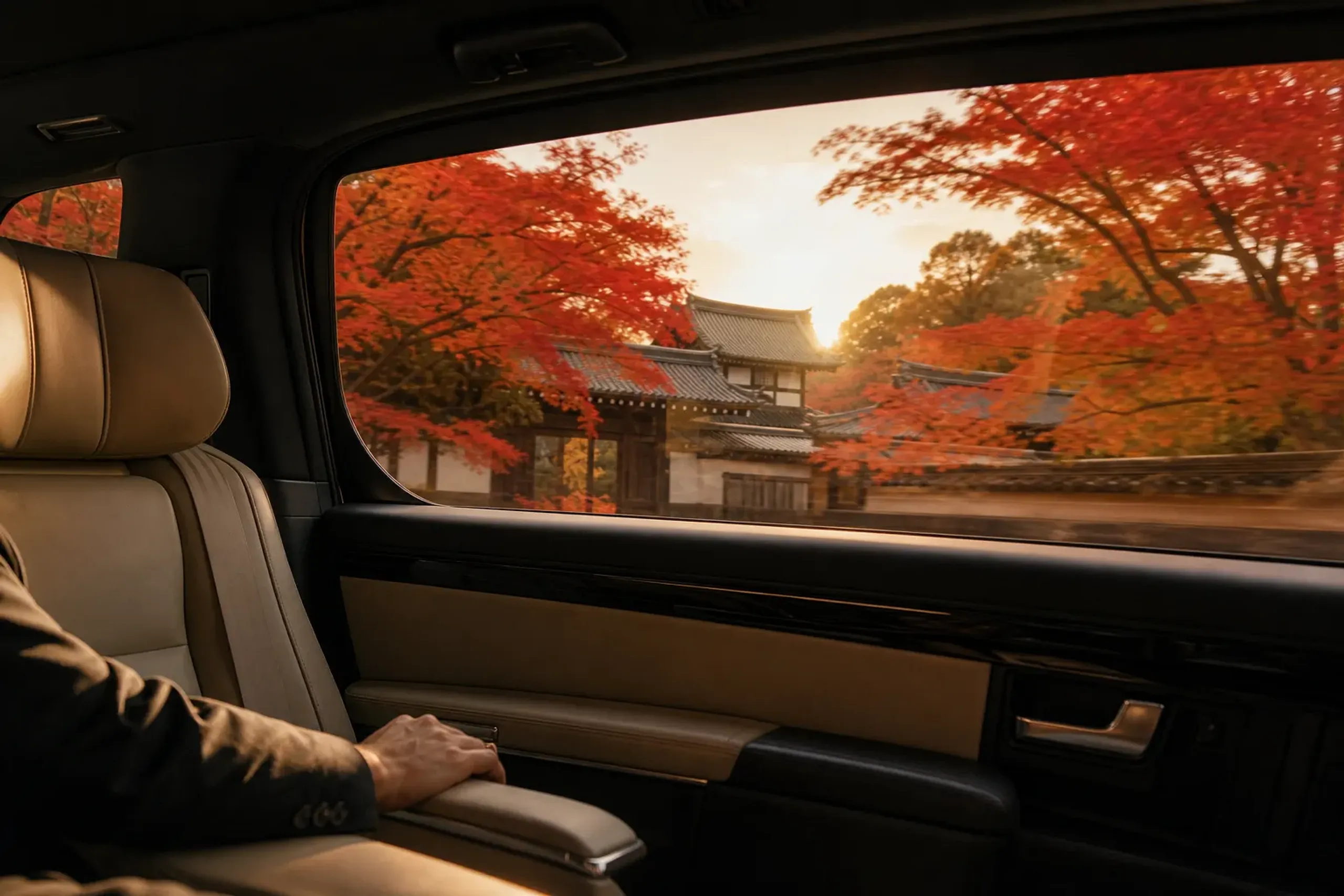
A sealed, quiet room on wheels: the mood of the trip begins in the car.
Anyone can book a Kyoto tour. Very few can arrange the quiet. Our value at Japan Royal Service lies in the gaps you cannot see: the early gate, the empty garden, the master who does not usually open his door. We work with introduction, not with a public booking page.
We design each Kyoto journey as a tailor-made itinerary shaped to your pace, your interests, and your need for privacy. Our concierge stays on call throughout, anticipating what you have not asked for yet. Private transport, reservation timing, artisan introductions, and accommodation are handled as one coherent whole, so the days flow without seams. That is the difference between visiting Kyoto and understanding it.
Kyoto becomes more powerful when you experience less and notice more. Let us build you the space to notice.
To begin planning your private Kyoto journey, reach our team confidentially via WhatsApp or LINE, or contact us here.