In this guide
- 01Why Misty Kyoto Feels Like A Different City
- 02A Dawn-To-9AM Mist Route: The Kyoto Most People Miss
- 03Kinkaku-ji In The Mist: How To See Gold Without The Noise
- 04Arashiyama Bamboo Grove In Fog: A Calm Approach That Avoids The Crush
- 05Hidden Japan In Kyoto: Where Mist Makes Introductions Matter
- 06Discretion In Kyoto: Privacy As A Design Choice
- 07Kyoto 2026: Quiet Openings That Pair Beautifully With Mist
- 08How To Plan Misty Kyoto Responsibly (And With Fewer Crowds)
- 09Kyoto Accommodation Tax (Effective March 1, 2026): What Travelers Should Know
- 10FAQ: Kyoto In The Mist For Luxury Travelers
- 11Why Choose Japan Royal Service
Kyoto can feel overexposed. Too many lenses. Too many footsteps. Even the most patient traveler can start to treat temples like checkboxes.
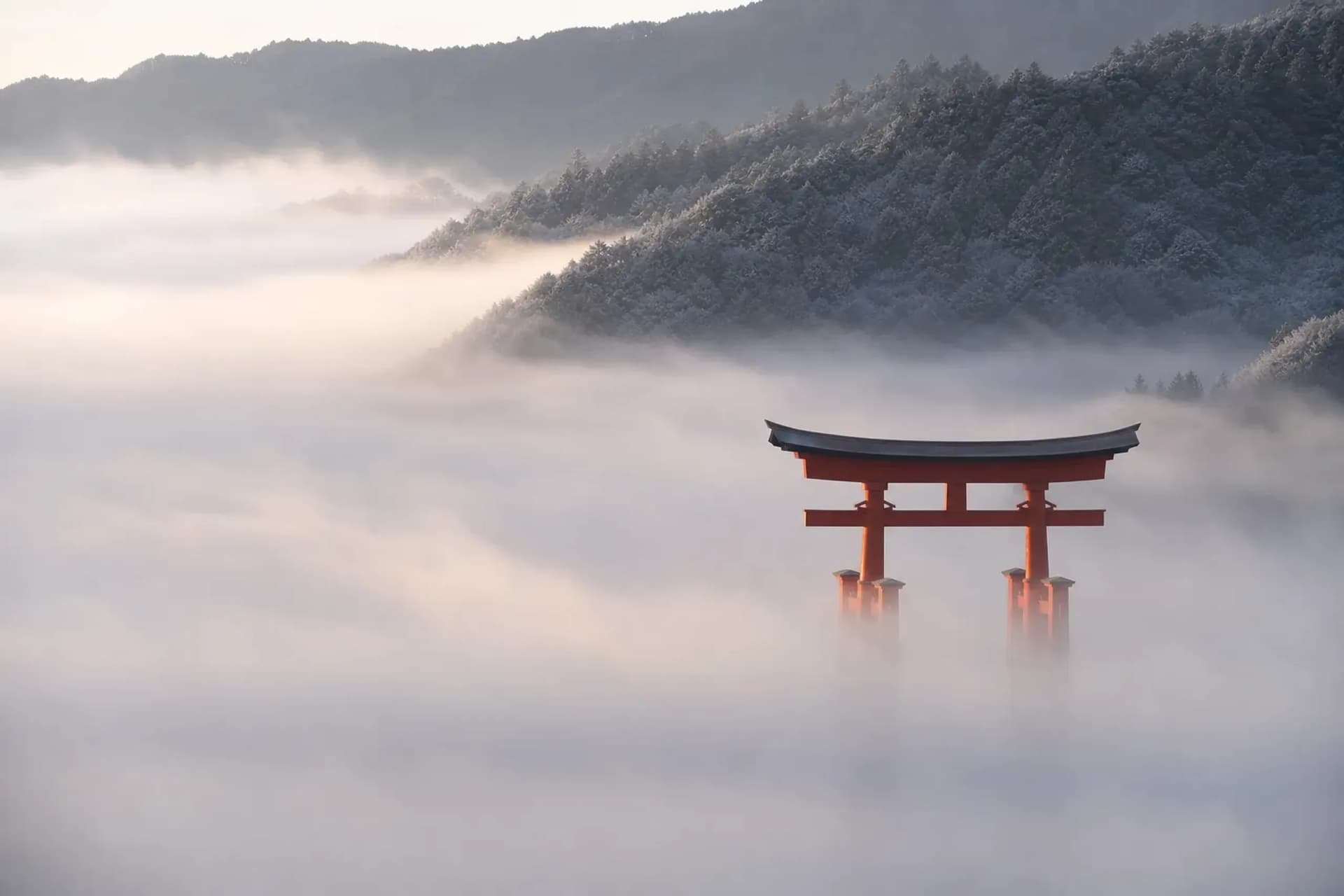
Mist changes that. It softens lines, quiets crowds, and turns familiar places into something private again. One hour can feel like a secret.
Our team at Japan Royal Service built this guide for travelers who want Kyoto’s iconic sites without the loudness. Not hidden for the sake of hiding. Hidden because the experience is better.
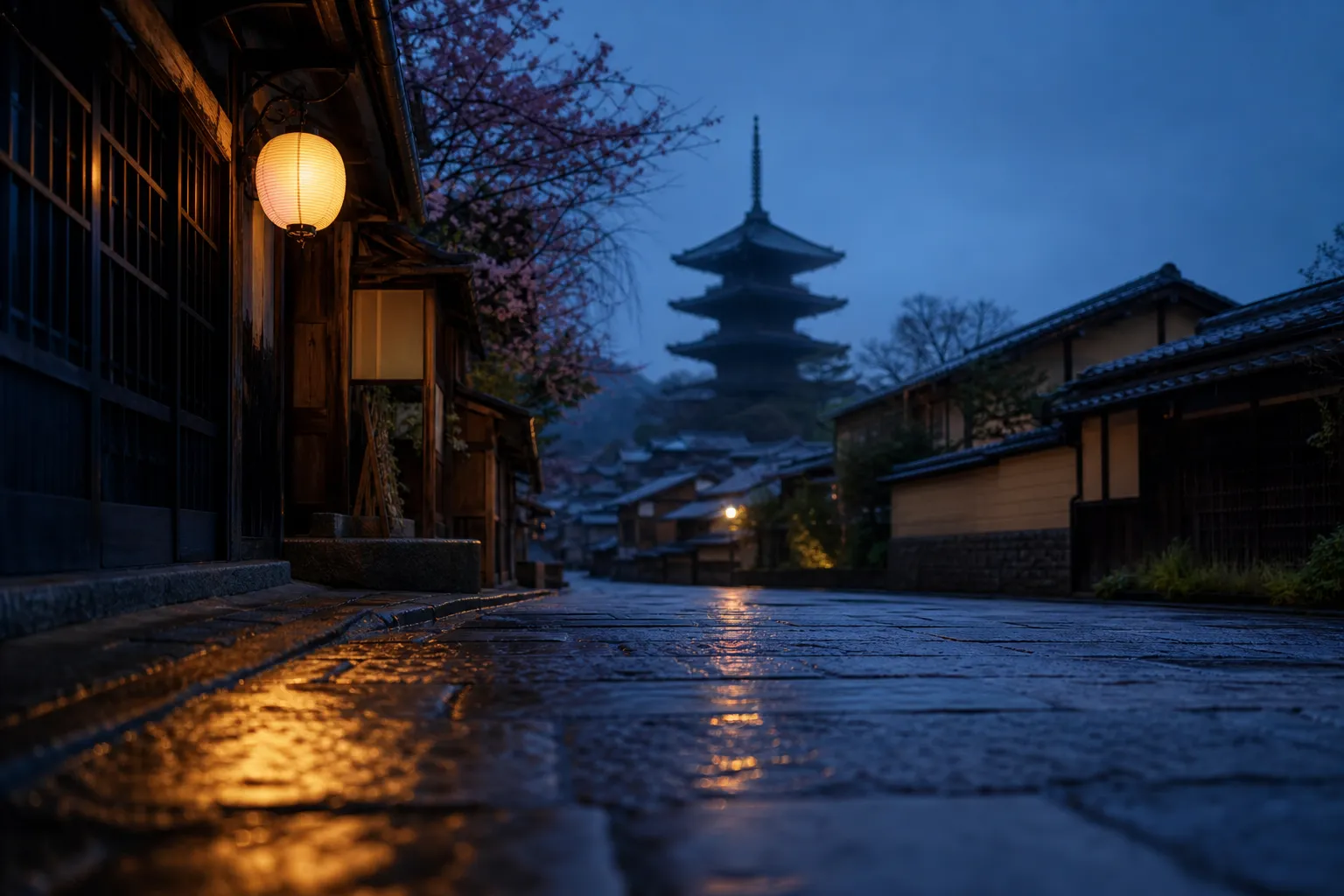
Mist turns Kyoto’s familiar lanes into something private again.
Why Misty Kyoto Feels Like A Different City
Mist is not just “atmosphere.” It is a practical advantage. It favors early hours, shorter routes, and places with depth rather than spectacle.
Listen closely. Sound changes first. Footsteps on stone go muffled, and the city’s edges blur into gardens, rivers, and cedar hills.
In our experience, mist also resets attention. You stop hunting for the postcard angle. You start noticing wet moss, incense smoke, and a single bell across the valley.
Wabi-Sabi Works Best When Kyoto Is Not Trying
Kyoto’s most persuasive moments often arrive with restraint. A pale lantern. A half-seen roofline. A worn threshold.
This is wabi-sabi at street level. Nothing needs to announce itself. The morning does the work.
Mist As A Routing Strategy, Not A Mood
Kyoto Travel’s official guidance emphasizes responsible travel, congestion awareness, and tools like forecasts and maps to reduce pressure on neighborhoods. Mist aligns with that guidance because it rewards early movement and gentle pacing.
Simple rule. Plan a dawn-to-9:00 a.m. arc. After that, Kyoto’s most famous corridors tend to fill fast.
Key fact: Kyoto Travel and the Kyoto Online Tourist Information Center publish official resources for checking congestion, including a congestion forecast, the Kyoto Tourist Comfort Map, and official live cameras. Use them to choose mornings that stay calm.
A Dawn-To-9AM Mist Route: The Kyoto Most People Miss
This is the backbone route we often suggest as a concept. Not a rigid schedule. A shape.
Start before the city wakes. Finish before the peak. Then spend the rest of the day on quieter, more introduced experiences.
5:30–7:00: Higashiyama Without The Performance
Higashiyama Ward holds a dense cluster of major temples and shrines. Real ones. Kennin-ji, Kōdai-ji, Sanjūsangen-dō, and Tōfuku-ji are all within the wider orbit.
In the mist, you do not need to “see everything.” Choose one anchor. Walk slowly around it.
Kiyomizu-dera sits in the foothills of Mount Otowa. When the air is damp and cool, the approach can feel hushed even when you are close to the city’s center.
7:15–8:15: Kamo River Edges And Miyagawa-chō’s Quiet Side
Miyagawa-chō is a geiko and maiko district near Gion, yet it often reads as quieter on foot. Morning suits it. You are not intruding on evening rhythms.
Walk the Kamo River calmly. Keep voices low. Treat it like a neighborhood, not a stage.
Kennin-ji Temple stands nearby. Even the thought of it changes how you move: slower, more watchful, less demanding.
8:30–9:00: A Composed Breakfast, Not A Scramble
Most Kyoto itineraries break here. People get hungry and make loud choices. It shows.
Do the opposite. Pick a single breakfast plan and protect it. Calm first; everything else follows.
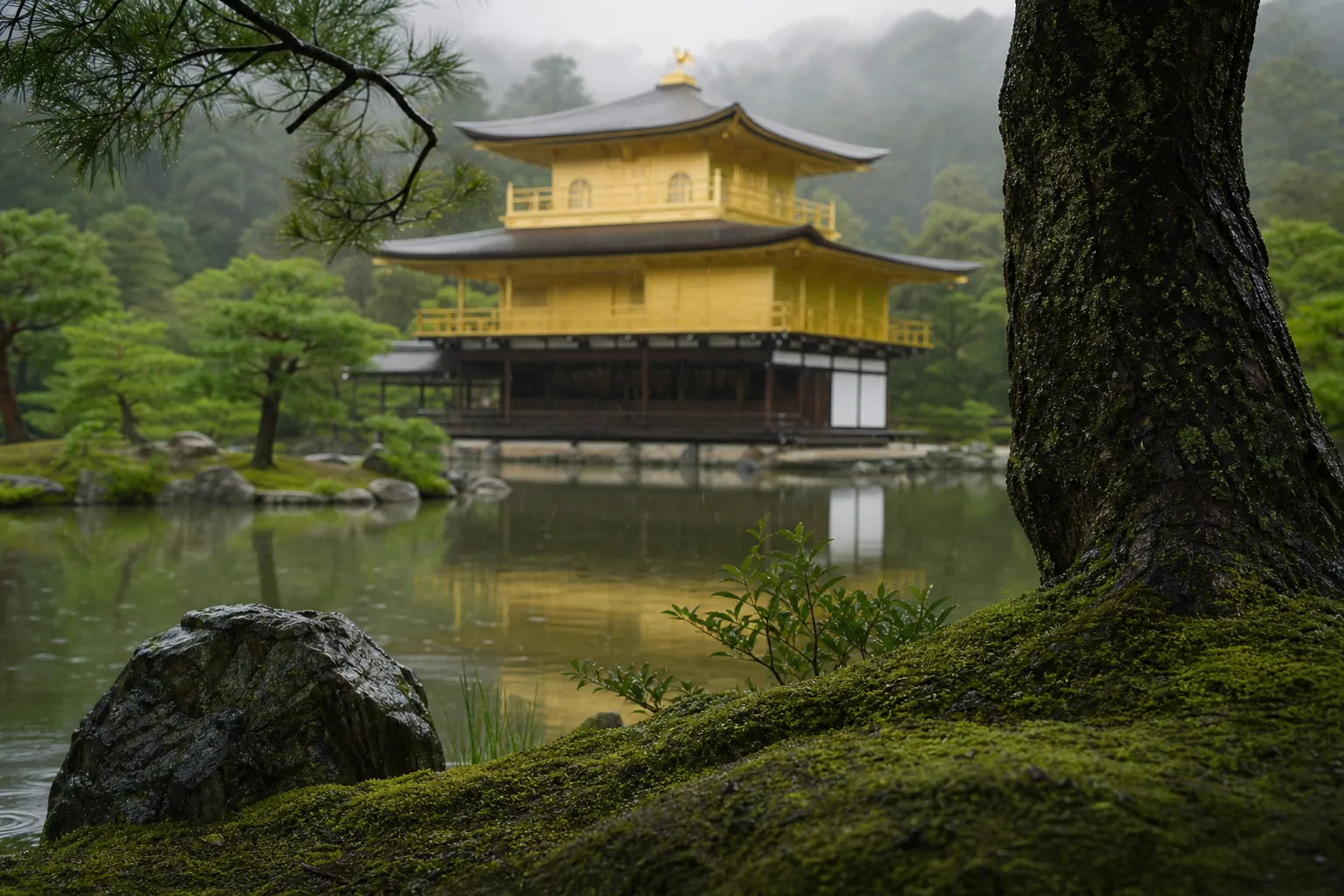
In mist, Kinkaku-ji becomes glow, not spectacle.
Kinkaku-ji In The Mist: How To See Gold Without The Noise
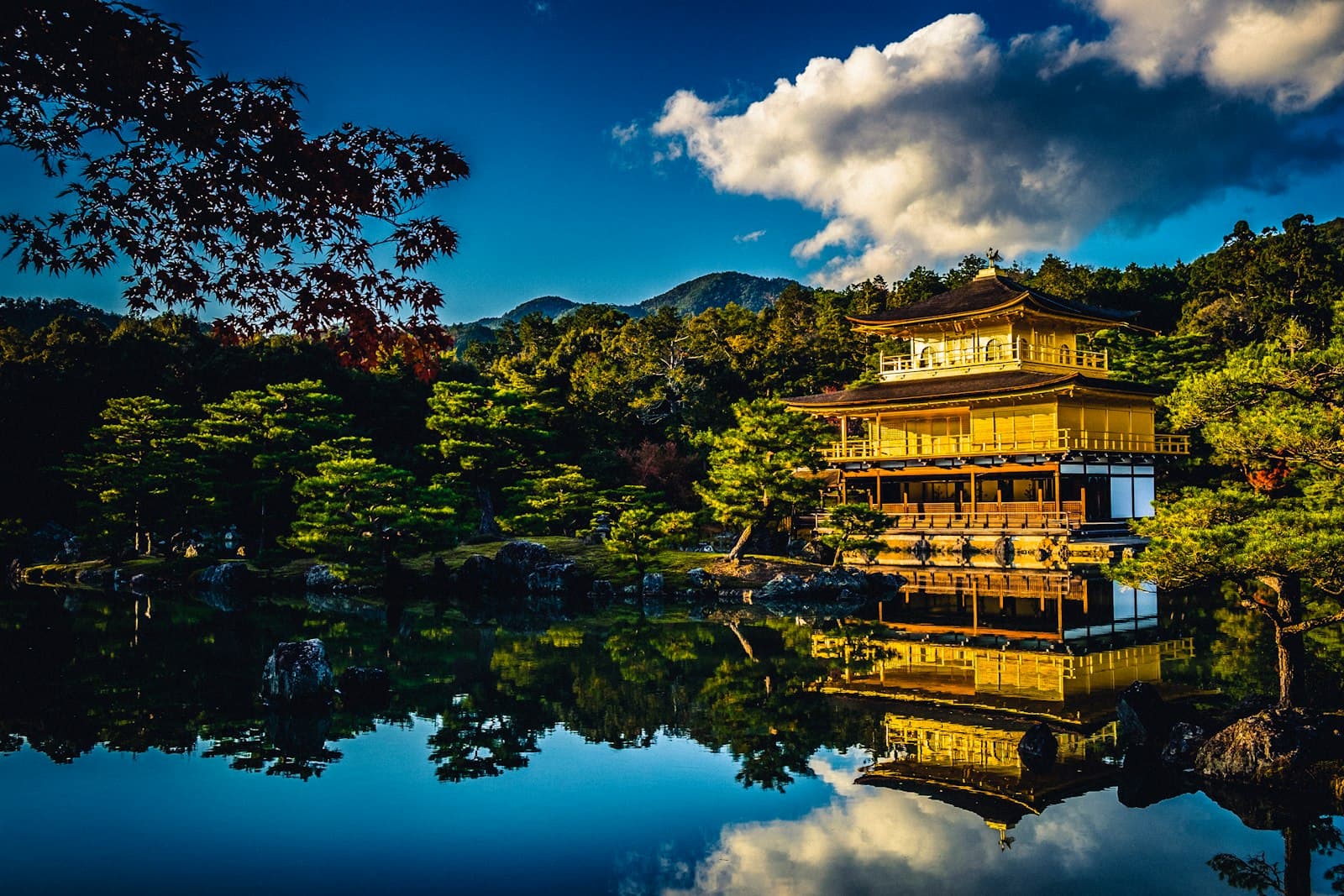
Kinkaku-ji (the Golden Pavilion) is famous for a reason. That is the problem. The best way to experience it is not to fight the crowd head-on.
Mist gives Kinkaku-ji a different temperament. The gold becomes less “flash,” more glow. The reflection reads like ink wash rather than mirror.
We suggest treating Kinkaku-ji as a single scene, not a long stay. Arrive with intention. Leave before the site starts to feel like a corridor.
What To Notice When Visibility Drops
- Reflections: the pond surface can look darker and more painterly in damp air.
- Silence pockets: small gaps between tour groups matter; use them.
- Restraint: the moment is brief—let it be brief.
A Better Counterpoint After Kinkaku-ji
After a high-demand site, we often steer the day toward lower-visibility experiences. Not because the “next attraction” is lesser. Because your attention is already full.
This is where hidden-Japan thinking begins. The Kyoto that Google cannot really organize.
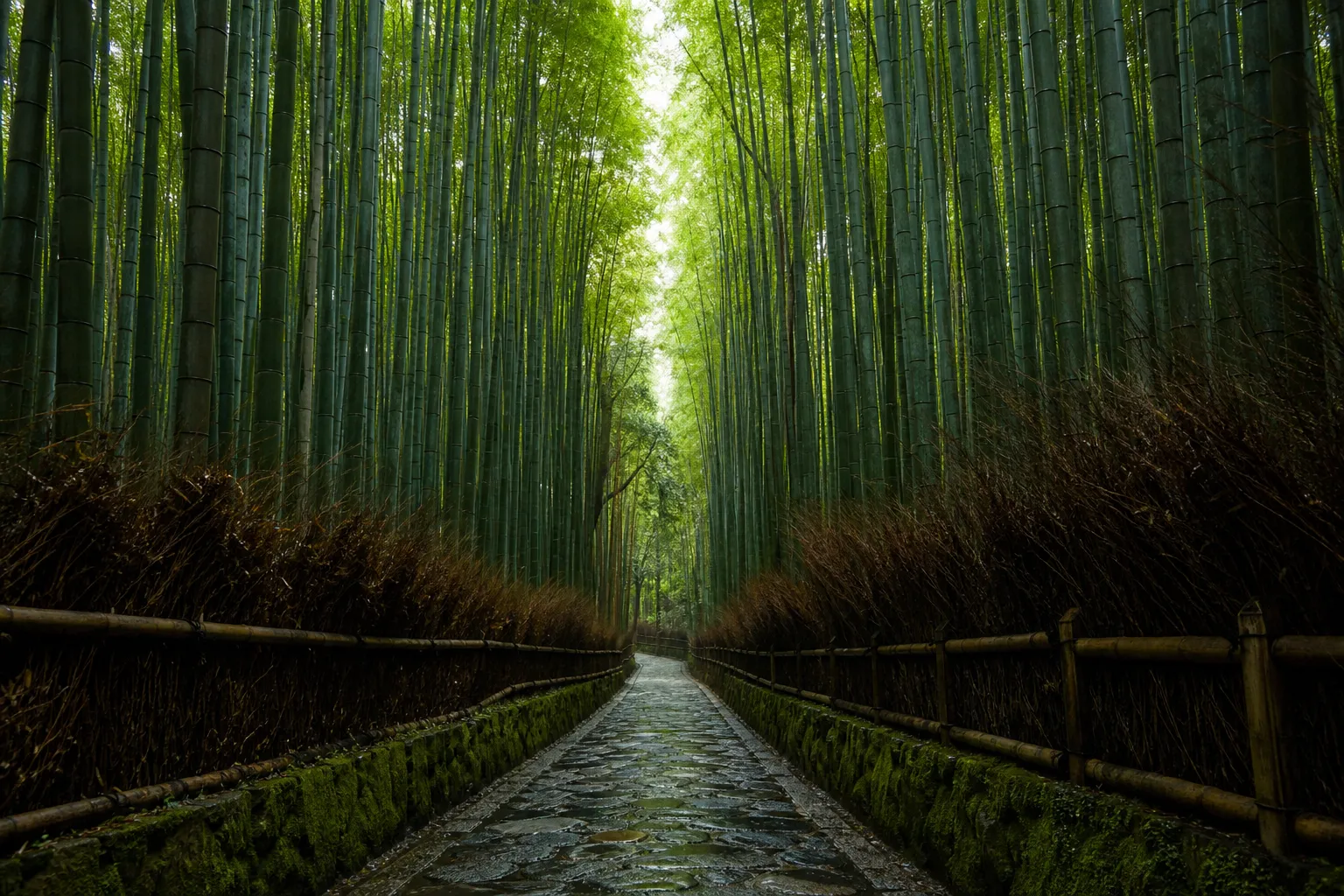
Arrive early. Let the grove be a soundscape.
Arashiyama Bamboo Grove In Fog: A Calm Approach That Avoids The Crush
Arashiyama is accessible via the Keifuku Electric Railroad (Arashiyama Station) and the Hankyū Arashiyama Line (Hankyu Arashiyama Station). It is easy to reach. So everyone reaches it.
That is why timing matters more than ambition. Big mistake: arriving late morning and expecting quiet.
In mist, the bamboo can feel taller and less decorative. The grove becomes a soundscape—leaf friction, distant footsteps, a bicycle bell fading away.
Pair Arashiyama With The Hozu River’s Morning Mood
The Hozu River is associated with the Hozugawa Kudari sightseeing boat trip, which travels downstream from Kameoka to Arashiyama. It is a real, long-running way to see the valley’s character.
We do not treat it like a “must.” We treat it like a tone. River air, low clouds, and a sense of moving through Kyoto rather than consuming it.
Photography In Mist: The Luxury Is Space, Not Gear
In our experience, the best mist photos happen when you stop trying to prove where you are. Frame less. Wait more.
Keep your distance from people. Ask before photographing anyone up close. And remember: some places have explicit rules about what is allowed.

The rarest Kyoto moments often come from process, not publicity.
Hidden Japan In Kyoto: Where Mist Makes Introductions Matter
Kyoto’s real luxury often begins where public lists end. Private rooms, small counters, and places that rely on introductions can change your entire relationship to the city.
Not everything is searchable. That is the point. Discretion protects the craft, the neighborhood, and the guest.
Our team at Japan Royal Service often designs mornings that are public-facing and gentle, then afternoons that turn inward. A private artisan visit. A quiet gallery. A meal built around craftsmanship rather than trend.
Shokunin Encounters: Craft Over Clout
Kyoto is one of Japan’s great craft cities. Think ceramics, textiles, lacquer, and the tools that support them.
When guests ask us what feels “rare,” we often answer with process. Watching a hand repeat a movement perfectly. Hearing a master explain why they refuse speed.
That is shokunin culture. It does not need a spotlight.
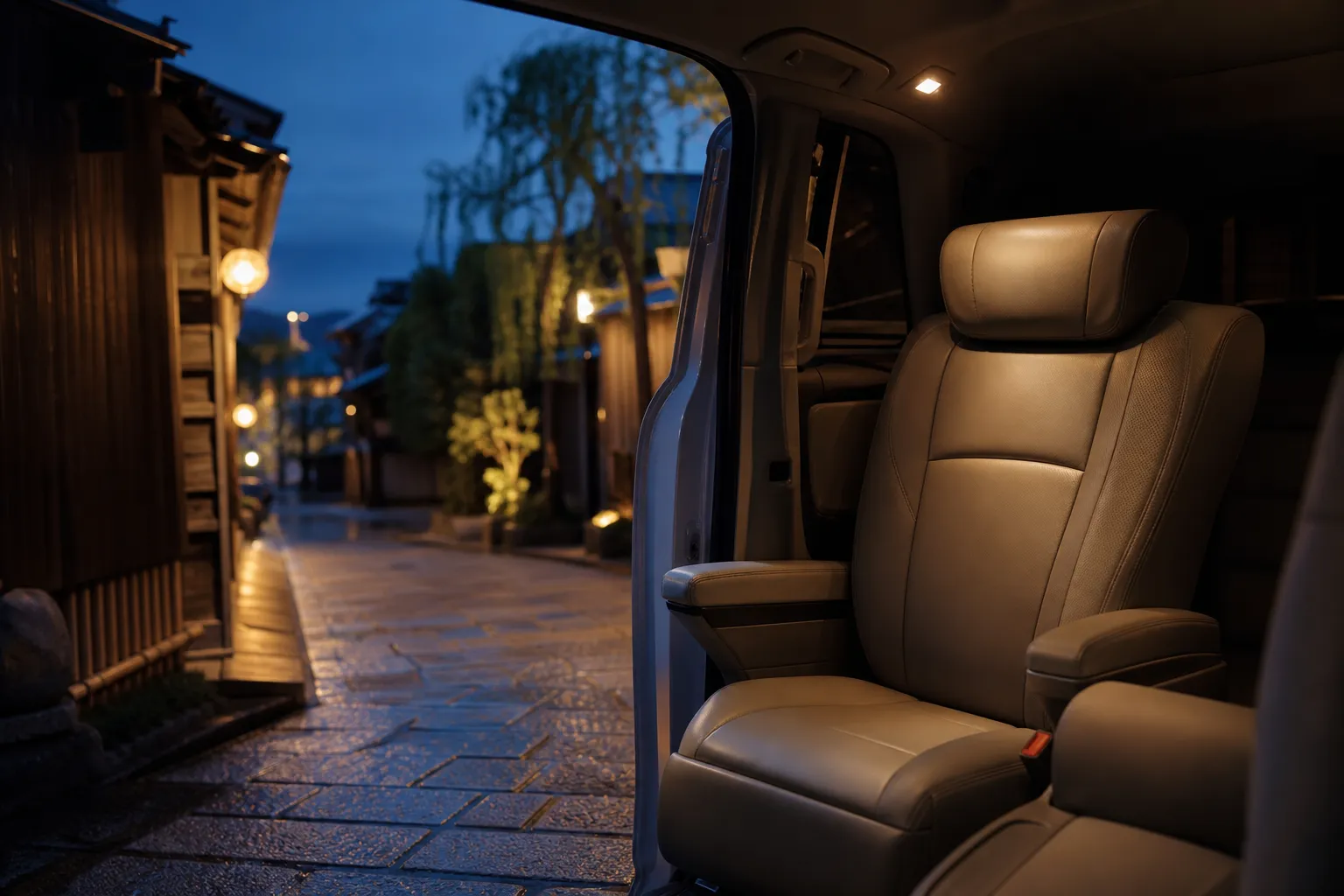
Discretion is choreography: timing, entrances, and fewer public touchpoints.
Discretion In Kyoto: Privacy As A Design Choice
Kyoto can feel intimate. It can also feel exposed. The difference is planning.
Discretion is not only about confidentiality of names and itineraries, though we treat that as non-negotiable. It is also about travel choreography: entry points, timing, and avoiding bottlenecks that force public attention.
For HNW travelers in particular, the goal is simple. Move smoothly. Keep your day quiet.
Chauffeured Days Change The Texture Of Kyoto
Kyoto’s charm includes narrow streets and delicate neighborhoods. A good private driver does more than drive. They reduce friction.
Our fleet ranges from refined executive vans to flagship options such as the Lexus LM 500. The point is not display. It is a composed cabin, clean timing, and fewer public touchpoints.
For private coordination, reach our team directly via WhatsApp or the contact form after you inquire. We keep details off the public record.
What We Mean By “Zero-Leak” Planning
- Identity protection: we avoid unnecessary name exposure across vendors.
- Low-visibility routing: start early, finish peak sites early, use quieter corridors.
- Quiet handoffs: minimize the number of people who need your details.
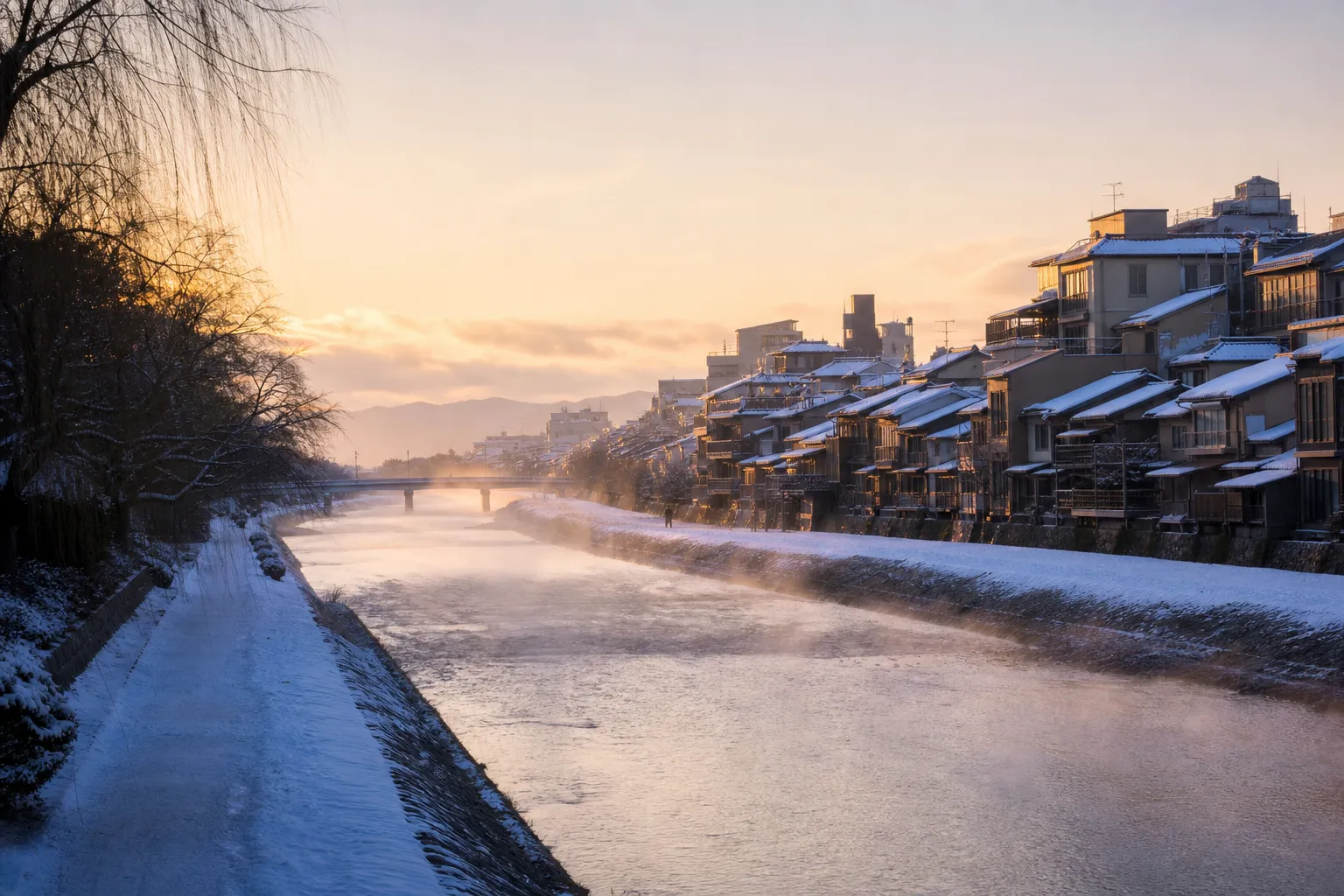
2026’s quiet openings pair best with early-hour Kyoto.
Kyoto 2026: Quiet Openings That Pair Beautifully With Mist
Kyoto’s luxury landscape is shifting in 2026. The most interesting changes are not loud. They are precise.
Two confirmed openings matter for travelers who care about morning atmosphere and neighborhood integrity. Capella Kyoto and Imperial Hotel, Kyoto. Different personalities, same opportunity.
Capella Kyoto (Opened March 22, 2026) In Miyagawa-chō
Capella Kyoto is Capella Hotels and Resorts’ first property in Japan, scheduled to open March 22, 2026. It is located in Miyagawa-chō, positioned as a quieter alternative to nearby tourist-heavy Gion, and sits opposite Kennin-ji Temple according to design coverage.
For mist-focused travelers, the appeal is simple. Step outside early. Walk the river edge. Return before the city swells.
Imperial Hotel, Kyoto (Opened March 5, 2026) And A Heritage Lens
Imperial Hotel, Kyoto opened March 5, 2026. It adds a heritage-forward option close to Kyoto’s historic theater and shrine district around Gion.
Mist suits heritage architecture. Edges soften, surfaces deepen, and the building feels less like a backdrop and more like a living object.
Who These Bases Suit (HNW, VHNW, UHNW)
We calibrate recommendations to temperament, not status. Still, patterns emerge.
| Traveler Tier | What “Kyoto In The Mist” Solves | How We Typically Shape The Day |
|---|---|---|
| HNW | Crowds, friction, decision fatigue | Dawn routing + one anchor site + a craft-focused afternoon |
| VHNW | Privacy, rarity, fewer public touchpoints | Earlier starts + introduced dining guidance + closed-door cultural depth |
| UHNW | Total discretion, itinerary invisibility | High-control movements, private viewings where appropriate, minimal exposure windows |
How To Plan Misty Kyoto Responsibly (And With Fewer Crowds)
Kyoto is not a theme park. It is a lived city with fragile lanes and real routines.
Kyoto Travel publishes guidance on responsible travel and references the “Kyoto Guidelines,” focused on mutual respect among tourists, residents, and the tourism industry. Misty-morning travel supports that direction because it spreads demand away from peak hours.
Use Official Congestion Tools Before You Commit
Kyoto Travel references a congestion forecast as part of its responsible travel resources. The Kyoto Online Tourist Information Center also advises checking the Kyoto Tourist Comfort Map and official live cameras.
One minute of checking can save you an hour of waiting. And it lowers pressure on crowded corridors.
Small Etiquette Choices That Keep Kyoto Welcoming
- Keep voices low on residential lanes, especially around dawn.
- Do not block narrow paths for photos. Step aside. Let locals pass.
- Follow posted photography rules at temples and cultural sites.
Kyoto Accommodation Tax (Effective March 1, 2026): What Travelers Should Know
Kyoto City changed its accommodation tax rates effective March 1, 2026, as published by the official Kyoto Travel site. This is routine for many global cities, but it often surprises travelers when it appears at checkout.
Do not guess. Confirm how your accommodation applies it, and keep your receipts organized if you are tracking trip documentation.
If you want the official notice, Kyoto Travel publishes the update. For questions, contact our concierge team at Japan Royal Service for planning guidance around 2026 logistics.
FAQ: Kyoto In The Mist For Luxury Travelers
When Does Mist Usually Appear In Kyoto?
Mist is most common in the early morning, especially near rivers and valleys, and it can vary day to day. We suggest planning flexible dawn windows rather than betting everything on one morning.
Is Kinkaku-ji Worth Visiting If I Dislike Crowds?
Yes, if you treat it as a brief, early visit and build the rest of the day around quieter places. Mist helps because it changes the feeling, not because it guarantees emptiness.
Is Arashiyama Bamboo Grove Better At Sunrise?
Early morning is usually calmer than late morning. If you want the grove to feel meditative rather than performative, go early and keep the visit short.
Do I Need A Private Car In Kyoto?
You can travel Kyoto by rail and taxi. A private chauffeur becomes valuable when you care about timing, comfort, and reducing exposure at peak sites.
Can Japan Royal Service Coordinate Everything Publicly Through This Website?
No. For privacy and compliance reasons, detailed coordination happens privately after you inquire. If you want tailored guidance, contact our concierge via WhatsApp or the contact form.
Why Choose Japan Royal Service
Luxury travelers do not need louder itineraries. They need quieter control. Our team at Japan Royal Service plans Kyoto in a way that protects your time, your privacy, and your attention—especially in the early hours when mist makes the city feel newly yours.
We lead with discretion, hidden-Japan access patterns, and shokunin-centered cultural depth, then support it with premium chauffeured touring across Kyoto, Nara, Osaka, and beyond. The result is a Kyoto that feels lived-in, not consumed.
If you want Kyoto in the mist—without the scramble—contact Japan Royal Service at japanroyalservice.com for a private, tailored proposal.