In this guide
- 01Why Calm — Not Prestige — Should Drive Your Stay
- 02Kyoto: Heritage Hotels That Reward Quiet Arrivals
- 03Nara's Heritage Conversion: Buzzy, but Calm for Whom?
- 04Onsen Routing: Kusatsu and the Private-Tunnel Idea
- 05Tokyo: When "Newly Refined" Beats "Newly Built"
- 06Choosing by Region
- 07How to Read a New Opening Before You Commit
- 08Frequently Asked Questions
- 09Why Choose Japan Royal Service
New hotel openings make loud headlines, and the press is doing its job. But a press release rarely tells you what actually matters: whether arrival is calm, whether you can bathe without a schedule, and whether you can sleep without a wall of noise from the corridor.
At Japan Royal Service, we read stays differently — not as a leaderboard of "newest is best," but by how a property actually behaves day to day. This guide hands you a framework to pick the right stay for your itinerary rather than someone else's Instagram grid.
Let's start with the part nobody advertises.
Why Calm — Not Prestige — Should Drive Your Stay
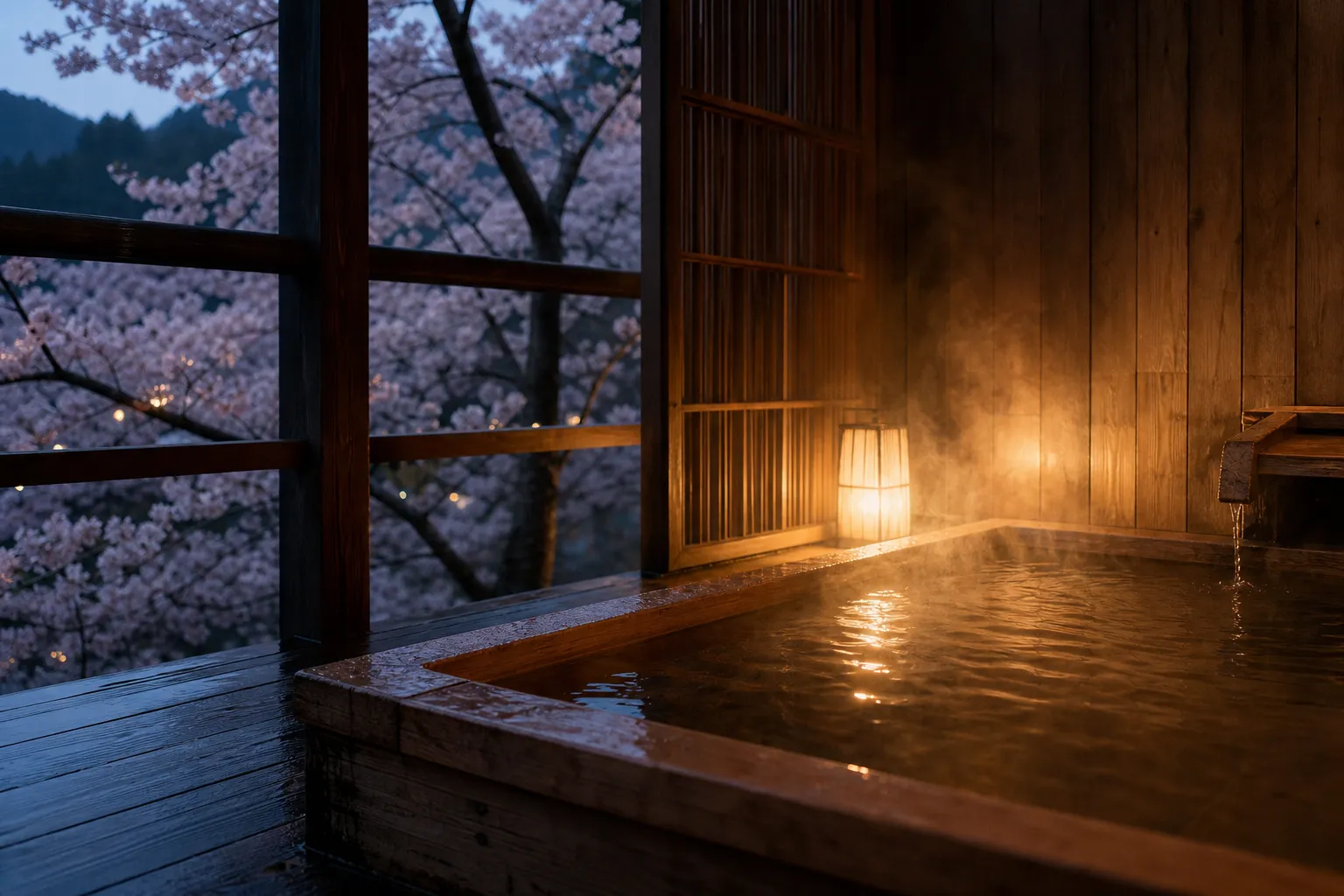
The in-room private bath: the most reliable upgrade for a calm Japanese luxury stay.
Prestige is easy to buy. A famous flag, a Kengo Kuma facade, a room count under 100 — these get printed in every roundup. Calm is harder. It lives in floor plans, arrival routes, and the quiet decisions an operator made about where the day-visitor foot traffic flows.
Two hotels can share the same star rating and the same district. One stays calm. The other does not. The difference is architecture and choreography, not marketing.
A "best new hotel" chosen for its narrative can disappoint; a stay chosen for how it behaves early in the morning and late at night rarely does. So here is the scorecard our concierge team uses on every property.
The Four Dimensions We Score
- Arrival: Is there a quiet side entrance? Can a car pull directly in? Is check-in possible in-suite rather than at an open lobby desk?
- Bathing: In-room onsen, a reservable private bath, or a communal one? For guests uncomfortable disrobing among strangers, an in-room open-air bath solves everything.
- Sound and sightlines: Which way does the room face? Courtyard, river, garden, or a busy street? How thick are the walls in a converted building?
- Service: A dedicated attendant, in-room dining, minimal staff rotation, no lobby loitering.
Key fact: An in-room private open-air bath is the most reliable upgrade in Japan for guests who prefer not to bathe communally.
Kyoto: Heritage Hotels That Reward Quiet Arrivals
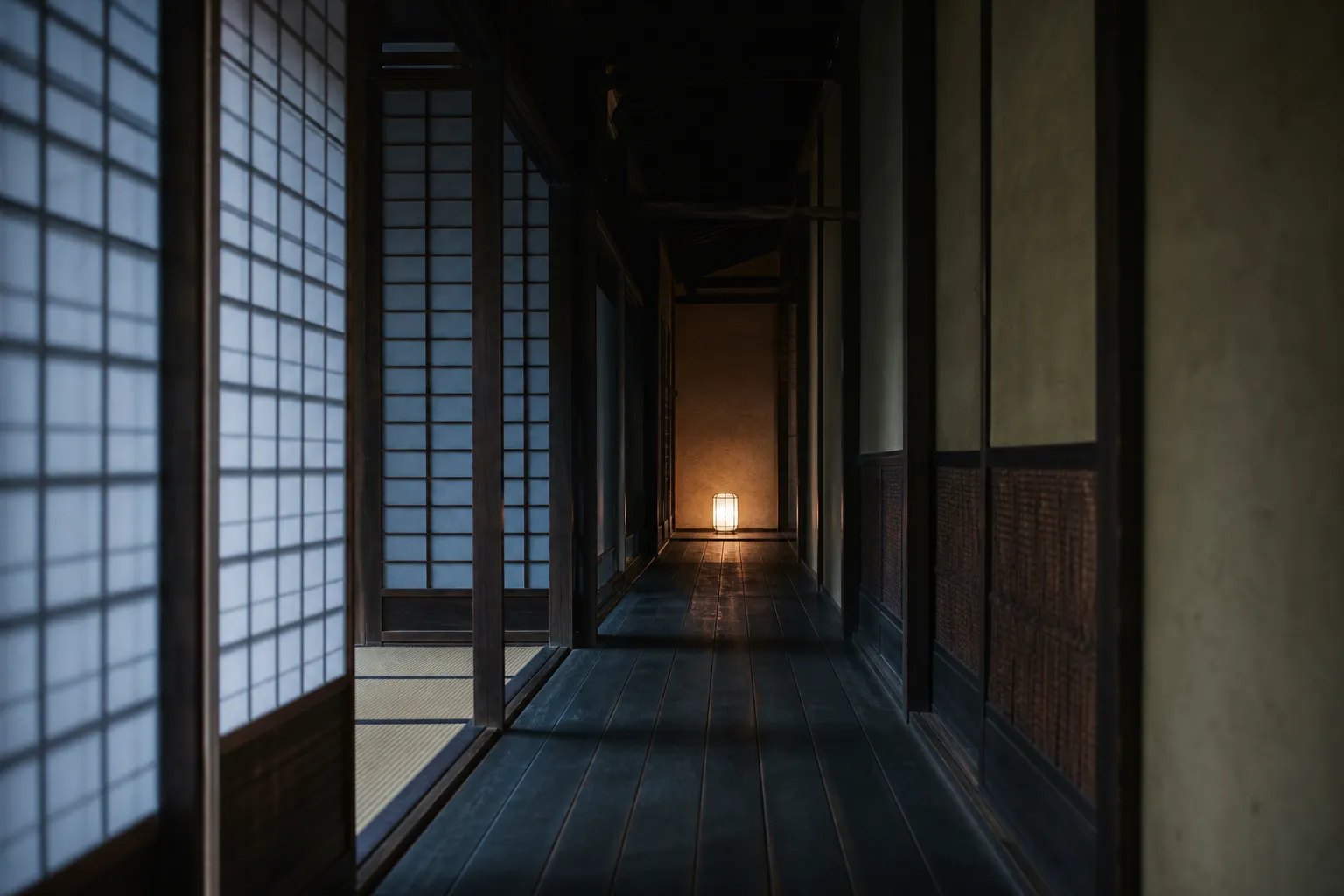
Kyoto's heritage hotels reward guests who value calm over spectacle.
In Kyoto, two kinds of hotel deserve attention — for different reasons and different travelers.
A Hotel in a Restored Gion Landmark
One hotel in Gion sits inside a restored building registered as a Tangible Cultural Property. That heritage anchoring is the whole point. This is not a glass tower dropped into Gion; it is a hotel folded into a historic building.
The appeal is a heritage setting without spectacle, with a measured service culture rather than gold-leaf theatrics. Book early. A small Gion property like this fills its calm room categories fast.
A Full-Service Hotel in Higashiyama
Another Kyoto option is a full-service hotel in Higashiyama built around a personal-assistant model, which maps neatly onto calm service. Fewer faces, more continuity.
Where this kind of property earns its place on the scorecard is the quiet Higashiyama positioning and a low key count for a full-service house. You walk to Gion without living inside its crush. That combination — cultural embeddedness plus calm — suits couples who want Kyoto without the elbows.
One honest note. New and much-covered hotels attract press and search demand. "Buzzy" and "calm" are not the same word. We help guests choose the room orientation and arrival timing that keep the buzz outside the door.
Nara's Heritage Conversion: Buzzy, but Calm for Whom?
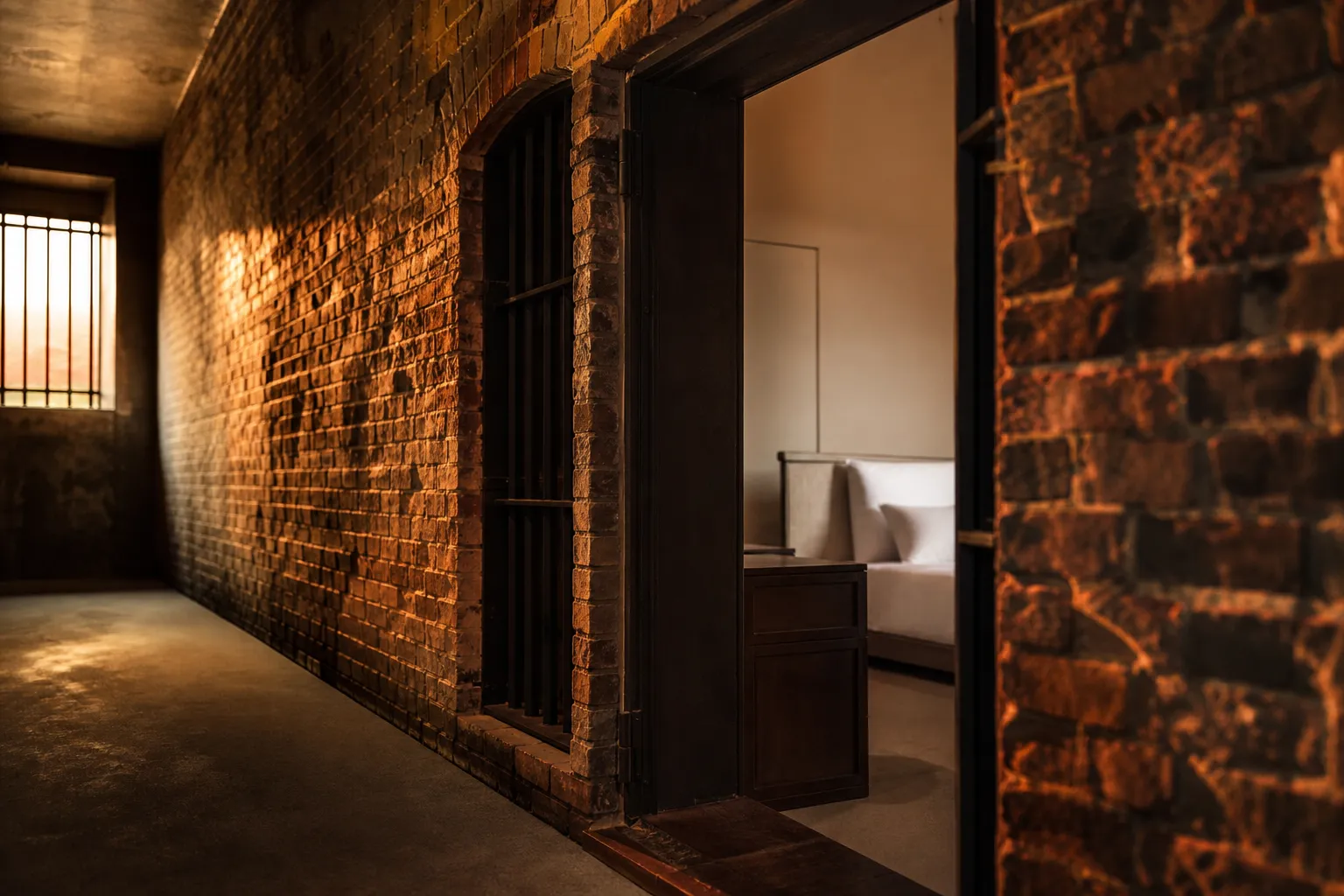
The concept is irresistible on paper: the former Nara Prison — an Important Cultural Property — reborn as a luxury hotel, with suites created by joining former cell blocks.
Here is the reality check. A heritage conversion can be extraordinarily quiet — thick masonry walls and compartmentalised historic layouts often outperform modern drywall for sound. That is a genuine advantage. But a nationally designated cultural asset also invites daytime interest, museum-style curiosity, and shared circulation that a purpose-built resort would not.
So the question is not "is it good." It plainly is. The question is calm for whom. A design-literate couple who want a singular, storied stay? Wonderful. A family who want zero incidental foot traffic? Another stay would likely suit them better. Match the building to the need, not the headline.
Onsen Routing: Kusatsu and the Private-Tunnel Idea
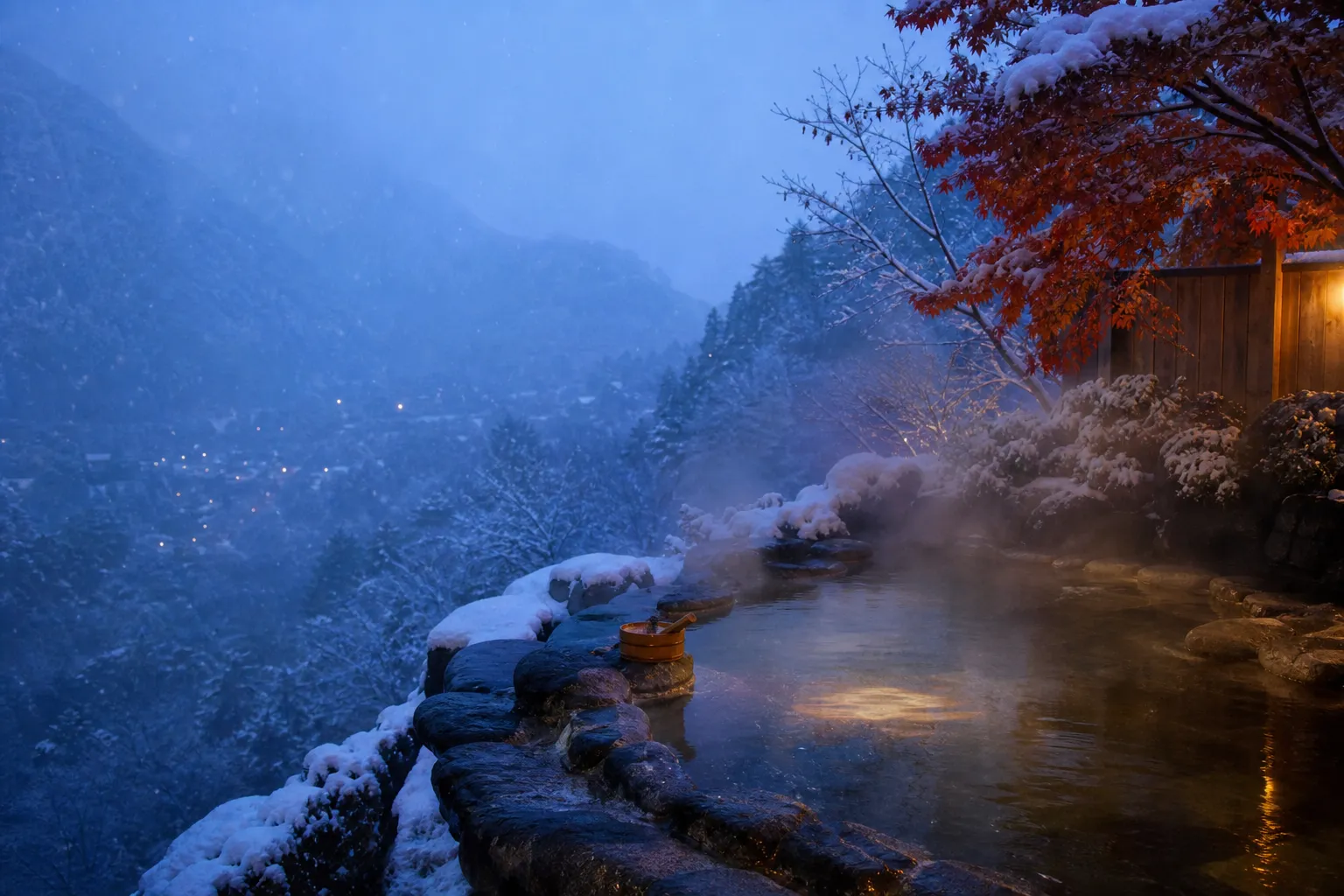
A private tunnel is not a slogan — it is a concrete design detail worth hunting for.
One ryokan in Kusatsu connects to the hot-spring town through a private tunnel. That single architectural choice tells you more about the property's thinking than any brochure adjective.
A tunnel is a physical design choice. It separates your movement from the crowd at street level. This is the kind of detail worth hunting for — not "luxurious," but a concrete design decision that changes how busy your daily transit feels.
Kusatsu itself is one of Japan's great onsen towns. For a quiet reset in the middle of a longer trip, it pairs beautifully with a second low-footfall onsen stop. Our coordinators build these routes for silence and sleep, not sightseeing volume.
Tokyo: When "Newly Refined" Beats "Newly Built"
In Tokyo, the better choice is often less about brand-new towers and more about refinement. That distinction matters for calm.
A Small Hotel in Marunouchi
A small hotel in Marunouchi shows the pattern: a renovation often improves exactly the things calm-seeking guests notice — soundproofing, in-room tech controls, quiet service flow. "New" here means newly quiet, not newly enormous. For a couple who want central Tokyo without the scale of a landmark tower, a refined boutique house frequently outperforms the statement building next door.
Choosing by Region
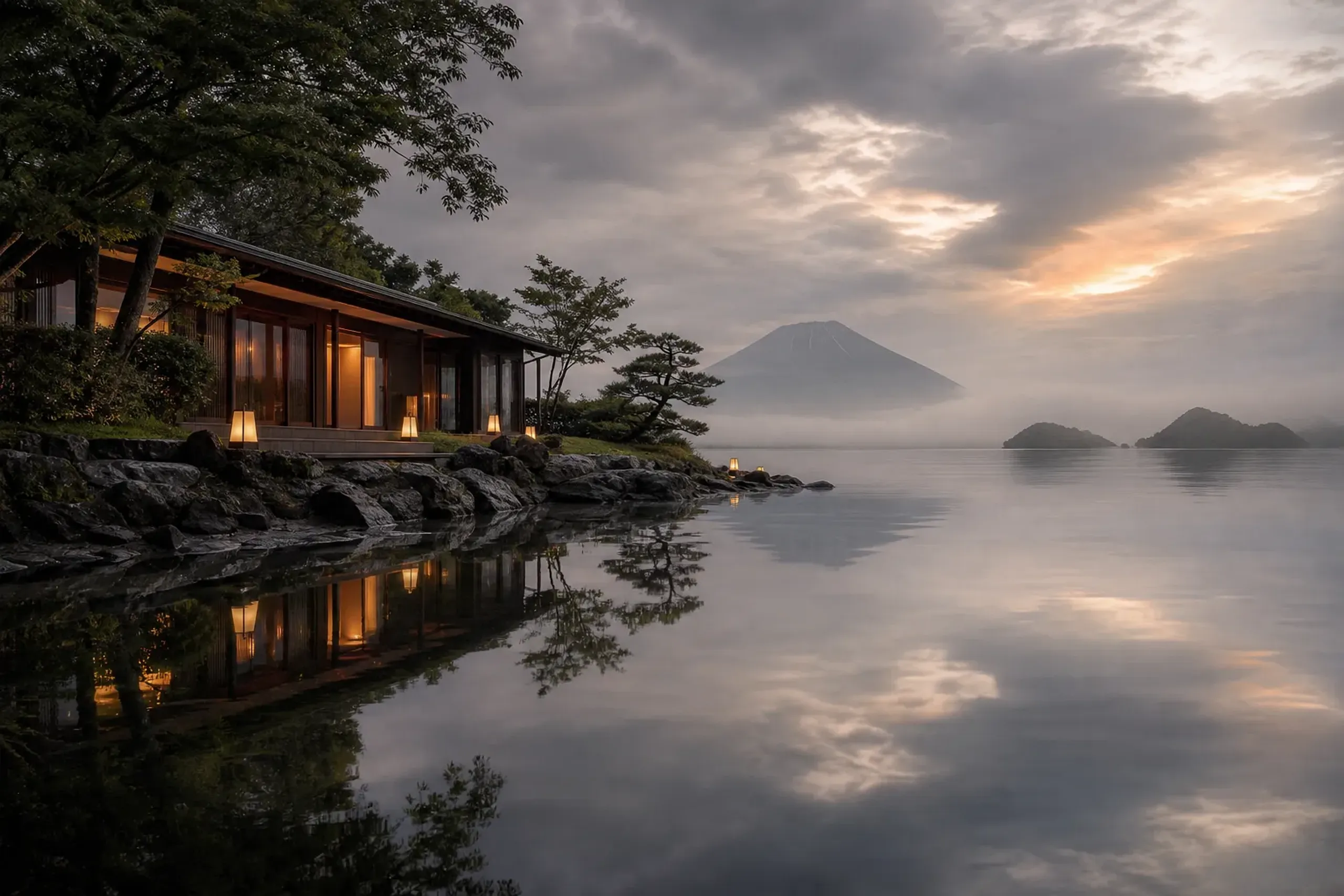
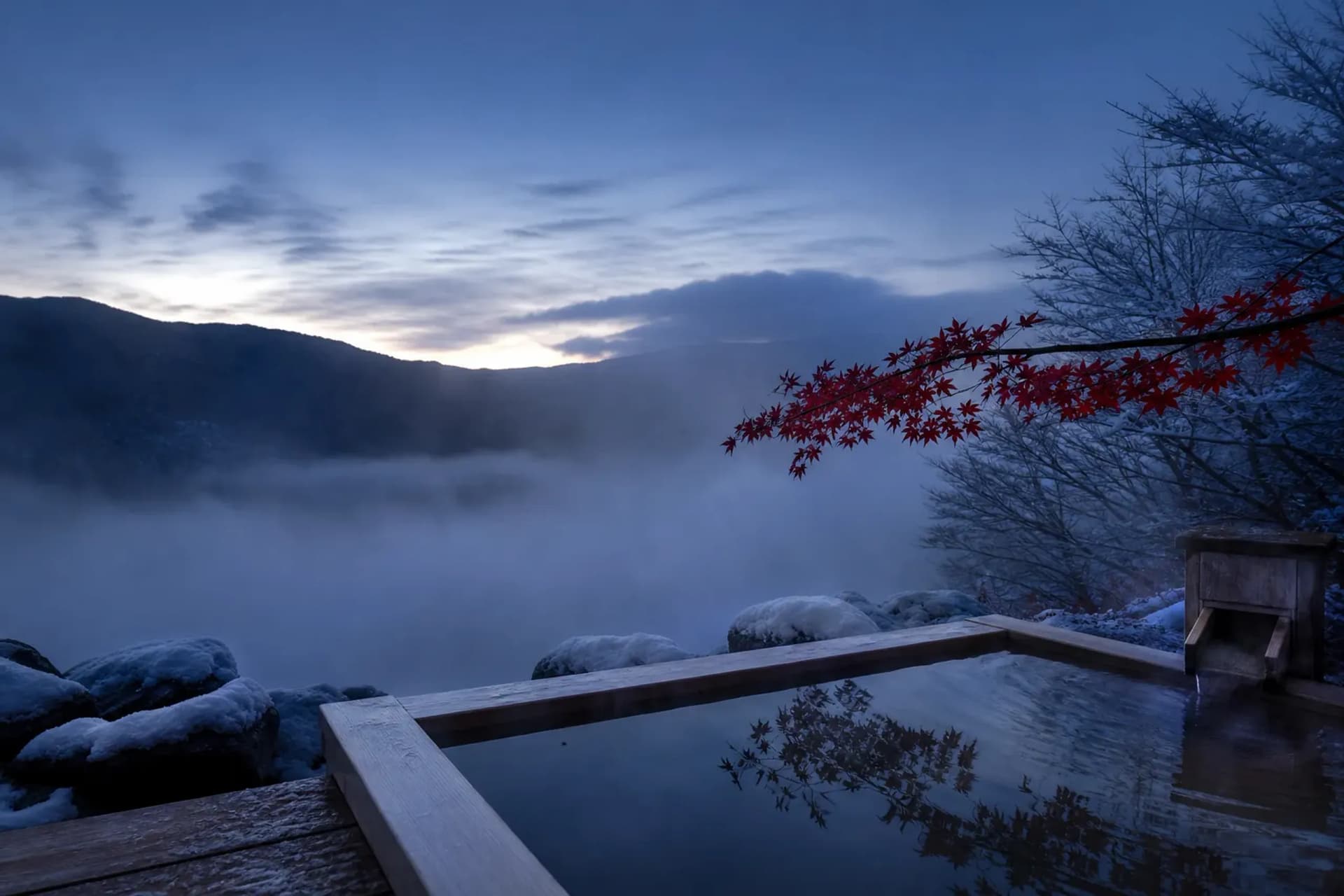
Match the property to the itinerary: a Hokkaido lakeside base sidesteps the ski crowds.
Match the Stay to the Itinerary, Not the Trend
Here is how we actually decide. Not by star count. By what the trip needs.
- Custom winter routes in Hokkaido: A Lake Toya hotel with a private open-air bath in every room. A lakeside base that sidesteps the crowded ski hubs and slots neatly into a week-long itinerary finishing in Sapporo — with room for quieter pursuits like dog sledding away from the resort throng.
- Central Tokyo family space: A Ginza suite hotel with a private onsen bath in every suite. Generous suites give international families genuine room, near Ginza-itchome Station, with easy reach of the city's shopping and science-and-technology attractions younger travelers love.
- Cultural disconnect in Kyoto: A Higashiyama hotel with onsen suites. Its placement and private hot-spring suites let you step out of the standard high-rise circuit and into the district's texture.
- National-park isolation near Fuji: A Hakone hotel on extensive grounds, with hot-spring water in every room. A low room count across a vast Fuji-Hakone-Izu setting — the room-to-acreage ratio is the story.
How to Read a New Opening Before You Commit
You do not need our team to run a first pass. Ask five questions of any property and you will separate signal from spectacle.
- Can I enter without crossing an open lobby?
- Does my room type include its own bath, or do I share a schedule?
- Which direction does the room face, and what is on the other side of the wall?
- Is there daytime, non-guest traffic — museum tours, restaurant walk-ins, event crowds?
- How many different staff will handle my stay, and can that be reduced?
If a property answers these well, the marketing barely matters. If it dodges them, no amount of press will fix your morning.
Booking Windows That Actually Bind
For the calmest room categories at a new or much-covered hotel, the reservation window is the constraint. Decide early, decide precisely.
Frequently Asked Questions
Which Japan stays are the calmest?
It depends on the trip. For in-room bathing across every key, properties with a private onsen in each room — like a Ginza suite hotel or a Lake Toya hotel — score highest. For land-based isolation, a Hakone hotel with a low room-to-acreage ratio leads. There is no universal winner; there is a right match.
Is a converted heritage building in Nara calm enough for every guest?
The converted structure offers strong sound separation, but as an Important Cultural Property it draws daytime interest and shared circulation. For a design-driven couple it is superb. For guests who want zero incidental foot traffic, a quieter ryokan is usually the better choice.
Should I choose a brand-new hotel or a renovated icon in Tokyo?
Often the renovated icon. A refresh tends to improve soundproofing, in-room controls, and quiet service — the details guests actually feel — without the scale of a new landmark tower.
What does a private in-room onsen actually solve?
It removes the communal bathing moment, where clothing is not permitted. For anyone uncomfortable in a public onsen, a room with a private open-air bath is the cleanest solution.
Why Choose Japan Royal Service
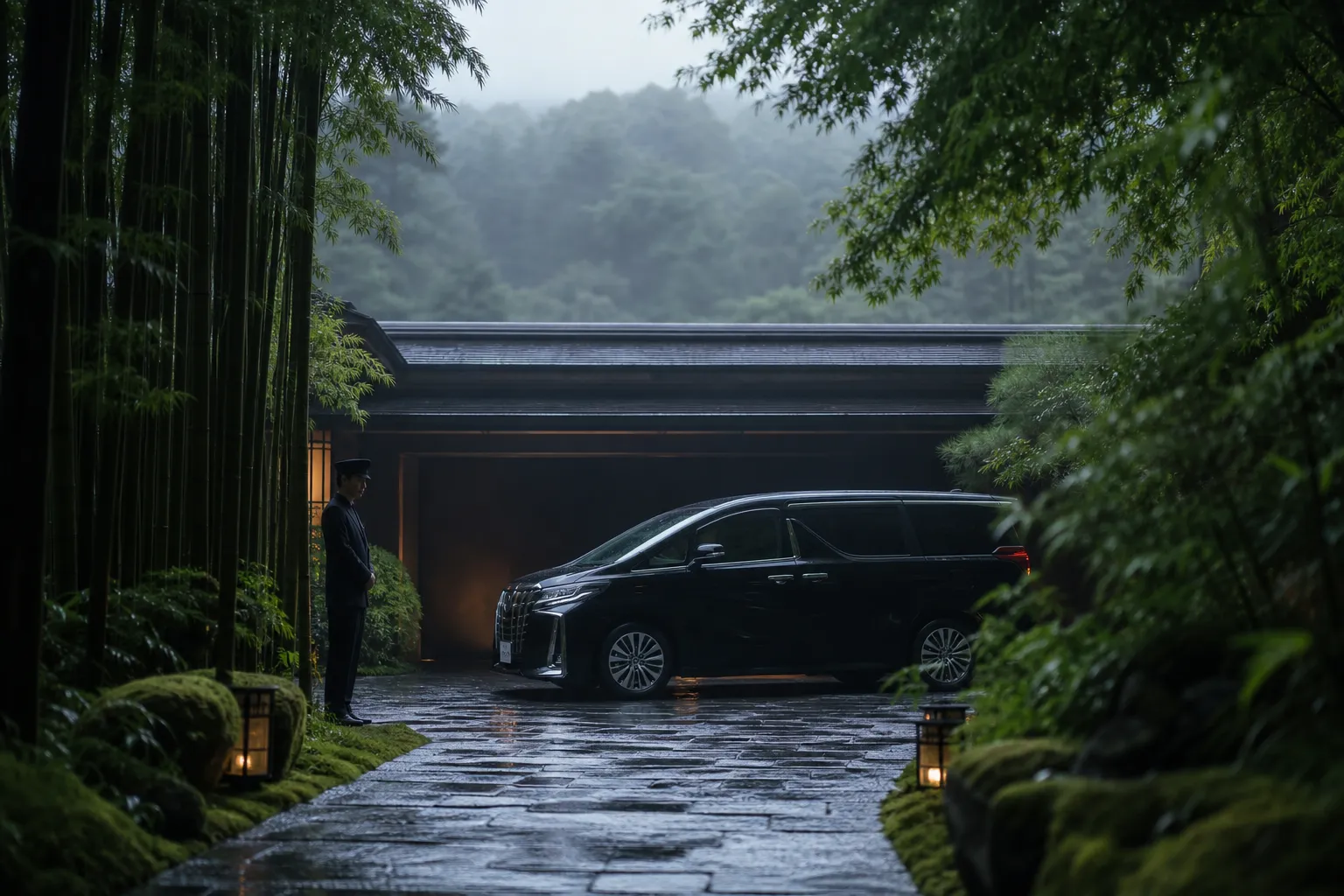
A calm arrival matters as much as the room itself.
Reading a floor plan is one thing. Sequencing four properties across Hokkaido, Tokyo, Kyoto, and Hakone into a single quiet arc is another. That is where our concierge team earns its keep.
At Japan Royal Service, we assess stays by how they behave — arrival flow, bathing, sightlines and service. We pair each stay with private transfers in vehicles from partner companies with English-speaking drivers, so the transit between them is as calm as the rooms.
We do not chase the loudest opening. We find the one that behaves for you.
When you are ready to shape a route around calm rather than hype, tell us the trip; we will tell you which stays deserve your calendar.
To begin planning, contact our team here.