In this guide
- 01Marunouchi In One Sentence: A Quiet Base With Tokyo Station As Your Spine
- 02Marunouchi Vs. Ginza, Roppongi, Shibuya, And Nihonbashi (Honest Comparisons)
- 03Tokyo Station Adjacency: How It Changes The Shape Of A Luxury Japan Trip
- 04Covered And Underground Connections: The Quiet Luxury You Feel In August And Rain
- 05The District Rhythm: Busy By Day, Quiet At Night (And Why That Can Be A Feature)
- 06Palace-Side Mornings: Moat Walks, Clean Air, And A Better Start
- 07What Is Genuinely Close From Marunouchi (And What Is Not)
- 08How A Marunouchi-Based Day Actually Runs (Step-By-Step)
- 09Who Should Base Elsewhere (And Where To Go Instead)
- 10FAQ: Marunouchi As A Tokyo Base (What HNW Travelers Ask Us)
- 11Why Choose Japan Royal Service
You are choosing a Tokyo base. Not a sightseeing list. The decision changes how your days feel, how often you move luggage, and how much energy you waste on small transfers that add up.
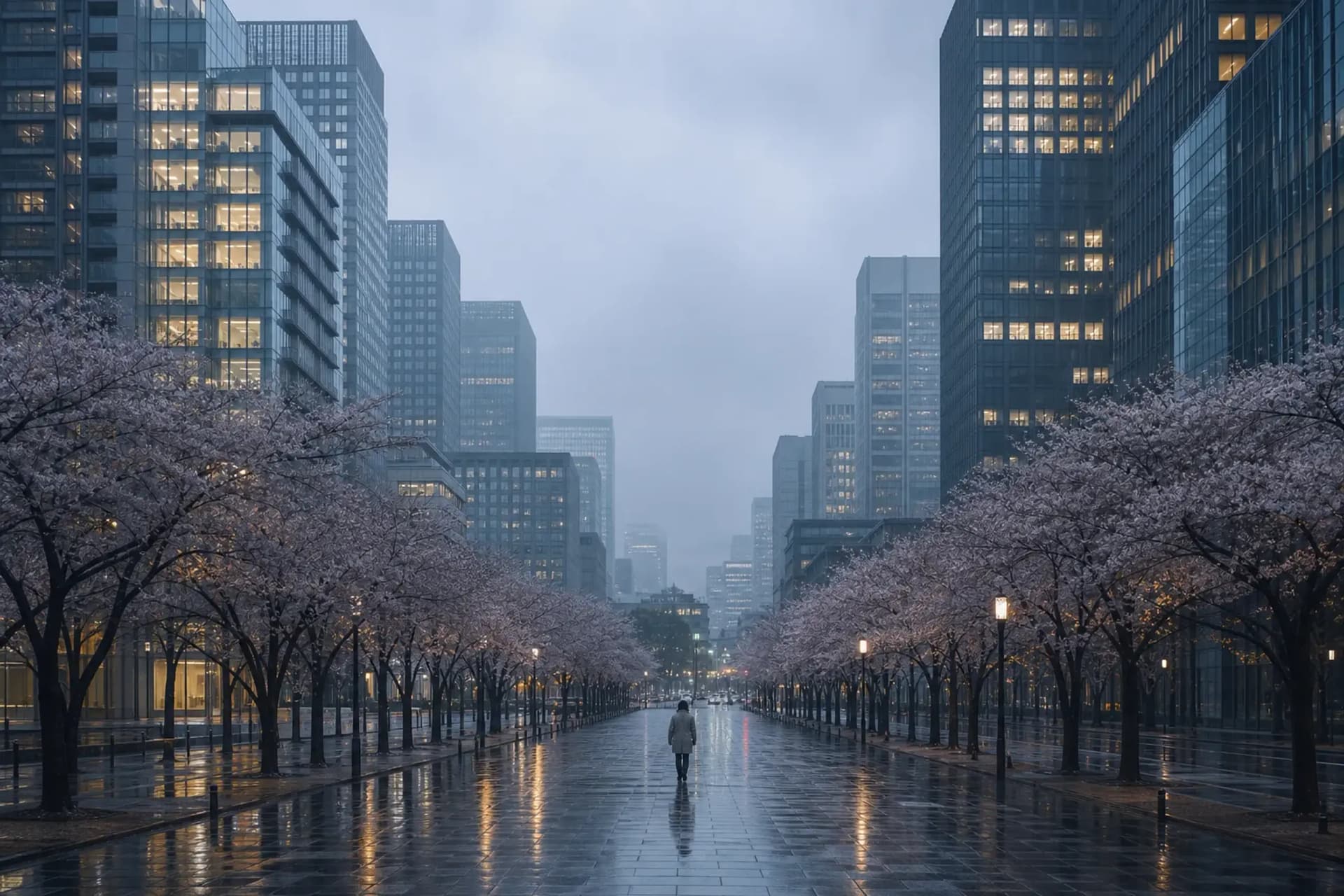
Marunouchi is not Tokyo’s loudest district. That is the point. It sits between Tokyo Station and the Imperial Palace, and it behaves like a business quarter with a switch: intense during work hours, noticeably calmer after.
If you want Tokyo with fewer frictions, Marunouchi is a serious option. If you want street buzz at 11 p.m., it is the wrong one.
Marunouchi In One Sentence: A Quiet Base With Tokyo Station As Your Spine
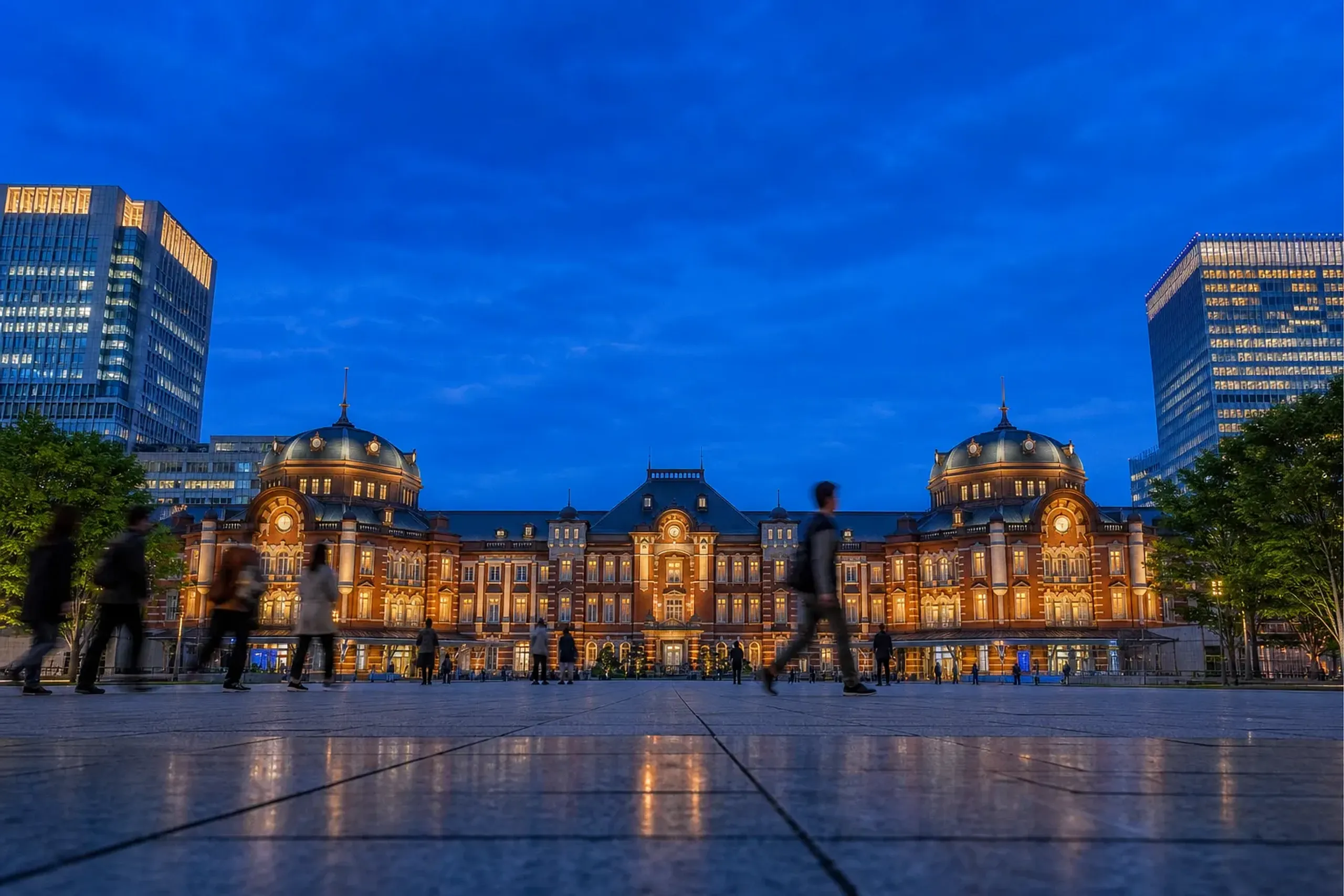
Tokyo Station anchors Marunouchi’s rail-first logic.
Marunouchi’s argument is practical. Tokyo Station is next door. The Imperial Palace side gives you air and space. Covered and underground connections let you move without performing Tokyo outside.
For many HNW travelers, that changes everything. You can keep mornings clean. You can return for a reset between appointments. You can depart for other regions without starting the day with a cross-city transfer.
It also supports a certain aesthetic. Wabi-sabi, in city form. Restraint over spectacle, with design and order doing the heavy lifting.
Marunouchi Vs. Ginza, Roppongi, Shibuya, And Nihonbashi (Honest Comparisons)
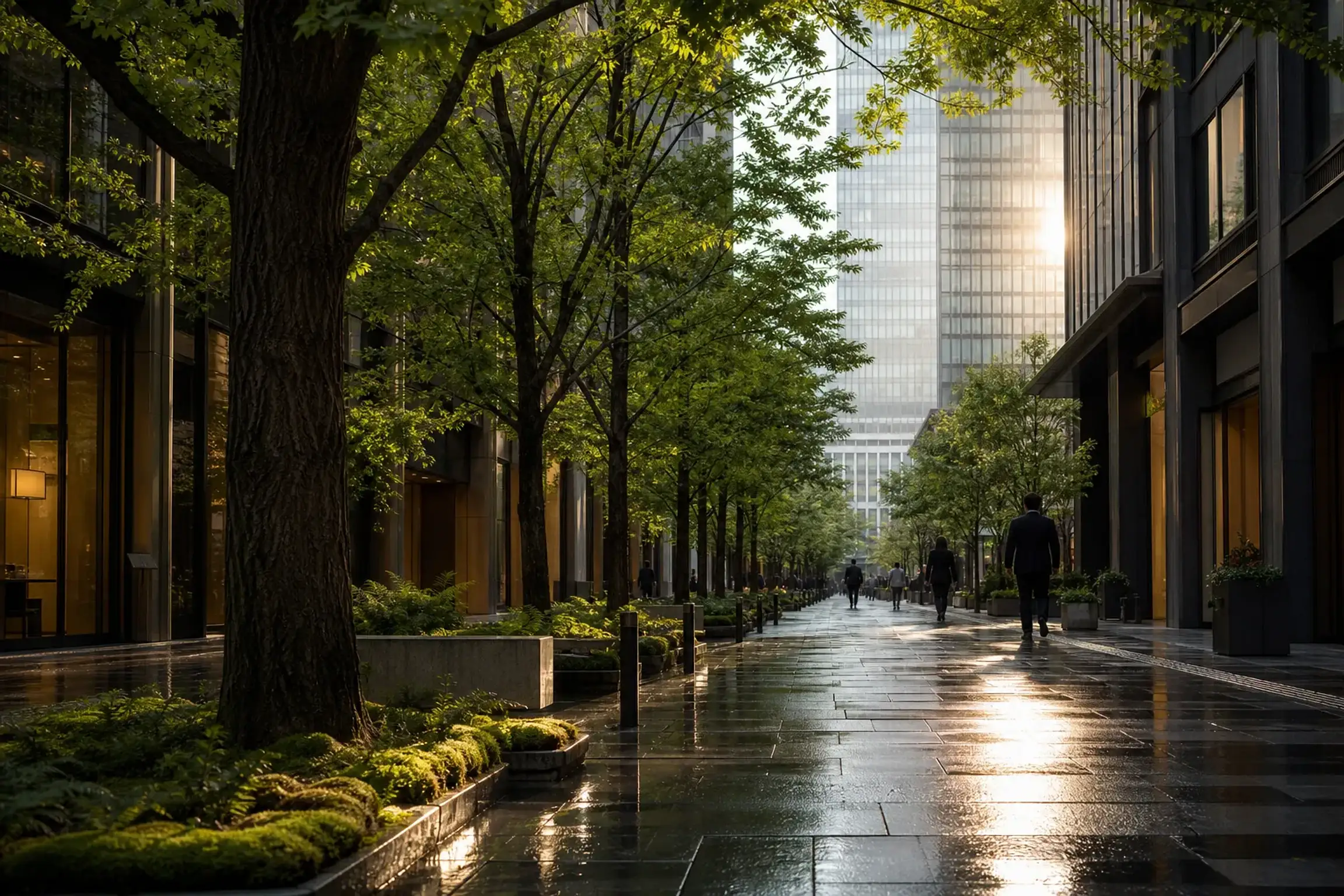
Marunouchi feels composed—especially compared with nightlife districts.
“Best area” is a misleading question. Best for what. In our experience, most disappointment comes from choosing a district for its reputation, then living with its rhythm for a week.
Here is the clean comparison, without romance. Use it to match your trip’s intent.
Marunouchi
Best for travelers who value calm logistics, early starts, and a controlled return at night. Tokyo Station adjacency matters if your itinerary includes Kyoto, Osaka, Hakone, Nikko, or a tight airport day. The district can feel corporate, and evenings can be quiet to the point of emptiness.
Ginza
Best for luxury retail, gallery-style browsing, and a more “Tokyo at night” feeling while still staying central. It is often busier on streets and sidewalks, and it can feel performative after dark. If you like stepping outside into motion, Ginza wins.
Roppongi
Best for contemporary art institutions, international dining energy, and an adult nightlife pattern that runs later. It is less rail-centric for Shinkansen departures than a Tokyo Station base. If your evenings are the anchor, Roppongi may suit you better.
Shibuya
Best for fashion, youth culture, and high sensory input. It is exciting. It is also dense, loud, and inefficient for a rail-first itinerary across Japan. If your trip is about modern Tokyo’s pace, you will tolerate the friction.
Nihonbashi
Best for a more historic commercial texture and a Tokyo that feels older in the details, with strong department-store culture and a quieter tone than Shibuya or Shinjuku. It can be excellent for food-focused travelers, but it does not give you Tokyo Station’s “step out and depart” simplicity in the same way.
Key fact: Marunouchi is located between Tokyo Station and the Imperial Palace (central Tokyo, Chiyoda City).
Tokyo Station Adjacency: How It Changes The Shape Of A Luxury Japan Trip
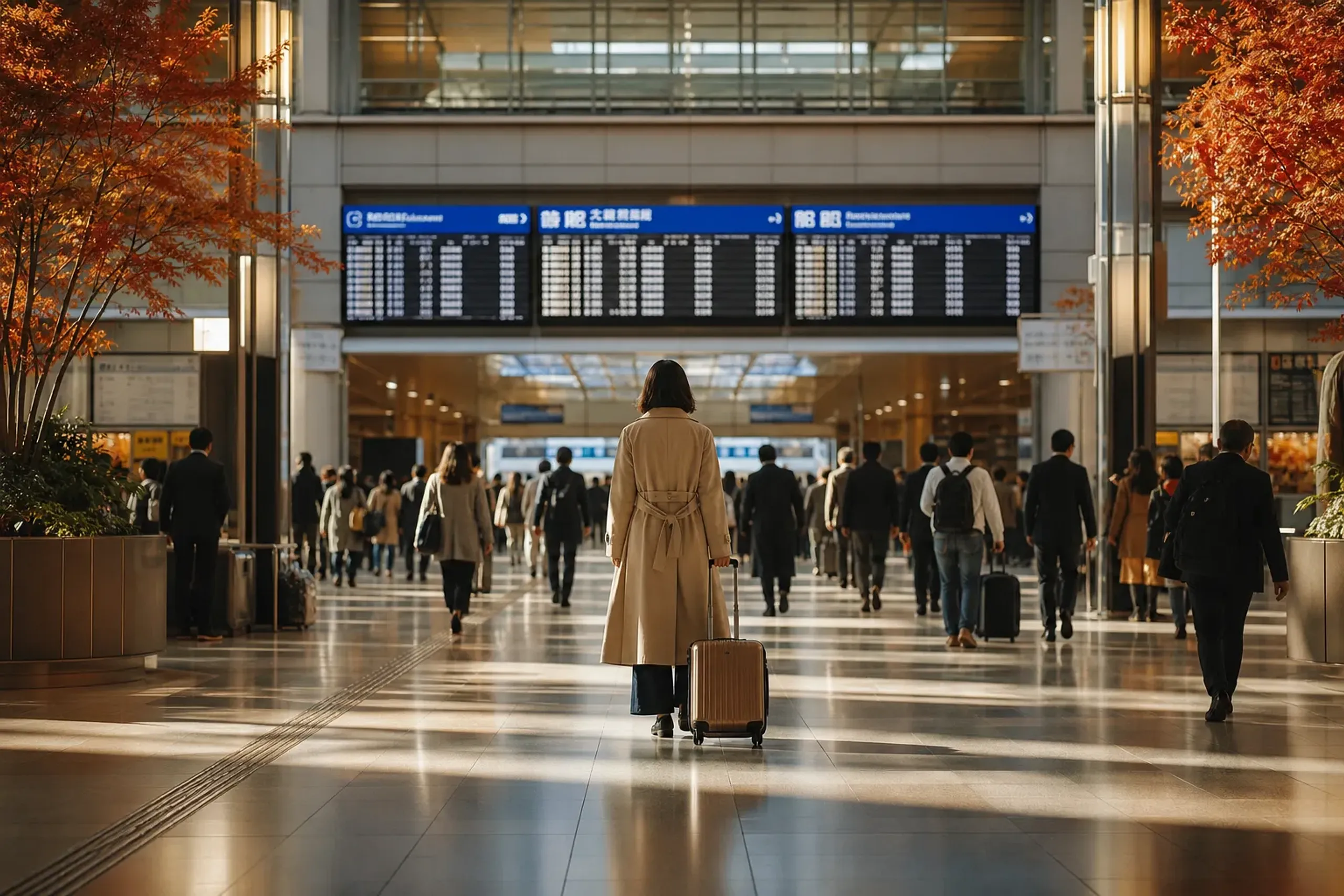
A Tokyo Station base reduces cross-city transfer days.
Most Tokyo hotel choices assume Tokyo is the whole trip. Many HNW travelers do not travel that way. Tokyo is often the opening chapter, the closing chapter, or the transfer point between regions.
Base yourself in Marunouchi and Tokyo Station becomes your spine. You can leave for a Shinkansen morning without a pre-transfer across town. You can arrive from another region and be back in your room quickly, rather than turning a rail day into a second commute.
Less handling. Less exposure. Less negotiation with crowds. Small wins, repeated.
What “Rail-First” Actually Looks Like From Marunouchi
Tokyo Station is a gateway area for reaching both Tokyo and the rest of Japan via Tokyo Station. That sounds like brochure language until you live it on Day 3, when you are moving again and you are tired.
Marunouchi supports a rail-first pattern that many luxury travelers prefer:
- Multi-city itineraries where Tokyo is paired with Kyoto and Osaka, and sometimes Hiroshima.
- Day trips where you want to start early and return without a long cross-town ride.
- Event or meeting weeks where you need a base that behaves during business hours and quiets down after.
We avoid quoting exact minutes in public planning guides because they hinge on your hotel address, exits used, platform routing, and time of day. If you want a time-accurate plan, our concierge team will map your specific days privately.
Airport Days: Fewer Moves, Fewer Failure Points
Airport days are where Tokyo can turn brittle. One missed connection and your evening evaporates. A Tokyo Station base keeps the logic simple because so many rail and road routes are designed around this hub.
This is also where private transportation matters. A calm car, a watchful driver, and a plan that avoids unnecessary steps can make a late arrival feel almost ordinary.
When you’re ready to consider a chauffeured approach, start here: private transportation.
Covered And Underground Connections: The Quiet Luxury You Feel In August And Rain
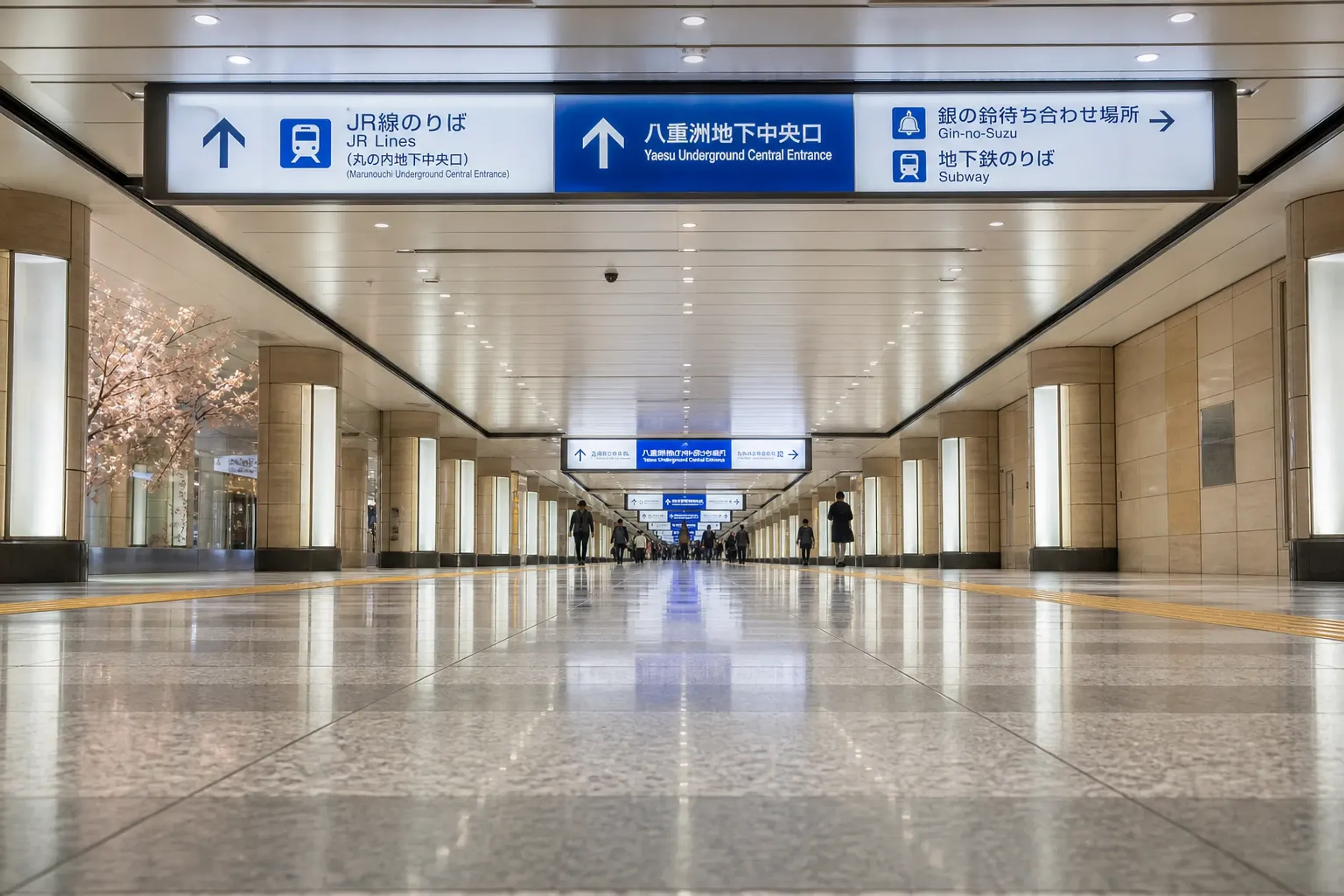
Covered routes matter most in rain and August humidity.
Marunouchi’s covered and underground connections are not glamorous. They are deeply useful. On a humid August afternoon, you can move between buildings and Tokyo Station with less exposure to heat and sudden downpours.
That means fewer outfit changes. Fewer taxi decisions. Less of the “we’ll just dash across” problem that becomes a minor argument by Day 5.
It also supports a certain kind of traveler. The one who prefers arriving composed, not windblown.
How To Use The Connections Without Getting Lost
Tokyo Station’s underground network is large. Big mistake: assuming you can improvise it on the first try with luggage. Instead, use a simple rule.
- Pick one fixed meeting point near your preferred station exit and use it every time.
- Do a “dry run” walk once, without luggage, during daylight hours.
- On rain days, plan one longer indoor walk rather than three short outdoor sprints.
Our team at Japan Royal Service often builds the first two days around low-risk routing so you learn the area’s geometry before the itinerary accelerates.
The District Rhythm: Busy By Day, Quiet At Night (And Why That Can Be A Feature)
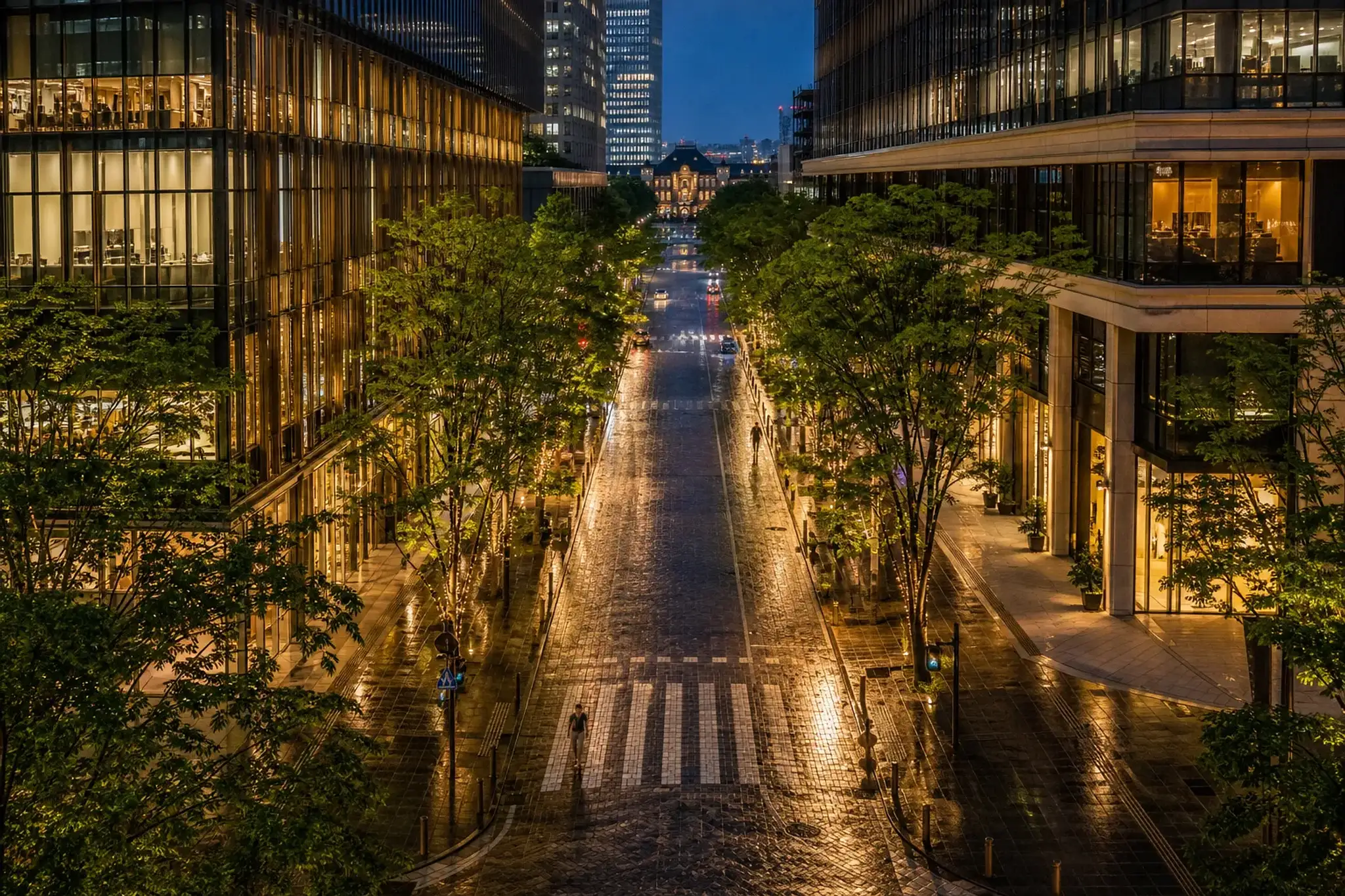
Marunouchi is one of Japan’s most prestigious business districts. It behaves like one. During business hours, it is polished and purposeful. After work, the tone drops fast.
Weekends can feel almost too quiet. That is either relief or disappointment, depending on your expectations. Be honest with yourself.
The Upside: Your Evenings Can Be Restorative
If you are the kind of traveler who wants a controlled evening, Marunouchi helps. You can finish a full Tokyo day and return to an area that does not demand you keep performing the city. Silence is available.
This is where wabi-sabi becomes practical rather than poetic. A low-key walk. A simple nightcap in your building. Early sleep. A sharp next morning.
The Downside: Limited Walk-In Energy After Dark
The weakness is real. There is less casual street life than you get in Ginza, Shibuya, or parts of Roppongi. Fewer spontaneous “let’s just wander until we find something” options late at night.
If your travel style depends on walk-in dining, Marunouchi will feel constrained. Plan dinners with intention, or base elsewhere.
“After Dark” Without The Chaos (Real, Verifiable Programming)
Marunouchi is not asleep all year. Marunouchi.com promotes seasonal and evening-forward programs that can make the district feel pleasantly active without turning it into an entertainment zone.
- MARUNOUCHI SUMMER FEST 2026 is an officially promoted seasonal program, including illumination content on Marunouchi-Nakadori Avenue.
- TOKYO AfterDark in Marunouchi is an official Marunouchi.com program; a notice states Night Hopping Ticket sales resumed on July 27, 2026.
- Marunouchi Illuminations is listed by GO TOKYO, with the listing updated on February 16, 2026.
These are not reasons to fly to Japan by themselves. They are useful texture if you are already choosing Marunouchi, and you want a low-friction evening within walking distance.
Palace-Side Mornings: Moat Walks, Clean Air, And A Better Start
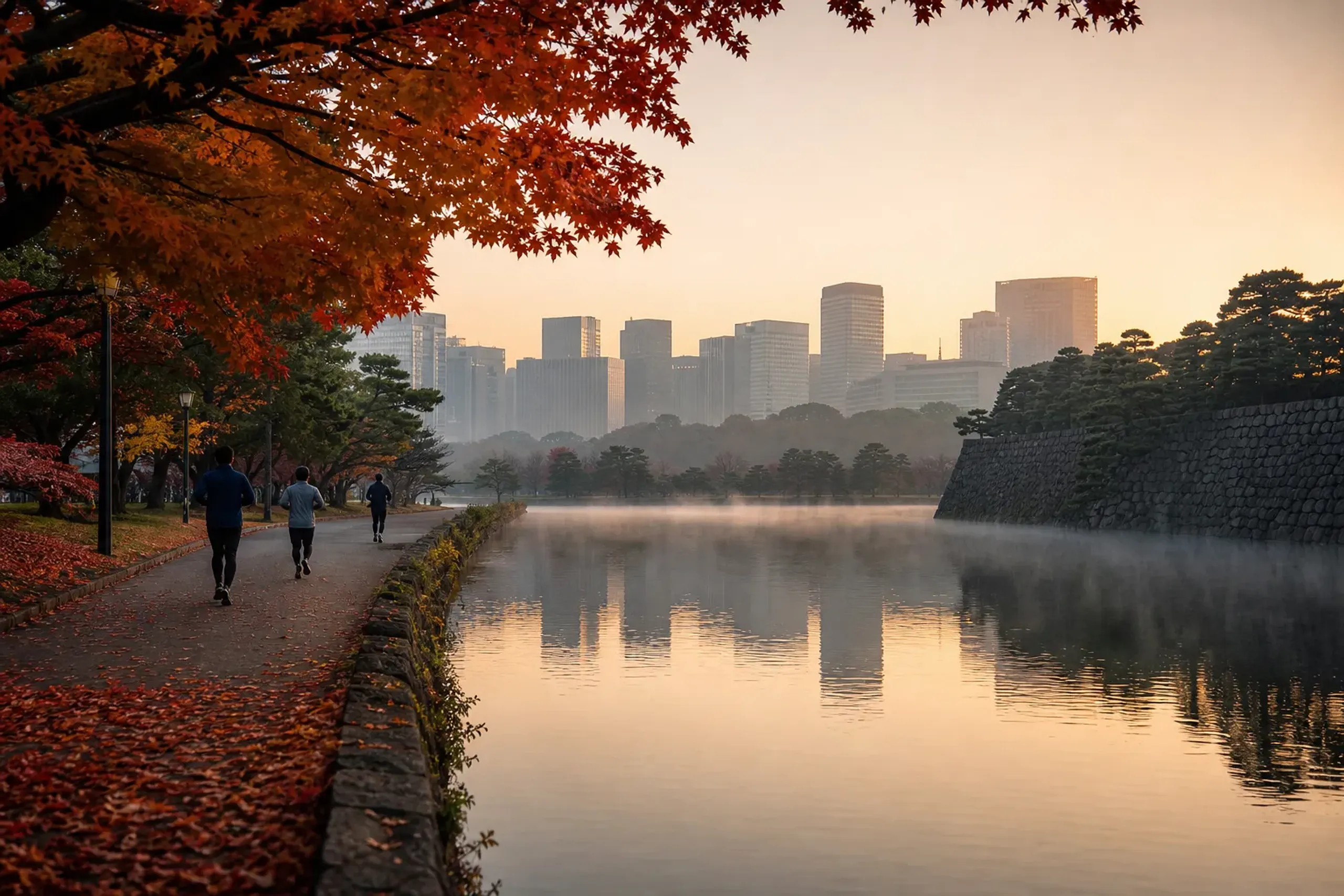
Palace-side mornings are Marunouchi’s quiet counterweight.
Marunouchi’s palace-side geography is its second anchor. The Imperial Palace sits immediately to the west, edged by moats and wide paths that give you rare open space in central Tokyo.
Go early. It changes the day. You will see runners, quiet commuters, and a city that has not started talking yet.
This is also where a shokunin mindset applies to travel: small, repeated rituals done well. A disciplined morning walk beats an extra late-night detour when you have a full week ahead.
A Simple Morning Template (That Works In Any Season)
- Wake before the city and step out while streets are still sparse.
- Walk the palace perimeter at an easy pace. No need to “optimize” it.
- Return for breakfast, then start your first appointment without a cross-town scramble.
If you want a more structured wellness cadence, we can test Marunouchi against your planned days and build a realistic pattern around it.
What Is Genuinely Close From Marunouchi (And What Is Not)
Marunouchi is central, but Tokyo is still Tokyo. Some areas are close because they are adjacent. Others are “close” only on a map.
Use a blunt filter: if you plan to visit a neighborhood repeatedly, consider whether your base supports that rhythm without constant transfers.
Genuinely Close (Low-Friction)
These are places that tend to work well with a Marunouchi base because they sit in the same central band of the city, or connect cleanly via Tokyo Station/Yurakucho-side routing. Exact times depend on routing, exits, and time of day. [VERIFY]
- Imperial Palace area for morning walks and open space.
- Yurakucho edge, including the Tokyo International Forum area.
- Tokyo Station area itself, as a daily hub rather than a one-time stop.
One verifiable anchor: Tokyo International Forum is located at 5-1 Marunouchi 3-chome, Chiyoda-ku, Tokyo, on the Marunouchi/Yurakucho edge.
Manageable, But You Need A Plan
Ginza is nearby enough that many travelers treat it as an evening option from Marunouchi, especially for shopping hours and a livelier street feel. Roppongi is doable, but it is not “step outside and you’re there.” Shibuya can be easy on a good run and draining on a bad one. [VERIFY]
If your itinerary has multiple evenings intended for Roppongi or Shibuya, we usually pressure-test whether you will enjoy the back-and-forth, or resent it by midweek.
Not Close In The Way People Assume
Tokyo’s west-side neighborhoods and some waterfront zones can be psychologically “far” if you are returning late, tired, and dressed for dinner. You can still go. Just do not pretend it is next door.
This is where a chauffeured day structure can help, especially for families or travelers who want to move as a unit and avoid repeated station navigation.
How A Marunouchi-Based Day Actually Runs (Step-By-Step)
Marunouchi suits travelers who like a clean day shape. Start early, do one major block, return, then choose your evening with intention. The district supports that pattern because it does not trap you in noise when you come back.
Template A: A Tokyo Day With A Reset In The Middle
Morning begins palace-side. Quiet. Then you cross into your first neighborhood for a focused block: museum time, shopping time, or an appointment. No multitasking.
Midday, you return to Marunouchi for a reset. A shower, a short rest, a change of clothes. Then you leave again for a single strong evening plan, rather than stacking three half-plans.
Template B: A Rail Day That Does Not Feel Like An Ordeal
On a departure day, the advantage is blunt. You are close to Tokyo Station. You are not starting with a cross-city move while carrying luggage.
You leave early, arrive where you are going with more patience, and return the same way. That calm matters when your trip includes multiple cities.
Template C: Business-Leisure In Marunouchi
Marunouchi is built for business hours, and that helps “bleisure” travelers. Events at major venues are part of the district’s working identity.
For example, SB’26 TOKYO-Marunouchi (Sustainable Brands) lists dates Feb 18–19, 2026, with venue Tokyo International Forum. If your calendar includes something like that, staying nearby reduces unnecessary friction.
Who Should Base Elsewhere (And Where To Go Instead)
Marunouchi is not a universal recommendation. Some travel styles will feel cramped by its quiet, or bored by its corporate tone.
Choose Ginza If You Want Night Energy With Central Convenience
If you want to step outside and feel Tokyo’s evening motion, Ginza often fits better. You can still keep a central position, but your streets will be active later. That is the trade.
Choose Roppongi If Art And Late Nights Are The Point
If your trip includes multiple late dinners and a contemporary-art rhythm, Roppongi can reduce the psychological distance of returning late. You pay for it with less Tokyo Station adjacency.
Choose Shibuya If You Want Modern Tokyo, Full Volume
If you are chasing fashion, crowds, and the sense of Tokyo as a living screen, Shibuya is honest about what it is. You will not get calm. You will get immediacy.
Choose Nihonbashi If You Want A More Traditional Commercial Texture
If you want Tokyo that feels older and more mercantile, Nihonbashi can be a better emotional fit. It is still central, but the flavor is different.
FAQ: Marunouchi As A Tokyo Base (What HNW Travelers Ask Us)
Is Marunouchi Really Tokyo’s Quietest District?
“Quietest” depends on what you measure. Marunouchi is reliably calmer at night and on weekends because it is primarily a business district. If you want quiet streets near Tokyo Station and the Imperial Palace, it is one of the cleanest fits.
Is Marunouchi Too Corporate For A Leisure Trip?
It can be. If you want street texture, small laneways, and casual night wandering, you may feel it is sterile. If you want order, walkability to Tokyo Station, and controlled evenings, the corporate character becomes an advantage.
Will We Struggle To Find Dinner Nearby At Night?
Late-night spontaneity is not Marunouchi’s strength. Plan dinners with intention, especially if you keep a tight schedule. If you prefer walk-in discovery at 9:30 p.m., consider Ginza or Roppongi.
Is Marunouchi Good For Summer Heat And Rainy Season?
Yes, for a practical reason: covered and underground connections reduce exposure when weather is punishing. You still need street time in Tokyo, but you can choose when to spend it.
Can You Build A Full Tokyo Itinerary From Marunouchi?
Yes, if you accept that some neighborhoods are a deliberate outing rather than a casual stroll. In our experience, Marunouchi works best when you plan Tokyo in focused blocks, with a mid-day reset and one strong evening plan.
How Do We Decide Between Marunouchi And Another District?
Start with your departure pattern. If you are taking Shinkansen trips, moving cities, or leaving Tokyo early, Marunouchi’s Tokyo Station adjacency is hard to beat. If your trip is mostly nightlife and street exploration, base elsewhere.
Why Choose Japan Royal Service
Marunouchi rewards precision. So does Japan. Our team at Japan Royal Service plans trips the way a shokunin approaches craft: with quiet standards, repeatable systems, and attention to what you will feel at 7 a.m. and 10 p.m., not just what looks good in a screenshot.
We also keep the tone restrained. Wabi-sabi matters in city planning: fewer moves, cleaner days, and a base that lets you recover. And when clients want Hidden Japan beyond the Golden Route, Marunouchi’s station logic makes those detours easier to execute without turning travel days into endurance tests.
Most of all, we operate with discretion. Your identity and itinerary stay confidential, and our planning conversations stay private.
For private coordination, reach our team privately via WhatsApp or LINE, or contact us here.