In this guide
- 01Why Nagano Soba Feels Different When You Meet The Landscape First
- 02What “Private Soba Harvest” Can Honestly Mean (And What Must Be Confirmed)
- 03Provenance You Can Verify: Shinshu Hisui Soba As A Nagano Brand
- 04The Shokunin Session: What Happens In A Serious Soba-Making Lesson
- 05Real, Verifiable Ways To Experience Soba In Nagano (Matsumoto, Nozawa, Karuizawa)
- 06How To Integrate A Private Nagano Soba Day Into A High-End Itinerary
- 07Best Timing For A Nagano Soba Trip (Including A Confirmed 2026 Event)
- 08Discretion Protocols For Food-Focused Luxury Travel In Rural Japan
- 09How To Book Soba-Making Experiences In Nagano (Official Channels Only)
- 10FAQ: Private Soba Harvest And Soba-Making In Nagano
- 11Why Choose Japan Royal Service
You have eaten excellent soba. In Tokyo, perhaps. In Kyoto, too.
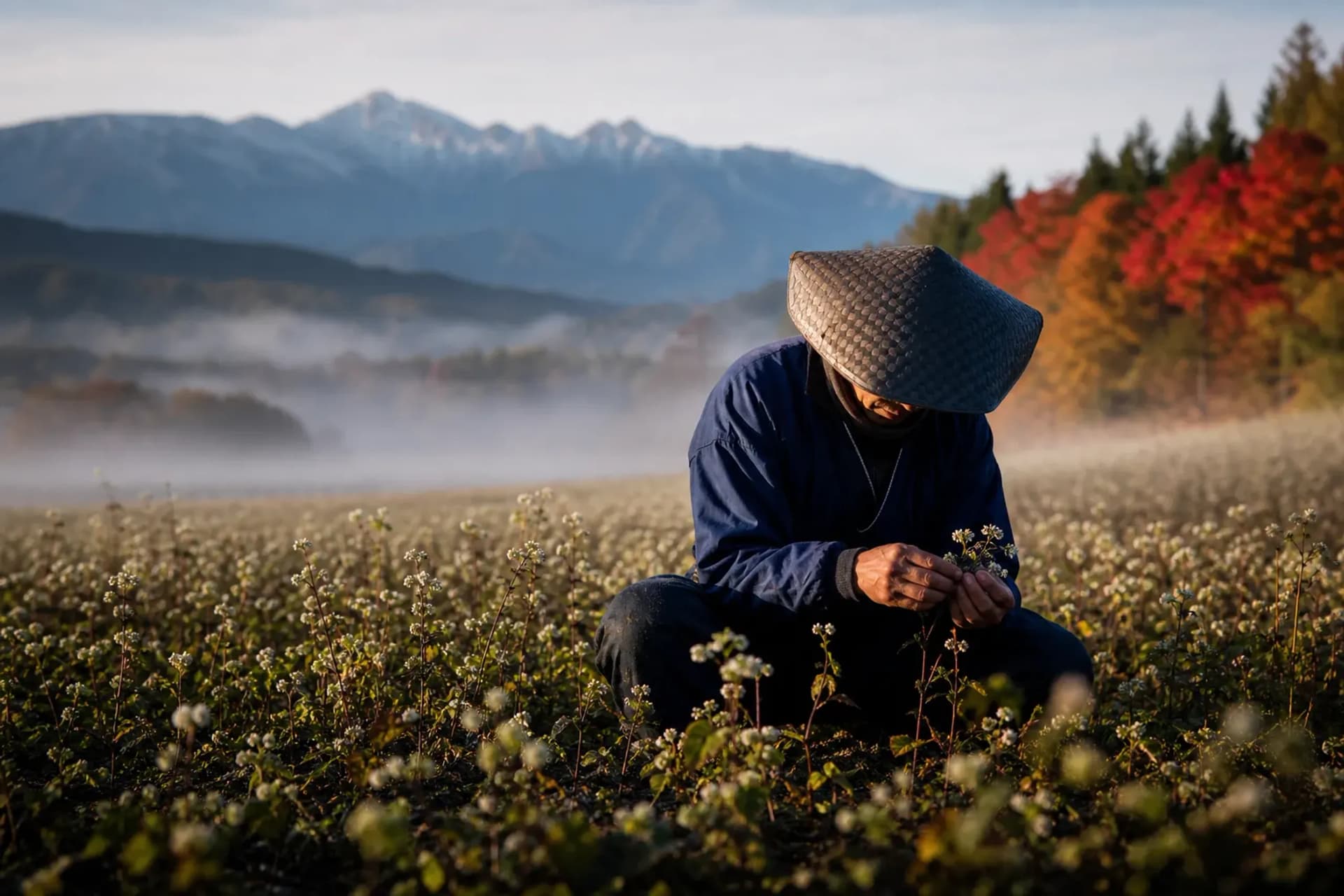
But the most persuasive bowl is rarely in the city. It starts in a cold field, with buckwheat stems brushing your sleeves, and a local craft rhythm that does not speed up for visitors. Quiet, exacting, human.
Our team at Japan Royal Service designs luxury Japan travel for guests who want that kind of access: wabi-sabi restraint, hidden-Japan addresses, and discretion that keeps your name out of the air. No noise. Just precision.
This guide shows what a private soba harvest-and-craft day in Nagano can look like, what to expect in a serious soba-making session, and how to place it inside a high-end itinerary without turning it into a “cooking class.”
Why Nagano Soba Feels Different When You Meet The Landscape First
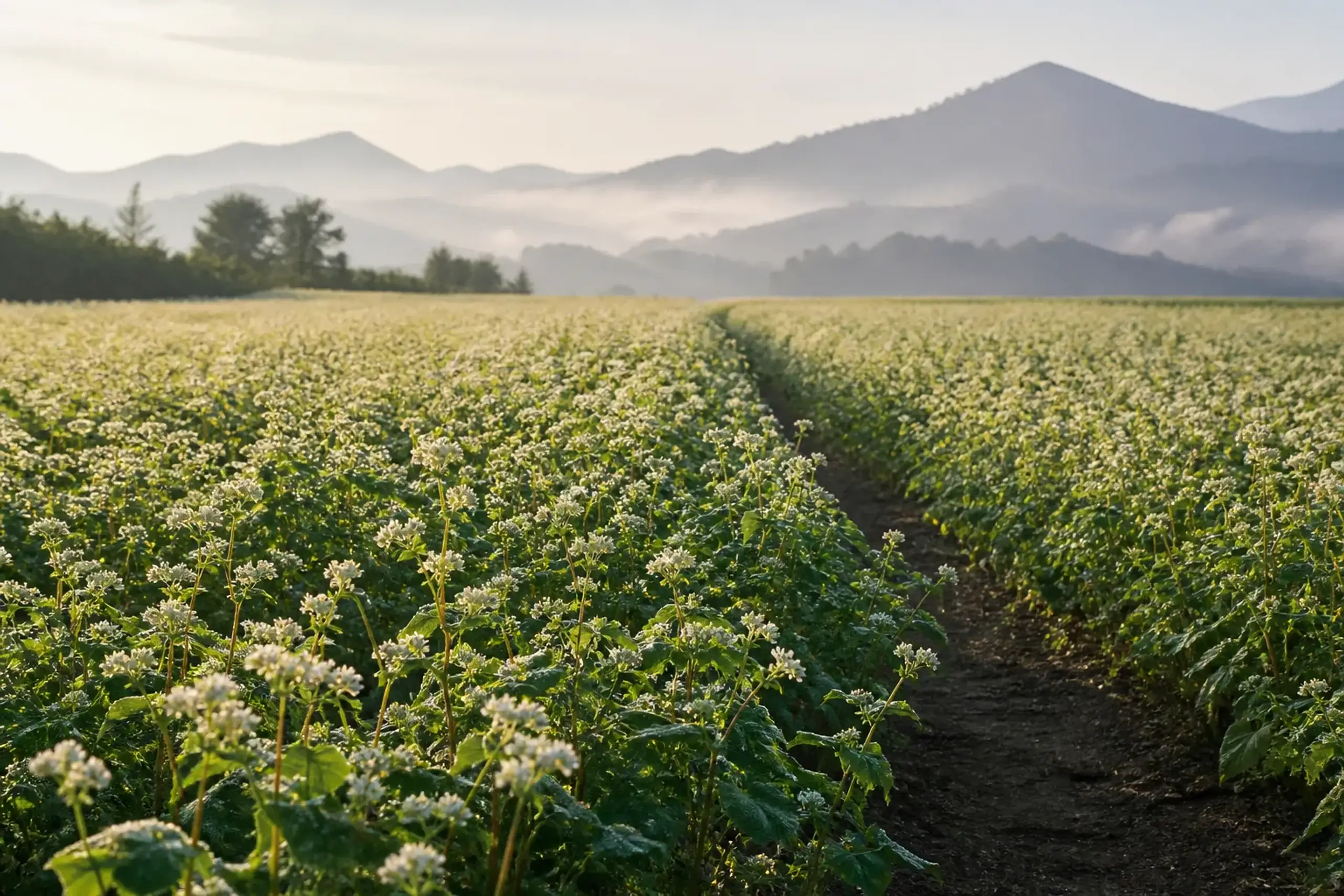
Nagano is not a backdrop. It is an ingredient.
Mountain air, clear water, and rural distance change how soba tastes and how it is made. That is the point. Even before you touch flour, you feel the region’s restraint—fields, stone walls, and long pauses between villages.
For HNW travelers, Nagano also solves a common problem. Crowds. A well-known sushi counter in Tokyo can be thrilling, then exhausting; Nagano gives you space, and the craft still runs deep.
Wabi-Sabi In A Food Day (Without Turning It Into A Slogan)
Wabi-sabi is not “rustic.” It is control.
It is the clean line of a wooden worktable, a plain bowl that frames steam, and the patience to repeat a cut until the noodle thickness is honest. Small, almost severe choices. They add up.
What “Private Soba Harvest” Can Honestly Mean (And What Must Be Confirmed)
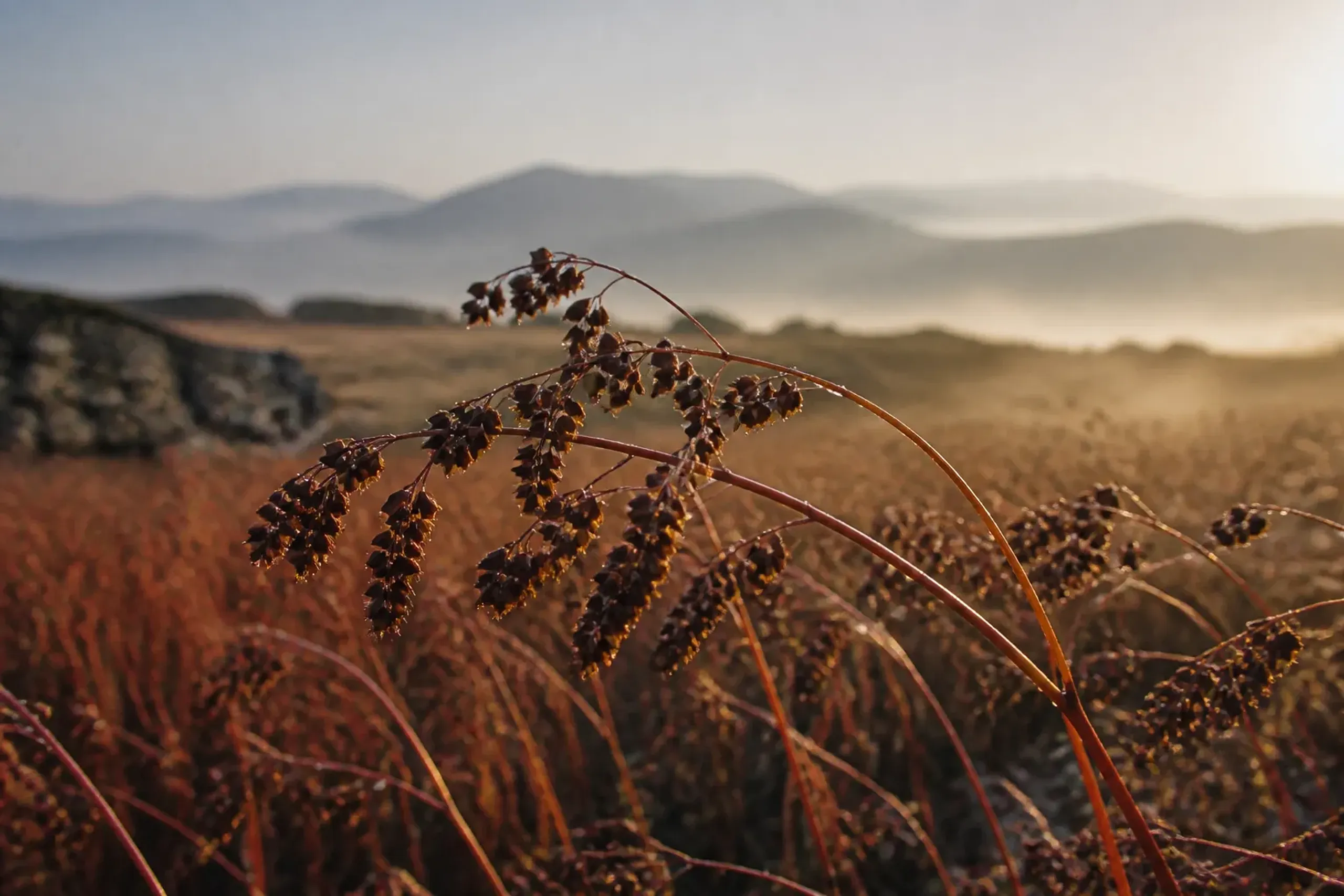
Let’s be strict. Harvest timing is not a marketing promise.
Buckwheat harvest windows vary by area, altitude, and weather in Nagano. So, any “harvest day” must be confirmed directly with the hosting farm or operator for your exact date. In our experience, the best luxury outcome comes from planning early, then letting the field dictate the final details.
Key fact: Buckwheat harvest timing is not fixed. Treat “harvest” as seasonal and confirmable only after a specific farm/operator agrees to your date.
When harvest is not possible, a “seed-to-bowl” day can still feel complete. You can focus on milling, dough, and cutting technique, plus tasting soba made by the instructor for comparison. Still rigorous. Still satisfying.
Premium Elements That Make The Day Feel Like Craft, Not Tourism
- A small party size (often 2–6 is ideal) so the instructor corrects your hands, not just your results.
- A quiet setting where you can hear the knife on the board and the water being added.
- Comparative tasting: your noodles versus a master’s noodles, side by side.
- Provenance clarity—what buckwheat is used, and why that choice matters.
Provenance You Can Verify: Shinshu Hisui Soba As A Nagano Brand
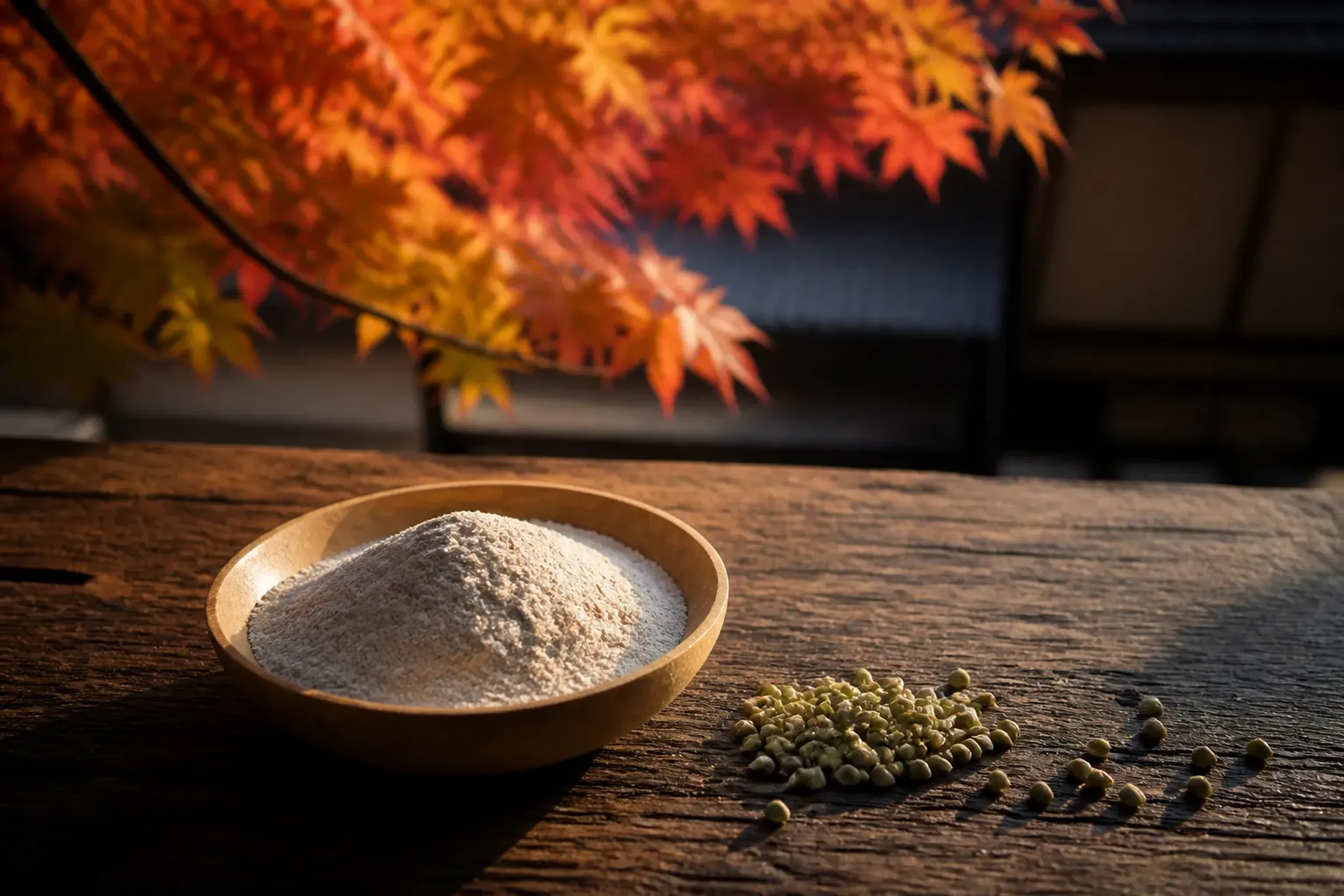
Luxury travelers already understand this logic from wine. Label discipline matters.
Nagano Prefecture states that “Shinshu Hisui Soba” is a Nagano-produced soba brand, registered as a Nagano Prefecture trademark on July 26, 2013. Only products meeting set standards can use the name, and the prefecture page was updated May 19, 2026. That is useful. It gives your soba day a credible provenance story, not a vague “local and fresh” pitch.
For our guests, this becomes a simple question you can ask before you commit: what buckwheat is being used, and what standard is the producer aligning with? Calm. Adult. Revealing.
How To Speak About Soba Like A Collector (Without Showing Off)
Ask two questions. Then listen.
- “Which buckwheat is this, and where is it produced?”
- “What do you adjust when humidity changes?” (Water and touch are everything.)
The best instructors answer plainly, then demonstrate. That is shokunin energy—no performance, no sales patter.
The Shokunin Session: What Happens In A Serious Soba-Making Lesson
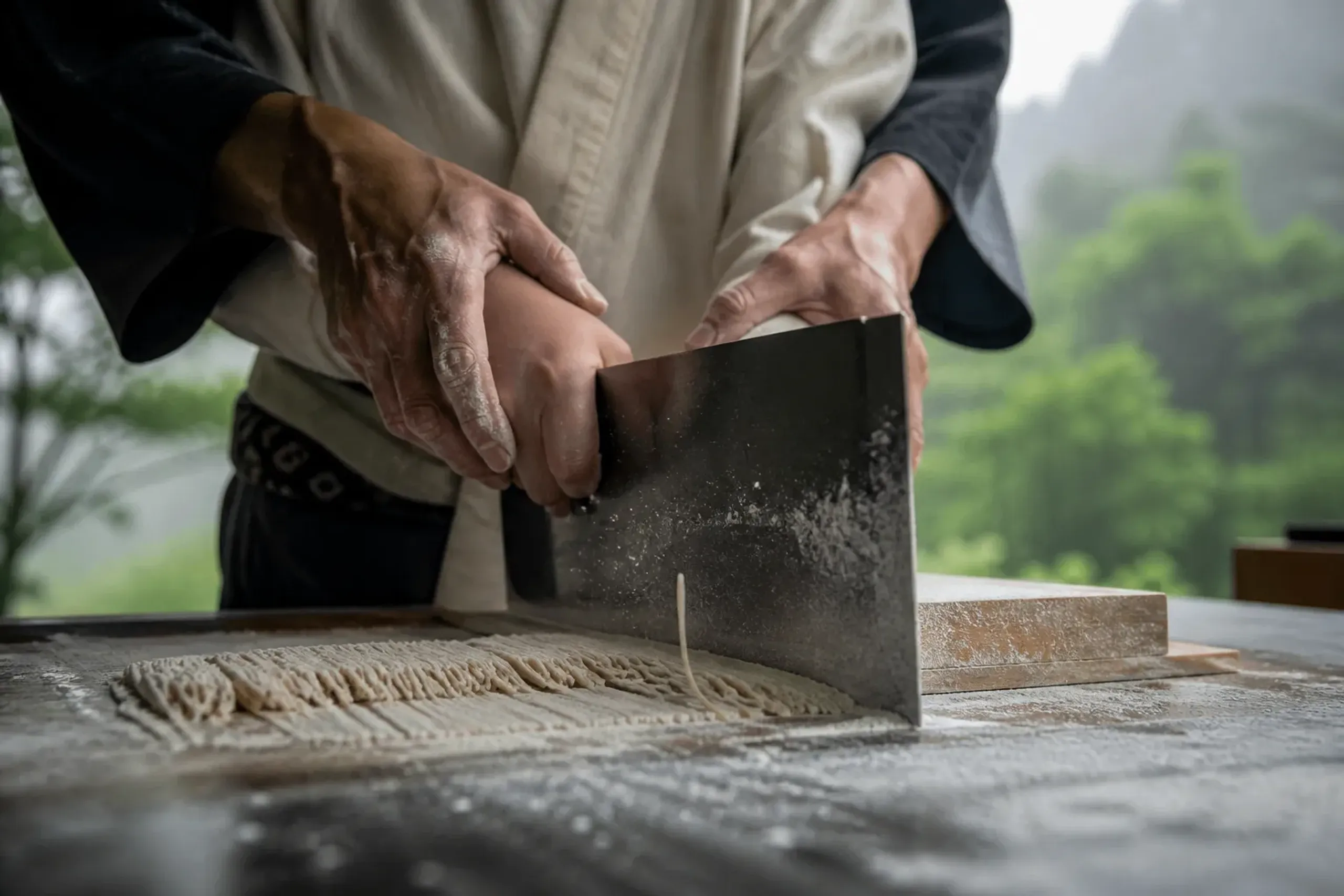
A proper soba-making lesson is tactile, demanding, and slightly humbling. Good.
Japan-guide style summaries are accurate: lessons often run about 1–3 hours and typically include mixing buckwheat flour with water, kneading, rolling/stretching, cutting with a soba knife, then cooking and eating. That sequence matters because each stage changes the final texture, and small errors compound.
In a shokunin-grade session, you do not rush to the meal. You earn it.
The Technique Stack (Where Most Beginners Slip)
- Hydration control: adding water in a measured way, then adjusting by feel.
- Kneading discipline: enough to unify the dough, not so much that it turns heavy.
- Rolling thickness: consistency is the silent test.
- Cutting rhythm: the knife work should be steady, not aggressive.
One clean correction from a master can change everything. That is why privacy and time matter more than spectacle.
Real, Verifiable Ways To Experience Soba In Nagano (Matsumoto, Nozawa, Karuizawa)
Nagano offers multiple legitimate entry points, depending on your base and your appetite for travel time. Choose what matches your trip’s tempo. Big days are expensive in energy.
Below are real examples published by operators and reputable sources. We are sharing them as information only. Guests who want tailored guidance for a private, high-comfort plan may speak with our concierge team directly.
Option A: Matsumoto — A Straightforward Craft Session Base
InsideJapan Tours describes a soba noodle making experience located in Matsumoto. It includes making dough, rolling it out, slicing with a soba knife, and eating the noodles at the end. Simple outline. No mystery.
Matsumoto also positions you for broader Nagano exploration, including countryside drives and onsen areas, without living out of suitcases.
Option B: Nozawa Onsen — Workshop Energy With Hot-Spring Ease
Nozawa Hospitality lists a soba making workshop in Nozawa Onsen with a stated duration of 3 hours, price of ¥6,600 per person, and English instruction available. Practical and clear.
For many HNW guests, the draw is the pairing: technique in the afternoon, hot-spring quiet later. No need to “fill the day.”
Option C: Karuizawa — A Convenient Setting For Families
SOBA LABO publishes an English page for a soba-making experience at Shinshu Soba Restaurant Yamahei in Karuizawa Prince Outlets/Shopping Plaza New West. If you are in Karuizawa for shopping, light nature, or a short escape from Tokyo, this can fit neatly.
It is not the same as a farm harvest day. But for certain itineraries, convenience is the luxury.
Option D: A Heritage Setting — Soba In A Registered Cultural Property
Nakadanasou states that visitors can enjoy a soba noodle making experience, and that it can be held in an old private house called “Harikoshi-tei,” described as a registered tangible cultural property of Japan (depending on the number of visitors). Place changes the experience. The silence is different.
How To Integrate A Private Nagano Soba Day Into A High-End Itinerary
Most luxury itineraries fail in one predictable way. They stack too much.
A soba harvest-and-craft day is not an accessory between museums. It is a main event. Give it air around the edges, and you will remember the texture of the noodles, not just the photos.
Three Itinerary Shapes That Work For HNW Travelers
We plan these with restraint. Always.
Option A: Tokyo To Nagano (One Craft Day), Then Back
Best when Japan is not the only trip on your calendar this year. Efficient. Clean.
- One night in Tokyo to land and reset
- Day trip or one-night Nagano extension for soba craft
- Return to Tokyo for final dining and departure
Option B: Tokyo To Karuizawa, Then Matsumoto
Best for travelers who want a gentle gradient: city pace down to mountain pace.
- Karuizawa for a light soba experience and relaxed shopping rhythm
- Matsumoto for deeper craft focus and countryside access
Option C: Nagano Craft + Onsen Quiet (Kusatsu As A Wellness Anchor)
For guests who want the body to exhale after the knife work.
Hoshino Resorts has announced KAI Kusatsu (Gunma) opening June 7, 2026. Kusatsu Onsen is one of Japan’s best-known hot-spring towns, and the opening creates a timely reason to route through the region for a slow reset after Nagano’s craft day.
Private Transportation, Without The “Tour Bus” Feeling
Distance in Nagano is real. Trains are excellent, but door-to-door control often matters more than speed.
For guests who prefer a chauffeured approach, we can advise on routing and vehicle selection, and we offer private transportation options suited to couples, families, and small executive groups. Quiet cabins help. So does space.
Best Timing For A Nagano Soba Trip (Including A Confirmed 2026 Event)
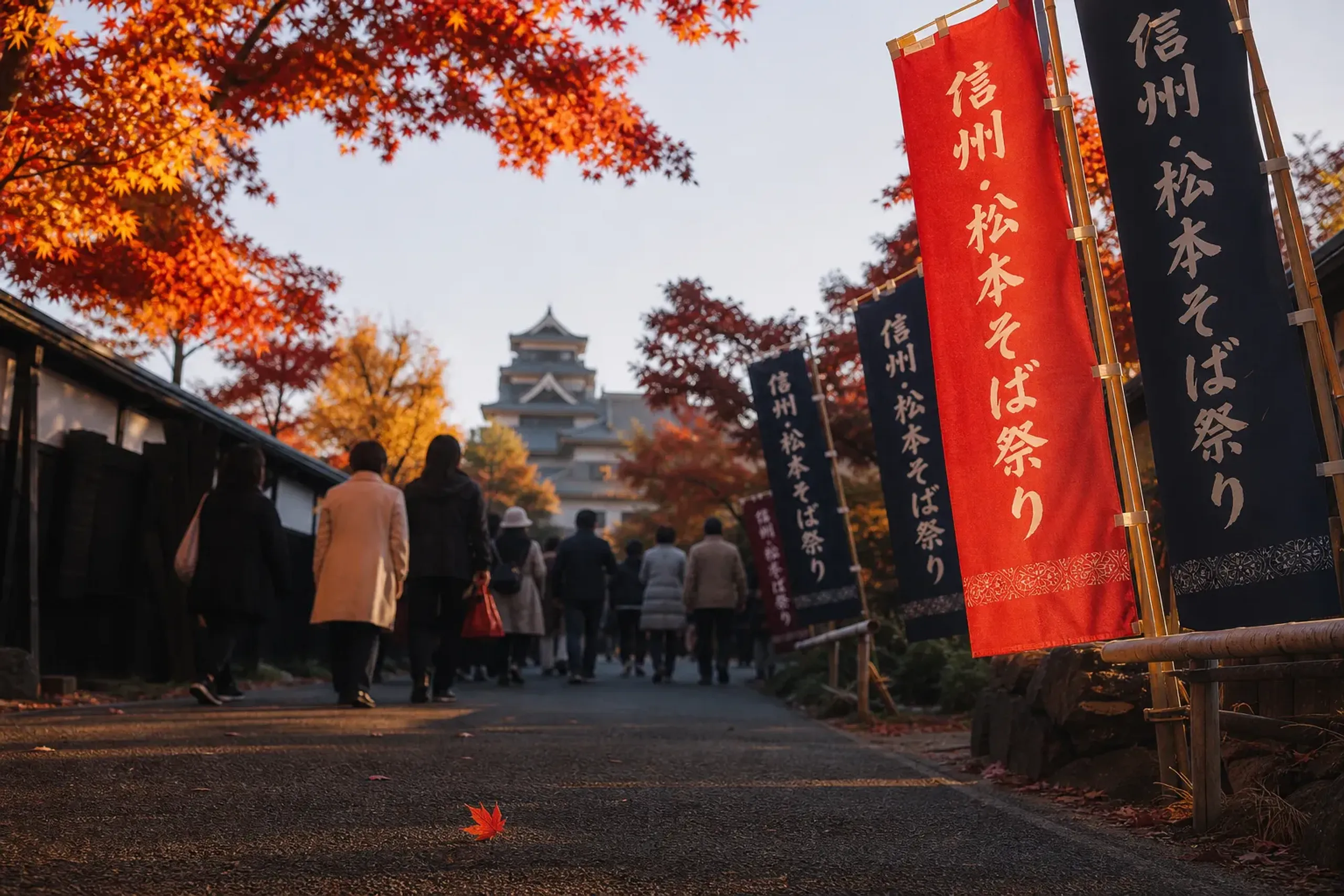
If you want one fixed planning anchor, use a real calendar entry. The Shinshu–Matsumoto Soba Festival (信州・松本そば祭り) is listed for October 10–12, 2026 on the Link Matsumoto event calendar.
That weekend is public-facing. It can be lively. Some guests enjoy the contrast: a private craft day on one side, then a brief festival visit to see the broader soba culture with fresh eyes.
Harvest timing, again, must be confirmed with a farm or operator for your exact dates. Weather decides.
How To Use The Festival Without Letting Crowds Run Your Day
- Arrive early, then leave early. Simple rule.
- Pick one tasting goal (one style, one area, one question) and stop.
- Keep your private craft session on a separate day to protect focus.
Discretion Protocols For Food-Focused Luxury Travel In Rural Japan
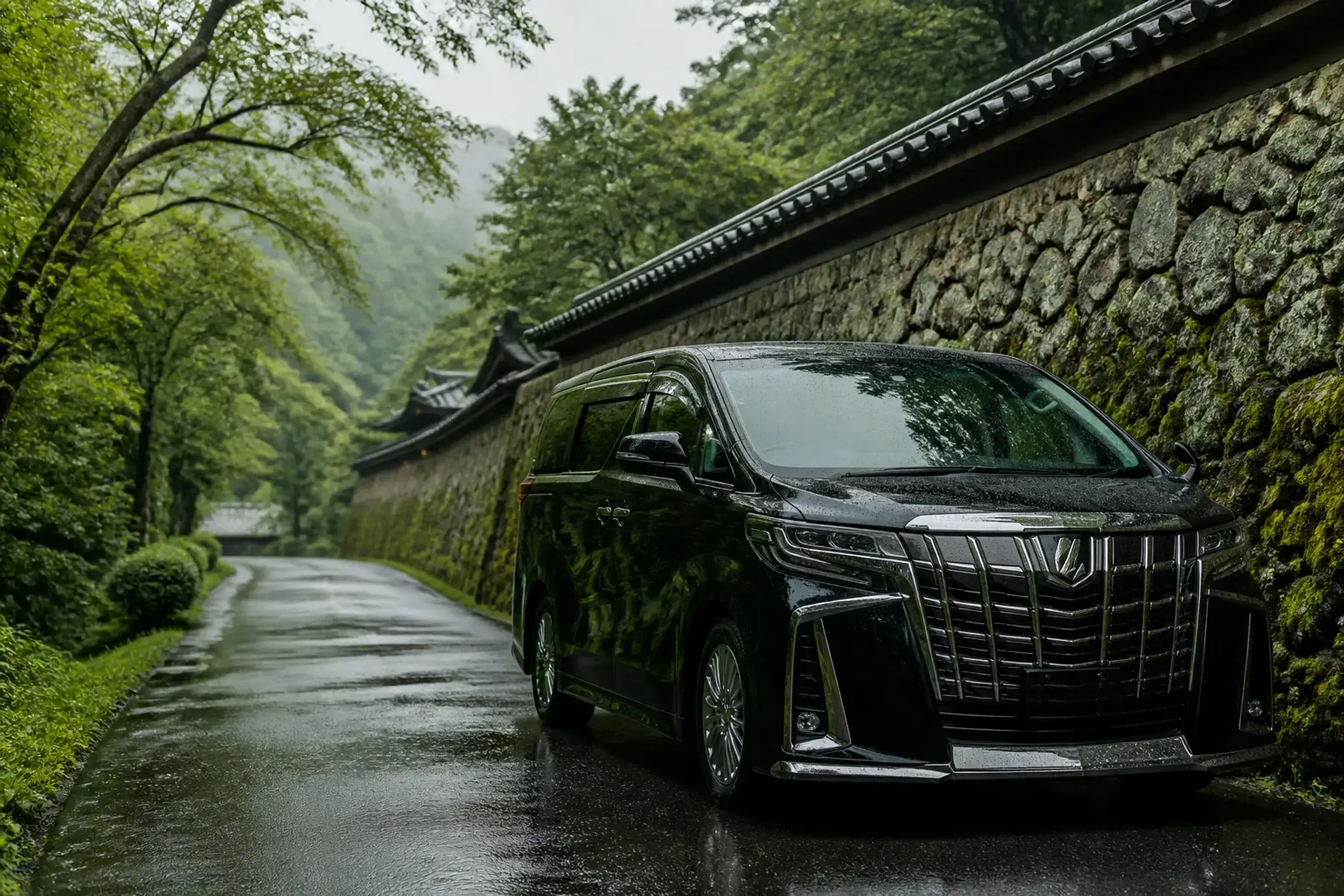
Discretion is not a “preference.” It is a working standard.
In small towns, attention travels fast. If you are recognizable, or if your schedule is sensitive, you need a plan that avoids unnecessary visibility—timing, entrances, seating choices, and how your party moves.
Our team at Japan Royal Service designs low-friction days that feel natural on the ground. No announcements. No performative access. Just thoughtful choices that keep the spotlight off you and on the craft.
Small Moves That Protect Privacy
- Staggered departures when your party is larger than a typical workshop group.
- Neutral language when asking questions in public-facing settings.
- Time buffers so you are never forced into a crowded lobby moment.
How To Book Soba-Making Experiences In Nagano (Official Channels Only)
Booking rules vary by operator. Respect that.
Many soba-making experiences are offered directly by the hosting venue, local workshop providers, or regional tourism listings. Published sources describe typical lesson length (often 1–3 hours) and typical price ranges (Japan Guide states 2,000 to 10,000 yen per person is common), though some premium offerings can be higher depending on setting and instruction.
Use the operator’s official website or the official listing page where the experience is published. Follow their stated dates, group-size limits, and any language requirements. Then confirm your meeting point precisely.
For questions, contact our concierge.
FAQ: Private Soba Harvest And Soba-Making In Nagano
Is a “soba harvest experience” available year-round in Nagano?
Harvest itself is seasonal and must be confirmed with a specific farm/operator for your date. Some soba-making experiences operate year-round, such as the “Farm-to-Table Soba Experience” listing on Go! NAGANO, which states a year-round operating period.
How long should we plan for a soba-making session?
Japan Guide states soba-making lessons typically last 1–3 hours, often covering mixing, kneading, rolling, cutting, cooking, and eating.
Where in Nagano should we base for soba craft: Matsumoto, Nozawa Onsen, or Karuizawa?
Matsumoto is a practical craft base with clear experience descriptions available from tour operators. Nozawa Onsen pairs workshops with hot-spring downtime. Karuizawa can be convenient for short stays and families, with English-facing providers like SOBA LABO.
Can you guarantee we will harvest buckwheat in the field?
No. Harvest depends on timing and conditions, and must be confirmed directly with the host for your date. Our role is to design a plan that still feels complete even if the day focuses on craft rather than fieldwork.
What does “Shinshu Hisui Soba” mean?
Nagano Prefecture states “Shinshu Hisui Soba” is a Nagano-produced soba brand and a Nagano Prefecture trademark (registered July 26, 2013). Only products that meet the set standards can use the name, per the prefecture’s guidance (page updated May 19, 2026).
Why Choose Japan Royal Service
Luxury travel in Japan is rarely limited by budget. It is limited by clarity.
Our team at Japan Royal Service builds tailor-made itineraries around craft-led moments like Nagano soba, with wabi-sabi restraint, hidden-Japan routing, and discretion as a non-negotiable. We keep the day quiet, culturally accurate, and shaped to how you actually travel.
If you want a private soba harvest-and-shokunin session placed inside a wider Nagano–Tokyo–Kyoto arc, we will guide the design and the pacing, then coordinate the details privately after you inquire.
Reach our team privately via WhatsApp or LINE, or contact us here, to begin a discreet conversation about your Nagano soba journey.