In this guide
- 01A Castle That Had To Prove Its Own Age
- 02Why Was Matsue Castle Downgraded Around 1950?
- 03How Were The 1611 Prayer Tablets Proven To Belong To Matsue Castle?
- 04What Makes Matsue Castle A National Treasure Castle Today?
- 05Matsue Castle: Verified Dates And Architecture To Notice
- 06Spring At Matsue Castle Park: Cherry Blossoms, Lantern Light, And Evening Hours
- 07How Long Do You Need At Matsue Castle In Spring?
- 08How Do You Visit Matsue Castle Without Crowds In Late March Or Early April?
- 09Matsue Horikawa Boat Tour: The Moat View That Explains The Castle Town
- 102026 Maintenance Note: Matsue Castle “Reiwa No Daishuri”
- 11Private Transportation In Shimane: The Quiet Upgrade That Changes The Day
- 12Suggested Half-Day Route: A Step-By-Step Matsue Castle Spring Visit
- 13Plan Your Matsue Castle Spring Visit
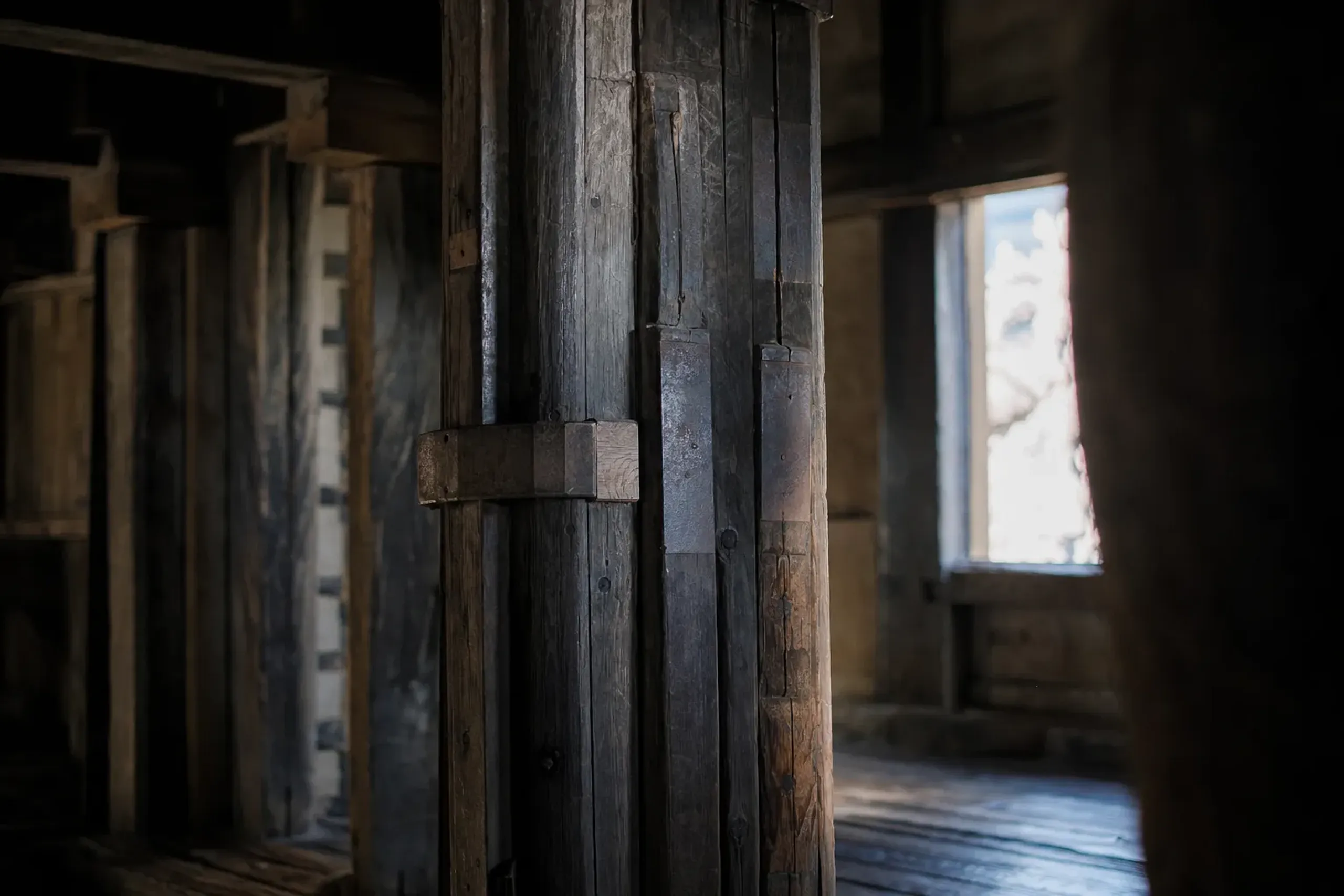
In the basement of Matsue Castle, the story starts with wood.
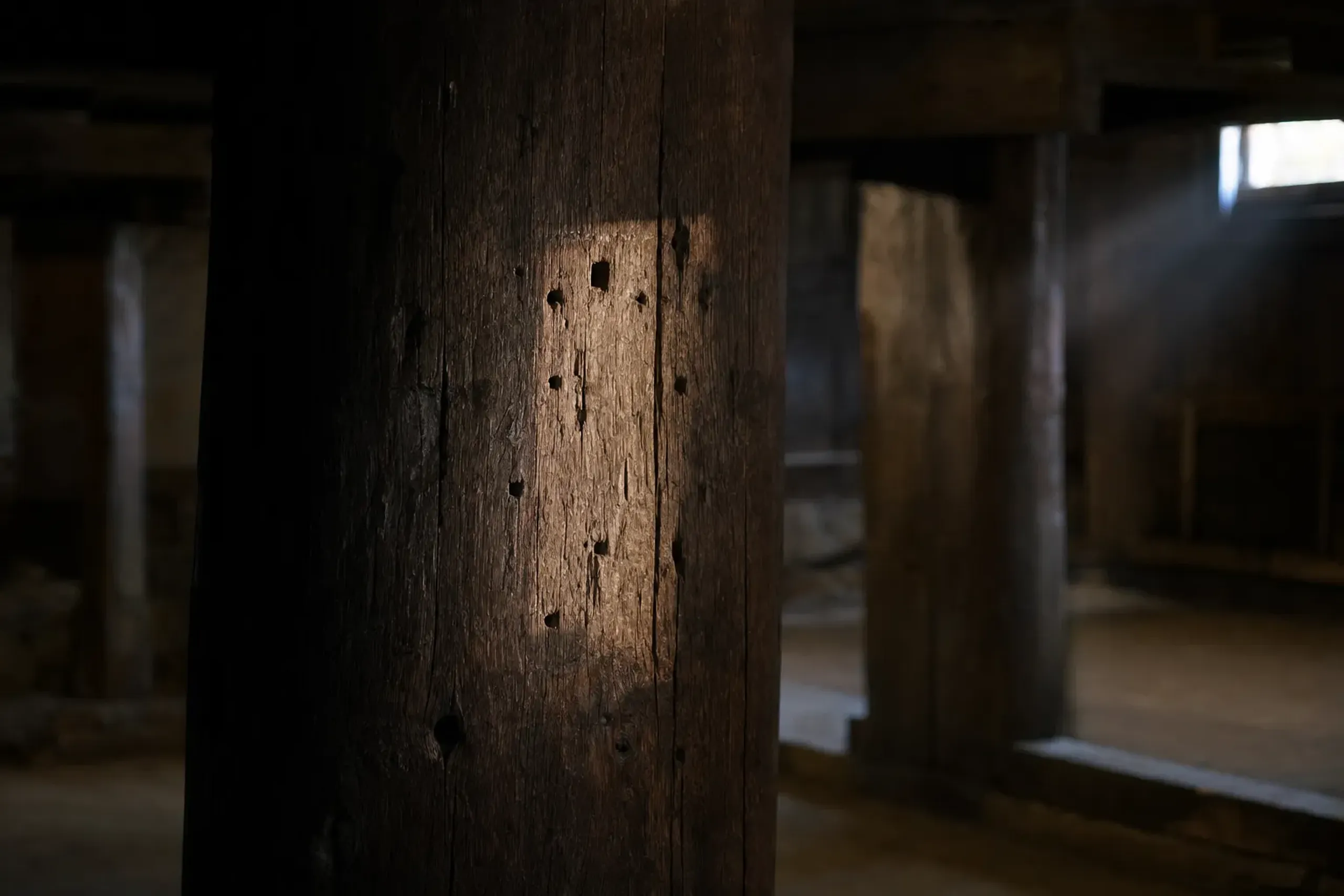
Not a polished beam set out for tourists to admire. A working pillar, scarred by old nail holes, carrying a faint pale “ghost” where something once sat flush against the grain. Quiet evidence. The kind that changes a national record.
Matsue Castle, in Shimane Prefecture, was once a National Treasure, then wasn’t, then became one again. The shift wasn’t marketing. It was proof—and proof, carved into timber, is a far rarer thing than a view.
A Castle That Had To Prove Its Own Age
Matsue Castle’s keep was named a National Treasure in 1935, was downgraded around 1950 for lack of documentary proof, and regained National Treasure status in 2015 after decisive 1611 dating evidence was finally confirmed.
For travelers who care about original fabric—the actual timber, the actual joinery—that arc matters as much as the silhouette of the keep. A castle is not only a view from the outside. It is a claim about time, and Matsue is one of the few places where you can watch that claim being tested and upheld.
Under Japan’s postwar cultural-property framework, the bar changed. The keep needed documents that tied this structure to the early 1600s, not a later rebuild. For decades, Matsue lived in the gap between “believed to be original” and “proven to be original.”
Then a city survey, a pair of wooden tablets, and a set of nail holes brought the argument back to the timber itself.
One date, carved into record: Keichō 16 (1611).
Why Was Matsue Castle Downgraded Around 1950?
Matsue Castle was downgraded to an Important Cultural Property because no document could prove the keep was the original structure under the newer Cultural Properties Protection Law.
This is the part many guides skip because it sounds bureaucratic. Don’t skip it. The downgrade is exactly what makes the 2015 redesignation feel like a quiet detective story with a real stake.
Matsue’s keep had already been recognized in 1935 under the old National Treasure system. Around 1950, with the newer law in place, a number of earlier designations were re-evaluated, and Matsue’s keep fell to Important Cultural Property status because the historical paper trail could not confirm its age.
It stayed there for decades. Patiently. Like the moat water when there is no wind.
How Were The 1611 Prayer Tablets Proven To Belong To Matsue Castle?
They were accepted after historians matched the tablets to specific basement pillars bearing corresponding nail holes and a tablet-shaped white mark, confirming they had originally hung inside the keep.
Here is the sequence, step by step—because the sequence is the point.
May 2012: The Tablets Reappear
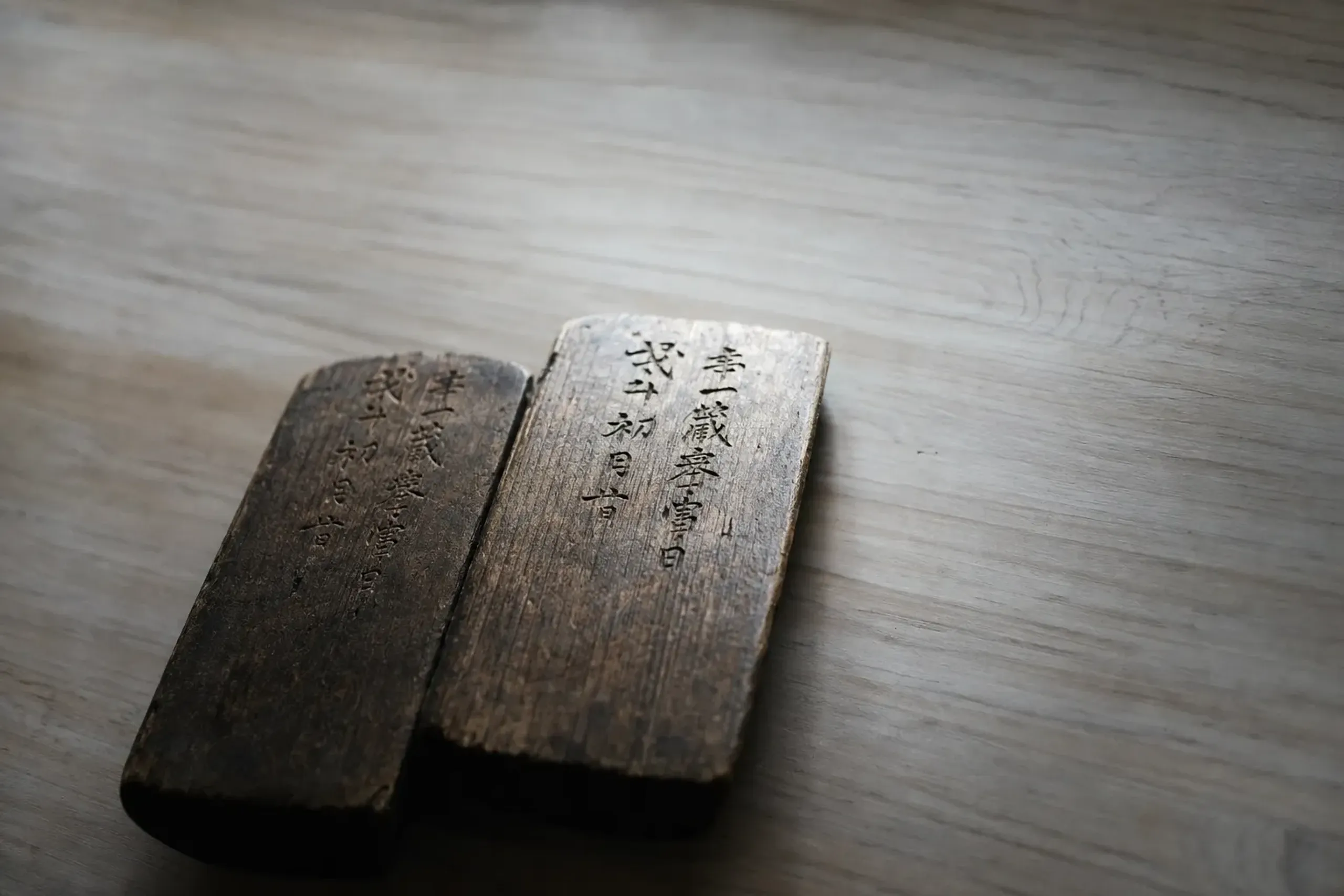
In May 2012, two wooden prayer tablets were found during a city survey at Matsue Shrine. They were dated “Keichō 16, first month, auspicious day.” That date corresponds to 1611.
But a date on wood is not automatically a date on a building. That is the trap. Without a physical match, the tablets could have been moved, reused, or misattributed elsewhere entirely.
November 2012: The Nail Holes
A building historian set the condition for acceptance: a pillar inside the keep had to show matching nail holes where the tablets were once attached. In November 2012, the city’s National Treasure promotion team confirmed that the tablets had indeed been nailed to two basement through-pillars.
It’s a humble kind of confirmation. No ceremony. Just quiet alignment between artifact and architecture.
June 2013: The White Shadow In The Grain
In June 2013, a white mark in the shape of a tablet was found on one pillar, showing exactly where it had once been fixed. This is the moment the story becomes tactile for visitors.
You are no longer debating a timeline. You are looking at a trace left by contact, pressure, and four centuries of years—the kind of restrained, weathered detail the Japanese sensibility of sabi teaches you to prize over anything freshly gilded.
What Else Was Designated With The Keep
When Matsue Castle was designated a National Treasure again in 2015, the keep was not the only item recognized. Several attachments were designated together, including four house-protection tablets and three ritual objects that had been placed under the keep: a tablet, a spear, and a round stone.
The designation also cites technical features of the construction, including through-pillars and wrapped boards, described as distinctive and refined. The tablets were the decisive dating evidence, but the craft of the structure—the handiwork of the shōkunin who raised it—carried real weight too.
What Makes Matsue Castle A National Treasure Castle Today?
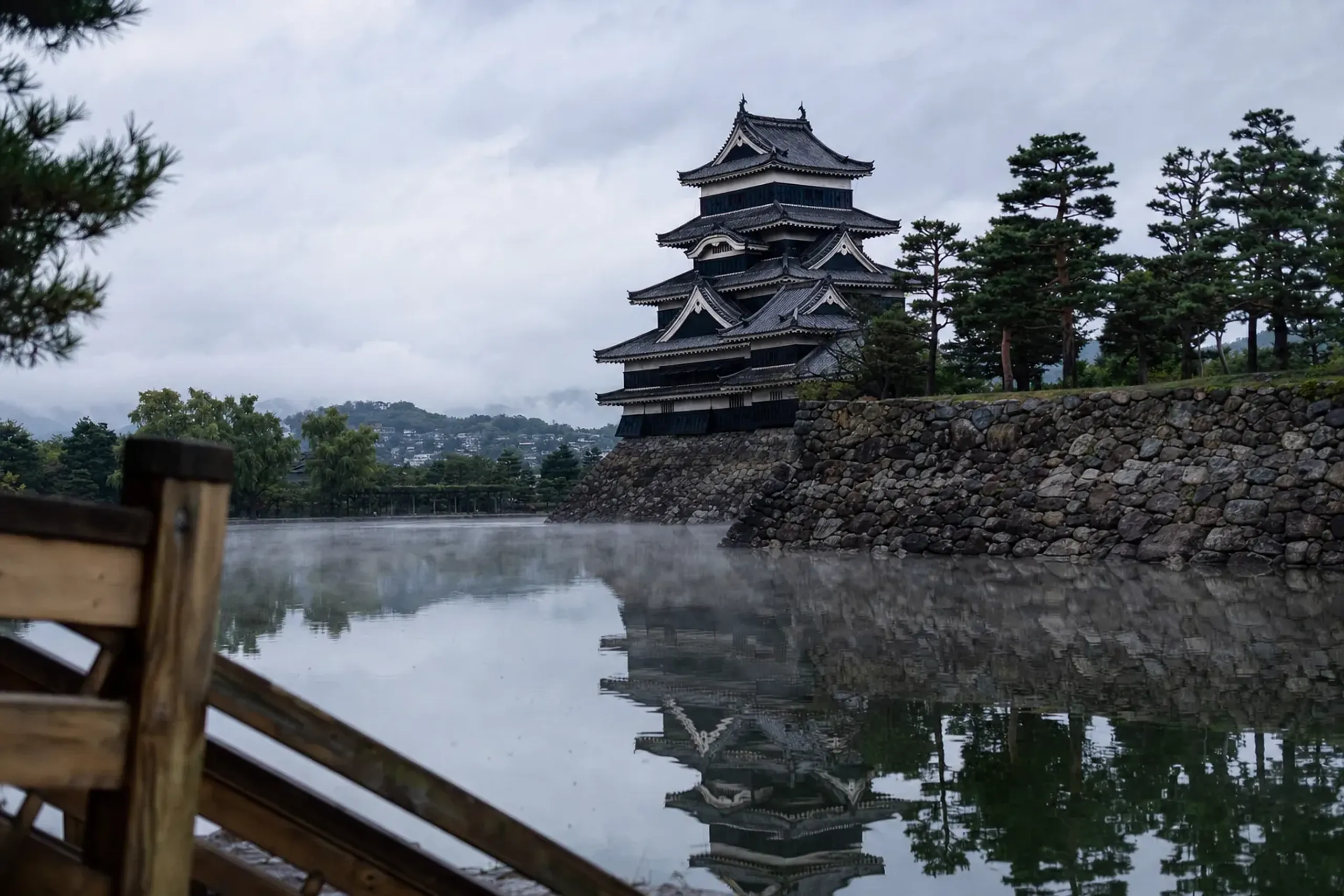
Matsue Castle is Japan’s fifth National Treasure castle keep, one of only twelve surviving original keeps, and the single surviving original keep in the San’in region.
This is why Matsue belongs on a discerning traveler’s shortlist, even if you have already done the “big names.” It is not about chasing checklists. It is about choosing places that still hold their original argument intact.
Matsue became the first castle keep to be newly designated a National Treasure in 63 years when it received the title again in 2015. That redesignation moved it into the same small circle as the other National Treasure castle keeps: Himeji, Matsumoto, Inuyama, and Hikone.
Our team at Japan Royal Service treats that context with care when we build a castle-focused tailor-made itinerary. A National Treasure is not simply “better sightseeing.” It is a different, and far rarer, kind of preservation story—one we prefer to reveal quietly, without fanfare.
Matsue Castle: Verified Dates And Architecture To Notice
Horio Yoshiharu began building Matsue Castle in 1607 on Kameda hill, and the keep was complete by early 1611.
That is the backbone timeline. Simple. And now, at last, document-backed.
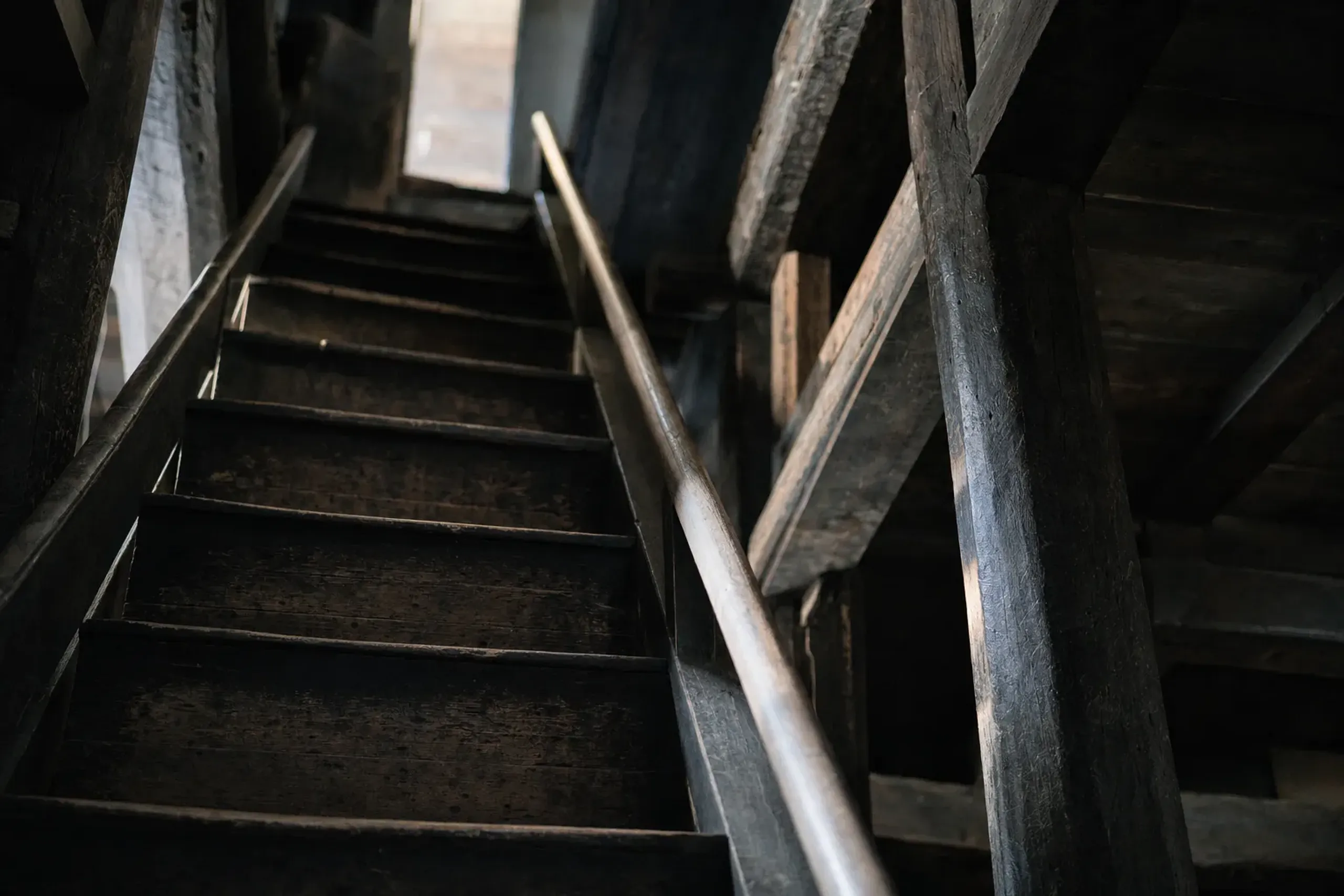
The keep has four tiers and five floors above a basement. Inside, you feel the vertical logic immediately—steeper steps, narrower turns, and the shifting quality of light as you climb from gloom toward the top.
One account corrects a common story that Horio Yoshiharu died just before completion: it states he died in June 1611, after the work was finished.
We mention that as an account, not a certainty, because Matsue’s whole lesson is to respect the evidence.
A Likely Renovation That May Have Changed The Look
A major renovation between 1738 and 1743 likely altered the keep’s appearance. A 2016 survey found traces of gables on a surviving pillar, suggesting an earlier form.
Likely, not proven. That word matters here.
One Account Of How The Keep Survived The Abolition Era
After the 1870s abolition orders, one account holds that local donors helped save the keep from demolition. Matsue also has a documented modern turning point: the Matsudaira family donated the castle to Matsue City in 1927.
Even without drama, survival takes decisions. Often quiet ones.
Spring At Matsue Castle Park: Cherry Blossoms, Lantern Light, And Evening Hours
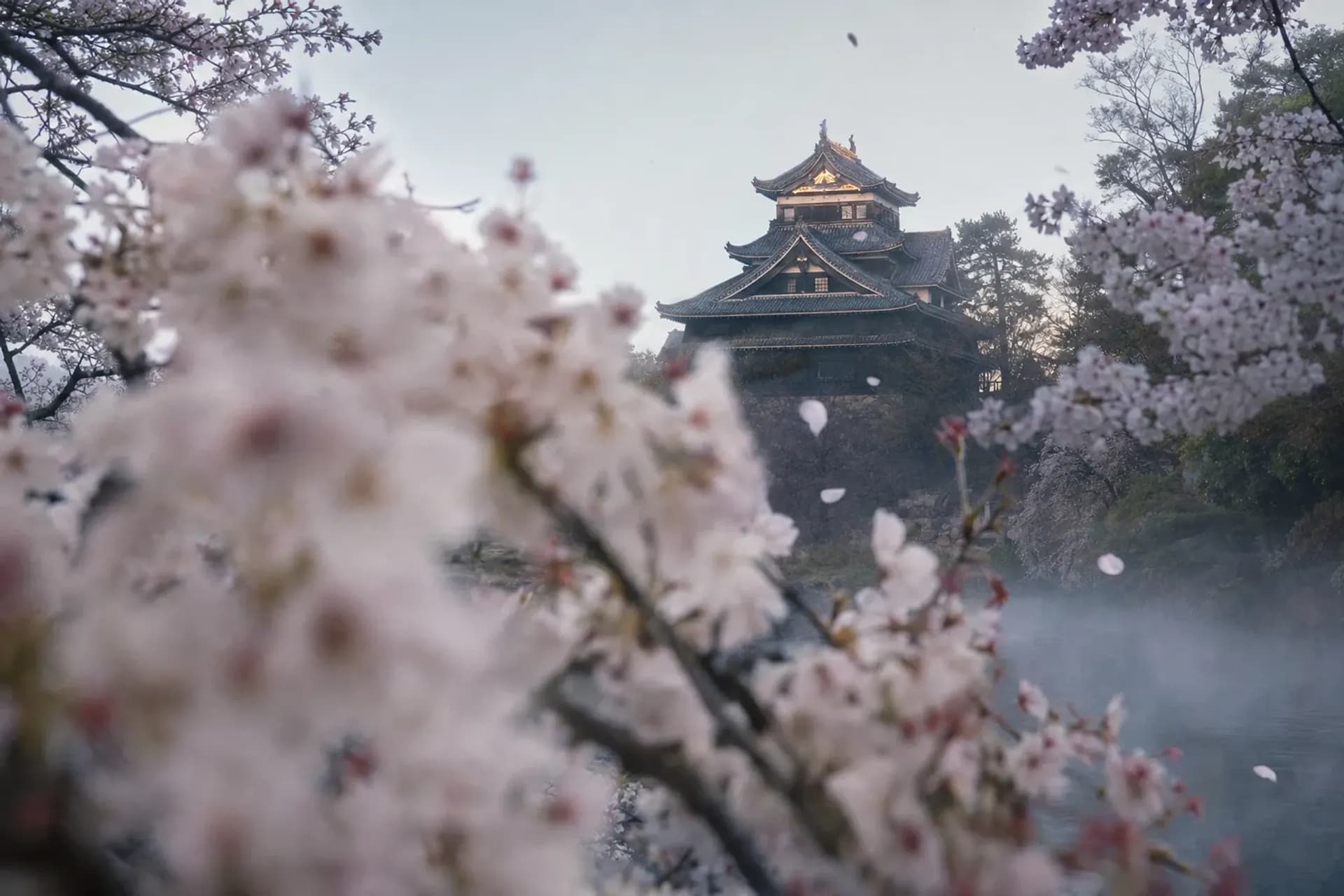
Spring is the strongest season at Matsue Castle Park, with roughly 180–190 cherry trees (some sources say over 300) and peak bloom typically from late March to early April.
In daylight, the keep’s dark timber reads as strict, almost severe. In blossom season, it softens. Petals on the moat. Pale canopies against the black roofline. A contrast that photographs beautifully, yet feels even better in person—this is precisely the kind of seasonal timing, the shun of knowing exactly which week to be where, that rewards careful planning.
The park is recognized among Japan’s 100 best cherry blossom spots. You will see Somei-yoshino, alongside varieties such as double-flowered and weeping cherries.
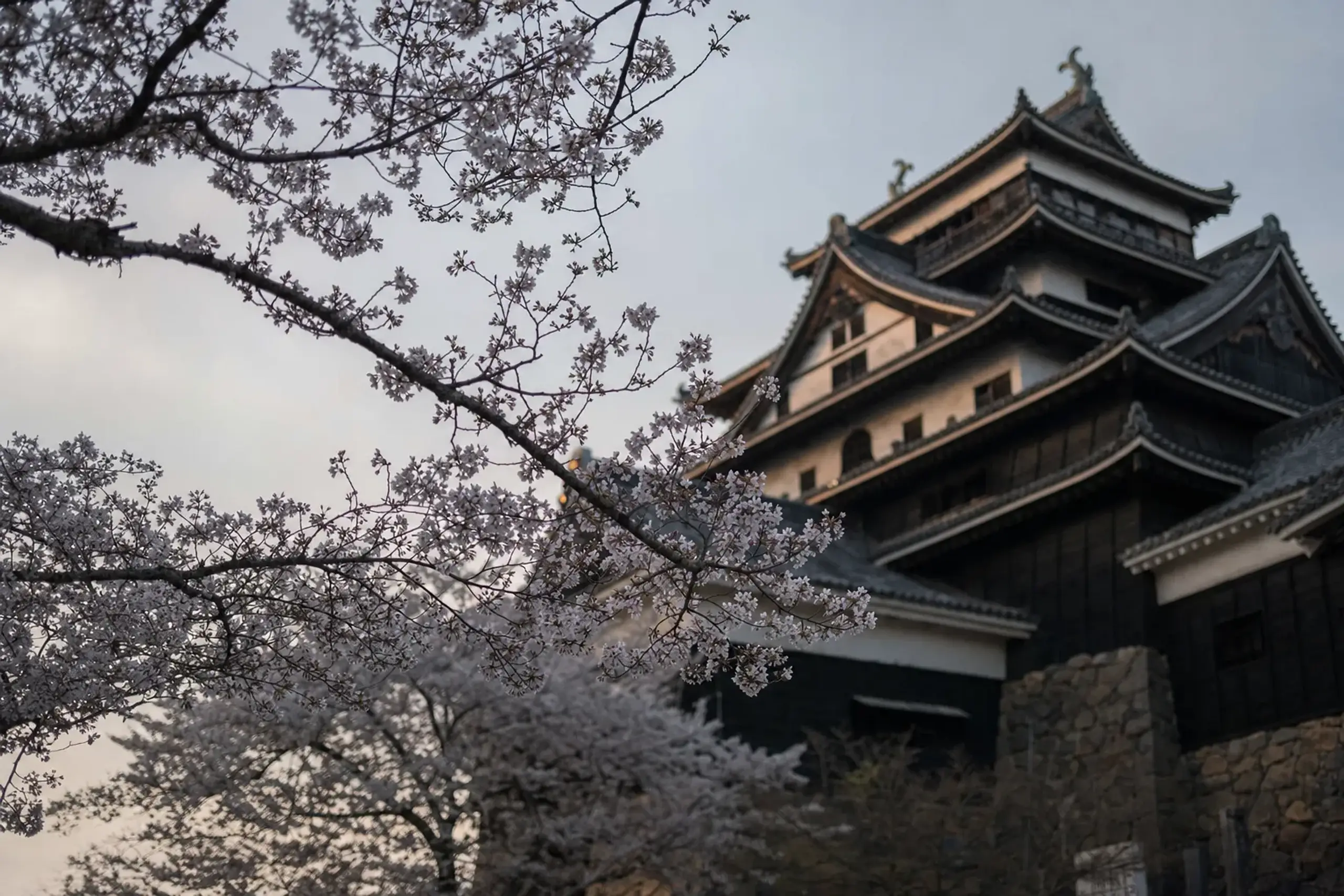
Timing is everything. We usually suggest planning two blossom “windows” into your day: one for crisp morning light, and one for the evening atmosphere, when the park extends its hours around festival season and both the blossoms and the keep are illuminated.
Key fact: The grounds at Matsue Castle Park are free, but entering the keep requires an admission ticket.
Matsue Castle Festival 2026 Dates
For 2026, Shimane’s official tourism site lists the Matsue Castle Festival (国宝松江城 お城まつり) as running from March 25 to April 8, 2026.
Festival programming can include extended evening hours and lantern lighting, and warrior processions have been listed in early April in recent years. We treat such specifics as changeable year to year, and we always check again before your visit.
How Long Do You Need At Matsue Castle In Spring?
Plan 2 to 3 hours for Matsue Castle in spring if you want the keep interior, a full moat-side loop, and time to slow down beneath the cherry trees.
Could you do it faster? Yes. Should you? Usually not.
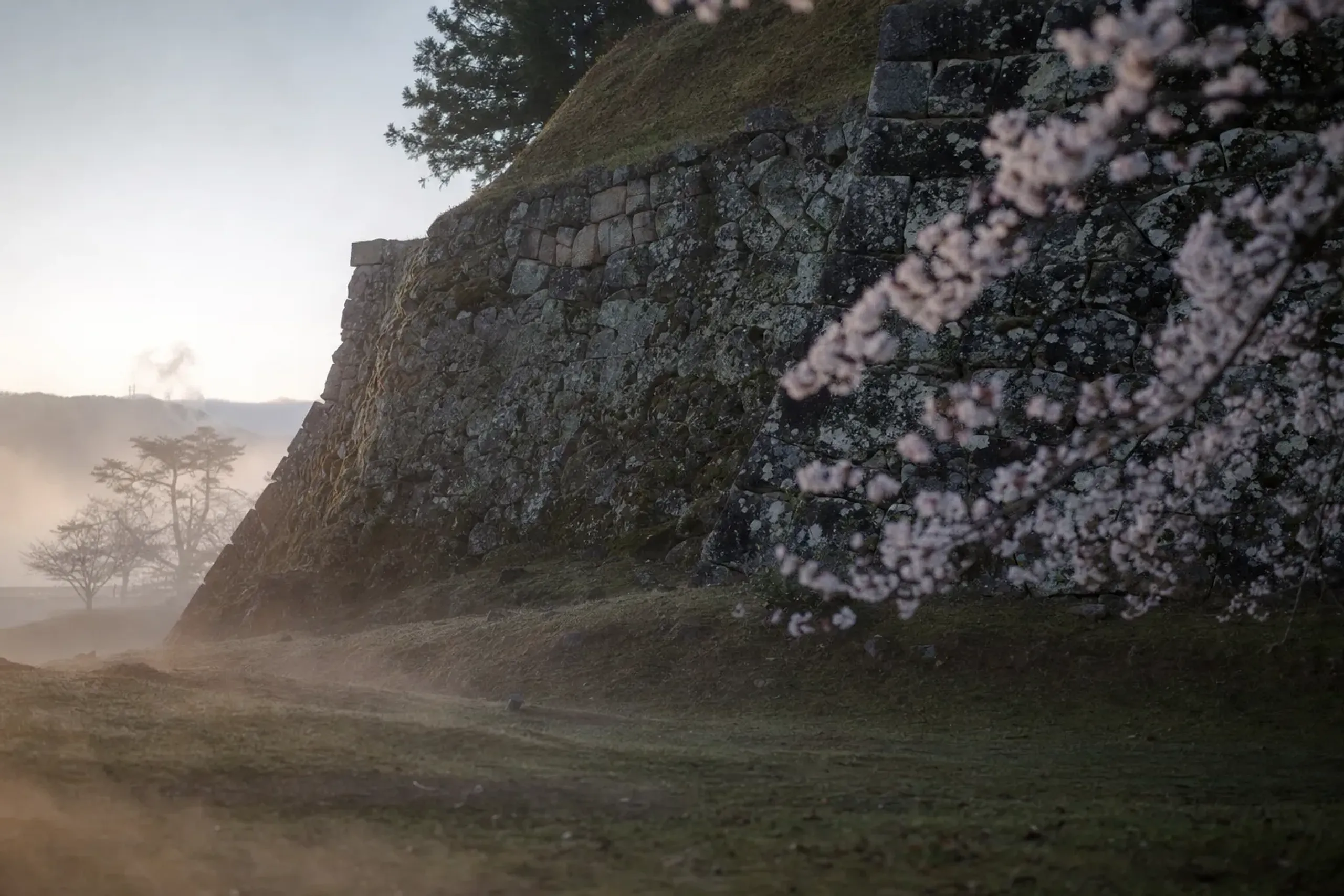
The keep climb takes time because stair traffic compresses in the peak bloom weeks. Outside, the park invites detours—where the moat widens, where the stone walls angle away, where a single branch reaches over the water and drops petals like ash.
If you want the Horikawa scenery as well, add more time. Matsue’s “water city” feeling is not a single viewpoint. It’s pacing.
How Do You Visit Matsue Castle Without Crowds In Late March Or Early April?
Arrive close to opening for the keep, avoid weekend mid-afternoons, and return after dusk for the illuminated blossom atmosphere during festival season.
Our concierge team at Japan Royal Service plans this like a day told in two chapters. Morning is for the interior: sharper light, fewer people, and a cleaner experience on the stairs.
Afternoon can be for unhurried walking and photographs, with quiet breaks built in. Then, if festival lighting is running, evening becomes its own separate visit—less about “seeing everything,” more about feeling the place settle into darkness. This is where the restraint of wabi comes into its own: the pleasure here is in stillness, not spectacle.
One practical tip: wear shoes you can trust on steep steps. Matsue is refined, not cushioned.
Matsue Horikawa Boat Tour: The Moat View That Explains The Castle Town
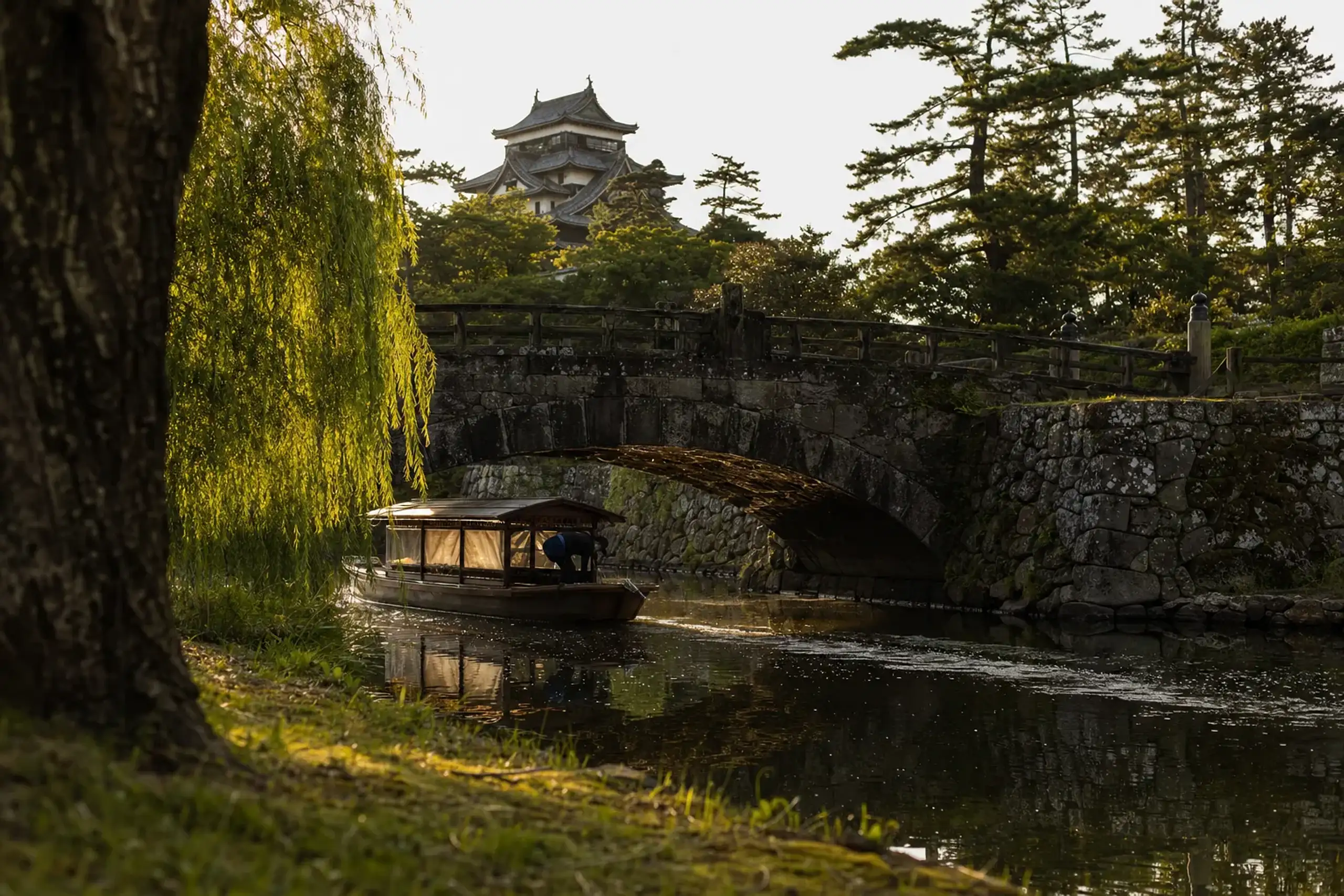
The Matsue Horikawa boat tour is a public moat cruise highlighted by the Japan National Tourism Organization (JNTO) as a way to explore Matsue’s canals.
From the waterline, the castle changes scale. The stonework looks higher. The green edges of the moat feel closer. And the town reads as a place designed around water, not simply built beside it.
For the well-traveled visitor, this is a simple pleasure worth keeping simple. No theatrics. Just a different angle and a slower pulse.
If you enjoy interpretation, Matsue also has the Matsue Goodwill Guide volunteer group, which the official Visit Matsue site notes offers guided tours in English around Matsue Castle and the surrounding areas.
2026 Maintenance Note: Matsue Castle “Reiwa No Daishuri”
Matsue Castle announced planned Tenshu maintenance and restoration (“Reiwa no Daishuri”) on May 7, 2026, so visitors should expect that access routes, views, or opening details may change during the work.
Maintenance can mean scaffolding, partial restrictions, or revised visitor flow. It can also mean something else entirely: you are watching an original keep being protected rather than cosmetically “updated.”
For travelers who genuinely care about heritage, that is not a drawback. It is part of the living responsibility of a National Treasure.
Before any visit, our concierge team verifies the latest official opening hours, any closures, and any repair-work notices, and times your day accordingly.
Private Transportation In Shimane: The Quiet Upgrade That Changes The Day
For Matsue Castle, private transportation matters because it gives you control over timing, weather pivots, and pacing—especially during the cherry blossom peak weeks.
This is not about showing up loudly. It’s about arriving calm, unhurried, and discreetly.
On a spring day in Matsue, you may want to shift your schedule by 30 minutes to catch better light, slip past a school group, or return later for the lantern lighting. That flexibility is almost impossible to achieve on fixed timetables.
When clients ask us to build a smoother day in Matsue, we often start with private transportation / chauffeur service and work backward into the castle visit, rather than the other way around.
Suggested Half-Day Route: A Step-By-Step Matsue Castle Spring Visit
Start with the keep early, walk the moat edge slowly, and then plan a second evening chapter if festival lighting is available.
Below is a practical rhythm that works beautifully for couples, solo travelers, or a small family group.
- Step 1 (Morning): Enter the keep soon after opening for the cleanest stair flow and calmer viewing.
- Step 2: Take a full park loop to see how the stone walls meet the moat and where the blossoms hang lowest over the water.
- Step 3: Pause for photographs from a few distances—close to the walls, then farther back where the keep sits above the trees.
- Step 4 (Optional): If you want the “water city” lens, add the Horikawa boat tour as a second perspective.
- Step 5 (Evening): Return after dusk during the festival window for lantern lighting and floodlit blossoms, keeping expectations relaxed and sensory.
Plan Your Matsue Castle Spring Visit
Matsue rewards those who arrive with intention—who understand that an original keep, a reclaimed National Treasure, and a moat lined with cherry blossom is a convergence that lasts only a handful of days each year. The difference between a good day and an unforgettable one here is timing, access, and quiet, confidential care.
If you would like us to shape a spring itinerary around Matsue Castle—verified opening details, private movement through the San’in region, and the perfect blossom windows reserved for you alone—contact us here to begin a tailored proposal.