In this guide
- 01What Are Michelin Keys, And Why Do They Matter For Hotel Choice?
- 02What Michelin Keys Are Not: Stars, Price Signals, Or Hotel Self-Claims
- 03How Do Hotels Earn Michelin Keys? The Five Criteria In Plain English
- 04What Is The Difference Between One Key, Two Keys, And Three Keys?
- 05Michelin Keys In Japan 2026: What Changed, And What Stayed Stable?
- 06Are Michelin Key Hotels Always The Most Expensive In Japan?
- 07How Does Japan Fit Into The Global Michelin Key System?
- 08How Should You Use Michelin Keys When Choosing A Japan Hotel?
- 09How Do You Check A Hotel’s Michelin Key Status Without Guessing?
- 10How Michelin Keys Intersect With Discretion And Craft In Japan
- 11Frequently Asked Questions
- 12Why Choose Japan Royal Service
You saw “2 MICHELIN Keys” next to a hotel name and wondered what it actually means. Fair question. It is not the room rate speaking. It is Michelin, using defined criteria, saying the stay itself is exceptional.
Our team at Japan Royal Service gets this question from luxury travelers planning Japan all the time. The confusion is predictable. Most hotel labels were built for marketing, not decision-making.
This guide explains what Michelin Keys measure, what they do not, and how to use them when choosing where to stay in Japan. No listicles. No guesswork.
What Are Michelin Keys, And Why Do They Matter For Hotel Choice?
Michelin Keys are Michelin Guide distinctions for hotels, awarded by anonymous inspectors using five published criteria, with three levels (One, Two, Three) that signal how special the stay is.
Michelin launched Keys in April 2024 in France for its 125th anniversary, expanded to the United States later in 2024, and made the system fully global in October 2025. That matters because it turns what used to be vague praise into a consistent framework across countries. Useful. Especially when you are comparing Japan stays against London, New York, or Paris standards.
As of the October 2025 global launch, 2,457 hotels worldwide held at least one Key, across more than 120 countries. Michelin’s broader hotel selection lists over 7,000 hotels. Read that again. Most listed hotels do not receive a Key.
That selectivity is the point. A Key is not “good hotel.”
It is “Michelin judged this stay meaningfully above the baseline, on specific grounds.”
What Michelin Keys Are Not: Stars, Price Signals, Or Hotel Self-Claims
Keys are easy to misuse if you treat them like the usual badges on booking sites. Don’t. A few clean lines make it clearer.
Not a hotel star rating. Michelin Keys are not the same as the typical “five-star” classification systems that can vary by country and often focus on facilities. A Key is an editorial distinction based on Michelin’s methodology, not a government or trade classification.
Not a price tag. Michelin explicitly notes that Key hotels are not necessarily the most expensive properties available. A Key is about execution: design, service, character, and how the hotel belongs to its setting. Price may correlate. It is not the measurement.
Not self-reported by the hotel. Hotels do not award themselves Keys, and they are not pay-to-play claims. Michelin evaluates hotels via anonymous professional inspectors, applying the same approach Michelin uses for restaurant Stars.
Key fact: Michelin Keys are awarded by anonymous inspectors, using stated criteria, and most Michelin-listed hotels receive no Key at all.
How Do Hotels Earn Michelin Keys? The Five Criteria In Plain English
Michelin uses five criteria to decide whether a hotel receives a Key at all, and how many. The criteria are published. That is rare in hotel “awards,” and it is why Keys are useful for planning.
1) Excellence In Architecture And Interior Design
This is not “looks expensive.”
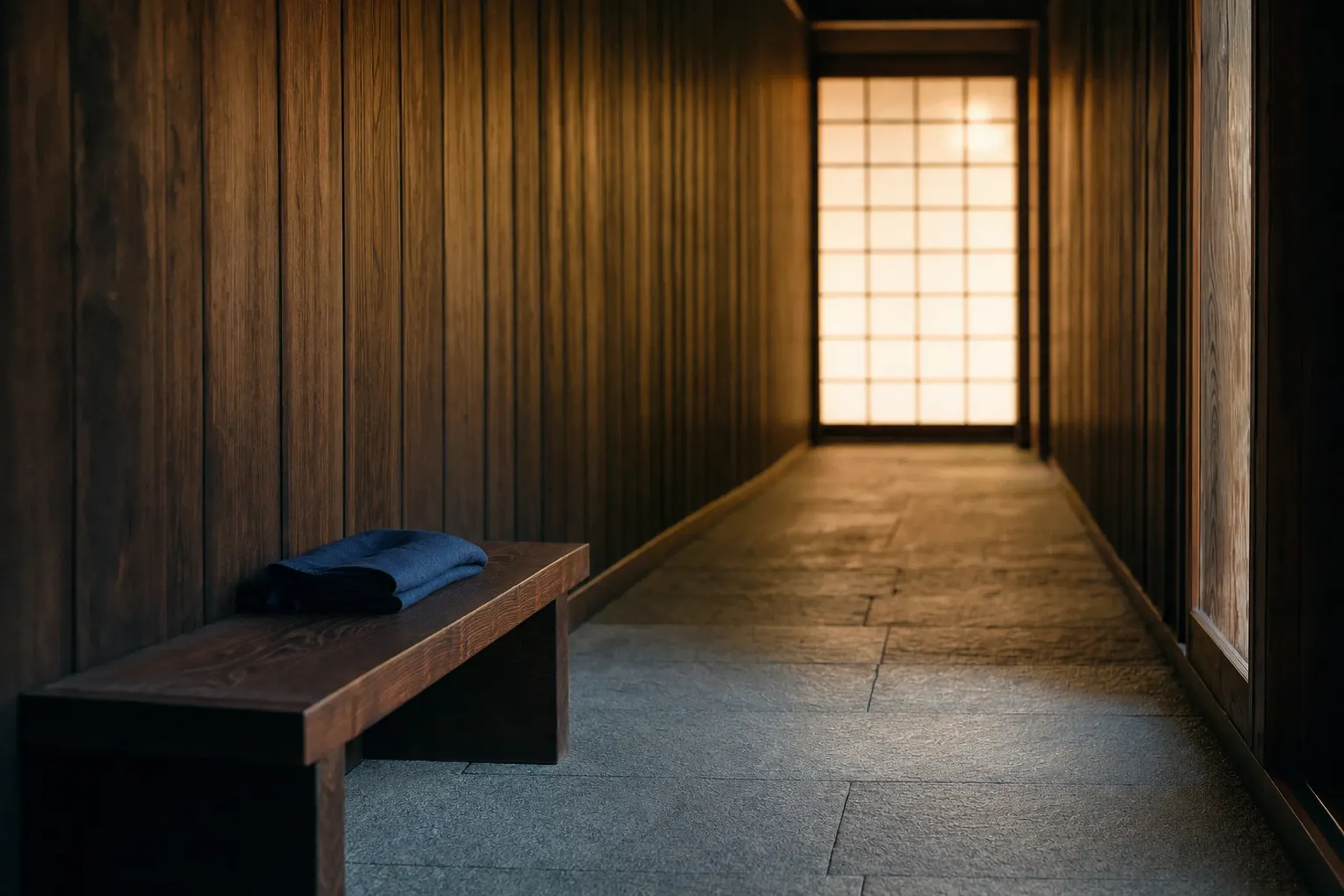
It is coherence. A hotel can be contemporary glass or a restored heritage structure, but Michelin is looking for design choices that feel intentional and sustained from public spaces to rooms.
In Japan, that often shows up as restraint rather than spectacle. Think wabi-sabi cues: quiet materials, measured light, the sense that empty space is part of the composition. Not everyone wants that. Many HNW travelers do.
2) Quality And Consistency Of Service
Service is not one impressive moment at check-in. It is consistency over time and across touchpoints. The way requests are handled. The pacing of housekeeping. The calm accuracy of small fixes.
In our experience, this is also where discretion becomes visible. Not as a slogan. As behavior: staff who do not ask loud questions, a front desk that keeps names off public view, a property that can manage arrivals without turning the lobby into a stage.
3) Overall Personality And Character
Michelin is rewarding hotels that feel like themselves, not like a generic template. That can come from a building’s history, the way the rooms are laid out, or the property’s editorial point of view.
In Japan, personality often comes from craft. Shokunin-level detail is a real differentiator here: joinery you notice only on the second glance, ceramics chosen with a watchful eye, a breakfast tray that feels composed rather than assembled.
4) Value For The Price
This criterion is the most misunderstood. It does not mean “affordable.” It means the experience feels properly matched to what you pay in that property’s market segment.
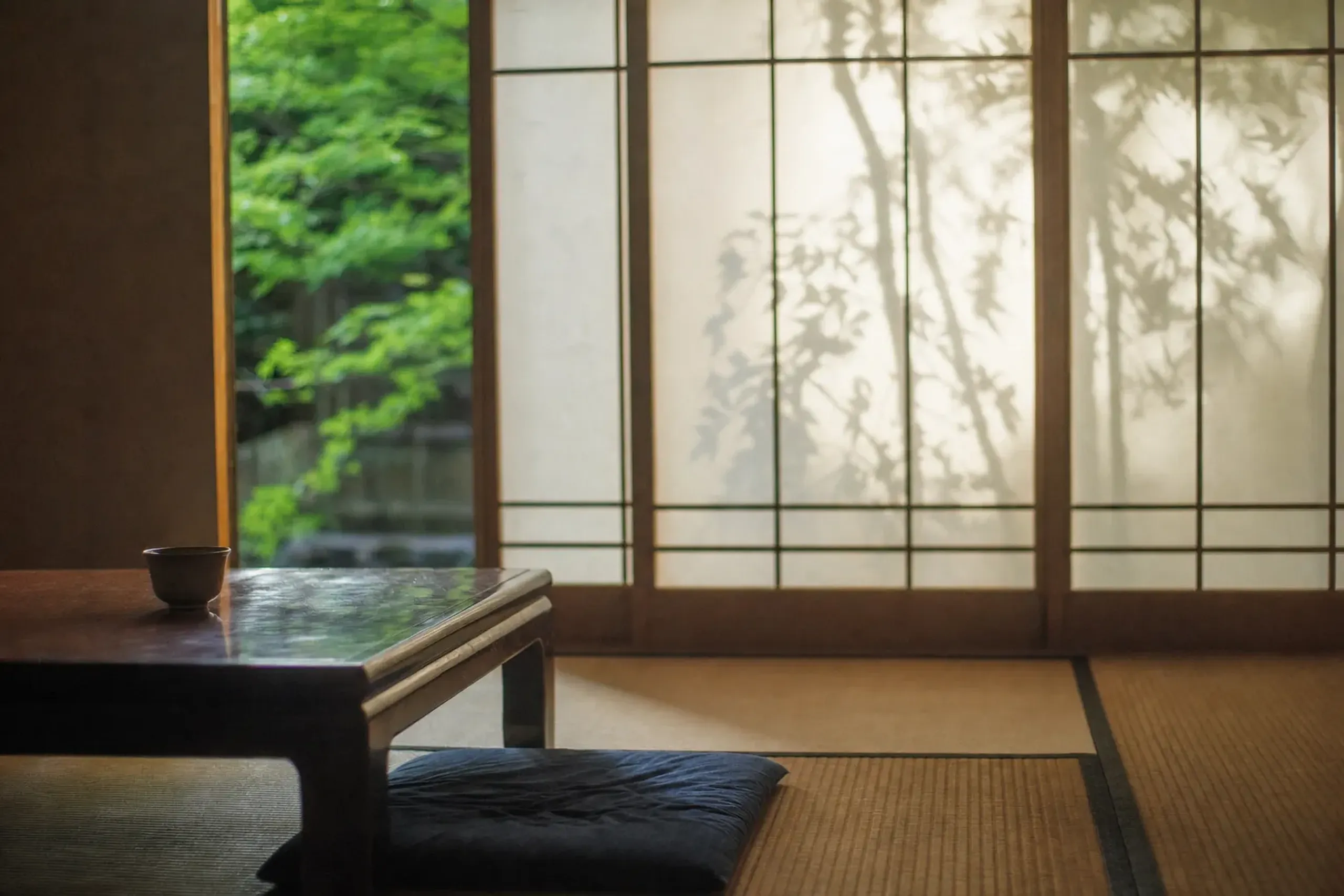
That is why a smaller, less famous hotel can outrank a bigger name on Michelin’s scale. If it is sharply executed, consistent, and distinctive, Michelin can reward it. Brand gravity alone is not the test.
5) A Meaningful Contribution To Its Neighborhood Or Setting
This is where Keys become very Japan-relevant. Michelin is not only looking inside the hotel. Inspectors consider how the property fits where it is.
In a city, contribution can mean the hotel’s relationship to its district: access, cultural programming that feels grounded, design that respects streetscape. In the countryside, it can mean a serious connection to landscape, local craft, or an onsen town’s rhythm.
What Is The Difference Between One Key, Two Keys, And Three Keys?
One Key means “a very special stay,” Two Keys means “an exceptional stay,” and Three Keys means “an extraordinary stay” that is a destination in its own right, according to Michelin’s published definitions.
Those are Michelin’s phrases, but what do they look like in practice when you are choosing a Japan base?
One Key: Strong, Distinct, And Better Than The Baseline
One Key often answers a specific problem: “I want a high-standard stay with real personality, not a copy-paste business hotel.” It signals that the hotel exceeds what is typical for its price range, with genuine character and service that lands.
This is the tier where you will see variety.
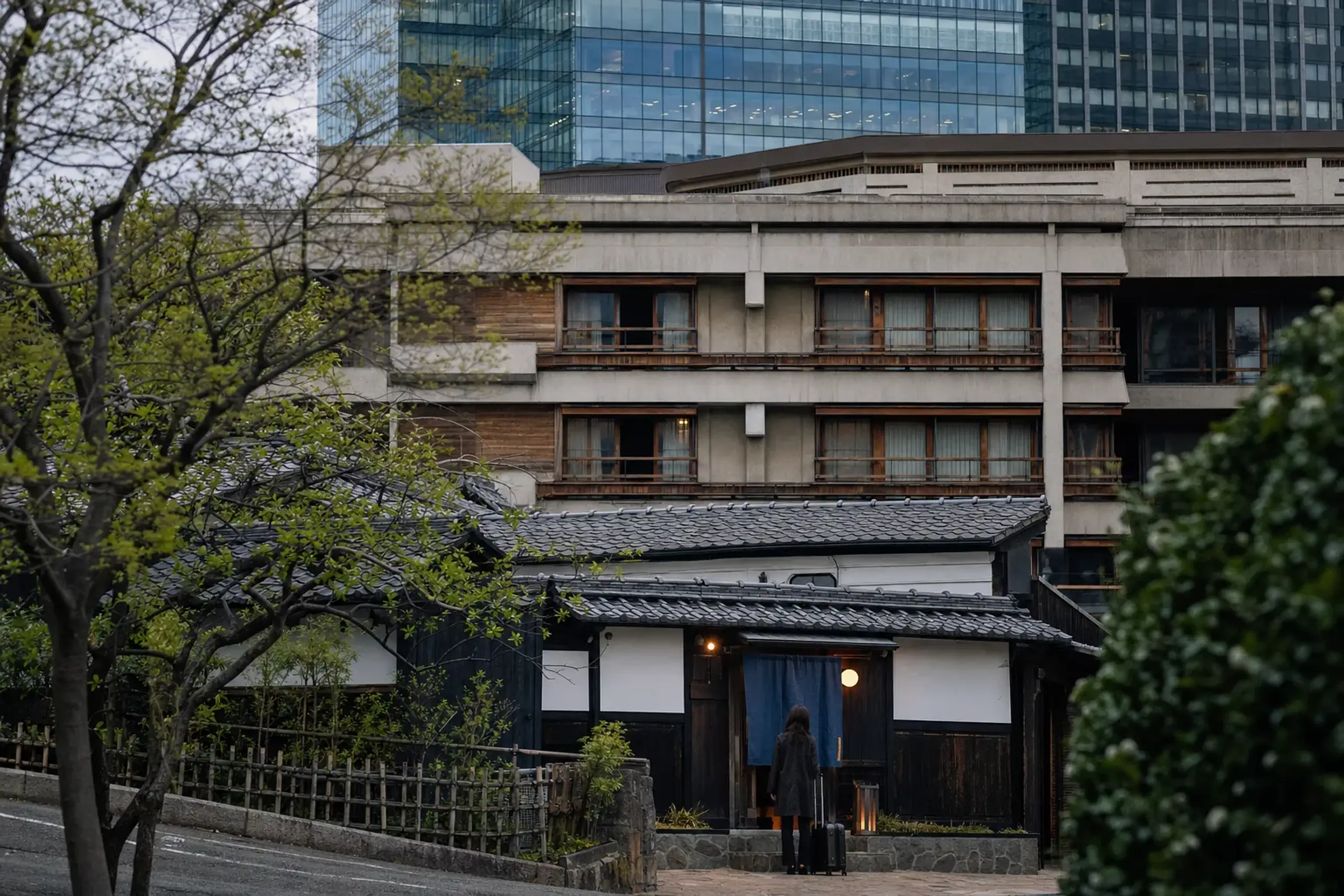
Urban hotels, small properties, design-led concepts. If you travel often, One Key can be a sharp filter for avoiding mediocrity without turning your whole trip into a hotel pilgrimage.
Two Keys: Memorable, Evidently Well-Run, And Hard To Substitute
Two Keys tends to show “evident pride” in how the hotel is run. The stay feels memorable, not only comfortable. Details align across design, service, and sense of place.
If you are splitting Japan between two bases—say Tokyo plus a resort or onsen area—Two Key properties can be strong anchors because they usually travel well with different trip styles: couples, families, or a mixed group.
Three Keys: A Destination, Not Just A Place To Sleep
Three Keys are the top tier. Michelin frames these hotels as “a genuine destination in its own right.” You do not just stay there. You shape days around it.
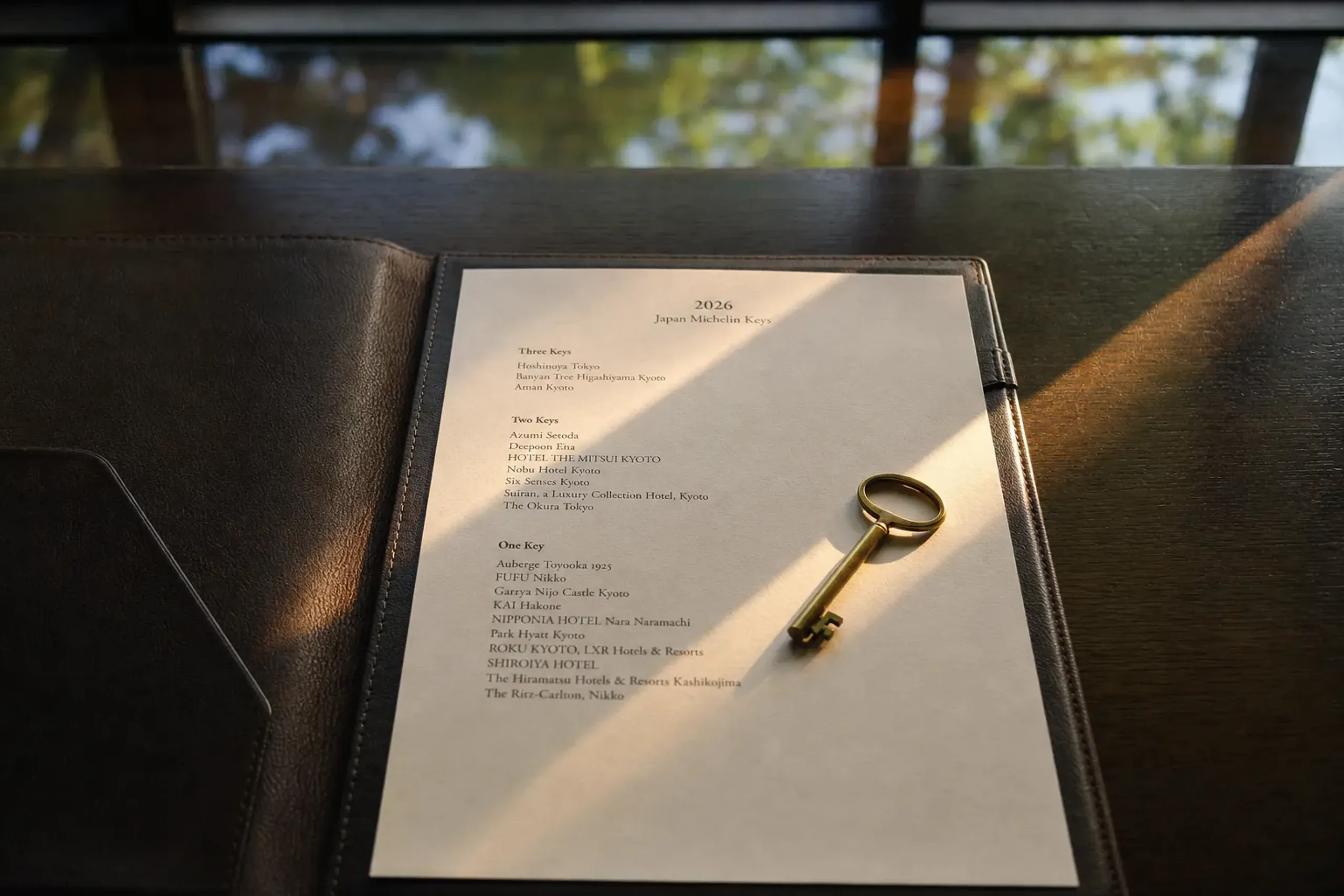
Japan’s 2026 selection includes seven Three-Key hotels. Michelin’s editorial states all seven retained their distinctions in 2026, and multiple properties have published their own announcements about receiving Three Keys again.
Michelin Keys In Japan 2026: What Changed, And What Stayed Stable?
Japan’s MICHELIN Key Hotel selection for 2026 includes 145 Key hotels: 7 Three-Key, 23 Two-Key, and 115 One-Key properties, with 19 new additions.
Those numbers come from the 2026 Japan selection announcement. The scale is big enough to matter, but still selective. If you are a repeat visitor, it also means your “usual” shortlist may not be the only safe choice anymore.
Good news.
At the top, Michelin’s editorial says the seven Three-Key hotels in Japan retained their distinctions in 2026. Stability at the apex is useful for planners. It suggests Michelin is not treating the top tier like a revolving door.
There were also visible movements in the middle tiers. The PR TIMES release notes that Gora Kadan Fuji and Capella Kyoto were newly rated Two Keys, and Kanamean Nishitomiya was promoted to Two Keys. Michelin’s 2026 editorial also highlights new Tokyo additions to the Key selection that year, including 1 Hotel Tokyo, JW Marriott Hotel Tokyo, and Park Hyatt Tokyo.
Are Michelin Key Hotels Always The Most Expensive In Japan?
No—Michelin Keys are not reserved for the most expensive hotels, and Michelin states the distinction spans a real range of styles and price points.
This is where Keys help HNW travelers most. Price alone is a blunt instrument, and many well-funded hotels still feel generic. Keys are meant to indicate that inspectors found a hotel genuinely well-executed on design, service consistency, character, and sense of place.
That range also prevents a common mistake: assuming the “best” stay is the one with the loudest brand. Sometimes it is. Sometimes it isn’t. Michelin gives you a second opinion that is not written by the hotel itself.
If you like quiet craft and Japanese aesthetics, you may find that Key status aligns with your taste more reliably than a brand name or a room-size comparison chart.
How Does Japan Fit Into The Global Michelin Key System?
Japan is included in the global MICHELIN Key selection, which became fully global in October 2025.
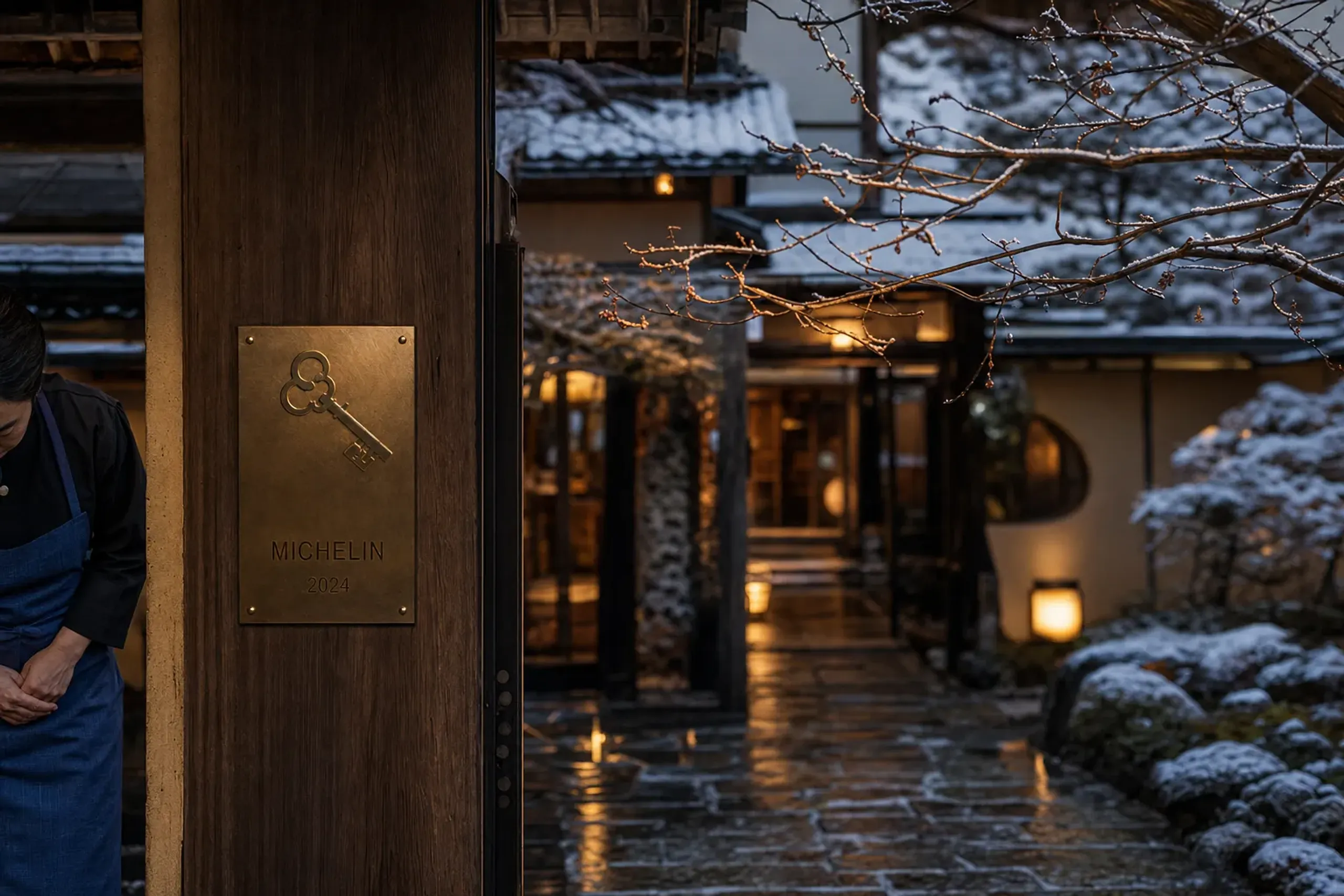
That timing matters. Japan is not an afterthought or a special local variant. It sits inside the same global framework as France and the United States, which makes cross-country comparisons more meaningful when you are planning multi-stop travel.
It also means Japan’s hotel landscape is being read through a lens Michelin already uses elsewhere: architecture, service consistency, personality, value for the price, and contribution to setting. In Japan, that “contribution” often rewards properties that respect place rather than overpower it.
For travelers who want Hidden Japan—areas beyond the standard Tokyo–Kyoto loop—Keys can act as a confidence signal when you are considering a region you have not stayed in before.
How Should You Use Michelin Keys When Choosing A Japan Hotel?
Use Michelin Keys as a credibility filter, then choose on fit: location, room type, and the kind of trip you are actually taking.
A Key tells you the stay is well-executed. It does not tell you if the room faces a busy road, if the breakfast schedule suits your body clock, or if the property’s mood matches yours. Those are fit questions. Different problem.
For that broader decision, we recommend reading our property-focused guide once, then coming back to Keys as a secondary check. See: Bulgari Hotel Tokyo: One of Japan's 6 Top Michelin Keys. One line can save you hours.
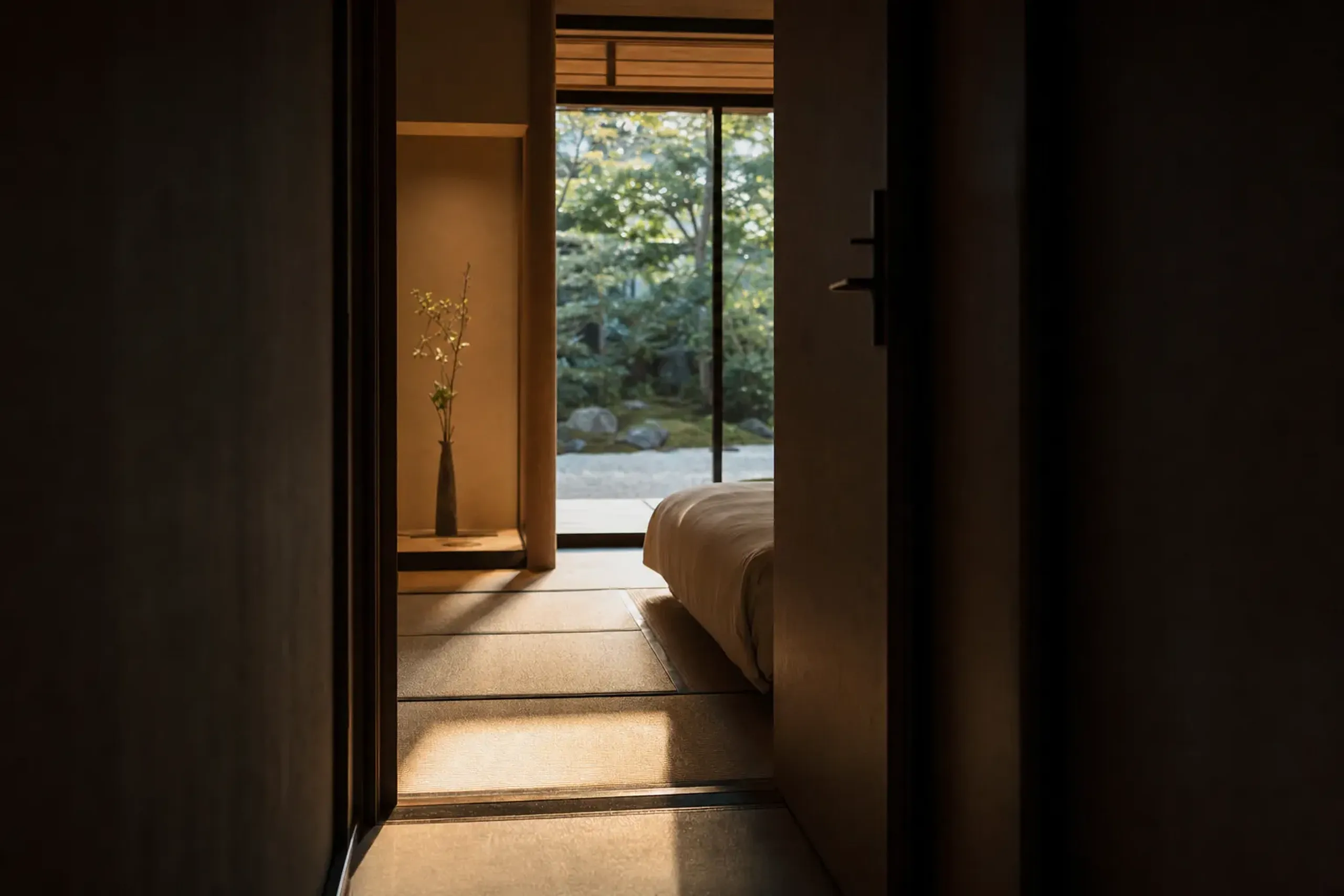
When we advise clients privately, we often frame it like this: Keys help you avoid disappointment; fit helps you avoid friction. Both matter.
How Do You Check A Hotel’s Michelin Key Status Without Guessing?
Check the hotel’s profile on the official MICHELIN Guide website and confirm the most recent Key distinctions there, because Keys are an editorial selection that can change over time.
Hotels will often mention Keys in press pages or newsletters, but the MICHELIN Guide remains the canonical reference. Keep your method simple. You are not trying to win an argument; you are trying to reduce planning risk.
If you are comparing two hotels with similar Key status, shift away from “which is higher” and move to “which one fits my days.” Neighborhood. Transit access. Room layout. The rhythm of check-in and breakfast. Small stuff. The stuff that makes a trip feel easy.
And if you are pairing city hotels with a ryokan, remember Michelin’s own editorial note: there is no official legal definition of “ryokan,” even though the classic image—tatami floors, shoji screens, kaiseki dinners, onsen baths—is widely understood. Labels can blur. Ask pointed questions.
How Michelin Keys Intersect With Discretion And Craft In Japan
Even in a mechanics guide like this, Japan has its own texture. Two pillars show up again and again in what our HNW clients value: discretion and shokunin craft. Keys can help you find both, but they do not replace judgment.
Discretion: The best privacy often looks like nothing happened.
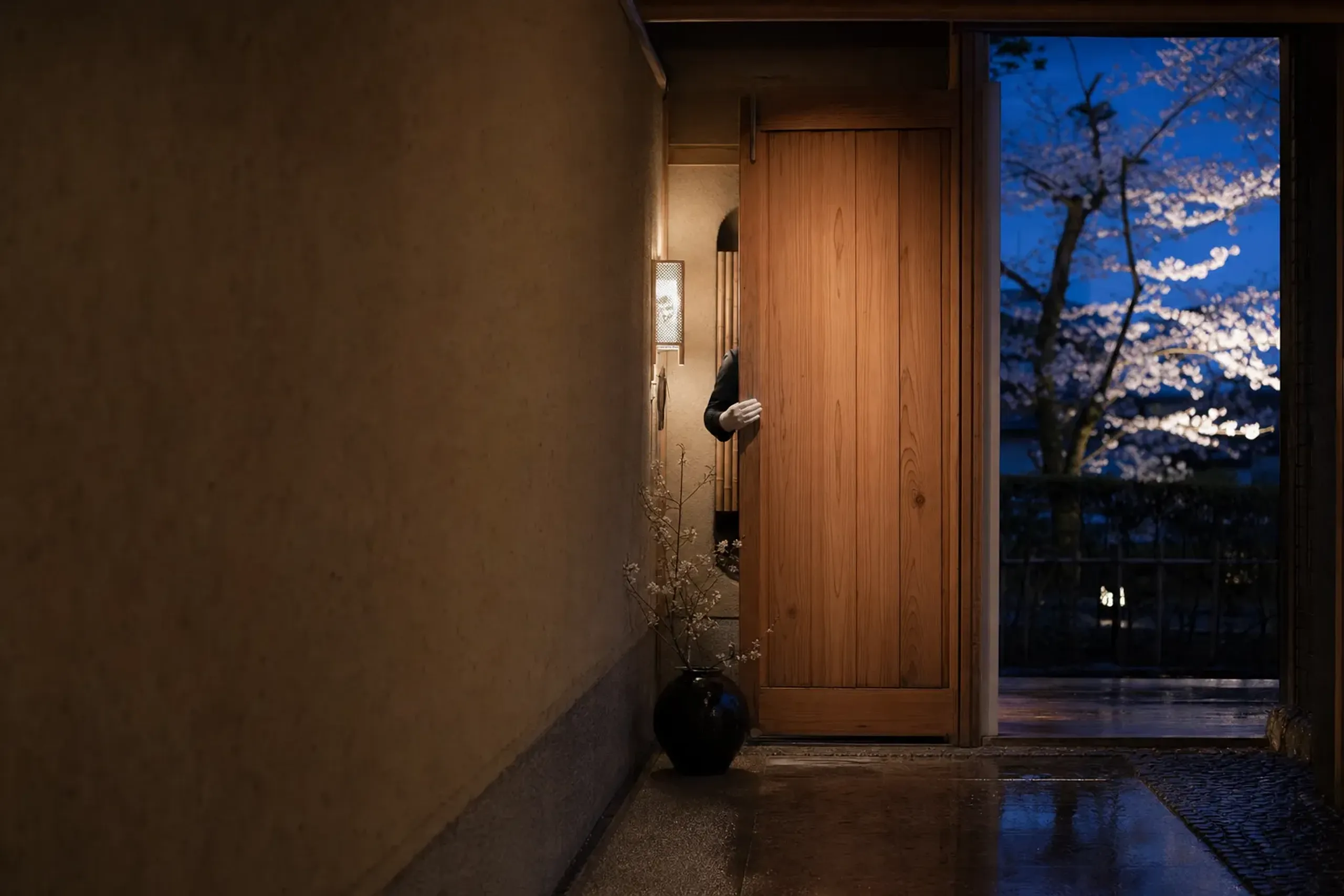
Smooth arrivals. Minimal names spoken aloud. Staff who keep their eyes down when they should. Keys reward service quality and consistency, which can correlate with privacy culture, but they do not explicitly rate “confidentiality protocols.” That is a separate conversation.
Shokunin craft: Many of the most satisfying hotels in Japan feel “made,” not “installed.” You sense it in woodwork, textiles, ceramics, even the way a room’s light falls. Keys explicitly consider architecture, interior design, and personality, so craft-forward properties often benefit.
Wabi-sabi restraint: If you prefer calm to glamour, Michelin’s design and character criteria can align with your taste. But you still need to choose the right room and setting. Quiet is sometimes a room category, not a brand identity.
Frequently Asked Questions
Do Michelin Keys Replace Five-Star Hotel Ratings In Japan?
No—Michelin Keys are an independent editorial distinction, while “five-star” labels vary by system and often focus on facilities rather than the overall quality and character of the stay.
If you use both, treat stars as a baseline for amenities and Keys as a signal of execution and personality.
How Many Michelin Key Hotels Are There In Japan For 2026?
Japan’s MICHELIN Key Hotel selection for 2026 includes 145 Key hotels: 7 Three-Key, 23 Two-Key, and 115 One-Key properties, with 19 new additions.
Those figures come from the published 2026 selection announcement materials.
When Were Michelin Keys Announced For 2026 In Japan?
Michelin announced the 2026 Keys on September 18, 2026, as referenced in a published hotel press release about the 2026 Three-Key retention.
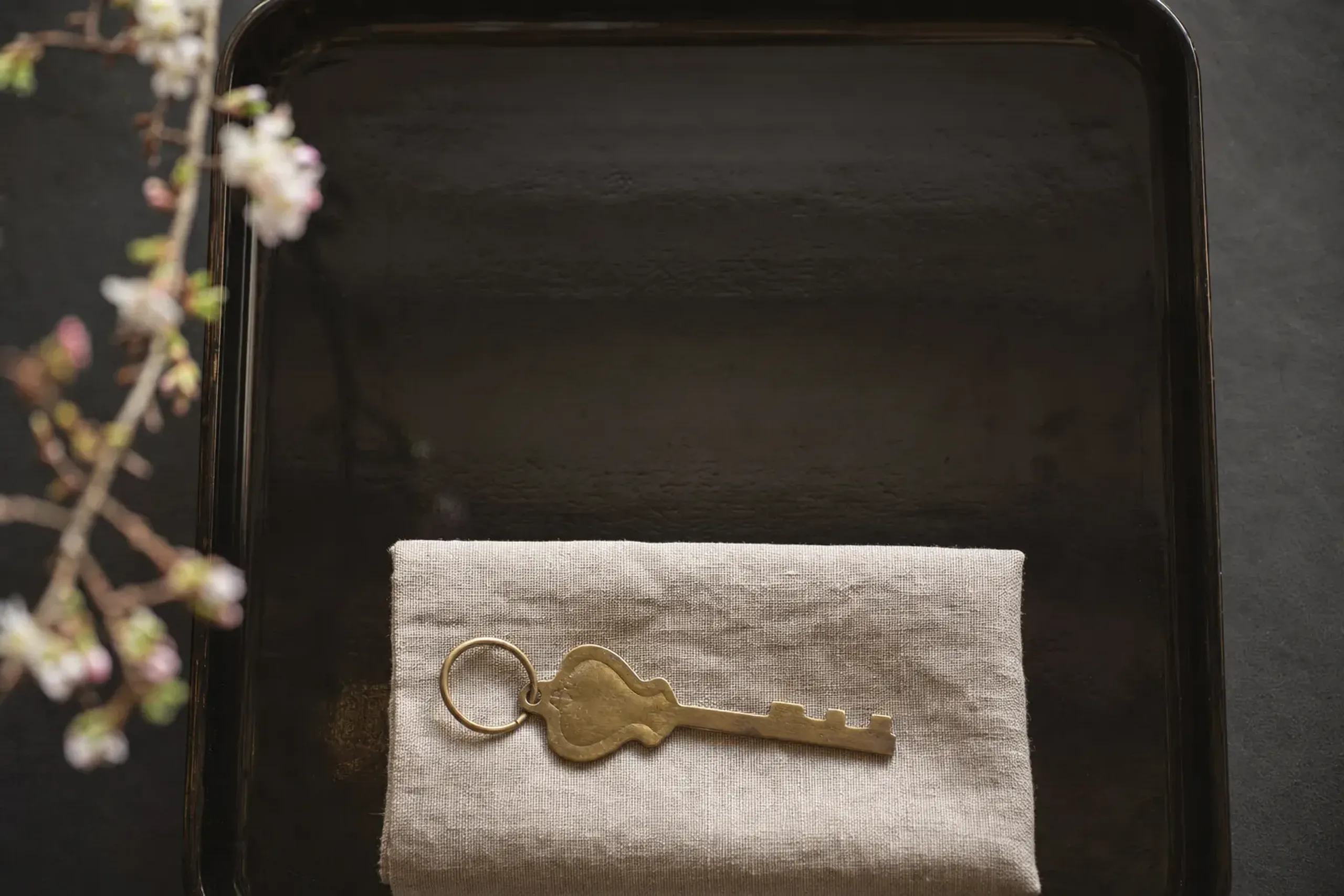
If you are tracking changes year to year, that date helps you know when updates typically appear in public communications.
Are Michelin Key Hotels Always Luxury Ryokan With Onsen?
No—Michelin Keys cover a wide range of hotels, and Michelin notes the selection spans styles from historic buildings to contemporary design-led properties.
Ryokan can appear within the Key system, and Michelin’s editorial describes the classic ryokan elements, but Keys are not limited to that format.
Can Japan Royal Service Use Michelin Keys To Help Me Choose Where To Stay?
Yes—our concierge team at Japan Royal Service can factor Michelin Key status into a tailored shortlist that matches your locations, room priorities, and privacy expectations.
We keep the conversation practical: which Key level signals what, what changed in 2026, and where Key status matters versus where fit matters more.
Why Choose Japan Royal Service
Luxury planning is not only about finding a “high-rated” hotel. It is about choosing a stay that matches your days, your pace, and your tolerance for friction. Quiet matters. So does discretion.
Our team at Japan Royal Service uses Michelin Keys as one input—alongside room-by-room fit, neighborhood logic, and the kind of craft-led experiences you will actually remember—so your hotel supports the trip instead of becoming the trip.
Ready for a private shortlist built around Michelin Keys and your itinerary? Reach our team privately via WhatsApp or LINE, or contact us here.