In this guide
- 01One Stone, One Seedling: Why Mt. Daisen’s Summit Is Being Rebuilt By Hikers
- 02Mt. Daisen In Brief: A Volcanic Peak With An Ancient Name
- 03Sacred Footprints: Daisen-ji And Ōgamiyama Shrine Okumiya
- 04When Is The Best Time To Hike Mt. Daisen In Summer?
- 05How Do You Get To Mt. Daisen Without Driving?
- 06Which Mt. Daisen Trail Should You Choose In Summer?
- 07How Long Does The Mt. Daisen Summer Hike Take For A Fit Couple?
- 08Practical Summer Tips: Weather, Boardwalks, Drones, And The 2022 Contribution
- 09A Summer Ritual With A Date: Natsuyama Hiraki Matsuri
- 102026–2027: The High-Value Stay Shift Around The Daisen-ji Area
- 11Shokunin, Hidden Japan, And Discretion: What Luxury Means On A Public Mountain
- 12A Plain-Text Summer Plan: Step-By-Step Day On Mt. Daisen
- 13Begin Your Own Ascent
The summit air on Mt. Daisen can feel blunt in summer. Wind. Sun. A wide view that makes you go quiet.
For a while, that upper world was also bare. By the mid-to-late 1970s, rising numbers of hikers had stripped vegetation from the summit area, and rain carved the exposed soil into deep channels.
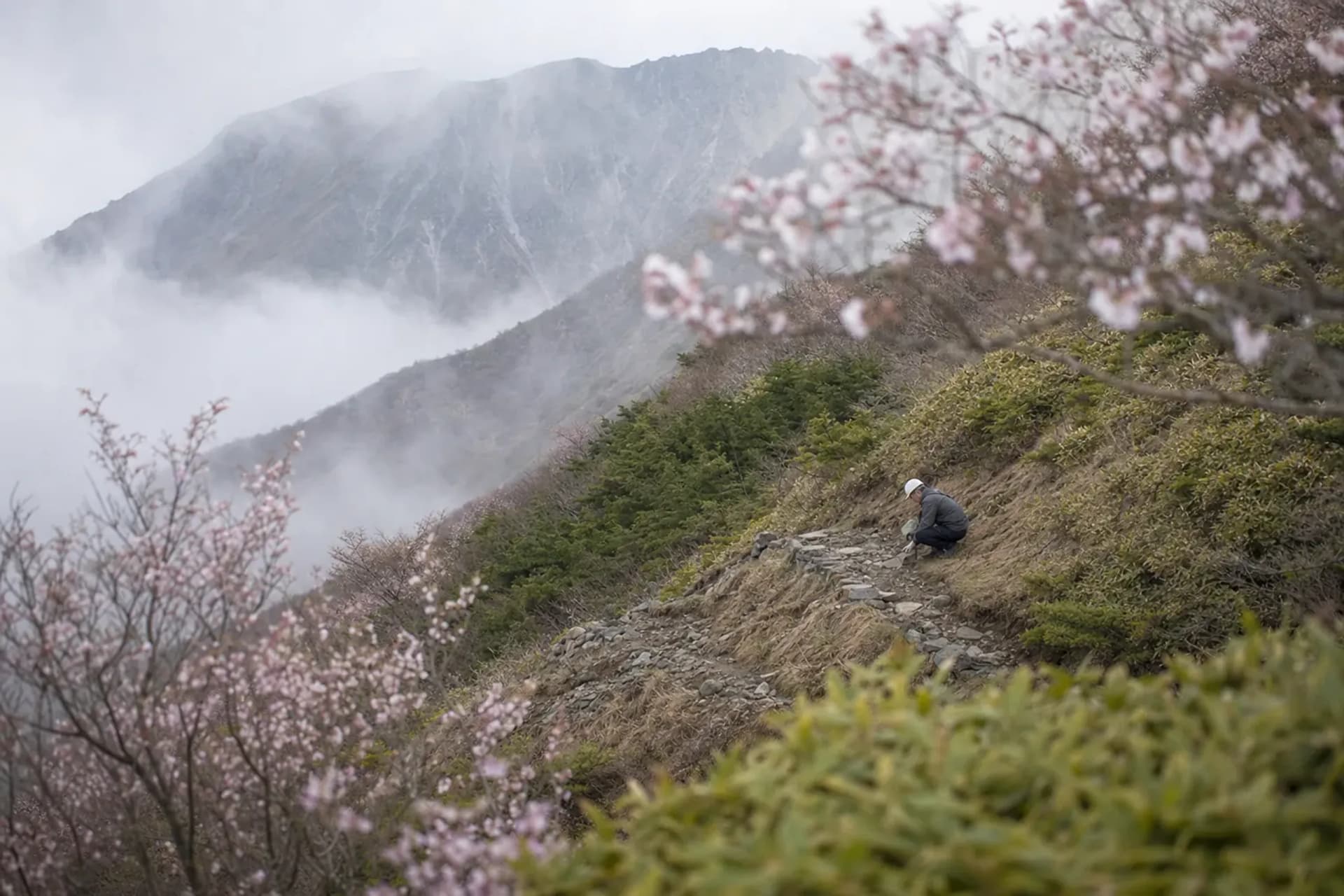
Then an unusual request appeared on the mountain. Since 1985, hikers have been asked to carry up one small stone or a single seedling as part of the Ichiboku Isseki Undō—“One Tree, One Stone.”
It’s not a slogan. It’s a habit you can join. Our team at Japan Royal Service returns to Mt. Daisen for precisely this reason: the mountain asks you to take part, not merely pass through. In an age of curated backdrops, that quiet participation is its own rare privilege.
One Stone, One Seedling: Why Mt. Daisen’s Summit Is Being Rebuilt By Hikers
Mt. Daisen’s summit restoration is driven by the Ichiboku Isseki Undō (One Tree, One Stone Movement), launched in 1985 by local groups and public bodies to reverse the erosion caused by vegetation loss in the 1970s.
In practice, it’s disarmingly simple. You take a small stone. Or you carry a seedling. You bring it up, step by step, and add it to the work already in progress.
The project’s backbone is community stewardship. Conservation groups, mountaineering associations, and administrative bodies formed the Society to Protect Daisen’s Summit and asked each climber to shoulder one tiny burden.
The evidence arrives small, then all at once. After roughly 25 years, the summit area has gradually regreened, and native plants are returning in protected sections.
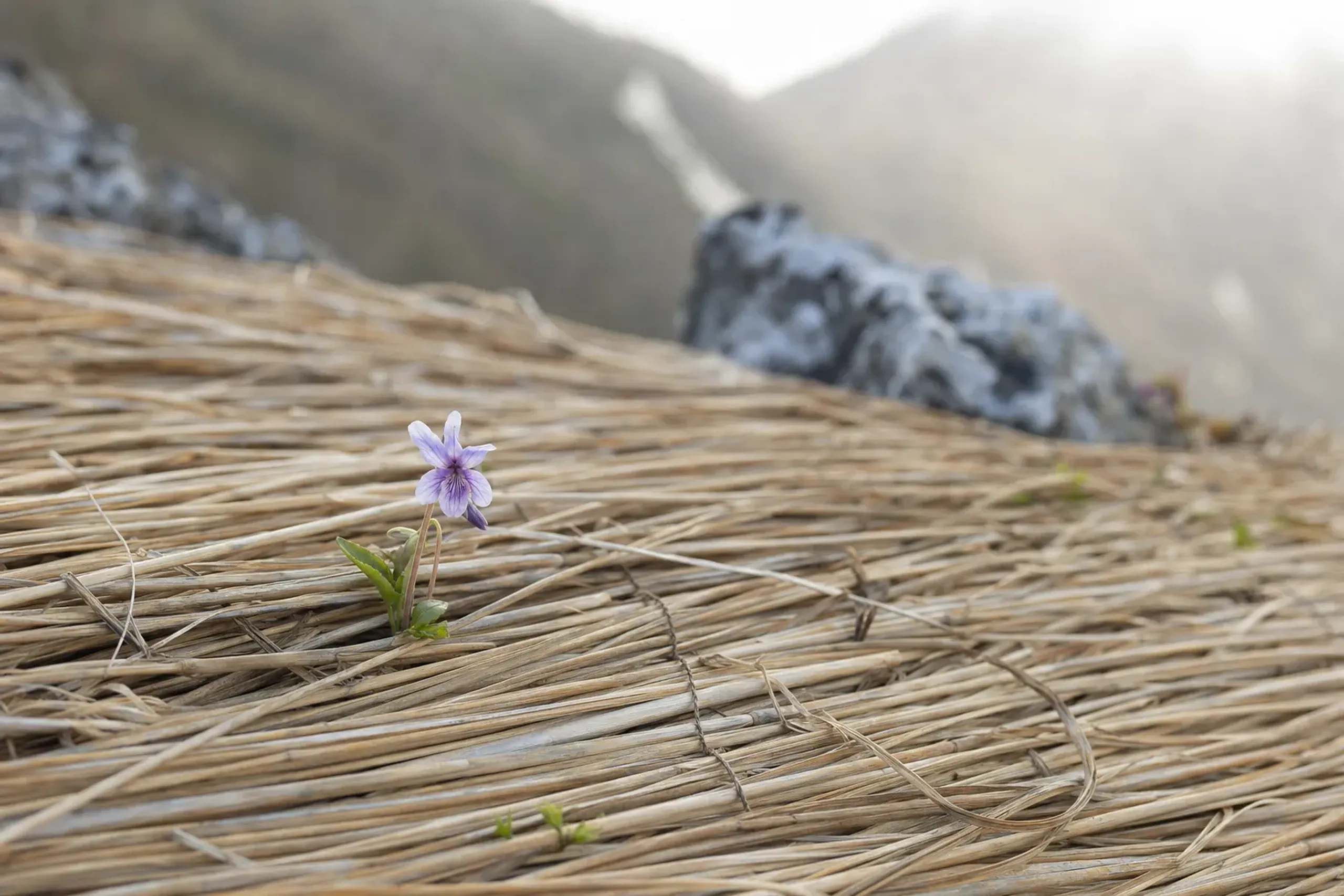
One flower matters here above all. The Daisen Kisumire, a native violet, now blooms successfully in areas protected with straw matting laid during restoration work. That bloom is a receipt—not for effort, but for patience.
Mt. Daisen In Brief: A Volcanic Peak With An Ancient Name
Mt. Daisen is the highest peak in Japan’s Chūgoku region at 1,729 meters, and it is a volcanic mountain—a lava dome resting over a stratovolcano—within Daisen-Oki National Park.
It’s also a mountain with a long memory. It appears in the Izumo Kokudo Fudoki (completed 733) as Ōgami-take, “Mountain of the great god.” That isn’t modern branding. It’s an early literary record, older than most of the world’s standing monuments.
Daisen is counted among Japan’s 100 Famous Mountains. In summer, that status draws hikers who want a clean challenge without extreme altitude.
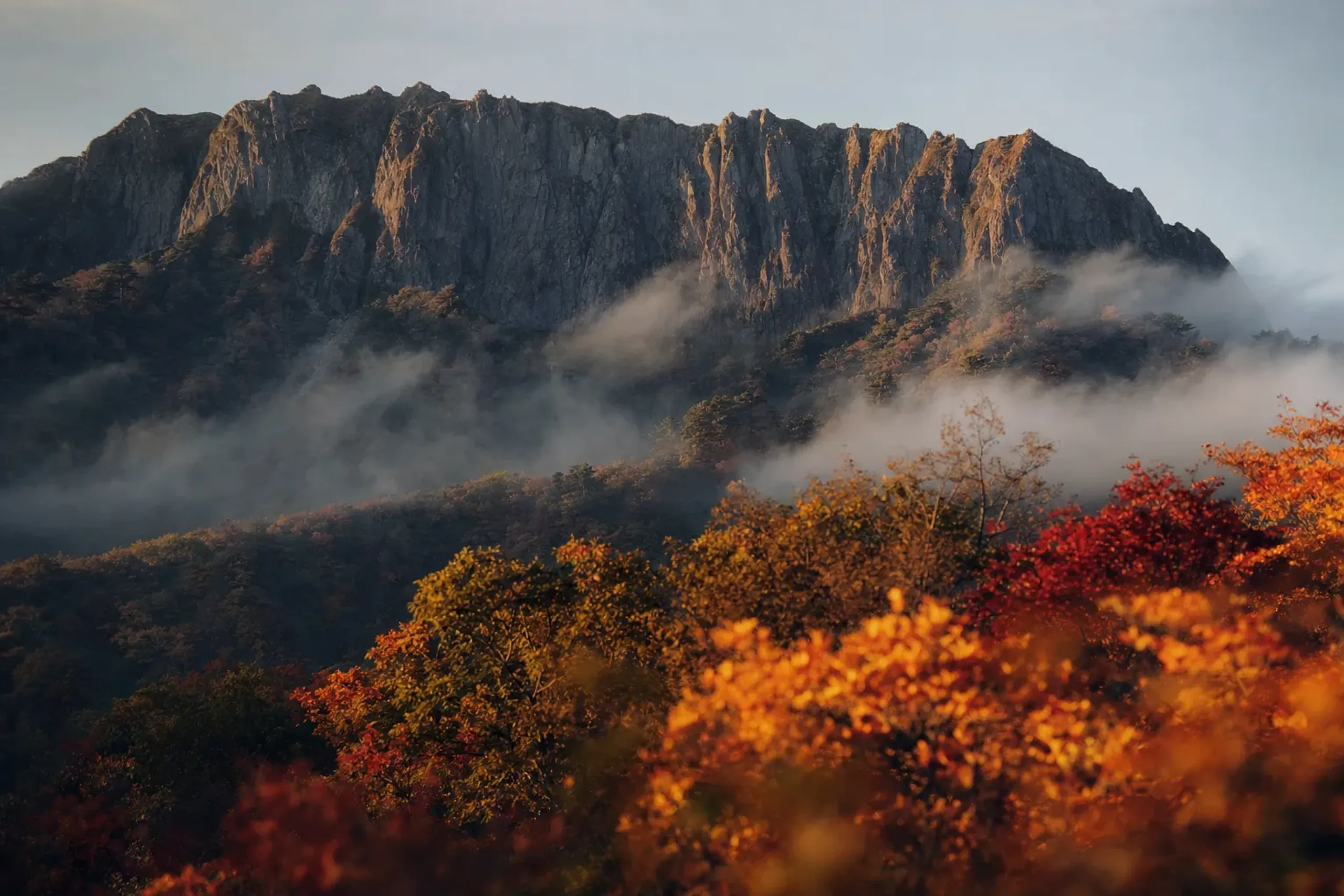
For many visitors, the first impression is the North Wall: dark, dramatic, and sharply cut. You feel the volcano without needing an eruption story to explain it.
Sacred Footprints: Daisen-ji And Ōgamiyama Shrine Okumiya
Before you even think about the summit, you notice how people approach the mountain. There’s a long religious history here, and Mt. Daisen has long been regarded as an important mountain for Shugendō practice.
Daisen-ji is a Tendai-sect Buddhist temple founded around 718—old enough that the dates feel like mist. Its Amida Hall is designated a National Important Cultural Property.
Not far along one hiking route, Ōgamiyama Shrine’s Okumiya (inner shrine) sits near Motodani. The views open toward the North Wall, and the atmosphere changes.
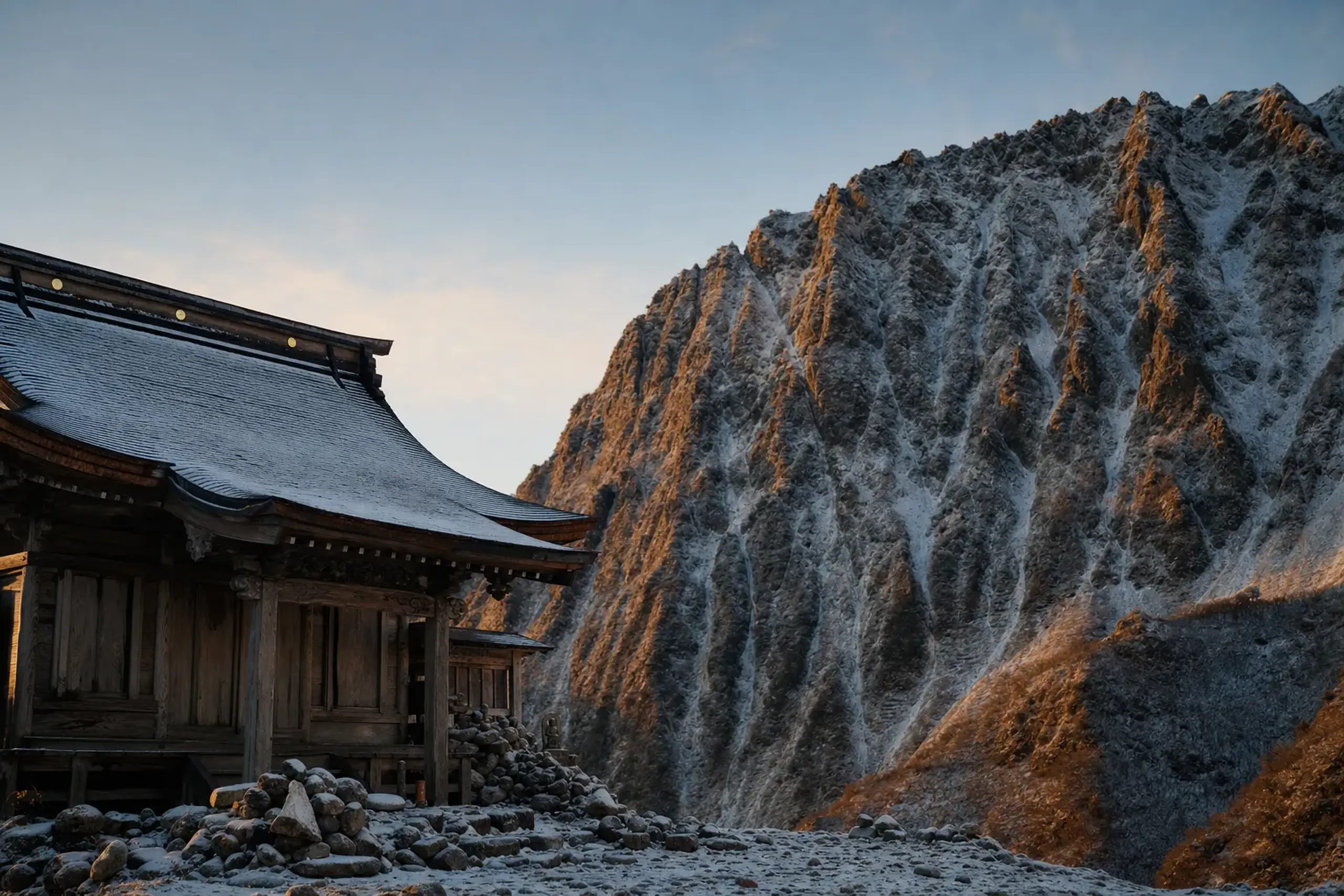
Softer. More watchful. There is a wabi restraint here—moss, worn timber, and silence—that no amount of gilding could improve upon.
An important boundary: Mt. Daisen is not Mount Ōmine in Nara. Do not mix their traditions. Daisen’s historical restrictions were tied to Daisen-ji’s monastic context, and they are not the same still-enforced rule associated with Ōmine’s Sanjōgatake area.
When Is The Best Time To Hike Mt. Daisen In Summer?
The best summer window for Mt. Daisen runs from early June through early September, beginning with the Natsuyama Hiraki Matsuri that marks the official opening of the climbing season.
The season has a real “start day,” not just a weather window. The Natsuyama Hiraki Matsuri (Summer Mountain Opening Festival) is held annually to pray for climber safety and to celebrate the season’s beginning.
For a concrete reference point, the 2026 event was published as the 80th edition, held on June 6–7, with the pre-festival (zenyasai) on June 6, 2026. If you like travel with a firm date on it, this is your anchor.
After that, the rhythm becomes practical. Early summer brings clearer air and steadier footing. Late July into early August is when the Utopia Course’s flower field is known to bloom—though that route needs a safety reality-check before you commit (more on that below). Knowing precisely which slope shows its best face in which week is the kind of seasonal timing that rewards careful planning.
How Do You Get To Mt. Daisen Without Driving?
You can reach the Mt. Daisen area using public transport, including local bus services such as Nihon Kotsu around Daisen-Oki National Park, then connect to trailheads and key sites by taxi or private car.
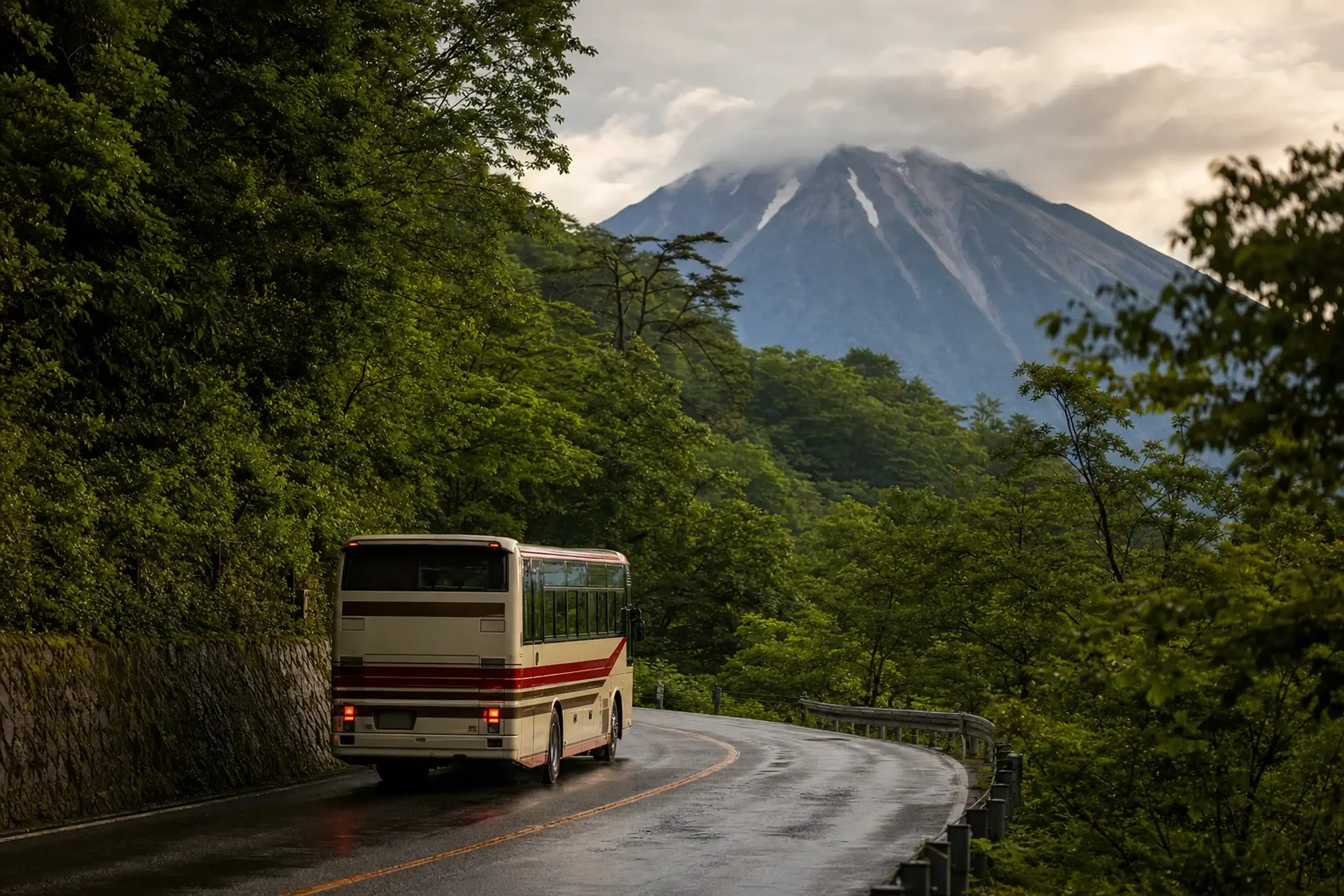
For many discerning travelers, the friction isn’t the distance. It’s the handoffs. Train to bus. Bus to trailhead. Then the return, when you’re tired and the weather has shifted.
This is where timing itself becomes a luxury. If you’re building a summer hike day around an early start, we recommend treating your ground logistics as part of the plan, not an afterthought.
On our side, the first upgrade is simple: a discreet, comfortable vehicle and a driver who keeps the pace calm, especially if you are carrying daypacks, rain gear, and a change of clothes.
The first time we mention it, we’ll link it properly: our clients often pair Mt. Daisen with private transportation so the day stays quiet, even when the trail is busy. The care is silent—the right bottle of water waiting, a dry towel ready at the trailhead—the sort of anticipation you notice only by its absence elsewhere.
Which Mt. Daisen Trail Should You Choose In Summer?
Mt. Daisen’s main summer route options include the Natsuyama Tozandō (Summer Mountain Trail) for many beginners, a shrine-and-temple route via Daisen-ji and Ōgamiyama Shrine Okumiya for stronger hikers, and the more demanding Utopia Course for experienced hikers.
There is no single “correct” route. There is only the route that fits your legs, your weather tolerance, and the kind of day you want to remember.
Option A: Natsuyama Tozandō (Summer Mountain Trail) From Shimoyama Or Nankō-Kawara
This is the straightforward answer for many first-timers. Clear trail. Steep in places. Well-maintained throughout.
The route begins from either the Shimoyama or Nankō-Kawara parking areas and climbs roughly 1,000 meters in elevation to the hiker-accessible summit area.
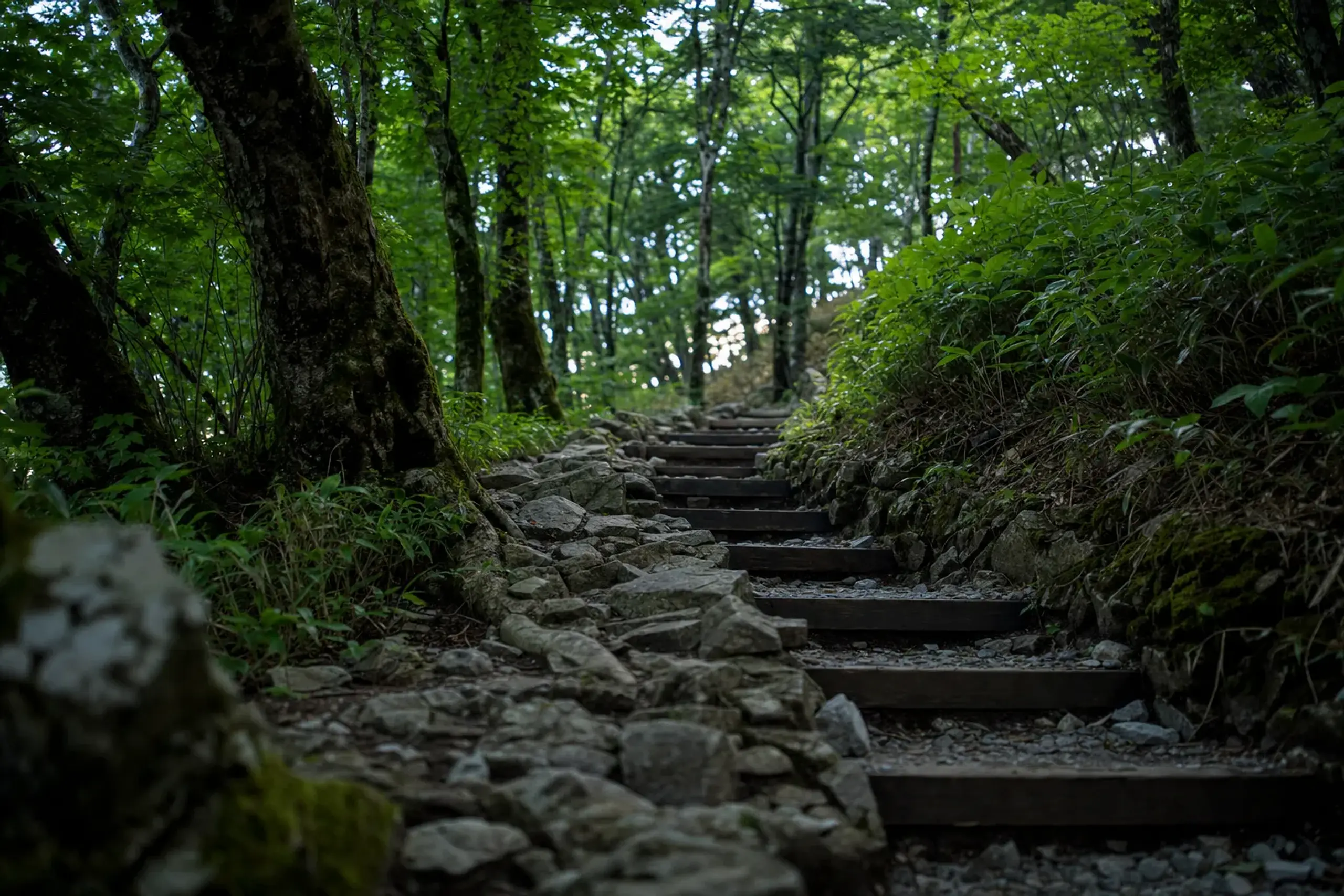
That climb is honest work, yet still realistic for active beginners who pace themselves.
- Best for: a first Mt. Daisen hike, mixed-fitness pairs, families with older children
- What it feels like: a sustained ascent, then a wide-open upper mountain
- Our tip: start early to reduce heat stress and to keep the upper sections calmer
Option B: Daisen-ji And Ōgamiyama Shrine Okumiya Route (Via Motodani)
This route is for travelers who want the mountain’s story, not only its altitude. You pass sacred sites and richer forest before joining the summer trail.
It is generally rated intermediate to advanced. The reward is texture: shade, shifting weather, and the North Wall views near Motodani that make you stop mid-sentence.
- Best for: hikers who want cultural context on foot
- What it feels like: a pilgrimage atmosphere, then a more muscular climb
- Our tip: plan for extra time; you’ll want pauses at Daisen-ji and near Okumiya
Option C: Utopia Course (Intermediate–Advanced Only)
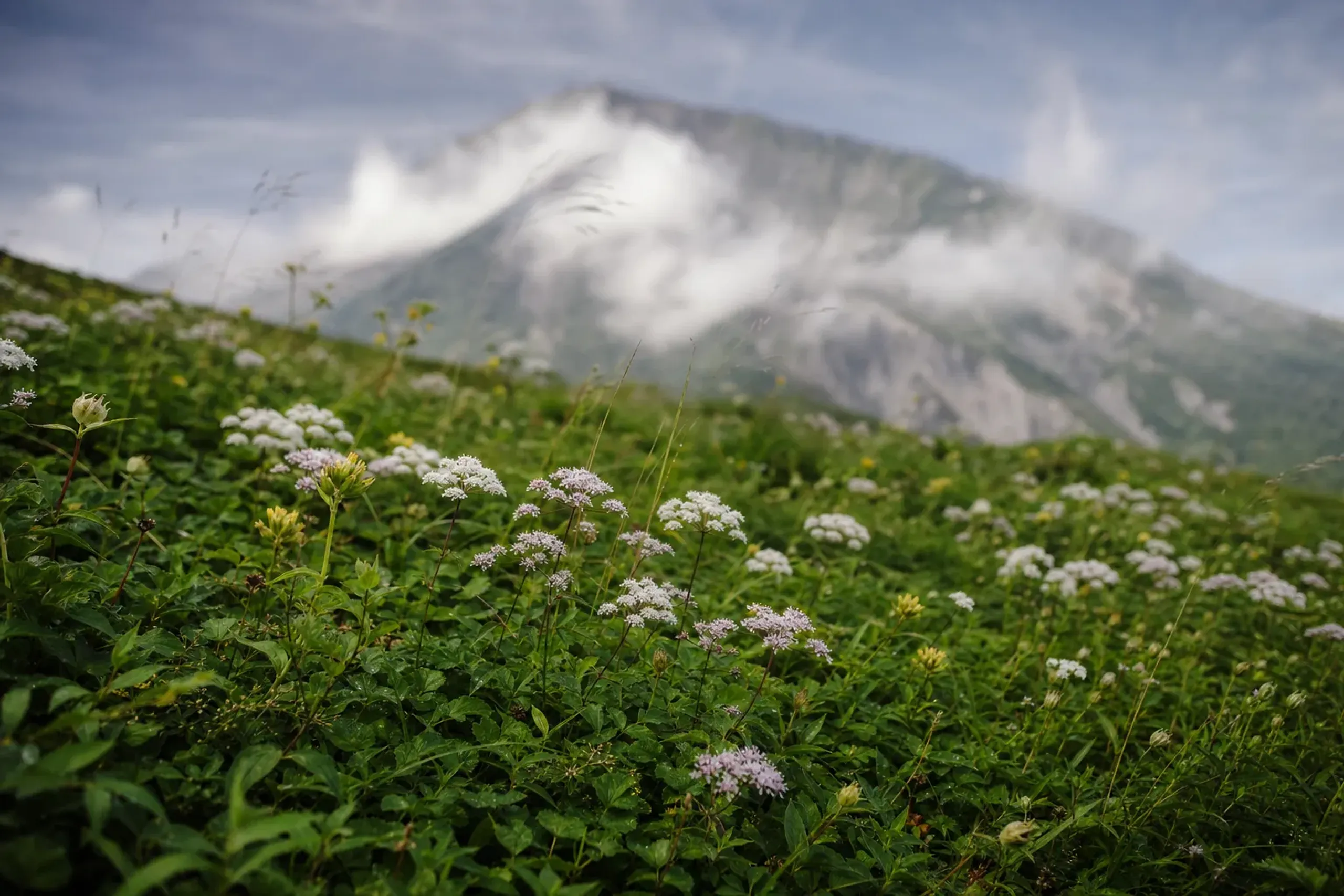
This is the route many photographers ask about, because it is known for an alpine meadow (Hanabatake) near a mountain hut, with blooms often noted from late July into early August.
Key fact: The “Sunasuberi” (sand-slide) section of the Utopia Course is officially flagged as currently dangerous; heavy rainfall has caused soil runoff, and accidents have occurred frequently, so visitors are asked to avoid entering this section.
If you are set on Utopia for wildflowers, treat current conditions as non-negotiable. Not heroic.
Just adult.
Our concierge team verifies the Utopia Course’s latest safety status and any seasonal closures before a client’s hike day, because the mountain’s guidance can change with rainfall and maintenance.
How Long Does The Mt. Daisen Summer Hike Take For A Fit Couple?
For a fit couple, plan a full day for Mt. Daisen in summer, allowing time for a steady ascent, weather pauses, and a careful descent—even if the hiking itself can be completed within daylight hours.
People fixate on “hours.” The mountain does not care. Heat, wind, and cloud can stretch any schedule.
We suggest building the day in layers. A very early start. A summit window that isn’t rushed. Then an unhurried descent, when knees and footing matter more than ambition.
If you want an executive-style escape, we often frame it as a 36-hour concept: arrive the evening before, hike in the morning, then spend the afternoon in recovery mode. Simple. Sharp. Restorative.
Practical Summer Tips: Weather, Boardwalks, Drones, And The 2022 Contribution
Mt. Daisen is a public mountain, but it is managed with real care. A few practical details will make your summer day safer and more respectful.
Weather: Bring rain protection even on blue-sky mornings. The upper mountain can change quickly, and wind can make a warm day feel thin.
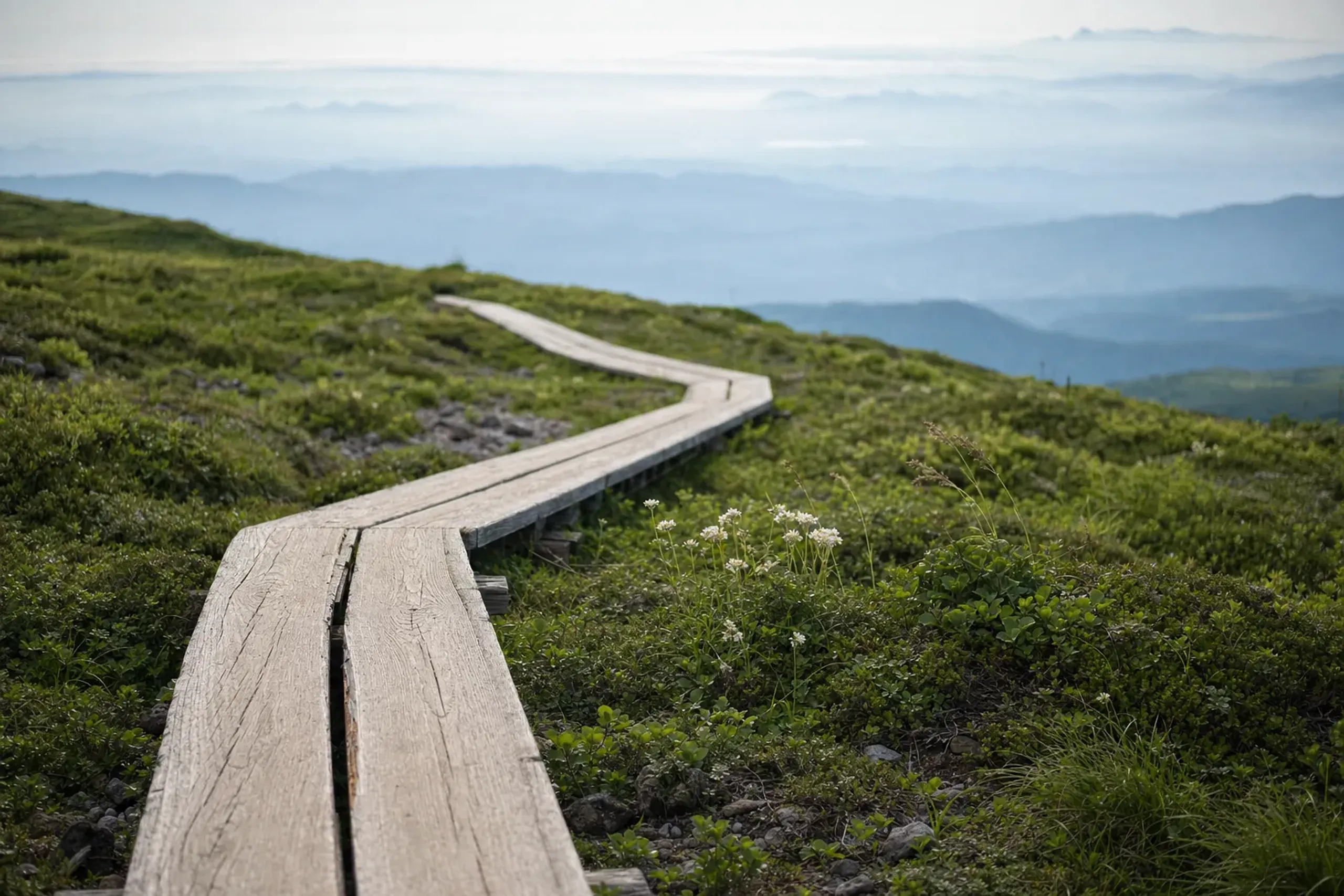
Boardwalk routing near the summit: Parallel boardwalk sections exist near the summit area, and which sections are open can vary by year due to maintenance. Confirm your routing shortly before you hike.
Voluntary mountain-entry cooperation contribution (since June 2022): A voluntary cooperation contribution began in June 2022 to support environmental maintenance. We recommend carrying small cash so you can contribute without fuss.
Drone rules: Drone flights within the national forest area covering the summit and trails require advance procedural application through Tottori Prefecture. Do not assume “quick launch” is acceptable.
A Summer Ritual With A Date: Natsuyama Hiraki Matsuri
Natsuyama Hiraki Matsuri is the annual festival that marks the official opening of Mt. Daisen’s summer climbing season, with rituals that pray for a safe season.
It’s easy to treat festivals as background noise. Here, the ritual fits the landscape.
The 2026 listing published the pre-festival date as June 6, 2026, with the festival itself running June 6–7. If your travel calendar can flex, visiting around opening weekend gives your hike a ceremonial frame without turning it into a performance.
Our suggestion is modest: attend with quiet manners, then hike another day of your stay when the trail is calmer. That spacing almost always feels best.
2026–2027: The High-Value Stay Shift Around The Daisen-ji Area
In May 2026, Japan’s Ministry of the Environment published a master plan to enhance high value-added stay experiences in the Daisen-ji area within the Daisen-Hiruzen region.
For travelers, this matters because it signals a direction: longer stays, better visitor-experience design, and more support for the kind of travel that doesn’t rush from photo to photo.
There was also a Daisen-Oki National Park 90th anniversary forum scheduled for February 28, 2026 in Yonago (Yodoe Culture Center).
That 90-year marker is not a tourism gimmick; it’s a reminder that national parks are managed landscapes with evolving priorities.
Our team at Japan Royal Service reads these official signals as trip-planning cues. Not hype. A way to time your visit when the destination is actively improving, while keeping your own pace entirely private.
Shokunin, Hidden Japan, And Discretion: What Luxury Means On A Public Mountain
Mt. Daisen is not a velvet-rope destination. That’s precisely the point.
For our travelers, “luxury” here looks like restraint: a well-timed start, the right trail choice, and enough privacy in the logistics that your day feels unobserved.
Shokunin: the craft is in the preparation. Footwear that matches the route. A pack that doesn’t punish your shoulders. A rain layer you can pull on in ten seconds.
Hidden Japan: Tottori is often skipped by Golden Route itineraries. That gives Mt. Daisen a different kind of presence in summer—less performative, more personal. This is the Japan that guidebooks and search engines rarely surface.
Discretion: we keep itineraries and identities quiet. No social-media prompts. No forced “moments.” Just a mountain day that belongs entirely to you—the single value our guests across every tier prize most.
If you’re building a broader journey, we can shape a tailor-made itinerary that treats Mt. Daisen as a central chapter, not a side trip.
A Plain-Text Summer Plan: Step-By-Step Day On Mt. Daisen
This is the pacing we like for a first summer visit. It is not rushed. It is not fragile.
Begin Your Own Ascent
Mt. Daisen rewards those who arrive with intention—one stone, one seedling, one quiet morning that belongs to no one but you. If you would like us to design that day around your pace, your privacy, and the season’s perfect week, contact us here for a tailored proposal.