In this guide
- 01What The Nakasendo Was (And Why It’s Not The Kumano Kodo)
- 02Why Magome To Tsumago Is The Only Section Most Travelers Need
- 03What You’ll Actually See And Feel On The 8 km Walk
- 04Magome-juku Vs Tsumago-juku: Two Post Towns, Two Personalities
- 05Narai-juku: The Quieter Alternative When You Want Fewer People
- 06Accommodation Reality Check: Charming, But Not Luxury
- 07Luggage Forwarding: The Detail That Makes The Walk Work
- 08Getting There Without Guesswork: Stations, Buses, And Private Cars
- 09When To Walk: A Season-By-Season View
- 10Shokunin Moments In The Kiso Region: What To Look For
- 11How To Plan The Day, Step By Step (Half-Day Version)
- 12How To Check Open Days And Avoid The “Everything’s Closed” Feeling
- 13FAQ: Nakasendo Magome To Tsumago (2026 Planning Questions)
- 14Why Choose Japan Royal Service
The first sound you notice is not birdsong. It’s your own steps, firm on packed earth, then softer on old stone, then a brief hush as cedar closes overhead.
In the Kiso Valley, time does not announce itself. It just accumulates—moss on a retaining wall, a worn threshold, a faded shop curtain lifting in a light draft.
And that’s the point. You came to Japan for precision, yet the most persuasive moments can feel almost plain.
Our advice is simple. You do not need eleven days.
What The Nakasendo Was (And Why It’s Not The Kumano Kodo)
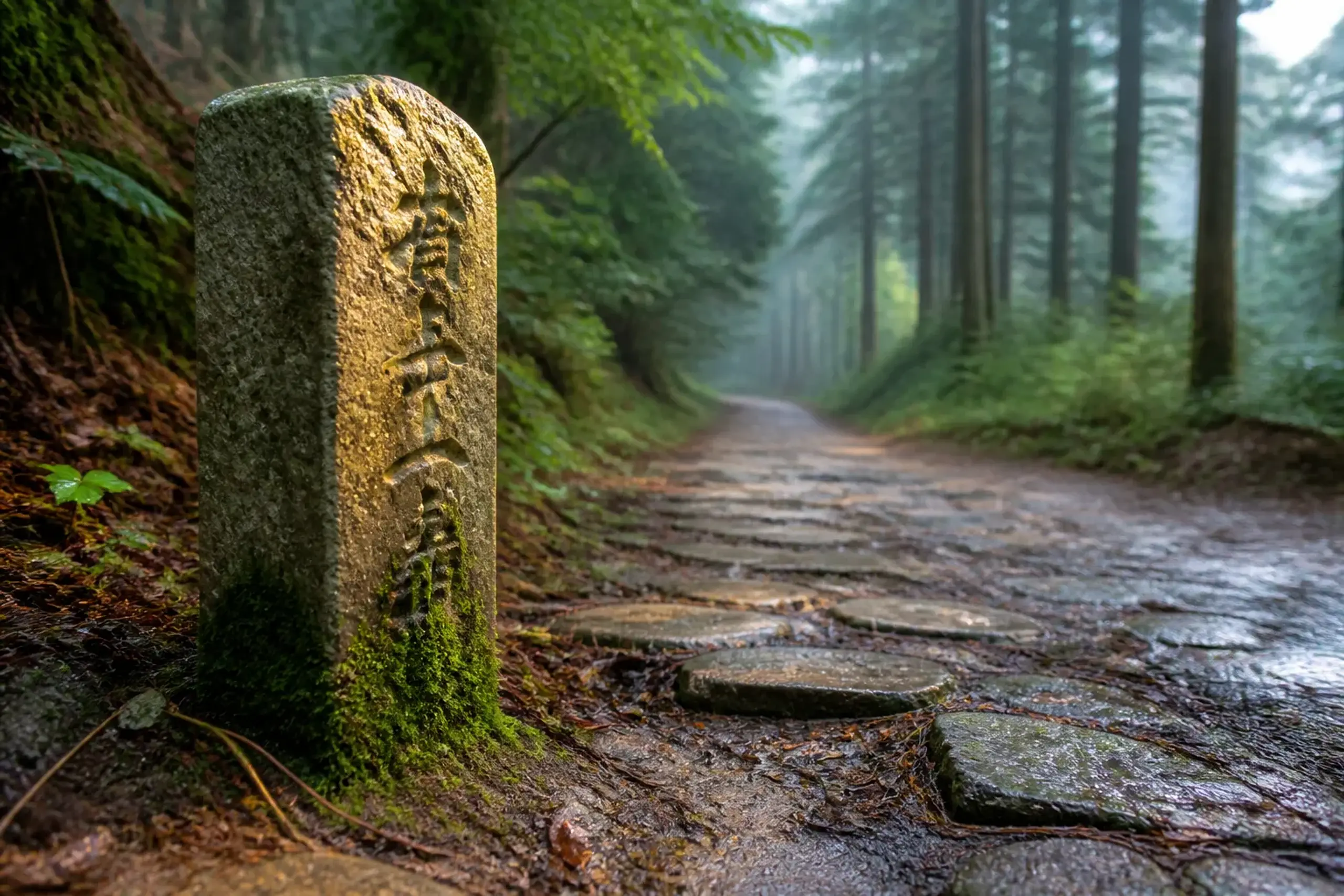
The Nakasendō was an Edo-period highway linking Kyoto and Edo (modern-day Tokyo). Not a pilgrimage route, not a ritual circuit, not a test of faith.
It carried daimyō processions under the sankin-kōtai system, merchants moving goods, and messengers on deadlines. Practical people. Tired feet.
That history shapes the walk you feel today. The road’s logic is administrative, not spiritual, and it suits travelers who want texture and quiet without adopting a pilgrim narrative that doesn’t belong here.
If you are weighing routes, keep the distinction clean. The Kumano Kodo is a pilgrimage; the Nakasendō is a road. Different energy. Different expectations.
How This Difference Helps You Choose
For HNW travelers, the question is not “Which trail is more famous?” It’s “Which one matches how we like to move through a place?”
If you want a half-day walk framed by preserved towns, the Nakasendō’s Kiso Valley sections fit well. If you want a pilgrimage context, the Kumano Kodo may read more naturally.
We often plan Japan days by contrast. One city day, one rural day. One museum morning, one old-road afternoon.
Why Magome To Tsumago Is The Only Section Most Travelers Need
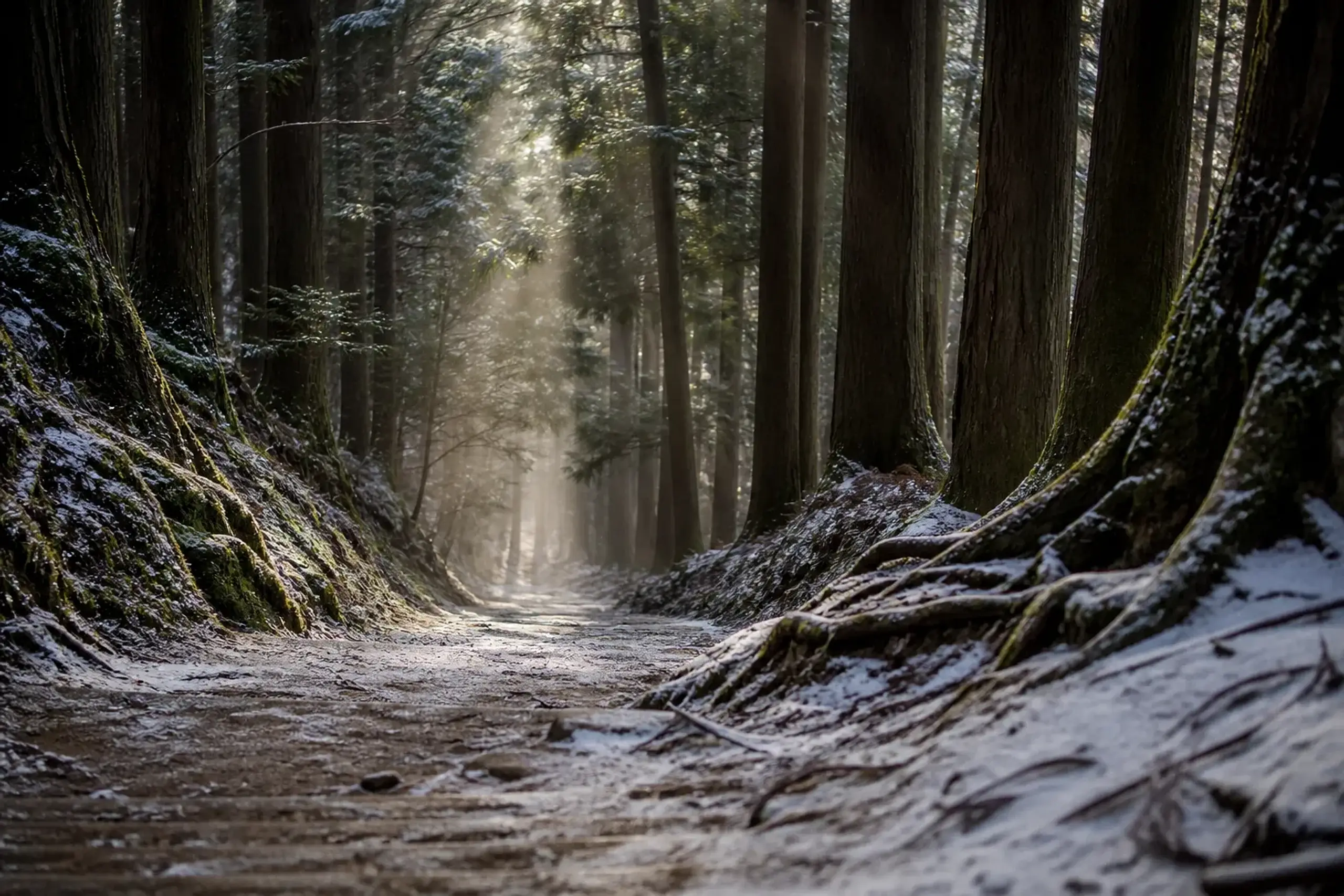
The Magome–Tsumago section is short enough for a half-day, yet still feels like an old road.
The full Nakasendō takes about eleven days on foot. Almost no one with a well-balanced Japan itinerary wants that, even if they love walking.
The practical answer is the Kiso Valley highlight: the roughly 8 km section between Magome-juku and Tsumago-juku. Half a day. Two of the best-preserved post towns. A forest path between them.
It’s also forgiving. Signage is commonly available in English, and the route is popular enough to feel supported without turning into a spectacle.
Make it unmissable. Do the 8 km.
Direction Matters: Walk South-To-North For A Softer Day
Walk from Magome to Tsumago and you’ll usually feel the trail easing underfoot. Mostly descent.
Reverse it and the same day becomes a climb. Still doable, but it changes the mood and who enjoys it.
Our team at Japan Royal Service tends to recommend Magome → Tsumago for first-timers. Less strain. Cleaner pacing. More time left for the towns.
Key fact: Before you set out, JRS will verify the trail status. The Kiso Valley can see typhoon and landslide impacts, and closure information is not always well surfaced in English.
What You’ll Actually See And Feel On The 8 km Walk
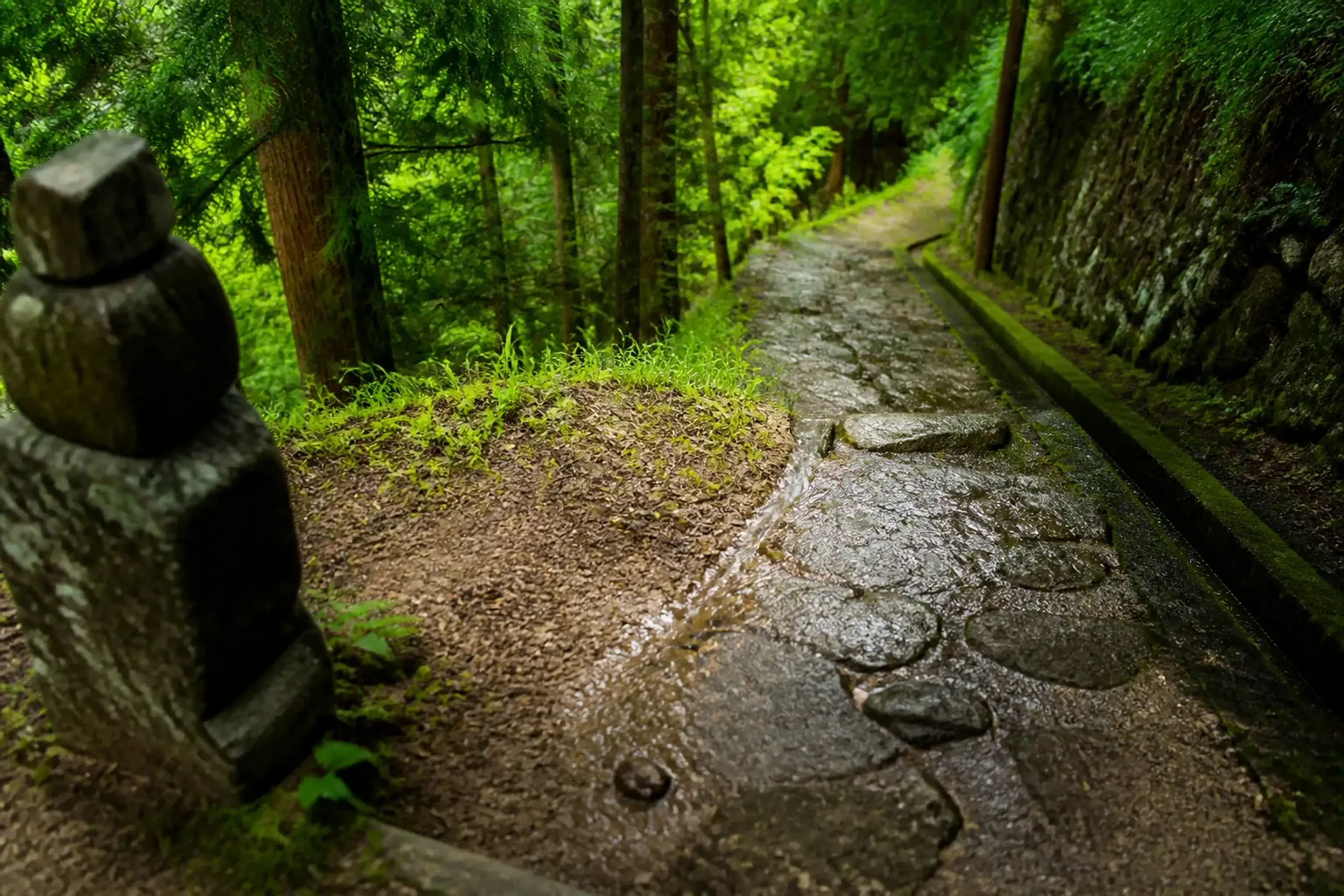
This is not a ridge hike with cinematic panoramas every five minutes. It’s better than that.
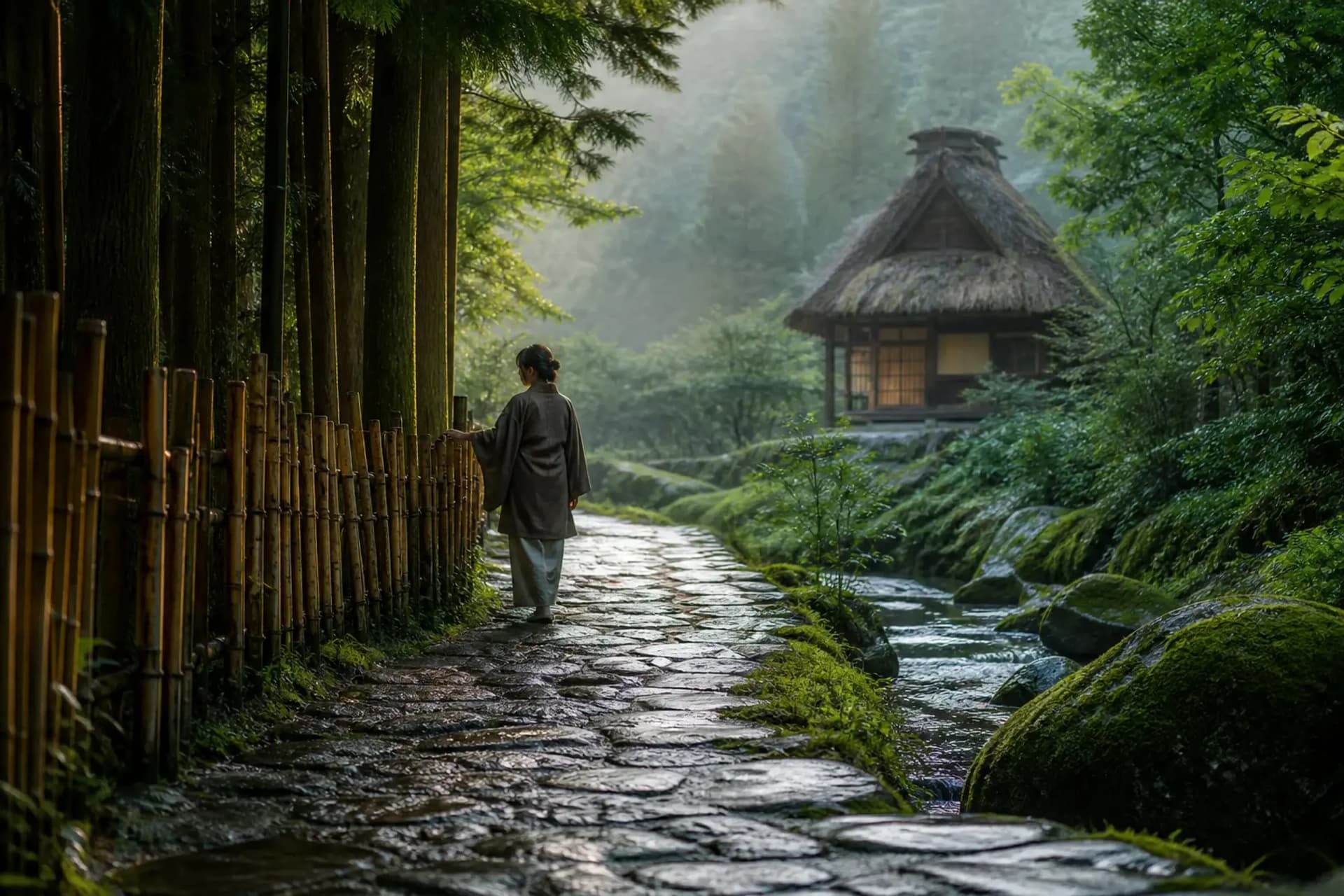
You walk under cedar and mixed forest, past small wayside markers, crossings, and the kind of humble rural edges that modern Japan rarely leaves exposed. Your attention sharpens because there isn’t much to “do.”
Wabi-sabi fits here without being a slogan. Weathered wood. A stone step chipped at the corner. A moss-dark gutter carrying yesterday’s rain.
Bring one small habit: stop before you reach for your phone. Ten seconds. Let the valley speak first.
Bear Bells: A Quietly Practical Detail
You will see bear bells for sale in the area. They are not a cute accessory.
They’re a practical response to Japan’s mountain wildlife. If you’re walking in quieter hours or shoulder seasons, it’s a sensible piece of caution.
Keep the sound modest. This is a shared trail.
Magome-juku Vs Tsumago-juku: Two Post Towns, Two Personalities
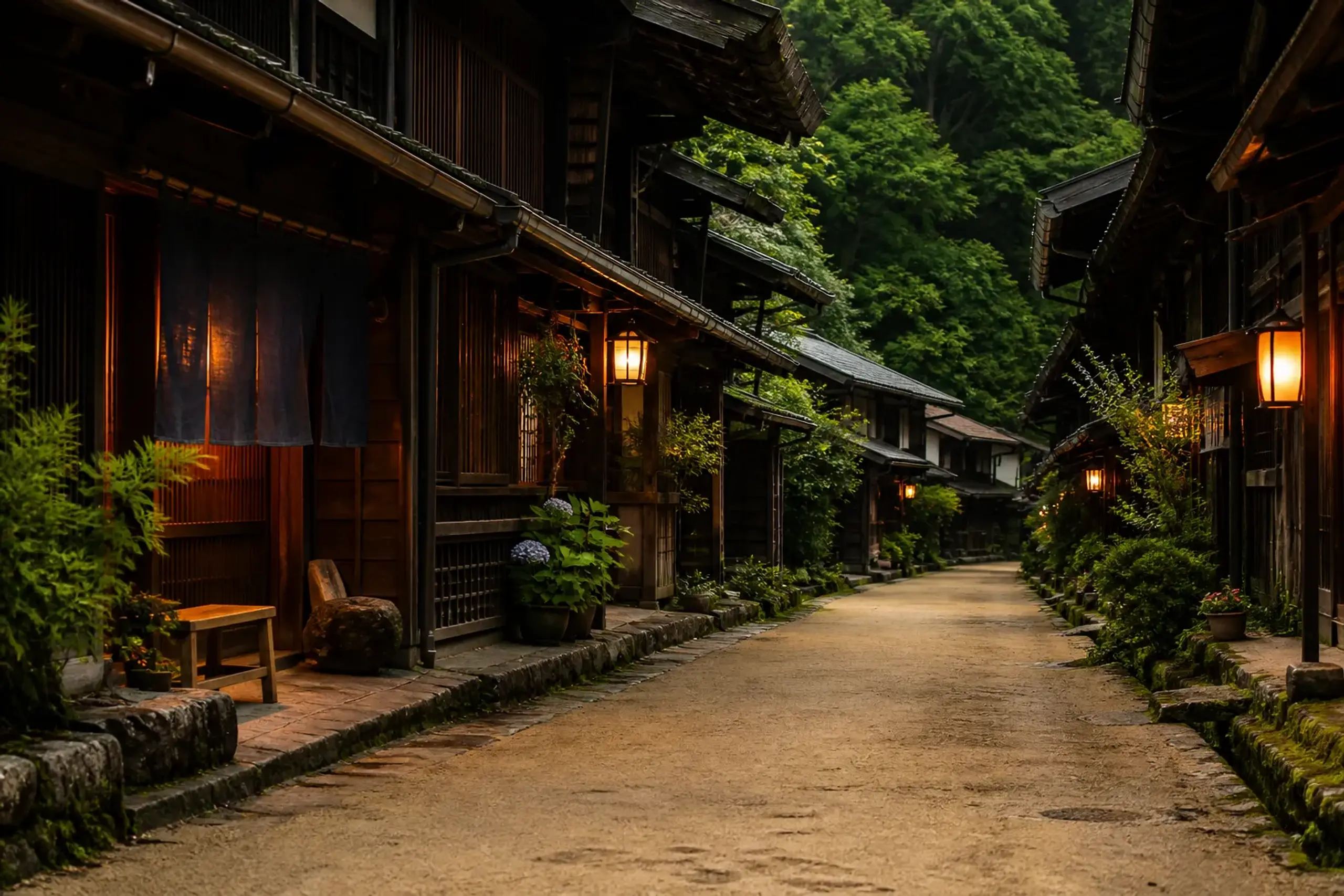
Tsumago-juku’s preservation is felt in the street line, the quiet, and what’s kept out of sight.
These towns are the substance, not the path between them. The walk matters because it links two places that still feel legible as post towns.
Magome-juku is steeper and more commercial, with strong views in good weather and a busier, market-like energy along its main slope. It’s easy to enjoy. It’s also easy to rush.
Tsumago-juku feels stricter. It is known for early preservation efforts, with daytime vehicle restrictions and the visual noise reduced—power lines concealed in key areas, a calmer street line, a slower pulse.
Stay until late afternoon if you can. The day-trippers thin, shutters close, and the place starts to sound like itself.
A Simple Way To Split Your Time
If you’re doing this as a half-day, aim to spend more time in Tsumago than you think you need. It rewards patience.
In Magome, arrive with purpose: coffee, a brief look, then start walking while the light is still clean.
In Tsumago, slow down. Shop carefully. Photograph less. Listen more.
Narai-juku: The Quieter Alternative When You Want Fewer People
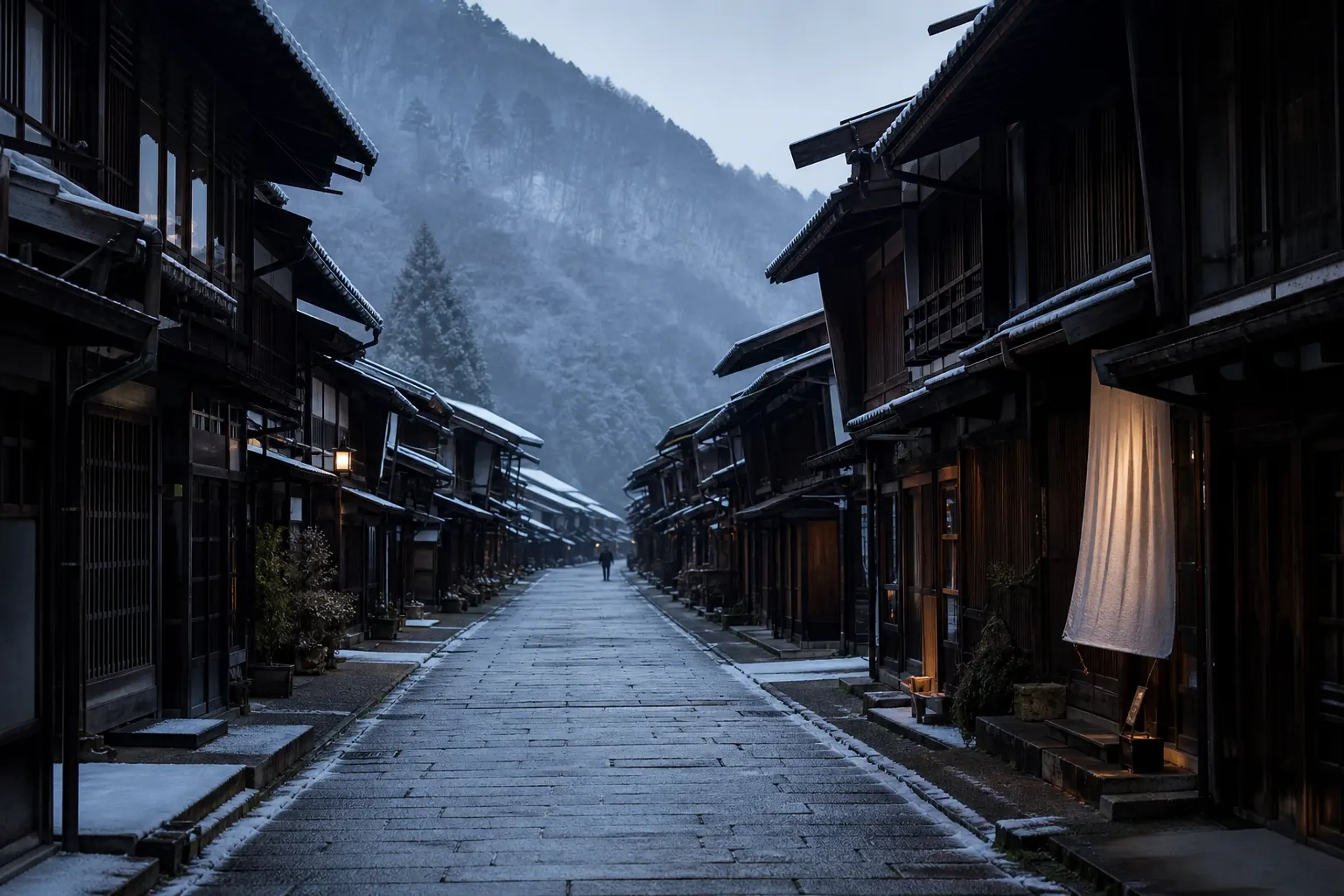
Narai-juku offers the same post-town clarity with a longer, quieter street.
If you like the idea of post towns but want a longer, quieter street, Narai-juku is worth knowing. It’s described as one of the best-preserved post towns on Kiso’s Nakasendō Trail and sits between Kiso-Fukushima and Matsumoto.
Narai can work well as an alternative stop, or as an extra layer if you’re already traveling through central Nagano. It’s less about a single “walk highlight” and more about lingering—architecture, small shops, the rhythm of a long main street.
For many HNW travelers, that’s the real luxury. Space. Time. Not being jostled into the same photo as strangers.
Accommodation Reality Check: Charming, But Not Luxury
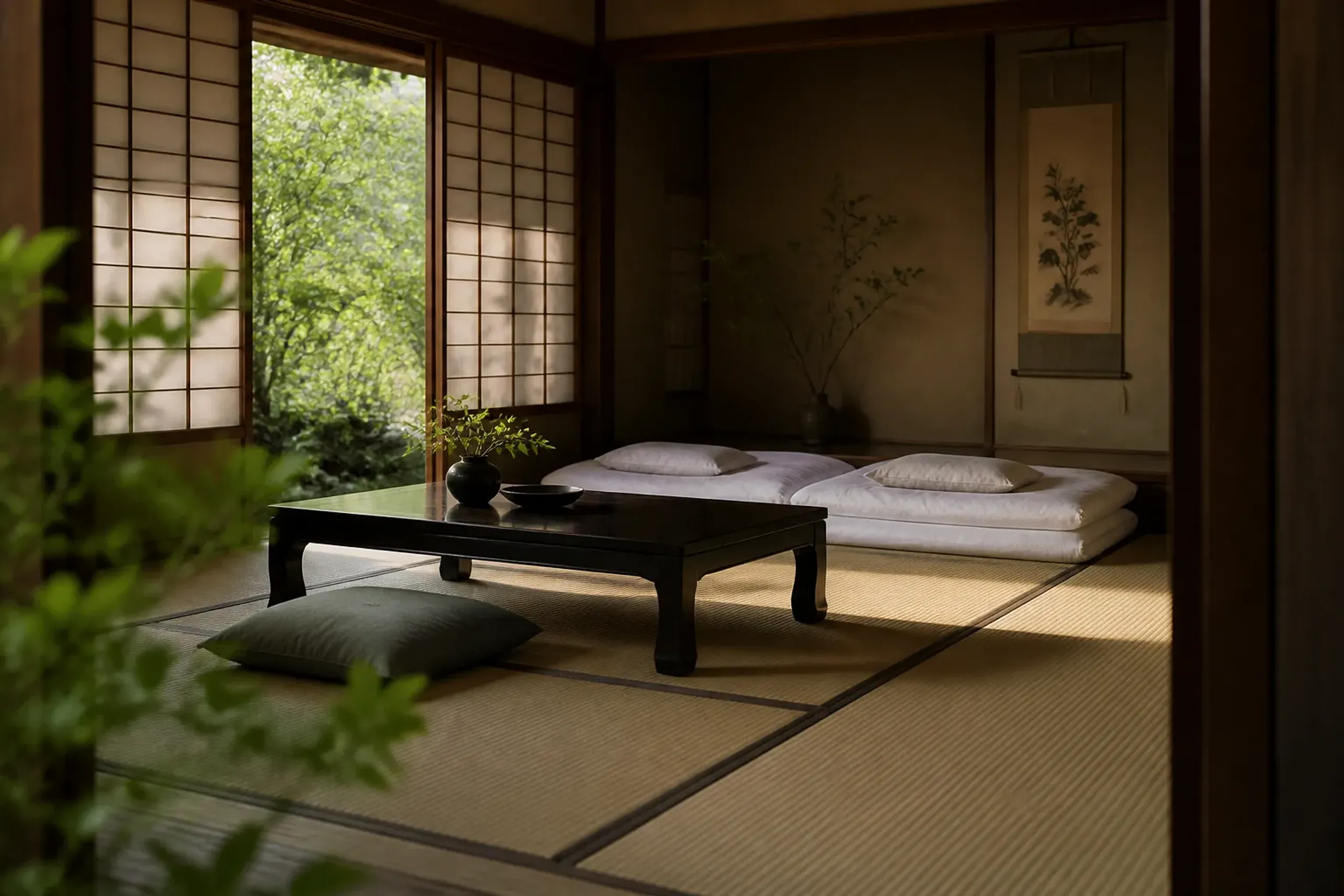
Along the Nakasendo, lodging is often modest—comfortable when you know what to expect.
This is where many well-traveled guests get surprised. The classic accommodation along the Nakasendō corridor is often minshuku or small, family-run inns.
Expect shared bathing in some cases, futons on tatami, set meal times, and a house style that prioritizes order over indulgence. No “hotel service culture.” No constant choice.
Some stays are excellent. None are “palace” luxury.
That doesn’t make them inferior. It just means you should choose with eyes open, and build comfort around the walk where it matters—timing, luggage, and how you enter and exit the valley.
Who This Overnight Style Suits Best
If you like clean simplicity and you sleep well in quiet rooms, you may love it. If you need flexibility, late dining, or a Western bed every night, plan differently.
We often suggest placing the Nakasendō between higher-comfort stays elsewhere, so the modest night feels like texture rather than compromise.
Luggage Forwarding: The Detail That Makes The Walk Work
The Kiso Valley walk is charming with a daypack. It’s punishing with a rolling suitcase and two weeks of luggage.
That’s why luggage forwarding matters. In the Kiso area, self-guided walk operators describe bag transfers as typically paid locally, with a commonly cited range of about ¥1,500–2,500 per bag per transfer.
Small number. Huge impact.
When your main bags move ahead, the walk stays a walk. You arrive at the next town light, unhurried, and able to take the older streets at their proper speed.
What To Carry On The Trail
Keep it spare. Overpacking turns eight kilometres into a negotiation.
- Water and a small snack
- Light rain layer (the valley changes its mind)
- Cash for small purchases
- Bear bell if you prefer the added caution
Getting There Without Guesswork: Stations, Buses, And Private Cars
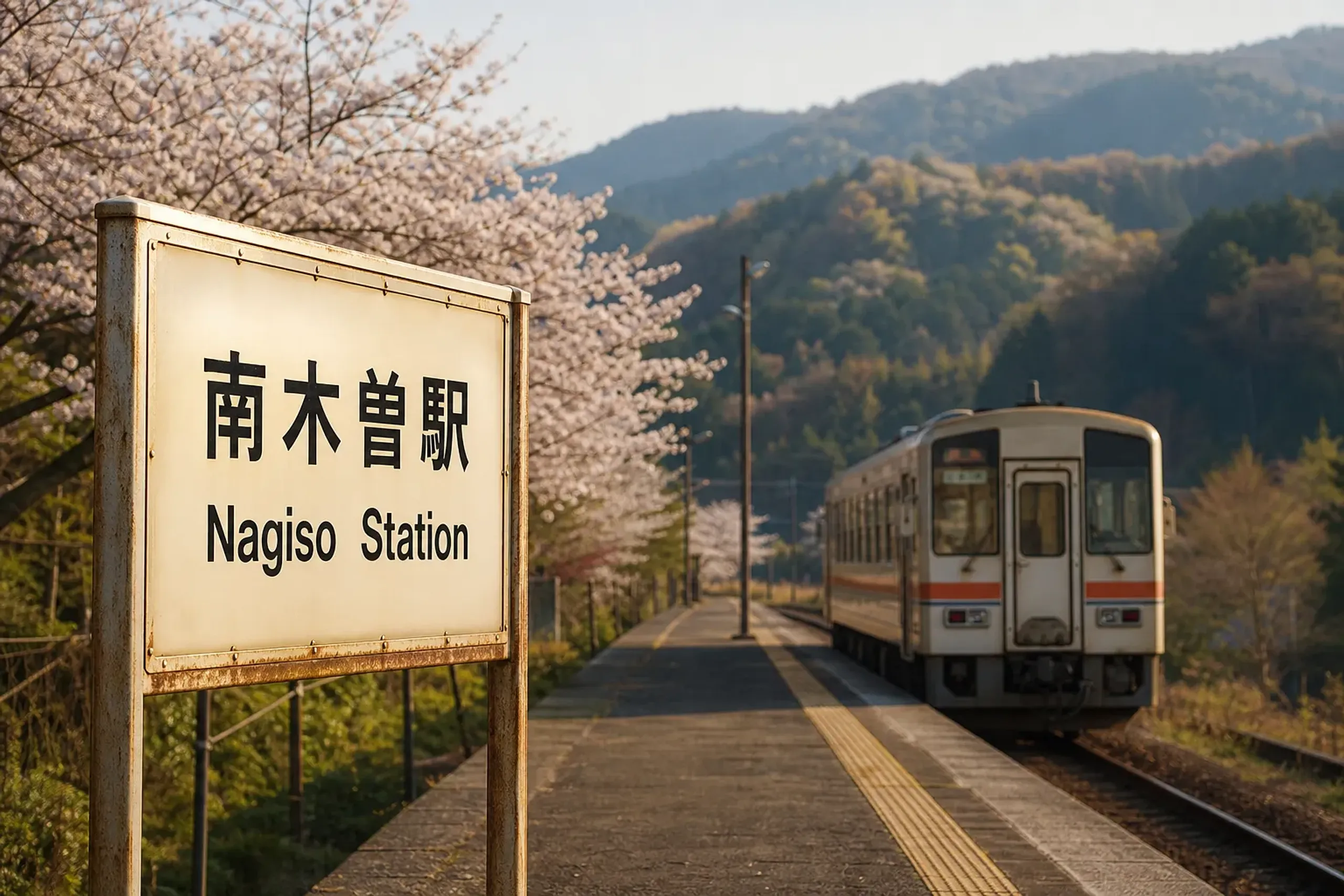
Nagiso Station is a common gateway for local buses toward Tsumago and Magome—timing matters.
The Kiso Valley is not hard. It’s just specific.
Most travelers interface with the area via train stations like Nagiso Station, then connect onward by local bus toward Tsumago and Magome. Timetables change, and the last bus is not forgiving if you miss it.
For 2026 planning, Japan-guide publishes a “Nagiso Station to Tsumago and Magome” bus timetable page noted as current “As of April 1, 2026.” It’s a useful reference when you want to sanity-check timing.
Where a car genuinely helps is at the edges: arriving early without rushing, leaving late without watching the clock, and keeping weather from forcing a cramped Plan B.
The first time we hear a guest say, “So it’s only eight kilometres?” there’s usually relief behind it. That relief is the opening we build around: comfortable transfers, time to linger, and a day that feels rural without feeling improvised.
Private Transfers: Comfort Without Turning The Trail Into A Production
When the day is engineered well, you can treat the Nakasendō as a clean half-day module inside a larger itinerary. No frantic connections. No dragging bags across gravel.
On driving days, our clients often prefer a private transportation plan that keeps the morning calm and the exit smooth, especially in shoulder seasons when weather is unpredictable.
Quiet comfort. That’s the point.
When To Walk: A Season-By-Season View
Spring and autumn are the easiest recommendations. Temperatures are kinder, and the forests look awake without being oppressive.
Summer can be humid in the valley. Not dangerous by default, but the walk feels heavier, and midday can turn sticky.
Winter is the real change. Snow and icy patches are possible at altitude, and conditions can narrow your options.
And remember: typhoon season can affect travel and trail conditions. The Kiso Valley is resilient, but it is not immune.
A Simple Timing Strategy For Better Crowds
Start earlier than you think. Even thirty minutes matters.
Arrive in Magome with time to breathe, then begin the walk before the bulk of late-morning arrivals. If you can, aim to reach Tsumago after the midday surge, then stay as the afternoon softens.
This is part of hidden-Japan thinking: you don’t need a secret place, you need the right hour.
Shokunin Moments In The Kiso Region: What To Look For
The Nakasendō day is not only walking. It’s a chance to notice craft in ordinary places.
Look at joinery in wooden facades, the way tools are displayed, the patience in small food preparation, the restraint in signage. Japan’s shokunin culture is often most persuasive where nobody is performing it for you.
Buy fewer things, but buy them with attention. A small item chosen carefully is better than a bag of souvenirs chosen fast.
That’s wabi-sabi again, but lived. Not explained.
How To Plan The Day, Step By Step (Half-Day Version)
This is the version that works for most travelers, including HNW clients who want rural Japan without surrendering the rest of their trip.
Step 1: Choose Your Direction
Default to Magome → Tsumago for a mostly downhill walk and easier pacing.
Step 2: Lock The Timing Before You Lock The Ideas
Pick a start time that avoids the busiest middle hours, and JRS will confirm transport options for arrival and departure. This is where most “simple” days break.
Step 3: Keep Luggage Out Of The Equation
Plan for luggage forwarding or an equivalent approach so you carry only what you need on the trail. It’s the single best comfort upgrade.
Step 4: Treat The Towns As The Main Event
Plan for time in both post towns, especially Tsumago, instead of making the day a fitness challenge.
Step 5: Build A Weather Alternative
Rain can still be a good day here, but closures and transport changes happen. Know the fallback before you need it.
How To Check Open Days And Avoid The “Everything’s Closed” Feeling
One of the small frustrations in rural Japan is arriving on a day when the town is technically “open,” yet the specific shops you wanted are shut.
Tsumago-juku maintains an official shop list online, and it links to monthly operating-day lists (PDFs), including a “July 2026” calendar. That kind of micro-detail is not glamorous, but it prevents wasted hours.
Our team at Japan Royal Service treats these local calendars as part of concierge-grade planning. Not for control. For calm.
FAQ: Nakasendo Magome To Tsumago (2026 Planning Questions)
How long is the Magome to Tsumago walk?
It’s roughly 8 km through the Kiso Valley, typically planned as a half-day with time in the post towns.
Is the Nakasendo Trail a pilgrimage like the Kumano Kodo?
No. The Nakasendō was an Edo-period highway linking Kyoto and Edo (modern-day Tokyo). The Kumano Kodo is a pilgrimage route; the Nakasendō is historically a road for travel and trade.
Is the Magome to Tsumago route well signposted in English?
It is commonly described as well signposted, and it’s a popular section for self-guided walkers. Still, conditions and signage can change, so we recommend checking current local updates before the day.
Which direction is easier?
Magome → Tsumago is generally easier because it is mostly downhill. Tsumago → Magome turns the same route into more of a climb.
Do I need special hiking gear?
For most visitors in fair weather, comfortable walking shoes and a light rain layer are enough. In winter, conditions can shift and require more caution, especially if snow or ice is present.
Are bear bells really necessary?
You will see bear bells sold locally. They’re a practical precaution in Japan’s mountain areas, especially if you prefer an audible presence on quieter stretches.
How does luggage transfer work on the Nakasendo?
Self-guided walk operators in the area describe luggage transfer as a common add-on, typically paid locally, with a commonly cited range of about ¥1,500–2,500 per bag per transfer. Details can vary by provider and season.
How do I check buses between Nagiso Station, Tsumago, and Magome?
Japan-guide publishes a Kiso-area bus timetable page that includes “Nagiso Station to Tsumago and Magome,” noted as current “As of April 1, 2026.” For day-of travel, JRS will verify locally as well, since weather or local conditions can affect service.
Why Choose Japan Royal Service
Many travel companies can describe the Nakasendō. Our team at Japan Royal Service focuses on how it feels when it’s done properly: light daypacks, clean timing, and the kind of quiet access where the towns are experienced at their intended tempo.
We plan for hidden-Japan realities—what’s open on which day, where crowds gather, how weather changes the plan—and we do it with discretion as a non-negotiable, so your name and movements stay yours.
And when you want more than a walk, we shape the broader journey around wabi-sabi restraint and shokunin encounters that deepen the trip without turning it into a checklist.
For private coordination, reach our team at Japan Royal Service privately via WhatsApp or LINE, or contact us here.