In this guide
- 01Nasu In Summer: The Highland Air That Changes Your Pace
- 02The Nasu Ropeway And The Trail To Mt. Chausu's Summit
- 03When Does The Nasu Ropeway Run In Summer?
- 04Sesshoseki: The Killing Stone, Sulphur Air, And A Story That Refuses To Fade
- 05Is Mt. Nasu Dangerous In Summer?
- 06How Long Does The Mt. Chausu Summit Trail Take From The Ropeway?
- 07Nasu Yumoto Onsen: One Line Of History, Right Where The Land Smells Of Sulphur
- 08Highland Walks And Viewpoints: Bentenzuri, Numappara, And Nasu Heisei No Mori
- 09How To Get To Nasu Highlands In Summer (And Why Weekends Change Everything)
- 10Plan Your Nasu Summer In Confidence
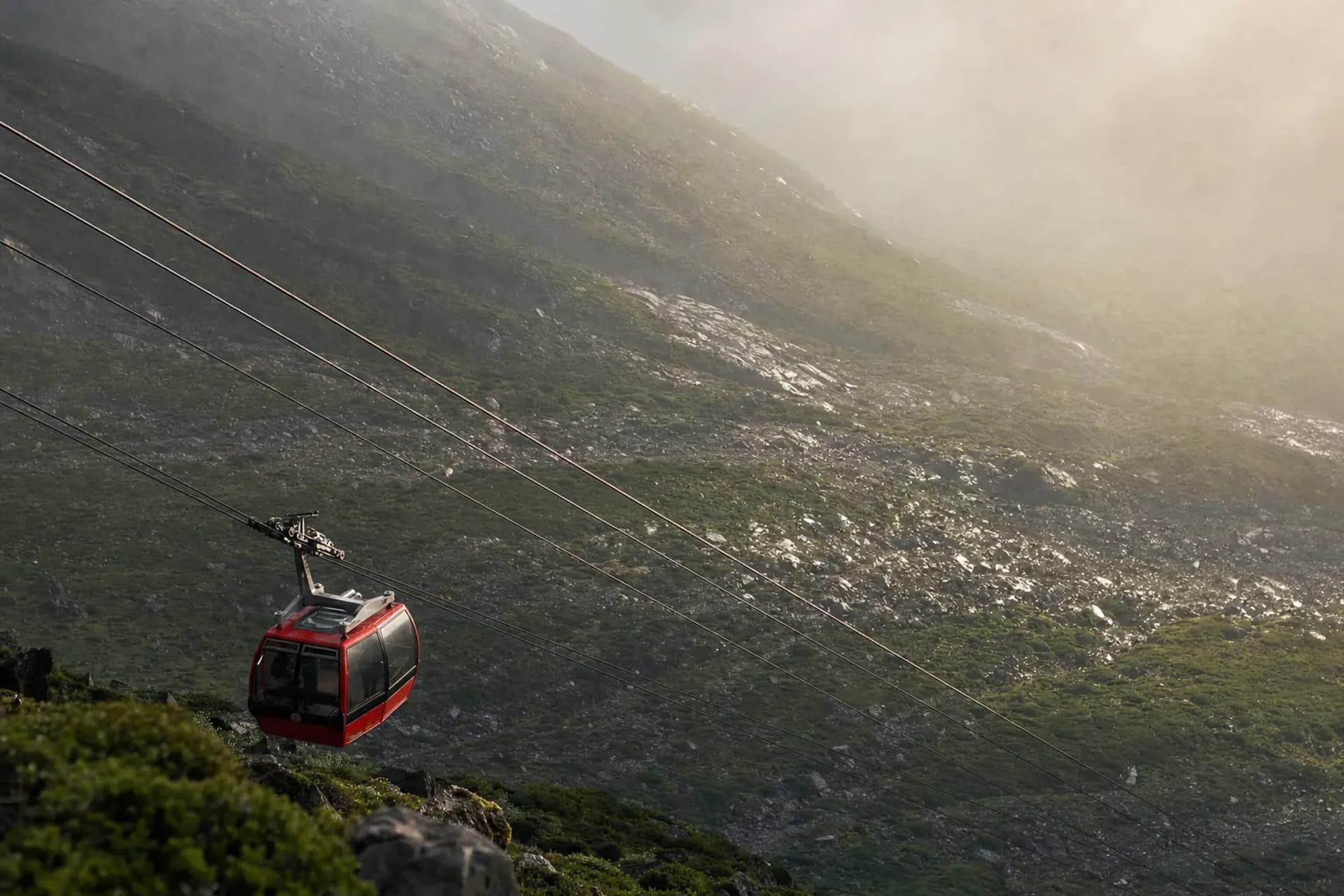
The cabin doors close with a soft click. No fanfare, no announcement — just the low hum of the Nasu Ropeway as it lifts you above dwarf pine and black volcanic gravel, the morning air already cooler than Tokyo ever feels in August.
You watch the slope fall away beneath you. Steam threads up from the mountain's shoulder in thin, watchful lines. Mt. Chausu (Chausu-dake) is not a painted backdrop here. It is an active volcano, close enough to smell on the wind.
Nasu Highlands in summer is for travelers who want relief without retreating indoors. You come for cool wind, for the clean lines of highland scenery, and for a day that feels precise rather than rushed. Our team at Japan Royal Service plans Nasu as a quiet sequence: ropeway first, summit trail if conditions allow, then Sesshoseki's stone field, then an unhurried park walk before you return. Every stage is arranged so the mountain, not the itinerary, keeps the upper hand — and so your movements remain entirely your own.
Nasu In Summer: The Highland Air That Changes Your Pace
Nasu sits on a highland of roughly 700 to 800 meters at the town level, and in midsummer the difference registers the moment you step out. Your shoulders drop. Your breath feels longer. Even your footsteps sound softer on the roadside gravel.
The Nasu Tourism Association describes the wind through the range as staying cool even in the heart of summer.
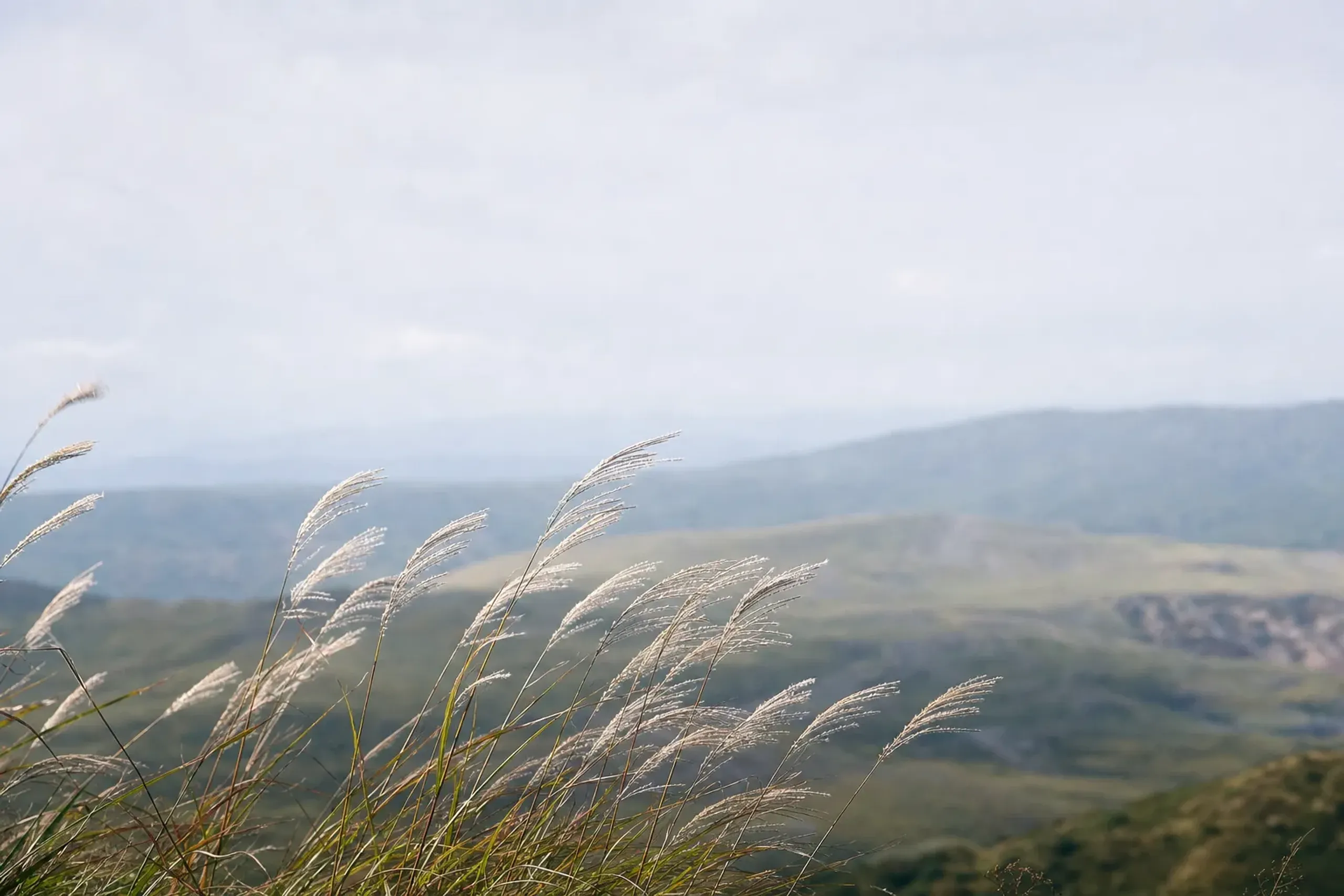
Secondary climate normals (1991–2020) suggest Nasu Kogen averages roughly 5 to 6°C cooler than Tokyo in July and August. That gap is the entire reason to come — a shift you feel on your skin rather than read on a thermometer.
Still, don't mistake "cooler" for "cold." By day you may be comfortable in a single light layer, then reach for another as cloud slides over the ridge or as you rise toward the ropeway's upper station. Pack like someone who prefers options.
Summer also carries its own tempo here. Morning is crisp and clear. Noon can bring sudden wind, or thunder that stops the ropeway altogether. The best Nasu days are planned with room to change your mind — and that quiet flexibility is precisely what a well-shaped day buys you.
The Nasu Ropeway And The Trail To Mt. Chausu's Summit
The Nasu Ropeway is the cleanest way to touch the volcano without losing the day on long approach roads. The ride is short — about four minutes, per the Ministry of the Environment — yet it changes the scale of the landscape fast. You step out into thinner air and sharper light, as though the day has suddenly been brought into focus.
The upper station is often called the "9th station." From here, the trail heads toward Chausu-dake's summit at 1,915 meters. The operator's guidance puts the climb from the upper station at about 40 to 60 minutes one-way, depending on pace.
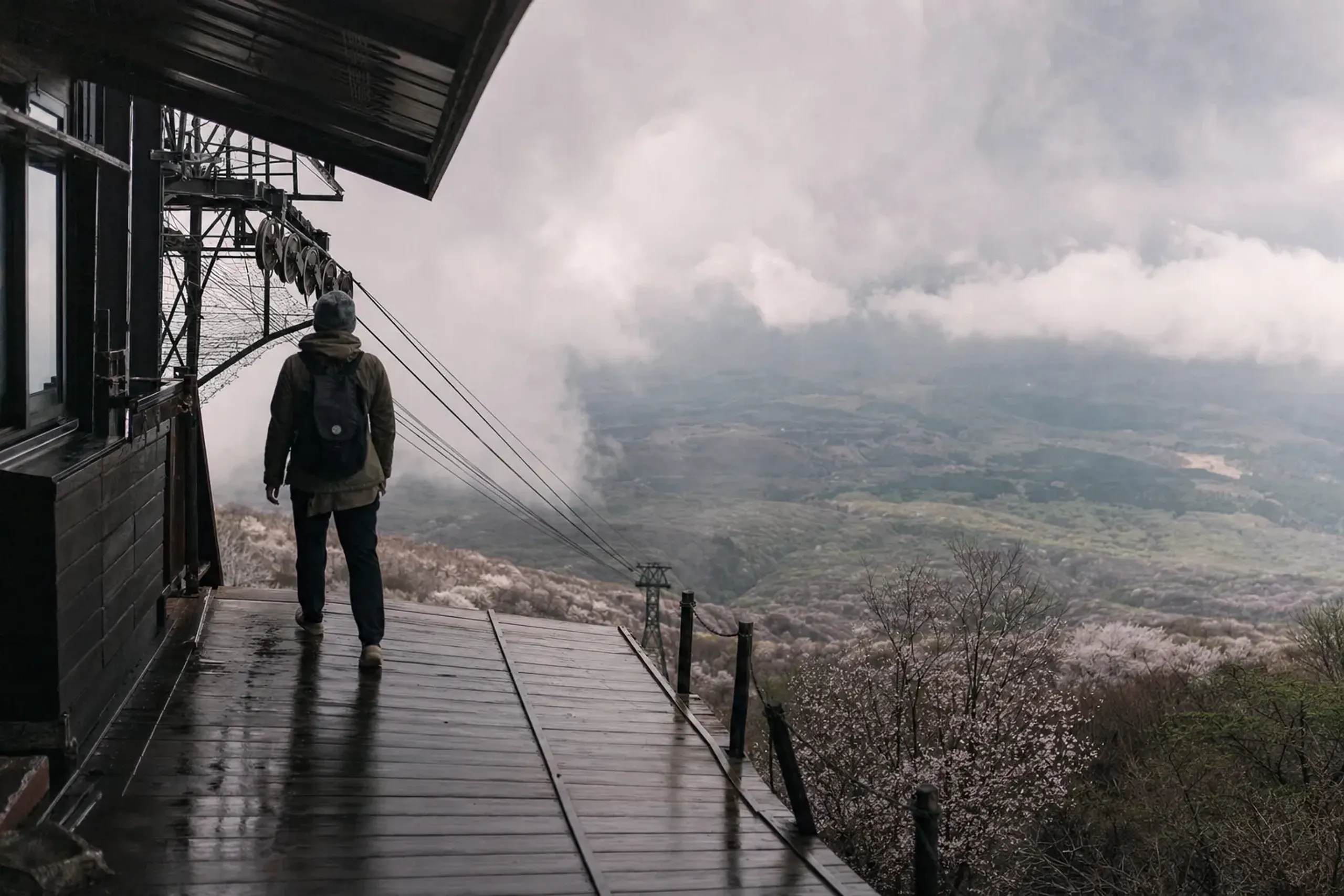
The outing is far more than "up and down." You pass steam vents hissing from the rock. You hear stones shift and settle under your boots. On clear days the view opens in wide sheets, then closes again as cloud drifts through — a mountain that reveals itself in its own time.
Do not treat it casually. There are no toilets or water above about 1,500 meters, according to the ropeway operator. Bring what you need, and start early enough that you are never chasing the last descent.
A Summer Day On The Mountain: A Step-By-Step Flow
We prefer to shape the day in a simple order. The volcano sets the rules, and the weather sets the mood. You will enjoy Nasu far more when you stop fighting either.
- Arrive early and read the sky, not your phone: wind and thunder matter more than any forecast.
- Ride up and take ten minutes at the upper station to adjust, hydrate, and gauge visibility.
- Climb at your pace: short rests are normal, and they sharpen your judgment on volcanic ground.
- Return with margin before the final ropeway descent window tightens the day around you.
Some days, you will choose not to summit. A wise choice. The mountain will still be there, and the rest of Nasu is never a consolation prize.
What The Ropeway Operation Looks Like (Evergreen Guidance)
The operator publishes the season and daily timetable each year, and the ropeway can halt in strong wind or when thunder approaches.
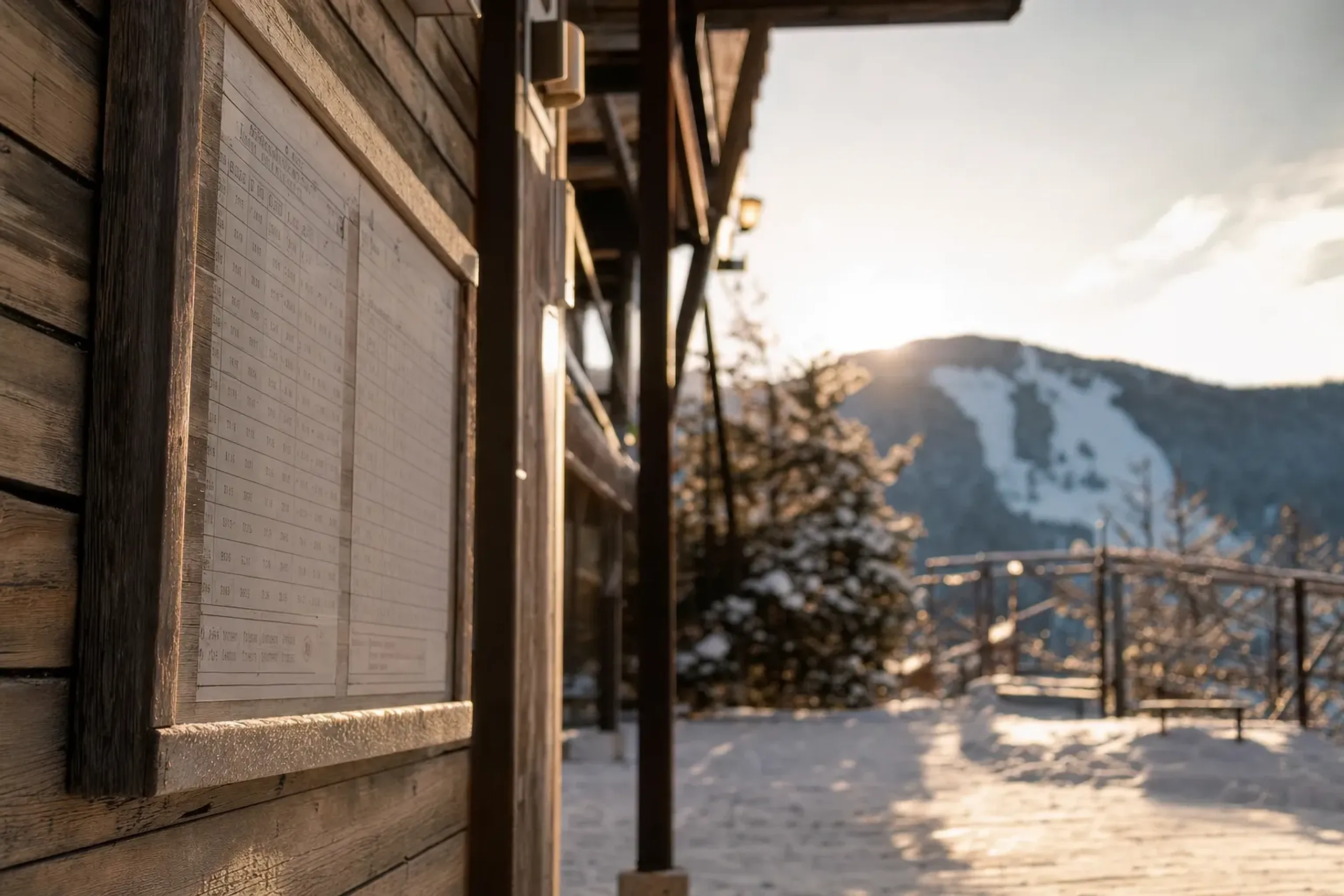
That reality shapes the day more than any itinerary template. Flexibility here is not a marketing slogan. It is basic safety — and it is where quiet, well-briefed planning earns its keep.
Key fact: The ropeway may suspend operations due to wind or thunderstorms, so plan Sesshoseki and park walks as genuine alternatives rather than afterthoughts.
When Does The Nasu Ropeway Run In Summer?
In the 2026 season, the Nasu Ropeway operated from 20 March to 13 December, typically running from about 8:00 to 8:30 until 16:30 with 20-minute departures; always confirm with the operator.
For the 2026 example, the published pattern was 8:30–16:30 with departures every 20 minutes, last ascent 16:00, and last descent 16:20. A seasonal notice also moved the first departure to about 8:00 from 18 July to 31 August. Dates can shift for maintenance.
In practice, you should think in ranges rather than fixed points. "First cabin around 8:00–8:30" is a far better planning anchor than a single rigid time. On a summer day, that half-hour can decide whether you summit in calm weather or turn around beneath a building sky.
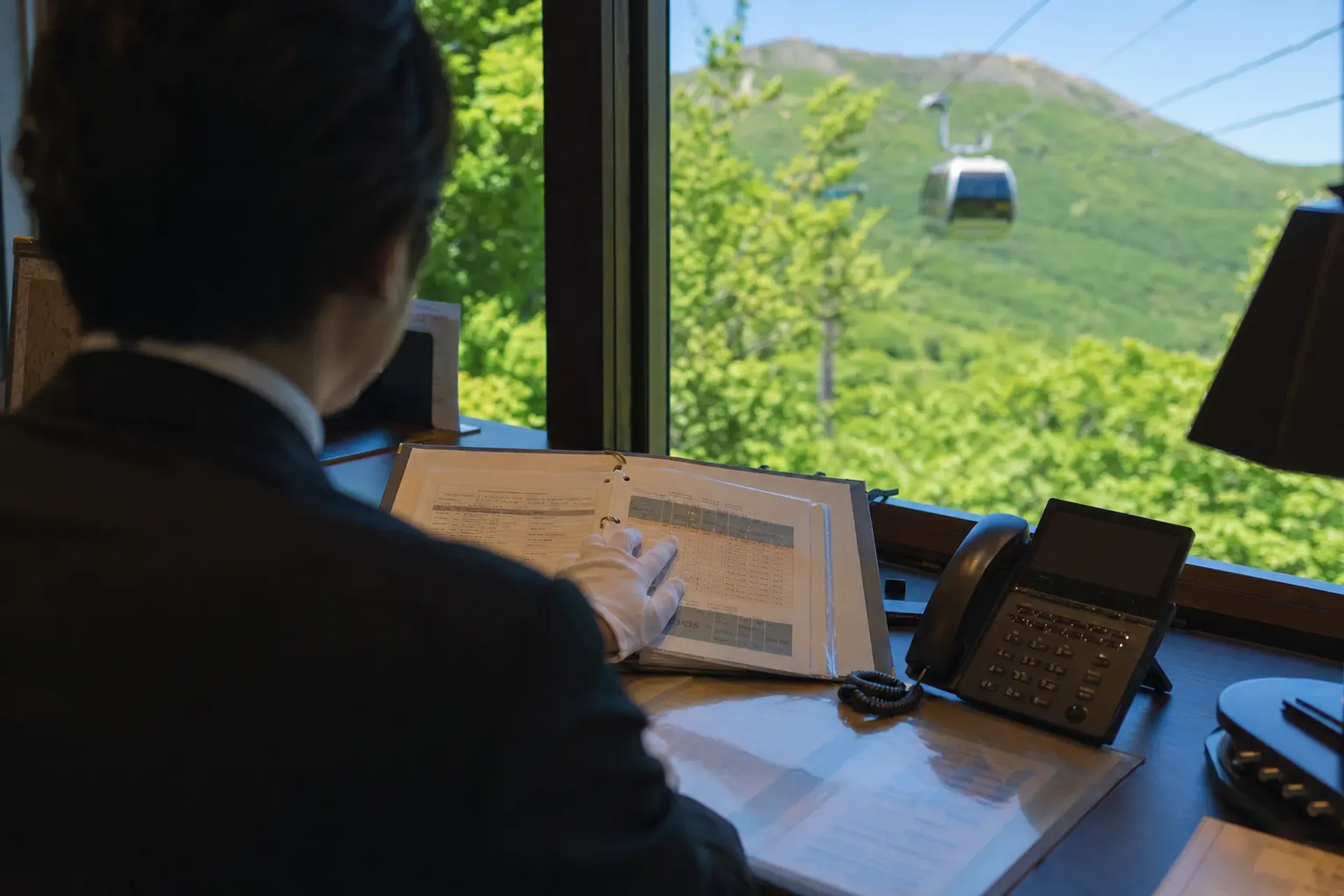
Our concierge team verifies the year's ropeway status closer to your visit. Quiet work, done without fuss — simply checking the operator's latest information so your day begins with the right expectations and none of the unwelcome surprises.
Sesshoseki: The Killing Stone, Sulphur Air, And A Story That Refuses To Fade
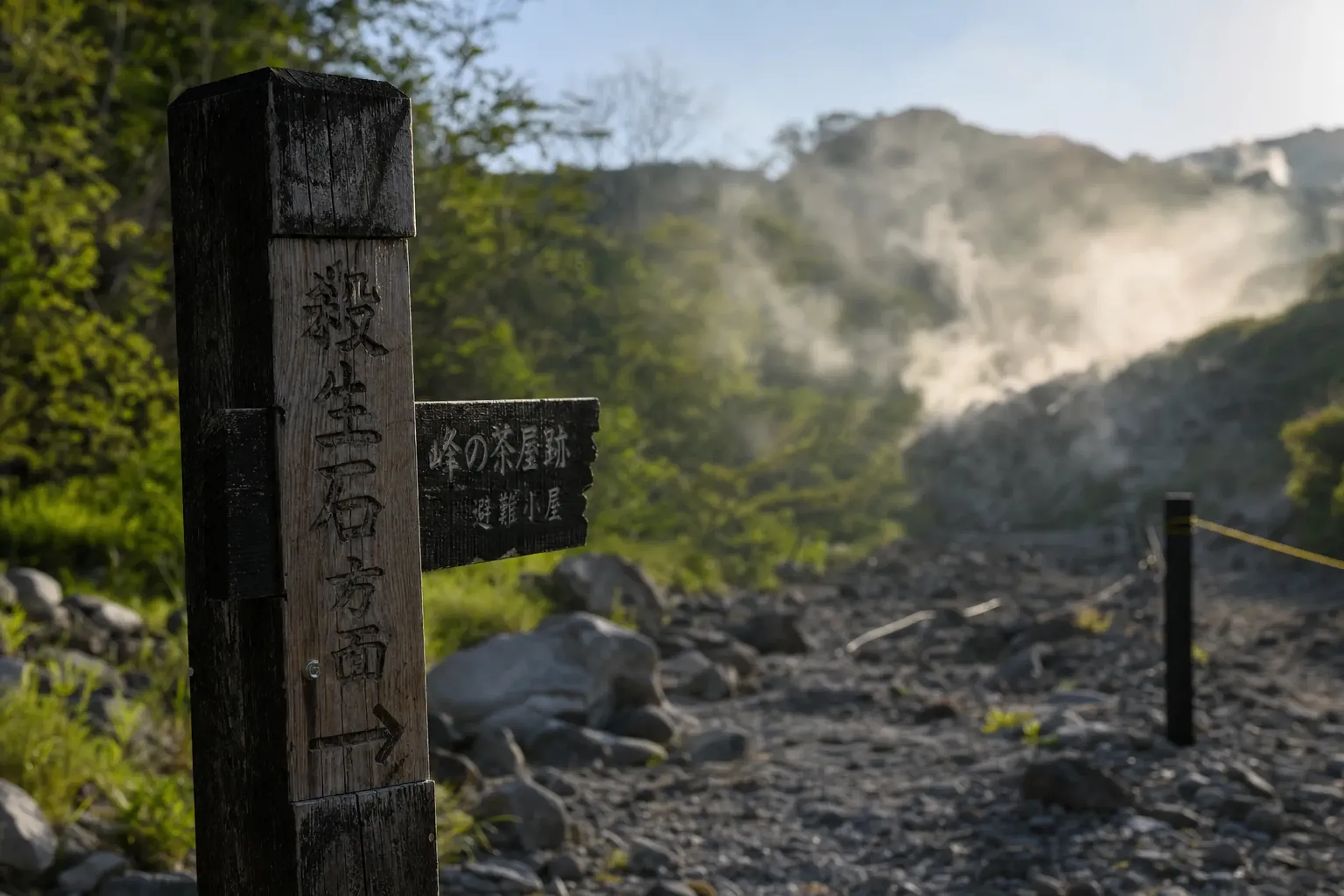
You feel Sesshoseki before you see it. The air shifts. A sulphur smell drifts up from the stream that runs through the stone field near Nasu Yumoto. Grey rock sits in irregular plates, like a shoreline broken and scattered.
Sesshoseki is bound to a legend told with the careful distance of "said to." The story says a nine-tailed fox disguised as the court lady Tamamo no Mae was killed and became a stone that gave off poison gas; the monk Genno is said to have split it. Nasu Town cites a first written record from 1445, and also notes Matsuo Basho's passage here in Oku no Hosomichi — the poet's footsteps still legible in the landscape.
The site is also formally recognized. It was designated a national Place of Scenic Beauty on 18 March 2014 as part of "Scenic Sites of Oku no Hosomichi," as recorded by Nasu Town and the Agency for Cultural Affairs.
The story keeps moving, too. The Nasu Tourism Association reported that the stone split into two in March 2022. When you stand there, the legend feels less like entertainment and more like a local way of speaking about a place that is unmistakably alive.
Follow the on-site signs and any staff directions. Keep your senses open. Then leave it exactly as you found it.
Is Mt. Nasu Dangerous In Summer?
Mt. Nasu is an active volcano, and access rules can change with the Japan Meteorological Agency (JMA) warning level, so you should always check official updates before you go.
As of the JMA monthly report of September 2026, Nasu was at Level 1 (quiet, no sign of eruption), while fumaroles were still observed in the western Chausu area. Level 1 does not mean "nothing can happen." It means conditions are calm enough for normal awareness.
Nasu Town also publishes notices about entry restrictions tied to warning levels, and it states that entry into restricted zones is limited to observers, disaster response, or cases the mayor approves. This is not a mountain where bravado looks good. It looks childish.
Our role is plain. Our team at Japan Royal Service verifies the current volcano alert level and the town's entry-restriction notices ahead of your visit, then shapes the day around what is actually permitted and genuinely sensible — so the decision-making is handled quietly, and well before you ever set foot on the slope.
How Long Does The Mt. Chausu Summit Trail Take From The Ropeway?
From the ropeway upper station, plan about 40 to 60 minutes up to the Mt. Chausu summit, and about 2 to 2.5 hours in total for the round trip with rests.
The ropeway operator's estimate for the climb is 40–60 minutes depending on pace.
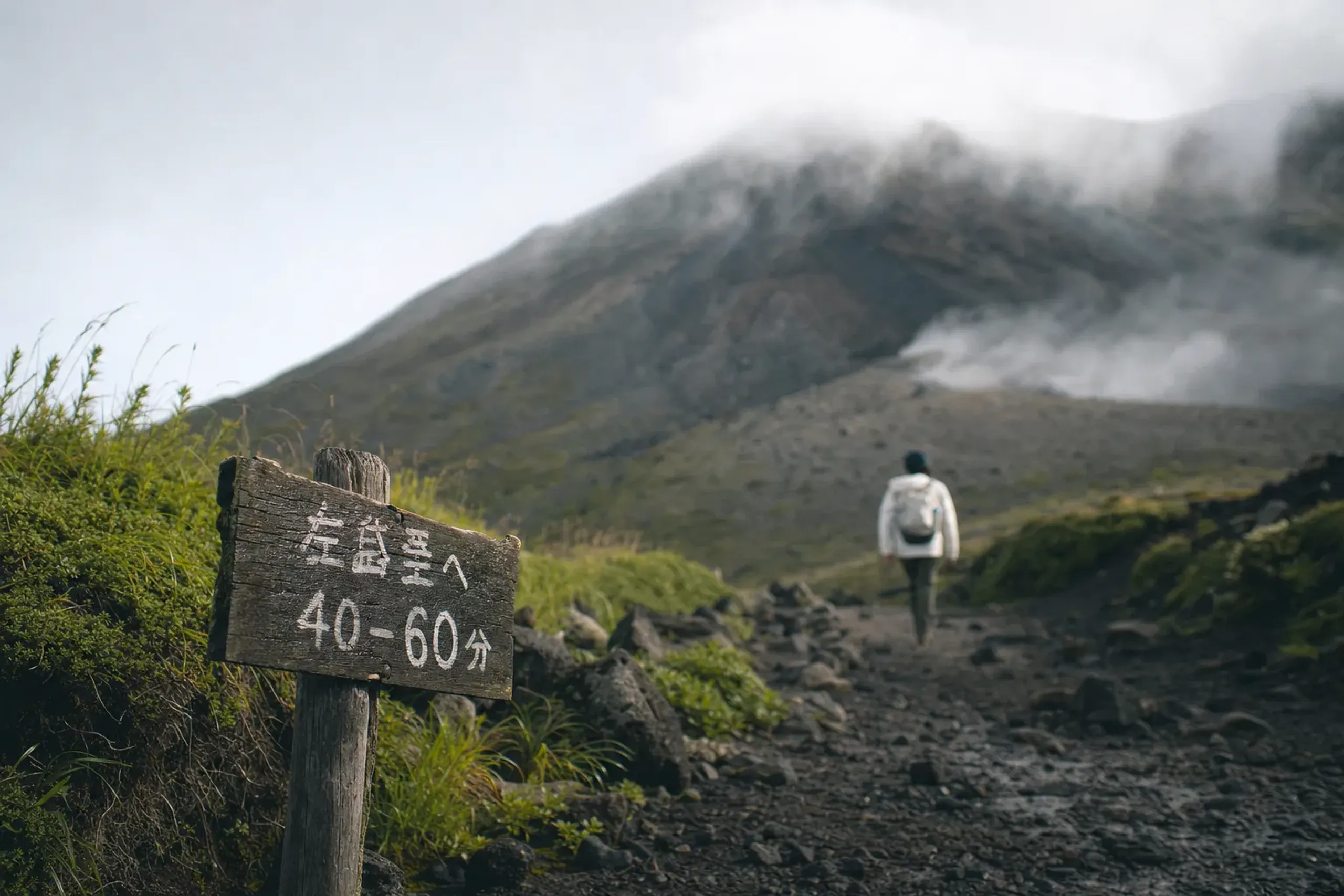
The Ministry of the Environment describes about 50 minutes up and 40 minutes down, and it also references a crater-rim circuit. JNTO notes roughly 40 minutes to the steam vents.
Those numbers hide what matters most. Volcanic terrain slows people who usually move fast. Wind can turn you around without warning. Cloud can erase the view and make the trail feel far longer than it is.
We suggest you bring a light layer, water, and a calm attitude — along with real time margin for the descent schedule. The finest summit photographs come when you are not checking your watch every three minutes.
Nasu Yumoto Onsen: One Line Of History, Right Where The Land Smells Of Sulphur
Nasu Yumoto Onsen sits close to Sesshoseki, and Nasu Town describes it as the oldest of the Nasu Seven Hot Springs, recorded in 738, with a public hot-spring source about 100 meters south of Sesshoseki. There is a particular pleasure in soaking where generations have soaked before — the restraint of old water and old stone, nothing ornamental, nothing forced.
That is enough for planning. You do not need grand promises. You need good timing — especially if you want your day to end quietly rather than in a scramble back to the station.
Highland Walks And Viewpoints: Bentenzuri, Numappara, And Nasu Heisei No Mori
Not every Nasu summer day should be built around the summit.
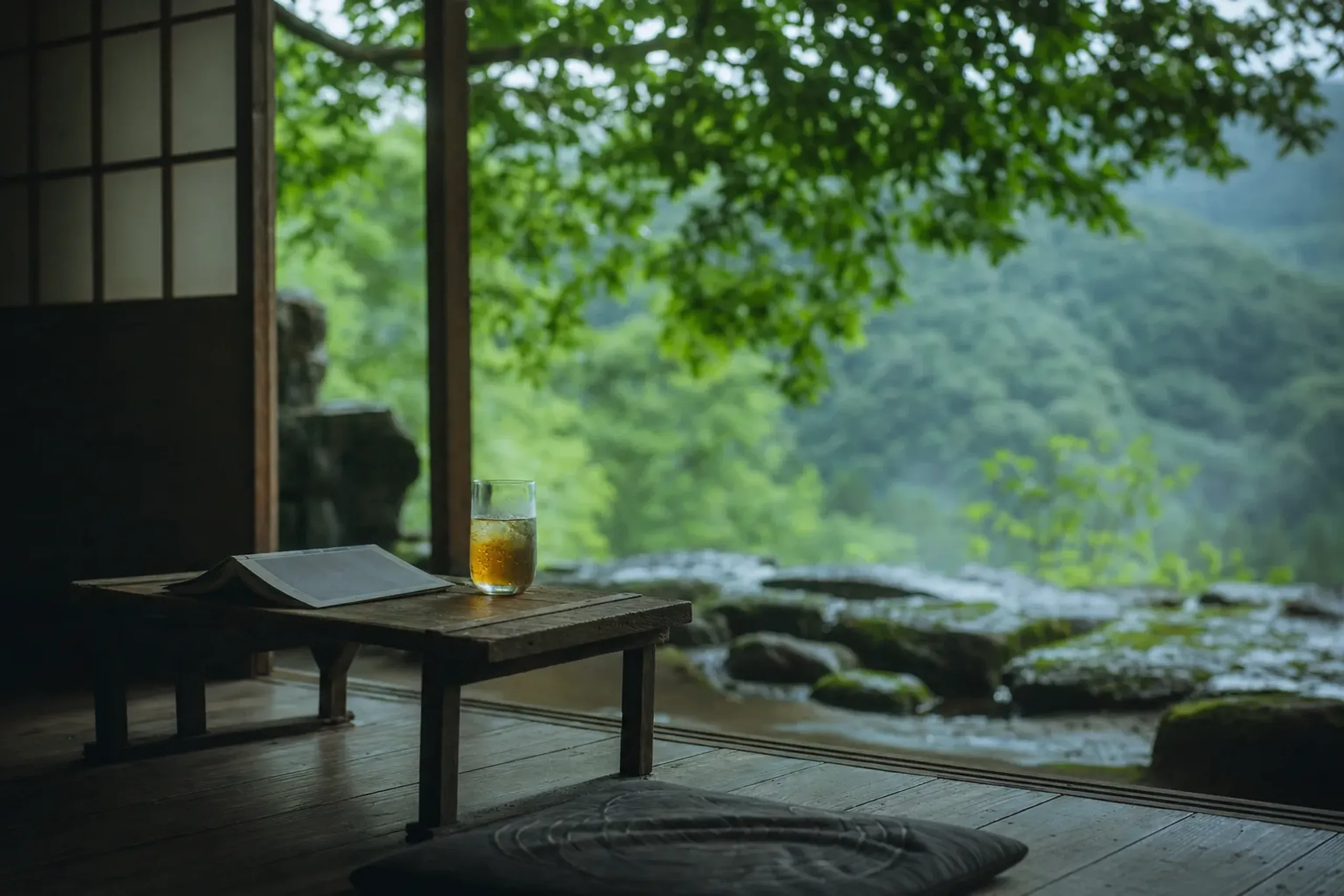
Some days are far better when you stay lower, walk longer, and let the landscape work on you slowly. This is where the highlands feel most generous.
The Nasu Tourism Association highlights a dairy-farming zone at the foot of the range, and viewpoints such as the Bentenzuri footbridge at 1,200 meters. There is also the Numappara sub-alpine wetland at 1,230 meters — a different register of quiet, with open sky and small, close sounds. It is the kind of restrained, moss-and-water stillness that no crowded overlook can offer.
Nasu Heisei no Mori is another anchor, and one with a quiet pedigree. The Ministry of the Environment describes it as about 560 hectares, created from former Nasu Imperial Villa grounds transferred in March 2008 and opened on 22 May 2011. It holds a free general zone and a guide-use zone that requires a reservation — walking land once attached to the imperial estate, now opened to those who know to ask for it.
Keep it simple when you plan. If you summit, choose one calm walk later. If you forgo the ropeway because of weather, take a longer park visit and let the day breathe.
Two Family Stops (Check The Day's Hours)
If you are traveling with children — or with adults who secretly want a lighter afternoon — Nasu Animal Kingdom and Nasu Highland Park are well-known options in the area. Check the day's hours before you go.
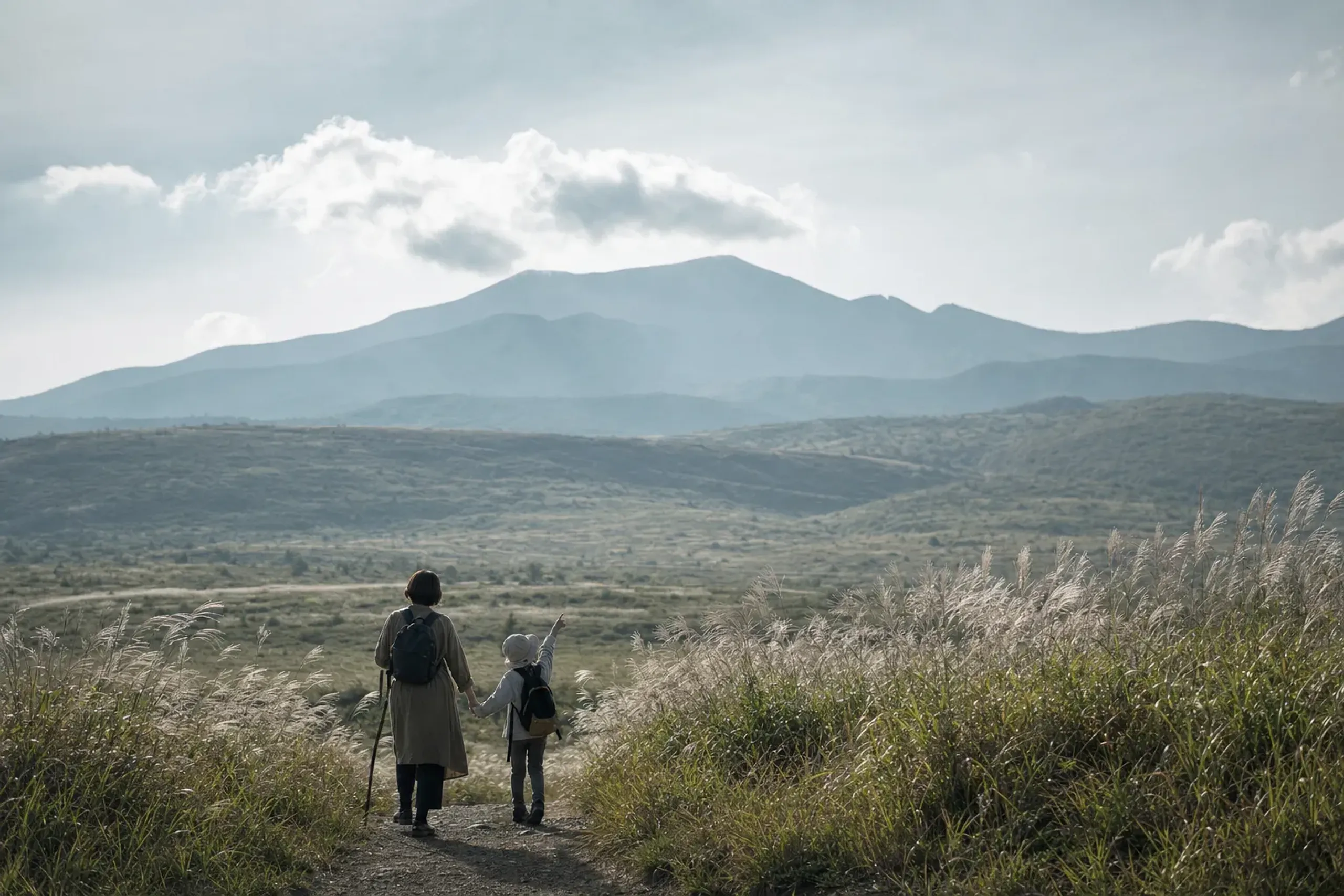
Summer calendars can shift without much notice.
How To Get To Nasu Highlands In Summer (And Why Weekends Change Everything)
You can reach Nasu from Tokyo quickly, then spend the day in air that feels rinsed clean. The key decision is whether you will rely on public transport or plan a car-based day that still respects local traffic controls.
Access by rail is straightforward. The Nasu Tourism Association and JNTO describe Tokyo to Nasushiobara on the Tohoku Shinkansen as about 70 to 75 minutes. From there, Kanto Bus connects you to Nasu Yumoto Onsen in about 45 to 52 minutes, and to the ropeway in about 70 to 77 minutes on the summer timetable example (1 April to 30 November 2026).
Not every bus runs every day. Some ropeway-bound services operate only on weekends, holidays, and around Obon. That single detail matters enormously when you have one day and a fixed return train.
If you travel by car, know this before you commit: the ropeway's lower car park (about 150 spaces) can be closed on summer and autumn-foliage weekends and holidays to manage traffic, according to the ropeway operator. On those days, thoughtful drop-off planning saves the entire morning. This is where a bespoke itinerary quietly proves its worth — the complications are solved before you ever notice they existed.
A Practical Summer Day Timeline From Tokyo (Worked Example)
This is a realistic rhythm for a couple or a small family.
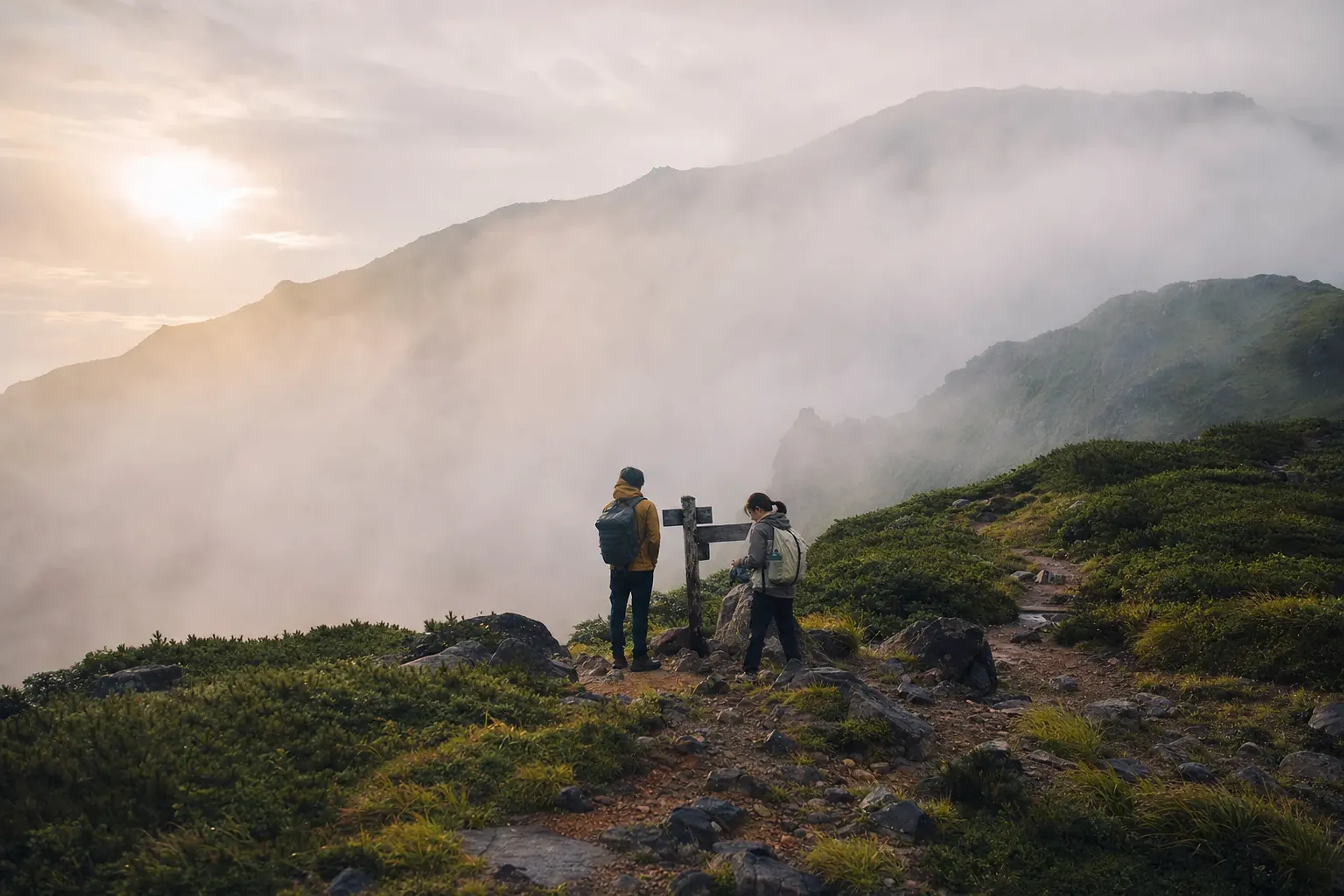
It is not a race. It is a day designed to avoid the worst of the waiting and to keep the mountain's options open.
- Early morning: Tohoku Shinkansen to Nasushiobara (about 70–75 minutes).
- Late morning: Continue by bus toward the ropeway area (about 70–77 minutes), or travel by private transportation for a direct drop-off plan that sidesteps weekend parking complications entirely.
- Midday: Ropeway up, then a summit attempt if conditions hold.
- Afternoon: Sesshoseki visit, then a park walk such as Nasu Heisei no Mori.
- Evening: Return to Nasushiobara for your train back to Tokyo.
Our team keeps one rule above all others: if the weather turns, we pivot early. Waiting out thunder on a volcano is not a "romantic delay." It is simply wasted time — and your time is the one thing we treat as irreplaceable.
Plan Your Nasu Summer In Confidence
Nasu rewards those who read the season correctly and move with it — knowing which cabin to ride, which stone field to walk, and when the highland wind is at its coolest. That sense of perfect timing, handled discreetly on your behalf, is what turns a good summer day into one you will keep. To shape your own quiet day among the steam vents, the Killing Stone, and the former imperial grounds, contact us here, and we will prepare a tailored proposal built entirely around how you prefer to travel.