In this guide
- 01How Do Japan’s Five National Treasure Castle Keeps Line Up On One Trip?
- 025-Day Route: The Central Four (Himeji, Hikone, Inuyama, Matsumoto)
- 037-Day Route: Add Matsue As A Dedicated Spur (And Accept The Long Return)
- 0410-Day Route: All Five Keeps With Room To Breathe
- 05Car Or Rail For Each Leg Of A National Treasure Castle Route?
- 06What Changes In 2026–2027 For National Treasure Castle Planning?
- 07How Japan Royal Service Designs A National Treasure Castle Circuit (Without Turning It Into A Checklist)
- 08Closing Thoughts
Five keeps. One map problem.
If you want to see Japan’s National Treasure castle keeps—Himeji, Hikone, Inuyama, Matsumoto, and Matsue—the hard part is not choosing them. It’s sequencing them without losing days to friction: luggage, station transfers, and the one outlier that refuses to sit on the same line.
This planning guide gives you three routes (5, 7, and 10 days) and, for each leg, the single question that matters: is rail doing the heavy lifting today, or does a private vehicle earn its place off the timetable?
Our team at Japan Royal Service uses the same method when we shape a tailor-made itinerary: leg-by-leg judgment, not blanket rules. Quietly precise. Discreet by default.
How Do Japan’s Five National Treasure Castle Keeps Line Up On One Trip?
They form a west-to-east spine—Himeji, Hikone, Inuyama, Matsumoto—while Matsue sits far to the west and demands a dedicated spur.
On the map, four of the five keeps behave like a circuit. Himeji is the western anchor on the Sanyo corridor. Hikone sits near Lake Biwa on the Tokaido corridor. Inuyama is reached via Meitetsu Railway from the Nagoya side. Matsumoto pushes you inland into Nagano Prefecture via limited express routes.
Matsue changes the whole rhythm. It is the only one that does not “slot in” between the others. Tokyo to Matsue is about 7 hours by daytime rail with a change at Okayama, which means you feel the distance in your calendar, not just on a rail map.
This is why route design matters more than castle count.
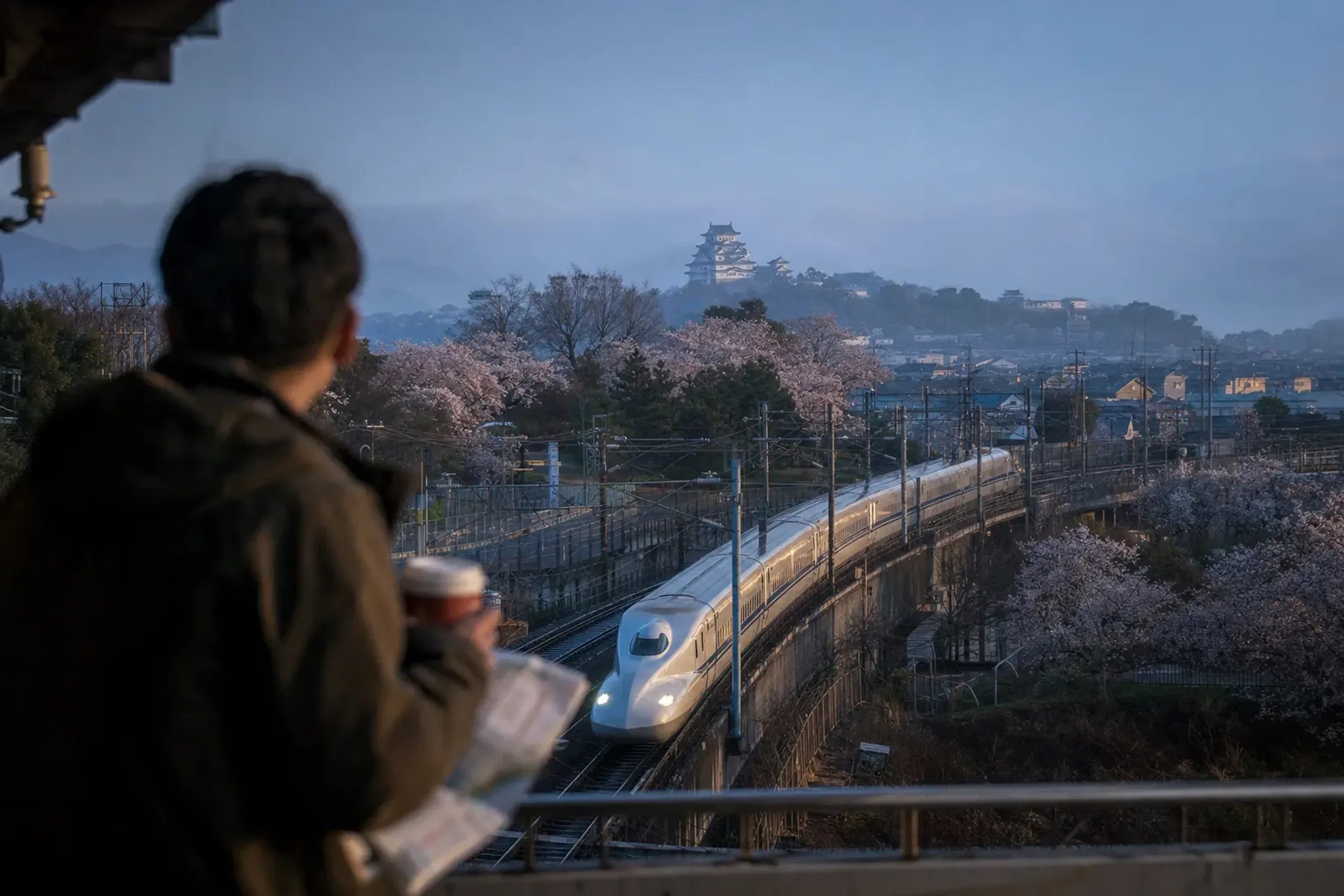
With four castles, you can keep moving in one direction. With five, you must choose where the Matsue spur belongs and accept that the return from Matsue is one of the longest legs of the trip.
We also plan around simple, physical truths. Each castle repays about half a day if you want time for the climb, a slow circuit, and unrushed photography. Trying to “collect” two keeps back-to-back can be fine for some pairs, and a sour choice for others. Pace is the real luxury.
5-Day Route: The Central Four (Himeji, Hikone, Inuyama, Matsumoto)
This is the cleanest line. No detours.
You start in Kyoto or Osaka, push west to Himeji, then move east in measured steps: Hikone, Inuyama, and finally Matsumoto, before departing toward Tokyo.
Day-By-Day (5 Days)
- Day 1: Arrive Kyoto/Osaka.
- Day 2: Himeji (overnight in the Kyoto/Osaka area, or position for the next leg).
- Day 3: Hikone.
- Day 4: Inuyama (Nagoya area as a practical base).
- Day 5: Matsumoto, then depart for Tokyo from Matsumoto.
Why This Order Works
It respects geography. You’re not zig-zagging across Honshu. You’re making one long, satisfying traverse, which reduces the “packing and unpacking” fatigue that makes even a luxury trip feel thin.
Rail carries the long distance moves well on this route. From Kyoto Station, some shinkansen services reach Himeji in about 44 minutes, while others take about 56. From Kyoto to Hikone, a direct JR special rapid takes about 50 minutes, or you can go about 30 minutes by shinkansen to Maibara with a short connection.
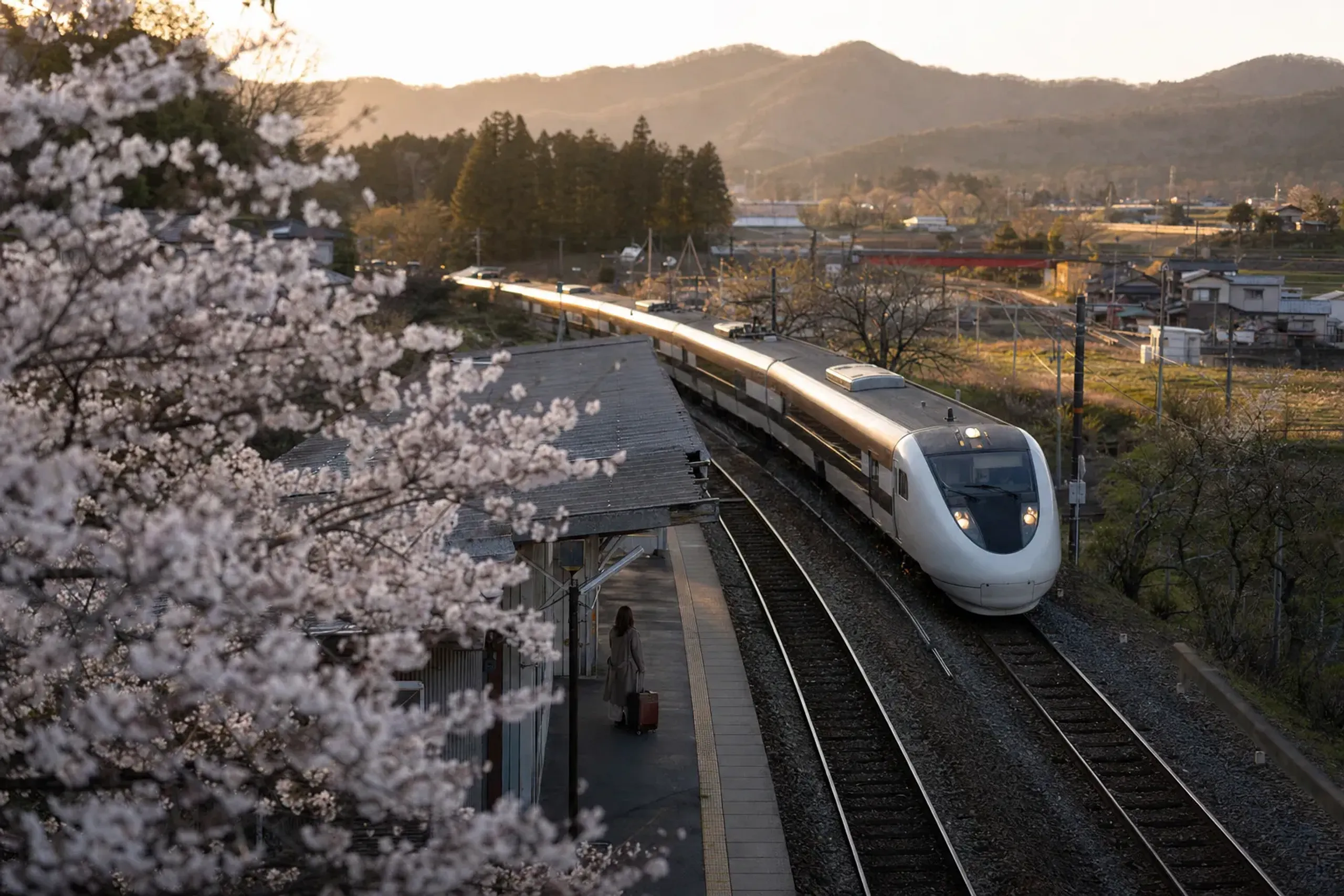
Inuyama stays simple because Meitetsu Railway serves Inuyama Station and Inuyama-Yūen Station, and the castle is a 15–20 minute walk from either. Walkable matters. It means you can keep the day light, even if you choose to travel with minimal support.
Matsumoto ends the route with a deliberate change of texture. From Tokyo, it’s about 2 hours 40 minutes to 3 hours on the Azusa. From Nagoya, it’s about 2 hours 10 minutes on the Shinano limited express, roughly hourly. Either way, it is a “commitment” stop that rewards you if you give it daylight.
Where A Private Vehicle Helps On This Route
A vehicle is not an automatic upgrade here. Big mistake, if you treat it that way.
It earns its place when you care about starts and finishes: early entry, a calm lunch window, and avoiding a rushed run back to a platform with souvenir bags and a coat you didn’t plan to carry.
In our experience at Japan Royal Service, the most common HNW preference is a split approach: rail for the fast intercity legs, and a private transportation day allocation where luggage handling and door-to-door pacing matter more than raw speed.
7-Day Route: Add Matsue As A Dedicated Spur (And Accept The Long Return)
This route adds Matsue by giving it space, then swinging back east to rejoin the central line.
You can do it without making the trip feel like a transit story.
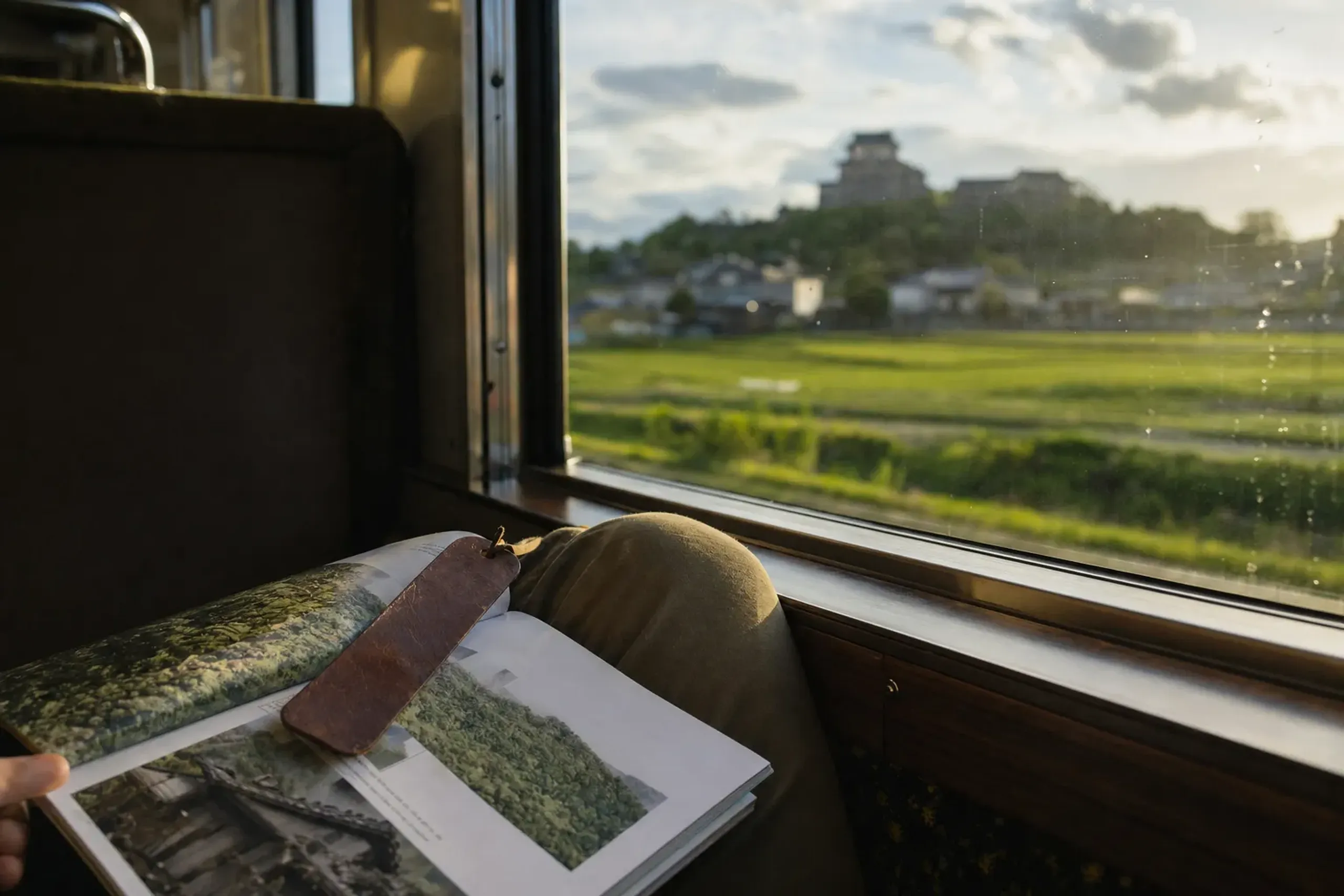
The trick is to treat Matsue as its own chapter and plan your return leg as the structural “cost” you knowingly pay for the fifth keep.
Day-By-Day (7 Days)
- Day 1: Arrive Kyoto/Osaka.
- Day 2: Himeji.
- Day 3: Transfer west to Matsue (rail via Okayama, or fly as the alternative).
- Day 4: Matsue.
- Day 5: Long return east to Hikone.
- Day 6: Inuyama (Nagoya area as base).
- Day 7: Matsumoto, then continue toward Tokyo.
The Matsue Spur: Rail Vs Air (What You’re Really Choosing)
By rail, Matsue is commonly approached from Okayama on the Yakumo limited express in about 2.5 hours, roughly hourly. From Tokyo, daytime rail to Matsue is about 7 hours with a change at Okayama. That is a long day, even if you ride in comfort.
By air, the broad outline changes: it’s about 90 minutes from Haneda to Izumo Airport, then about 30 minutes by bus to Matsue. It’s not “faster” in a simplistic way because airports add their own rituals. It is, however, a different kind of effort, and some guests prefer to swap long seated rail time for a shorter flight and a steadier arrival.
Key fact: Matsue is far west of the other four and is the only keep that truly needs a dedicated spur.
Where The Luxury Lives On This Route
Not in speed. In control.
With Matsue, the trip can feel “tight” if you force same-day arrival and a full castle visit. Our concierge team typically shapes the day so your castle time remains intact, even when the travel leg is long, and confirms practical details directly with you at the time of arrangement.
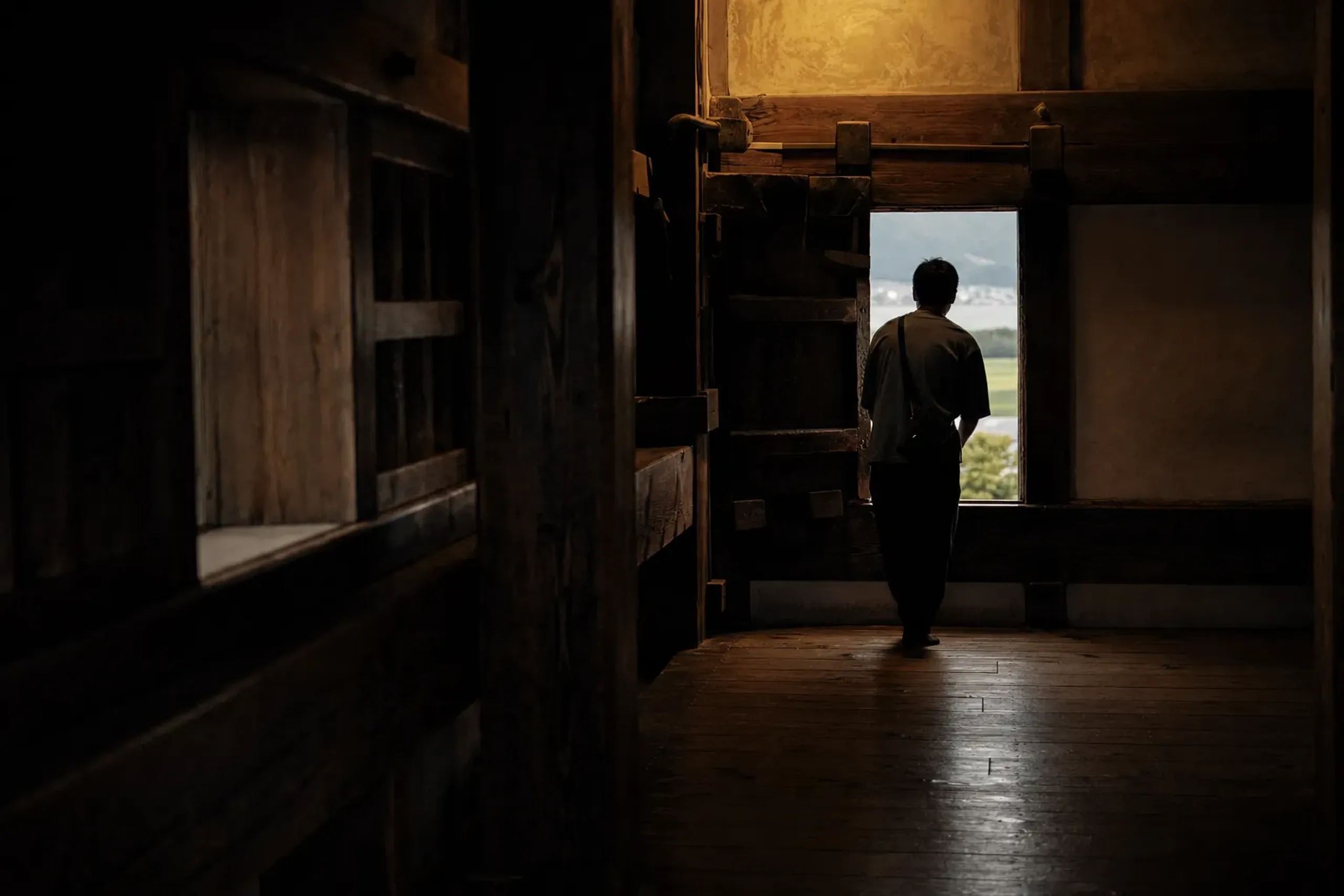
This is also where discretion becomes real, not rhetorical. High-profile guests often want predictable entries, minimal public negotiation at transport counters, and an itinerary that does not circulate beyond the people who must know it. That is standard operating posture at Japan Royal Service.
10-Day Route: All Five Keeps With Room To Breathe
This is the route for travelers who want the castles, but also want the trip to feel like Japan, not an assignment.
We use the 7-day sequence as the spine, then add days that protect the experience: one calm day at the start, one extra night where it removes pressure, and a full day in Matsumoto so you don’t treat it as a transit stop.
Day-By-Day (10 Days)
- Day 1: Arrive Kyoto/Osaka.
- Day 2: Kyoto day (no castle planned).
- Day 3: Himeji.
- Day 4: Transfer west to Matsue (rail via Okayama, or fly as the alternative).
- Day 5: Matsue.
- Day 6: Buffer day around Matsue or the return leg (keeps the schedule humane).
- Day 7: Return east to Hikone.
- Day 8: Inuyama (with an extra night in the Nagoya/Inuyama area).
- Day 9: Matsumoto (full day).
- Day 10: Flexible non-castle stop you choose, then onward travel.
Why The Extra Days Matter
The spare days don’t exist for indulgence. They exist to prevent compromises.
When you compress this circuit, you start making small, expensive mistakes: arriving late and climbing tired, rushing a castle town walk because your luggage is waiting, or taking the first available train rather than the right one for your energy level.
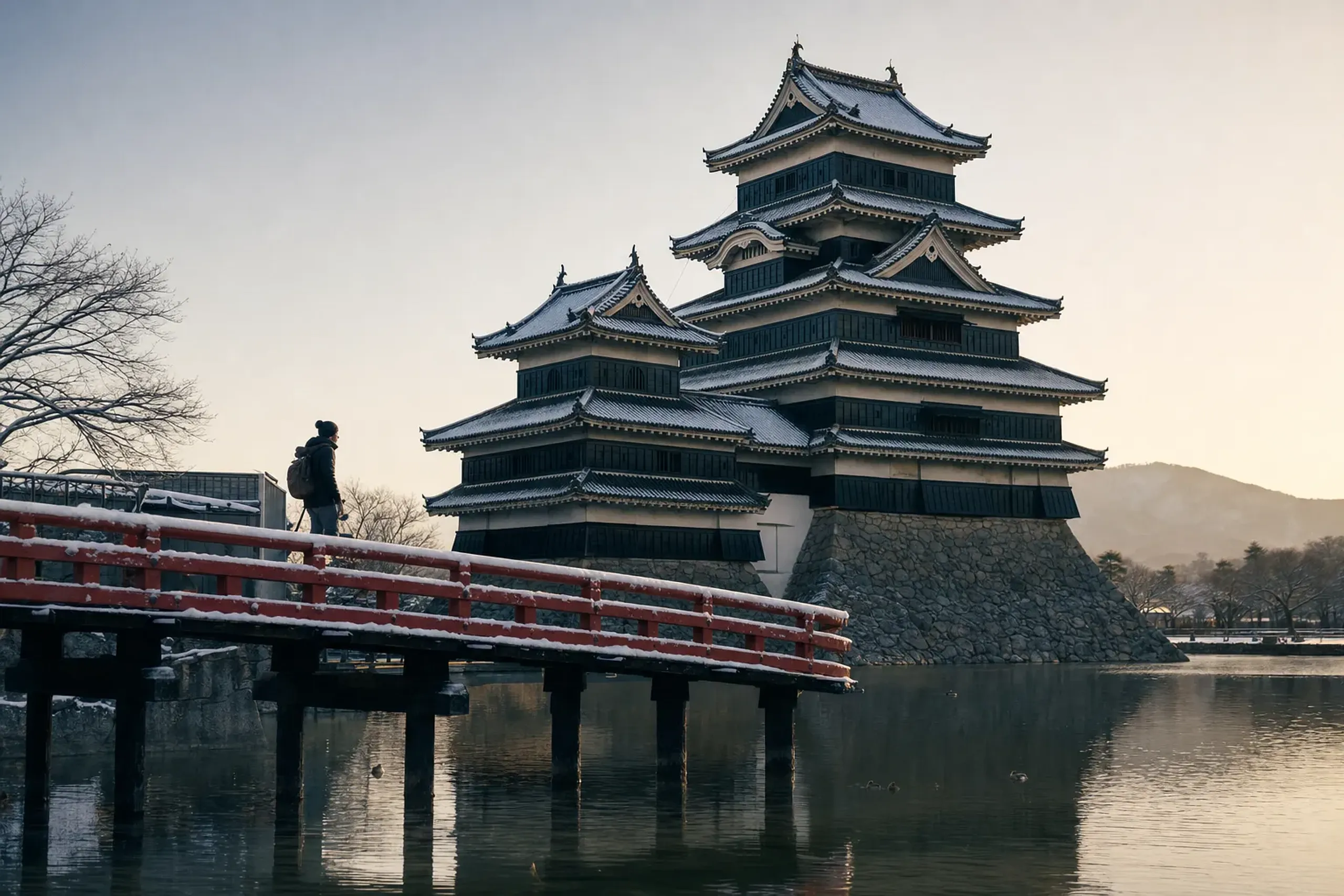
A 10-day plan also allows what we call “quiet margin.” If weather turns sharp, or a platform transfer feels too tight with bags, you still keep your core structure. No drama. That restraint fits a wabi-sabi travel philosophy: less forcing, more acceptance of how a day actually unfolds.
Car Or Rail For Each Leg Of A National Treasure Castle Route?
Rail is usually strongest between major cities; a private vehicle is most valuable between stations, hotels, and castle approaches when luggage and timing matter.
Below is the leg-by-leg framework we use. It stays honest about what rail does well in Japan, and why a vehicle can still change the feel of a day even when it does not change the headline travel time.
| Leg / Moment | Rail Reality (Verified Times Where Available) | When A Private Vehicle Earns Its Place |
|---|---|---|
| Kyoto → Himeji | Shinkansen: about 44 minutes on some services, about 56 on others. | Hotel-to-station timing, luggage handling, and keeping the day calm if you want a later return. |
| Himeji Station → Himeji Castle | About a 20-minute walk. | If you want to arrive fresh for stairs, or you have bags and prefer a direct drop-off rhythm. |
| Kyoto → Hikone | Direct JR special rapid about 50 minutes; or shinkansen about 30 minutes to Maibara plus a 4-minute connection. | Early starts, controlled pacing, and avoiding tight connections when traveling with more than hand luggage. |
| Osaka → Hikone | Direct special rapid about 90 minutes; or about 45 minutes by shinkansen via Maibara. | When you want a door-to-door day tour feel instead of a station-to-station day. |
| Tokyo → Maibara (For Hikone) | Tokaido Shinkansen: a little over two hours. | Useful mainly if your priority is luggage and privacy from hotel through the day’s final arrival. |
| Inuyama Station / Inuyama-Yūen Station → Inuyama Castle | 15–20 minute walk from either station. Meitetsu Railway serves both. | Less about speed, more about arriving with zero friction and keeping hands free for photos. |
| Tokyo → Matsumoto | Azusa: about 2 hours 40 minutes to 3 hours. | A vehicle matters if you want to control day-start logistics and avoid carrying luggage through stations. |
| Nagoya → Matsumoto | Shinano limited express about 2 hours 10 minutes, roughly hourly. | Helpful when the day includes an early departure or a late arrival and you want steadier transitions. |
| Okayama → Matsue | Yakumo limited express about 2.5 hours, roughly hourly. | Most value appears around station transfers and luggage, not on the long rail leg itself. |
| Haneda → Izumo Airport → Matsue | Flight about 90 minutes; bus about 30 minutes to Matsue. | If you prefer a shorter seated journey and a predictable arrival cadence, especially on a tight 7-day plan. |
Two small walking facts change how the days feel.
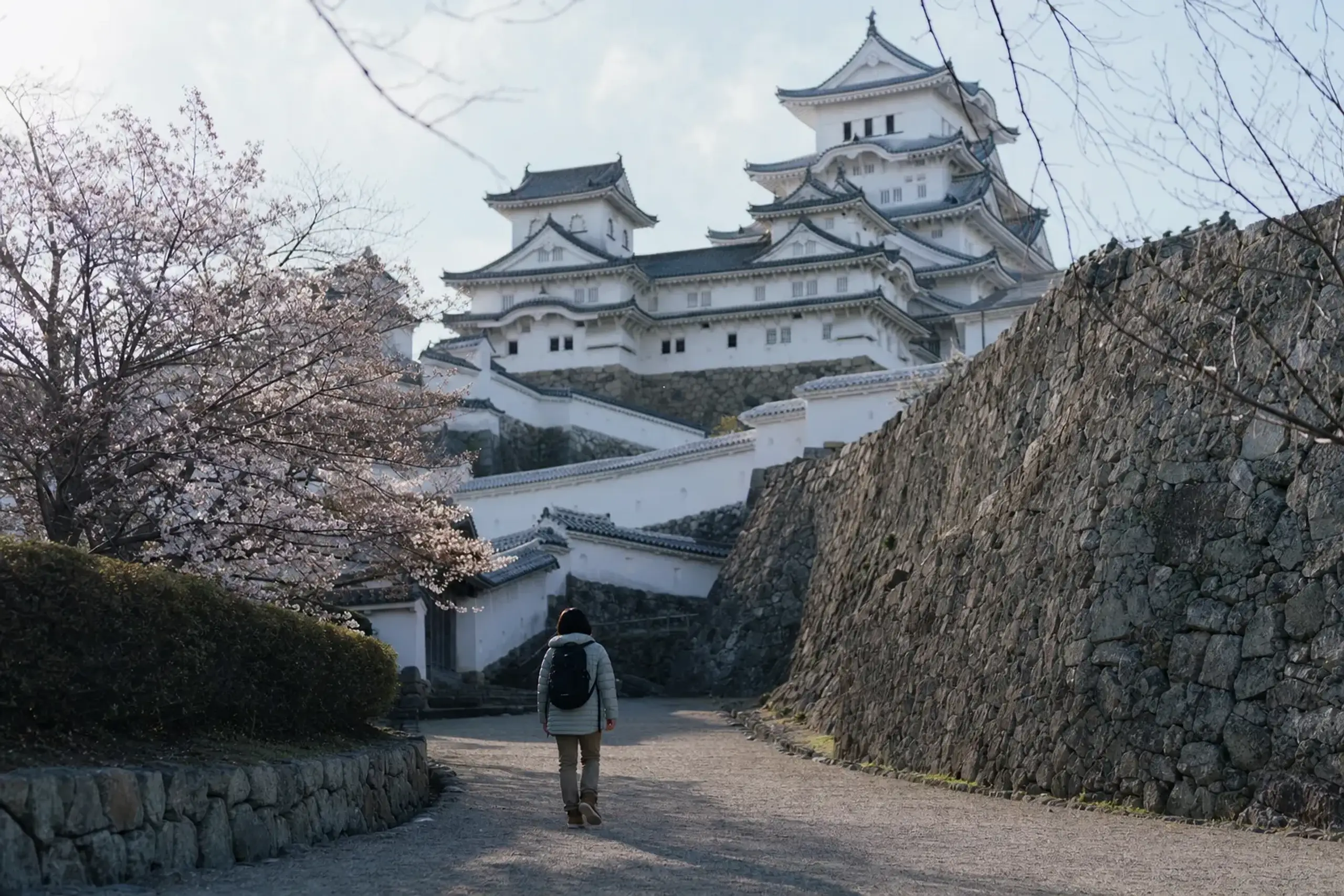
Himeji Station to the castle is roughly a 20-minute walk. Inuyama Castle is also a 15–20 minute walk from either Inuyama Station or Inuyama-Yūen Station.
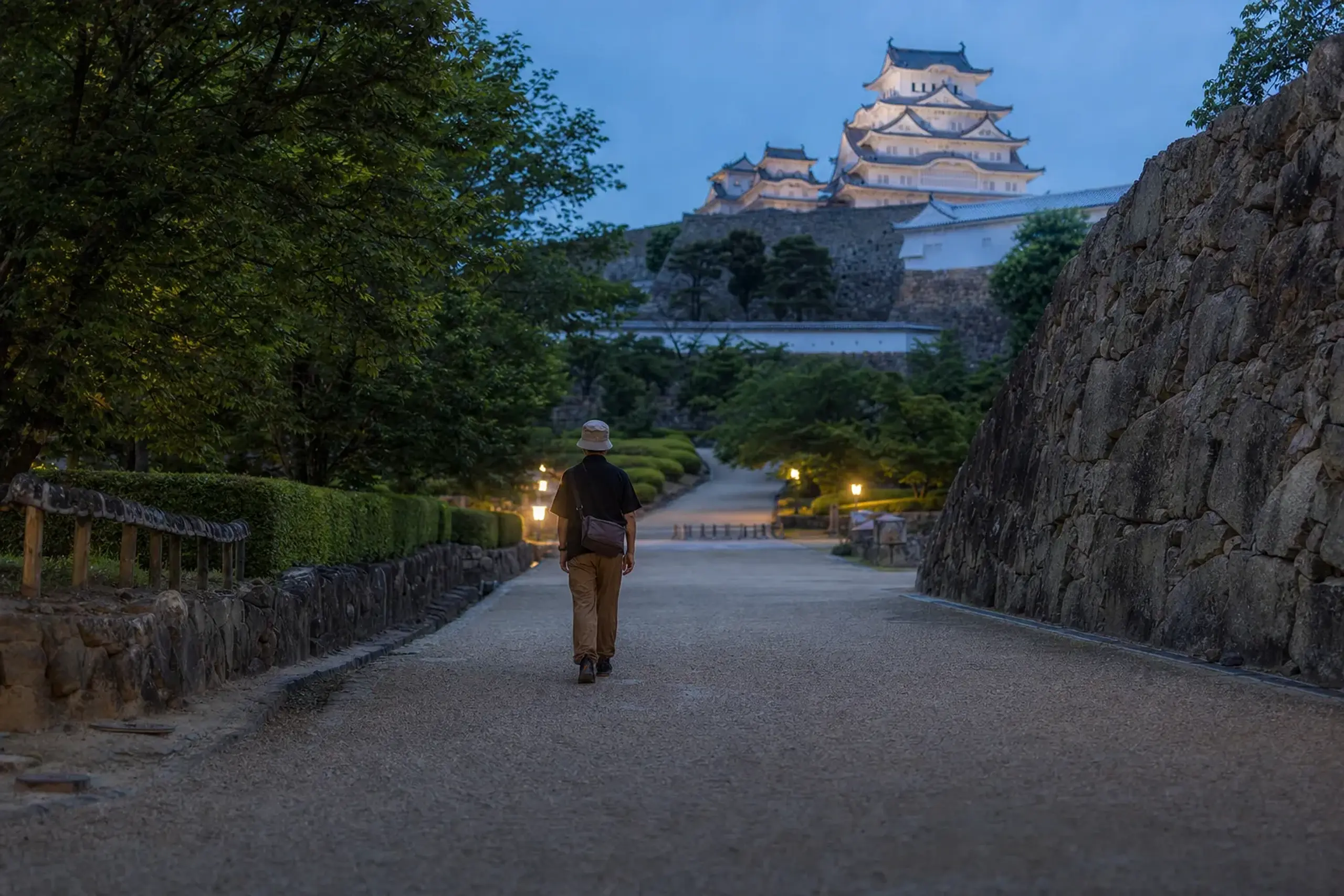
If you enjoy walking, you can keep things simple; if you want a more protected pace, a vehicle becomes a “day texture” choice.
One more nuance. Inuyama Castle is also one of twelve “original castles,” meaning its main keep survived intact since the end of the feudal era. That detail matters because it hints at the steep, narrow stairs you should expect. A calm arrival helps you climb well.
What Changes In 2026–2027 For National Treasure Castle Planning?
Several published updates affect timing, tickets, and night viewing in 2026–2027, especially at Himeji, Matsue, and Matsumoto.
These are not “nice to know” details. They can reshape your day plan, especially if you’re aiming for evening illumination or you prefer to pre-plan tickets and entrances.
Himeji: Ticket Update And A Spring Night Window
As of the Himeji City Himeji Castle usage guide updated Aug 27, 2026, general admission for adults (18+) is 2,500 yen, and a combined ticket for Himeji Castle + Koko-en is 2,600 yen. The same official page also references an English guided tour offering.
If you are traveling in late March to early April, the official events listing includes “Himeji Castle Nighttime Cherry Blossom Light Up” dated March 27, 2026 to April 5, 2026. That date range is useful because it allows you to plan a day that is not only about the keep, but also about timing your viewing for a different kind of light.
Matsue: Revised Fees And A Clearly Dated Spring Festival
Matsue Castle’s official user guide states that from July 1, 2026, fees are revised; adult Tenshu admission is 1,200 yen and elementary/junior high students are free.
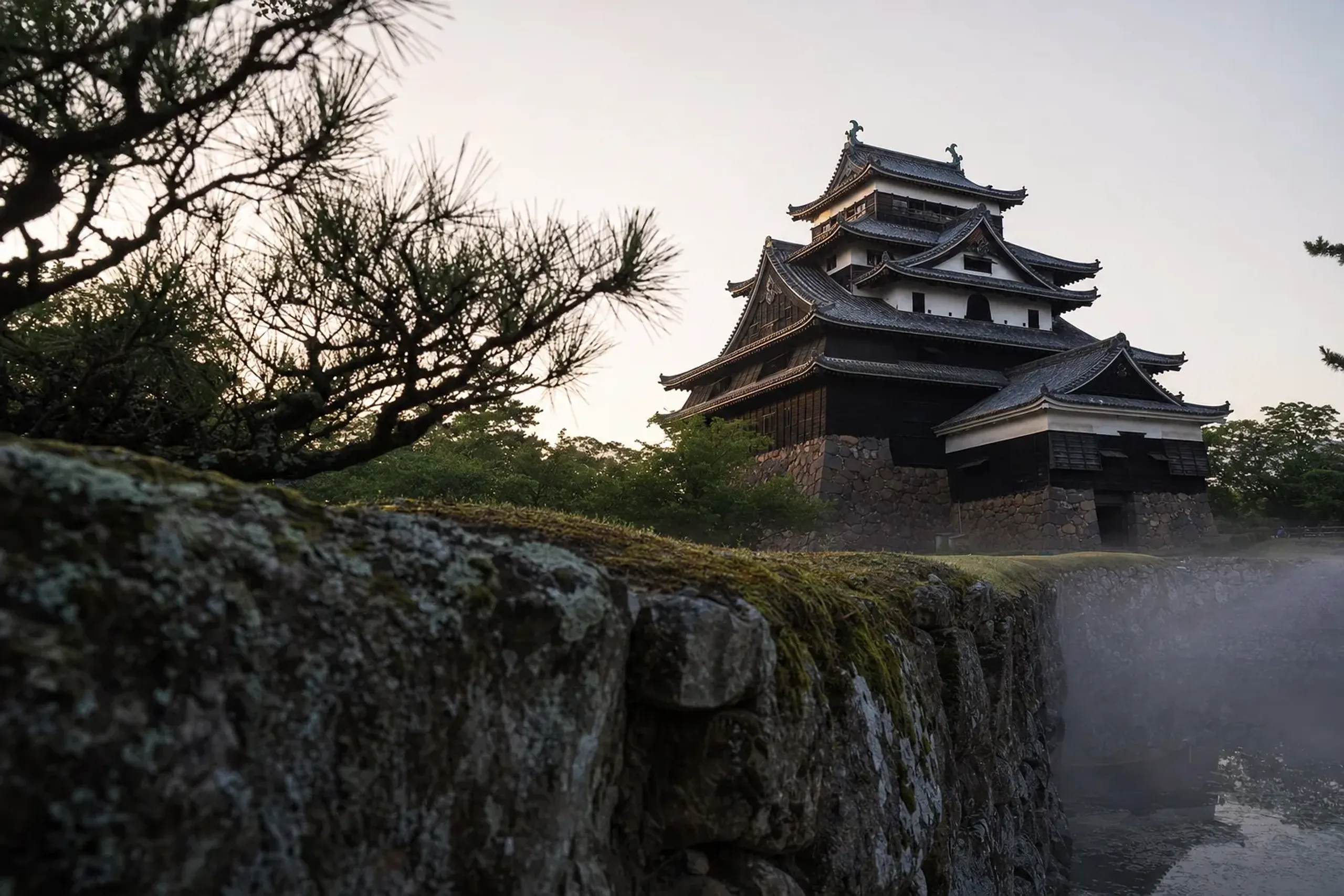
It also publishes a seasonal opening-hour schedule, which our concierge team incorporates when we shape a day plan with you.
For spring travel, Matsue Castle’s official festival page lists Oshiro Matsuri dates for 2026 as March 25 (Wed) through April 8 (Wed), with Honmaru open until 21:00 and illumination 18:00–21:00. If you are considering a 7-day plan, these hours can justify the Matsue spur because they let you experience the site beyond a standard daytime visit.
Matsumoto: Timed-Entry E-Tickets And Winter Projection Mapping
Matsumoto Castle’s official English page lists regular opening hours as 8:30 a.m.–5:00 p.m. (last entry 4:30 p.m.) and shows timed-entry e-ticket pricing versus on-site paper ticket pricing. It also states in its official FAQ that the Tenshu remains as built and therefore no barrier-free renovations have been done, and that pets are forbidden in paid admission areas.
If you travel in winter, Matsumoto City’s official tourism site lists “Matsumoto Castle Projection Mapping 2026–2027” from Dec 12, 2026 to Feb 14, 2027, 18:00–22:00, and states admission is free. That is a rare case where your daytime castle visit can be paired with a night program on the same site, without turning the day into a sprint.
How Japan Royal Service Designs A National Treasure Castle Circuit (Without Turning It Into A Checklist)
We build the route around your pace, then assign the right tools to each day: rail where it excels, and private vehicle days where timing and luggage would otherwise erode the experience.
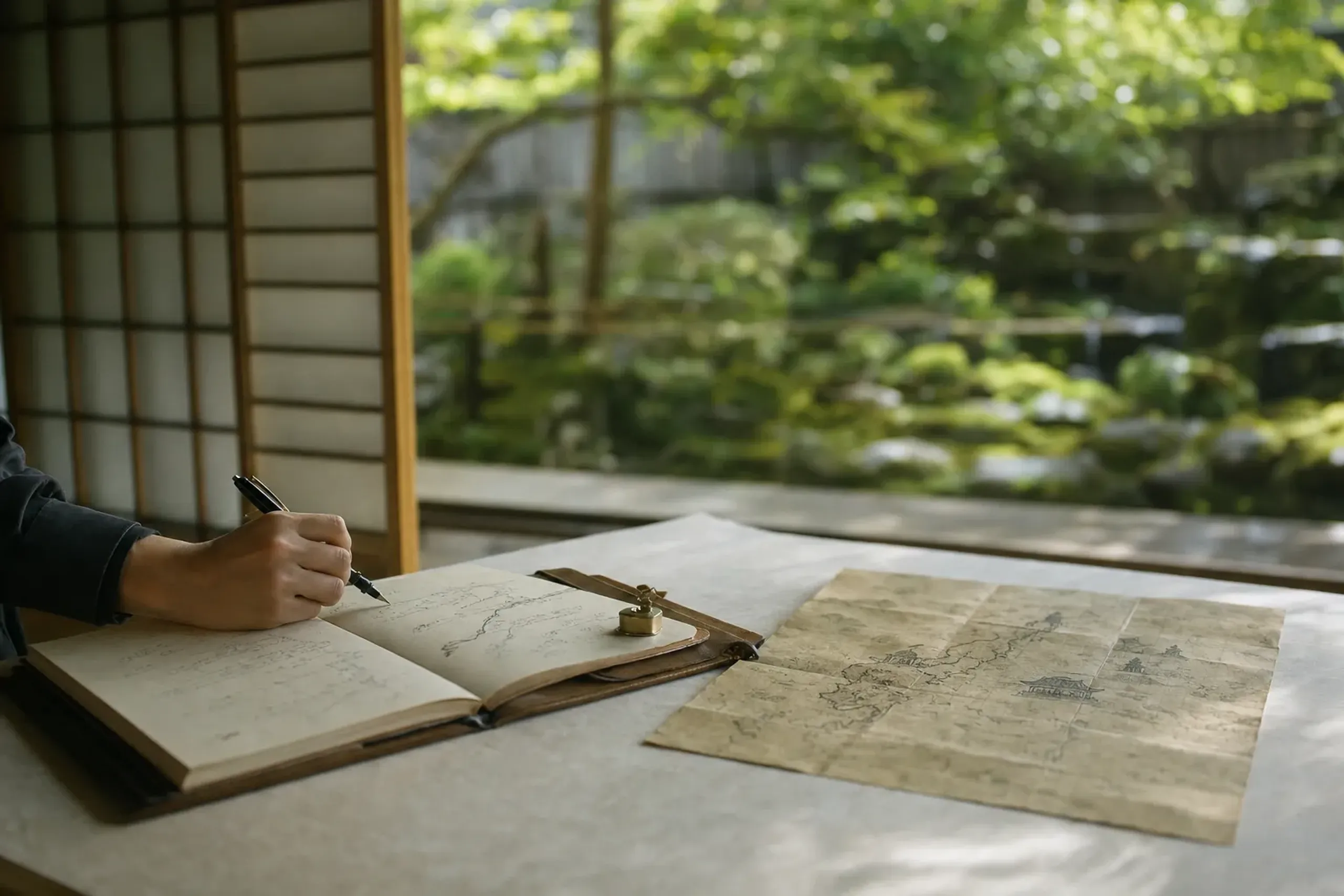
Our model is intentionally clear. We can coordinate transport (partner-supplied private vehicle with an English-speaking driver, or rail), guiding at the castles, and lodging near each stop. The driver and the guide are separate roles. That separation is not a detail—it’s what keeps the day smooth when you want to linger, ask sharper questions, or adjust timing without making anyone hurry.
We also plan for “Hidden Japan” inside a very well-known theme. Not by inventing exclusivity at the castle gate, but by choosing the quieter lines around it: the street that avoids a crush, the hour that buys you space on the stairs, the small craft encounter with a shokunin that fits naturally after a keep climb rather than feeling bolted on.
Discretion sits underneath all of it. Your identity, your schedule, and even your preferred pacing stay within a tight circle. If you have security sensitivities, or simply value a low profile, we plan accordingly and keep the trip’s footprint minimal.
Closing Thoughts
If you have 5 days, treat the central four as a clean west-to-east line. If you have 7, add Matsue and plan for the long return. If you have 10, protect the experience with margin so the circuit feels composed.
For private coordination, reach our team at Japan Royal Service privately via WhatsApp or LINE, or contact us here.