In this guide
- 01Why Water Decides The Style Of Sake
- 02Niigata: Soft Snowmelt And The Clean, Dry Style
- 03Nada: Hard Miyamizu Water And The Bold Otoko-Zake Tradition
- 04Saijo: Soft Water That Wasn't Supposed To Work
- 05The Same Three Questions, Asked Of Every Region
- 06How To Combine A Sake Region With A Wider Trip
- 07What You Actually Learn By Tasting Across Regions
- 08Frequently Asked Questions
- 09Why Choose Japan Royal Service
Most travelers arrive in Japan believing sake is one drink with a quality ladder to climb. Find the good bottle, they think, and you have found the target. That framing is wrong. Sake is better understood as several fundamentally different traditions, and the biggest reason they diverge is water.
Three regions make the point cleanly: Niigata, Nada in Hyogo, and Saijo in Hiroshima. Each draws on different water, pairs it with different rice, and ends up with a genuinely different drink. Not a matter of taste, not marketing. Structure. Once you taste them side by side, sake stops being a single thing you rate and becomes a craft you read.
Why Water Decides The Style Of Sake
Water changes sake because it changes fermentation. Hard water, rich in minerals like calcium and magnesium, feeds yeast aggressively and pushes fermentation fast and strong. Soft water, low in minerals, slows the process down. The result is that hard-water regions tend toward bold, dry, structured sake, while soft-water regions produce something lighter and gentler.
Rice matters too, and so do the people and the yeast. But water is the through-line that explains, in one variable, why a bottle from Kobe tastes so unlike a bottle from Niigata. This is the same lesson our team keeps returning to: to understand a Japanese object, follow the material back to its source. We explore that logic in our piece on visiting the farm behind the plate. Water is sake's source. Start there.
The short version: Hard water builds bold, dry sake. Soft water builds clean, gentle sake. Same drink category, structurally different results.
Niigata: Soft Snowmelt And The Clean, Dry Style
Niigata's water comes largely from mountain snowmelt and is nearly free of minerals — very soft.
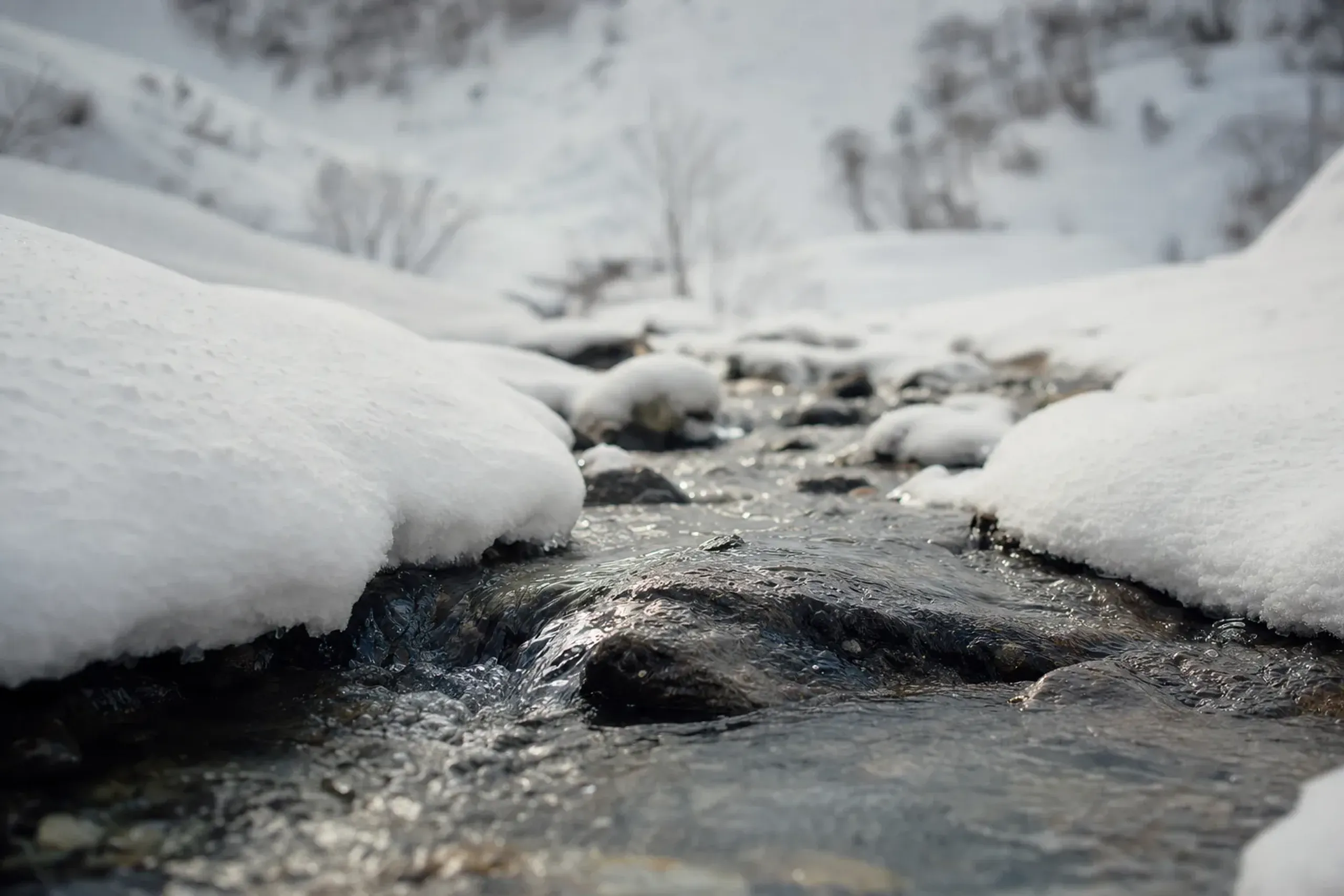
That softness produces the crisp, dry style Japanese drinkers call tanrei karakuchi: clean, light, with little sweetness or heaviness. For many international drinkers, this is what "premium Japanese sake" tastes like, because Niigata's clean profile travels well and reads as refined.
We keep this section short on purpose. Niigata deserves its own visit, and we have written it in full — the trail structure, the maker introductions, the winter-brewing story. For depth on one region, read our slower-travel writing for tone, then treat Niigata as your soft-water benchmark before you meet its opposite.
Nada: Hard Miyamizu Water And The Bold Otoko-Zake Tradition
Nada, spread across Kobe and into Nishinomiya in Hyogo Prefecture, is the counterweight to Niigata. Official Kobe tourism describes the district as the Five Villages of Nada — the Nada Gogō — and calls it a leading center of sake production in Japan. Brewing here reaches back as far as the Muromachi period, and Nada has long stood as the country's largest producing region.
Water And Terroir
The defining ingredient is miyamizu, a hard, mineral-rich water sourced from the Rokko mountains. Brewers pair it with locally grown Yamada Nishiki, widely regarded as the finest sake rice. Hard water plus that rice is a powerful combination.
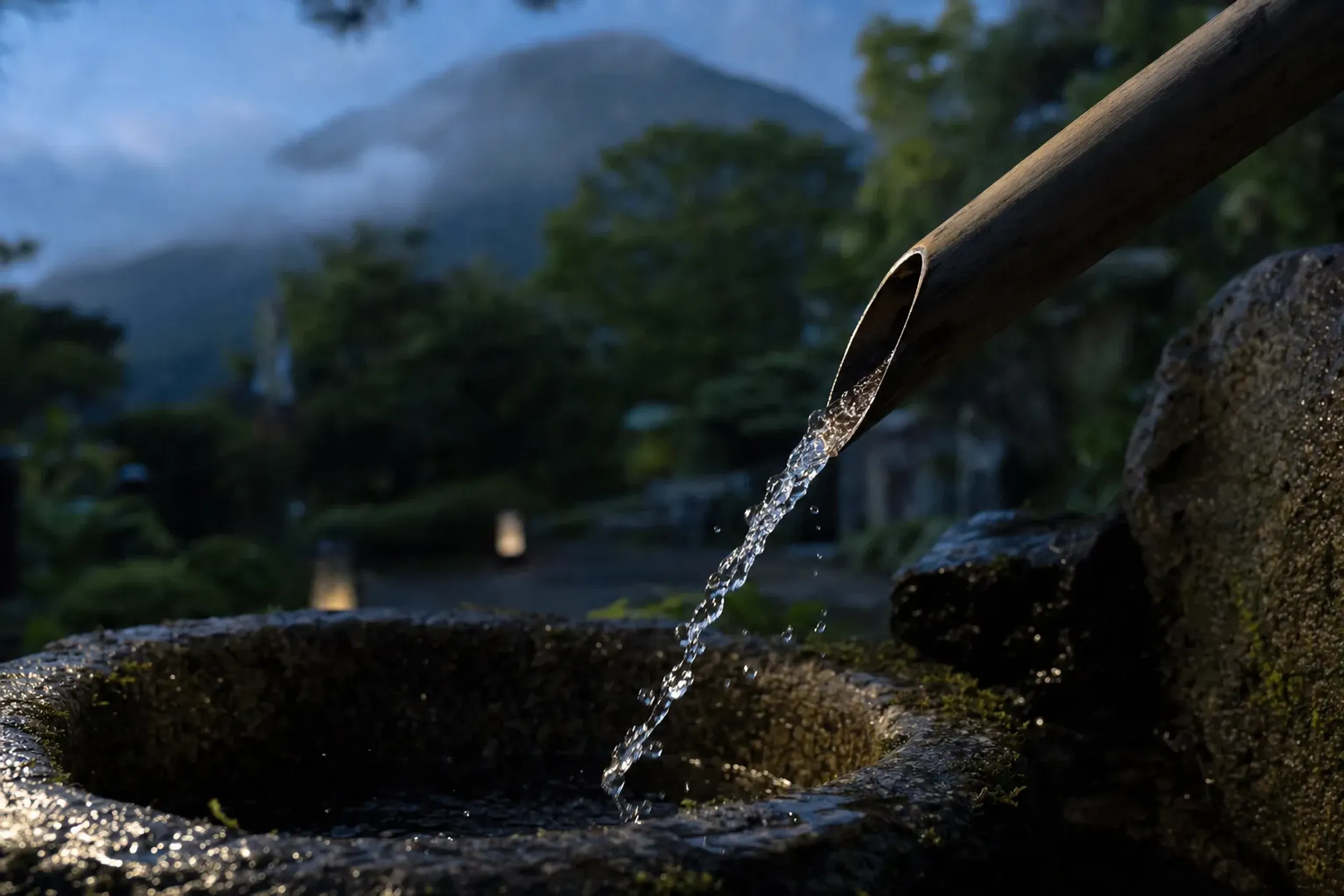
Fermentation runs strong.
The Resulting Style
Nada produces bold, dry, full-bodied sake with real backbone. Tradition calls it otoko-zake — "man's sake" — a name that signals structure and weight rather than delicacy. If you have only ever tasted the light Niigata style, Nada can feel like a different drink entirely. Firmer. More assertive on the finish. That contrast is exactly the point of tasting both.
Scale And Character Of The District
Nada is large. The district holds roughly seventy breweries, and several run museums with genuine visitor access. The Hakutsuru Sake Brewery Museum offers free admission and a tasting corner with strong English coverage. Kiku-Masamune and Sawanotsuru also operate visitor-facing museums in the Kobe area. Nada Gogō even promotes food pairings drawing on sake from all twenty-six breweries of the Gogō, so tasting breadth in a short window is realistic. Nada's advantage is efficiency: museum-grade interpretation and easy reach from Kobe or Osaka.
Who Should Start Here
Choose Nada first if you want maximum understanding in limited time, or if you already know the light style and want to feel its structural opposite. It rewards the drinker who is curious about weight, dryness, and the history behind Japan's most influential sake region.
Saijo: Soft Water That Wasn't Supposed To Work
Saijo, in Higashi-Hiroshima, is the underdog story. Brewing here dates to the Meiji period, and it began with a problem. The local water was considered unsuitable — extremely soft, lacking the minerals fermentation usually needs.
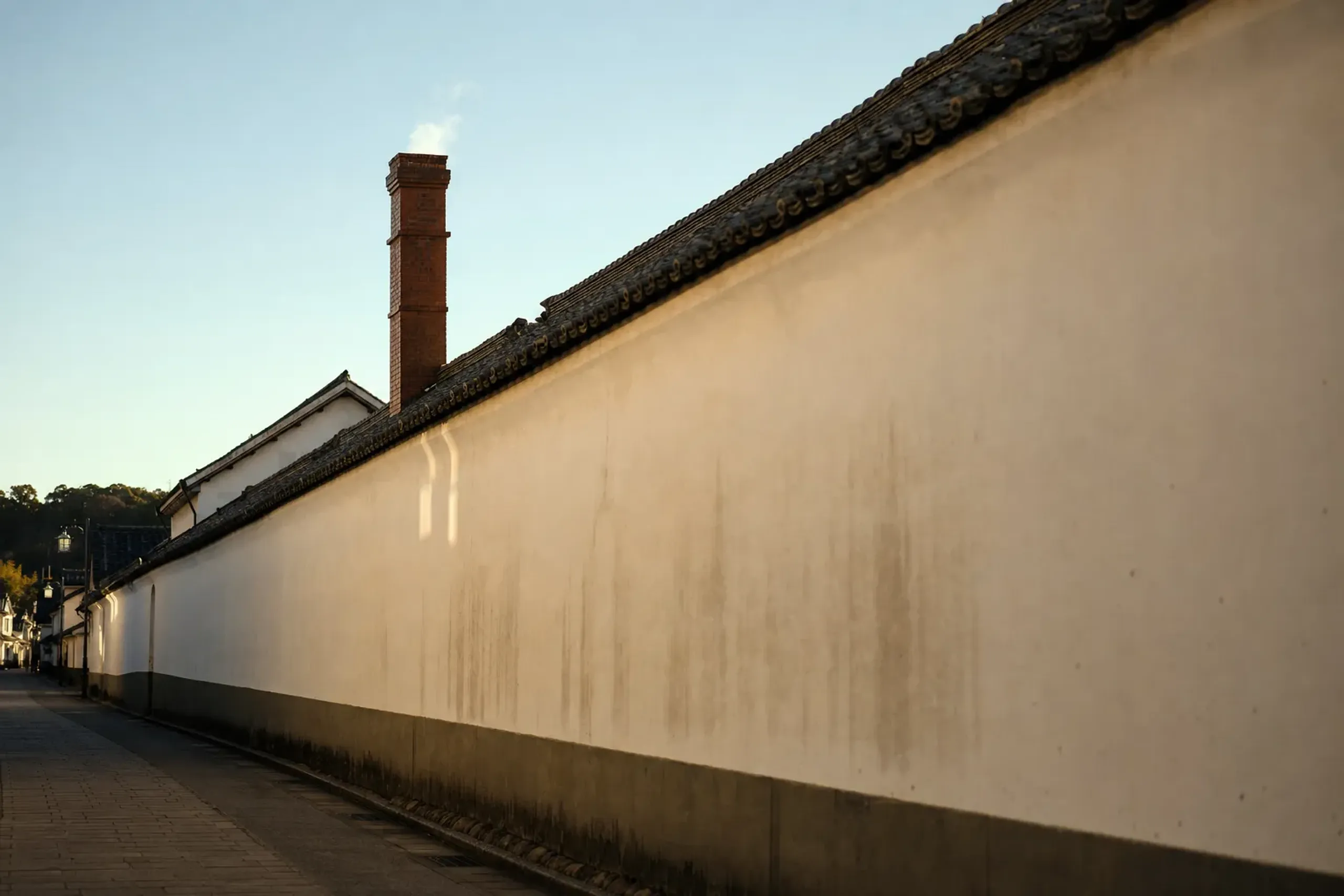
On paper, sake should not have thrived here.
Water And Terroir
Rather than fight the water, Saijo's brewers learned to work with it. They pioneered techniques for coaxing good fermentation from very soft water, and in doing so created a signature rather than an obstacle. The water that nearly ruled the region out became the reason its sake tastes the way it does.
The Resulting Style
The result is gentler than Nada — softer, rounder, with a different mouthfeel that reflects its low-mineral source. It sits closer to Niigata in lightness but arrives there by a different route and with its own character. Tasted between the two, Saijo shows how much room exists inside "soft-water sake" alone.
Scale And Character Of The District
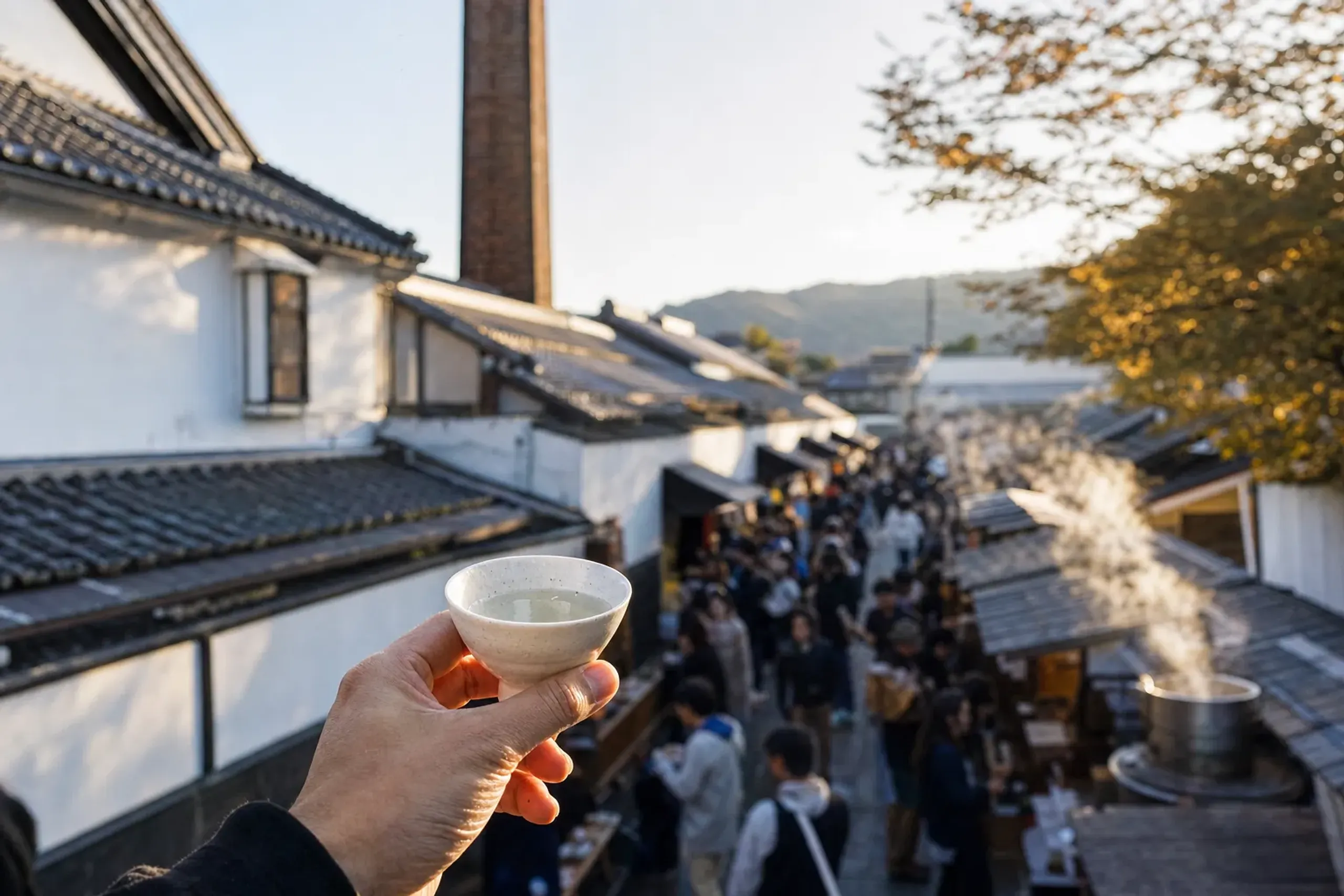
Where Nada is industrial in scale, Saijo is compact and walkable — a genuine "sake town." Several breweries sit side by side along Sakagura-dōri, most within a short stroll of JR Saijo Station. White plaster walls, red-brick chimneys, tiled roofs. One brewery reopened an 1872 warehouse as a museum shop in 2019, a small illustration of how the district treats its heritage. VISIT Higashi-Hiroshima runs a year-round guided program, the Sake Capital Saijo Brewing Journey Premium, that meets near the station and brewery street. Each October, the Saijo Sake Festival draws roughly 200,000 visitors.
Who Should Start Here
Choose Saijo if atmosphere matters as much as the pour — if you want to walk between kura on a single street, feel the density of a brewing town, and taste soft water shaped by human stubbornness.
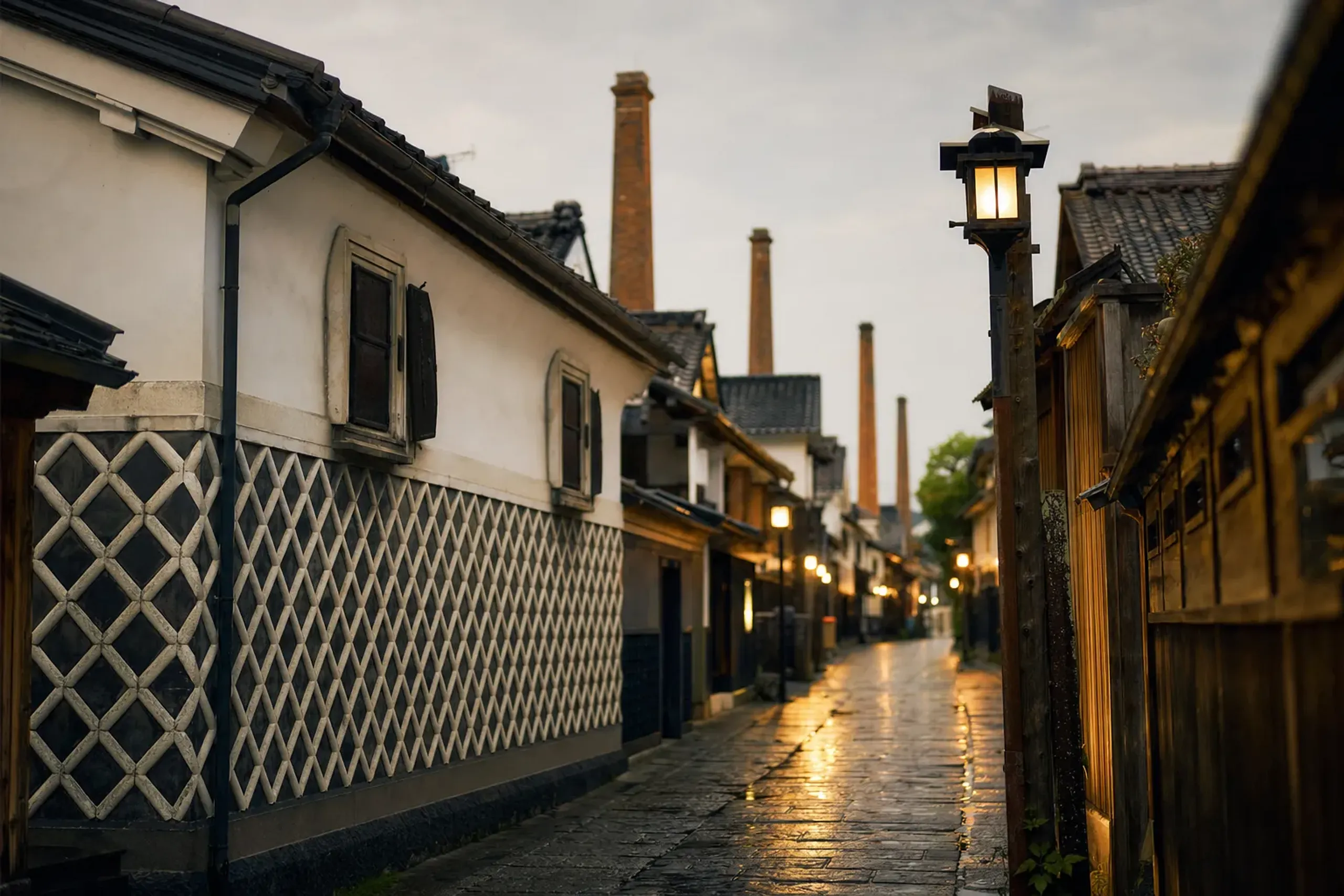
It pairs naturally with a wider Hiroshima and Miyajima trip.
The Same Three Questions, Asked Of Every Region
To compare fairly, ask the same things in the same order of each place. Water and terroir first. Then resulting style. Then the scale and feel of the district. Then who it suits as a starting point. Run those four across Niigata, Nada, and Saijo and the differences line up instead of blurring.
| Region | Water | Style | District Character |
|---|---|---|---|
| Niigata | Very soft snowmelt | Crisp, dry, clean | Snow country trail |
| Nada (Kobe) | Hard, mineral-rich miyamizu | Bold, dry, full-bodied | Large, museum-grade, efficient |
| Saijo (Hiroshima) | Very soft, once thought unusable | Gentle, rounded | Compact, walkable sake town |
How To Combine A Sake Region With A Wider Trip
Nada slots into a Kansai leg without effort. It sits within easy reach of Kobe and Osaka, so a tasting-focused morning folds neatly beside city dining or a Kyoto-adjacent day. For travelers already circling Kansai, Nada is the low-friction addition.
Saijo works best as part of a Hiroshima trip. Pair it with Miyajima and the Setouchi coast, and the walkable brewery street becomes a half-day of texture rather than a detour. The region's food leans into its sake too — bishu-nabe, a hot pot built around high-grade sake, appears locally. We keep transit specifics out of print because timetables shift; our concierge confirms the current routing when we build your days. For the private car element, see our approach to chauffeured travel.
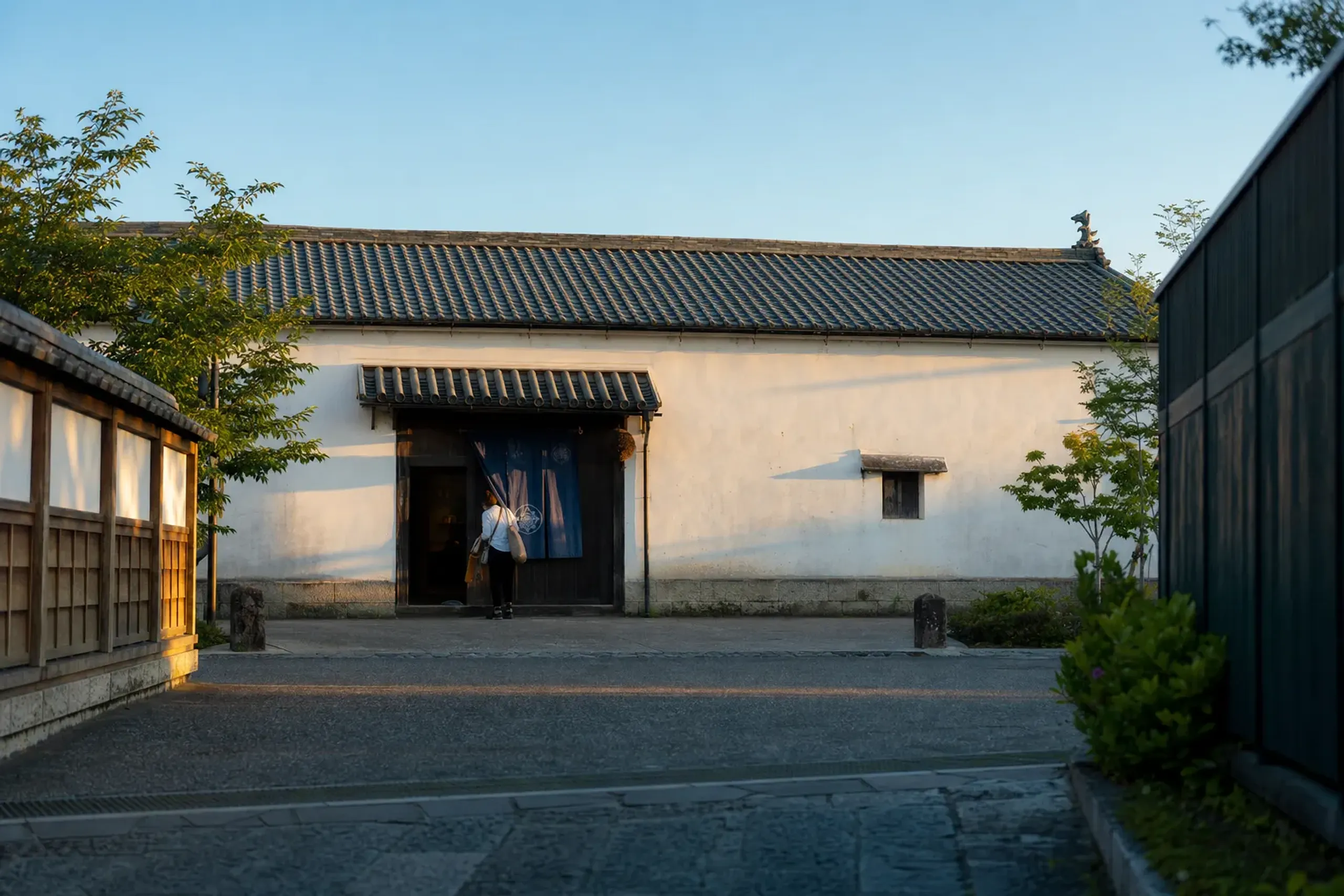
What You Actually Learn By Tasting Across Regions
Taste one region and you have an opinion. Taste two contrasting ones and you have understanding. Put Nada's structured, hard-water weight next to Saijo's soft, rounded gentleness — with Niigata's clean dryness as a reference point — and the abstract becomes obvious in the glass.
Sake stops being "a drink" and becomes a craft shaped by water, rice, and the people who learned to work with what their ground gave them. That shift is the whole reward. These three are not the only regions worth knowing — others carry their own long traditions — but across these three the water argument is impossible to miss. A single well-planned bespoke route can hold two of them comfortably.
Frequently Asked Questions
What Is The Main Difference Between Nada And Saijo Sake?
Water. Nada uses hard, mineral-rich miyamizu and produces bold, full-bodied sake; Saijo uses very soft water and produces a gentler, rounder style. The contrast is structural, not preference.
If I Only Have Time For One Sake Region, Which Should I Choose?
Nada, if you want the most understanding in the least time. It offers roughly seventy breweries, museum-grade tasting access, and easy reach from Kobe or Osaka, making it efficient for a short window.
When Is The Saijo Sake Festival Held?
The Saijo Sake Festival takes place each October in Higashi-Hiroshima and draws roughly 200,000 visitors. Because dates and details change yearly, our concierge confirms the current schedule when planning your visit.
Can I Visit Both Nada And Saijo On The Same Trip?
Yes. Nada fits a Kansai leg near Kobe and Osaka, while Saijo pairs with Hiroshima and Miyajima. Tasting both on one journey is the clearest way to feel how water changes sake.
Do I Need To Drink A Lot Of Alcohol To Enjoy A Sake Region Visit?
No. Tastings use small pours, museums explain the craft in full, and Saijo's local bishu-nabe cuisine offers non-drinkers plenty. The interest is in water, rice, and process as much as the glass.
Why Choose Japan Royal Service
Anyone can walk into a brewery museum. What we add is the introduction and the comparison. Our team at Japan Royal Service arranges brewery visits, private tastings, and — the real differentiator — introductions to the makers themselves, across all three regions: Niigata, Nada, and Saijo. That access turns a tasting into a conversation with the people who work the water.
We build the contrast into your route on purpose. Nada beside a Kansai stay, Saijo alongside Hiroshima and Miyajima, Niigata as its own deeper trail. Discretion is standard; your itinerary and identity stay private. In our experience, the traveler who tastes two regions side by side leaves understanding sake in a way no single bottle can teach.
If you would like a comparison tasting built into your journey, reach our team privately via WhatsApp or LINE, or contact us here. We will shape a route around the regions that interest you most.