In this guide
- 01Why Does Niigata Have So Many Sake Breweries?
- 02How Does Snowmelt Water Create Niigata’s Tanrei Karakuchi Style?
- 03Raiden-Sama Spring Water: The “Mother Water” Link You Can Visit
- 04What Rice Should You Look For In Niigata Sake?
- 05A Brief History That Explains Niigata’s Confidence
- 06Where Should You Base Yourself For Niigata Sake: Niigata City, Uonuma, Or Sado?
- 07How Do You Start Tasting Across Niigata Without Guesswork?
- 08What Brewery Visits In Niigata Are Realistically Open To The Public?
- 09Niigata Brewery-Visit Season: When The Brewing Floor Is Actually Alive
- 10What Does Niigata Sake No Jin Offer In March?
- 11How Should You Pair Niigata Sake With Food Without Overcomplicating It?
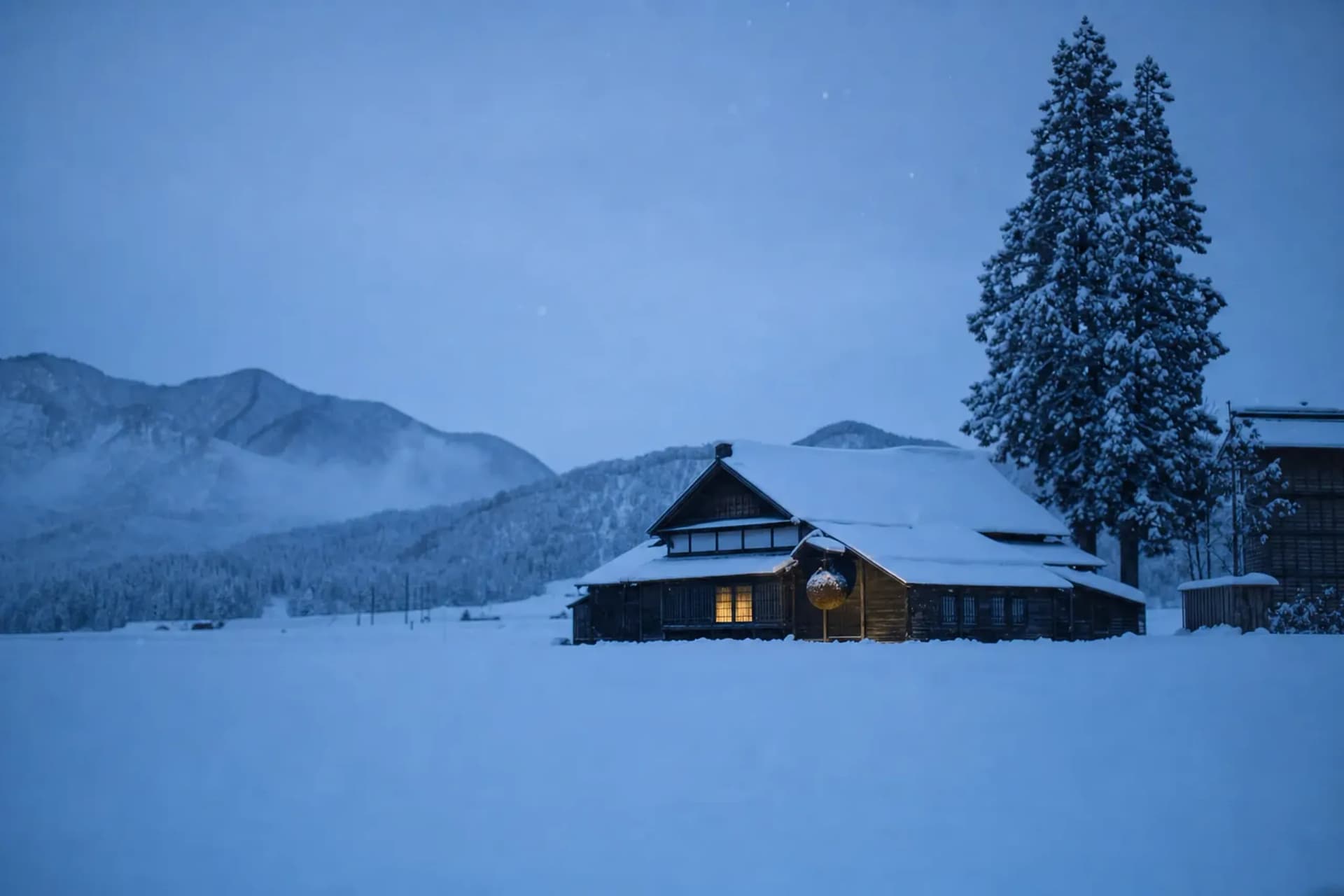
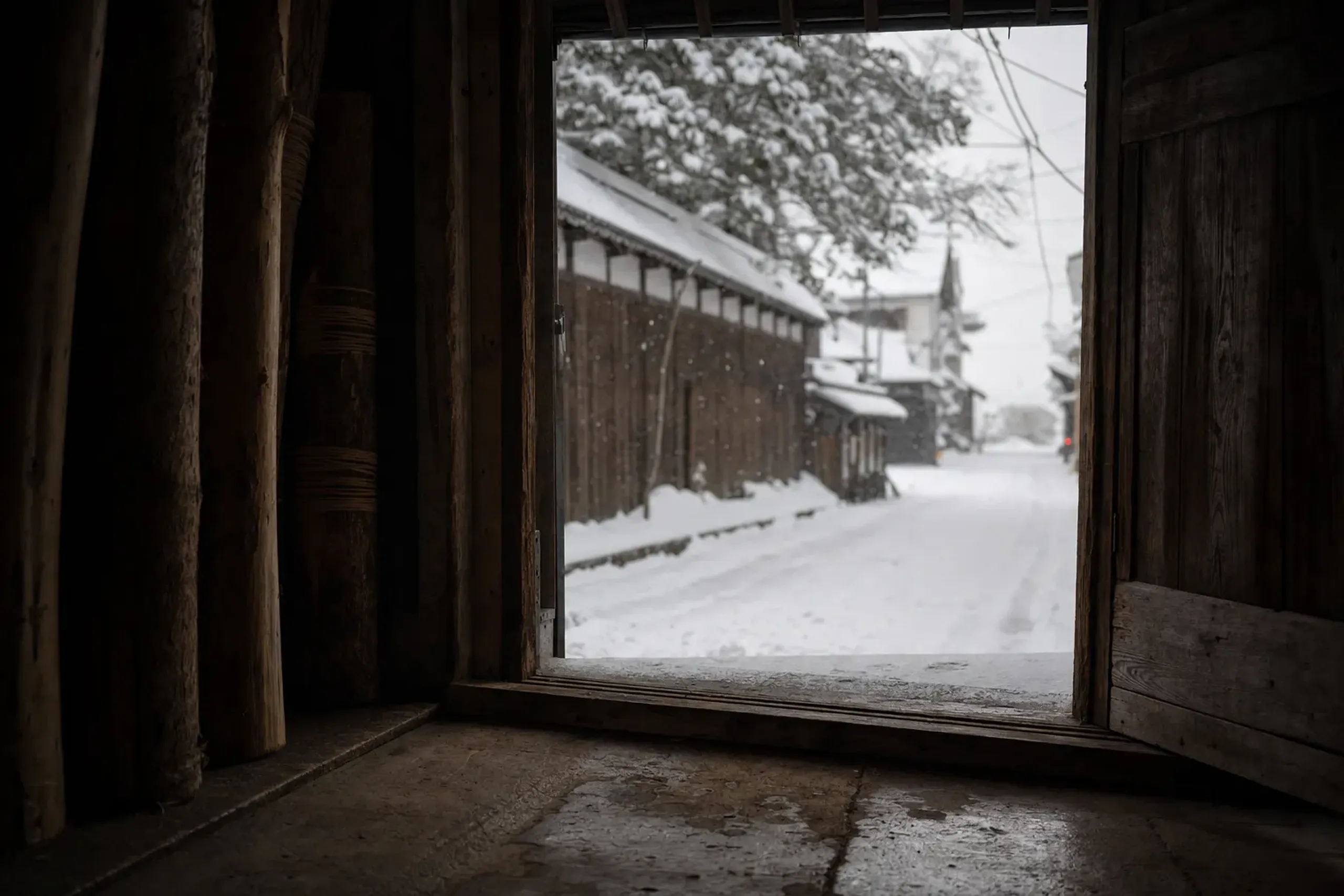
In Niigata in midwinter, the air feels rinsed. Snow piles against cedar trunks. A brewery door slides open and the first thing you notice is not aroma, but quiet—cold air, clean floors, and water that tastes like it has been filtered for years.
This is the fourth and closing entry in our sake series at Japan Royal Service. If you started with Kyoto’s Fushimi (soft water), continued to Hyōgo’s Nada (harder water and the Edo market), and then Hiroshima’s Saijō (technique), Niigata completes the set with one final variable: climate, scaled up to an entire prefecture.
We’ll keep the brewing basics brief. No re-teaching. This guide is about what makes Niigata feel different in the glass and on the ground: snow-country water, low-temperature fermentation, and a self-sufficient rice culture that bred what it needed.
Why Does Niigata Have So Many Sake Breweries?
Niigata has more sake breweries than any other prefecture in Japan—often cited as around 90, and sometimes more precisely as 92—because its snow-country conditions support brewing at scale and its local demand is unusually strong.
That pairing matters. A region can have good rice and water and still export its identity elsewhere. Niigata doesn’t. It is also widely cited as having Japan’s highest per-capita sake consumption, which means the home market is educated, demanding, and steady.
Big number. Bigger implication. In our experience, the breadth gives you options that a smaller sake region cannot: crisp everyday bottles, polished ginjō that stays restrained, and serious daiginjō that still tastes like Niigata rather than imitation Kyoto.
Niigata’s scale also spreads geography wide. Breweries run from Niigata City on the Sea of Japan coast to Uonuma and Nagaoka inland, and out to Sado Island. Plan like you would plan wine country, not a single neighborhood.
How Does Snowmelt Water Create Niigata’s Tanrei Karakuchi Style?
Niigata’s heavy snowfall feeds rivers, wells, and springs with soft water, and that low-mineral water supports slower, cleaner fermentation in winter—one reason Niigata is known for tanrei karakuchi: light, dry, and crisp.
The mechanism is not mystical. Soft water (low in dissolved minerals) gives yeast fewer minerals that can speed fermentation or add weight, and Niigata’s long, cold winters naturally support low-temperature fermentation that favors precision over richness.
Clean finish. No drag. The best examples feel like a line drawn with a sharp pencil: clear, controlled, and gone before the conversation turns loud.
Official explanations from Niigata’s brewing association and Japan’s tourism authorities tie this to snow itself. The winter that slows trains is also the winter that lets breweries ferment slowly, while snowmelt replenishes the water sources used for brewing.
Raiden-Sama Spring Water: The “Mother Water” Link You Can Visit
Raiden-sama no Mizu (Raiden-sama no Shimizu) in Minamiuonuma is a famous spring that emerges from large rocks at the foot of a mountain, widely described as snowmelt filtered through rock layers before surfacing as clear spring water.
It is not just a scenic stop. Niigata’s official tourism listing reports a flow volume of about 400 tons per day, and notes it is used partly as a water supply source and also as source water for sake. That is a rare, concrete “water-to-glass” link that you can stand beside.
TRAVEL TO TOHOKU’s official attraction page frames it as legendary underground water connected to Mt. Hakkai, used as “mother water” in the production of Hakkaisan sake. If you enjoy provenance—real, not performative—this is Niigata’s simplest argument.
Go in the right mood. Speak low. A spring like this rewards restraint, a wabi-sabi kind of attention where the main attraction is the sound of water and the discipline it implies.
Key fact: TRAVEL TO TOHOKU notes guided visits to Raiden-sama no Mizu require reservations about one week in advance and are not held during periods of heavy snowfall in winter.
What Rice Should You Look For In Niigata Sake?
Start with Gohyakumangoku for crisp, clean structure, and look for Koshi-tanrei when you want a Niigata-bred rice that can support higher polishing for daiginjō styles.
These two varieties are not trivia. They show a brewing culture that engineered its own solutions rather than borrowing identity from somewhere else.
Gohyakumangoku: The Clean, Crisp Backbone
Gohyakumangoku was bred in Niigata by crossing Kikusui and Shin-200-gō. It was first developed in 1938, trial-brewed in 1950, and named in 1951 after Niigata’s rice production passed five million koku the following year.
It is known for a large grain and a hard, slow-dissolving character, which is one reason sake made from it often lands with a clean, crisp finish.
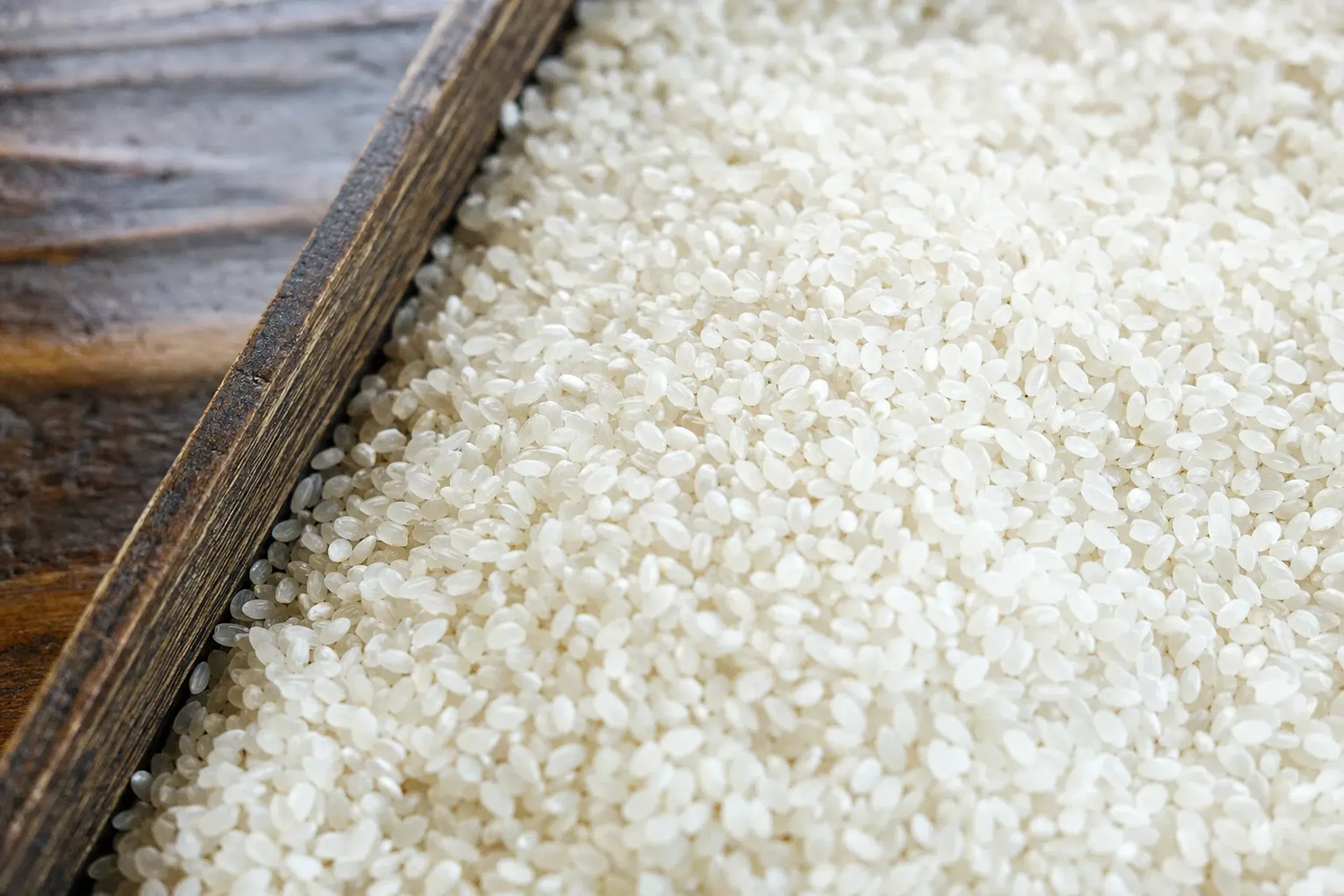
You taste it as clarity more than perfume.
There is a practical constraint, too. Gohyakumangoku can be difficult to mill to the very high polishing ratios used for daiginjō, which is why daiginjō production often defaulted to Yamada Nishiki—even in Niigata.
Koshi-Tanrei: Niigata’s Answer To Daiginjō Polishing
Koshi-tanrei was developed to solve that problem. It is a cross of Yamada Nishiki and Gohyakumangoku, registered in 2007, bred so Niigata could brew daiginjō from its own rice rather than relying on Hyōgo-grown Yamada Nishiki for that purpose.
The name is not subtle. It is meant to evoke Niigata’s style itself—tanrei—while signaling that the prefecture can now express that style at the top end without importing its raw material.
If you care about shokunin culture, this is it in agriculture: patient breeding work done for a sensory goal, with no need for applause.
A Brief History That Explains Niigata’s Confidence
Niigata’s brewing story is old, but we keep it honest. A record connected to Nunakawa Shrine references sake brewed from local rice; it is cited locally as evidence that brewing here may reach back over a thousand years, but it should be treated as tradition and shrine record rather than archaeological proof.
There is also a practical, political marker. Uesugi Kenshin, the sixteenth-century daimyō, is said to have exempted sake brewing from tax for five years, a local point of pride credited with helping the trade take root early.
One modern statistic underlines the region’s trajectory. Specified-designation sake (tokutei meishō-shu—ginjō, junmai and above) is roughly 70 percent of Niigata’s production, unusually high nationally, reflecting an early and sustained commitment to higher-grade brewing.
Where Should You Base Yourself For Niigata Sake: Niigata City, Uonuma, Or Sado?
Choose Niigata City for range and transport ease, choose Uonuma/Minamiuonuma for snow-country water and brewery-season atmosphere, and choose Sado Island when you want sea-cliff landscapes alongside serious local producers.
Niigata is large. Switching bases can be smart. The right plan depends on party size, tolerance for winter roads, and whether you want breweries as quick stops or as the spine of the trip.
Option A: Niigata City (Coast, Convenience, Breadth)
Niigata City works when you want a clean launchpad: reliable hotels, straightforward rail access, and day trips outward. It’s also the easiest place to keep dinner plans flexible.
- Best for: first-time visitors to the prefecture, mixed-interest groups, short stays.
- Best day trips: Nagaoka area, inland brewery towns, and seasonal events like Niigata Sake no Jin.
Option B: Uonuma / Minamiuonuma (Snow-Country Water, Winter Focus)
Head inland when you want Niigata’s core argument: deep snow, spring water, and winter brewing energy. This is where “cold water” stops being a line in a brochure.
- Best for: travelers who want a slower tempo and a stronger sense of place.
- Anchor stop: Raiden-sama no Mizu in Minamiuonuma.
Option C: Sado Island (Sea Of Japan Perspective)
Sado adds a different “cold water” dimension: the Sea of Japan. JNTO’s diving guide notes that when the warm Tsushima Current runs weaker outside peak summer, colder waters influence conditions and cold-water marine life thrives.
- Best for: travelers who want landscape and coastal culture alongside tastings.
- Season note: cold-water activities depend on conditions; plan conservatively and prioritize safety.
How Do You Start Tasting Across Niigata Without Guesswork?
Use Ponshukan at Echigo-Yuzawa Station or Nagaoka Station to sample broadly via coin-operated tasting machines, then choose which breweries deserve travel time.
Ponshukan is practical. It compresses a wide producer map into one hour, which is useful when the prefecture contains around 90–92 breweries and you have limited days.
Think of it as orientation, not the main event. You are building a shortlist, noticing patterns—how “dry” shifts from crisp to sharp, how aroma stays measured, how food pairing feels natural rather than forced.
Then you go deeper. One or two breweries, properly visited, will teach more than twenty rushed pours.
What Brewery Visits In Niigata Are Realistically Open To The Public?
Public access ranges from walk-in tours to reservation-only small-group visits, and Niigata is unusually good at offering both—if you choose houses with clearly published visitor policies.
We only recommend public-visit examples that are verifiable and stable. Policies change. Snow changes them faster.
Tamagawa Shuzo (Founded 1673): Walk-In, No Reservation
Tamagawa Shuzo is known for free walk-in tours without a reservation, including a snow-storage cellar (yukigura). The standard visit also includes complimentary tastings (often around ten sake) and brewing water available to take home.
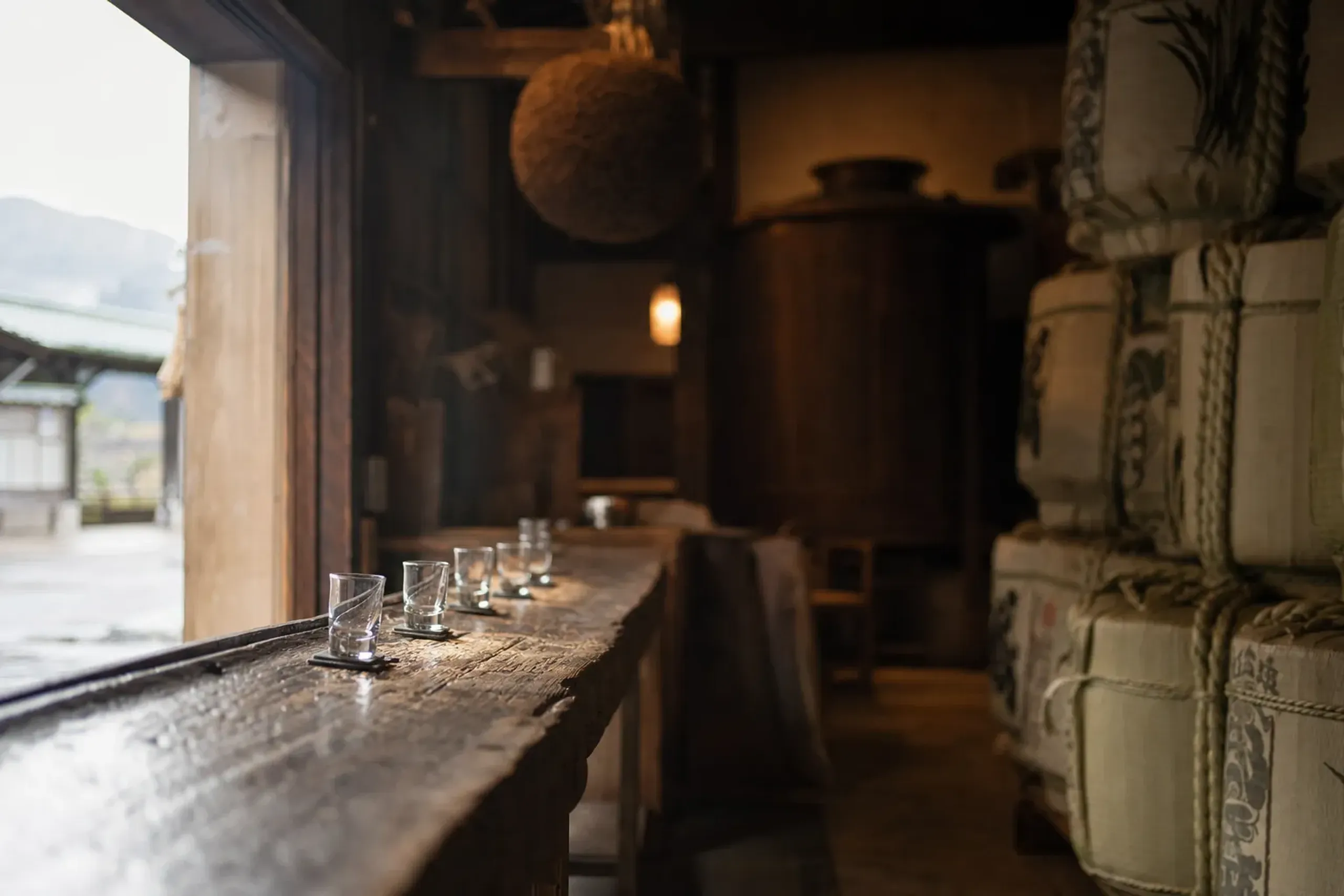
It is a good first brewery in Niigata. You see the basics and the snow-country logic in one place. Keep your schedule loose so you are not watching the clock during tasting.
Asahi Shuzo (Kubota): Year-Round Short Tour, Seasonal Longer Tour
Asahi Shuzo, maker of Kubota, offers a free 20-minute tour year-round, and a more detailed 60-minute tour running roughly December to late April with reservations required.
This is a clean illustration of Niigata’s seasonality. The longer tour sits inside the brewing window, when there is simply more to show and more reason to talk about low-temperature fermentation.
Midorikawa Shuzo: Small Groups By Reservation
Midorikawa Shuzo is known for taking small groups by reservation, with tours running an hour and a half or more. This is the middle tier: more time, fewer people, and a higher expectation of visitor manners.
Wear neutral clothing. Bring patience. A long visit is only valuable if you can slow your questions down enough to hear the answers.
Niigata Brewery-Visit Season: When The Brewing Floor Is Actually Alive
Niigata’s brewery-visit season runs roughly December through late April, and what you can observe depends on where that winter-to-spring cycle stands.
This is one of the most common planning mistakes we see in sake travel: assuming every region’s “best window” is identical. Niigata’s snow-country rhythm pushes the experience later than Kansai in many years.
If you travel in deep winter, weather can be the boss. Roads, trains, and guided spring visits may pause during heavy snowfall.
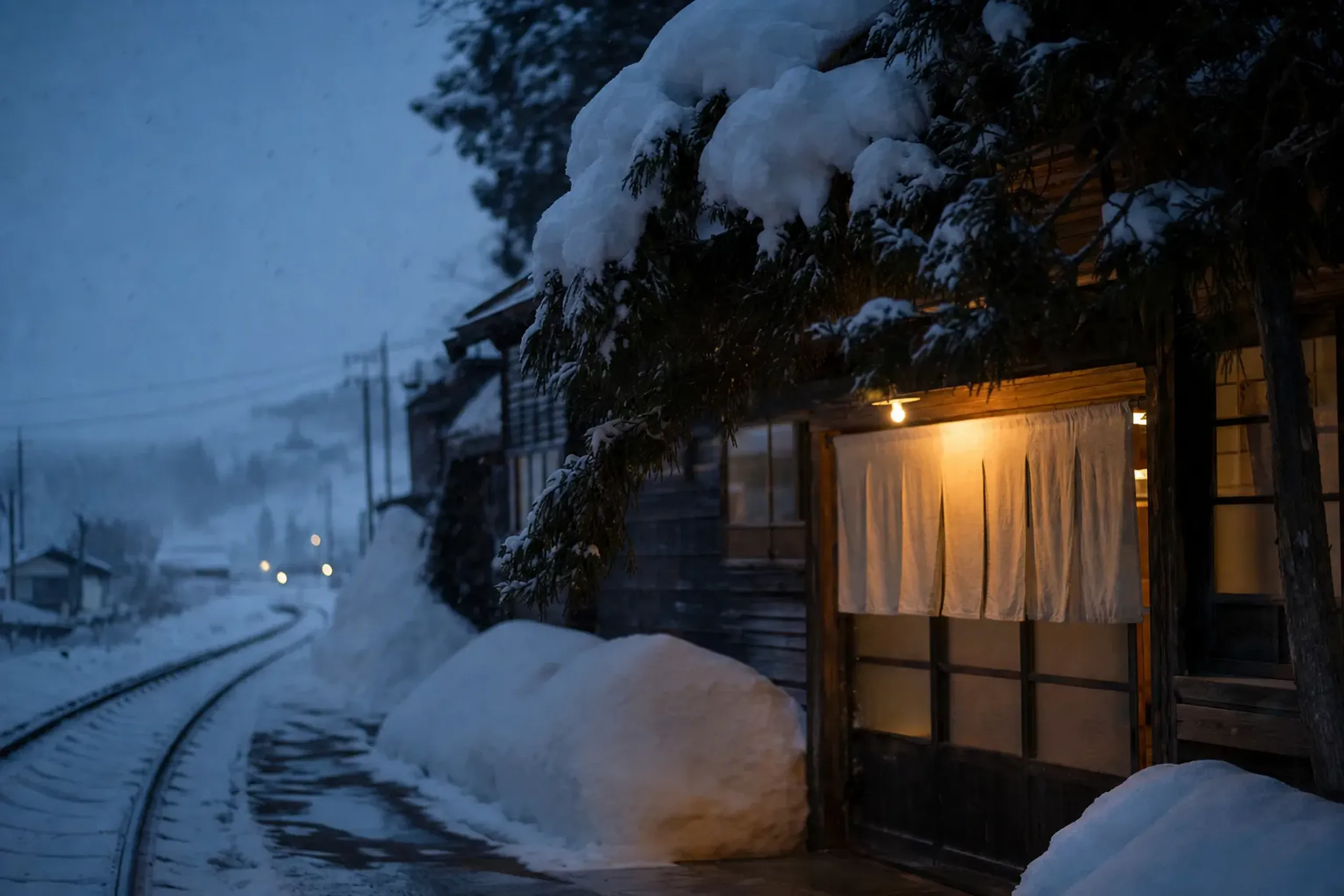
Build slack into the itinerary and keep one indoor cultural option in reserve.
One more practical point: fragrance travels in cold air. Go easy on perfume and strongly scented hair products. It’s etiquette, not fussiness.
What Does Niigata Sake No Jin Offer In March?
Niigata Sake no Jin is a major Niigata sake festival held in early March; the 2026 edition runs March 7–8 and features 82 breweries.
It has been running since 2004 and is explicitly modeled on Oktoberfest. The mood is lively, not hushed. You can still taste seriously, but the environment is social.
For a luxury traveler, its value is efficiency. In a single session you can confirm your preferences, discover producers you would never have routed to, and decide where to spend your quieter time afterward.
Do not force a spring story here. This is a winter-to-early-March trip, and it feels better when you accept that—clear skies, cold air, and a jacket that smells faintly of rice steam by night.
How Should You Pair Niigata Sake With Food Without Overcomplicating It?
Tanrei karakuchi sake tends to reward clean flavors and crisp textures, so focus on dishes where the finish matters more than the sauce.
Simple pairing usually wins. Grilled fish. Sashimi. A plate that respects salt rather than sugar. Niigata’s style is built to reset your palate, not coat it.