Japan’s onsen culture represents one of the nation’s most treasured traditions, offering visitors an immersive experience that combines natural wonder, quiet relaxation, and cultural authenticity. These geothermal hot springs have served as gathering places for relaxation for over a millennium, drawing both Japanese locals and international travelers seeking a quiet reset. For visitors planning a luxury journey through Japan, understanding the nuances of onsen in Japan transforms a simple bathing experience into a profound cultural encounter that reveals the essence of Japanese hospitality and respect for nature.
The Cultural Heritage of Japanese Hot Springs
The tradition of bathing in onsen in Japan stretches back centuries, deeply rooted in Shinto purification rituals and Buddhist practices. Ancient Japanese communities discovered these natural thermal waters bubbling from the earth and valued them long before modern science could explain the mineral-rich waters. Historical records indicate that emperors and samurai warriors frequented specific hot springs.
Legal Definition and Classification
According to Japanese hot spring regulations, an establishment can only be designated as an authentic onsen if the water emerges from underground at a minimum temperature of 25 degrees Celsius or contains specific concentrations of at least 19 designated chemical elements. This strict classification ensures visitors experience genuine geothermal waters rather than artificially heated baths.
The government maintains rigorous testing protocols:
- Temperature verification at the source point
- Mineral composition analysis conducted by certified laboratories
- Flow rate measurements to ensure natural replenishment
- Regular water quality assessments for safety standards
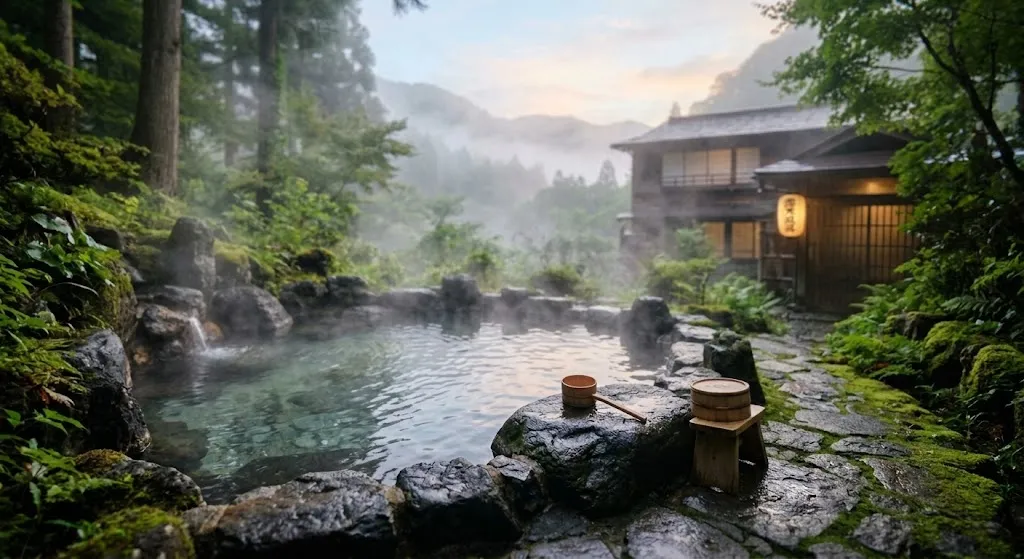
| Onsen Type | Primary Minerals | Water Characteristics |
|---|---|---|
| Sulfur Springs | Hydrogen sulfide | Distinctive mineral scent, milky appearance |
| Alkaline Springs | Sodium bicarbonate | Silky texture, pH above 7.5 |
| Iron Springs | Ferrous compounds | Reddish-brown color, metallic taste |
| Salt Springs | Sodium chloride | Clear water, ocean-like salinity |
Regional Onsen Destinations for Luxury Travelers
Japan’s volcanic geography creates distinct onsen regions, each offering unique mineral compositions and atmospheric settings. The diversity across prefectures allows travelers to curate experiences matching their interests and aesthetic preferences.
Hakone and Mount Fuji Area
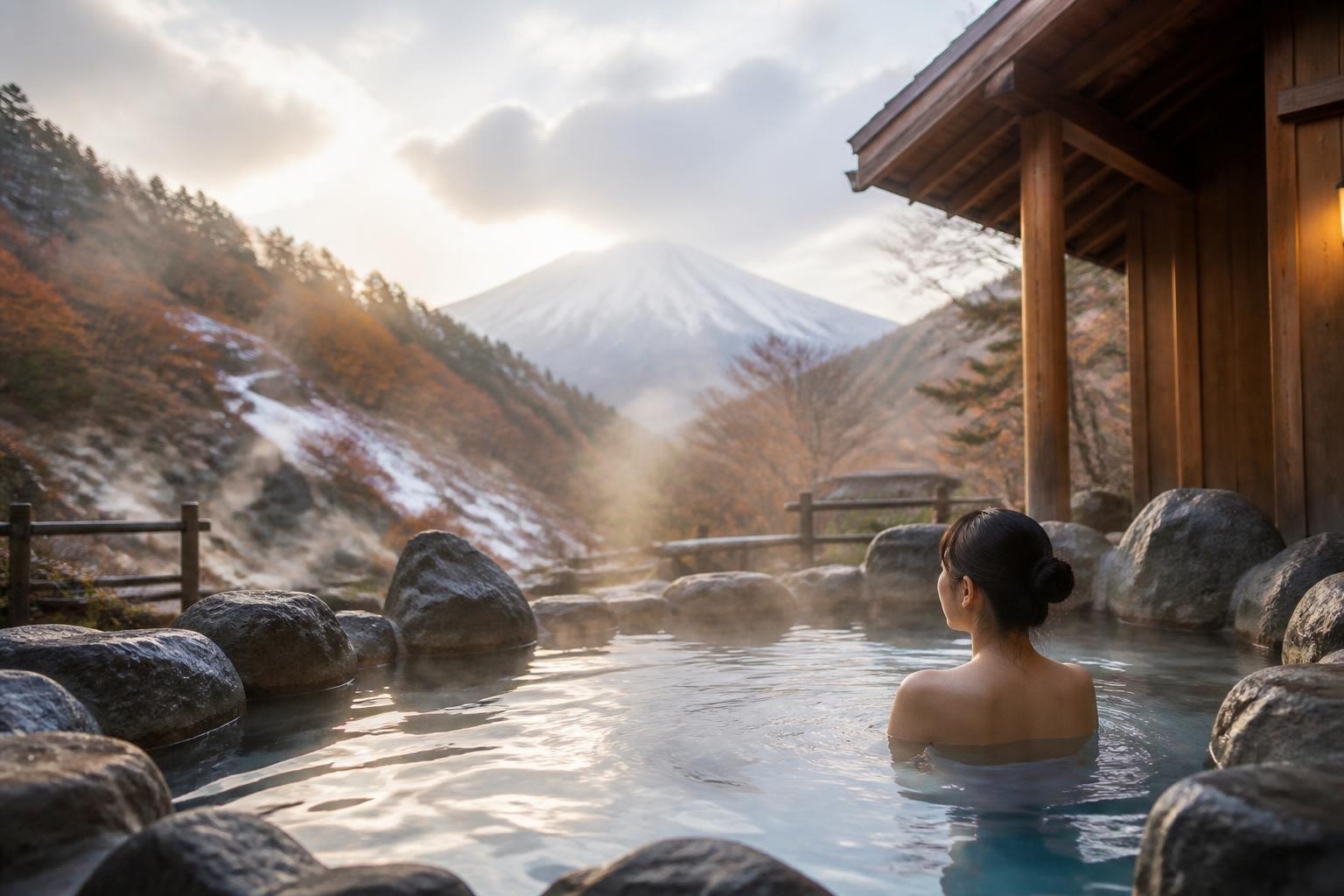
The Hakone region, just 90 minutes from Tokyo, provides views of Mount Fuji while soaking in mineral waters. This area features ryokan (traditional inns) that have perfected the art of omotenashi, Japanese hospitality, over generations. Premium establishments offer private rotenburo (outdoor baths) where guests bathe on their own amid natural landscapes.
Luxury accommodations in Hakone seamlessly blend contemporary comfort with traditional architecture. Many properties source their waters from multiple springs, allowing guests to experience different mineral compositions during a single stay. The region’s accessibility makes it ideal for travelers seeking authentic onsen in Japan without venturing far from Tokyo’s urban center.
Kusatsu Onsen in Gunma Prefecture
Kusatsu consistently ranks among Japan’s best-known hot spring destinations, renowned for exceptionally high-quality acidic waters that naturally reach temperatures near the boiling point. The town center features the Yubatake (hot water field), where volcanic water cascades through wooden channels, cooling to bathable temperatures while maintaining mineral potency.
Distinctive Kusatsu experiences include:
- Traditional yumomi performances demonstrating historical cooling techniques
- Multiple public bathhouses with varying temperatures and mineral concentrations
- Private onsen facilities within ryokan properties
- Seasonal festivals celebrating the town’s thermal heritage
Kinosaki Onsen Along the Sea of Japan
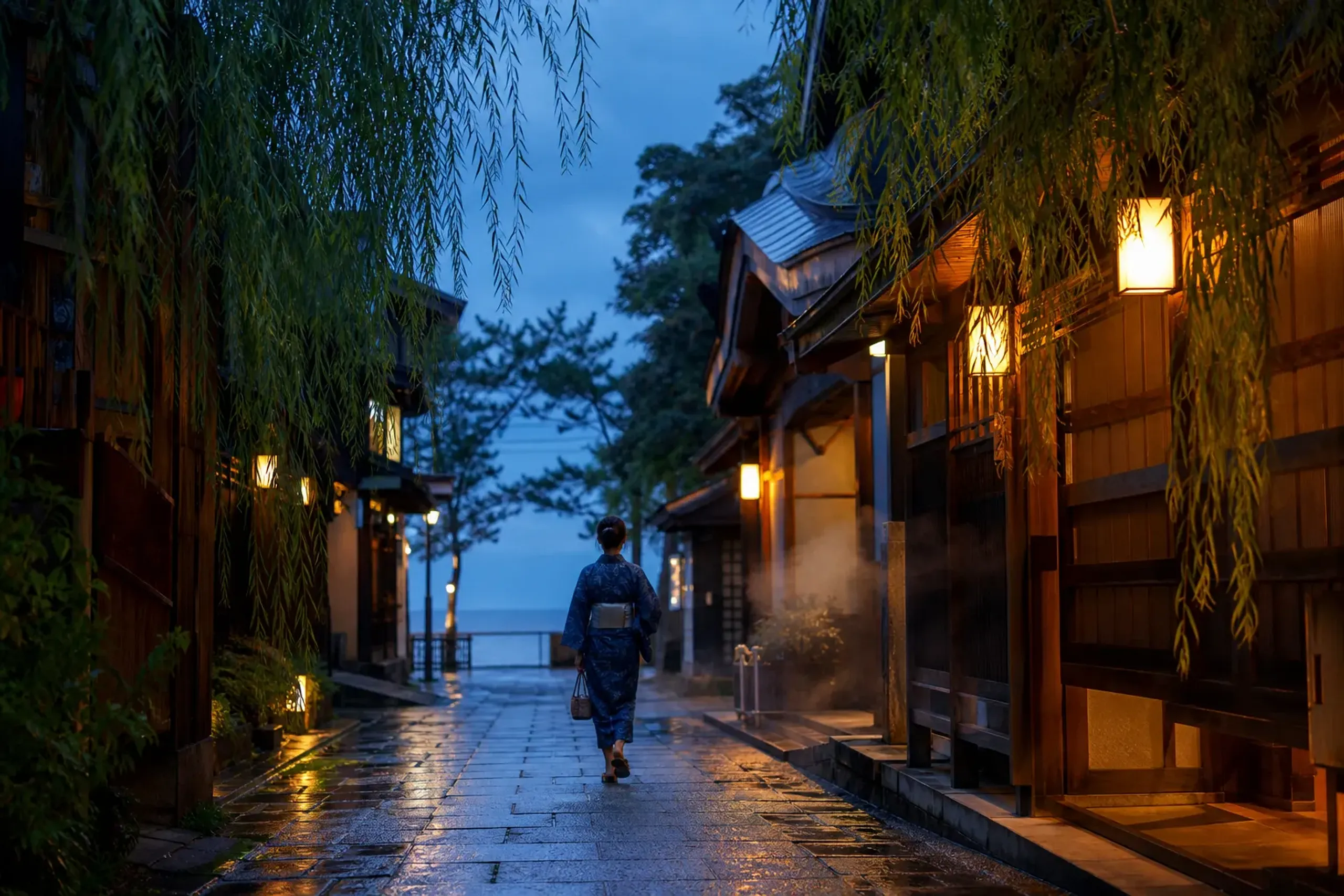
This historic town in Hyogo Prefecture offers a unique multi-bath culture where guests wearing yukata robes stroll between seven public bathhouses, each with distinct architectural styles and water properties. The practice of sotoyu meguri (touring external baths) creates a social bathing experience while maintaining the tranquil atmosphere that onsen in Japan is known for worldwide.
Premium ryokan in Kinosaki provide private in-room onsen facilities for guests preferring solitude, alongside access to the public circuit. The town’s dedication to preserving Edo-period aesthetics while incorporating modern luxury amenities exemplifies Japan’s ability to honor tradition without sacrificing comfort.
Onsen Etiquette and Bathing Customs
Understanding proper protocol enhances the onsen experience for both participants and fellow bathers. These guidelines stem from centuries-old bathing traditions designed to maintain cleanliness, respect communal spaces, and preserve the quality of the mineral waters.
Pre-Bath Preparation
Before entering any onsen in Japan, complete washing is mandatory. Bathing areas provide seated washing stations equipped with stools, basins, shampoo, conditioner, and body wash. Visitors must thoroughly cleanse their entire body while seated, ensuring soap residue is completely rinsed before approaching the hot spring bath.
Essential pre-bath steps:
- Remove all clothing in the designated changing area
- Bring only a small modesty towel into the bathing space
- Sit at a washing station and soap your entire body
- Rinse thoroughly, checking for any remaining soap
- Approach the bath and test the temperature gradually
- Enter slowly, allowing your body to acclimate
During the Bath
The small towel accompanies bathers but never enters the water. Traditional practice involves folding it and placing it atop the head, a practical custom that prevents the towel from falling into communal waters while keeping it accessible. Silence or quiet conversation maintains the meditative atmosphere, respecting others seeking peaceful relaxation.
Local rules apply and can change; follow your guide’s briefing, and the JRS concierge team confirms current conditions directly with the guest at time of arrangement.
Tattoo Policies in Modern Japan
Historically, visible tattoos were prohibited from onsen access due to associations with organized crime. Contemporary attitudes are gradually evolving, especially in international tourist areas. Many luxury properties now permit guests with tattoos, particularly in private facilities or designated times. Advance inquiry ensures a seamless experience without unexpected access restrictions.
Some establishments offer compromise solutions:
- Private family baths available by reservation
- Tattoo cover patches are provided at reception
- Designated tattoo-friendly hours at select facilities
- In-room private onsen eliminates communal concerns entirely
How the Waters Differ
Mineral Profiles
Different geological formations create waters with distinct mineral profiles, each with its own character. Sulfur springs, prevalent in volcanic regions, have a distinctive mineral scent and often a milky appearance. The alkaline nature of certain springs gives the water a silky texture.
Iron-rich springs run reddish-brown with a metallic taste, while salt springs are clear and known for their warming effect.
A Quiet Reset
The meditative environment surrounding most onsen in Japan, with its natural settings, architectural beauty, and time away from digital devices, makes for a calm pause between days of sightseeing.
Selecting the Ideal Onsen Experience
The abundance of hot spring facilities throughout Japan presents both opportunities and challenges for visitors planning their itinerary. Luxury travelers benefit from understanding the distinctions between establishment types and matching selections to personal preferences.
Ryokan Properties
Traditional inns offering overnight accommodation with kaiseki dining and private onsen facilities represent the pinnacle of Japanese hospitality. These establishments typically limit guest numbers, ensuring personalized service and uncrowded bathing experiences. Many historic ryokan occupy sites where hot springs have flowed for centuries, with family proprietors maintaining operations across multiple generations.
Premium ryokan features include:
- Private rotenburo overlooking gardens or natural landscapes
- In-room dining featuring seasonal, locally-sourced ingredients
- Personalized bath scheduling to guarantee solitary use of shared facilities
- Concierge services arranging cultural experiences and regional excursions
Day-Use Facilities and Public Bathhouses
For travelers not staying overnight at hot spring destinations, day-use facilities provide authentic onsen in Japan experiences without accommodation commitments. Many renowned ryokan offer day-use packages including bathing rights, private room rest areas, and lunch service. This option suits visitors with limited time who wish to sample multiple regions during a single journey.
Public bathhouses serve local communities while welcoming respectful tourists. These sento-style facilities offer glimpses into everyday Japanese life. The democratic nature of public bathing creates opportunities for cultural exchange while maintaining the essential tranquility that defines the onsen experience.
Seasonal Considerations
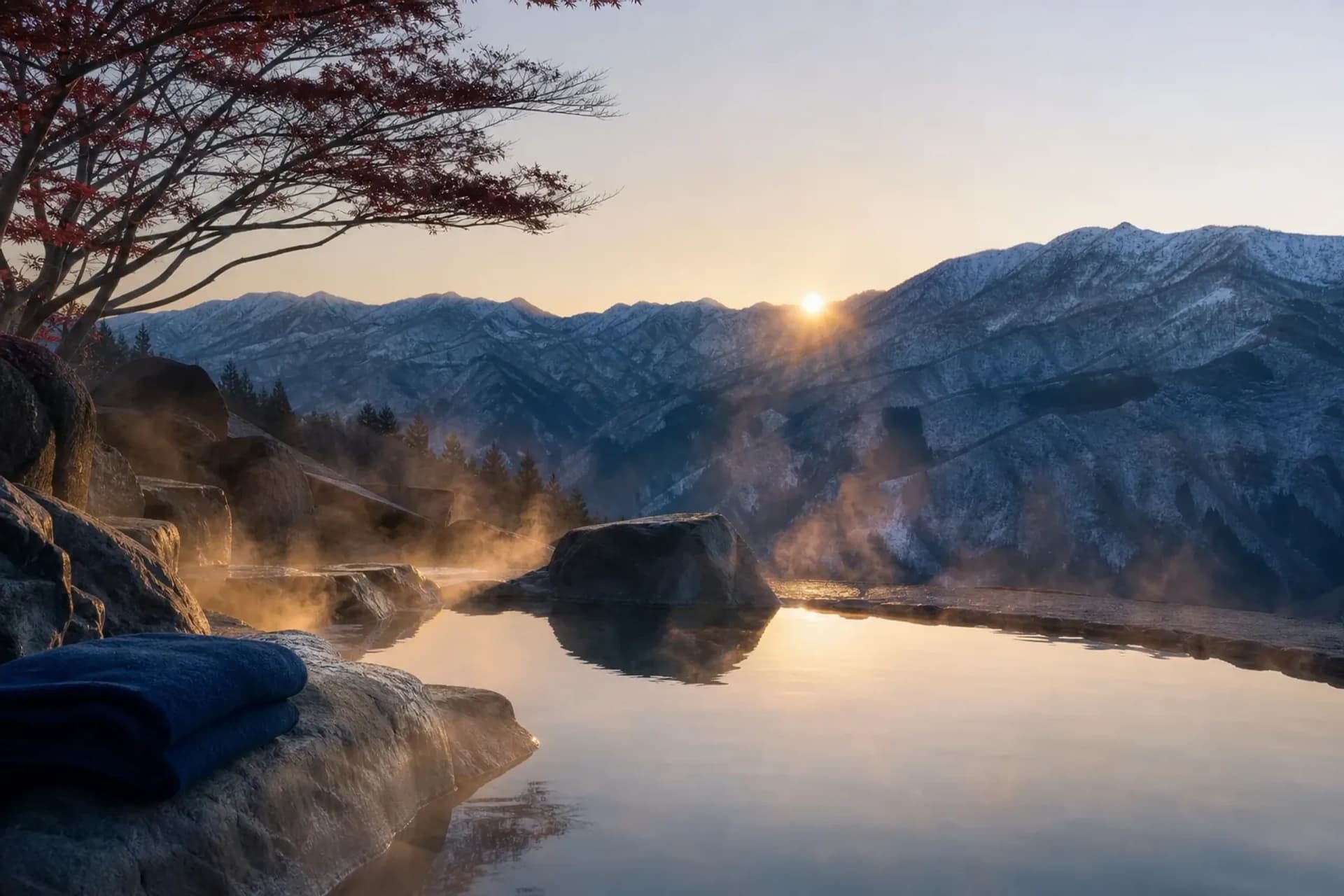
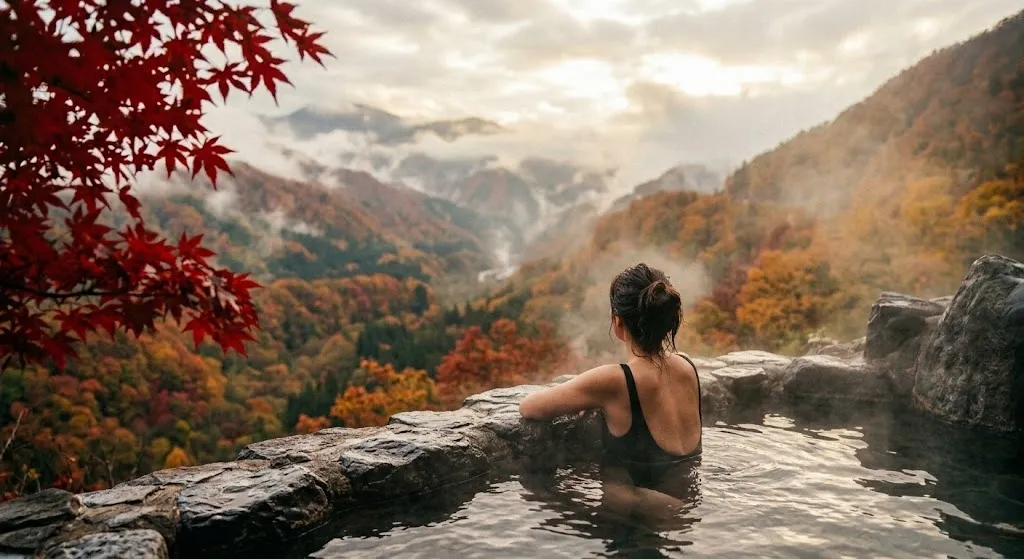
Each season transforms the onsen experience with distinct advantages. Winter bathing offers the dramatic contrast of cold air against steaming water, with snow-viewing rotenburo providing striking views. Spring brings cherry blossoms to garden settings, while autumn delivers spectacular foliage visible from outdoor baths.
Summer might seem counterintuitive for hot spring bathing, yet many facilities offer cooler spring waters perfect for warm weather. Additionally, elevated locations provide relief from coastal humidity, making mountain onsen particularly appealing during Japan’s humid months.
Combining Onsen with Cultural Exploration
Sophisticated travelers maximize their Japanese journey by integrating onsen visits with broader cultural pursuits. Strategic planning creates itineraries where hot spring relaxation complements rather than interrupts exploration of Japan’s artistic heritage, culinary excellence, and natural beauty.
Kyoto Temple Circuit Integration
The ancient capital’s proximity to several distinguished onsen regions enables a seamless combination of temple visits with thermal bathing. After days exploring Kyoto’s UNESCO World Heritage sites, a short journey to nearby Arashiyama or Kurama provides hot spring experiences. This rhythm of cultural engagement followed by rest mirrors traditional pilgrimage patterns that have sustained Japanese travelers for centuries.
Culinary Tourism Enhancement
Regional onsen destinations typically feature distinctive local cuisines influenced by geography and agricultural traditions. Hakone specializes in mountain vegetables and freshwater fish. Coastal onsen towns like Kinosaki excel in seasonal seafood preparations. The combination of bathing and regional gastronomy makes for a well-rounded stay.
Many luxury onsen ryokan employ chefs trained in kaiseki traditions, presenting multi-course meals that function as edible art installations. These dining experiences rival metropolitan restaurants while offering ingredients at peak freshness.
Art and Architecture Appreciation
Onsen facilities themselves often showcase remarkable architecture and design. Contemporary architects have created stunning structures that frame natural landscapes while respecting traditional spatial concepts. Historic bathhouses preserve Edo and Meiji-period construction techniques, functioning as living museums where visitors can experience traditional Japanese bathing culture in authentic settings.
Planning Your Onsen Journey
Successful integration of onsen in Japan into luxury travel itineraries requires preparation, addressing logistical details, and personal preferences. Professional travel designers excel at identifying facilities matching individual interests, aesthetic sensibilities, and schedule constraints.
Critical planning considerations include:
- Access requirements for facilities with tattoo restrictions
- Reservation timing for private bath slots
- Transportation logistics between urban centers and remote onsen towns
- Seasonal availability of premier establishments
- Health considerations affecting safe bathing practices
Transportation Between Onsen Regions
While public transportation serves major hot spring destinations adequately, many travelers prefer vehicles from partner companies with English-speaking drivers, enabling flexible schedules and direct routes between properties. Drivers familiar with mountain roads and seasonal conditions keep the journey comfortable.
Some ryokan offer helicopter transfers from major cities, transforming the journey into an aerial tour of Japan’s dramatic topography. These premium services suit travelers with limited time or those seeking extraordinary experiences beyond conventional luxury standards.
Duration and Frequency Recommendations
First-time visitors often underestimate how relaxing authentic onsen bathing can be. A single night at a quality ryokan offers a good first taste of the culture, though two consecutive nights allow a slower pace. Multiple visits throughout a longer Japanese journey create a calm rhythm that breaks up a long trip while marking transitions between intensive sightseeing periods.
Spacing onsen stays throughout an itinerary rather than concentrating them consecutively allows appreciation of regional variations. Alternating urban cultural exploration with rural hot spring relaxation creates dynamic travel experiences addressing diverse interests within sophisticated journeys.
The profound tradition of onsen in Japan offers travelers an authentic encounter with Japanese culture that transcends ordinary tourism. From the mineral-rich waters to the meticulous etiquette governing communal bathing, these hot springs embody centuries of bathing culture and refinement. Whether you seek the snow-viewing rotenburo of mountain regions, the historic charm of traditional onsen towns, or the private baths of luxury ryokan, Japan Royal Service creates bespoke itineraries incorporating hot spring experiences seamlessly into comprehensive cultural journeys, ensuring your exploration of Japan’s remarkable bathing traditions meets the highest standards of comfort, authenticity, and personalization.
To begin planning, contact our team here.