In this guide
- 01Loud City, Quiet Base: The Distinction That Matters
- 02Airport And Regional Access: The Practical Spine
- 03What Staying Outside Kyoto Buys You, Day By Day
- 04The Hotel Cluster, In General Terms
- 05The Honest Case Against, And Who Should Stay In Kyoto
- 06Osaka's Own Evening, Briefly
- 07Why Choose Japan Royal Service
You assumed Kyoto. Most first-time planners do, and for good reason. But there is a choice you probably have not weighed, and it changes the shape of the whole trip: sleeping in Osaka and visiting Kyoto by day. That single decision touches your airport arrival, your mornings at the temples, and how many times you unpack.
Let us be precise about what we are and are not saying. Osaka is a loud city. It reads commercial before it reads refined, and no one at Japan Royal Service will tell you otherwise. What Osaka can be, for the right traveler, is a quiet base — steady, well-connected, and easy to leave and return to. Those are different claims. We will not blur them.
Loud City, Quiet Base: The Distinction That Matters
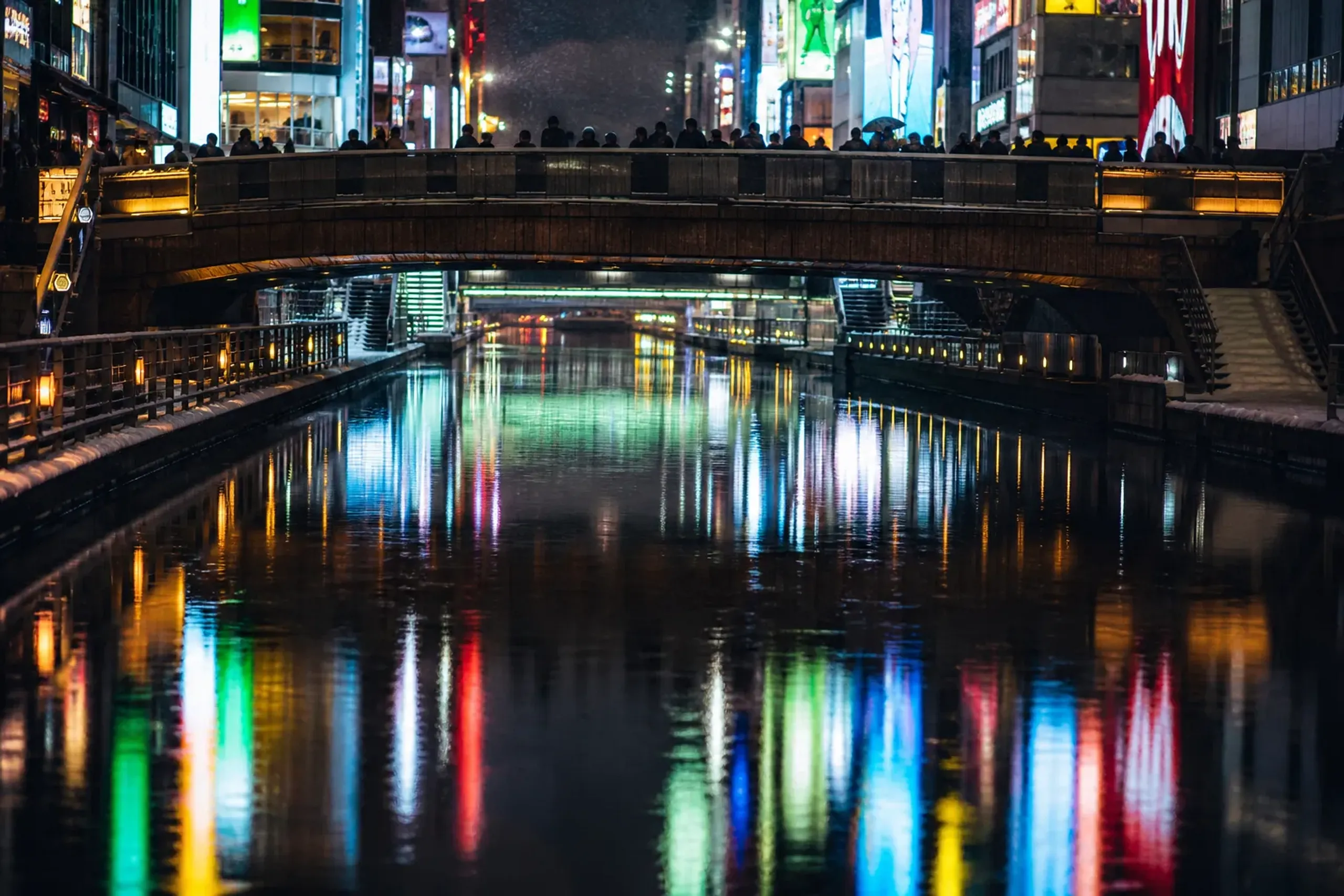
Character and function are not the same thing. Kyoto has the atmosphere. Osaka has the logistics. When you decide where to sleep, you are not choosing which city you love more — you are choosing which city serves your days best.
A base does one job well. It gets you out the door in the morning without friction and takes you back at night without a fight. It holds your luggage while you move light. It sits close enough to the airport that a late landing or an early departure does not swallow half a day. Osaka, on this narrow test, performs. The atmosphere you came to Japan for still happens — it just happens in Kyoto, Nara, and elsewhere, during the hours you choose.
This is a different argument from the one we make for Marunouchi as a Tokyo base, which turns on station adjacency and calm within one city. Osaka's case is regional. It is about where you sleep relative to where you go. You can read the Marunouchi case separately; we will not restate it here.
Airport And Regional Access: The Practical Spine
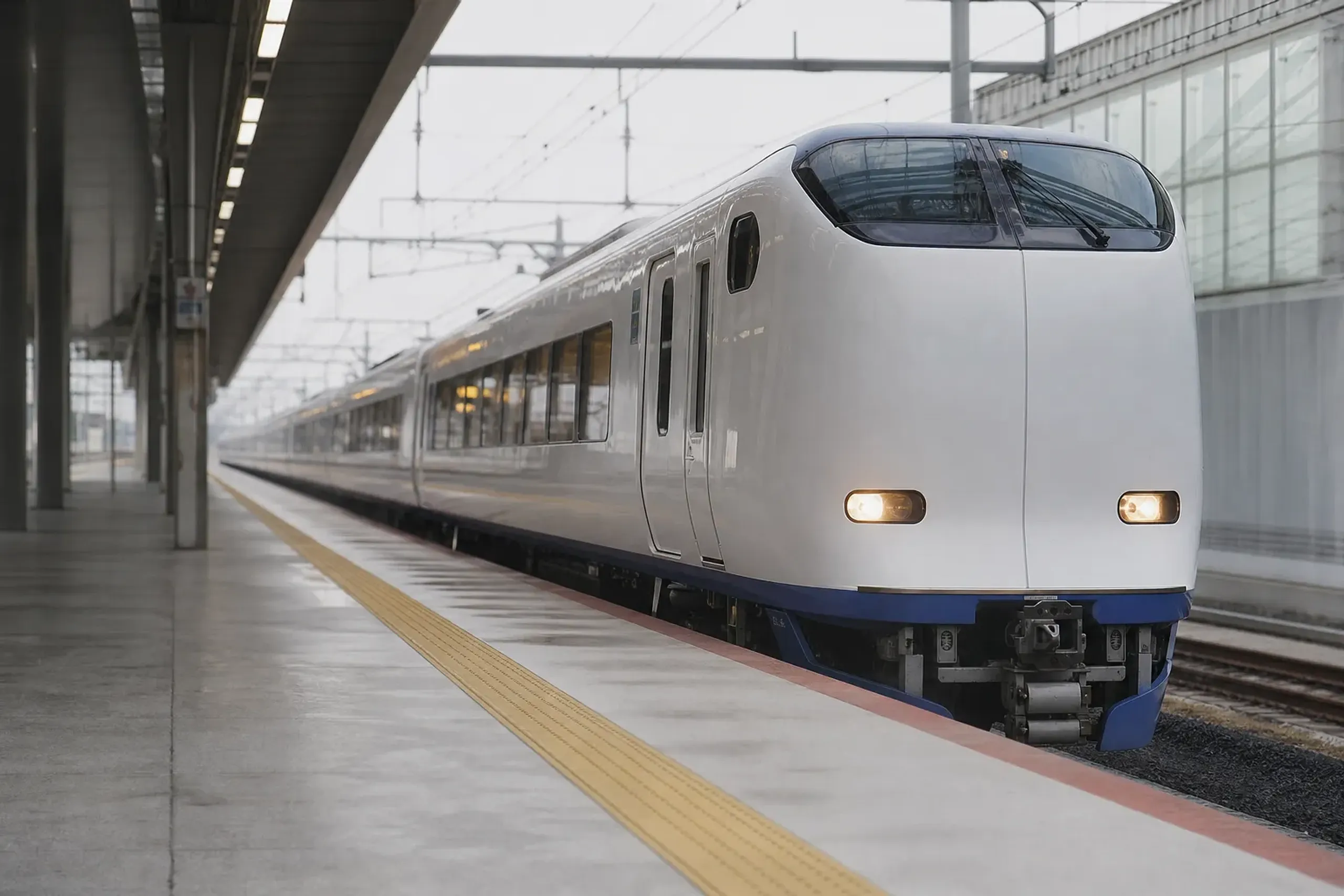
Direct rail from KIX reaches central Osaka in about 34 minutes with no transfer.
Start where the trip starts — the runway. Kansai International Airport (KIX) is the arrival point for most Kansai visits, and its rail connections into Osaka are direct and quick.
Nankai Electric Railway's Limited Express Rapi:t links Kansai-Airport Station and Nankai Namba Station with a minimum travel time of 34 minutes. That is airport-to-central-Osaka on one train, no transfer. For arrivals into the south of the city, the JR Haruka Express reaches Tennoji in about 35 minutes and Osaka Station in about 45 minutes, per Kansai Airport's own guidance.
Here is the part planners miss. KIX offers direct routing to Kyoto too — JR Haruka runs to Kyoto Station without a transfer, as the airport states plainly. So basing in Osaka does not cost you Kyoto access from the airport. It simply gives you a shorter first leg to your bed, which matters most on the nights when it matters most: the late landing, the jet-lagged family, the early flight home.
Key fact: Kansai International Airport connects directly to both Osaka (Rapi:t, 34 minutes to Namba) and Kyoto (JR Haruka, no transfer). An Osaka base does not sacrifice Kyoto airport access — it shortens your arrival and departure legs.
Kyoto By Day, Without Sleeping There
Now the daily commute, which is the heart of it. JR Special Rapid trains on the JR Kyoto Line run between Osaka Station and Kyoto Station in about 30 minutes, at a fare of 580 yen, according to Japan-Guide. Thirty minutes. That is shorter than the transit inside many single cities.
With a private chauffeur, the calculus shifts again. Our private chauffeured transport lets you leave your Osaka hotel before the day-trip trains fill, reach eastern Kyoto or Arashiyama ahead of the coaches, and return whenever your evening ends — not when the last convenient train does. The 30-minute rail figure is your floor; door-to-door timing depends on your hotel and your destination within Kyoto.
A Kyoto day from Osaka, in practice, might look like this: an early start toward Higashiyama or Fushimi, a slow midday, and a late-afternoon shift to a quieter district before the return south. Nara adds cleanly to the same base — Todai-ji and the deer park sit an easy day's reach from central Osaka. You visit both cities properly without unpacking in either.
Onward Positioning
Osaka also sits well for what comes next. Shin-Osaka is a primary Shinkansen node for onward travel toward Hiroshima, Himeji, or back toward Tokyo. If your itinerary continues after Kansai, an Osaka base puts you a short local hop from the fast-train platforms rather than routing you out of Kyoto first. Setouchi and Koyasan also route more naturally from Osaka than from central Kyoto.
What Staying Outside Kyoto Buys You, Day By Day
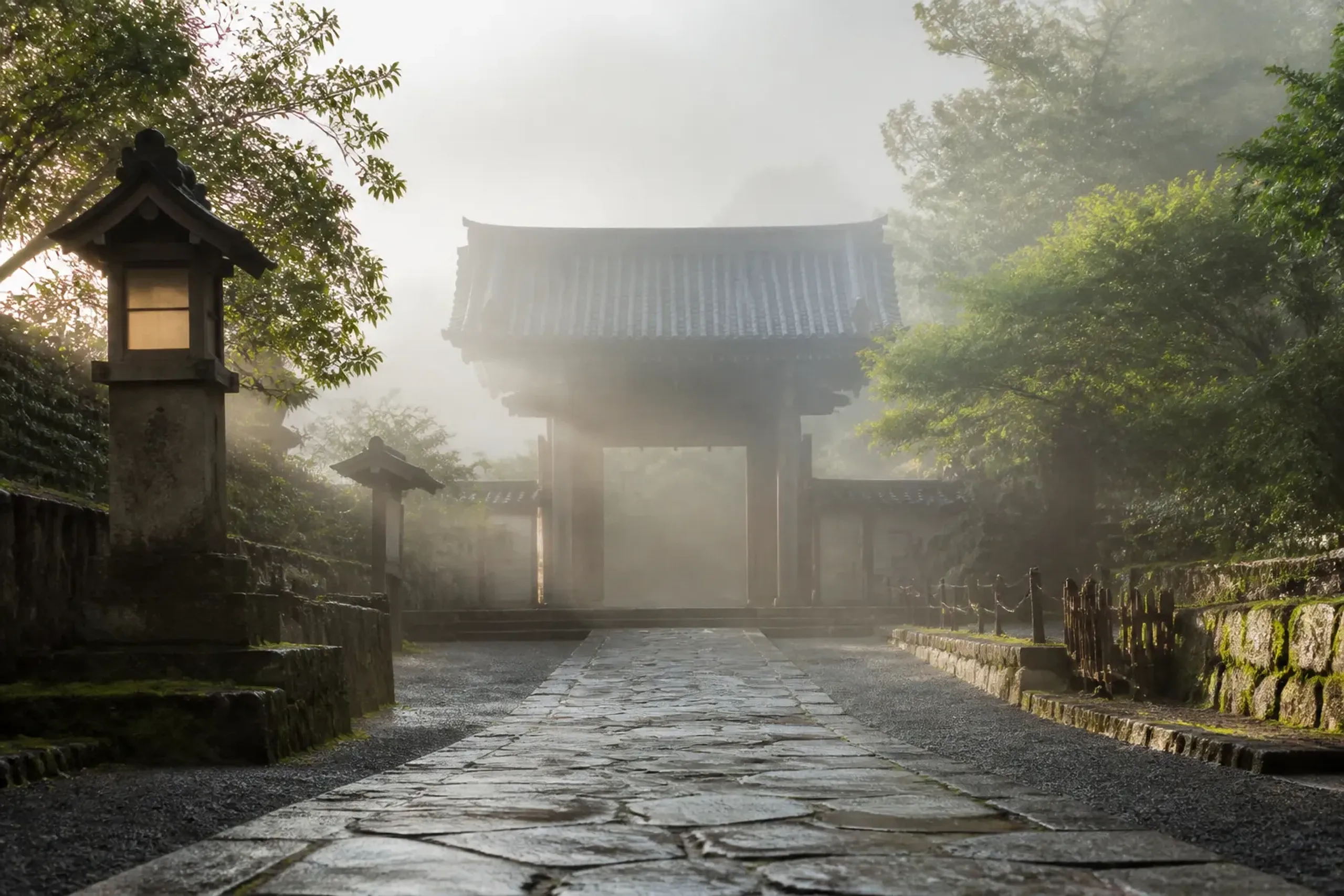
An early chauffeured start reaches Kyoto's sites before the coaches — whichever city held your bed.
The regional argument is really an argument about time and pressure. Consider what an Osaka base changes across a typical Kyoto day.
You arrive early. Central Kyoto's most photographed districts fill through the morning and stay full; the temples reward those who reach them first. Basing in Osaka does not slow you down here — a chauffeured early start beats the mid-morning crush regardless of which city held your bed. You also leave late. Kyoto's evening crowd pressure and its transit at day's end are real friction points, and Kyoto is actively managing them: coverage in 2026 has discussed dual-pricing measures on Kyoto city buses, with higher visitor fares floated against overtourism. You sidestep that entirely by not depending on Kyoto's buses.
There is a cost dimension too, newly sharpened. Kyoto City's accommodation tax rates change from March 1, 2026, and the top band — for stays of 100,000 yen or more per person, per night — is set at 10,000 yen per person, per night, on Kyoto's official tourism site. For a luxury party staying several nights, that is a line item you will notice. Basing in Osaka, or splitting a stay deliberately, is a defensible response to a real, dated change rather than a vague preference.
| Consideration | Osaka base, Kyoto by day |
|---|---|
| KIX to bed | Rapi:t to Namba in 34 min; Haruka to Osaka in ~45 min |
| Kyoto access | JR Special Rapid, ~30 min, 580 yen; private chauffeur for early/late |
| Nara add-on | Easy day trip from the same base |
| Accommodation tax (from Mar 1, 2026) | Avoids Kyoto's top 10,000 yen/person/night band |
| Onward Shinkansen | Shin-Osaka positions for Hiroshima, Himeji, Tokyo |
One more thing worth stating plainly. In our experience arranging Kansai stays, the foreign-visitor density in Osaka's luxury tier reads lower than Kyoto's during peak weeks. This is a comparative observation, not a figure. But it holds: the calm of your evening is easier to protect in Osaka, precisely because fewer international travelers are competing for the same tables and lobbies.
The Hotel Cluster, In General Terms
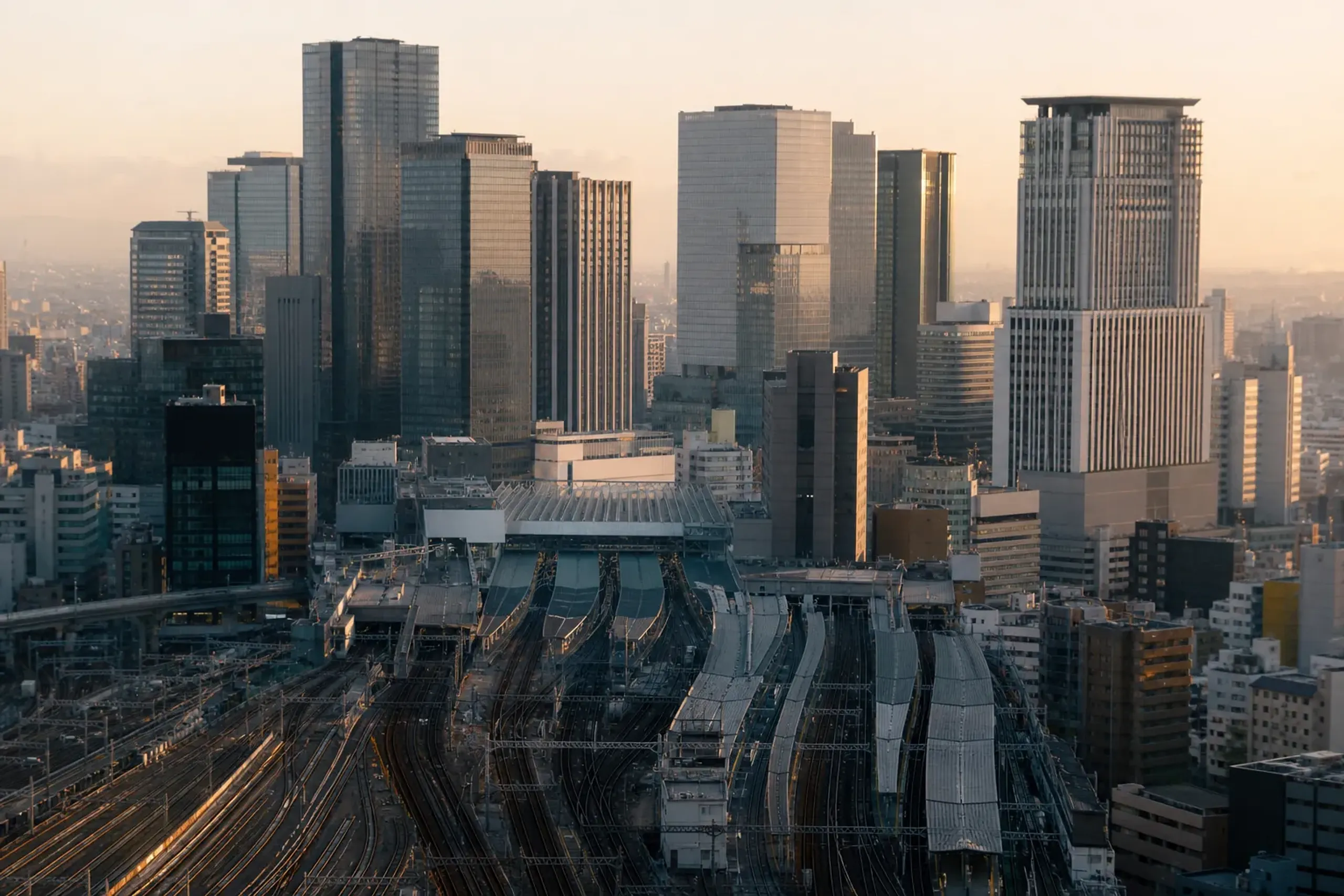
Choosing an Osaka base is really a question of which station you want at your feet.
Osaka's upper-tier hotels concentrate around a handful of well-connected districts, and choosing among them is really a question of which station you want at your feet. We name none here by design — the right property depends on your party and your days — but the district logic is worth understanding.
The Umeda Side
The northern cluster around Umeda pairs well with Kyoto and with Shin-Osaka's onward trains. If your trip leans toward Kyoto days and continued travel afterward, this side keeps your transfers short.
The Namba Side
The southern cluster around Namba connects most directly to KIX via the Rapi:t and sits closest to Osaka's own evening. Families arriving on late flights, or travelers who want the city itself within walking reach, often prefer this end.
The Tennoji Side
The area around Tennoji lines up with the Haruka Express and southern Osaka. It suits arrivals routing through Tennoji and those who value airport convenience above all.
Whichever district you choose, luggage-forward routing is what makes the base work. Bags handled between hotel and station, a car waiting when the train is not ideal, and a fixed room to return to each night — that is the machinery behind an unhurried trip. A tailor-made itinerary sets that machinery against your actual flights and days rather than a generic template.
The Honest Case Against, And Who Should Stay In Kyoto
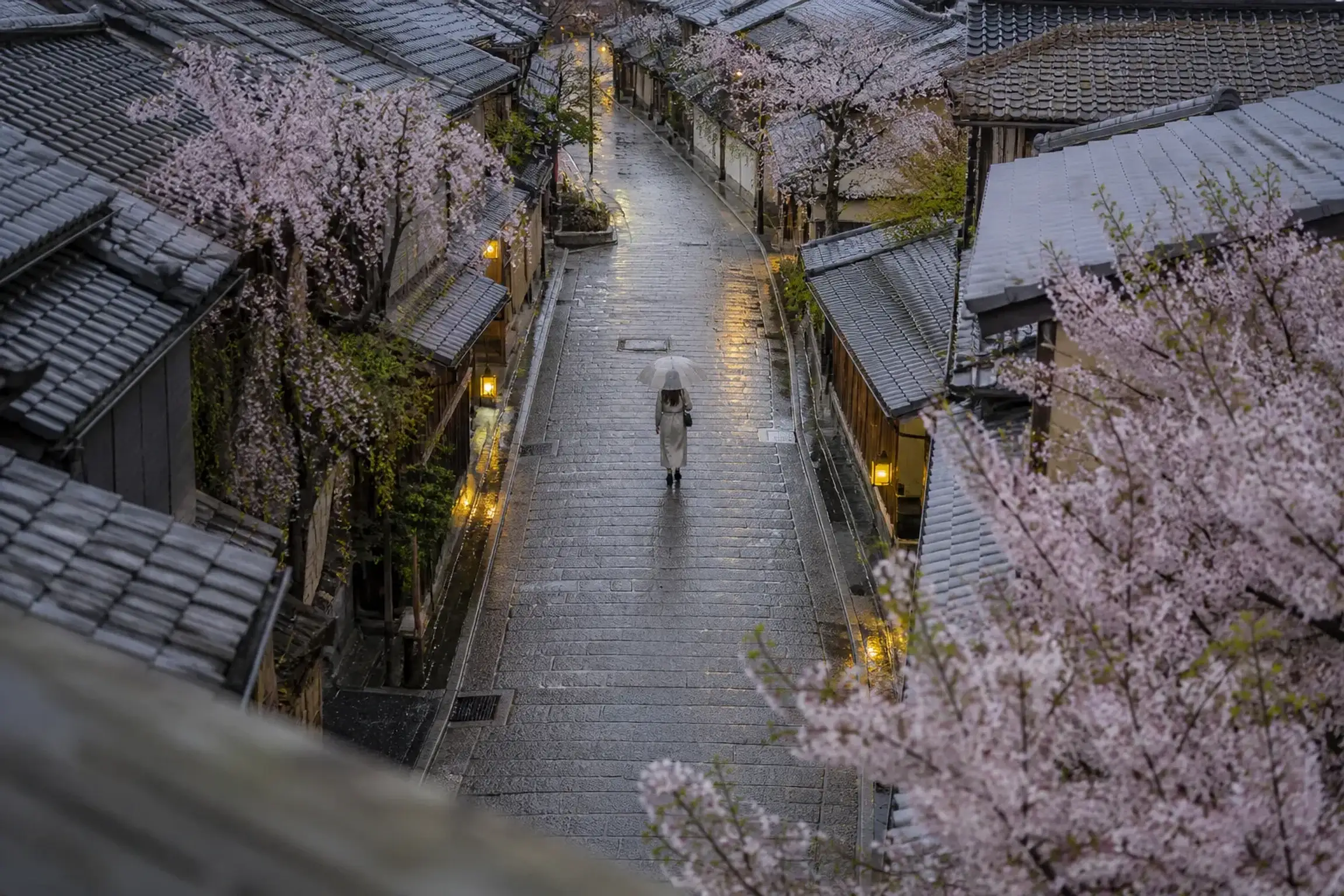
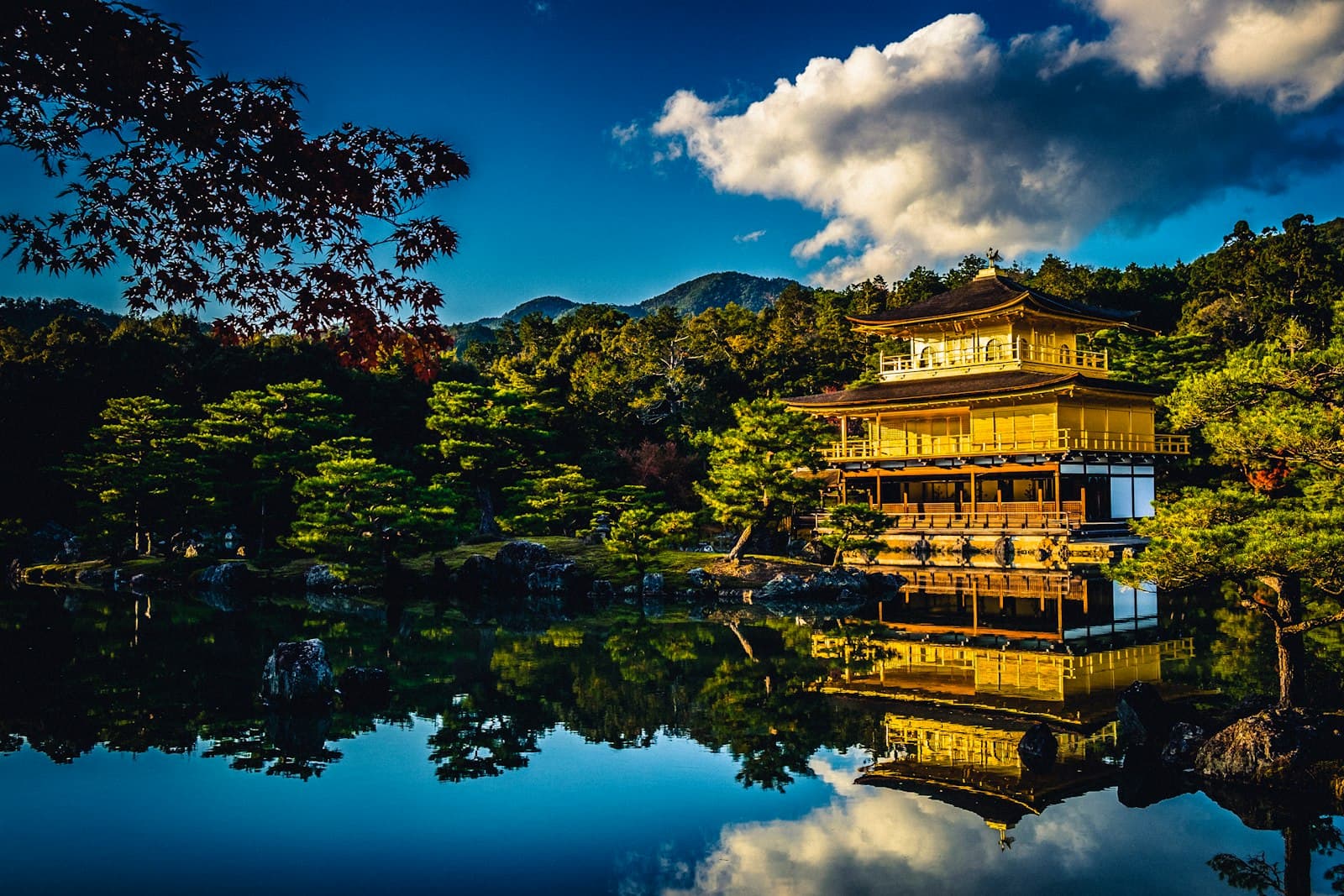
If the texture around your bed is the point, Kyoto's atmosphere is worth staying for.
Now the other side, because an argument you cannot rebut is not worth much.
Osaka has less atmosphere than Kyoto. That is simply true. You will not step out of your hotel into a lane of machiya and moss; you will step into a busy, modern city that earns its living out loud. If the texture of the place around your bed is part of what you came for — the early quiet of Higashiyama before the gates open, the walk to dinner along the Kamo River, the temple you can reach on foot at first light — then Osaka does not give you that, and no logistics argument replaces it.
So who should sleep in Kyoto? Several kinds of traveler, honestly:
- Those for whom the stay itself is the point — a riverfront room or a refined ryokan is an experience, not just a base. Sleeping there is the reason.
- Photographers and early risers who want repeated dawn and dusk access to Kyoto's sites, when the light is right and the crowds are thin. Being ten minutes away, not thirty, changes what you can shoot.
- Travelers on a short, single-city trip centered entirely on Kyoto, where an Osaka base adds a commute without a payoff.
- Anyone building the trip around specific private cultural sessions in Kyoto that run early or late — a shokunin atelier visit, a temple opened before public hours — where proximity is worth the tax and the crowds.
For those travelers, the right answer may be two or three Kyoto nights when the stay earns its place, and Osaka for the rest. A split stay is not a compromise; it is often the most honest reading of a trip. We will say so when it fits.
Who The Osaka Base Suits
The base rewards a specific traveler. Returning visitors who have already slept in Kyoto and want efficiency this time. Families, for whom fewer unpacks and a steady room matter more than lane-side charm. Travelers combining business and leisure, since Osaka handles both. And anyone prioritizing fewer transitions across a multi-city Japan itinerary. If that describes your trip, the base is not a downgrade — it is the smarter shape.
Osaka's Own Evening, Briefly
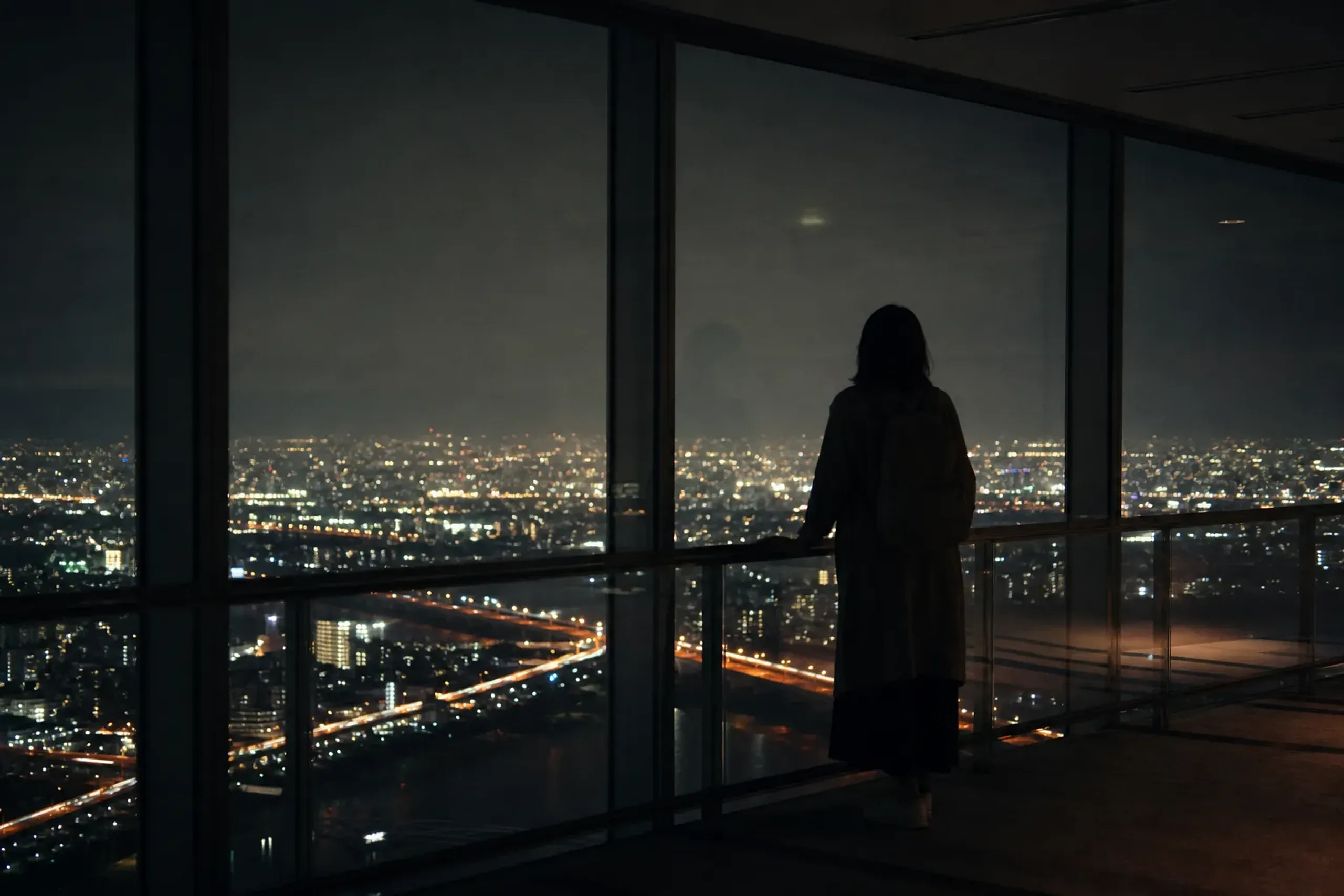
After a long Kyoto day, Osaka is comfortable being itself.
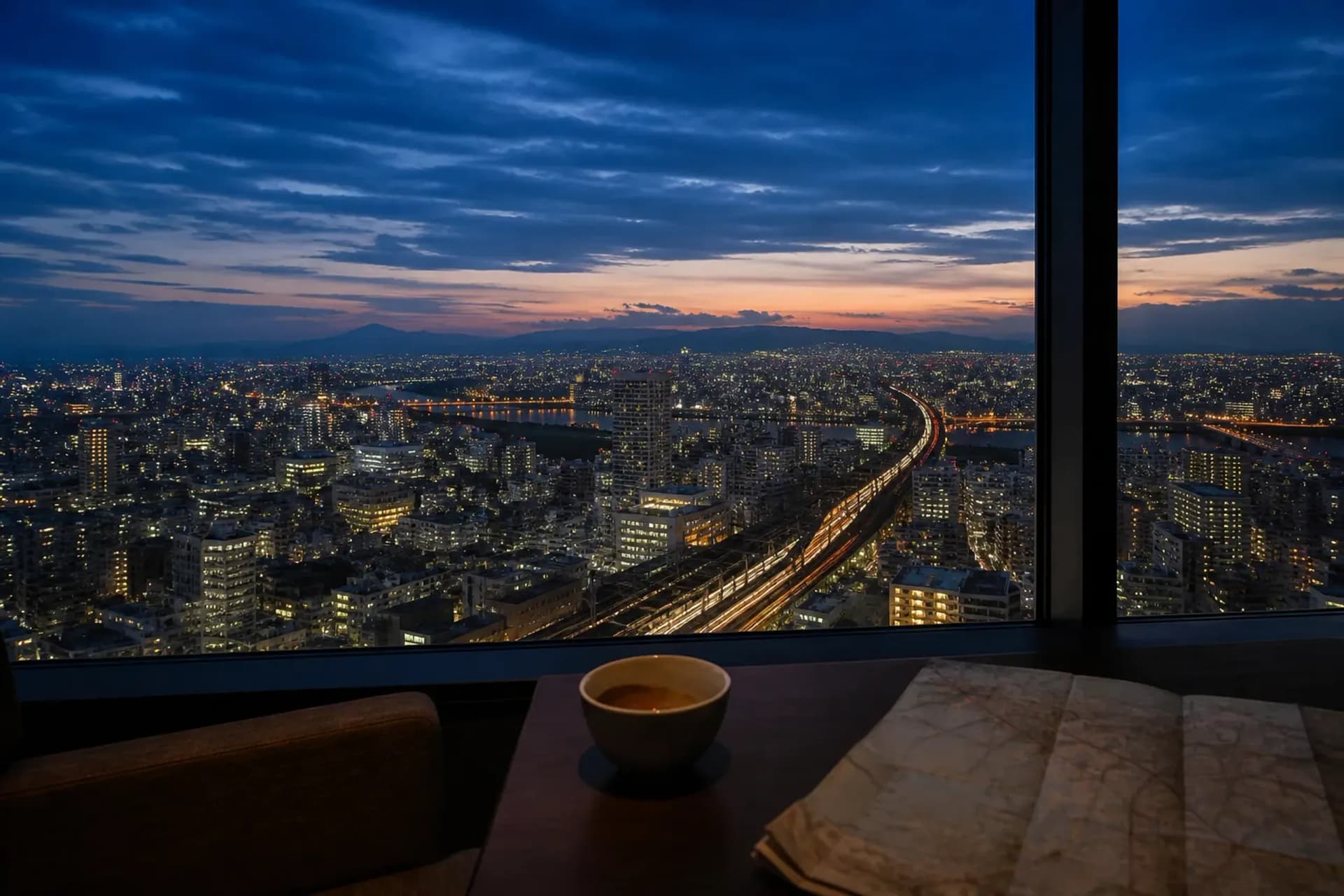
None of this means Osaka is only a corridor. Give it an evening on its own terms. The view from the observation levels over the city at dusk, a walk through the older southern districts, the run of covered arcades, and — yes — a dinner that treats eating as a serious local pleasure. Osaka does not need to imitate Kyoto to be worth your night. It is a city that is comfortable being itself, and after a long Kyoto day, that ease is welcome.
Why Choose Japan Royal Service
The base-versus-Kyoto question has no single right answer — it has a right answer for your flights, your party, and your days. That is what our team at Japan Royal Service exists to work out with you. We test the Osaka base against your real arrival and departure times, your planned Kyoto and Nara days, and the private sessions you want to build the trip around.
Where an Osaka base fits, we route your Kyoto days to arrive ahead of the crowds and leave after them, with chauffeured transport that does not depend on the last convenient train. Where Kyoto nights earn their place, we say so and split the stay. Discretion runs through all of it — your identity and your itinerary stay closed. Our concierge coordinates the machinery beneath the trip, from luggage between stations to timing at the sites, so the shape of your days feels obvious rather than engineered.
Tell us your flights and the days you have in mind, and we will pressure-test the base against them before you commit to a single night.
For private coordination, reach our team directly via WhatsApp or LINE, or contact us here.