In this guide
- 01Why The Osaka March Basho Is Different
- 02Can You Buy Osaka Sumo Tickets On The Day?
- 03How Osaka Sumo Tickets Actually Release
- 04Which Sumo Seats Should You Book In Osaka?
- 05What Time Does The Sumo Start In Osaka?
- 06Can You Watch Sumo Morning Practice At A Stable?
- 07When Do You Need To Decide On March Sumo?
- 08The March Cluster: Three Cities In One Fortnight
- 09Frequently Asked Questions
- 10Why Choose Japan Royal Service
The clay smells faintly of water and salt. You notice it first, before the noise. Then the hall fills, seven thousand people packed close around a raised ring, and in the seconds before a top-division bout the whole place goes silent at once. Not a hush. A held breath. That stillness, in a hall smaller than Tokyo's, is why the March tournament in Osaka is the one we quietly recommend to clients who want to watch sumo rather than watch a crowd.
This is a working guide to that tournament: how the tickets actually move, where you sit, and what the day looks like. At Japan Royal Service we arrange tickets, teahouse seating, and, where a stable permits it, a morning practice visit. The value here is not access-bragging. It is knowing how an opaque system works, and when to act.
Why The Osaka March Basho Is Different
The Osaka tournament is the Haru Basho — the spring tournament. It carries a nickname that Japanese fans use without irony: areru haru basho, the stormy spring basho. The hall has a long record of upsets, lower-ranked wrestlers toppling favourites, ranks scrambled before the fortnight ends.
It runs fifteen days at EDION Arena Osaka, still known to almost everyone as the Osaka Prefectural Gymnasium. Sumo has been held here since 1953. The tournament runs by 8 to 22 March. The fixture holds the same fortnight each year, so plan against that window.
Capacity sits around 8,000, with roughly 7,000 tickets sold per day.
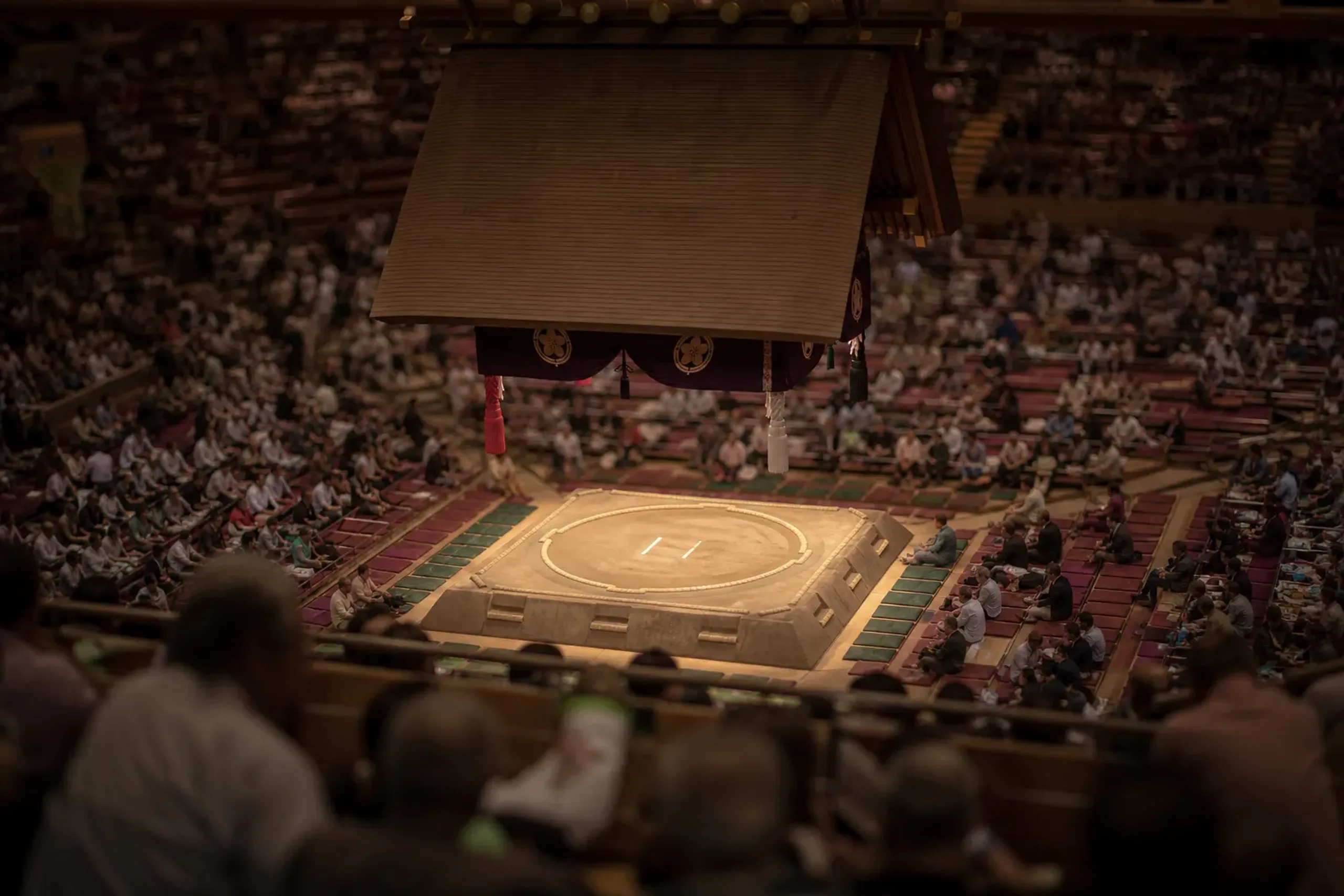
The Osaka hall is smaller and closer than Tokyo's — the reason connoisseurs choose the March basho.
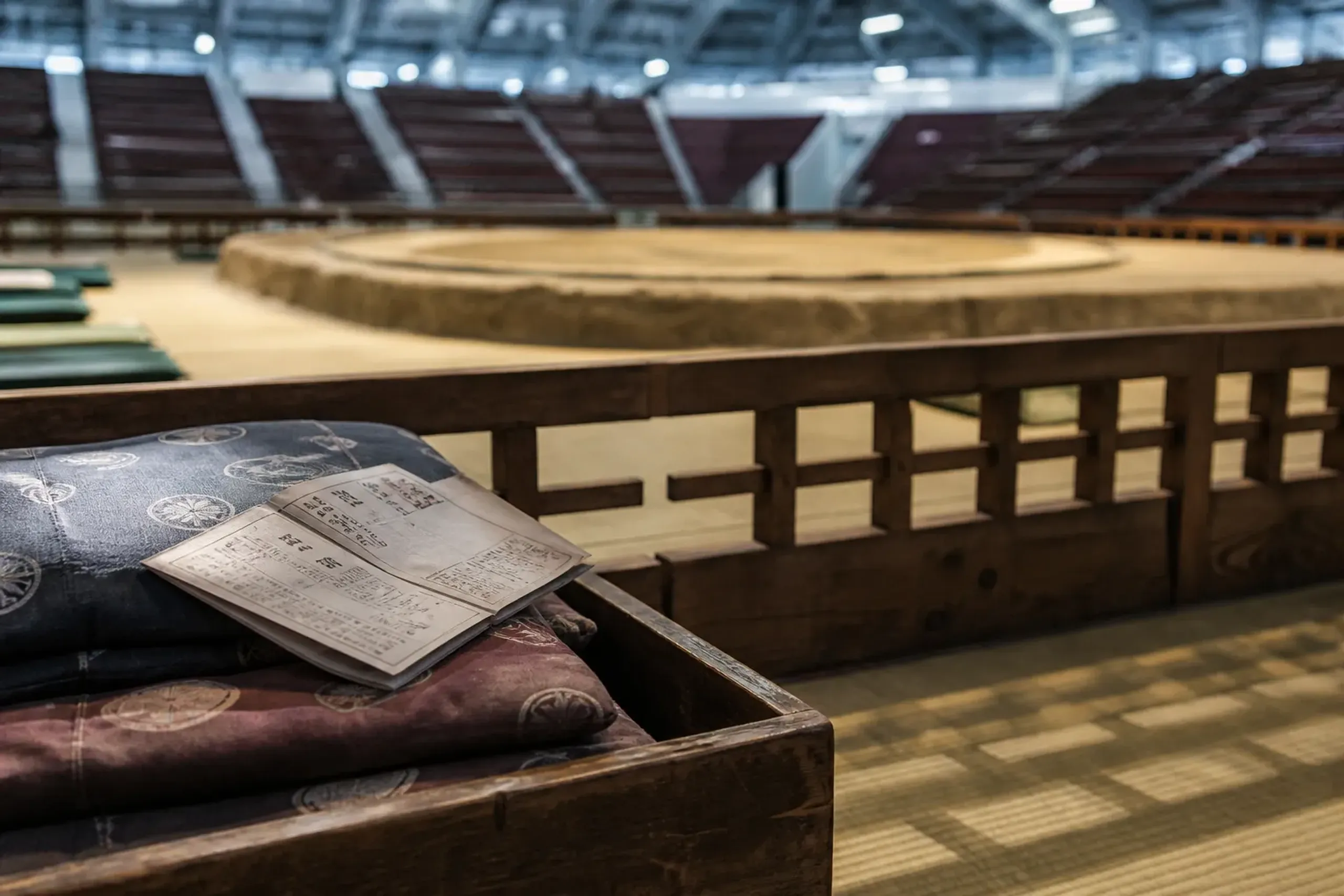
That is the whole point. This hall is markedly smaller and closer than Ryōgoku Kokugikan in Tokyo. The wrestlers are near. You feel the impact of a charge in your chest. For the connoisseur, compactness is the reason to come to Osaka rather than to one of the three Tokyo tournaments.
The venue sits in Minami, in the Namba district — Dōtonbori, Ebisubashi, Kuromon Market and the Namba Grand Kagetsu theatre are all within walking distance. It is indoors, so weather never touches the schedule.
Can You Buy Osaka Sumo Tickets On The Day?
No. For March tournament the Sumo Association sold no unreserved seats at all, and where advance tickets sell out the box office runs no same-day sales. Turning up is not a plan.
This is the single fact most visitors get wrong. They picture a stadium with a queue and a window. Osaka in March is not that. Every seat is reserved, sold in advance, and the popular categories are gone long before the doors open on day one.
Key fact: No unreserved seats. No same-day sales. If a client wants to see the Osaka Haru Basho, the seat must be secured months in advance.
How Osaka Sumo Tickets Actually Release
Tickets come out in stages, and how many sit in each stage is not disclosed. That opacity is deliberate, and it is the honest reason the teahouse route exists.
The sequence, broadly, runs like this. First a fan club pre-lottery, restricted to specific membership tiers.
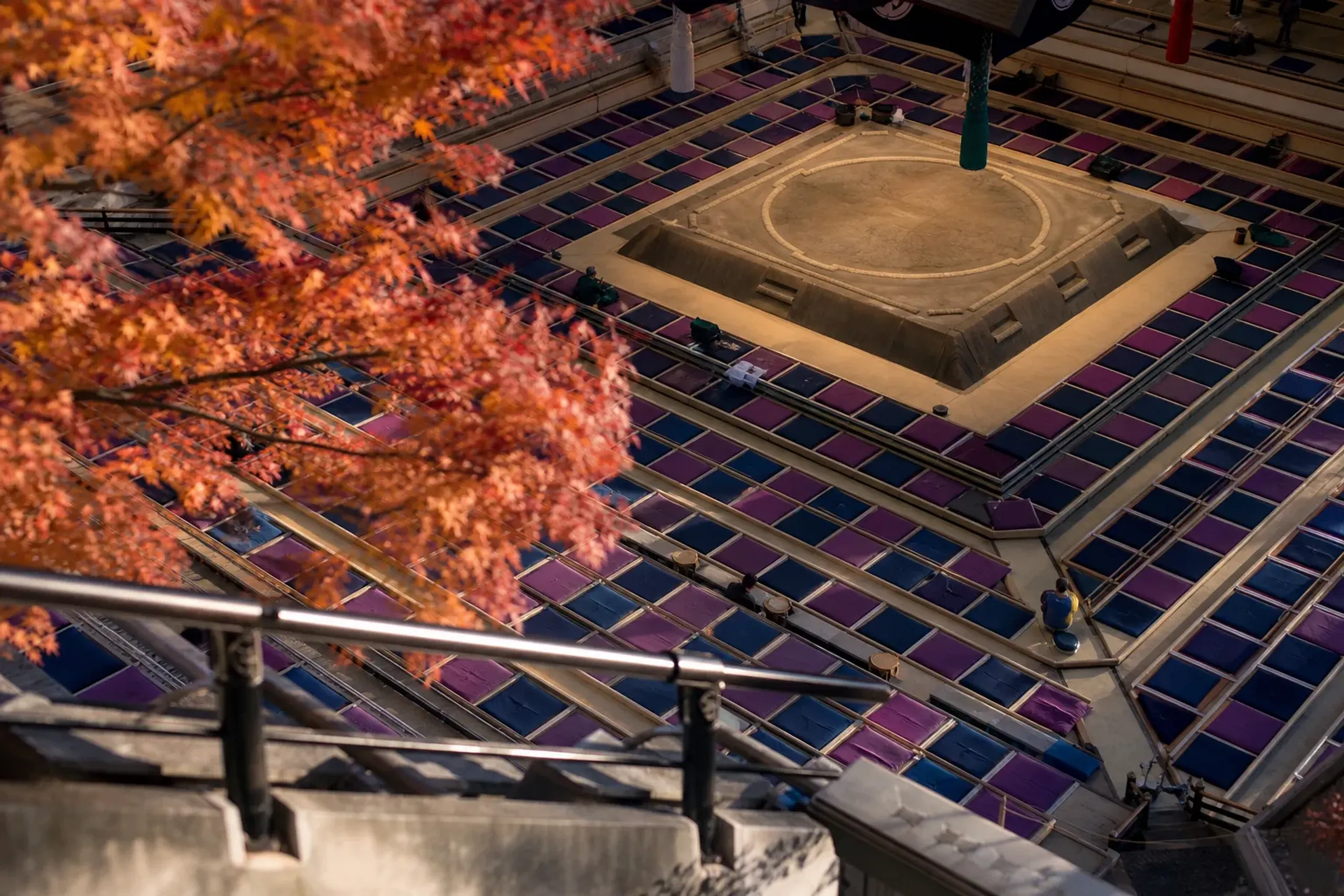
Masu boxes suit a group; chair seats suit anyone who cannot sit on the floor for hours.
Then the Ticket Ōzumō lottery. Then Ticket Pia. Then a first-come general sale. Advance ticket sales begin early February, and the banzuke — the ranking sheet — is announced around the 3rd week of February.
Here is what nobody publishes: the split. You do not know how many of the day's seats were held back for the pre-lottery, how many reached the general sale, or how many of your preferred category ever became publicly available. You apply into a black box and hope.
The way in is the teahouse channel — the traditional chaya allocation — which is how experienced attendees have secured good seats for generations. We have written before on how that allocation works in general; rather than repeat it, see our piece on multi-day planning in Japan for the wider logic of booking early against fixed cultural dates.
Which Sumo Seats Should You Book In Osaka?
It depends entirely on your party. Masu boxes suit a group. Chair seats suit anyone who cannot sit on the floor for hours. Tamari suit only a guest who understands the exposure. Here is the honest breakdown.
Tamari — The Ringside Cushions
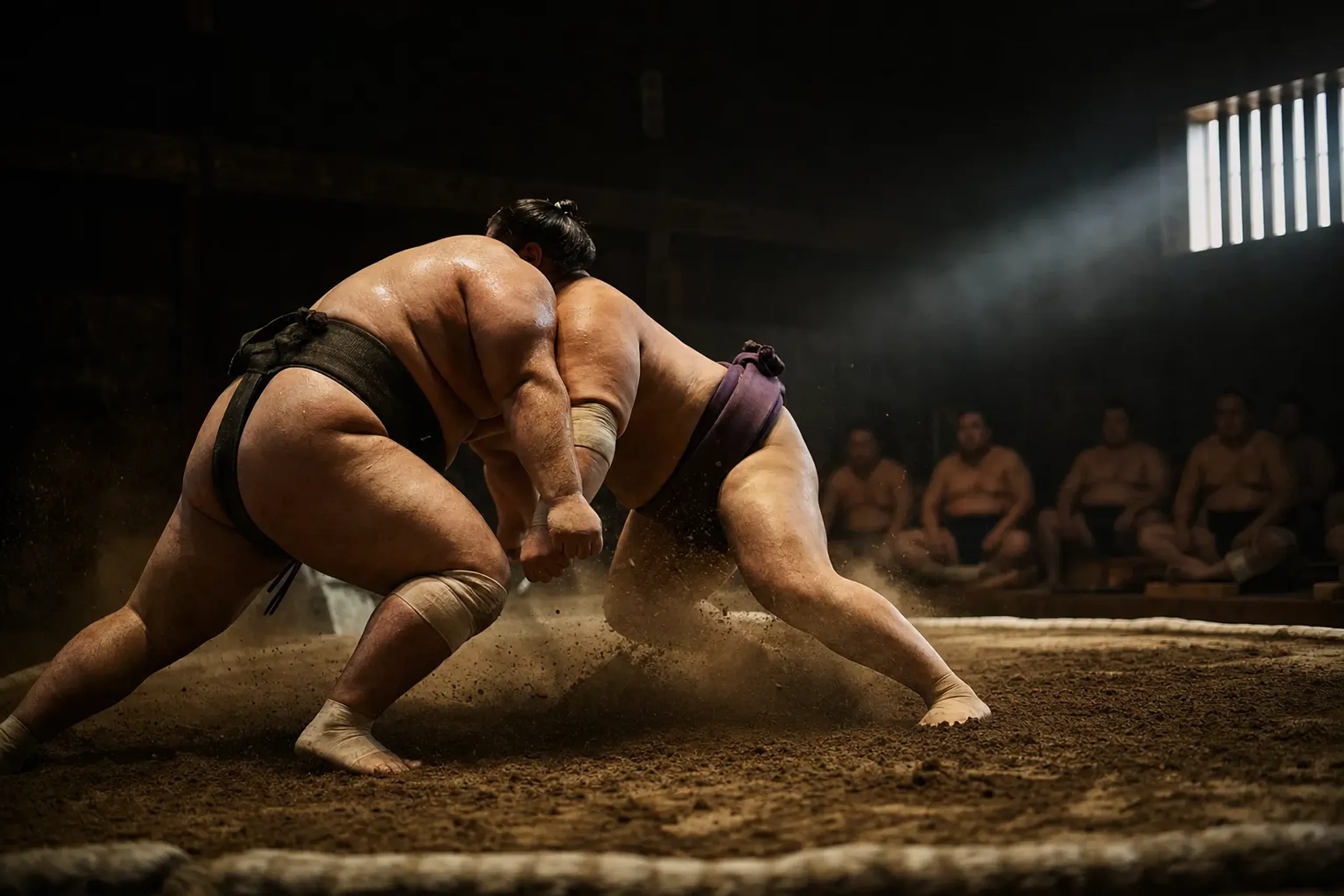
Closest to the ring, and the most exposed. You sit on a cushion at floor level, feet from the action. Wrestlers are thrown out of the ring and into these seats. There is no table, no back support, a long day of formal sitting, and a real chance of a 150-kilo man landing in your lap.
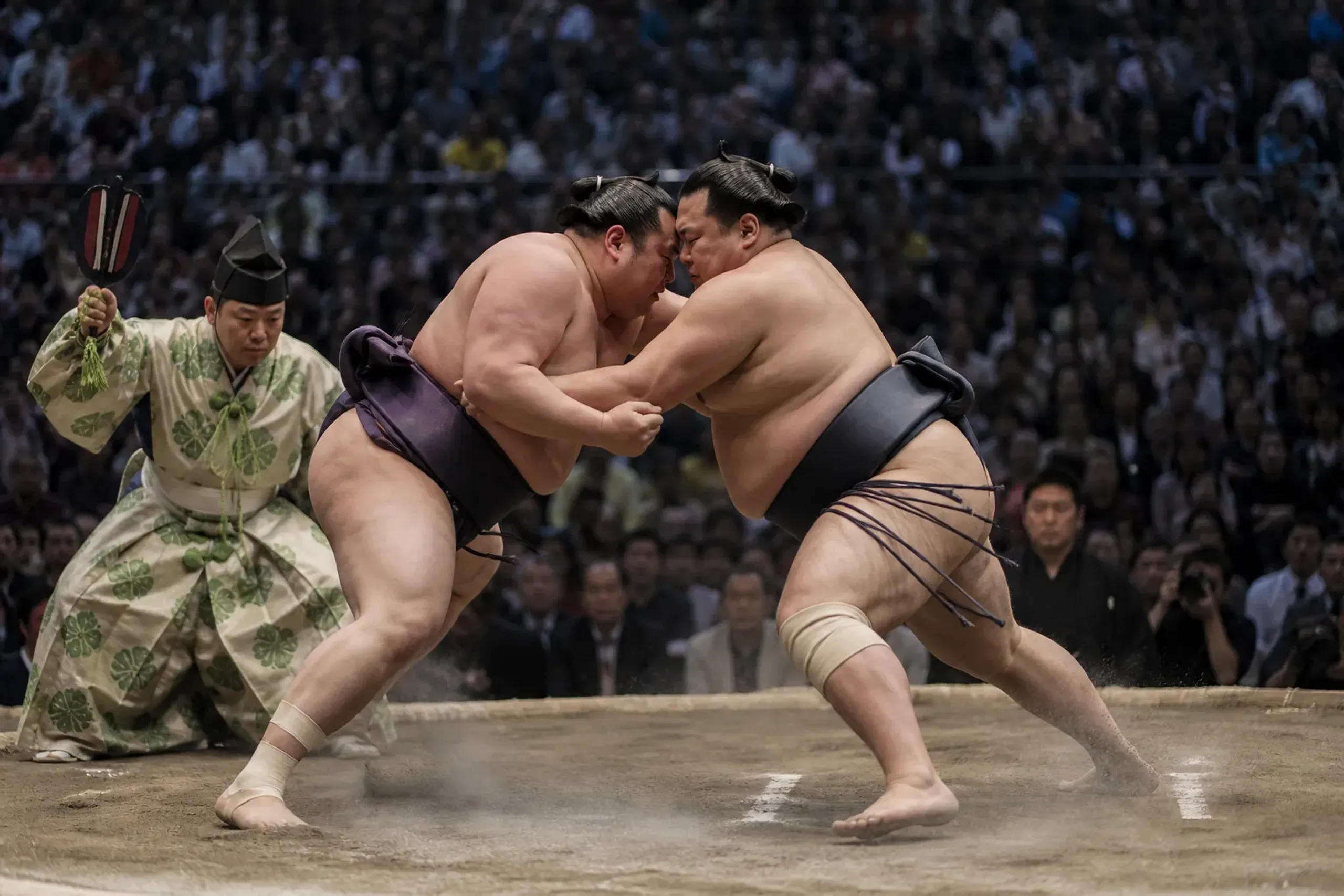
The top-division bouts and ceremonies run from around 15:30 to 18:00.
We recommend tamari only for a client who understands, and wants, exactly what it involves.
Masu — The Boxed Floor Seats
The classic sumo experience. Boxed sections of floor, in one-, two-, three- and four-person configurations, some with small tables. This is the best choice for a group who want to share the day together. But it is floor seating — cushions, legs folded, no chairs. Comfortable for some, punishing for others across a full afternoon.
Chair Seats — The Comfortable Distance
At the back and up the sides. The most comfortable seats in the hall and the least immediate. If a guest has a bad knee, a bad back, or simply no wish to spend hours on the floor, this is the honest recommendation. You lose proximity. You keep your composure.
Two constraints worth noting. The pre-lottery covers only certain categories — tamari, four-person masu, table-equipped two-person masu, and chair seats. Single, triple and most two-person masu sit outside it. And anyone aged four and over needs a ticket; reserved seats carry no child pricing, and a child under four needs a ticket if they need a seat.
What Time Does The Sumo Start In Osaka?
Doors open around 8:45 for the first twelve days, later on days thirteen and fourteen and on the final day. The lower divisions fight through the morning; the top division and the ceremonies come in the late afternoon, closing around 6 p.m.
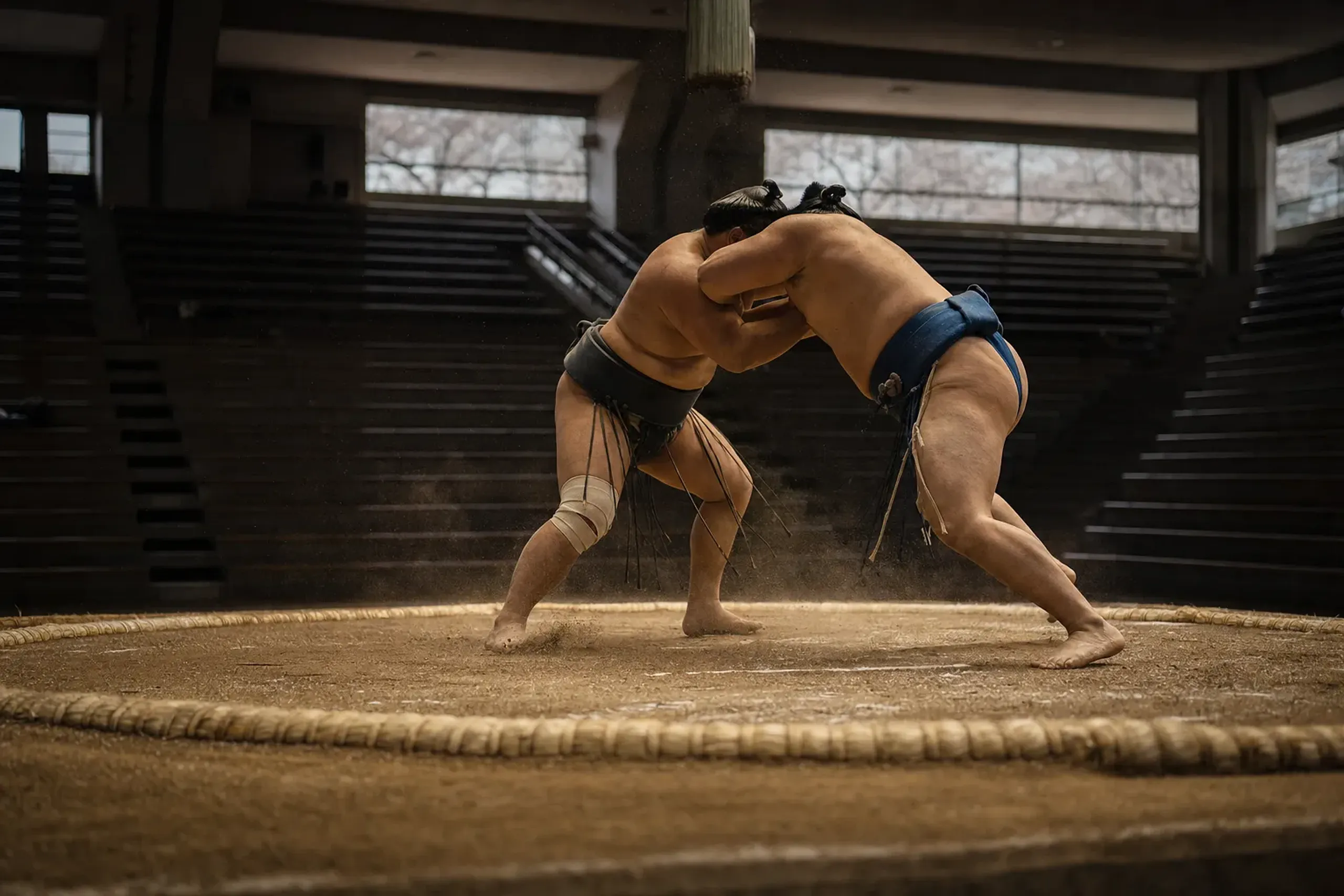
Stables admit visitors to morning practice at their own discretion — never a scheduled product.
The morning belongs to the lower divisions — jonokuchi, jonidan, sandanme, makushita — young wrestlers, fast bouts, an almost empty hall. Around 14:30 comes the jūryō ring-entering ceremony and the jūryō bouts. Around 15:30, the makuuchi ring-entering ceremony and the yokozuna ceremony, then the top-division bouts. Around 18:00, the bow-twirling ceremony closes the day. Times shift with the bouts.
Here is the connoisseur's answer that most visitors miss. Nearly everyone arrives for the afternoon. In the morning the hall is close to empty, and you can sit almost anywhere, watch the young wrestlers up close, feel the scale of the place before it fills. A guest who genuinely wants to watch sumo, not a crowd, comes early. On B1F you will find food stalls, including the arena's chanko nabe, the hotpot the wrestlers themselves eat.
Can You Watch Sumo Morning Practice At A Stable?
Sometimes — and only at the stable's discretion. Sumo stables (heya) admit visitors to morning practice, asageiko, entirely on their own terms, and no morning is guaranteed. This is not a scheduled product.
When a stable does permit a visit, the conditions are strict and not negotiable. You sit on the floor, in silence. Photography is forbidden in many cases. You do not speak, you do not move about, you do not treat the wrestlers as an attraction — you are a guest in a working training room, watching men do brutally hard work. Some mornings a stable will decline.
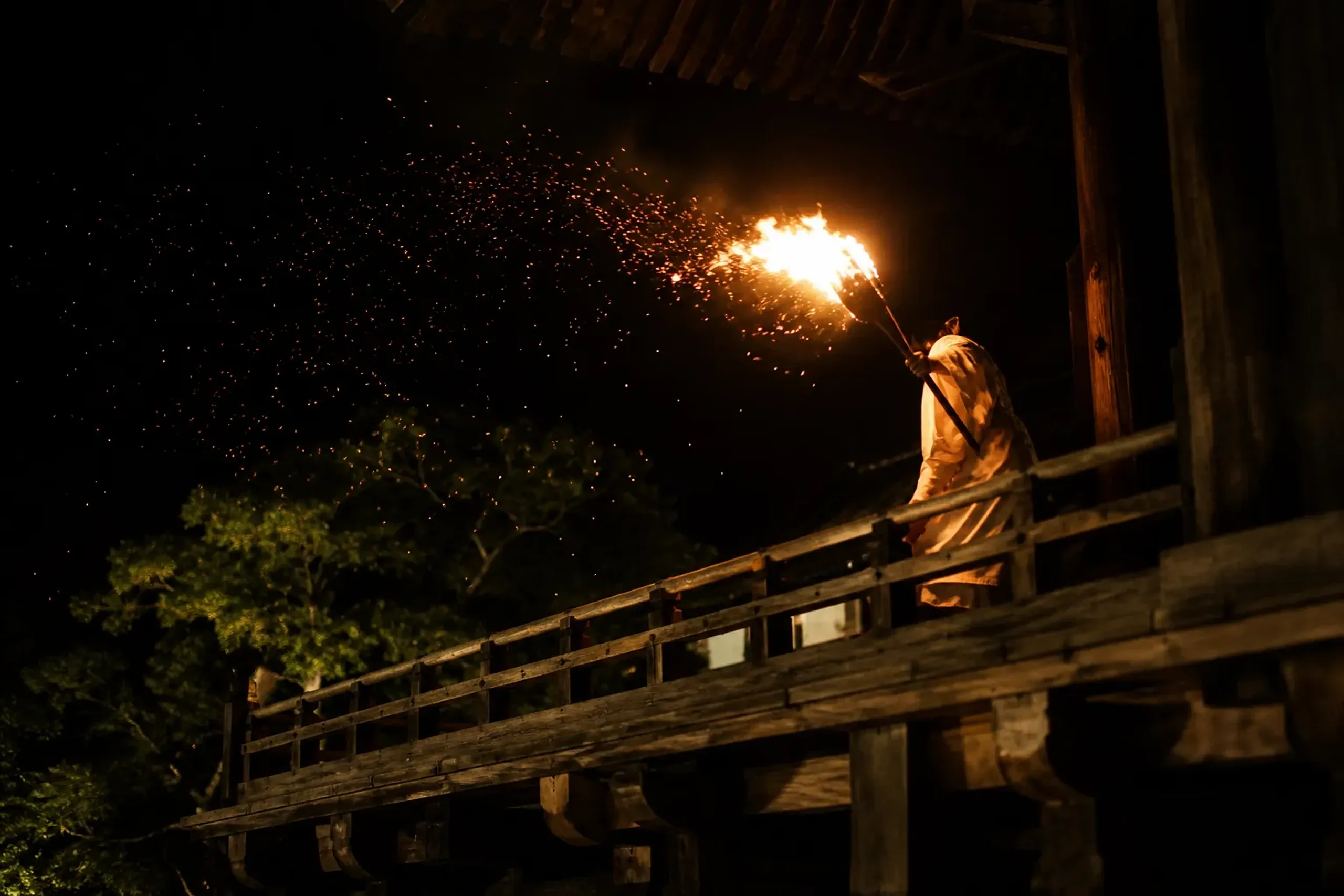
Early March links Osaka's basho, Nara's Omizutori and Kyoto in a single fortnight.
That is their right, and part of what makes it meaningful.
We can request such a visit and explain the etiquette in full. We cannot promise one on any given morning, and we would distrust anyone who claimed they could. This is the part of sumo that money does not straightforwardly buy.
When Do You Need To Decide On March Sumo?
The preceding autumn. Teahouse ticket sales for the following year's Osaka tournament typically open around December, and fan club lottery applications for the March tournament fall in mid-January, in windows of only a few days.
Read that timeline back. If a client tells us in February that they would like to see the March basho, the good seats are already committed. The decision belongs to the previous October or November. We review this article each October for exactly that reason. Confirm the current year's sale dates and lottery windows with our concierge at the time you enquire.
| When | What happens |
|---|---|
| Around December | Teahouse sales for next year's Osaka tournament typically open |
| Mid-January | Fan club lottery windows (a few days each) |
| Early February | Advance ticket sales began |
| Mid February | Banzuke (ranking sheet) announced |
| Starts at Early March | The fifteen-day tournament |
The March Cluster: Three Cities In One Fortnight
Early March is the strongest itinerary window in the Japanese calendar for anyone drawn to ritual and craft. Three events overlap, all within easy reach of one another.
The Osaka basho runs 8 to 22 March. Omizutori, the ancient fire-and-water rite at Tōdai-ji, runs 1 to 14 March in Nara — flaming torches carried along the temple balcony after dark, a rite unbroken since the eighth century.
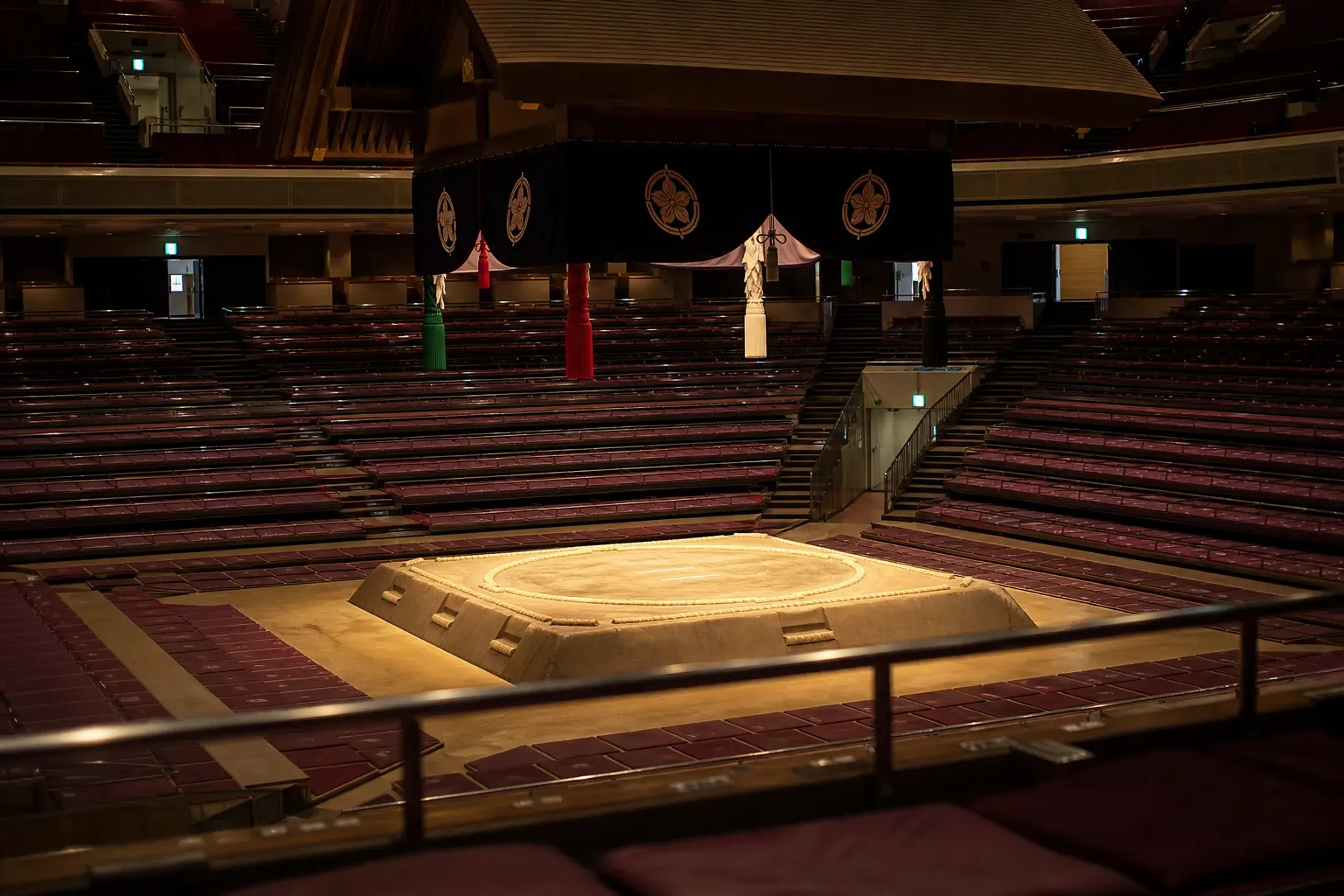
And early March is precisely the window our Kansai and imperial-bath itineraries are built around. Osaka, Nara and Kyoto form a loose triangle you can move through in a fortnight, watched over by a single private chauffeured car that waits while you are inside. It is the most rewarding cultural cluster we plan all year.
Frequently Asked Questions
Can I buy same-day tickets for the Osaka sumo tournament in March?
No. For the March tournament the Sumo Association sold no unreserved seats, and where advance tickets sell out the box office runs no same-day sales. Seats must be secured months ahead.
Where is the March Grand Sumo Tournament held in Osaka?
At EDION Arena Osaka, still commonly called the Osaka Prefectural Gymnasium, in the Namba district of Minami. Sumo has been staged there since 1953. Capacity is around 8,000, with roughly 7,000 tickets sold per day.
What time should I arrive at the Osaka basho?
Doors open around 8:45 on most days. The top-division bouts run from about 15:30 to 18:00. Most visitors come only for the afternoon — but arriving in the morning means an almost empty hall and close, unhurried viewing.
Can Japan Royal Service arrange a sumo stable practice visit?
We can request one, but never guarantee it. Stables admit visitors to morning practice at their own discretion, often in silence, frequently with no photography, and any morning they may decline.
It is not a scheduled booking.
When do I need to decide if I want to attend the March Osaka basho?
In the preceding autumn. Teahouse sales typically open around December and fan club lottery windows fall in mid-January, lasting only a few days. Deciding in February is usually too late for the best seats.
Why Choose Japan Royal Service
The March basho rewards people who understand the calendar and act early. That is exactly the gap we fill. Our team at Japan Royal Service is based in Japan, works in the teahouse channel, and speaks plainly about the calendar and how the seats are actually allocated.
For the Osaka Haru Basho we arrange tickets, teahouse seating, and — where a stable permits — a morning practice visit on its own terms. We match the seat to the party: masu for a group, chair seats for anyone who should not sit on the floor for hours, tamari only for the guest who wants the exposure and understands it. Around the tournament we plan the wider fortnight — the Nara and Kyoto pairing, dining that respects the late-afternoon top-division timing, and a private car that waits so you never chase transit. We keep client identity and itinerary entirely confidential. Where a hotel or ryokan matters to the trip, our accommodation planning holds rooms early against fixed cultural dates.
Everything runs through the official teahouse and tournament channels, arranged in the client's name.
What we offer is the knowledge to work a genuinely opaque system, and the discretion to do it quietly.
To plan a March in Osaka, reach our team privately via WhatsApp or LINE, or contact us here. The seats worth having are decided in autumn — the conversation is best started well before.