In this guide
- 01Premium Transportation Options Between Japan's Major Cities
- 02Crafting the Perfect Travel Experience
- 03Maximizing Value on the Osaka to Tokyo Route
- 04Station Navigation and Connections
- 05Cultural Immersion During Transit
- 06Seasonal Considerations for Optimal Travel
- 07Private Transportation and Customized Solutions
- 08Technology Integration for Seamless Travel
- 09Enhancing the Journey Through Professional Services
The journey from Osaka to Tokyo represents one of Japan's most traveled routes, connecting two of the nation's most vibrant metropolitan areas. For discerning travelers seeking an exceptional experience, this approximately 500-kilometer corridor offers multiple transportation options that balance speed, comfort, and cultural immersion. Understanding the nuances of each travel method allows sophisticated visitors to select the approach that best aligns with their schedule, preferences, and desire for luxury.
Premium Transportation Options Between Japan's Major Cities
Traveling from Osaka to Tokyo offers several distinct options, each with unique advantages for luxury-minded travelers. The decision extends beyond simple logistics to encompass the entire travel experience, from departure lounge to final destination.
The Shinkansen Bullet Train Experience
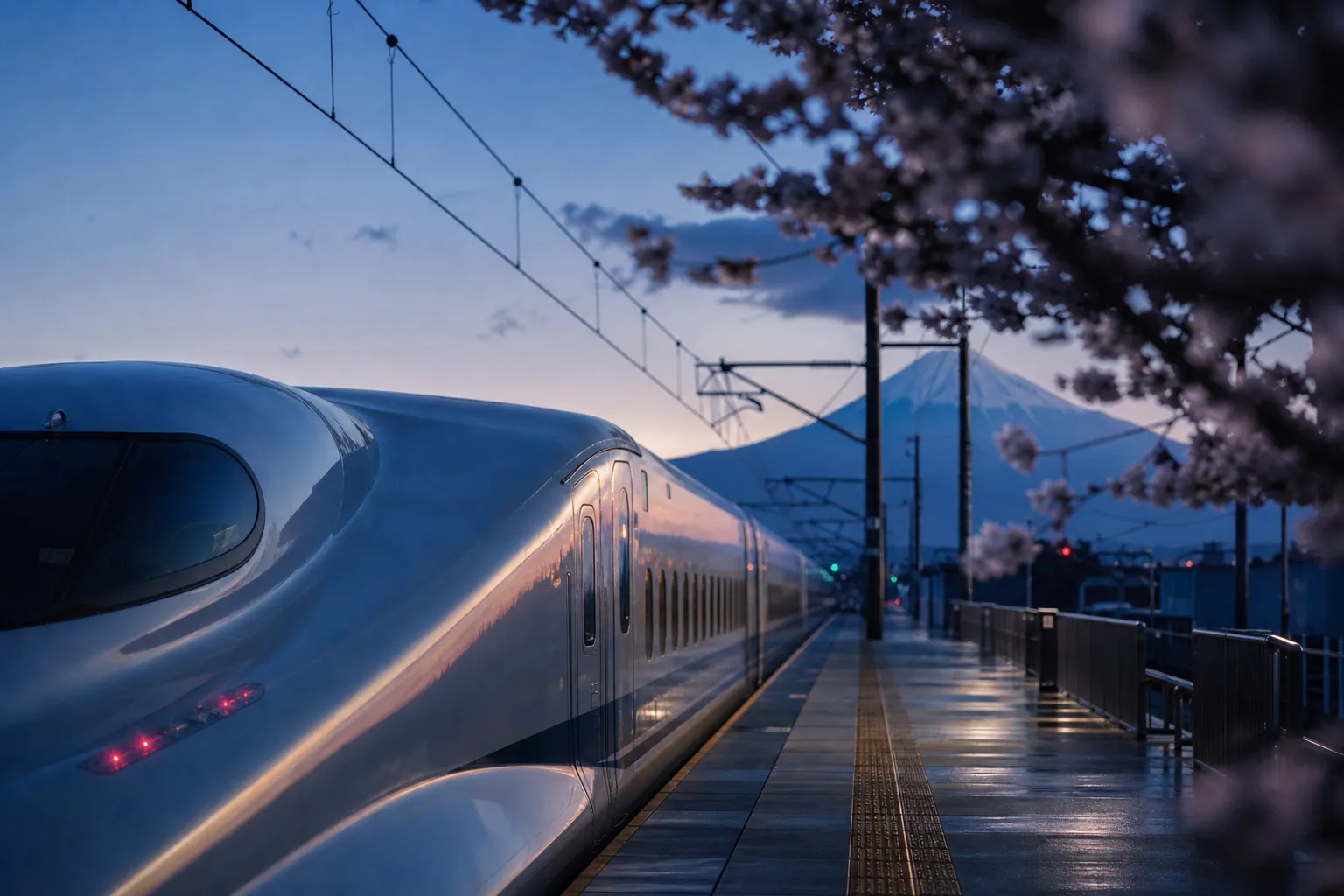
The Shinkansen represents Japan's engineering excellence and remains the preferred choice for travelers prioritizing efficiency without sacrificing comfort. The Tokaido Shinkansen line connects Osaka and Tokyo through multiple service tiers, with the Nozomi being the fastest option at approximately 2 hours and 30 minutes. This remarkable speed transforms the journey into a productive or relaxing interlude rather than lost time.
Key Shinkansen services include:
- Nozomi: The fastest service, with limited stops and premium seating options
- Hikari: A slightly slower alternative with more frequent stops but excellent comfort
- Kodama: The local service, stopping at all stations along the route
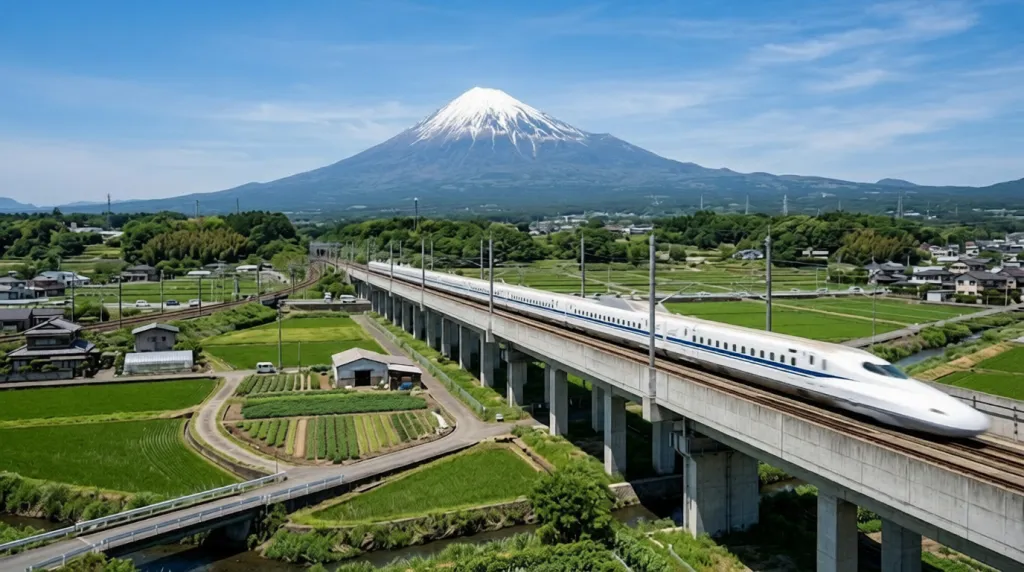
For those seeking the ultimate rail experience, Green Car (first class) seating provides spacious accommodations with wider seats, extra legroom, and enhanced privacy. Gran Class, available on select trains, elevates luxury further with attendant service, premium meals, and executive-style seating that rivals private aviation.
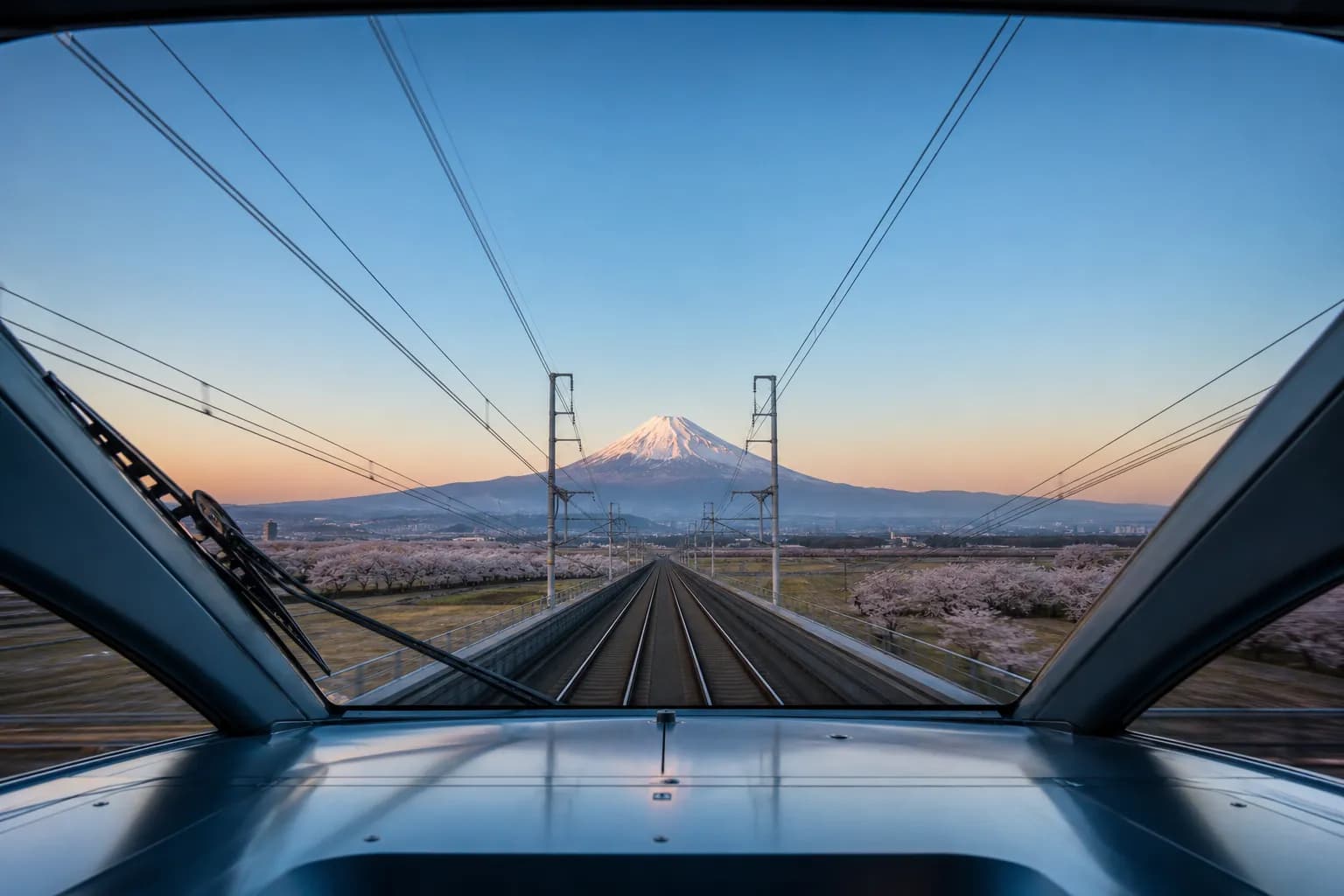
The Shinkansen journey offers more than transportation. Large windows frame views of Mount Fuji on clear days, particularly stunning between Shin-Fuji and Mishima stations. This visual spectacle adds cultural richness to an already exceptional travel experience.
Domestic Flight Alternatives
Multiple airlines operate flights between Osaka's Itami and Kansai airports to Tokyo's Haneda and Narita airports. Flight duration averages 70 minutes, making it the fastest point-to-point option. However, airport procedures, security protocols, and ground transportation add considerable time to the overall journey.
Premium cabin options offer excellent service and comfort, though the short flight duration limits the full enjoyment of them. For travelers continuing to international destinations or those with airport lounge memberships, flights may offer scheduling flexibility that aligns with broader travel plans.
| Transportation Method | Travel Time | Door-to-Door Time | Comfort Level | Scenic Value |
|---|---|---|---|---|
| Nozomi Shinkansen | 2h 30m | 3h 15m | Excellent | High |
| Hikari Shinkansen | 3h 00m | 3h 45m | Excellent | High |
| Domestic Flight | 1h 10m | 4h 00m+ | Good | Moderate |
| Highway Bus | 8h 30m | 9h 00m+ | Basic | Moderate |
| Private Car Service | 6h 00m | 6h 00m | Premium | Customizable |
Highway Bus Services
Highway buses offer budget-conscious options for traveling from Osaka to Tokyo, though they appeal primarily to travelers who prioritize cost over time and comfort. Overnight buses allow passengers to save on accommodation costs, but the extended journey duration and limited amenities make them less suitable for luxury-oriented visitors.
Crafting the Perfect Travel Experience
Selecting transportation represents just one element of exceptional travel planning. The journey from Osaka to Tokyo offers opportunities to enhance every aspect of the experience through thoughtful preparation and attention to detail.
Strategic Timing Considerations
Peak travel periods significantly impact availability, pricing, and overall comfort. Golden Week (late April to early May), Obon (mid-August), and New Year holidays see dramatic increases in demand. Booking well in advance during these periods ensures access to preferred services and seating options.
Optimal booking windows:
- Peak seasons: Reserve 2-3 months in advance
- Regular periods: Book 3-4 weeks ahead for best selection
- Last-minute travel: Morning departures often have better availability
Business travelers may prefer early morning Nozomi services departing between 6:00 and 8:00 AM, arriving in Tokyo before the traditional 10:00 AM meeting start time. Leisure travelers might choose mid-morning departures, allowing time for hotel checkout while avoiding both peak commuter traffic and the midday rush.
Luggage Management Solutions
Sophisticated travelers understand that luggage handling significantly affects the quality of travel. The Shinkansen accommodates standard-sized luggage, though oversized items require advance reservation of designated storage spaces. This policy, implemented in recent years, ensures passenger comfort and safety while requiring additional planning.
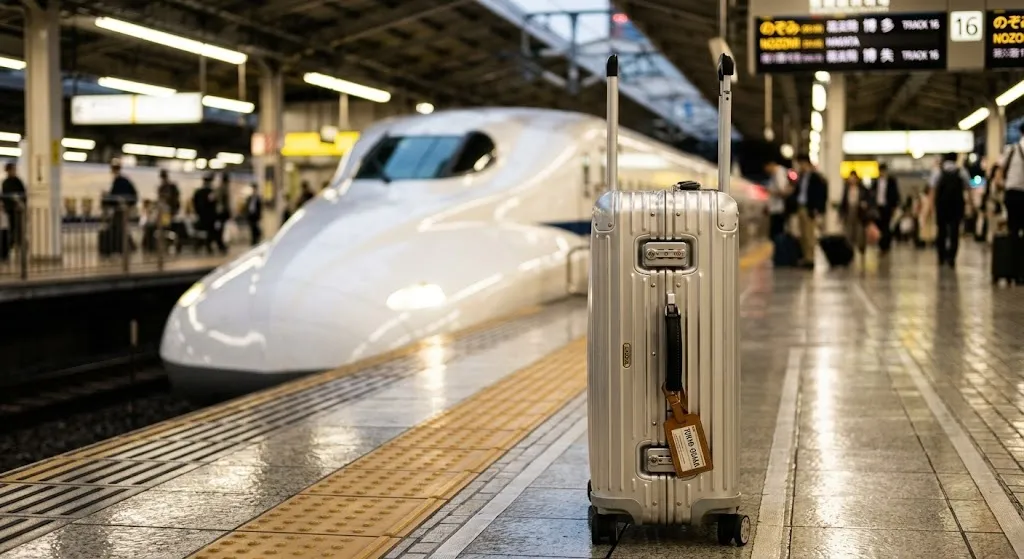
Premium luggage solutions include:
- Takkyubin delivery service: Forward luggage between hotels, traveling light with carry-on items only
- Porter services: Available at major stations for seamless transfers
- Storage lockers: Temporary solutions at stations for pre-arrival or post-checkout situations
Many luxury hotels in both cities coordinate with delivery services, allowing guests to ship luggage ahead while carrying only essentials for the journey. This approach transforms the travel experience, eliminating the burden of heavy bags while navigating stations or exploring cities.
Maximizing Value on the Osaka to Tokyo Route
Understanding the financial aspects of premium travel allows discerning visitors to allocate resources effectively while maintaining exceptional quality.
Japan Rail Pass Considerations
The Japan Rail Pass offers unlimited travel on JR lines, including most Shinkansen services. For travelers planning multiple journeys between Osaka and Tokyo, or for those exploring additional destinations, the pass provides substantial value. A 7-day ordinary pass costs approximately ¥50,000, while a single Nozomi reserved seat between the cities runs around ¥14,000.
Pass value calculations:
| Trip Combination | Individual Cost | 7-Day Pass Savings |
|---|---|---|
| Osaka-Tokyo round-trip only | ¥28,000 | ¥22,000 saved |
| + Day trip to Kyoto | ¥33,000 | ¥17,000 saved |
| + Trip to Hiroshima | ¥54,000 | Minimal savings |
Important limitations apply. The standard JR Pass does not cover Nozomi or Mizuho services, requiring pass holders to use Hikari trains. For many travelers, the 30-minute time difference proves negligible, but those on tight schedules may prefer purchasing individual Nozomi tickets.
Premium Seat Reservations
Reserved seating ensures specific seat selection and guaranteed space, particularly valuable during busy periods. Window seats on the right side (when traveling from Osaka) offer the best views of Mount Fuji, though visibility depends entirely on weather conditions. The process for reserving Shinkansen seats can be completed at ticket offices, machines, or through authorized agents.
Green Car reservations cost approximately ¥5,000-6,000 additional over ordinary reserved seats. For 2.5 hours of enhanced comfort, privacy, and service, many luxury travelers find this differential quite reasonable.
Station Navigation and Connections
Both Shin-Osaka and Tokyo stations serve as major transportation hubs with extensive facilities and connections. Understanding station layouts and timing connections appropriately prevents unnecessary stress and missed departures.
Shin-Osaka Station Logistics
Shin-Osaka Station handles all Tokaido Shinkansen services departing the Osaka area. Located north of the city center, it connects to Osaka Station via the JR Kyoto Line (approximately 4 minutes). Travelers staying in central areas like Umeda, Namba, or Honmachi should allow 30-45 minutes for the complete journey to the Shinkansen platforms.
The station features extensive shopping, dining, and service options. Premium travelers might utilize the exclusive lounges available through credit card programs or JR Green Car ticket holders. These quiet spaces provide comfortable seating, refreshments, and workspace before departure.
Tokyo Station Arrival Experience
Tokyo Station's massive complex can initially overwhelm first-time visitors. The Tokaido Shinkansen platforms occupy the southern section, with clear signage directing passengers to JR lines, Tokyo Metro, and surface exits. Multiple transportation options radiate from Tokyo Station, connecting efficiently to hotels and business districts throughout the metropolitan area.
Key connection options:
- Marunouchi Line: Direct access to business districts and upscale shopping
- Yamanote Line: Circular route connecting major stations and neighborhoods
- Narita Express: Onward travel to Narita International Airport
- Taxi stands: Premium and standard services available at multiple exits
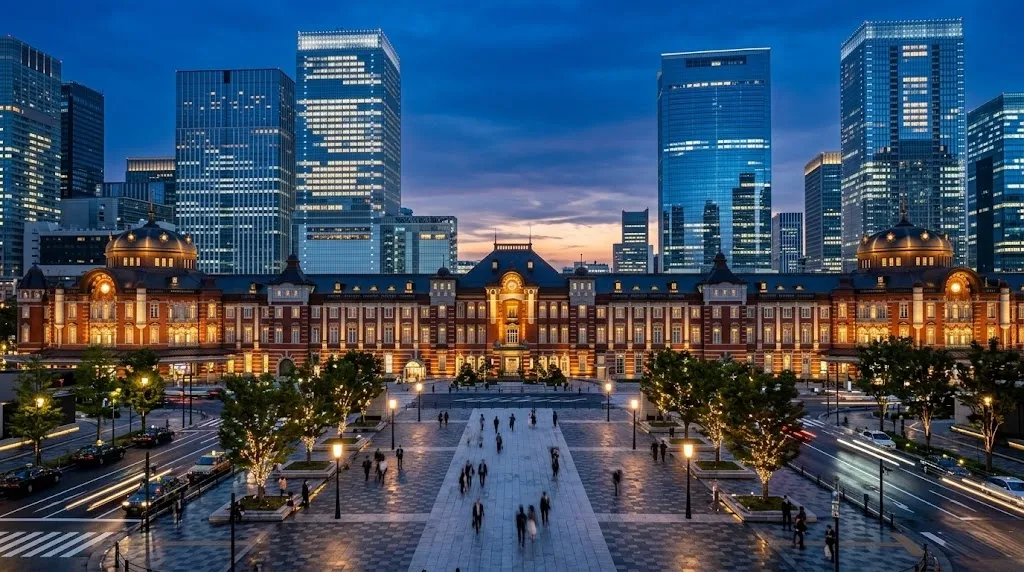
For travelers preferring door-to-door service, pre-arranged private car transfers eliminate navigation concerns. Professional drivers meet arriving passengers at designated platforms, handle luggage, and navigate directly to final destinations.
Cultural Immersion During Transit
The journey from Osaka to Tokyo itself offers opportunities for cultural engagement and Japanese hospitality experiences that extend beyond simple transportation.
Ekiben Culinary Traditions
Ekiben (station bento boxes) represent a cherished aspect of Japanese train travel culture. Shin-Osaka Station offers an exceptional variety, from traditional Kansai-style dishes to seasonal specialties. Premium ekiben features locally sourced ingredients, artistic presentation, and distinctive regional flavors.
Notable options include:
- Osaka Sushi: Features battera (pressed mackerel sushi) showcasing Kansai culinary traditions
- Kobe Beef: Premium wagyu preparations highlighting nearby Hyogo Prefecture
- Seasonal selections: Rotate throughout the year, reflecting Japan's strong connection to seasonal ingredients
Purchasing ekiben before boarding allows travelers to enjoy exceptional cuisine while appreciating passing landscapes. This practice transforms the journey into a dining experience, combining excellent food with efficient travel.
Onboard Services and Amenities
Shinkansen trains feature beverage and snack carts that make regular passes through ordinary cars, while Green Car passengers receive more attentive service. Hot coffee, tea, beer, sake, and light refreshments are available for purchase. Some travelers prefer bringing premium beverages purchased at station shops, which offer excellent selections of Japanese and international options.
Wi-Fi availability varies by train, though many business travelers rely on portable Wi-Fi devices or mobile data plans. Power outlets at seats allow charging laptops and devices, making productive work or entertainment possible throughout the journey.
Seasonal Considerations for Optimal Travel
Japan's distinct seasons create varying travel conditions and opportunities between Osaka and Tokyo throughout the year. Understanding seasonal patterns allows sophisticated travelers to select ideal timing for their journeys.
Spring Cherry Blossom Season
Late March through early April brings spectacular cherry blossoms but also peak domestic tourism. Japanese travelers traditionally view blossoms during Golden Week holidays, creating exceptional demand for all transportation services. Early reservations are essential, as popular departure times sell out weeks in advance.
The reward for proper planning includes potential glimpses of cherry trees along the route, particularly in residential areas and small towns between major cities. While not the primary attraction, these momentary views add seasonal color to the journey.
Summer and Fall Travel
Summer heat and humidity make air-conditioned Shinkansen travel particularly appealing compared to outdoor exploration. Fall delivers comfortable temperatures and stunning foliage, particularly visible around Mount Fuji and in mountainous regions along the route. September through November represents perhaps the most pleasant period for travel between these cities.
| Season | Temperature Range | Crowd Level | Booking Window | Special Considerations |
|---|---|---|---|---|
| Spring (Mar-May) | 10-25°C | Very High | 8-12 weeks | Cherry blossoms, Golden Week |
| Summer (Jun-Aug) | 25-35°C | Moderate | 4-6 weeks | Humidity, summer festivals |
| Fall (Sep-Nov) | 15-25°C | High | 6-8 weeks | Foliage, pleasant weather |
| Winter (Dec-Feb) | 0-10°C | Moderate | 4-6 weeks | New Year holidays, skiing season |
Winter travel between Osaka and Tokyo rarely encounters delays despite cold temperatures in both cities. The Tokaido Shinkansen route follows coastal and low-elevation paths that avoid heavy snow, maintaining exceptional reliability year-round.
Private Transportation and Customized Solutions
Travelers seeking ultimate flexibility and personalized experiences may consider private car services for the Osaka-to-Tokyo journey. While significantly longer than the Shinkansen, private transportation offers unmatched customization possibilities.
Bespoke Journey Options
Private car services allow complete control over departure timing, route selection, and journey pacing. The approximately six-hour drive allows stops along the way, transforming simple transportation into a curated cultural experience. Possibilities include visits to Mount Fuji viewpoints, traditional towns like Hakone, or specialty shopping destinations.
Professional chauffeurs navigate highways efficiently while providing insights about passing regions and landmarks. Luxury vehicles offer climate control, premium sound systems, and workspace features that rival those of high-end office environments. For small groups or families, the per-person cost becomes increasingly competitive with first-class rail options.
Specialized Experiences En Route
The route between Osaka and Tokyo passes through regions offering exceptional cultural and natural attractions. Strategic stops might include:
- Nagoya: Japan's fourth-largest city, featuring Nagoya Castle and unique culinary traditions
- Hakone: Famous hot spring resort area with Mount Fuji views and traditional ryokan inns
- Shizuoka: Green tea production region with plantations and tasting opportunities
- Lake Biwa: Japan's largest lake, located just outside Kyoto, with scenic beauty
These additions obviously extend travel time significantly, but create memorable experiences impossible on direct transportation. For travelers not constrained by tight schedules, such journeys transform transit into adventure.
Technology Integration for Seamless Travel
Modern technology significantly enhances the experience of traveling from Osaka to Tokyo through a range of planning, booking, and navigation tools.
Digital Ticketing Solutions
Mobile IC cards like ICOCA (Osaka) and Suica (Tokyo) are interchangeable across both cities and on the Shinkansen for non-reserved seats. However, most travelers prefer reserved seating for long-distance journeys. Digital platforms now allow advanced Shinkansen ticket purchases with mobile phone delivery, eliminating ticket office queues.
Smartphone applications provide real-time train schedules, platform information, and delay notifications. English-language options make these tools accessible to international visitors, though guidance from experienced travel professionals often proves valuable for optimizing complex itineraries.
Navigation and Translation Tools
Station navigation applications overlay directional arrows on smartphone camera views, guiding travelers through complex facilities like Tokyo Station. Translation applications facilitate communication with station staff and reading signage, though major stations increasingly feature comprehensive English information.
For luxury travelers who prefer seamless experiences, professional travel services eliminate the need to learn new technology. Expert coordinators handle all arrangements, provide bilingual assistance, and ensure smooth transitions throughout journeys.
Enhancing the Journey Through Professional Services
Sophisticated travelers increasingly recognize that truly exceptional experiences result from expert coordination rather than individual navigation of transportation systems and cultural contexts.
Concierge-Level Coordination
Professional travel services transform the Osaka-to-Tokyo journey by handling every logistical detail while curating experiences aligned with clients' interests. This approach proves particularly valuable for first-time visitors to Japan, travelers managing complex schedules, or those seeking access to exclusive opportunities.
Benefits extend beyond simple booking assistance to include cultural interpretation, timing optimization, and problem resolution. When delays occur or changes become necessary, dedicated coordinators implement solutions instantly rather than leaving travelers to navigate challenges independently in unfamiliar systems.
Access to Exclusive Opportunities
Established relationships with hotels, restaurants, cultural institutions, and transportation providers enable premium services to secure reservations, arrange private experiences, and provide access to opportunities unavailable through public channels. The journey between cities becomes one element in comprehensive, seamlessly integrated travel experiences.
For travelers seeking experiences beyond standard tourism, these connections prove invaluable. Whether arranging private viewings at museums, reservations at Michelin-starred restaurants, or behind-the-scenes access to cultural traditions, professional coordination elevates travel from transportation to transformation.
Traveling from Osaka to Tokyo offers sophisticated visitors multiple options for experiencing Japan's exceptional infrastructure and cultural richness. Whether choosing the speed of the Shinkansen, the flexibility of private transportation, or a customized combination of methods, the journey between these remarkable cities deserves thoughtful planning to ensure exceptional experiences. At Japan Royal Service, our team specializes in creating bespoke travel experiences that transform logistics into luxury, handling every detail while curating personalized journeys that reflect your unique interests and preferences across Tokyo, Osaka, and throughout Japan.