In this guide
- 01The Festival At A Glance: Dates, Place, And Why The Wind Matters
- 02When Does Owara Kaze No Bon Start And End Each Night?
- 03How The Three Nights Feel: Machi-Nagashi, Wa-Odori, And The Late Hour
- 04Where Should You Stand In Yatsuo Without Getting In The Way?
- 05What Is The Ticketed Indoor Stage (Kyoen-Kai), And Is It Worth It?
- 06How Do You Get To Owara Kaze No Bon From Tokyo Or Kanazawa?
- 07Where To Stay For Owara: Yatsuo Or Toyama City?
- 08What If It Rains During Owara Kaze No Bon?
- 09Late-August “Eve” Events: What To Know In One Minute
- 10A Step-By-Step Plan For One Night (Using 2026 Times As The Example)
- 11Let Us Plan Your Three Nights In Yatsuo
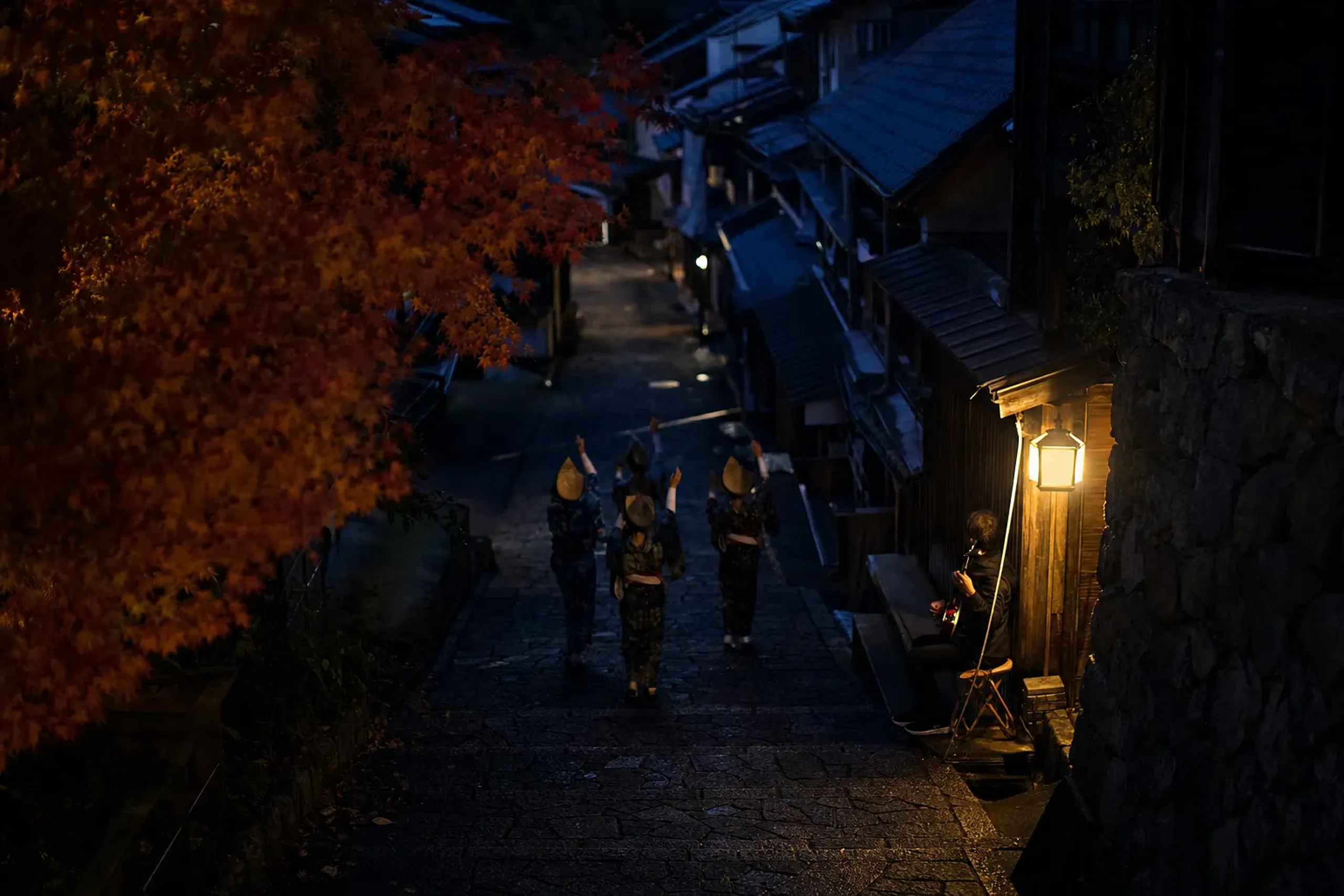
Dusk comes slowly in Yatsuo.
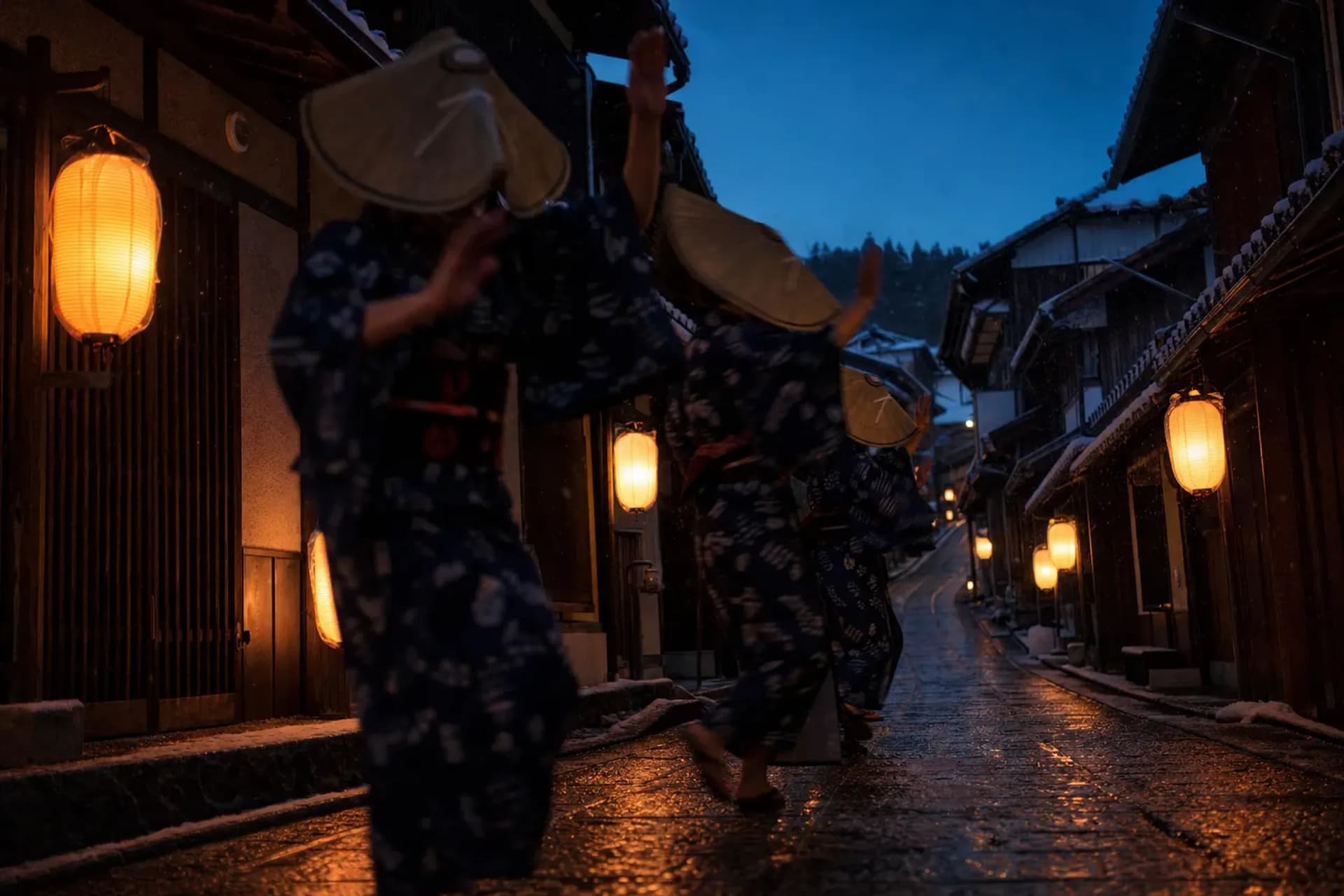
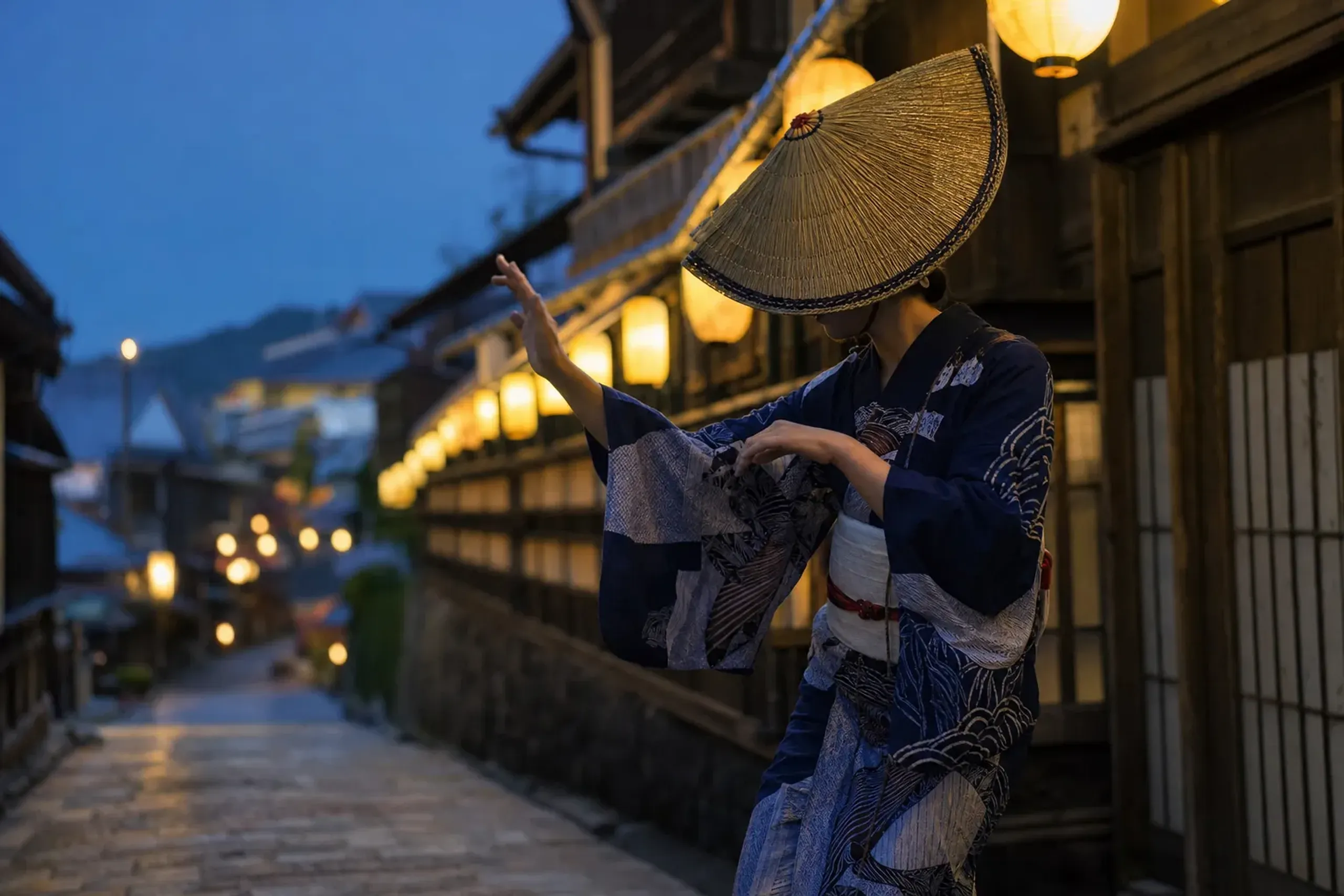
You feel it first in the slope under your shoes, then in the hush between voices, then in the paper lanterns that turn the narrow streets into a soft corridor of light.
Someone adjusts a sedge hat. A shamisen answers from somewhere you cannot see. The song arrives thin at first, then steady, as if the town itself has decided to breathe in time.
This is Owara Kaze no Bon. Not a show. A moving, three-night festival where the “stage” is the street in front of someone’s home—an evening the search engines can describe but never quite deliver, the kind of hidden Japan that reveals itself only to those who arrive knowing how to look, listen, and keep still.
The Festival At A Glance: Dates, Place, And Why The Wind Matters
Owara Kaze no Bon is held every year on 1 to 3 September in Yatsuo (Yao), Toyama City, with dancing across eleven neighborhood branches and a tradition linked to prayers to calm the wind before harvest.
Yatsuo sits in Toyama Prefecture, and the festival takes over both the old town and the Fukushima district. You do not gather at one arena and wait for a headline act. That would be a mistake—and it would miss the point entirely.
The organizer emphasizes that there is no single main venue. Each branch becomes its own moving performance, and visitors are expected to choose a few streets to follow rather than try to “see everything.”
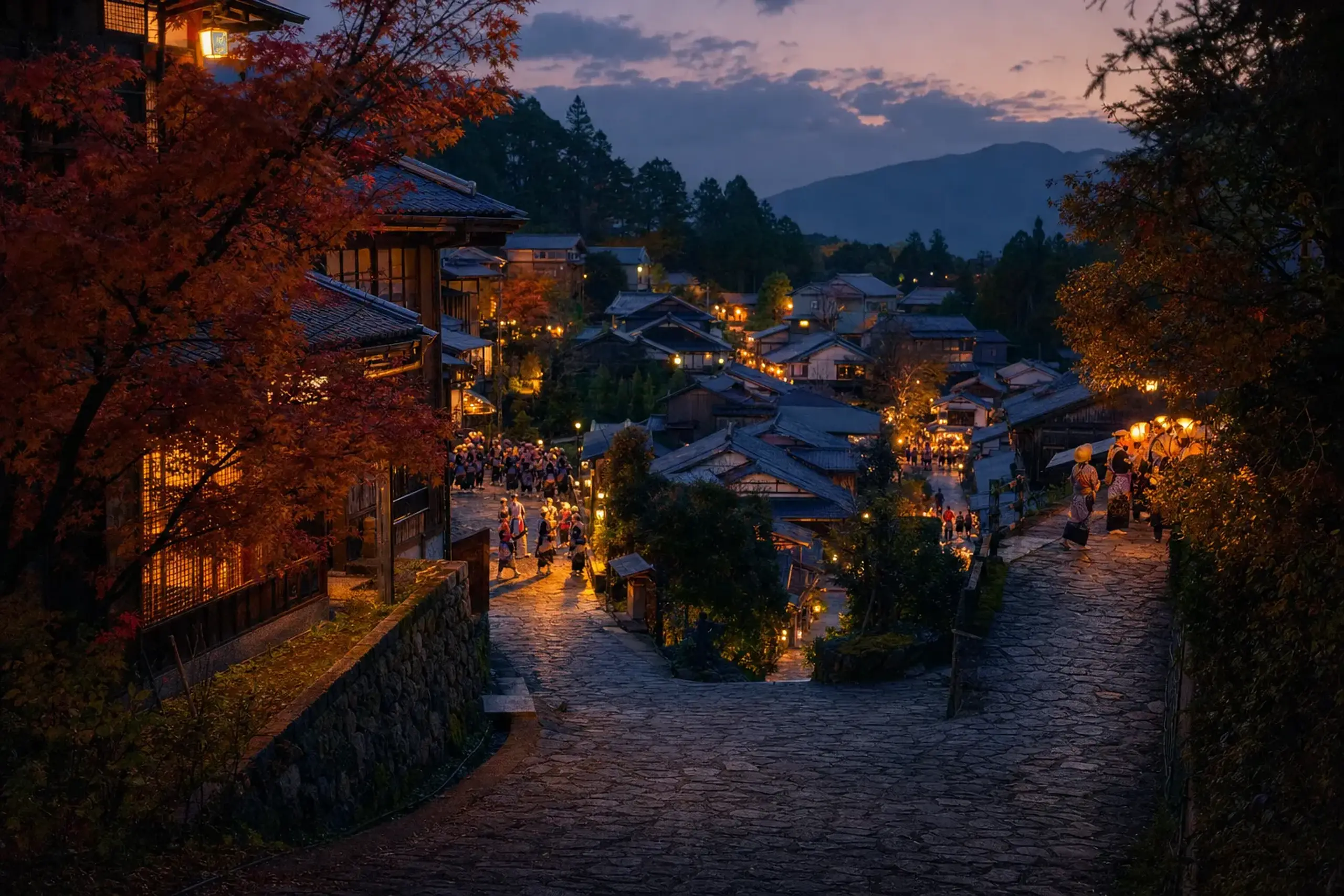
The meaning is practical, not decorative. The festival is linked to nihyaku-toka, the 210th day after the start of spring, a period associated with unsettled weather and typhoons, and it is traditionally framed as a prayer to quiet the wind god before the rice harvest. In that sense the dance is bound to the Japanese sense of shun—the knowledge that there is one precise window, these three nights and no others, when this experience exists at all.
When Does Owara Kaze No Bon Start And End Each Night?
In the 2026 worked example, street events ran 17:00–23:00 on 1–2 September and 19:00–23:00 on 3 September, with the official end at 23:00.
Those fixed September dates do not change, but the weekday rhythm does. Plan with the official nightly hours, not your intuition.
The third night is the one many travelers misread. It starts later. That later start matters if you are coming in from Toyama City after evening calls, or if you are timing dinner so you are not standing hungry in a lane with no convenience store.
After 23:00, you may still hear music in pockets of town. Keep your expectations disciplined. The organizer treats 23:00 as the formal endpoint, and anything beyond that is informal—never something to build your return logistics around.
How The Three Nights Feel: Machi-Nagashi, Wa-Odori, And The Late Hour
The festival’s beauty is that it moves.
Machi-nagashi is the street procession style: each branch walks its own streets, singing and dancing as it goes. The musicians—jikata—carry the sound with voice, shamisen, taiko, and the high, almost keening line of the kokyu. Many of these players have given their lives to a single instrument; to watch them is to witness the same devotion to craft, the shokunin spirit, that Japan reserves for its finest artisans.
Wa-odori is the circle dance style, held in open spaces. It is more approachable for visitors. It also changes your role from watcher to participant, if the branch invites you in.
One detail matters for planning: you will walk, a lot. Yatsuo is hilly. The lanes are narrow. You do not “pop over” for a quick look and return to a car five minutes later.
The Eleven Branches (And Why It Helps To Choose Early)
Owara Kaze no Bon is organized by eleven neighborhood branches. Their names are part of the navigation system, not trivia.
- Nishishinmachi
- Higashishinmachi
- Kamishinmachi
- Suwamachi
- Kagamimachi
- Higashimachi
- Nishimachi
- Imamachi
- Shimoshinmachi
- Tenmanmachi
- Fukushima
Fukushima matters as a note of accuracy. It is the newest branch, formed largely by people who moved from the old town, so it is not correct to describe all eleven as “old-town districts.”
A Moment Many Visitors Remember: Joining A Circle Dance
The organizer and tourism association both state that visitors may join at circle dances, following each branch’s instructions.
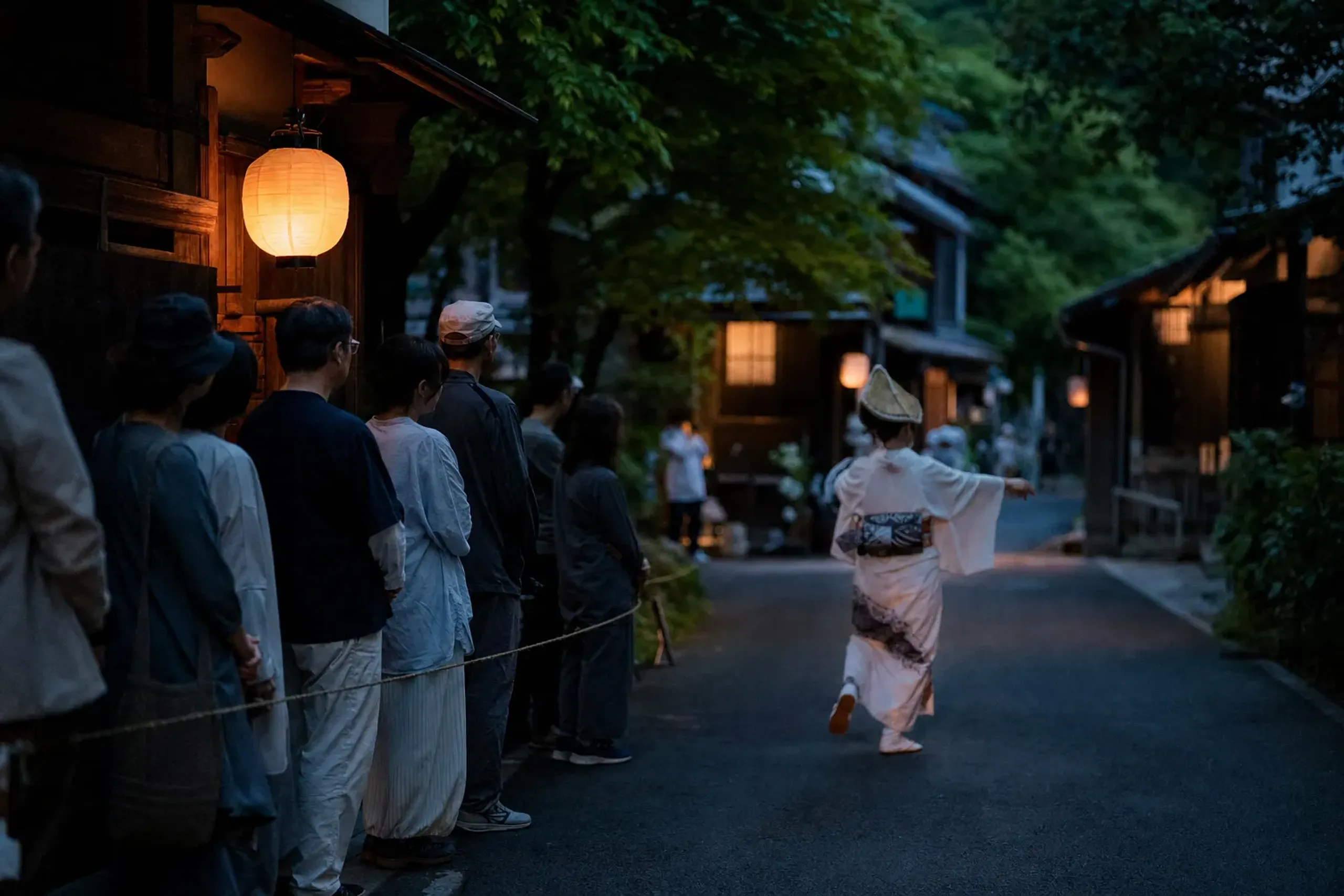
If you want a specific target to orient around, Kamishinmachi is known for a large circle dance at about 22:00 that visitors can join. It is one of the clearest “anchor moments” in a night that otherwise keeps shifting block by block.
Be patient. Wait for an opening. If it feels tight, do not force it.
Where Should You Stand In Yatsuo Without Getting In The Way?
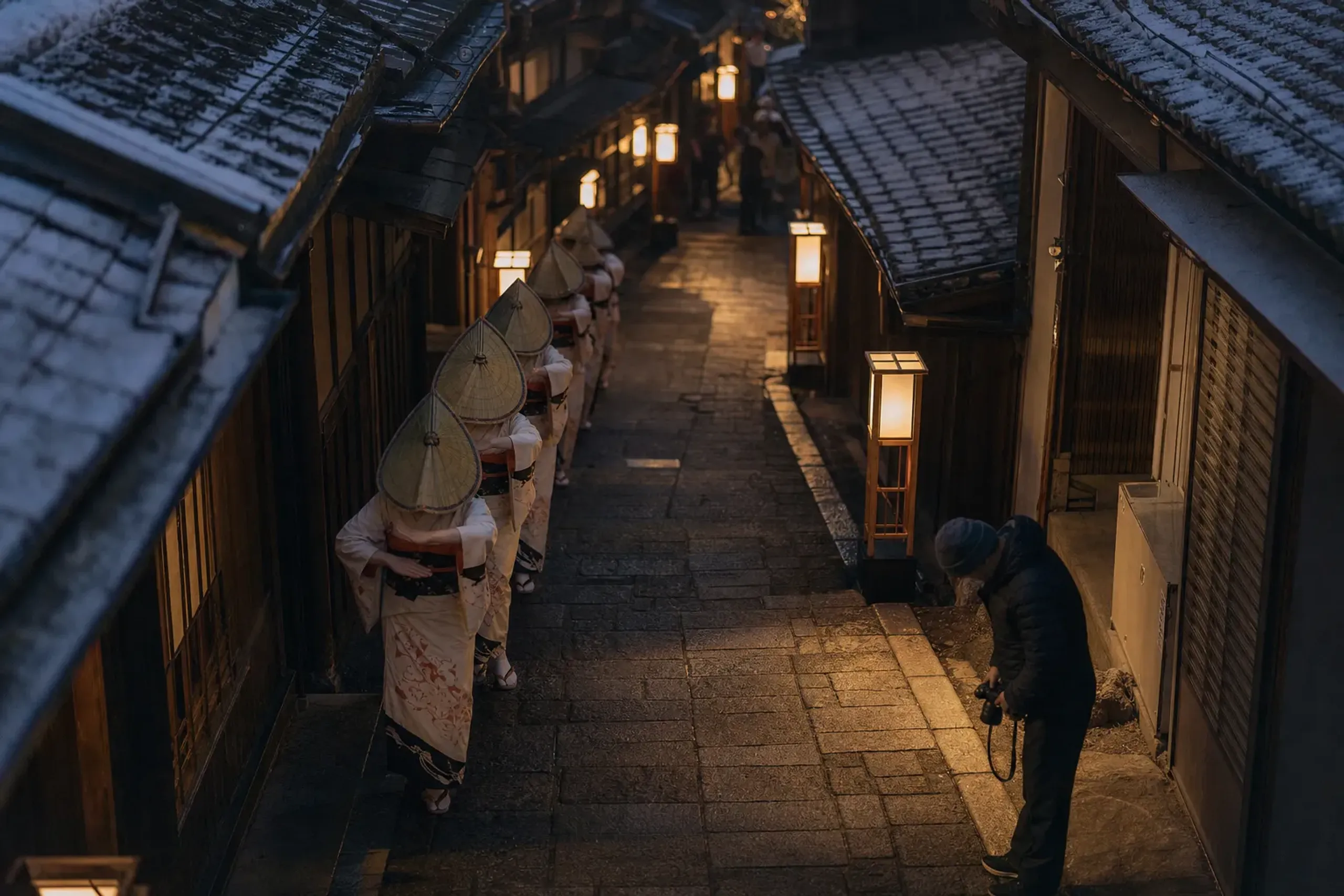
Stand to the side, keep moving lanes open, and treat every meter of street as someone’s front yard—because it is.
This festival asks for restraint. Quiet restraint. There is a wabi-sabi austerity to it—lanterns against weathered wood, a song that fades rather than crescendos—and the difference between a graceful visit and a clumsy one is usually one choice: where you put your body when the dancers approach.
The organizer’s etiquette guidance is direct. Do not spread blue sheets to reserve space. Do not sit in front of homes. Do not shout. Do not use your phone while walking through the crowd.
Photography is allowed, but the social contract is strict. Avoid flash close to dancers. Avoid tripods in narrow lanes. If you want a stable shot, use your own posture, not equipment that turns a street into your studio.
Key fact: There is no convenience store in the event area and few vending machines, so eat and hydrate before you arrive.
What To Carry (And What To Leave Behind)
Travel light. Lighter than you think.
- Shoes: comfortable walking shoes with grip for slopes.
- Rain: a compact raincoat; avoid umbrellas in the crowd.
- Bag: small crossbody or daypack; keep luggage to a minimum.
- Seating: a light folding chair is acceptable only if space allows; never block movement.
Temporary toilets are set near the station, the bus stop area, and the Yatsuo Hikiyama Exhibition Hall, but numbers are limited. Plan your timing like you would for a theater intermission—only you cannot pause the town.
What Is The Ticketed Indoor Stage (Kyoen-Kai), And Is It Worth It?
The Kyoen-kai is a ticketed indoor stage performance at the Yatsuo Hikiyama Exhibition Hall, offering a weather-proof way to experience Owara music and dance, with limited unreserved seating.
Street dancing is the soul of Owara. It is also exposed to weather, crowds, and the simple fact that you may not land in the right lane at the right minute.
The indoor stage exists for a different reason. It gives you a fixed time, a chair, and consistent sight lines. On nights when rain suspends street dancing, it can be the difference between “we came all this way” and “we still had a real evening.”
What We Can Say Publicly (Using 2026 As The Worked Example)
In 2026, the Kyoen-kai ran on 1, 2, and 3 September at the Yatsuo Hikiyama Exhibition Hall.
There were two sessions per night (18:00 and 19:20), with unreserved seating and about 350 seats per session, and it was ticketed.
Ticket windows and procedures can change year to year. The 2026 on-sale window had already closed. Treat this as an element to verify early, not a backup you assume will be available.
A Practical Way To Use The Stage In Your Plan
Use the stage as an “anchor,” then walk the streets with less pressure.
That change in mindset is significant. You stop chasing the perfect moment, and you start noticing the smaller ones: the lanterns reflecting on white-walled storehouses, the sound of kokyu echoing under eaves, the pause before a singer begins again.
How Do You Get To Owara Kaze No Bon From Tokyo Or Kanazawa?
From Tokyo, take the Hokuriku Shinkansen to Toyama (about 2 hours), then ride the JR Takayama Line to Etchu-Yatsuo Station (about 20–30 minutes) and walk about 30 minutes to the festival streets.
From Kanazawa, Toyama is about 20 minutes by Hokuriku Shinkansen. Simple on paper. Crowded in reality.
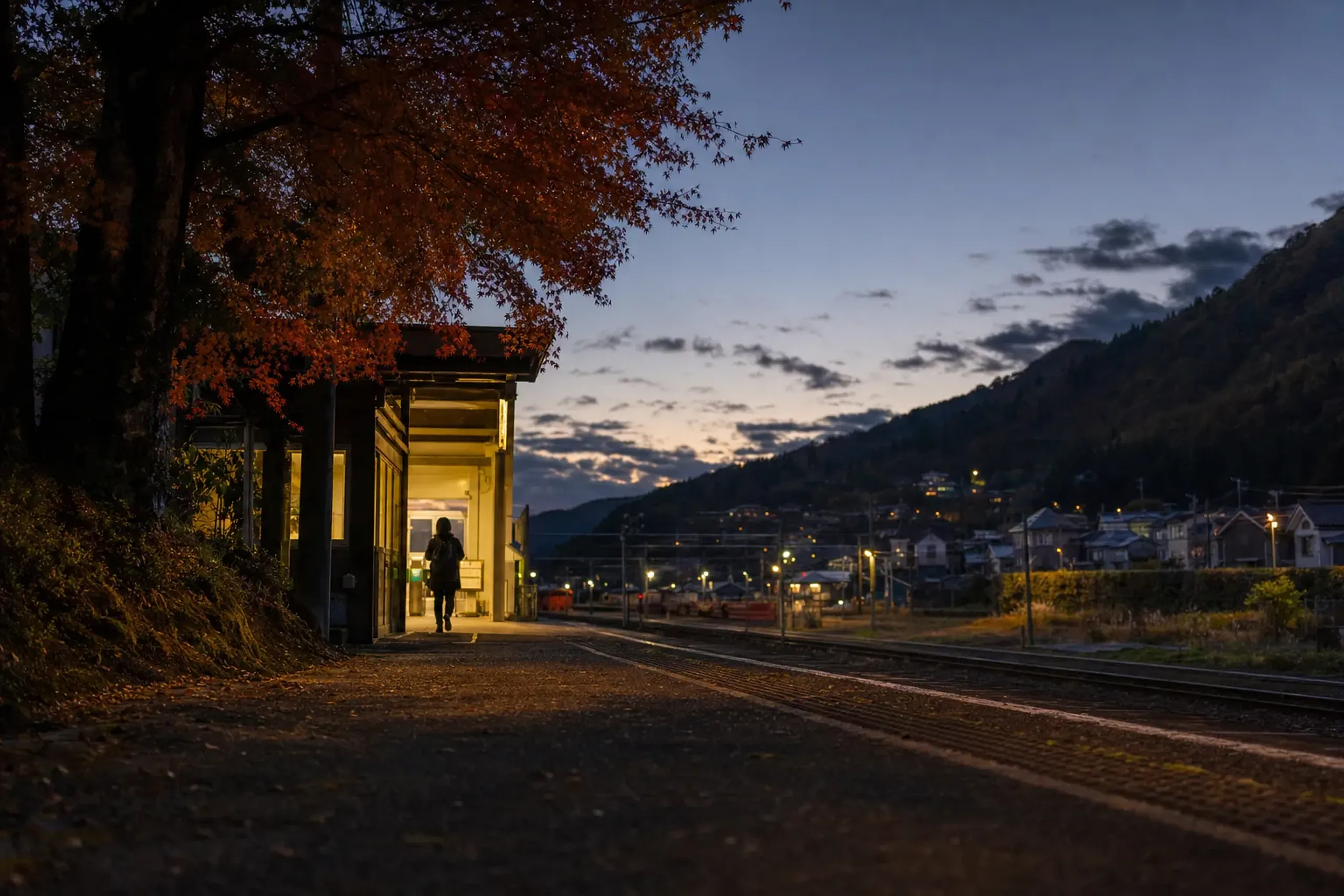
Etchu-Yatsuo Station is the gateway, not the finish line. The walk to the town center is part of the experience, especially as darkness deepens and you begin to hear music drifting uphill.
If your party includes older family members or anyone who cannot handle a long walk on slopes, plan for that constraint honestly. There are traffic restrictions, and vehicles cannot pass through the festival area, so “door-to-door” is not the right mental model. This is precisely where a discreet, privately arranged chauffeur service earns its place—not to defeat the restrictions, which no one can, but to deliver you to the edge of the car-free zone comfortably and collect you after 23:00 without the station queues.
Trains During The Festival: What Changes And Why It Matters
JR West has implemented special crowd measures in past years. In 2026, for example, a boarding pass (joshaseiriken) was required for trains leaving Toyama between 12:18 and 20:50, issued at Toyama Station about 90 minutes before departure, in limited numbers, with no guarantee of your preferred train.
Rules differ by year. That is the point.
The busiest times tend to be Toyama to Yatsuo from 14:00 to 18:00, and Yatsuo to Toyama from 19:00 to 23:00. Expect queues. Expect station staff directing flow. Keep your schedule loose enough to absorb it.
Bus, Car, And Taxi: Useful, But Not A Shortcut
Toyama Chitetsu bus service has been listed at about 50 to 60 minutes from Toyama Station, and extra direct buses have operated during the festival period.
For drivers, Toyama City’s official tourism information notes limited temporary parking and requests a cooperation fee per vehicle.
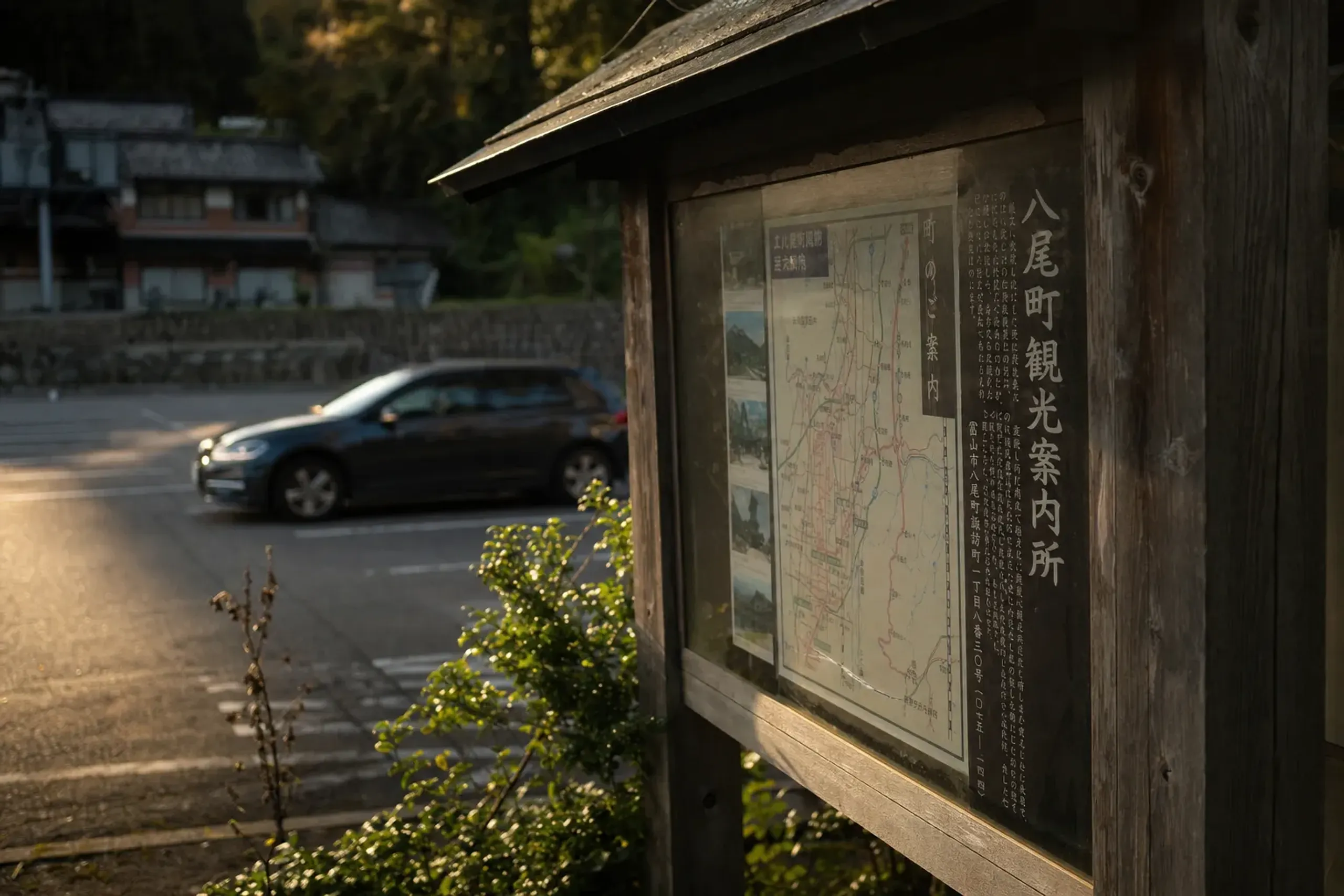
Roadside parking is prohibited. Traffic restrictions are implemented around the town during the festival period.
Taxis can help on the margins, especially for the first and last mile outside restrictions, but they do not change the core reality: you will walk inside Yatsuo.
Where To Stay For Owara: Yatsuo Or Toyama City?
Most travelers should plan to stay in Toyama City and commute, because lodging in the Yatsuo area is limited and books out early for 1–3 September.
Yatsuo is not built for mass accommodation. That is part of why it still feels like a town, not a venue.
In 2026, the organizer’s page listed Yatsuo-area accommodations as full for 1 to 3 September and advised staying elsewhere in Toyama City. The local tourism association also notes there are only a few lodgings and they book early. The rare exceptions—a handful of rooms held quietly within the old town, reachable only by introduction—are exactly the sort of access our relationships are built to secure, with the confidentiality that matters as much as the room itself.
A Toyama City base changes your planning: you need a timed return, a clear sense of your last feasible connection, and a willingness to leave a little earlier than your heart wants.
What If It Rains During Owara Kaze No Bon?
Rain usually means suspension rather than full cancellation, and each branch decides when to resume; the indoor stage program is not affected by weather.
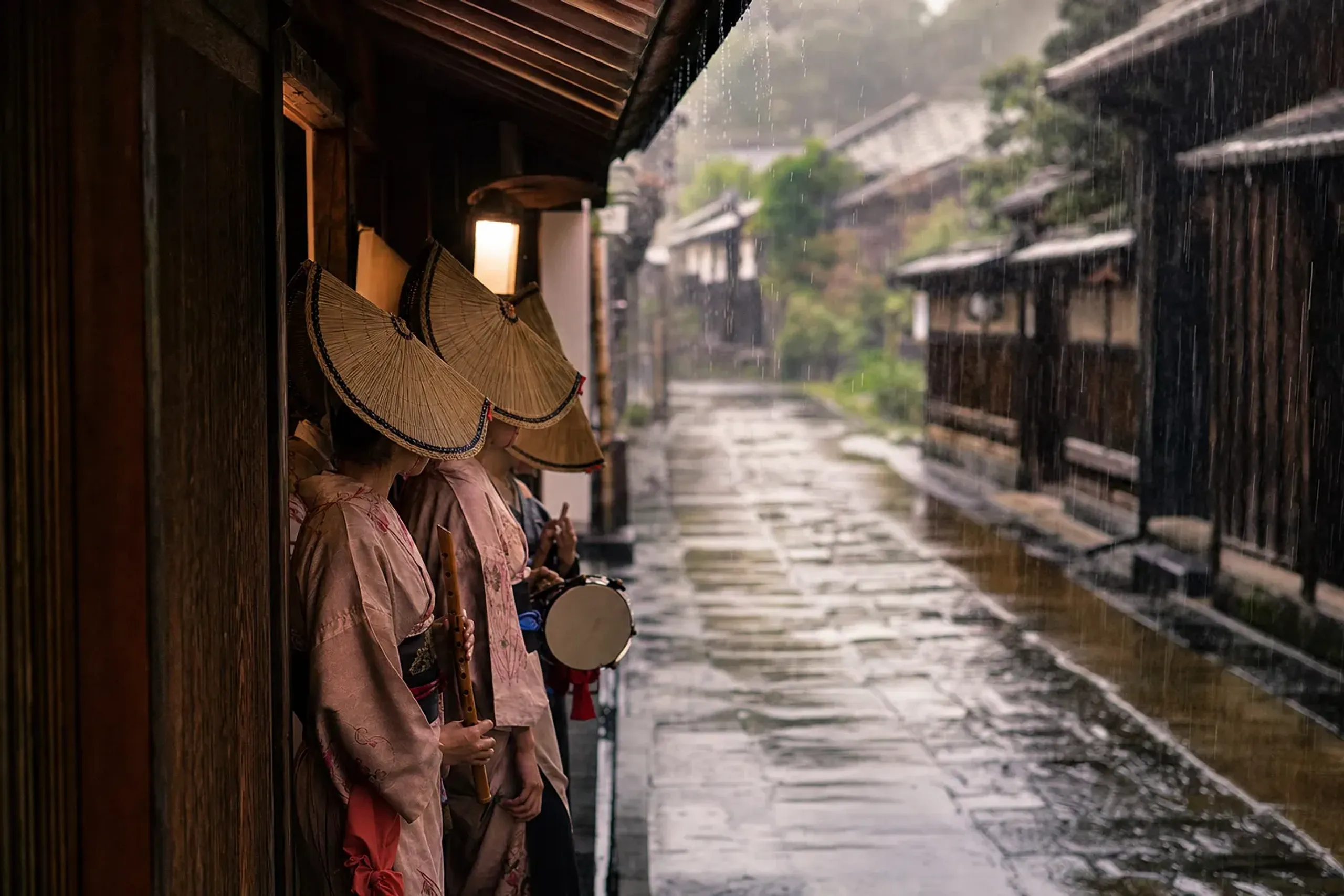
Do not treat rain as a minor inconvenience. Toyama in late summer can be wet, and early September sits in a season where fronts and large typhoons can bring unsettled conditions.
The Japan Meteorological Agency’s 1991–2020 normals for Toyama give you a realistic baseline: around 25°C in early September, with high humidity and significant rainfall typical for the season.
Bring a raincoat. Bring patience. And build a plan where the evening still works even if the street dancing pauses.
Late-August “Eve” Events: What To Know In One Minute
There are related events in late August, including ticketed theater-style programs staged in Toyama City in some years, but the Yatsuo street festival itself is fixed on 1 to 3 September.
A Step-By-Step Plan For One Night (Using 2026 Times As The Example)
This is the approach our team at Japan Royal Service tends to recommend for first-timers who want the atmosphere without turning the night into a forced march. It is also the skeleton on which we build a fully bespoke itinerary when guests wish to fold Owara into a wider journey through Hokuriku.
Step 1: Choose Two Branches, Not Eleven
Pick two branches you will prioritize, plus one “bonus” you can drop if crowds are heavy. Commit. The town rewards commitment.
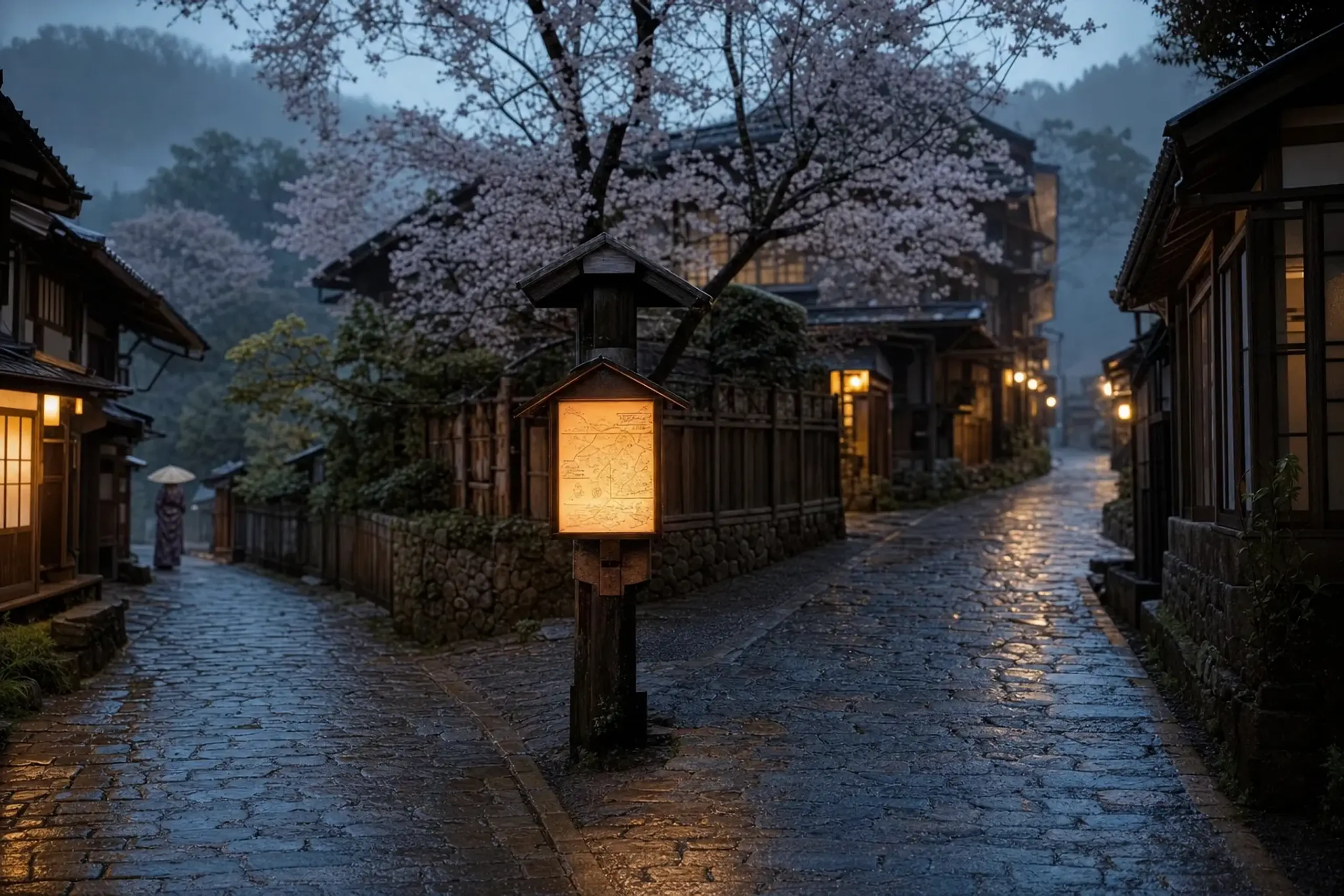
If joining a circle dance is important to you, keep Kamishinmachi’s around-22:00 circle dance in mind as a possible target, while staying flexible about exactly where you stand.
Step 2: Arrive Earlier Than You Think You Need
On 1 and 2 September in the 2026 example, the event window started at 17:00. Aim to be in Yatsuo before the densest arrival wave, because the busiest outbound flow from Toyama tends to build mid-afternoon into early evening.
On 3 September, the 2026 example start was 19:00. That later start can compress arrivals. Plan for it.
Step 3: Eat Before You Enter The Festival Streets
No convenience store. Few vending machines. This is not negotiable.
Eat in Toyama City, or eat outside the core festival area before you commit to the lanes. Then carry water and keep your bag small.
Let Us Plan Your Three Nights In Yatsuo
Owara Kaze no Bon exists for three nights only, in one small hillside town, and the lanes, trains, and lodging reward those who prepare far in advance. We arrange the timed returns, the discreet transfers to the edge of the car-free zone, the hard-to-find rooms, and—for guests who wish it—quiet introductions that let you understand the music and its makers from the inside. If you would like us to shape these three nights around you, with the privacy and attention to detail our guests expect, contact us here.