In this guide
- 01What Makes Ozu’s Awase Ukai Different From Other Ukai
- 02When To Go In 2026: Season Dates And The Night That Changes The Town
- 03The On-The-Water Experience: What Awase Ukai Feels Like Up Close
- 04Ozu Castle Town As Your Base: Heritage Streets, Slow Evenings, And Boutique Stays
- 05A Private Shikoku Micro-Itinerary Built Around One Summer Night
- 06How To Get There Without Turning The Day Into A Transfer
- 07Practical Booking Guidance: Where The Official Information Lives
- 08FAQ: Ozu Awase Ukai For Luxury Travelers
- 09Why Choose Japan Royal Service
Most luxury travel in Japan breaks down in the same place. Crowds. You arrive with taste and time, and still end up shoulder-to-shoulder, rushed, and photographed by strangers.
Ozu, in Ehime Prefecture on Shikoku, offers a different kind of summer night. Quieter. Closer. Less performed for the internet.
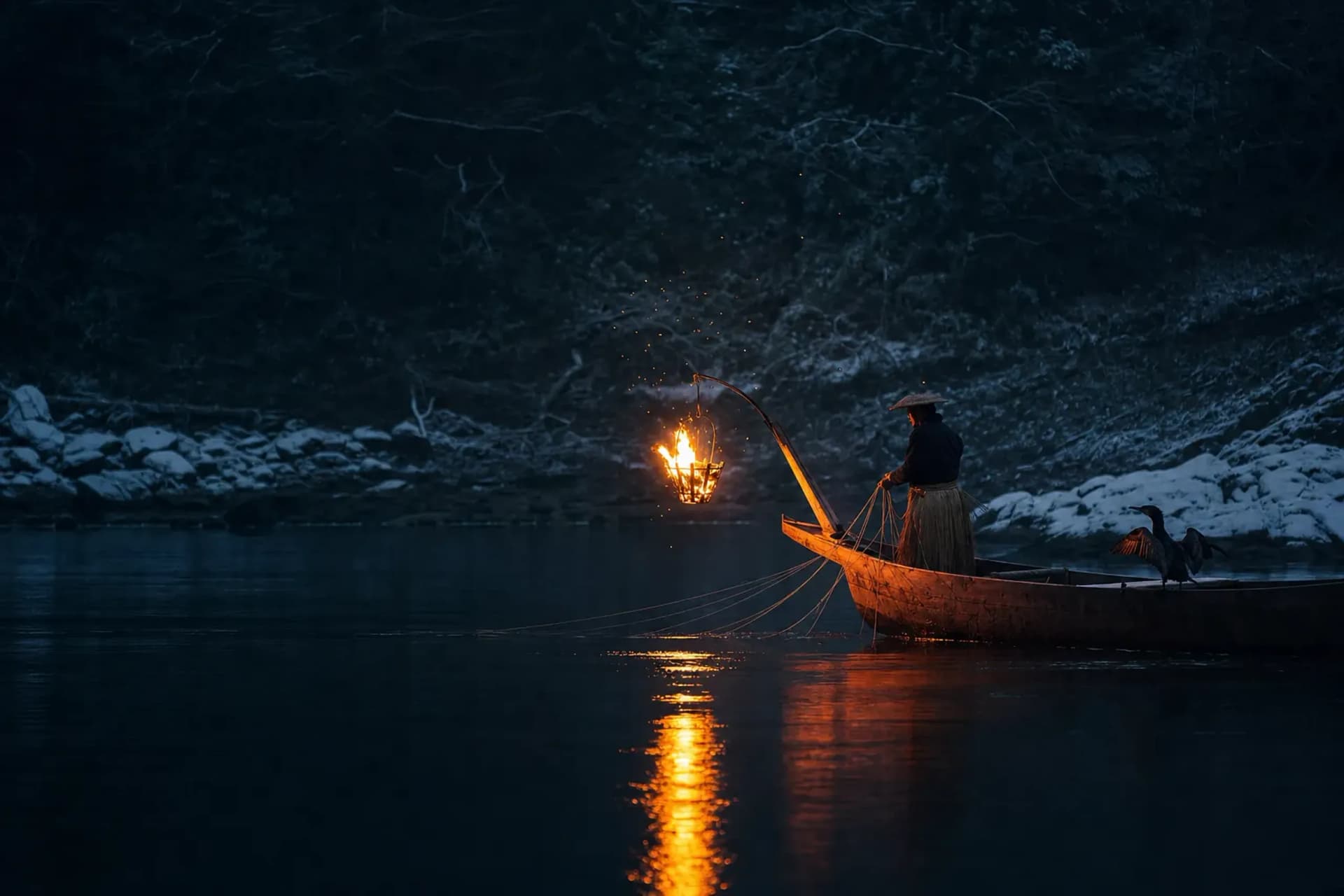
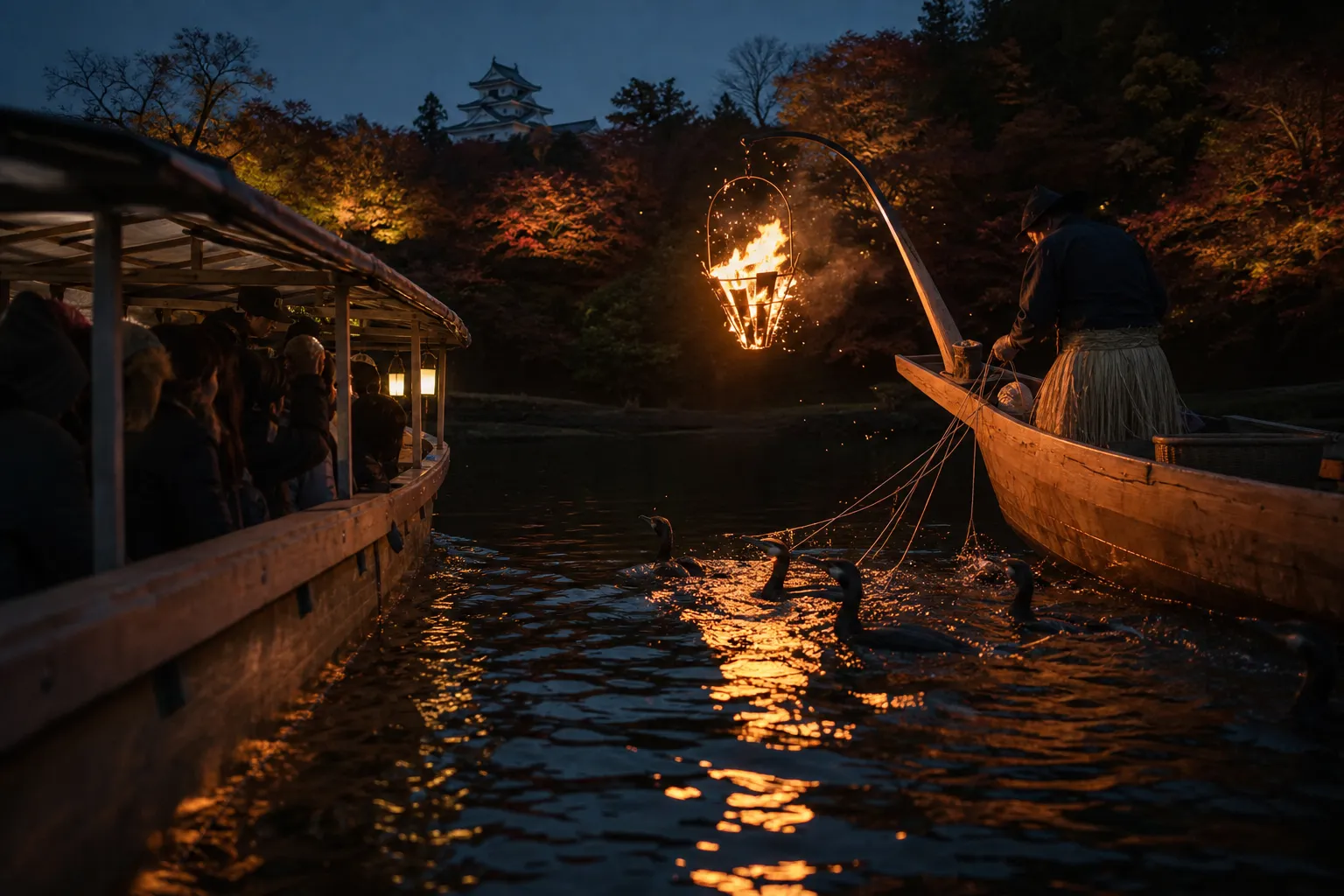
Ozu’s signature is Awase Ukai—a style of traditional cormorant fishing on the Hijikawa River where the viewing boat travels alongside the fishing boat, keeping the action near enough to hear water, oar, and torch.
Our team at Japan Royal Service plans Shikoku nights like this for guests who value rarity over hype. And who prefer a plan that feels private, even when it’s public.
What Makes Ozu’s Awase Ukai Different From Other Ukai
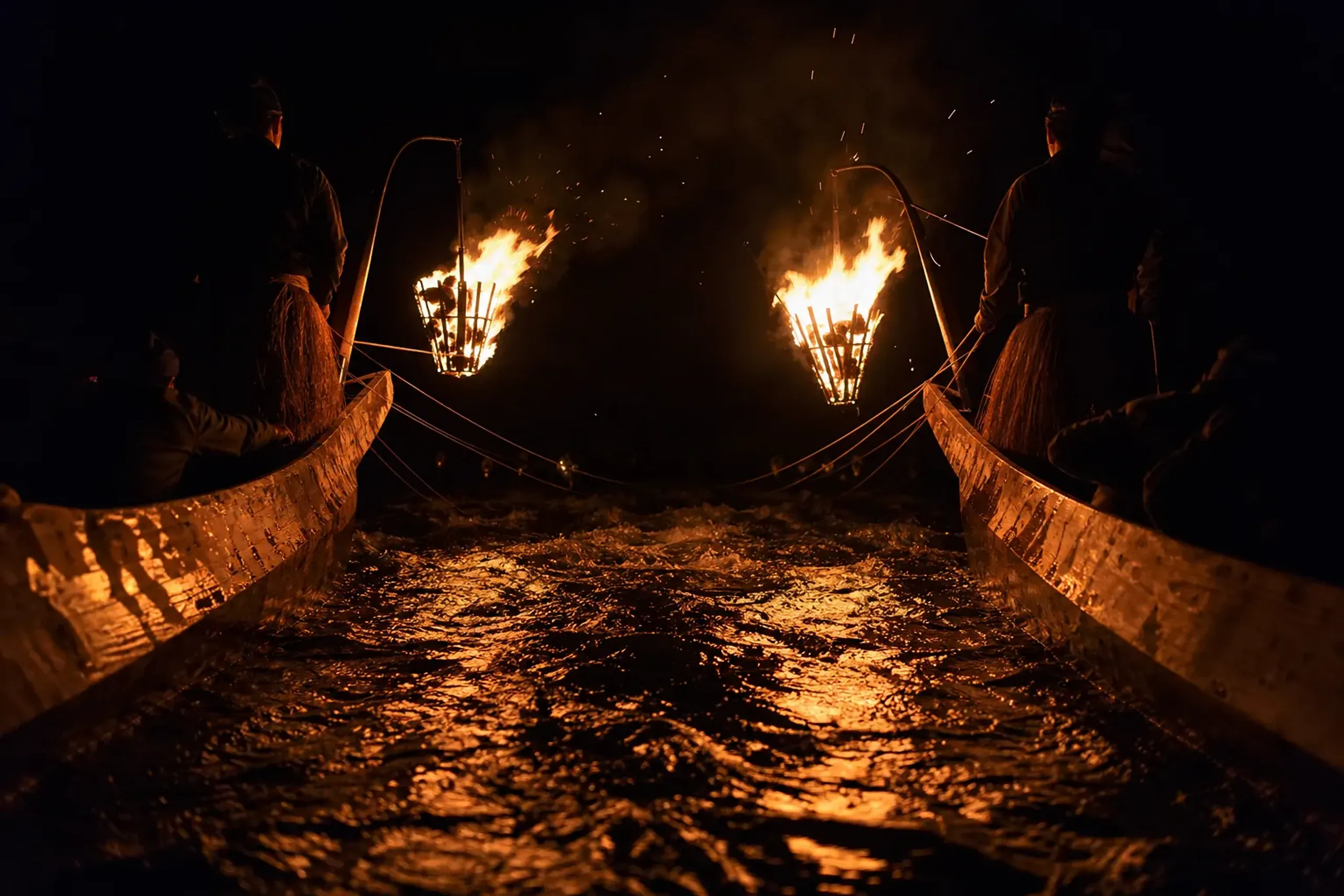
Awase Ukai is defined by parallel boats—close enough to feel the river, not just watch it.
Japan has several famous places to see ukai (cormorant fishing). Ozu is widely noted alongside the Nagara River in Gifu and the Mikuma River in Oita as a major place to experience it.
But Ozu has a local signature: Awase Ukai. That word matters. It points to the defining format—boats moving in parallel.
In this style, the cormorant fishing boat and the passenger/viewing boat(s) travel side-by-side on the Hijikawa River. The result is intimate viewing, not distant observation from shore.
It changes the feeling. Completely. You’re not watching a distant tableau; you’re sharing a moving lane of river at night.
A Quick Glossary For First-Time Guests
You do not need technical knowledge to enjoy Awase Ukai. Still, a few words help you hear what guides are explaining, and what locals are referencing.
- Ukai: cormorant fishing, practiced in several regions of Japan.
- Awase Ukai: Ozu’s parallel-boat format, designed for close viewing on the water.
- Hijikawa (Hiji River): the river where Ozu’s ukai takes place.
Key fact: Ozu’s Awase Ukai is defined by the viewing boat traveling alongside the fishing boat—this is the core difference that creates the close-range experience.
When To Go In 2026: Season Dates And The Night That Changes The Town
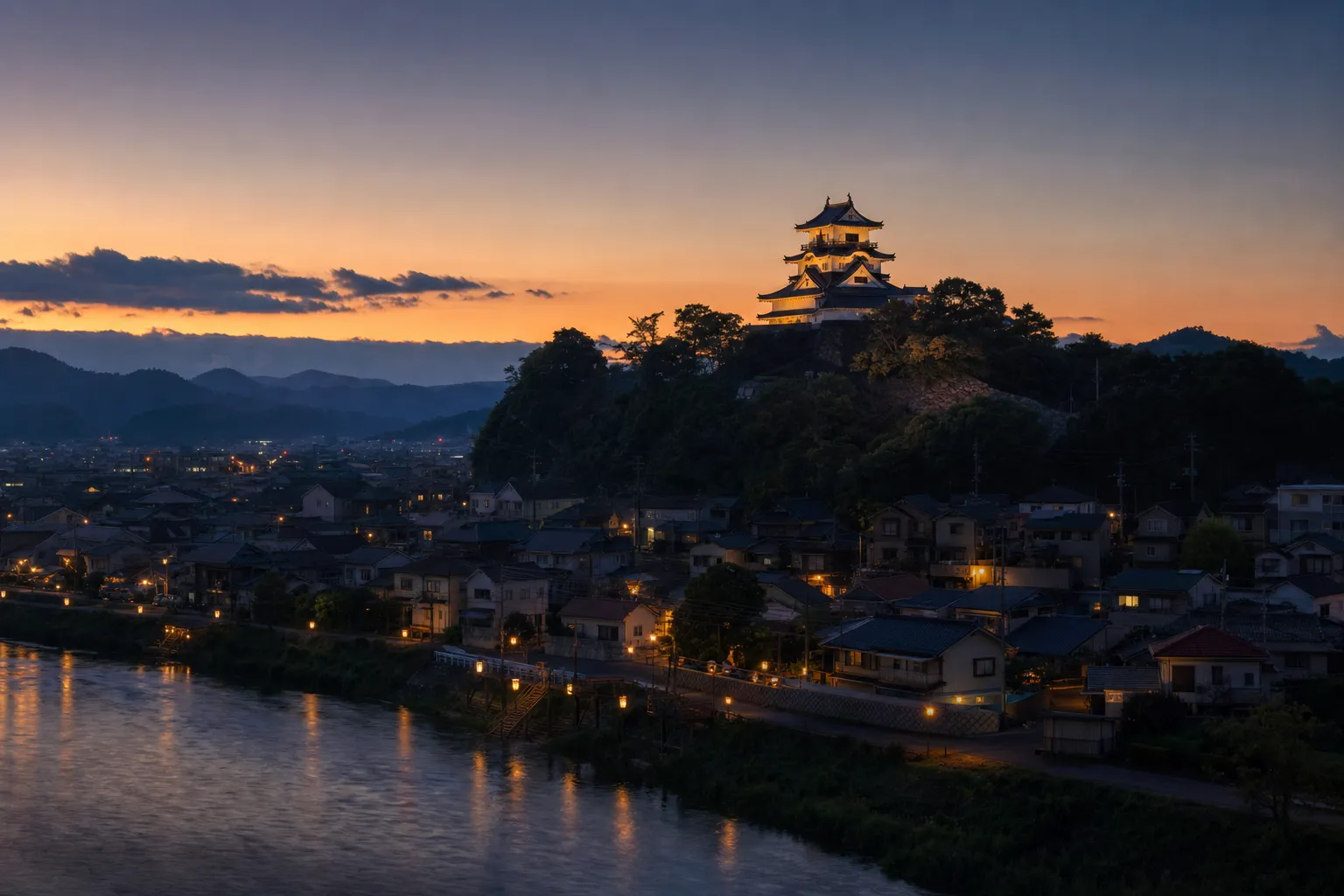
Ozu’s summer calendar matters—season dates and event nights shape the town’s pace.
Ozu’s ukai season runs each year from June 1 to September 20. In 2026, the published season window is 2026/06/01–2026/09/20.
That date range is your planning backbone. Everything else—routing, hotel choices, and pacing—hangs from it.
If you are deciding between “early season” and “late season,” our experience is that your best choice often comes down to mood, not checklists. Early summer can feel softer; later summer can feel more eventful.
One night deserves special attention. Ozu Kawamatsuri Fireworks Festival is scheduled for Monday, August 3, 2026, 20:00–21:00, with about 3,000 fireworks launched with Ozu Castle as a backdrop.
Planning Around August 3, 2026 (Fireworks Night)
Fireworks nights compress the town’s calm into a narrower window. Roads slow. Restaurants fill. River access becomes more competitive.
This is not a reason to avoid Ozu. It is a reason to plan with discipline and backups.
- If you want atmosphere: pair a calm, craft-led day in the castle town with an evening built around river timing.
- If you want quiet: choose a different night within the season window and keep August 3 as an optional add-on.
The On-The-Water Experience: What Awase Ukai Feels Like Up Close
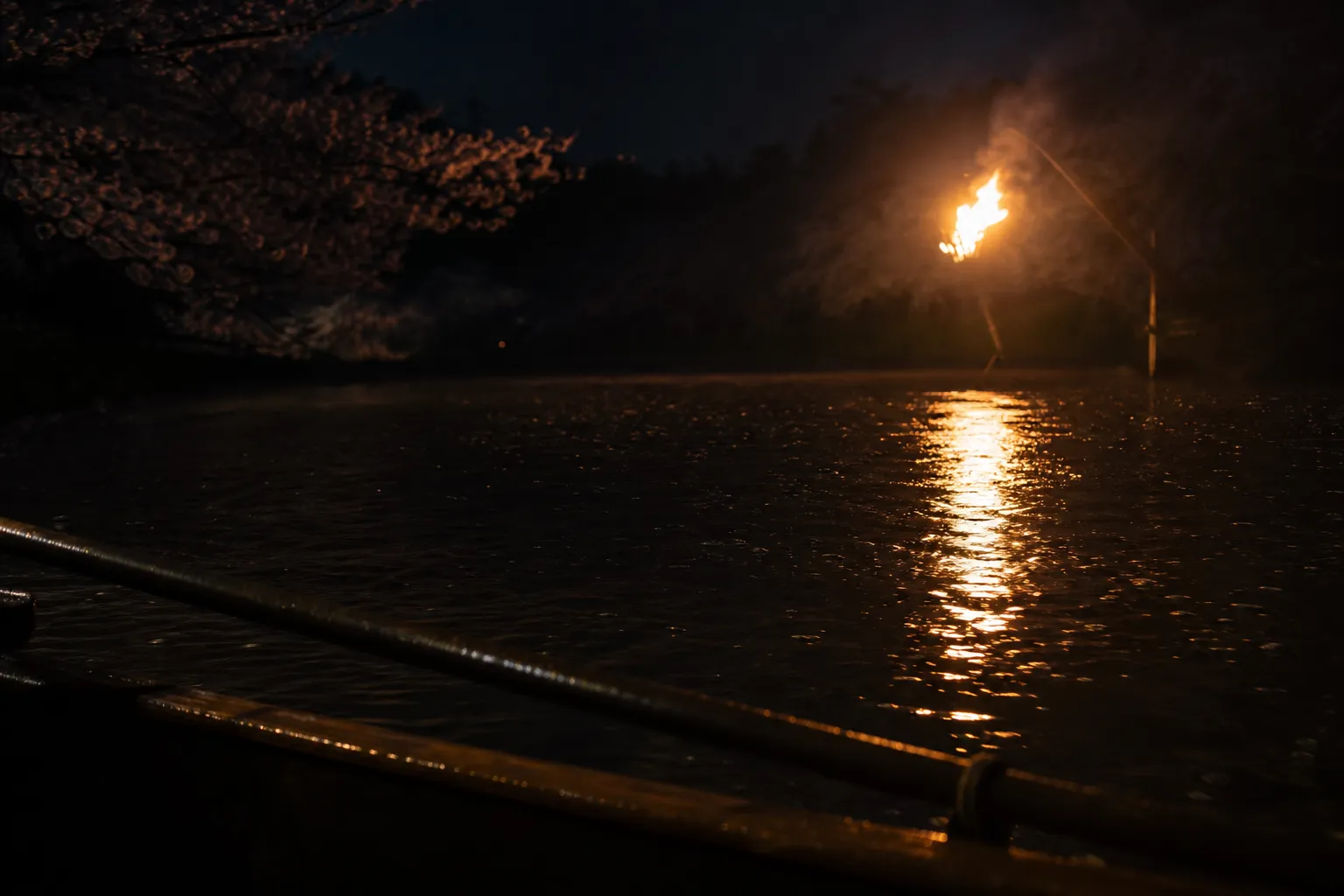
The luxury here is proximity—torchlight, water sound, and an unhurried night.
Awase Ukai is best understood as proximity. The viewing boat runs beside the fishing boat, and the distance closes in a way that surprises first-time guests.
The light is a big part of it. Torchlight on water has a particular texture—more flicker than glow, more shadow than sparkle.
You will see the river’s surface change as the boats move. Small ripples become loud. A short stretch of calm looks like black glass.
It is not a stadium show. It feels like a working tradition being shared at arm’s length.
A Responsible Note On Tradition
Ukai is an old practice with deep cultural roots. Japan’s Ministry of Land, Infrastructure, Transport and Tourism notes that evidence appears in early historical texts, while experts disagree on whether the practice came from China or developed independently in Japan.
Modern ukai in places like Ozu is presented as a managed tradition, with active operators and operational updates. Go with a respectful mind-set and avoid turning the night into a flash-lit photo session.
Small choices matter. Quiet voices. Phones down. Let the river carry the scene.
Ozu Castle Town As Your Base: Heritage Streets, Slow Evenings, And Boutique Stays
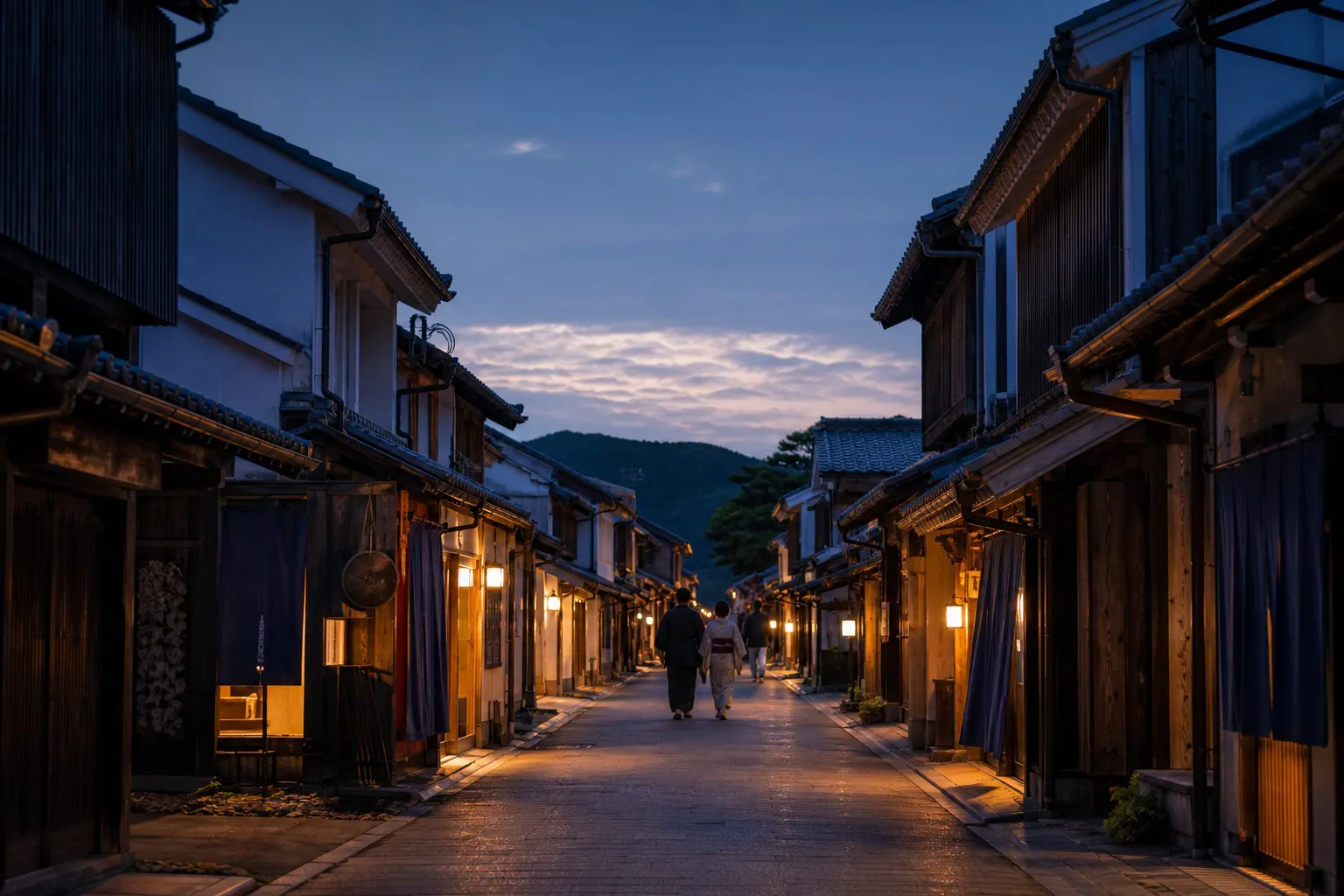
A castle town that rewards slow walking and early nights—ideal before a river experience.
Ozu is not only a river experience. The town itself is part of the appeal—especially for travelers who prefer a walkable evening and a short transfer back to a calm room.
For a refined base, NIPPONIA HOTEL Ozu Castle Town is a known option in Ozu’s heritage-stay landscape. It also publishes a guest-facing “Ukai Viewing Dinner” activity that combines riverside scenery and ukai viewing while dining.
Another distinctive option is the Ozu Castle stay, which is presented by Japan Travel (JNTO) as a heritage stay that can be paired with watching traditional ukai on summer nights in Ozu.
This is where wabi-sabi reads as lived experience, not a design slogan. Old wood. Quiet corners. A town that goes dark early.
What This Pairing Does For HNW Travelers
HNW travelers often want luxury that does not feel like a production. Ozu makes that easy.
There is less friction. Less jockeying. Less “what time is our slot?” energy.
And there is a clean narrative. Castle town evening, then river night, then a short return—no long drive back to a big city.
A Private Shikoku Micro-Itinerary Built Around One Summer Night
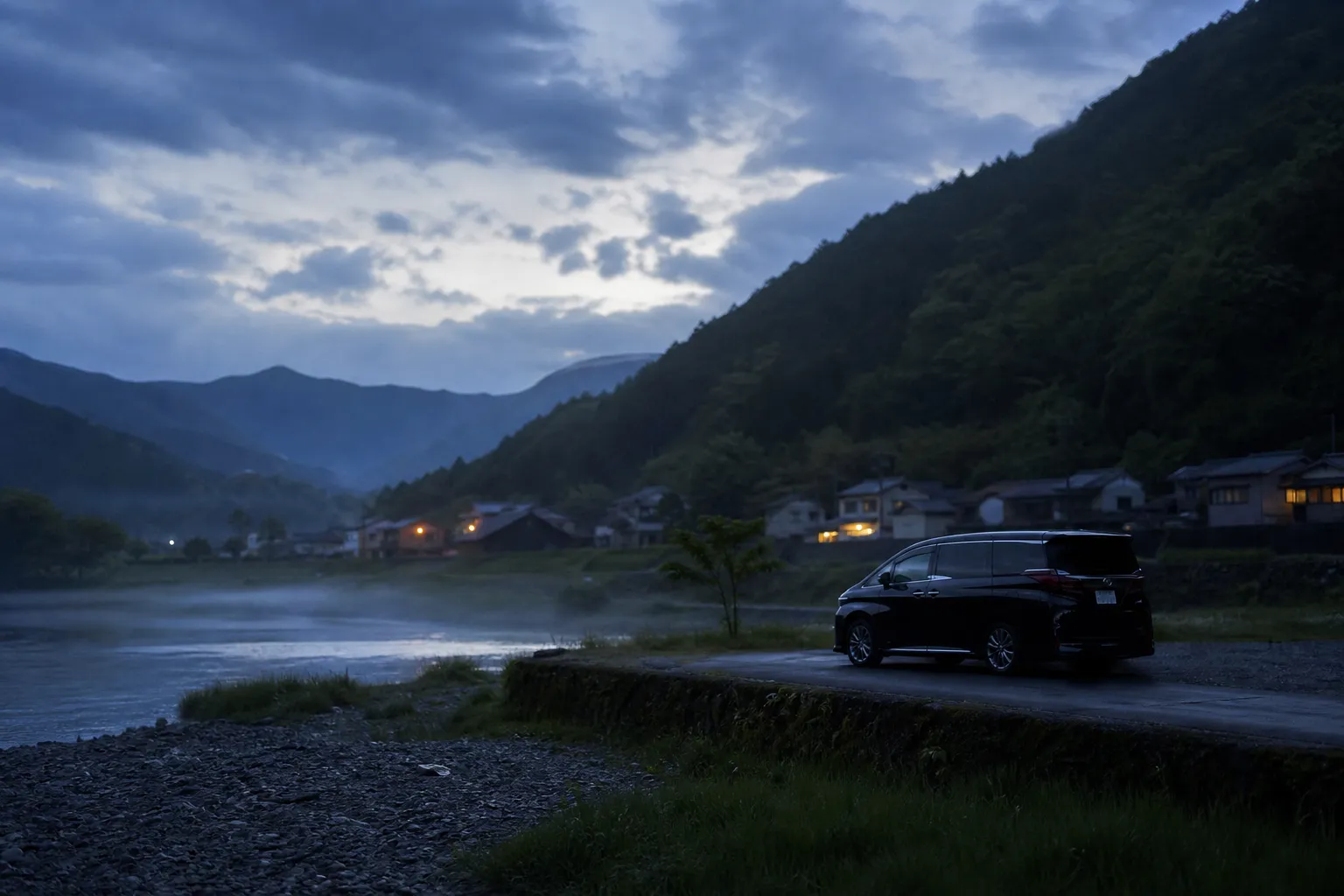
A calm itinerary is designed on the ground: timing, routing, and privacy-first movement.
Shikoku rewards travelers who like depth and restraint. Ozu fits naturally into an itinerary that does not chase famous intersections.
Below is a sample shape we often use as a starting point in private discussions. It is not a packaged product. It is a rhythm.
Option A: Ozu As The Main Event (2 Nights)
For guests who want Awase Ukai to be the emotional center of the trip.
- Arrive in Ozu earlier in the afternoon and settle into a heritage-forward base.
- Walk the castle town slowly. Keep the day light.
- Take Awase Ukai in the evening, then end with a quiet drink and an early night.
Option B: Shikoku As The Alternative Route (4–7 Nights)
For guests who want Shikoku to feel like a deliberate choice, not an add-on.
- Design a calm sequence across Shikoku, with Ozu as the summer-night anchor.
- Pair the river night with shokunin-led craft time elsewhere in the region when available and appropriate.
- Keep transfers comfortable and private, with pauses that allow the trip to breathe.
Option C: Shikoku Plus A Quiet Kansai Counterpoint (7–12 Nights)
For guests who want one iconic urban base, but do not want the entire journey shaped by congestion.
- Begin in Kansai for a controlled start, then shift to Shikoku for the “lower volume” chapter.
- Use Ozu as a reset night: river, torchlight, early sleep.
- Return to a city base with sharper timing and less guesswork.
How To Get There Without Turning The Day Into A Transfer
Ozu sits in Ehime Prefecture on Shikoku. The goal is not merely to arrive; it is to arrive with your evening intact.
In our experience, the best approach is to treat Ozu as a stop with its own dignity, not a detour squeezed between bigger names. A rushed arrival makes the river night feel like a task.
Many guests route through major gateways first, then enter Shikoku with a calmer tempo. It’s a practical choice.
For private transportation planning—vehicle class, pickup windows, and luggage handling—our concierge team at Japan Royal Service provides tailored guidance once we understand your starting point and priorities.
Practical Booking Guidance: Where The Official Information Lives
Because ukai is an actively managed seasonal tradition in Ozu, the most reliable information tends to come from official or local channels.
Good starting points for factual planning include Ozu’s local tourism information (VisitOzu), Ozu City’s official pages for major events like the fireworks festival, and national-level context pages such as Japan Travel (JNTO) and MLIT’s cultural background on ukai.
For guests who want a dining-forward viewing format, supplier pages such as NIPPONIA HOTEL Ozu Castle Town publish specific activity descriptions, including an “Ukai Viewing Dinner.”
For questions, timing checks, and discreet itinerary design around Awase Ukai, contact our concierge team directly.
FAQ: Ozu Awase Ukai For Luxury Travelers
What Is “Awase Ukai” In Ozu?
Awase Ukai is Ozu’s distinctive cormorant-fishing viewing style on the Hijikawa River, where the passenger boat travels alongside the fishing boat for close-range viewing.
When Is Ozu Ukai Season In 2026?
Ozu’s ukai season is published as June 1 to September 20, 2026.
Is Ozu A Well-Known Place For Ukai In Japan?
Yes. Ozu is often noted as one of Japan’s major places to experience ukai, commonly grouped with the Nagara River (Gifu) and the Mikuma River (Oita).
What Is Special About Ozu On August 3, 2026?
Ozu City’s schedule lists the Ozu Kawamatsuri Fireworks Festival on Monday, August 3, 2026, 20:00–21:00, with about 3,000 fireworks and Ozu Castle as the backdrop.
Can I Combine Ukai With A Heritage Stay In Ozu?
Yes. Japan Travel (JNTO) describes the Ozu Castle stay and notes that visitors can watch traditional ukai on summer nights as part of an Ozu visit. NIPPONIA HOTEL Ozu Castle Town also publishes an “Ukai Viewing Dinner” activity.
Is Ukai Only A Historical Reenactment?
It is a living, managed tradition. Ozu’s ukai operator maintains news and operational updates, which indicates active seasonal operation rather than a purely ceremonial display.
Why Choose Japan Royal Service
Awase Ukai is small-scale by nature. The luxury comes from how you approach it: controlled timing, calm movement, and a night that stays yours.
Our team at Japan Royal Service designs Shikoku itineraries around discretion and hidden-Japan value—places that do not need prestige marketing to feel significant. We also build in shokunin encounters and wabi-sabi aesthetics where they fit, so the trip feels coherent rather than stitched together.
We protect privacy as a default. Guest identity, routing, and preferences stay confidential, and we plan with the assumption that you do not want your travel life visible to strangers.
For private coordination, reach our team privately via WhatsApp or LINE, or at https://japanroyalservice.com/contact.