In this guide
- 01Tokyo: Where Innovation Meets Tradition
- 02Kyoto: The Heart of Japanese Heritage
- 03Mount Fuji and Hakone: Natural Majesty
- 04Osaka: Culinary Capital and Urban Energy
- 05Hiroshima and Miyajima: Peace and Sacred Spaces
- 06Kanazawa: Preserved Edo-Period Elegance
- 07Takayama and the Japanese Alps: Mountain Villages
- 08Nara: Ancient Capital and Sacred Deer
- 09Hokkaido: Northern Wilderness and Culinary Adventures
- 10Okinawa: Tropical Paradise and Ryukyuan Culture
- 11Seasonal Considerations for Travel Planning
- 12Transportation and Logistics for Premium Travel
- 13Exclusive Access and Insider Experiences
- 14Regional Cuisine Beyond Major Cities
- 15Practical Considerations for Luxury Travelers
- 16Emerging Destinations for 2026
Japan rewards travelers who value restraint over spectacle: mossy stone quiet, a perfectly composed meal at a counter shaped by decades of practice, a doorway that opens only by introduction. From Tokyo’s design-forward neighborhoods to Kyoto’s temple districts and the onsen towns framed by Mount Fuji, the best places to go in Japan are those where access, timing, and cultural fluency turn famous sights into private moments. For high-net-worth travelers, the difference is simple: not “more,” but more precisely arranged—with discretion, trusted relationships, and the guidance to meet shokunin and cultural masters on their terms.
Tokyo: Where Innovation Meets Tradition
Tokyo is an essential starting point when planning where to go in Japan. The city layers ultramodern architecture over historic neighborhoods, offering everything from quiet temple precincts to the most exacting dining culture in the country.
Exclusive Neighborhoods and Cultural Hotspots
Begin in Ginza, Tokyo’s premier luxury shopping district, where flagship boutiques and department stores spotlight Japanese craftsmanship. After dark, Ginza becomes an intimate dining destination—especially at small sushi counters and kaiseki restaurants where the room is part of the experience.
For a traditional counterpoint within the metropolis, Asakusa offers access to Senso-ji Temple, Tokyo’s most-visited Buddhist temple. Private early-morning visits—paired with expert guiding—reveal the site’s history before the day’s momentum takes hold.
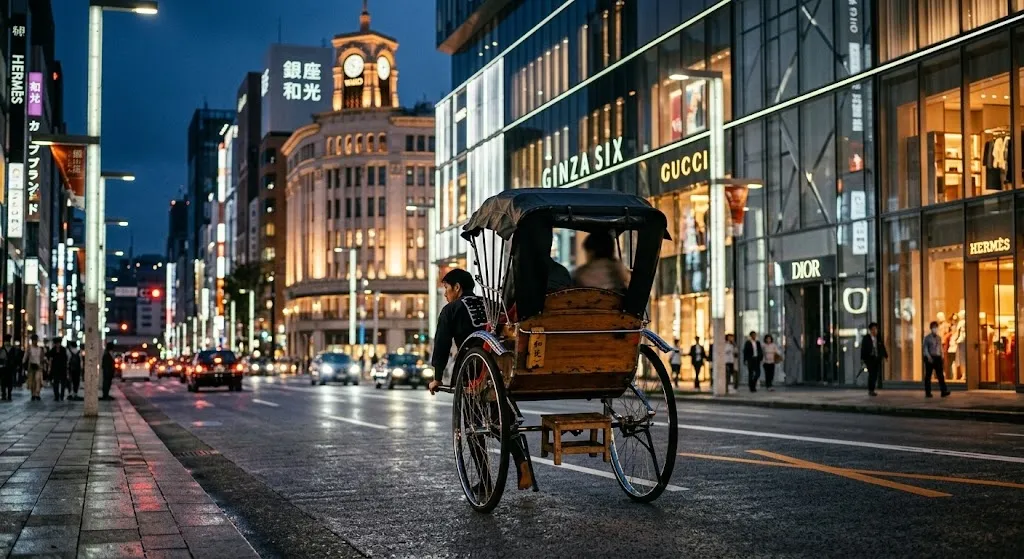
Tokyo’s fashion-forward areas reward unhurried exploration. Omotesando is a tree-lined boulevard of architectural statements and international maisons; nearby Harajuku showcases Japan’s creative youth culture—best approached with a knowledgeable guide who can filter what matters from what merely draws crowds.
Culinary Excellence in the Capital
Tokyo holds more Michelin-starred restaurants than any other city worldwide, and the most sought-after counters often require long lead times and local introductions. For reference, reservations commonly target venues such as Sukiyabashi Jiro, Kanda, Mikawa Zezankyo, and Ukai-tei—each representing a different expression of shokunin discipline.
| Experience Type | Recommended Venue | Price Range | Booking Timeline |
|---|---|---|---|
| Sushi Omakase | Sukiyabashi Jiro | ¥40,000+ | 3-6 months |
| Kaiseki | Kanda | ¥30,000+ | 2-4 months |
| Tempura | Mikawa Zezankyo | ¥20,000+ | 1-2 months |
| Wagyu Teppanyaki | Ukai-tei | ¥25,000+ | 1-3 months |
Kyoto: The Heart of Japanese Heritage
For cultural immersion, Kyoto remains unmatched. As the former imperial capital, it preserves over 2,000 temples and shrines alongside wooden machiya streetscapes—an environment where wabi-sabi beauty is often found in weathered timber, quiet gardens, and shadowed lantern light.
Temple Districts and Spiritual Sanctuaries
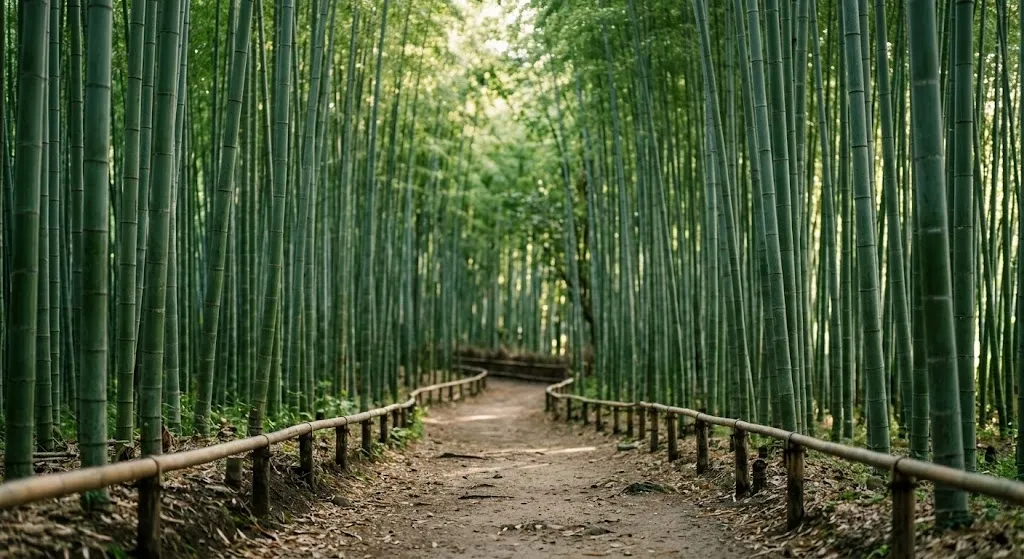
Arashiyama pairs natural beauty with historic landmarks. The bamboo grove becomes genuinely meditative early in the day, and nearby Tenryu-ji Temple is renowned for its Zen gardens. Private morning access is the simplest way to experience stillness rather than foot traffic.
The Higashiyama District includes icons such as Kiyomizu-dera Temple, poised above the city on wooden pillars. Walking Ninenzaka and Sannenzaka is less about “seeing” and more about entering a preserved rhythm of Kyoto life.
For travelers seeking deeper engagement, carefully arranged access can include normally closed temples and private tea ceremonies with renowned masters—experiences that hinge on etiquette, timing, and introductions rather than public ticketing.
Geisha Culture in Gion
Gion remains one of Japan’s exclusive geisha quarters. A discreet evening walk along Hanamikoji Street may offer a glimpse of geiko and maiko moving between engagements.
Private ozashiki experiences allow select guests to enjoy traditional performances and conversation in intimate ochaya (tea houses). These arrangements require introductions through established relationships and should always be handled with sensitivity and discretion.
Mount Fuji and Hakone: Natural Majesty
Mount Fuji’s symmetry has defined the Japanese imagination for centuries. The surrounding region, particularly Hakone, is one of the most rewarding places to slow down: fewer “checklist” sights, more quiet views, water, and warm stone.
Luxury Ryokan Experiences
The Hakone area is known for traditional inns that elevate comfort through architecture, cuisine, and calm. A well-chosen ryokan stay can feel like a private retreat—where wabi-sabi design and meticulous service create space to recover from city pace.
Premium ryokan provides:
- Private outdoor baths with Mount Fuji views
- Multi-course seasonal kaiseki prepared by master chefs
- Personalized concierge services
- Traditional Japanese gardens for contemplative walks
- Exclusive access to cultural workshops
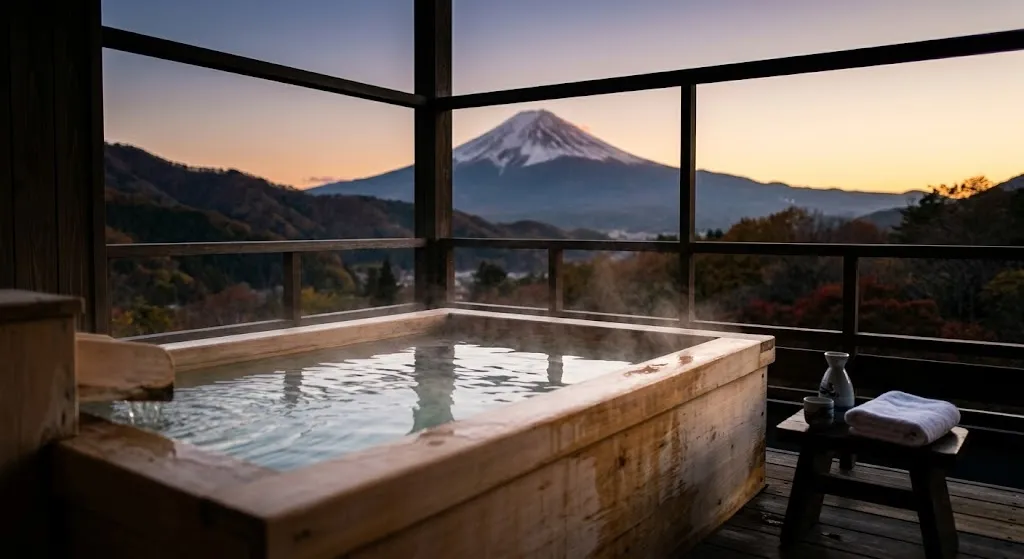
Near Mount Fuji, the region’s geological features include ice caves that preserve frozen formations even in summer, offering a distinctive excursion for travelers who want more than scenic viewpoints.
Osaka: Culinary Capital and Urban Energy
Osaka is a cornerstone for food-focused itineraries. The city’s merchant history shaped a culture that celebrates flavor and generosity—often more direct than Tokyo’s formality, yet no less serious in execution.
Michelin-Starred Street Food Evolution
Dotonbori distills Osaka’s energy, with everything from standing sushi to intimate kappo-style counters. The city’s signature dishes are essential:
- Takoyaki: Octopus-filled batter balls perfected over generations
- Okonomiyaki: Savory pancakes with premium ingredients
- Kushikatsu: Deep-fried skewers in specialized restaurants
- Kobe Beef: The ultimate Wagyu experience in nearby locations
Historic Osaka Castle and Modern Architecture
Osaka Castle anchors the city’s historical narrative; the surrounding park is especially compelling during cherry blossom and autumn foliage periods. For contemporary views, the Umeda Sky Building and its Floating Garden Observatory provide panoramic cityscapes from 173 meters above ground.
Hiroshima and Miyajima: Peace and Sacred Spaces
For reflective travel, Hiroshima offers profound historical context. The Peace Memorial Park is central to understanding modern Japan’s resilience and postwar identity.
Miyajima Island’s Floating Torii
Offshore, Miyajima is among Japan’s most photographed locations. At high tide, the vermilion torii appears to float—an image that feels even more otherworldly when approached quietly, away from peak arrival times.
Itsukushima Shrine, a UNESCO World Heritage site, showcases buildings constructed over water. Private boat tours can provide ideal angles and golden-hour light.
| Season | Best Experience | Timing Recommendation |
|---|---|---|
| Spring | Cherry blossoms around the shrine | Late March – Early April |
| Summer | Sunrise viewing from the summit | June – August |
| Autumn | Maple foliage hiking trails | Mid-November |
| Winter | Oyster season dining | December – February |
The island’s luxury ryokan allow you to experience sacred spaces after day-trippers depart, when the atmosphere returns to stillness.
Kanazawa: Preserved Edo-Period Elegance
Kanazawa is frequently highlighted by experienced travelers seeking authenticity. This castle town retained its character through careful planning, making it ideal for those who appreciate craft traditions and quiet streets over constant spectacle.
Kenrokuen Garden and Samurai Districts
Kenrokuen is considered among Japan’s most beautiful landscape gardens. A private guided walk reveals subtle seasonal details and design principles often missed on a casual loop.
The Nagamachi Samurai District preserves earthen walls and residences that convey feudal-era architecture. Several homes can be visited through exclusive arrangements.
Gold Leaf Craftsmanship and Contemporary Art
Kanazawa produces over 99% of Japan’s gold leaf, and artisan workshops offer demonstrations and hands-on experiences. Gold leaf appears across crafts and cuisine, ranging from traditional applications to contemporary expressions.
The 21st Century Museum of Contemporary Art contrasts the city’s historic atmosphere with circular glass architecture and rotating international exhibitions.
Takayama and the Japanese Alps: Mountain Villages
For alpine scenery and traditional architecture, Takayama and the surrounding region offer depth—particularly for travelers who want craft, food, and nature in a single, slower-moving chapter.
Gassho-Zukuri Villages
The UNESCO-listed Shirakawa-go and Gokayama villages are known for thatched-roof farmhouses built for heavy snowfall. Winter illumination events are especially atmospheric, while spring and autumn provide strong alternatives with gentler conditions.
Select farmhouses serve as exclusive lodgings, pairing authentic rural life with modern comforts. Meals highlight mountain vegetables and local specialties prepared from generations-old recipes.
Sake Breweries and Morning Markets
Takayama Morning Market showcases regional produce, crafts, and street food; early visits create time for genuine interaction. Local breweries offer tastings and education on traditional brewing methods, including premium sake rarely exported beyond the region.
Nara: Ancient Capital and Sacred Deer
Nara is often treated as a day trip, but travelers who linger discover a city of older artistic treasures—Japan’s first capital, with a quieter cadence than Kyoto.
Todai-ji Temple and the Great Buddha
Todai-ji houses a massive bronze Buddha. The wooden hall containing the statue is among the world’s largest wooden structures.
Kasuga Taisha Shrine, known for thousands of bronze and stone lanterns, leads you through sacred forest. Special illumination events twice annually turn the approach into a candlelit passage.
Deer Park Experiences
Over 1,200 semi-wild sika deer roam Nara Park, which is designated as a national treasure. The deer bow to request specially prepared crackers, creating a memorable and surprisingly gentle interaction.
Luxury accommodations in Nara add garden views and kaiseki dining for travelers who extend beyond the standard itinerary.
Hokkaido: Northern Wilderness and Culinary Adventures
Hokkaido is essential for travelers seeking expansive landscapes and exceptional seafood. Distinct seasons shape the island’s rhythm—from snow-centered winter culture to green summers built for hiking and golf.
Sapporo and Snow Festivals
Sapporo combines urban polish with access to wilderness. The annual Snow Festival turns the city into an outdoor sculpture gallery. Niseko is widely recognized as Asia’s premier ski destination, with powder conditions and luxury accommodations; summer reveals hiking and golf.
Seafood Excellence and Dairy Products
Hokkaido’s seafood is a defining reason to visit:
- Sea urchin (uni) directly from fishermen
- King crab prepared in multiple ways
- Salmon roe (ikura) at peak freshness
- Scallops from pristine bays
The island’s dairy culture produces cream, cheese, and milk products that rival European standards, supporting an exceptional pastry and dessert scene.
Okinawa: Tropical Paradise and Ryukyuan Culture
Japan’s southern archipelago offers a different climate and cultural heritage from the main islands. Okinawa’s beach-focused pace pairs with Ryukyuan identity expressed through architecture, craft, and performance.
Island-Hopping and Marine Activities
Beyond the main island, Ishigaki and Miyako are known for diving, snorkeling, and clear-water beaches with coral reefs and abundant marine life. Luxury resorts may include private beach access, spa programs incorporating traditional Okinawan techniques, and cuisine blending Ryukyuan and Japanese influences.
Ryukyuan Cultural Heritage
The former independent kingdom retains distinctive traditions. Shuri Castle (under restoration following the 2019 fire) remains a central symbol. Okinawan longevity research has also inspired wellness retreats focusing on diet, lifestyle, and natural therapies rooted in local knowledge.
Seasonal Considerations for Travel Planning
Timing shapes everything in Japan: crowd patterns, weather, and what can be meaningfully arranged. Each season offers distinct advantages for luxury travelers.
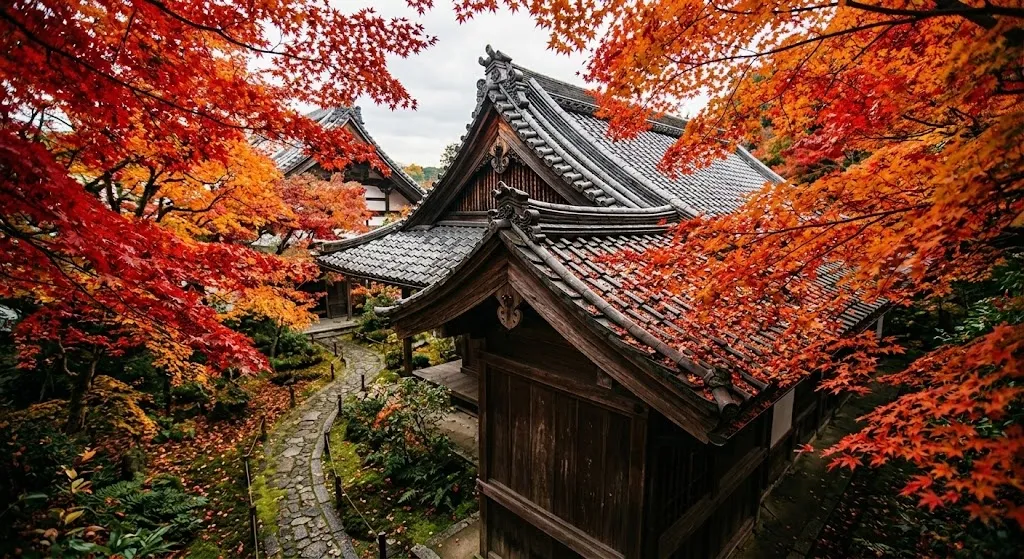
Spring (March-May) brings cherry blossoms and comfortable temperatures. Premium viewing can include:
- Private garden access in Kyoto temples
- Evening illuminations along the Meguro River in Tokyo
- Lesser-known mountain locations with extended blooming periods
Summer (June-August) features festivals and mountain hiking despite humidity, including:
- Gion Matsuri in Kyoto
- Alpine flower meadows in Hokkaido
- Fireworks displays over Tokyo Bay
Autumn (September-November) offers foliage and harvest celebrations with reliably pleasant weather.
Winter (December-February) brings snow sports, illuminations, and hot spring experiences with fewer crowds.
Transportation and Logistics for Premium Travel
Efficiently navigating the best places to go in Japan requires strategy. Trains connect major destinations well, while private vehicles add flexibility for rural access, multi-stop days, and discreet arrivals.
Japan Rail Pass and Premium Options
The standard JR Pass provides unlimited travel on most trains, including Shinkansen. Green Car passes add first-class seating with extra space and amenities. For journeys that become part of the experience, private chartered trains and luxury sleeper options, such as Seven Stars in Kyushu, offer an elevated way to traverse regions.
Private Drivers and Luxury Vehicles
Certain itineraries benefit from private transportation for:
- Rural areas with limited public transit
- Multiple destinations in a single day
- Luggage management between luxury accommodations
- Access to exclusive restaurants and hidden locations
Premium vehicles with English-speaking drivers familiar with discerning travelers’ preferences keep transitions smooth and unobtrusive.
Exclusive Access and Insider Experiences
Guidebooks are a starting point; exceptional travel in Japan is defined by what cannot be booked on a public page. The most meaningful experiences often center on shokunin mastery, after-hours stillness, and the “Hidden Japan” that operates by trust and introduction.
Private Cultural Workshops
Master craftspeople occasionally accept small groups for intensive instruction, such as:
- Tea ceremony with renowned practitioners
- Calligraphy with contemporary artists
- Pottery in historic kiln towns
- Sword polishing demonstrations
- Traditional textile creation processes
These sessions typically require advance arrangements through established relationships with cultural organizations and individual masters.
After-Hours Temple and Shrine Visits
Select locations permit private visits outside regular hours. Morning meditation, evening prayer ceremonies, and seasonal rituals become accessible through proper introductions. Shukubo (temple lodging) adds monastic immersion, including vegetarian cuisine and morning services.
Regional Cuisine Beyond Major Cities
Major cities deliver international acclaim, but regional specialties define Japan’s most rewarding meals. Kaiseki varies by place and pantry:
- Kyoto’s vegetable-focused preparations
- Osaka’s merchant-influenced heartiness
- Kanazawa’s seafood emphasis
- Takayama’s mountain ingredients
Local markets in smaller cities reveal ingredients rarely found elsewhere, shaping meals that cannot be replicated in Tokyo or Kyoto.
Practical Considerations for Luxury Travelers
Comfort in Japan often comes down to planning discipline and cultural fluency—especially when your itinerary includes small properties, coveted restaurants, and private access.
Accommodation Reservations
Top-tier ryokan and boutique hotels can require six to twelve months of lead time for peak seasons. Some accept reservations only through concierge services or established travel specialists. Cancellation policies are often strict, particularly at traditional inns where meals are prepared for each guest.
Communication and Language
Major cities increasingly accommodate English, but rural areas and exclusive establishments may not. Professional guides and interpreters enable richer exchanges and smoother logistics.
Cultural Etiquette in Premium Settings
Sophisticated travelers benefit from understanding expectations around:
- Removing shoes appropriately in various settings
- Proper onsen bathing protocols
- Gift-giving protocols when appropriate
- Dining etiquette at formal kaiseki meals
- Photography restrictions at sacred sites
Small courtesies build trust—and trust is what opens doors in Japan.
Emerging Destinations for 2026
Beyond established icons, a few regions are increasingly appearing in sophisticated itineraries. The Kanmon Straits region between Honshu and Kyushu has deep historical significance and growing luxury infrastructure. Ise-Shima combines sacred shrine experiences, pearl culture, and seafood excellence.
The Seto Inland Sea art islands—Naoshima and Teshima—pair contemporary installations with traditional island life, offering a different kind of cultural depth.
Japan’s diversity ensures the best places to go in Japan can be tailored to your pace—whether that means temple mornings before the city wakes, a ryokan night of quiet architecture and onsen steam, or a dinner shaped by a shokunin’s lifetime of refinement. When you are ready to translate these possibilities into a bespoke itinerary designed with discretion and access in mind, contact us here.