In this guide
- 01Decision 1: Set Your Trip Pace Before You Pick Cities
- 02Decision 2: Choose Neighborhoods, Not Star Ratings
- 03Decision 3: Lock Your “Must-Do” Anchors Before You Design The Days
- 04Decision 4: Decide Your Rail Strategy (And The Date That Changes It)
- 05Decision 5: Choose When To Use A Private Car vs Shinkansen vs Flights
- 06Decision 6: Plan For Luggage Forwarding So You Travel Lighter
- 07Decision 7: Match Your Guide To Your Interests (And Language), Not Their Resume
- 08Decision 8: Treat Dining Like A Schedule, Not A Wish
- 09Decision 9: Build A “Festival And Crowds” Check Into Kyoto
- 10Decision 10: Anticipate The “Small Taxes And Rules” That Create Big Friction
- 11A Printable Checklist You Can Save And Share
- 12A Simple Booking Timeline (First-Timer Safe Version)
- 13Two Decision Trees For Fast, Confident Choices
- 14What “Luxury” Looks Like In Japan When It’s Done Right
- 15FAQ: First Luxury Trip To Japan Planning Questions
- 16Why Choose Japan Royal Service
A friend once told us about a “perfect” first luxury trip to Japan that didn’t feel luxurious at all.
The hotel was five-star. The problem was the neighborhood. They spent their first two evenings trapped in taxi traffic, missed a carefully chosen dinner slot, and ended up eating convenience-store snacks in silk pajamas. Painful.
That’s the quiet truth about Japan. You can pay for excellent things and still lose the week to bad sequencing, bad geography, and “small” misunderstandings that grow teeth on day three.
Our team at Japan Royal Service plans luxury Japan the way Japan itself works: precise, situational, and discreet. Below are the 10 decisions we recommend making in the exact order that prevents costly mistakes.
Decision 1: Set Your Trip Pace Before You Pick Cities
Rookie mistake: Choosing five cities for a seven-night trip because the map looks compact. It isn’t. Not in the way your body feels after repeated check-outs, platform walks, and late arrivals.
Why it matters: In Japan, transfer time hides in plain sight: hotel-to-station time, station-to-platform time, and the final “last mile” into quieter districts where many high-caliber stays are located. That friction can erase the very calm you came for.
Best practice: Decide your pace first, then let cities follow. For many first-time HNW travelers, two bases plus one overnight escape is the sweet spot.
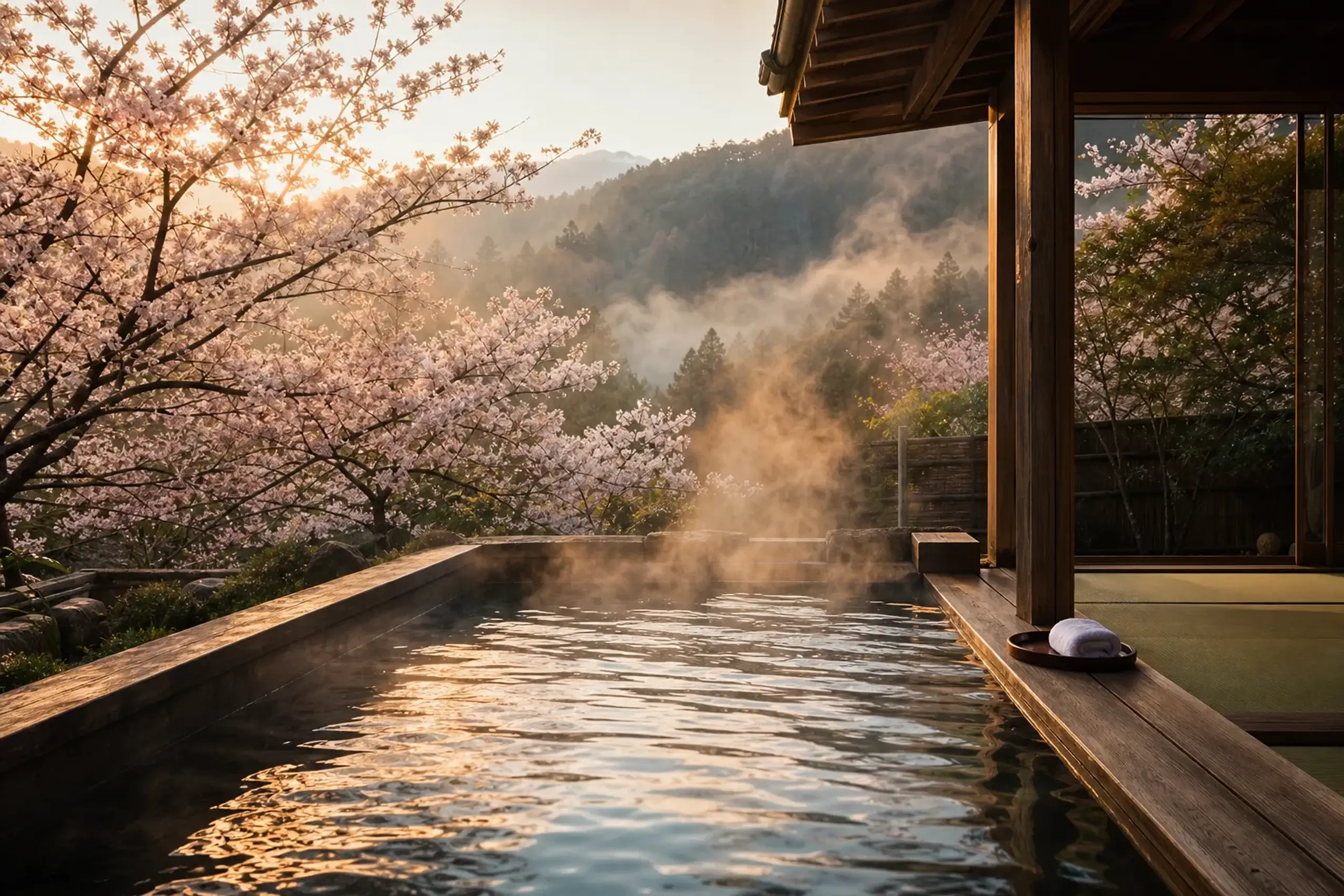
Realistic example: Tokyo as an arrival base, Kyoto as a cultural base, and one ryokan night in Hakone. Clean. Restorative. It leaves room for a private museum morning, a longer lunch, or a late start without guilt.
Decision 2: Choose Neighborhoods, Not Star Ratings
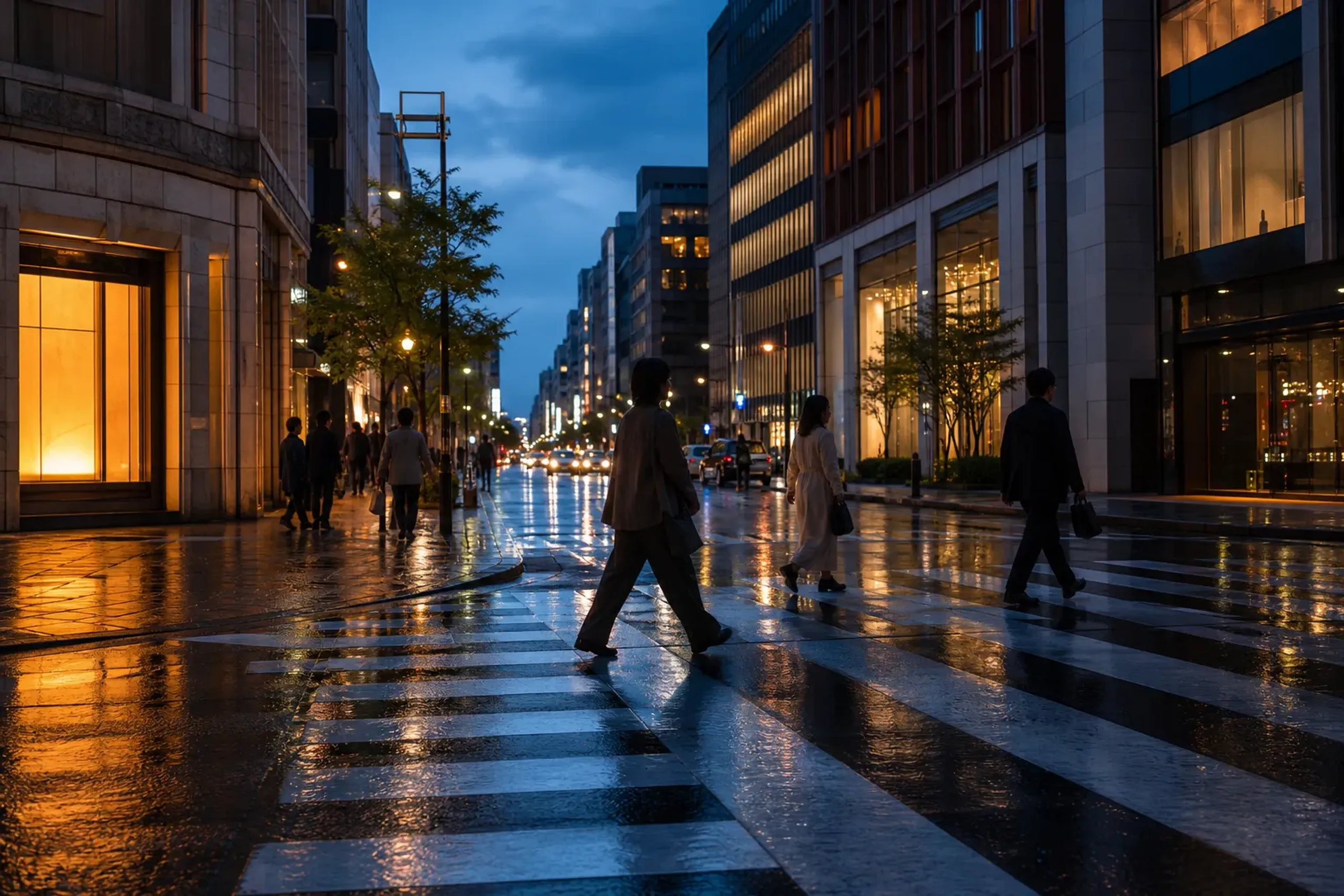
Neighborhood first. It changes the whole trip.
Rookie mistake: Booking the “best” hotel on paper, then discovering it sits far from the rhythm you wanted—shopping, galleries, early-morning gardens, or a quiet evening walk.
Why it matters: Neighborhood dictates your day more than thread count. In Tokyo, staying near your core interests can cut repeated 40–60 minute cross-city transits into short, elegant hops.
Best practice: Pick the neighborhood first. Then pick the property. Small decision. Big rescue.
Realistic examples: Ginza for polished retail and compact dining density; Marunouchi for station-adjacent convenience with a more businesslike calm; Akasaka for a quieter, more residential-feeling base with access to multiple subway lines.
Kyoto 2026 Micro-Decision: Know The Accommodation Tax Change
Rookie mistake: Treating Kyoto’s accommodation tax as a vague “maybe” and being surprised at check-in.
Why it matters: Kyoto City changed its accommodation tax rates starting March 1, 2026, per Kyoto’s official notice and English poster. The money is earmarked for enhancing Kyoto’s appeal and sustainable tourism efforts, but the guest-impact is simpler: it affects the final bill and the check-in conversation.
Book by: Before you finalize Kyoto stays, confirm how the accommodation tax is collected (often at check-in/check-out) so nothing feels “added” after you arrive.
Decision 3: Lock Your “Must-Do” Anchors Before You Design The Days
Rookie mistake: Building a day-by-day itinerary first, then trying to force high-demand elements into whatever gaps remain. That’s how you end up with a brilliant restaurant on the wrong side of the city, at the wrong time, after the wrong activity.
Why it matters: Japan rewards commitment to a few anchors. A single anchor—like a serious dinner or a shokunin session—changes what should happen before it: pacing, transit, even lunch.
Best practice: Decide on 2–4 trip anchors, then build around them. Keep the rest flexible on purpose.
Realistic anchors for first-timers: One focused food night in Tokyo, one cultural deep-dive afternoon in Kyoto, and one nature reset (Hakone, Nikko, or Nara). Not ten “highlights.” Three that land.
Decision 4: Decide Your Rail Strategy (And The Date That Changes It)
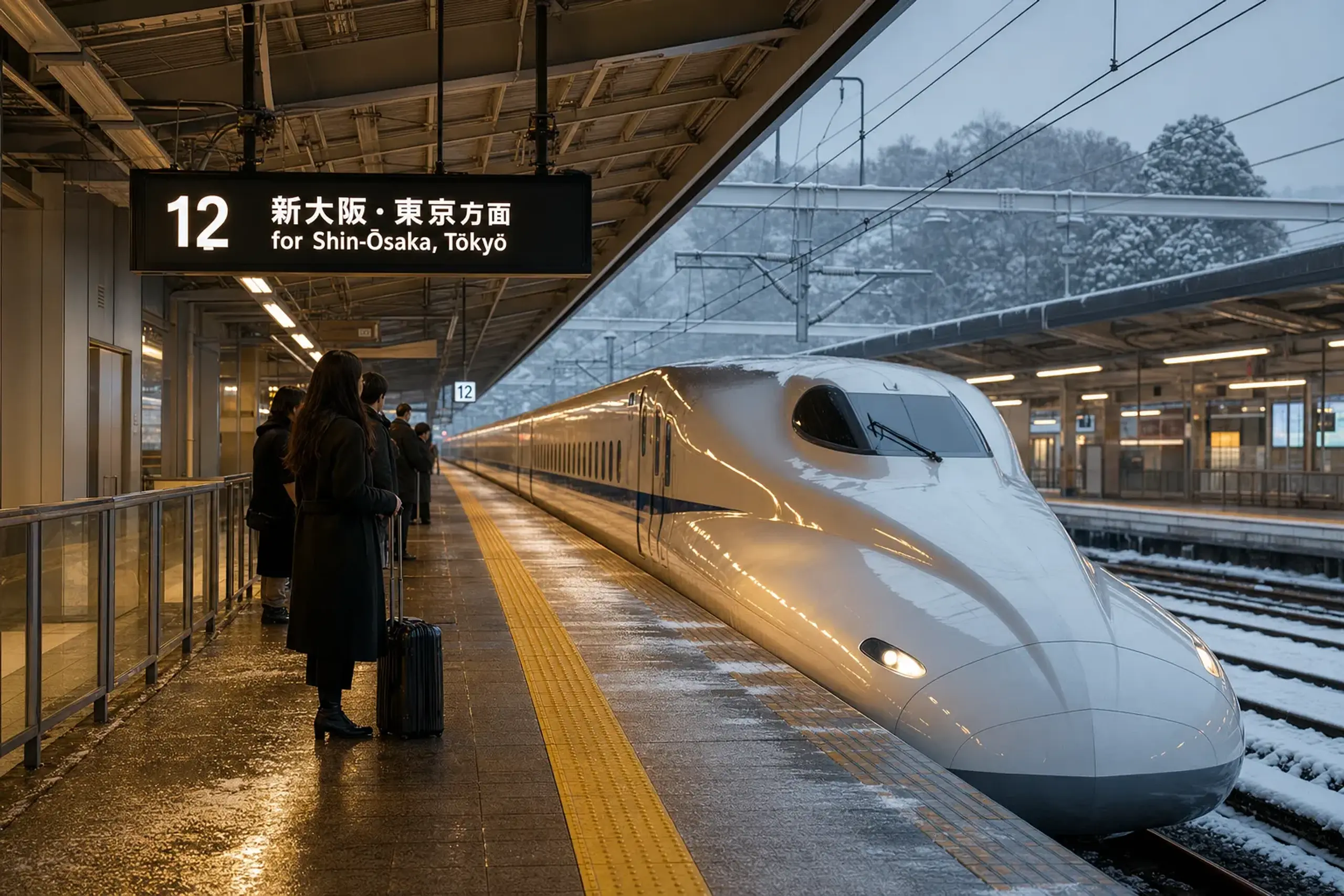
Rail choices are easy—once the rules are clear.
Rookie mistake: Buying a Japan Rail Pass because “everyone does,” without checking pricing timelines, route fit, or the fastest-train rules you’ll actually want.
Why it matters: The official Japan Rail Pass website publishes prices for purchases made by September 30, 2026, and notes that riding Nozomi or Mizuho Shinkansen requires a special ticket available only to Japan Rail Pass holders. If you plan to optimize time, these details aren’t trivia.
Best practice: Choose rail based on your exact routing and your tolerance for friction. Sometimes individual tickets are smarter. Sometimes a pass makes sense. The difference shows up in day-of ease.
Book by: If you are considering a rail pass for 2026 travel, verify the purchase window and price rules on the official JR Pass site before you commit.
Decision 5: Choose When To Use A Private Car vs Shinkansen vs Flights
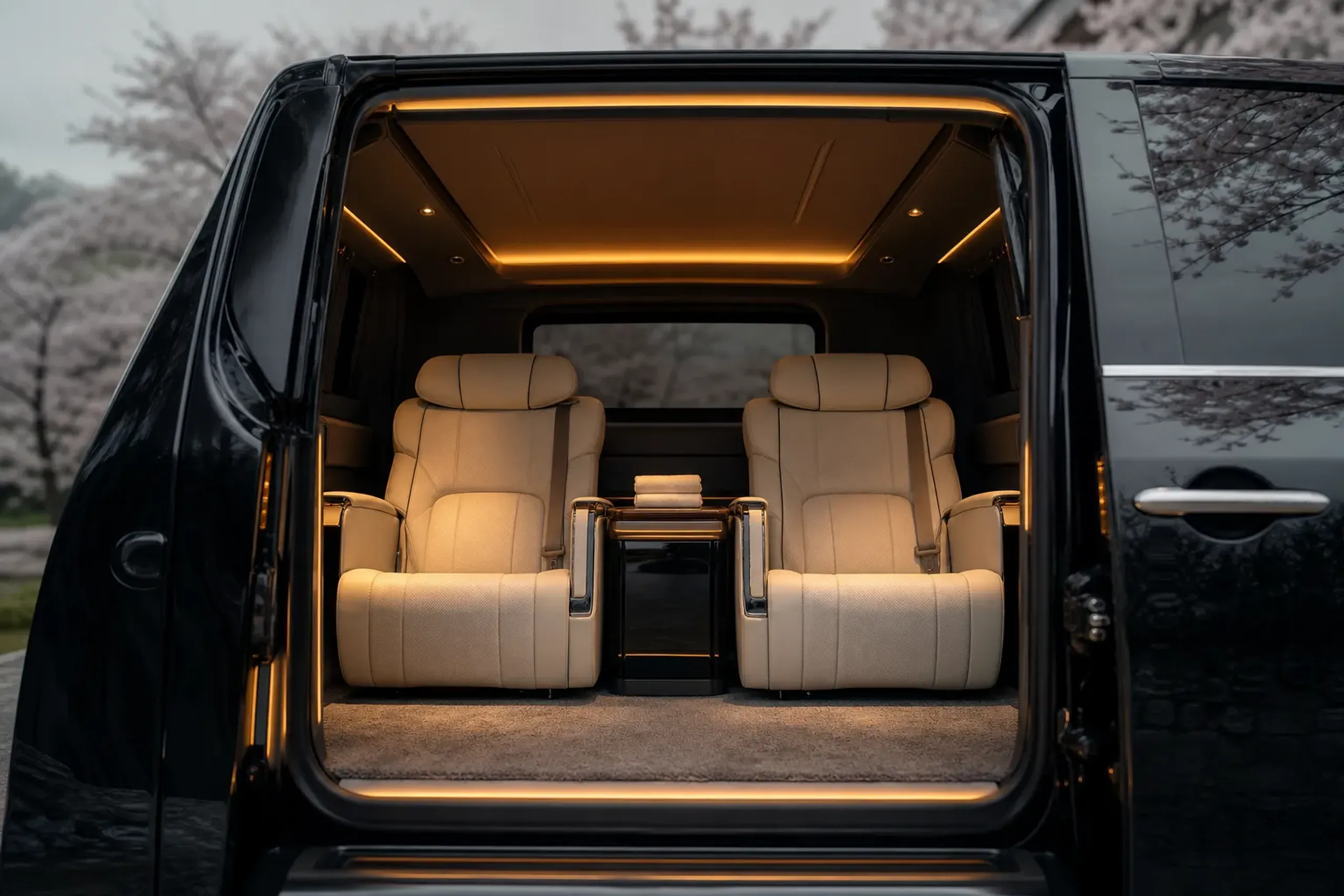
A car is best when the day has many precise moments.
Rookie mistake: Treating “private car” as a universal upgrade. It isn’t. In Tokyo-to-Kyoto, the Shinkansen is often the cleanest use of time. In Kyoto-to-Nara with multiple stops, a car can feel like a rescued day.
Why it matters: Luxury in Japan is often about protecting energy. The wrong mode of transport creates late arrivals, rushed meals, and that slightly grim feeling of being “on the clock.”
Best practice: Choose transport by the shape of your day. We usually start with one question: are you moving once, or moving many times?
Option A: Shinkansen When The Route Is City-To-City
Use rail when you are doing a clean transfer and you want reliability.
- Best for: Tokyo ↔ Kyoto/Osaka corridor
- Watch for: station-to-hotel time on both ends
Option B: Private Transportation When Stops Matter
Use a chauffeured vehicle when your day has multiple precise moments: a garden at opening, a lunch window, an artisan appointment.
- Best for: Hakone loops, Nikko day routes, Kyoto outskirts, family pacing
- Watch for: urban traffic at peak hours
Option C: Domestic Flights When Geography Is Honest
Japan is long. Sometimes a short flight saves a full day. The luxury move is admitting it early.
- Best for: Tokyo ↔ Hokkaido, Tokyo ↔ Kyushu, Osaka ↔ Okinawa
- Watch for: luggage and airport transfers
Decision 6: Plan For Luggage Forwarding So You Travel Lighter
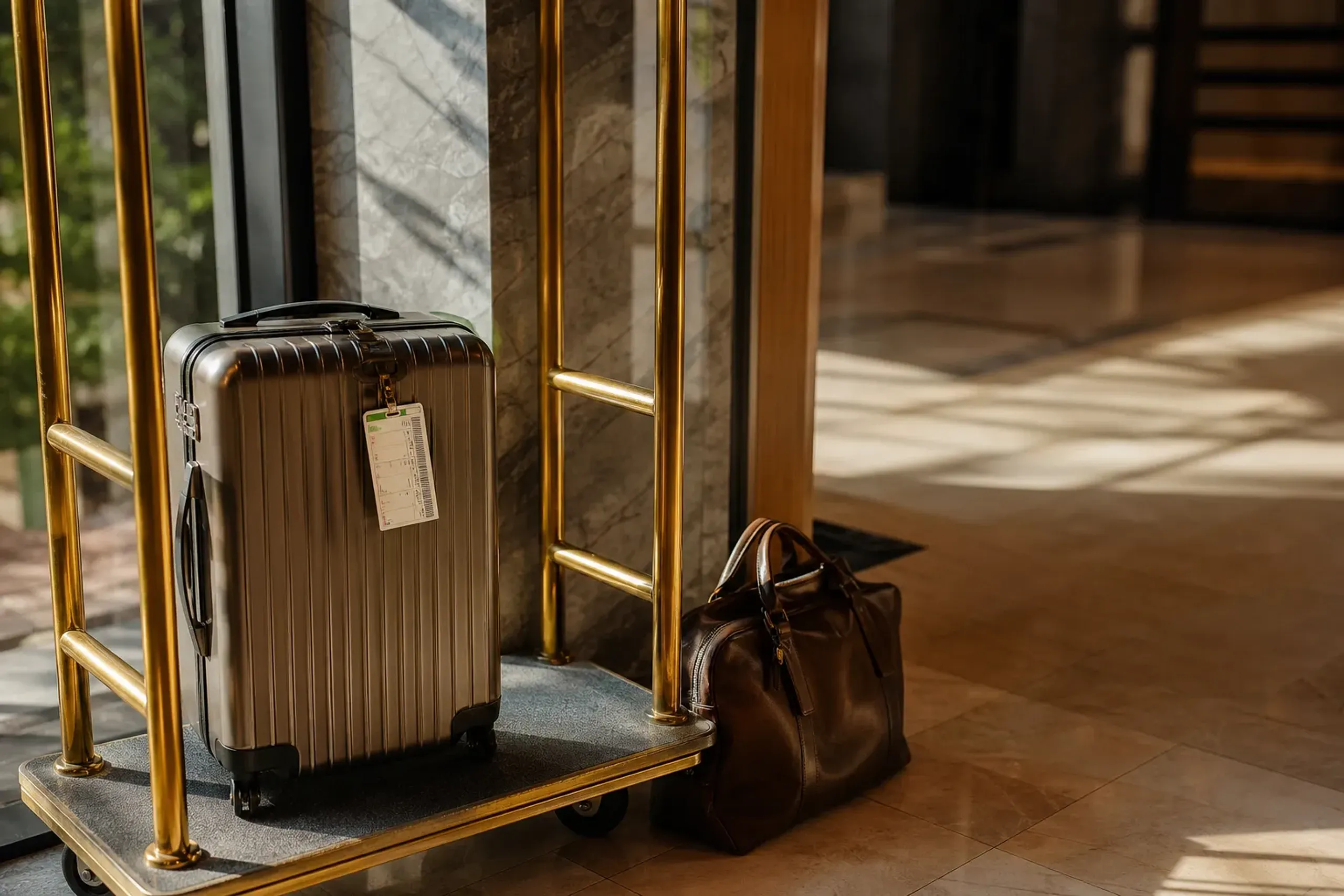
Less weight. Better days.
Rookie mistake: Dragging large suitcases onto trains, through stations, and into taxis—then wondering why the day feels heavy.
Why it matters: Japan’s rail environments are efficient, not spacious. A large bag can turn an otherwise graceful transfer into an awkward one, especially during busy periods.
Best practice: Use luggage forwarding when you have multi-city routing. Keep a slim overnight bag. Let the main suitcase meet you at the next hotel.
Realistic example: Tokyo to Kyoto with a one-night ryokan stop in Hakone. Forward the main luggage from Tokyo to Kyoto, travel to Hakone with only what you need, then arrive in Kyoto unburdened.
Decision 7: Match Your Guide To Your Interests (And Language), Not Their Resume
Rookie mistake: Hiring “a guide” as if one size fits all. Some guides are superb with history but less suited to contemporary architecture or food culture. Some are wonderful with families, others are best for intense museum days.
Why it matters: A mismatched guide doesn’t just waste money. It changes the emotional temperature of your trip. That can be hard to recover.
Best practice: Write a short brief. Two paragraphs. Include what you like, what you dislike, and the pace you want. Then match language needs precisely—especially if you want nuanced conversation rather than functional translation.
JRS lens: Our concierge team works in English and Japanese, and we also support Thai and Filipino. That range matters when your group’s preferences are mixed and you want the day to feel natural, not managed.
Decision 8: Treat Dining Like A Schedule, Not A Wish
Rookie mistake: Assuming you can “figure out dinner” in Japan each day and still experience top-tier cooking at the times you prefer.
Why it matters: High-demand restaurants often have limited seating, strict start times, and specific policies. Even when availability exists, the wrong location can make the evening feel rushed.
Best practice: Decide your dining style early: one formal night, one casual exploration night, and one “chef’s choice” night where you follow a local recommendation. Not every meal needs to be a project.
AI pitfall to avoid: AI tools often suggest restaurants without confirming closing days, reservation rules, or whether the style fits your party. Verification beats optimism.
Decision 9: Build A “Festival And Crowds” Check Into Kyoto
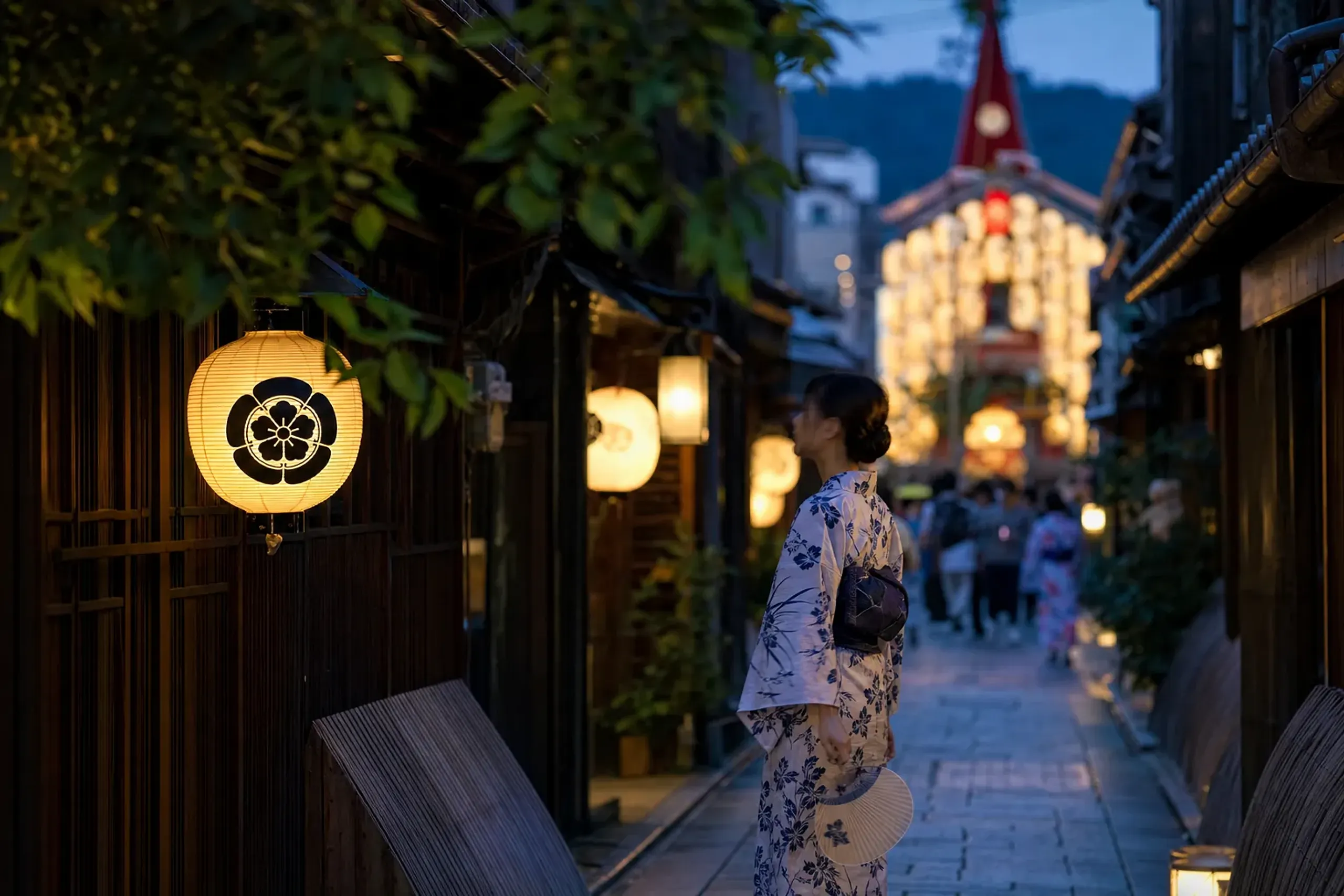
Kyoto in July rewards planning that respects the city’s rhythm.
Rookie mistake: Arriving in Kyoto in July without realizing the city’s flow changes for weeks. Streets, hotel demand, and dinner logistics all tighten.
Why it matters: Gion Matsuri is celebrated throughout July and is more than 1,000 years old. In 2026, the Gion Matsuri Yamahoko Rengokai published schedule guidance in July 2026, which signals how seriously the city organizes around it.
Best practice: If you want Kyoto in July, choose neighborhoods with movement in mind and keep your evenings strategically simple. If you want Kyoto’s quieter face, consider different dates, or accept that July requires more choreography.
Book by: For Kyoto stays tied to major July dates, start planning months ahead to avoid availability-driven downgrades.
Decision 10: Anticipate The “Small Taxes And Rules” That Create Big Friction
Rookie mistake: Focusing only on the big-ticket items—hotels and transport—then being irritated by minor fees and policy details that should have been briefed.
Why it matters: Japan’s government materials indicate an International Tourist Tax revision to JPY 3,000 per departure effective July 1, 2026. For HNW travelers, the amount isn’t the issue. The surprise is.
Best practice: Keep a simple “fee and policy” page in your trip notes: accommodation taxes (Kyoto 2026), departure tax (July 2026), and any rail-product rules you plan to rely on. Calm comes from knowing what will happen.
A Printable Checklist You Can Save And Share
Copy this into your notes app. Keep it blunt. That’s the point.
- Pace: Two bases + one overnight escape (or commit to one region).
- Neighborhoods: Choose districts first; property second.
- Anchors: Pick 2–4 “must-do” moments before you draft days.
- Rail: Confirm JR Pass pricing windows and Nozomi/Mizuho rules if relevant.
- Transport: Decide where a car saves the day vs where rail is smarter.
- Luggage: Forward main bags when routing includes short stops.
- Guides: Match guide style to interests + language needs.
- Dining: Identify your key dinners early; don’t improvise every night.
- Kyoto July: Check Gion Matsuri impact before you commit dates.
- Taxes: Kyoto accommodation tax change (Mar 1, 2026); departure tourist tax (Jul 1, 2026).
A Simple Booking Timeline (First-Timer Safe Version)
This is a planning timeline, not a pressure tactic. It keeps you out of the “leftovers.”
| When | What To Decide | Why It Prevents Costly Mistakes |
|---|---|---|
| First | Trip pace + bases | Avoids over-connecting and late-arrival fatigue |
| Next | Hotel neighborhoods | Cuts transit waste and restores evenings |
| Then | Anchors (dining/culture/nature) | Stops “great dinner, impossible timing” errors |
| Then | Rail vs car logic | Prevents paying twice in time and money |
| Ongoing | Taxes/policy checks (Kyoto + departure) | Eliminates surprise fees and check-in friction |
Two Decision Trees For Fast, Confident Choices
Decision Tree 1: Should You Add Another City?
- If you have 7 nights or fewer → keep to 2 bases (plus 1 overnight escape at most).
- If you have 10–14 nights → add one region only if it changes the trip’s mood (nature, art islands, or the far north), not just the checklist.
- If the new city adds 2+ transfers → it is probably not worth it.
Decision Tree 2: Train Or Chauffeur Today?
- If you will make one clean city-to-city move → train usually wins.
- If you have three or more stops and care about timing → a chauffeured day is often the calmer choice.
- If your party includes children or older family members → reduce platform walks and stair risk where possible.
What “Luxury” Looks Like In Japan When It’s Done Right
It looks quieter than most people expect.
A well-chosen Kyoto morning can feel like wabi-sabi in motion: stone, moss, and restraint rather than spectacle. A shokunin encounter—watching a craftsperson work, asking the right questions, keeping the room small—can stay in your memory longer than any lobby.
Hidden-Japan moments are often not remote. They are simply not advertised loudly, and they require the right behavior, the right timing, and a watchful respect for privacy.
That is why coordination matters. Expensive bookings alone do not protect the experience.
FAQ: First Luxury Trip To Japan Planning Questions
How Many Days Do First-Time Luxury Travelers Need In Japan?
In our experience, 10–14 days gives enough space for Tokyo, Kyoto, and one reset (onsen or nature) without rushing. Seven nights can work if you keep the routing tight and avoid extra city hops.
Do I Need A Japan Rail Pass In 2026?
Not always. It depends on your route and whether you plan to use the fastest Shinkansen services. The official JR Pass site lists prices for purchases through September 30, 2026 and explains Nozomi/Mizuho special ticket rules for pass holders.
What Changed In Kyoto In 2026 That Affects Luxury Stays?
Kyoto City’s accommodation tax rates changed starting March 1, 2026, per official Kyoto notices. It can affect your final bill and is best clarified before arrival to keep check-in smooth.
What Is Japan’s International Tourist Tax In 2026?
Government materials indicate an International Tourist Tax of JPY 3,000 per departure from Japan effective July 1, 2026. It’s minor in amount, but it should not be a surprise.
Is Kyoto Too Crowded During Gion Matsuri?
Kyoto is still worth it in July, but the city’s movement patterns change. Gion Matsuri is celebrated throughout July, and official schedule guidance is published by the float association, so it pays to plan Kyoto days and evenings with extra care.
Why Choose Japan Royal Service
Luxury travelers come to us for one reason: they want Japan to feel precise, not exhausting.
Our team at Japan Royal Service designs each tailor-made itinerary around the decisions that protect the experience—neighborhood logic, timing logic, transport logic, and the discreet handling of personal preferences that should never leak into public space. Discretion is not a slogan for us. It’s the operating posture.
We also plan with Japan-specific depth: when a shokunin setting calls for a smaller party, we keep it small; when wabi-sabi restraint will land better than a loud “must-see,” we shape the day accordingly; when Hidden Japan is the right answer, we steer you away from the obvious without turning the trip into a scavenger hunt.
If you want your first luxury trip to Japan to feel quietly controlled—rare where it matters, simple where it should be—speak with our concierge team privately via WhatsApp or LINE, or contact us here.