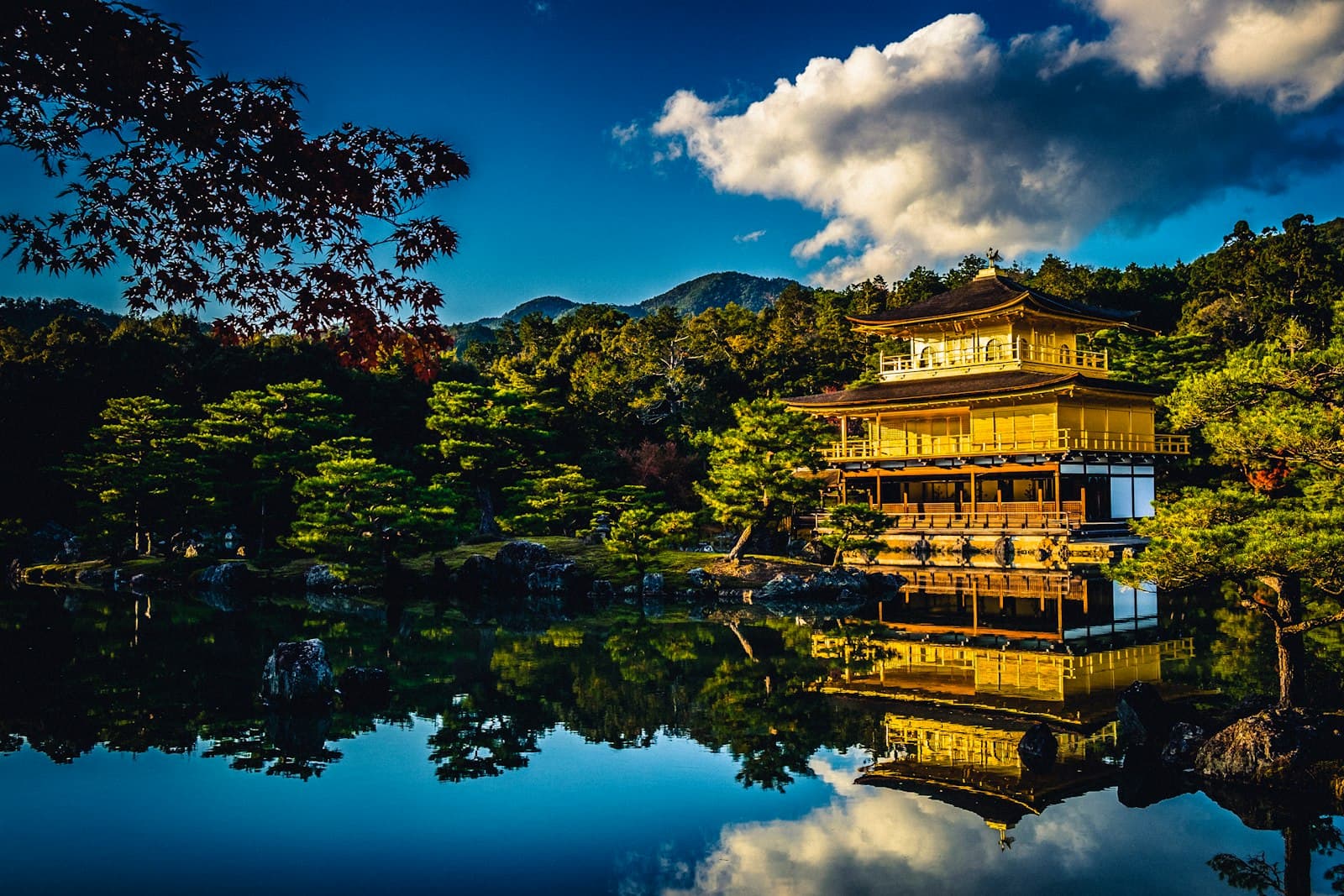
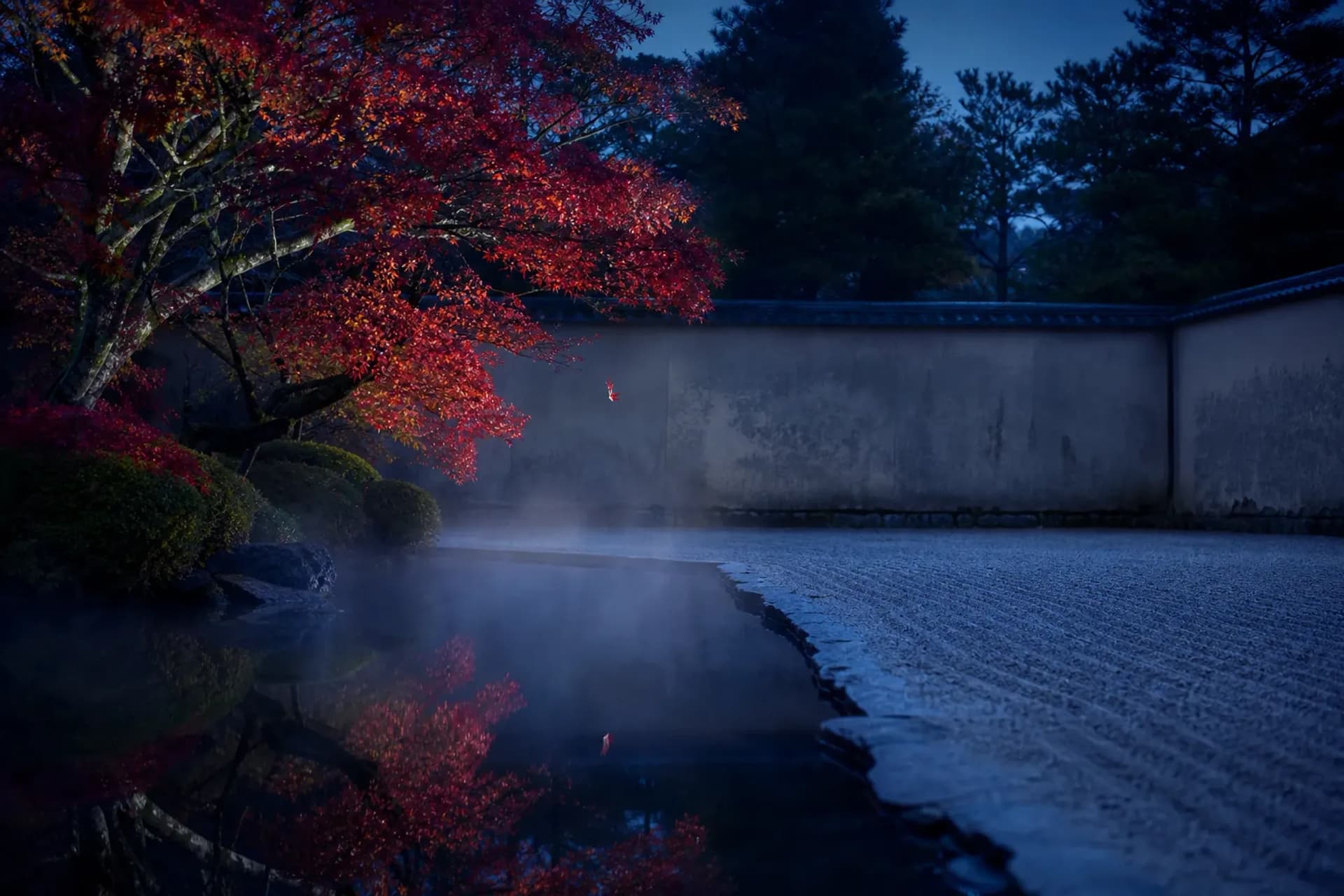
In this guide
Each autumn, Kyoto turns crimson and gold, and the city fills with visitors who have come for the same few weeks. The maples are worth it. The aim is to see them well: in the right light, at the right pace, and in places where the garden is the point rather than the crowd.
This guide covers when the maples turn, the temples whose architecture frames them, the sub-temples and smaller gardens that reward a slower visit, and how to shape a day around the changing light.
When Kyoto's Maples Turn
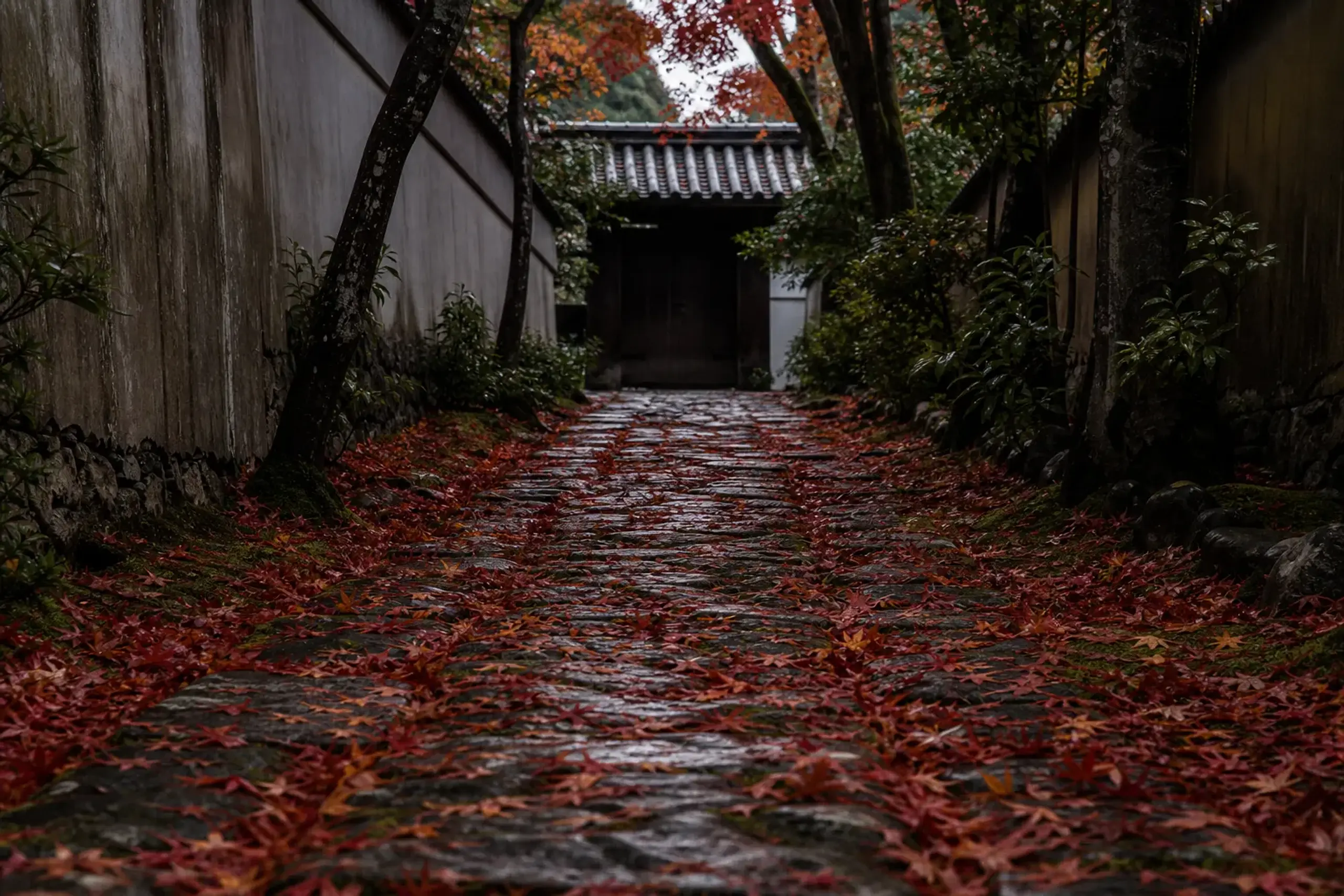
Kyoto's iroha-momiji maples usually colour from mid-November into early December, starting in the northern hills and higher ground and moving down into the city. The exact peak shifts from year to year with the weather, and forecasts firm up only a few weeks ahead. The JRS concierge team confirms directly with the guest at time of arrangement.
Light matters as much as the date. Early morning gives soft, even colour and quieter paths. Late afternoon turns the leaves almost translucent when the sun is low. Midday is the busiest and the flattest, so it is the natural time for lunch, a tea house or the drive between districts.
Framed Views: Gardens Seen From The Veranda
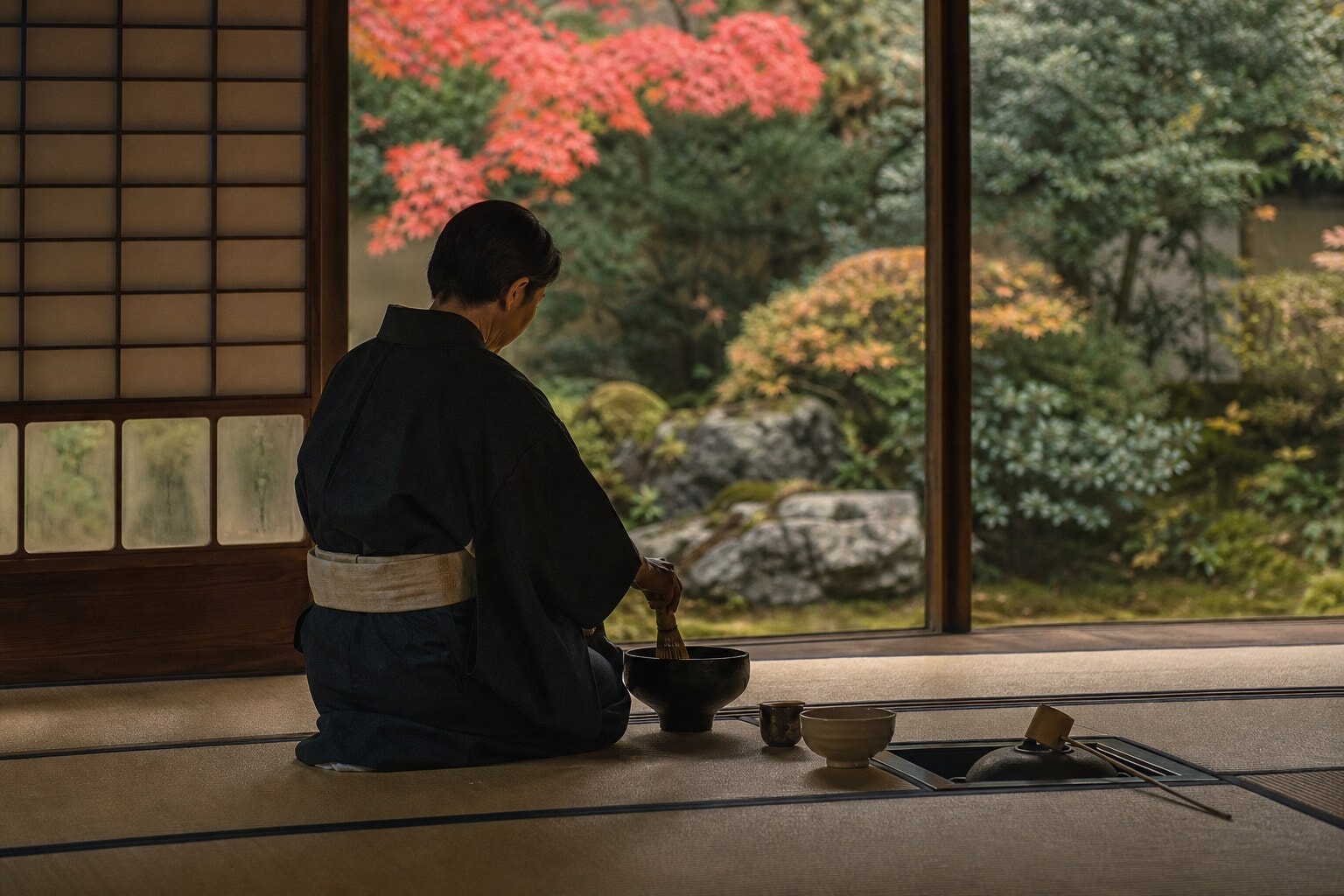
Many Kyoto temples were designed to be seen sitting down. From the engawa, the wooden veranda that runs along a hall, the posts, beams and open screens frame the garden like a painting, and the maples become part of the architecture.
At Hōsen-in in Ōhara, north of the city, the pillars of the main room frame the garden so completely that it is known as a picture-frame garden, and visitors are served matcha and a sweet as part of the visit. At Genkō-an in Takagamine, windows set into the hall open directly onto the maples. Both are at their busiest at the peak of the colour in late November, so an early start makes the difference between a calm sitting and a queue.
Sub-Temples And Smaller Gardens
Kyoto's large temple complexes contain smaller sub-temples, and several of them welcome visitors in autumn. Tenju-an, a sub-temple of Nanzen-ji, is known for its autumn garden, and in some years it holds a limited evening light-up. At Daitoku-ji, a handful of sub-temples are open to visitors, each with its own garden at a gentler scale than the main approaches.
Rurikō-in, in the hills north-east of the city, is known for the reflection of its maples on a polished desk on the upper floor. In recent seasons, visits during the peak period have required an online reservation. Opening periods and reservation rules for sub-temples change each year, and the JRS concierge team confirms directly with the guest at time of arrangement.
The Well-Known Temples, And How To Approach Them
Some of Kyoto's best-known maple temples draw very large crowds at the peak. Eikandō (Zenrin-ji), near Nanzen-ji, holds an autumn exhibition and evening visits during the foliage season, and the temple itself expects heavy crowds in the second half of November. Kiyomizu-dera and Arashiyama are similar.
These places are still worth seeing. The approach is simple: arrive as the gates open, keep the visit focused on one or two views, and leave before the tour groups peak. Pairing one well-known temple with a quieter garden nearby keeps the day balanced.
Autumn Night Illuminations
Several temples, including Eikandō, Kōdai-ji and Shōren-in, hold public night illuminations in autumn, lighting their maples and gardens after dark. They are popular, and the calmest visits come early in the evening or toward the end of the illumination period. Dates and programmes are set each year, and the JRS concierge team confirms directly with the guest at time of arrangement.
A Day Shaped Around The Light
A well-paced autumn day might begin with an early drive north to a framed garden in Ōhara, while the paths are still quiet. Late morning moves back toward the city for a sub-temple garden at Daitoku-ji or Nanzen-ji. Midday is for lunch and rest. Late afternoon brings the low light to a temple garden in Higashiyama, and the evening ends at a night illumination.
Moving between districts is easier by car than on crowded buses in peak season. We arrange vehicles from partner companies with English-speaking drivers, and an English-speaking guide, booked separately from the driver, can explain each garden as you walk.
Where To Stay For An Autumn Visit
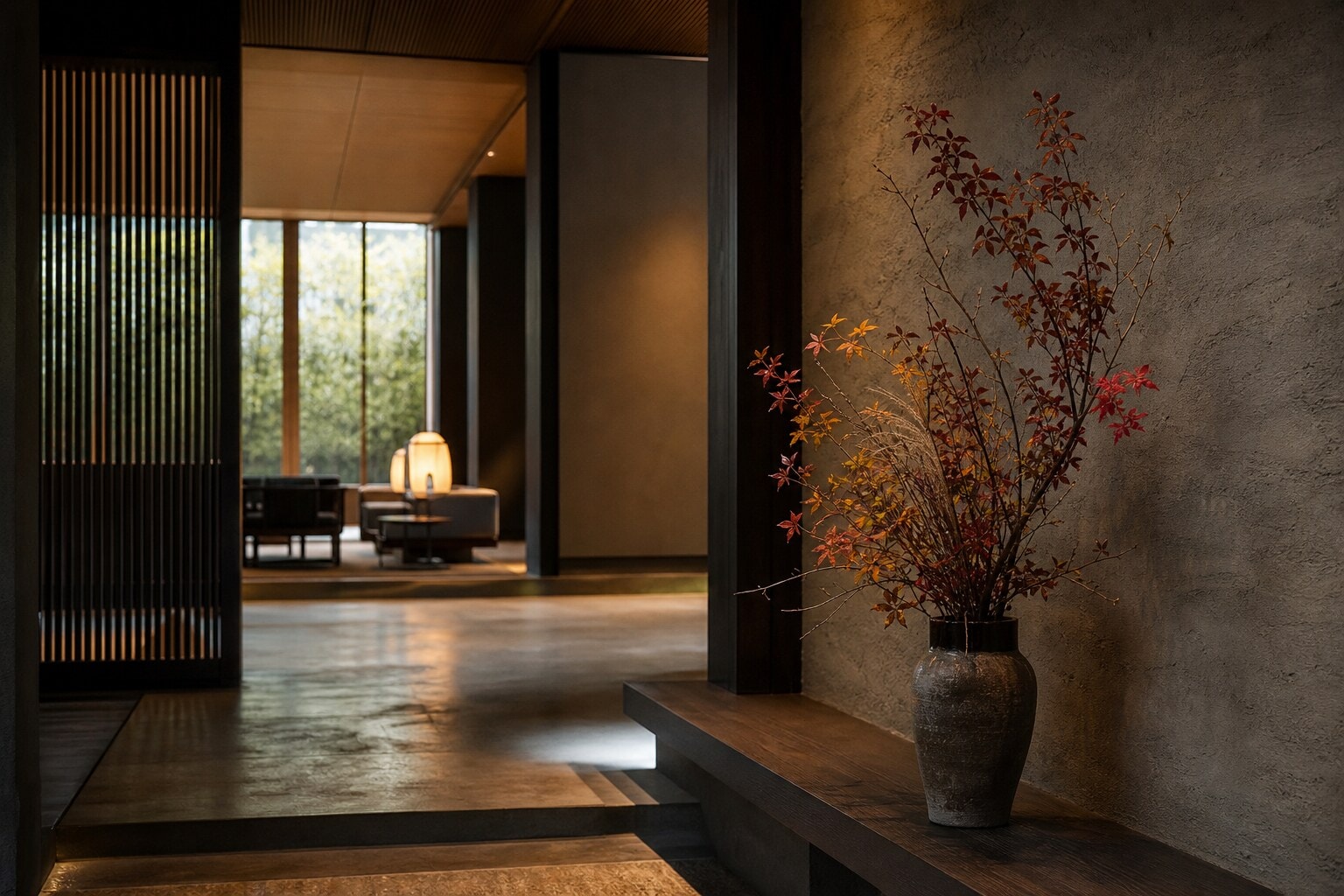
Hotels and ryokan in Higashiyama, around Gion and along the Kamo River put the eastern temples within a short drive. Late November is one of Kyoto's busiest periods, and rooms are booked well ahead.
How JRS Arranges It
- rail tickets, including Green Car seats, with platform assistance
- vehicles from partner companies with English-speaking drivers
- English-speaking guides, booked separately from drivers
- ryokan and restaurant bookings, with dietary needs passed ahead
- same-day re-planning when the weather or the colour changes
Frequently Asked Questions
When is the best time to see the maples in Kyoto?
The colour usually peaks between mid-November and early December, earlier in the northern hills and later in the city centre. The exact timing changes each year, and the JRS concierge team confirms directly with the guest at time of arrangement.
Do I need reservations for temples in autumn?
Most temples do not take reservations, but some smaller temples and sub-temples have required them during the peak period in recent seasons. Rules change each year, and the JRS concierge team confirms directly with the guest at time of arrangement.
Are the night illuminations worth seeing?
Yes, for a different view of the same gardens. They are busy, so an early-evening visit is usually the calmest.
To begin planning, contact our team here.