In this guide
- 01What "Quiet Luxury" Actually Means Here
- 02The Zero-Stress Backbone: How the Logistics Vanish
- 03Days 1–4: The Tokyo Foundation
- 04Days 5–7: The Hidden Onsen Town
- 05Days 8–10: The Craft Region
- 06Timing: Why the "When" Decides the "How Quiet"
- 07The Investment: An Honest Word
- 08Frequently Asked Questions
- 09Why Choose Japan Royal Service
Refinement without friction. That is the promise, and it is harder to deliver than most brochures admit. Quiet luxury in Japan is not gold-leaf excess or a lobby the size of an airport. It is a six-room ryokan where the innkeeper remembers how you take your tea. It is a private guide who knows the potter personally — has kilned beside him, in fact. It is a car waiting so nobody drags a suitcase across a crowded platform at Kyoto Station.
This is a template, not a package. Below is a ten-day framework our team at Japan Royal Service shapes around real travelers — their dates, their appetites, their pace. We offer two or three candidate pairings rather than one rigid route, because the point is the design logic, not a fixed list of towns. Bring your interests. We build the rest.
What "Quiet Luxury" Actually Means Here
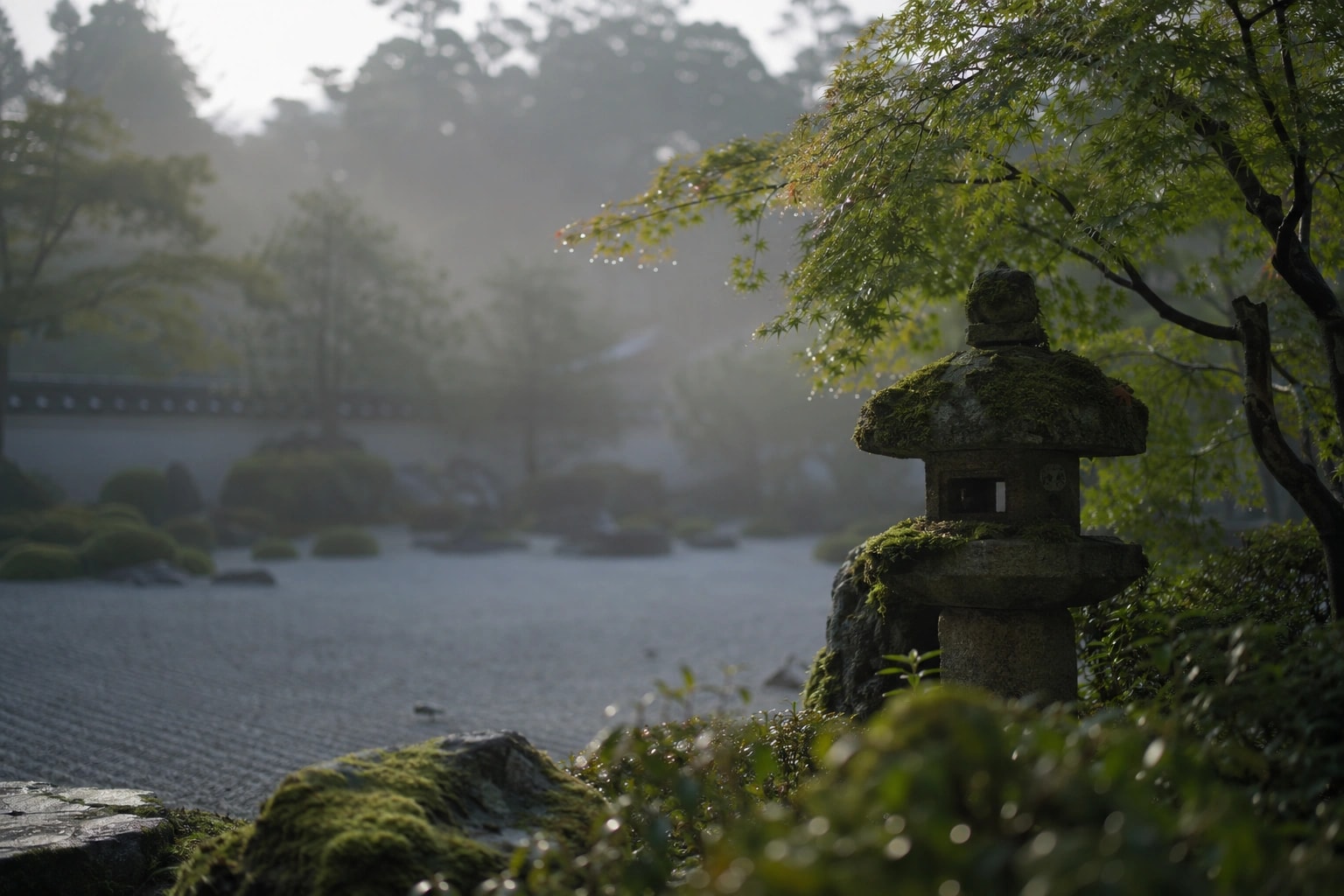
Quiet luxury is measured in stillness — a garden before the crowds arrive.
Loud luxury announces itself. Quiet luxury disappears into the experience. The difference matters more in Japan than almost anywhere, partly because the country is, in 2026, actively rethinking how it handles visitors.
Japan's government adopted a new target on March 27, 2026: raise the number of regions running overtourism countermeasures from 47 to 100 by 2030. The Japan Tourism Agency maintains a formal page on suppressing overtourism, last updated April 24, 2026. Kyoto City published its own resident-tourism balancing update on February 17, 2026. This is the backdrop against which we plan. Not as a headline — as a practical reason to route you through the quiet hours.
So we design against the crush. Early temple access before the tour buses. Neighborhoods most first-timers skip. Craft regions that reward the traveler who slows down. Restraint, in other words — the wabi-sabi principle of beauty in the understated, the moss-covered stone rather than the marble fountain.
The core idea: Fewer stops, deeper access, private handoffs at every seam. Quiet luxury is measured by what you never have to think about.
The Zero-Stress Backbone: How the Logistics Vanish
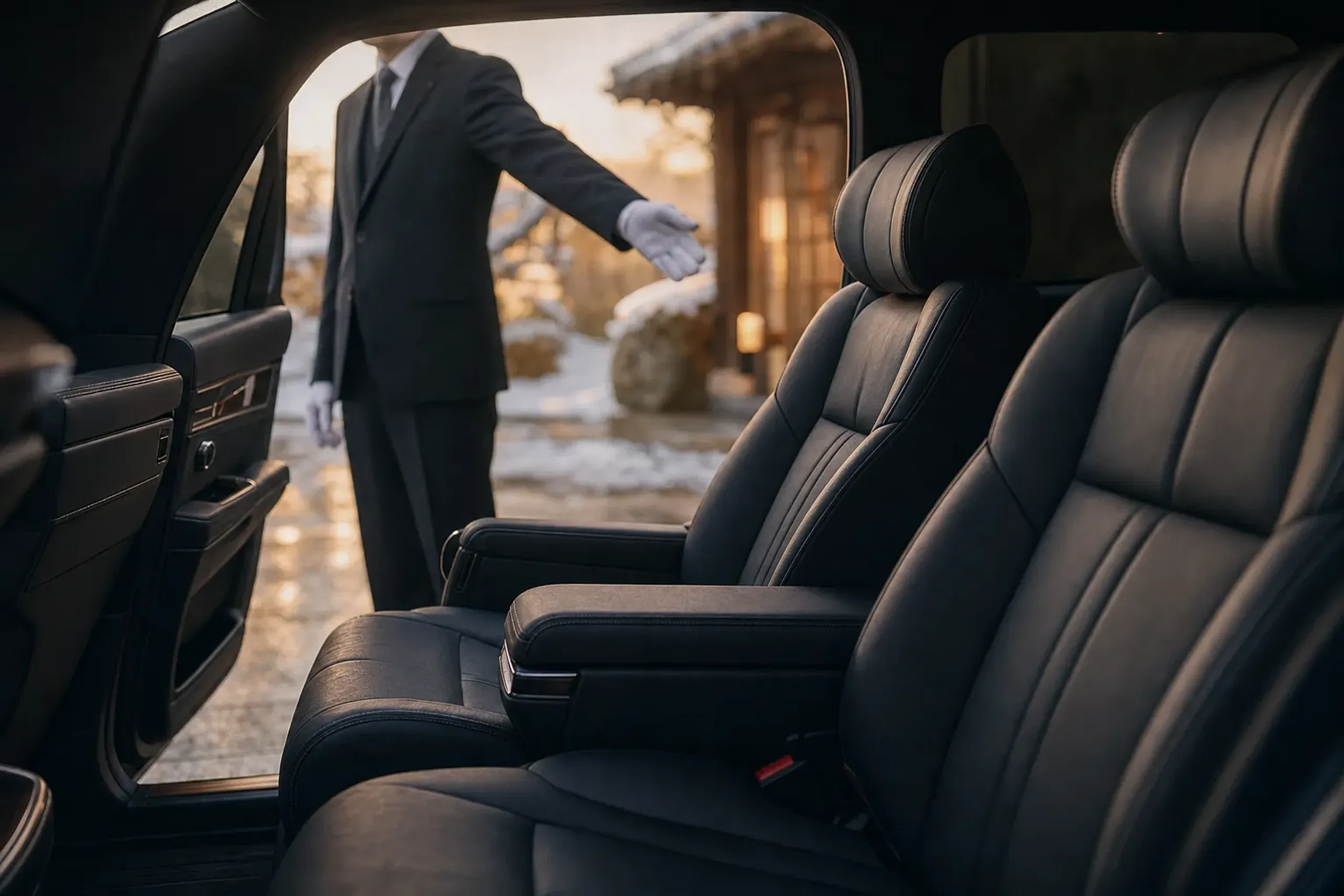
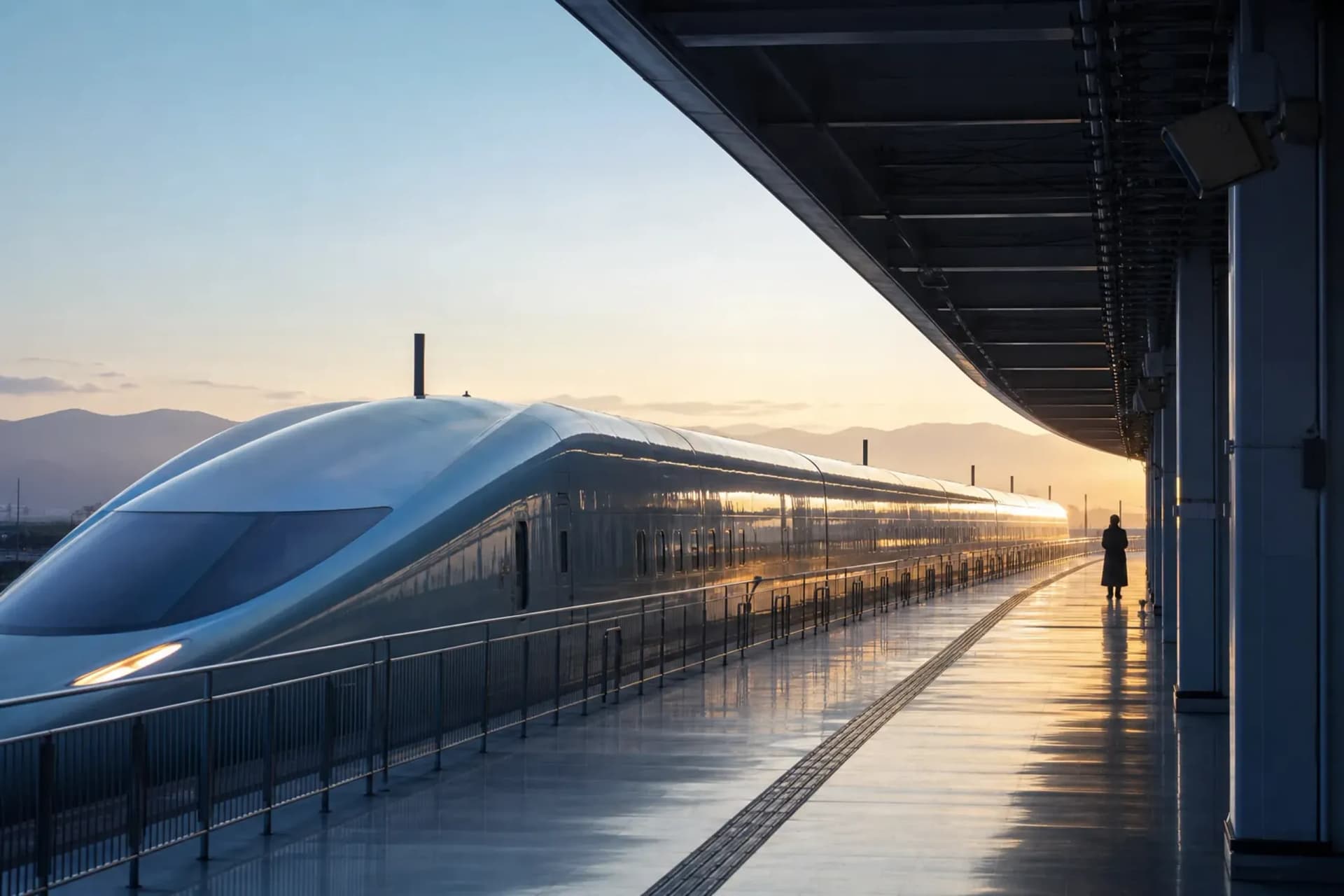
A car waiting at every seam — the friction removed before you notice it.
Before we talk destinations, understand the machinery underneath. This is where "attainable luxury" earns its keep, and it is the part travelers underestimate.
Luggage forwarding — takuhaibin — moves your bags city to city overnight, so you travel light between hotels and your suitcases are waiting when you arrive. Private transfers are timed to the minute, not hailed on a curb. Dinner reservations are confirmed before you board your flight home country. And a guide manages every handoff, so there is no moment of standing on a platform wondering which exit, which car, which direction.
- Chauffeured transfers: Our private transportation fleet ranges from the Lexus LM 500 and Toyota Alphard for couples and families to the Mercedes V-Class for small groups.
- Rail where rail is best: Green Car or GranClass on the shinkansen when the train genuinely beats the road — scenic, fast, and quiet. A car meets you at both ends.
- Pre-locked dining: The counters worth the trip book out months ahead. We settle them before departure.
- One point of contact: A concierge on call for the whole journey. Discretion is the default — your identity and your itinerary stay between us.
That last point is not decoration. Total confidentiality of guest identity and route is the single value our clients ask about most, across every tier we serve.
Days 1–4: The Tokyo Foundation
You land jet-lagged. A driver is already at Arrivals — Haneda or Narita — no signboard scrum, no fumbling with cash for a taxi. Within the hour you are in a redesigned suite in Marunouchi, curtains drawn against the afternoon glare, the city humming twenty floors below.
Marunouchi and Otemachi are Tokyo's quiet-money districts: low-key, walkable, close to the Imperial Palace gardens. The Four Seasons Hotel Tokyo at Marunouchi reopened in Spring 2026 after a full renovation, its interiors reimagined by André Fu's studio — a fitting anchor for a refined Tokyo base. We route around the obvious and toward the discreet.
What These Four Days Hold
- Day 1: Arrival, settle, an early omakase dinner near the hotel to reset the clock. Nothing strenuous.
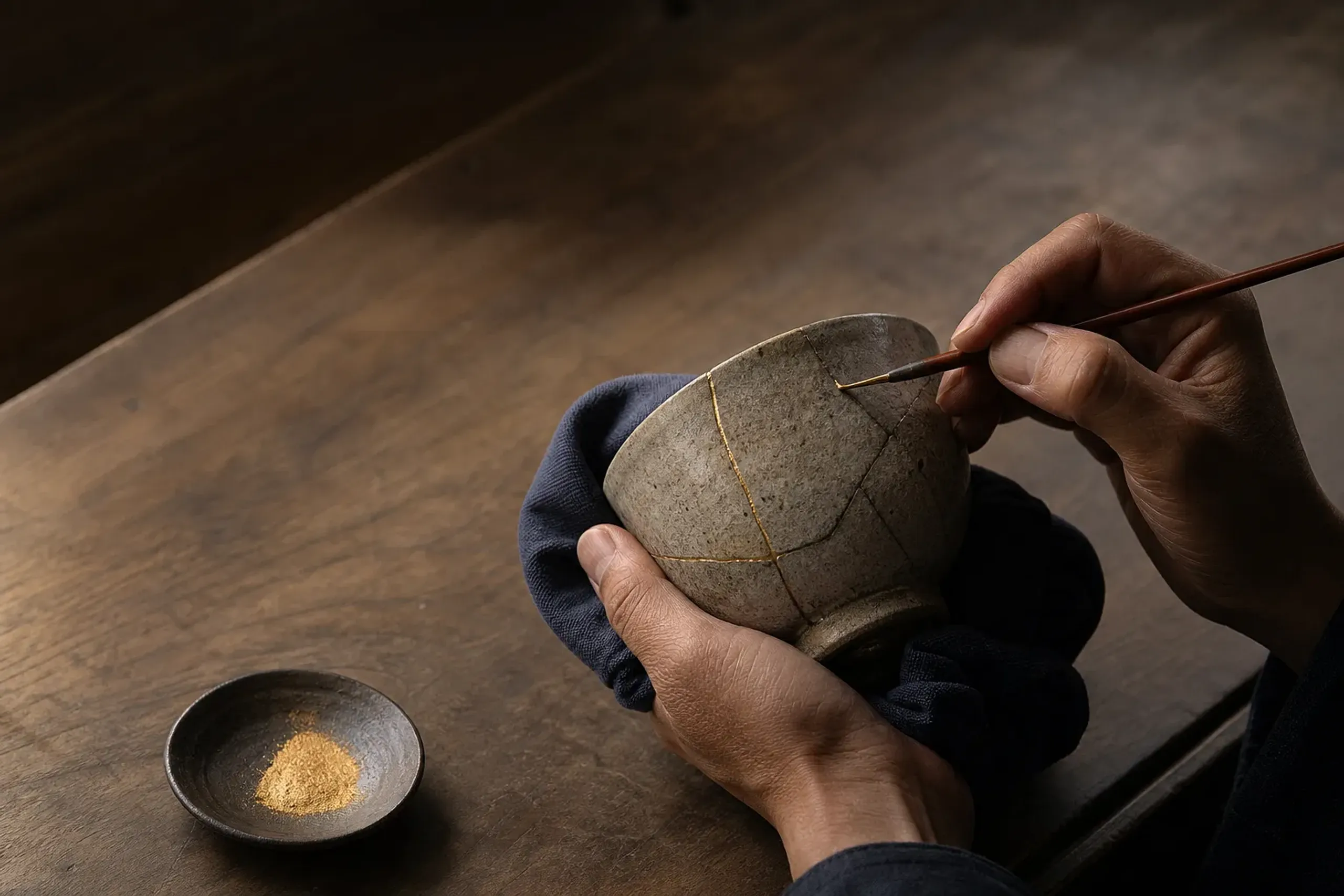
- Day 2: The palace gardens at opening, before the heat and the crowds. An afternoon with an artisan — perhaps a kintsugi session, repairing ceramic with lacquer and gold, the philosophy of honoring damage rather than hiding it.
- Day 3: A private tea ceremony, then a slow walk through a neighborhood most itineraries ignore — Kagurazaka's stone lanes, say, or the galleries of Kiyosumi. Evening at a counter we hold for you.
- Day 4: Your choice. Sumo practice at a stable in season, a shokunin atelier, or simply the museums at a human pace. Then luggage forwarding kicks in overnight.
The Tokyo we build is not the neon montage. It is early mornings, a knowledgeable guide, and the freedom to do less.
Days 5–7: The Hidden Onsen Town
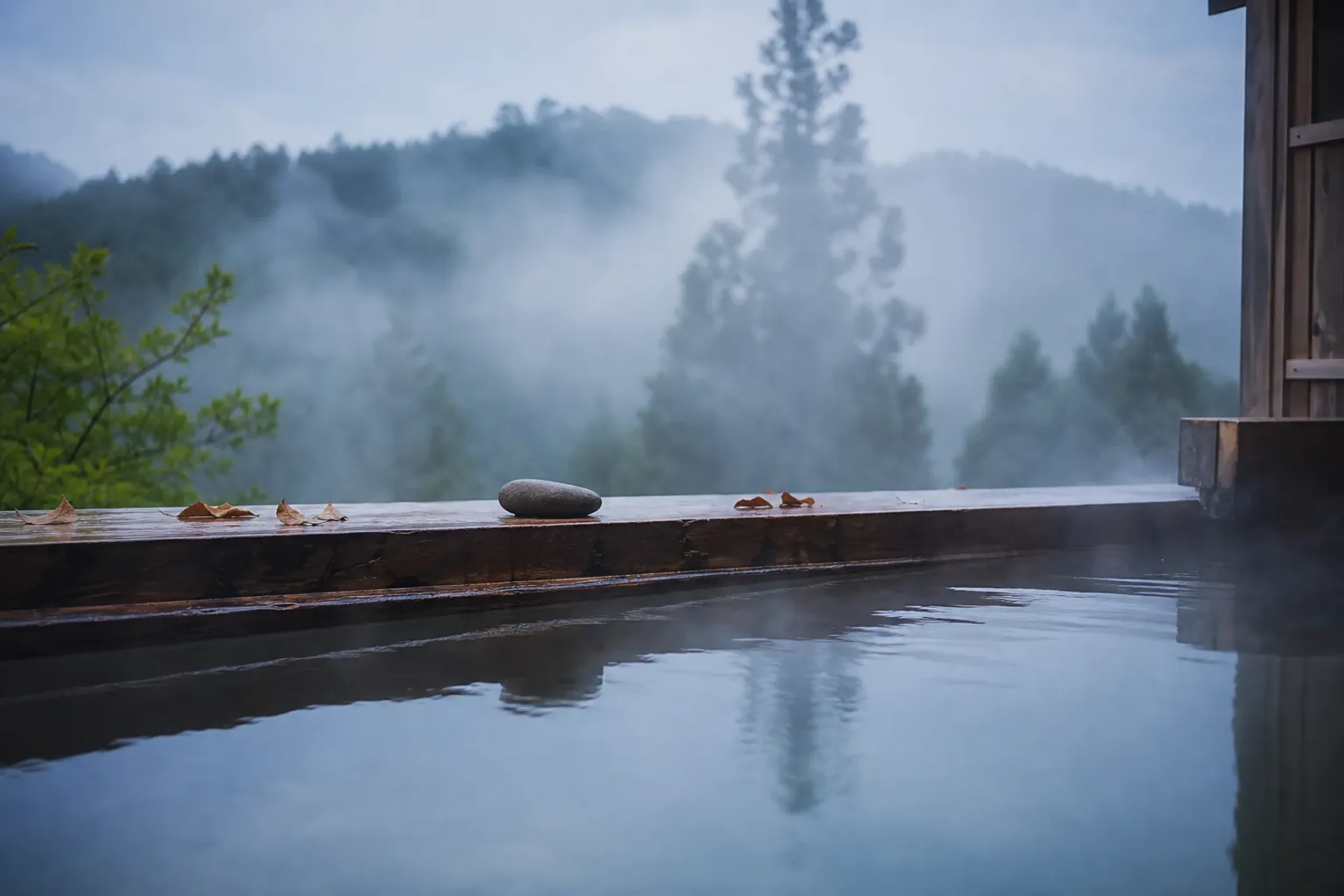
Steam off the rotenburo at first light — the slowest, quietest days of the journey.
Steam rising off a rotenburo at dawn. The valley still grey, the water hot enough to blur the edges of the morning. You are alone but for the sound of a stream somewhere below. This is the middle of the journey, and it is deliberately the slowest part.
Here the framework offers you a choice of geography, and this is where the bespoke consultation earns its place. We do not name one town and call it universal — the right onsen depends on your season, your craft interests, and how far you want to be from the rail line.
Candidate Pairing A: Hakone (and a 2026 Anchor)
Hakone sits close to Tokyo yet feels a world removed — forested slopes, the Hakone Open-Air Museum, the old checkpoint on the Tokaido road. A notable development: HOTEL THE MITSUI HAKONE is scheduled to open December 15, 2026, with reservations opening July 15, 2026, positioned around onsen and wellness in partnership with Marriott's Luxury Collection. For travelers planning late 2026 onward, it becomes a serene base from which to reach quiet gardens and private craft visits without touching the peak-hour congestion.
Candidate Pairing B: A Tohoku Onsen
Farther north, the Tohoku region offers onsen towns with a fraction of the foot traffic — old wooden bathhouses, mountain silence, snow in winter that muffles everything. This pairing suits the traveler who wants genuine remove and is happy to trade proximity for stillness. It also routes naturally toward the Echizen lacquer and knife country to the west.
What the Onsen Days Feel Like
- Private or semi-private baths booked around your rhythm, not the group's.
- A multi-course kaiseki dinner served in-room, each dish reflecting the month's harvest.
- Nothing on the schedule you did not ask for. A guide on standby, not underfoot.
- The kind of ryokan you enter by introduction — the Japan that does not surface in a search bar.
Three nights sounds like a lot until you have done it. Most guests wish for a fourth.
Days 8–10: The Craft Region
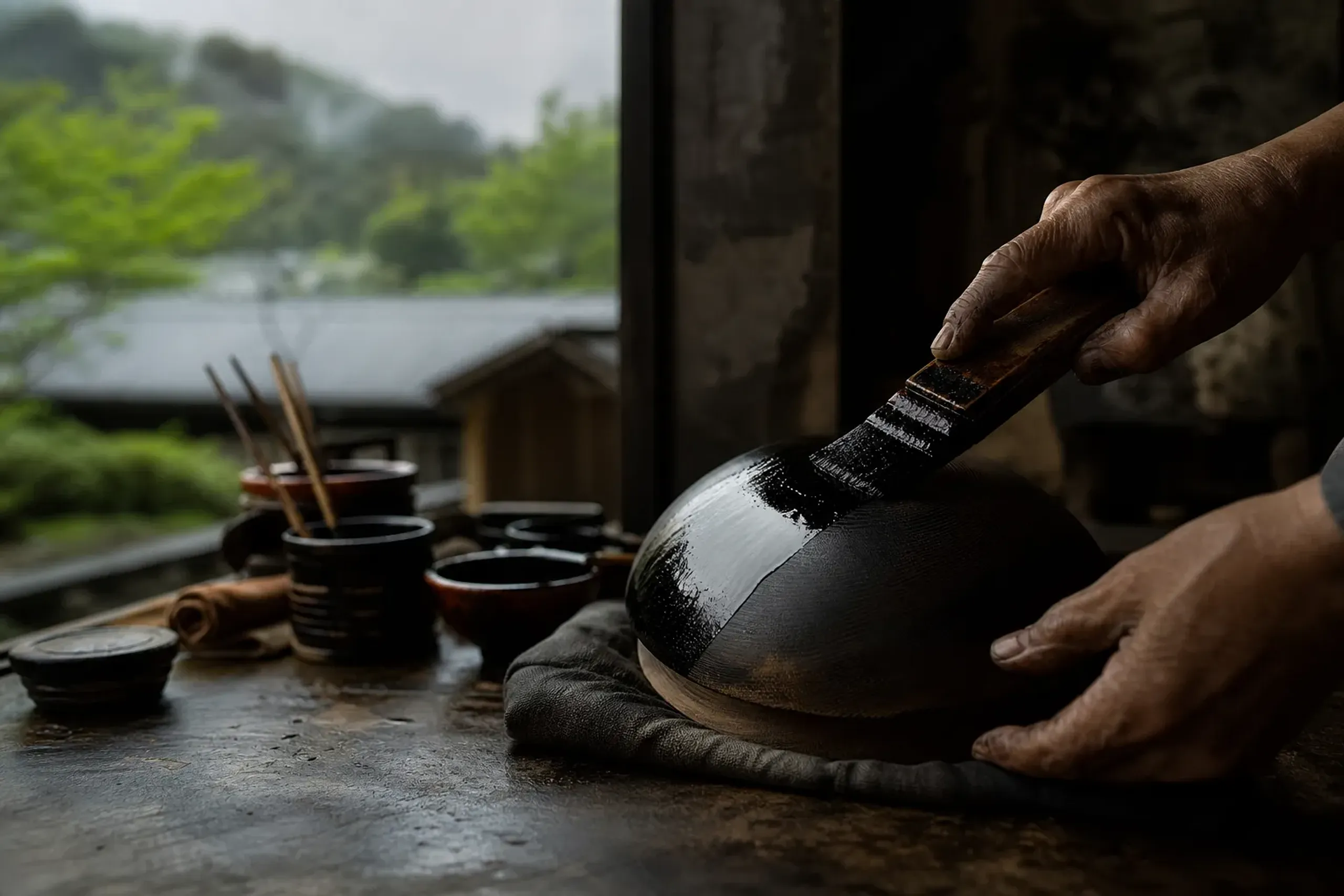
Fifty years of certainty — a shokunin's hands at the lacquer bench.
A lacquer master's workshop smells of urushi — raw, resinous, faintly bitter. Hands move with fifty years of certainty. There is no performance here; you are simply permitted to watch, and occasionally to ask. This is the shokunin heart of the trip, and for many travelers it is the part they remember longest.
Japan's craft heritage is having a moment. Remote Lands, an Asia luxury specialist, launched an 11-day journey built around Living National Treasures and kogei craftsmanship for November 12–22, 2026 — a signal of how much demand there is for maker encounters beyond temples. Our approach differs in one respect: we keep groups to one party, and we route through the quiet regions rather than the marquee stops.
Candidate Pairing A: Kanazawa
Kanazawa is the natural craft finale for a Golden-Route-adjacent trip. Kenroku-en, one of Japan's great strolling gardens, is at its finest early. The city holds gold leaf, Kutani porcelain, and Kaga-yuzen silk dyeing — living traditions with working ateliers. It is calmer than Kyoto and richer in hands-on access. From here, a Green Car train and a waiting car bring you home.
Candidate Pairing B: Echizen and the Knife Towns
For the traveler drawn to metal and lacquer, the Fukui craft belt — Echizen lacquerware, Echizen-uchihamono blades — pairs beautifully with a Tohoku or Kansai onsen leg. It is unpolished in the best sense, a working region where the makers still outnumber the tourists.
Candidate Pairing C: The Kyushu or Okinawa Alternative
If you would rather trade the Golden Route entirely, Okinawa offers a quiet-luxury route of its own — island stays, Yambaru National Park, a slower southern rhythm. It suits repeat visitors and those who want distance from the usual map. We treat it as a full alternative, not a bolt-on.
- Private atelier visits arranged through introduction, never mass-tour slots.
- A garden at opening, empty and dew-lit.
- A final dinner that closes the loop on everything you have tasted along the way.
- Departure transfer timed so the last morning is unhurried, not a scramble.
Timing: Why the "When" Decides the "How Quiet"
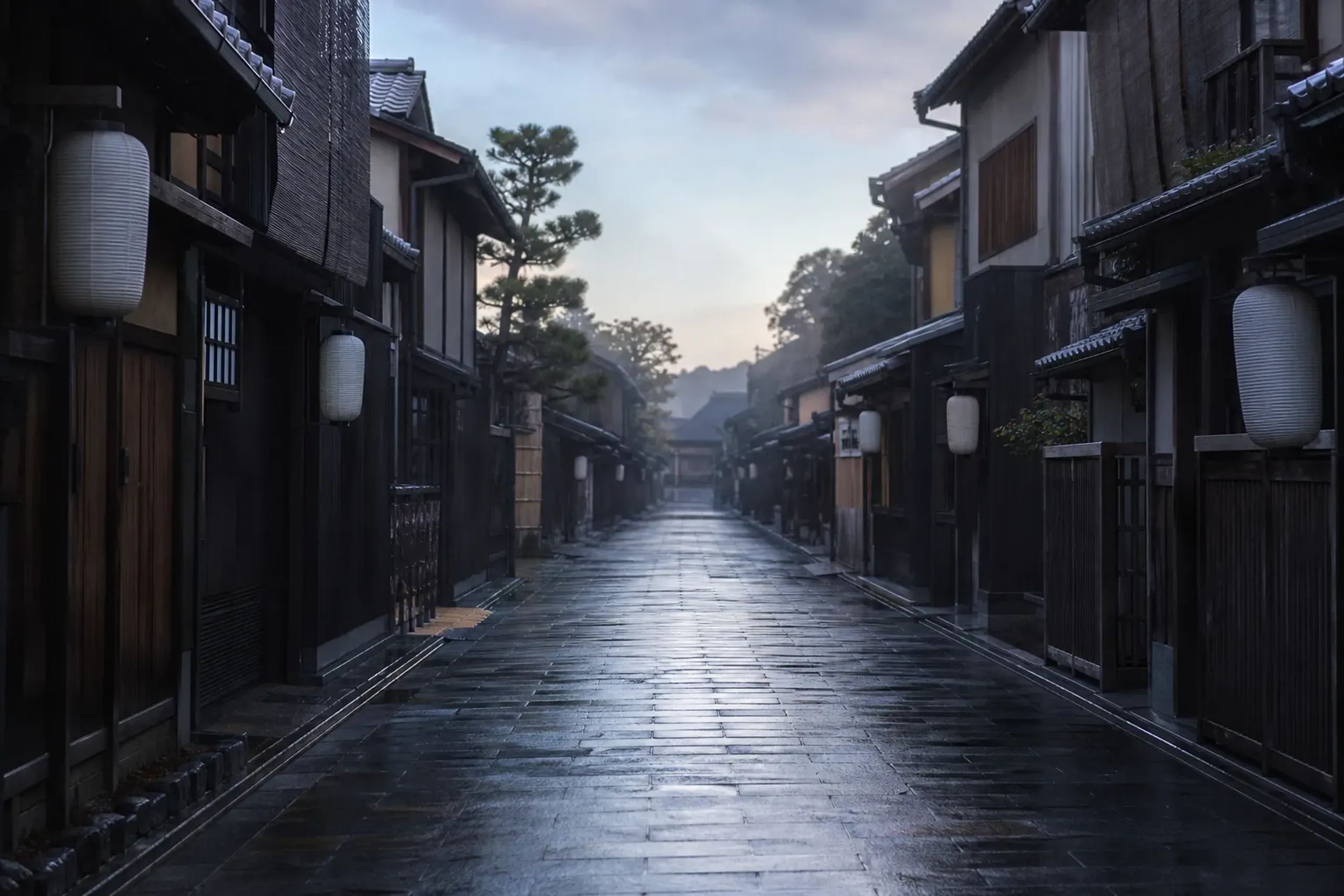
The same street, a different week — timing decides how quiet Japan feels.
The same itinerary feels entirely different depending on the week you run it. Kyoto's peak-bloom cherry season and mid-autumn foliage draw enormous crowds; the Kyoto City Tourism Association publishes monthly market data showing exactly when demand spikes. We read that data so you do not have to.
Shoulder timing — late spring after the blossoms, early summer before the rains settle, the quieter stretches of autumn — often delivers the same beauty with a third of the people. For new properties, we also watch soft-opening risk: the first weeks of any hotel are exciting but unpredictable, and we advise accordingly.
Planning note: The Imperial Hotel, Kyoto opened March 5, 2026 — a heritage-luxury anchor that pairs naturally with a quiet Kyoto add-on, should you want a temple-city day woven in without the standard-route congestion.
The Investment: An Honest Word
We do not print prices, because a real ten-day build has too many variables to reduce to a number on a page. But transparency matters to this audience, so here is what actually drives cost.
| Cost Driver | What Moves the Number |
|---|---|
| Accommodation tier | Six-room ryokan vs. flagship suite; buyout vs. single room |
| Private access | Artisan sessions and after-hours viewings, arranged by introduction |
| Transport days | Number of chauffeured days and vehicle class |
| Guide time | Full-day private guiding vs. selective days |
| Season | Peak bloom and foliage carry premium rates and tighter availability |
The honest framing: this is attainable for the successful professional or entrepreneur who values time and privacy over volume. You are paying for what you never have to arrange, and for doors that do not open to the general public. Inquire for a tailored proposal built to your dates.
Frequently Asked Questions
Is ten days enough for a quiet luxury trip to Japan?
Yes — and it is arguably ideal. Ten days lets you settle in three regions properly rather than sprint through six cities. Quiet luxury rewards fewer stops and deeper access, which is exactly what this framework is built around.
What is the best time of year to avoid crowds?
Shoulder seasons — late spring after the cherry blossoms and the calmer weeks of autumn — typically offer the same scenery with far fewer people. Kyoto publishes monthly demand data, and we plan your days around the quiet windows within any given week.
Do I have to include Kyoto?
No. Kyoto is a superb add-on, especially with the Imperial Hotel, Kyoto now open, but the framework works entirely without it — a Tokyo–onsen–Kanazawa route, or an Okinawa alternative, avoids the busiest hotspots by design.
How far in advance should I plan?
For the counters, ryokan, and private artisan sessions worth the trip, several months is comfortable and more is better — particularly around peak seasons and new openings, where availability tightens early. Contact our concierge and we will advise on your specific dates.
Can the whole trip stay private?
That is the baseline. Low-profile arrivals, unpublicized itineraries, and complete confidentiality of guest identity are standard to how we work, not an upgrade.
Why Choose Japan Royal Service
Anyone can hand you a route. What we do at Japan Royal Service is remove the friction between you and the country — and that is a different craft entirely.
Our value is in the seams: the driver already waiting, the bags forwarded overnight, the counter held, the potter who takes us in because he knows us. We design against the crowds using Japan's own 2026 tourism data, not guesswork. We keep parties to one, itineraries unpublished, and identities confidential. In our experience, the best trips are the ones where nothing goes visibly right — because nothing ever went wrong.
This is a template. Your ten days will not look exactly like anyone else's. Bring us your dates, your interests, and the pace you want, and we shape the rest around you — a genuinely tailor-made itinerary, quiet by design.
To begin, reach our team privately via WhatsApp or LINE, or contact us here. We will treat your inquiry with the same discretion we bring to every journey.