A great reopening rarely announces itself with fanfare to the people who matter most. By the time a headline circulates, the first-access window has already quietly closed. That gap between announcement and availability is where discretion lives.
For the UHNW traveler, the appeal is not simply being early. It is being early without being seen. In 2026, Japan offers an unusual concentration of reopenings, renewals, and adaptive-reuse debuts — and each one carries a narrow, low-visibility moment before the crowds arrive.
Our team at Japan Royal Service has spent years watching these moments. This is how they work, which ones matter in 2026, and how to move through them unnoticed.
Why 2026 Is A Rare Year For Quiet Rebirths
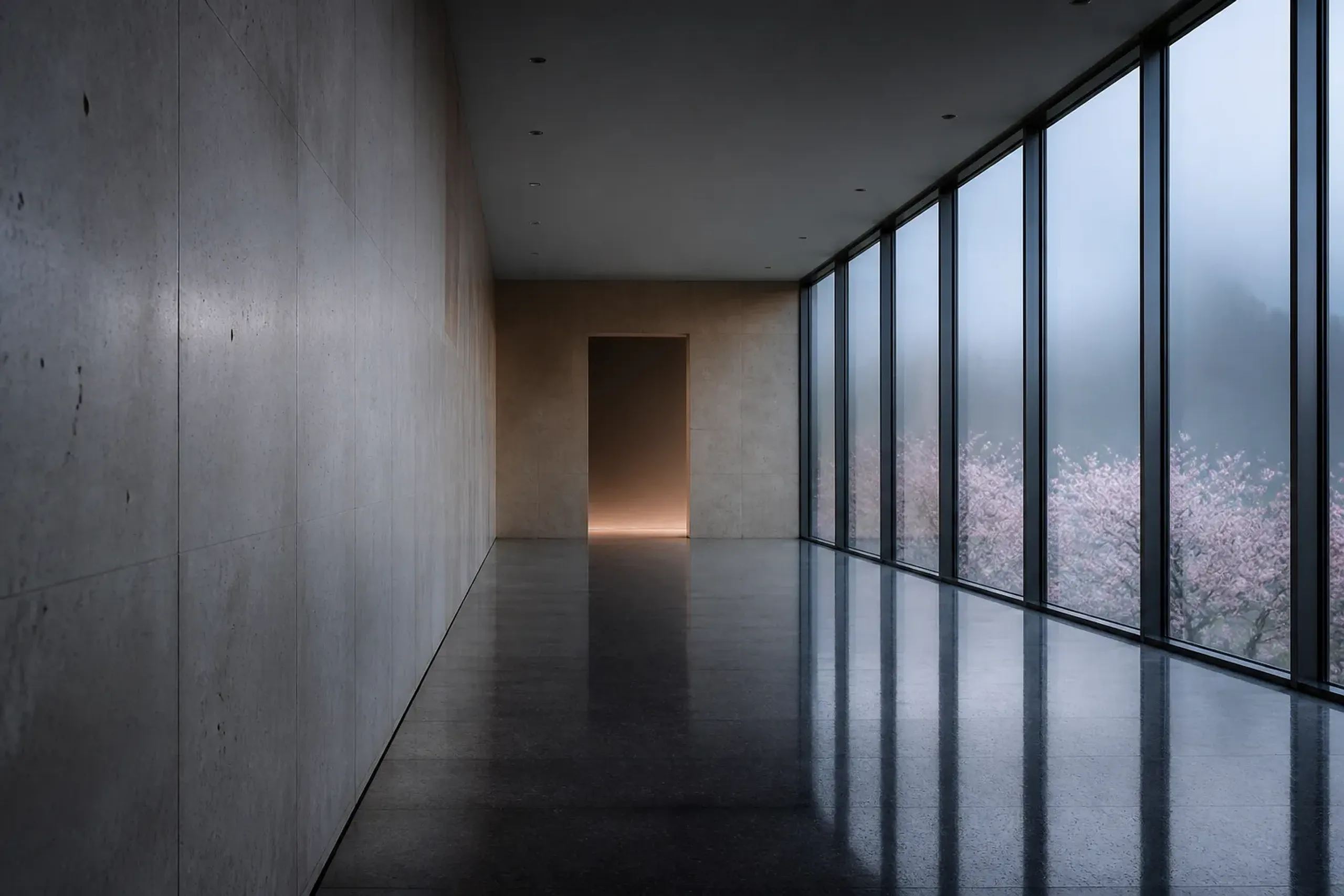
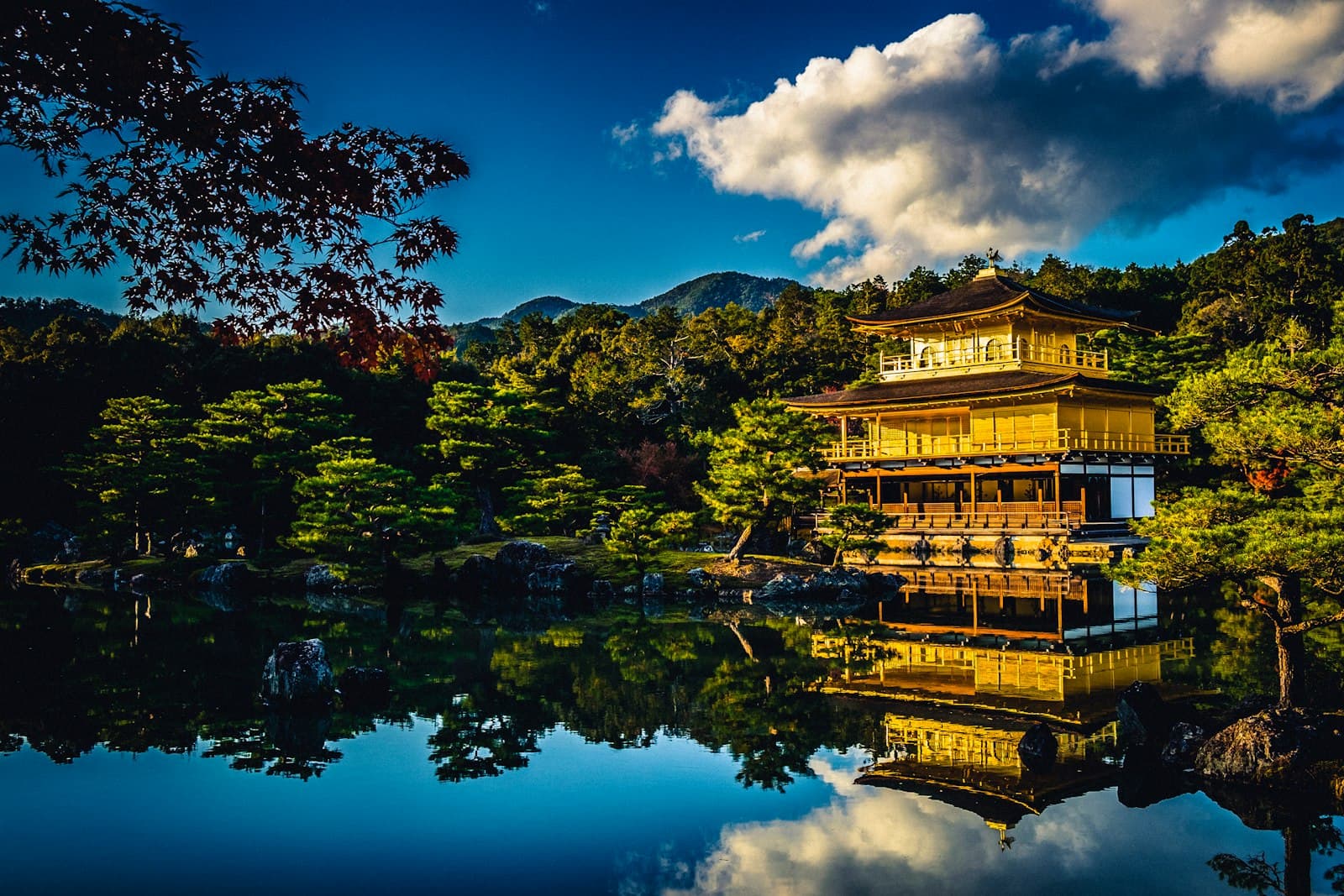
The quietest hour of a reopening belongs to those who arrive before the crowds.
Reopenings are not a marketing invention. They follow construction schedules, cultural-property regulations, and institutional funding cycles. When several converge in a single year, a genuine window opens.
2026 is that year. Tokyo alone sees the return of long-shuttered institutions, a redesigned flagship hotel, and adaptive-reuse projects that turn heritage stone into hospitality.
Here is what makes these moments valuable to the discerning few. The first weeks after a reopening are chaotic in public terms — ticket lines, timed-entry scrambles, saturated weekends. But the days immediately surrounding a soft launch, and the low-traffic hours a curator can offer, remain unclaimed. That is the terrain we work in.
Consider the verified 2026 calendar:
- Kyoto National Museum — Meiji Kotokan Hall: Special opening — March 14 (2026)
- Toei Kyoto Studio Park: Phase 1 renewal reopening — March 28 (2026)
- Edo-Tokyo Museum: Reopening after four-year closure — March 31 (2026)
- Four Seasons Hotel Tokyo at Marunouchi: Reopening after redesign (57 rooms) — May 26 (2026)
- Yokosuka Museum of Art: Reopening after renovation — September 5 (2026)
- Sannomaru Shozokan (Museum of the Imperial Collections): Grand reopening (planned) — Autumn (2026)
The Three Types Of First Access
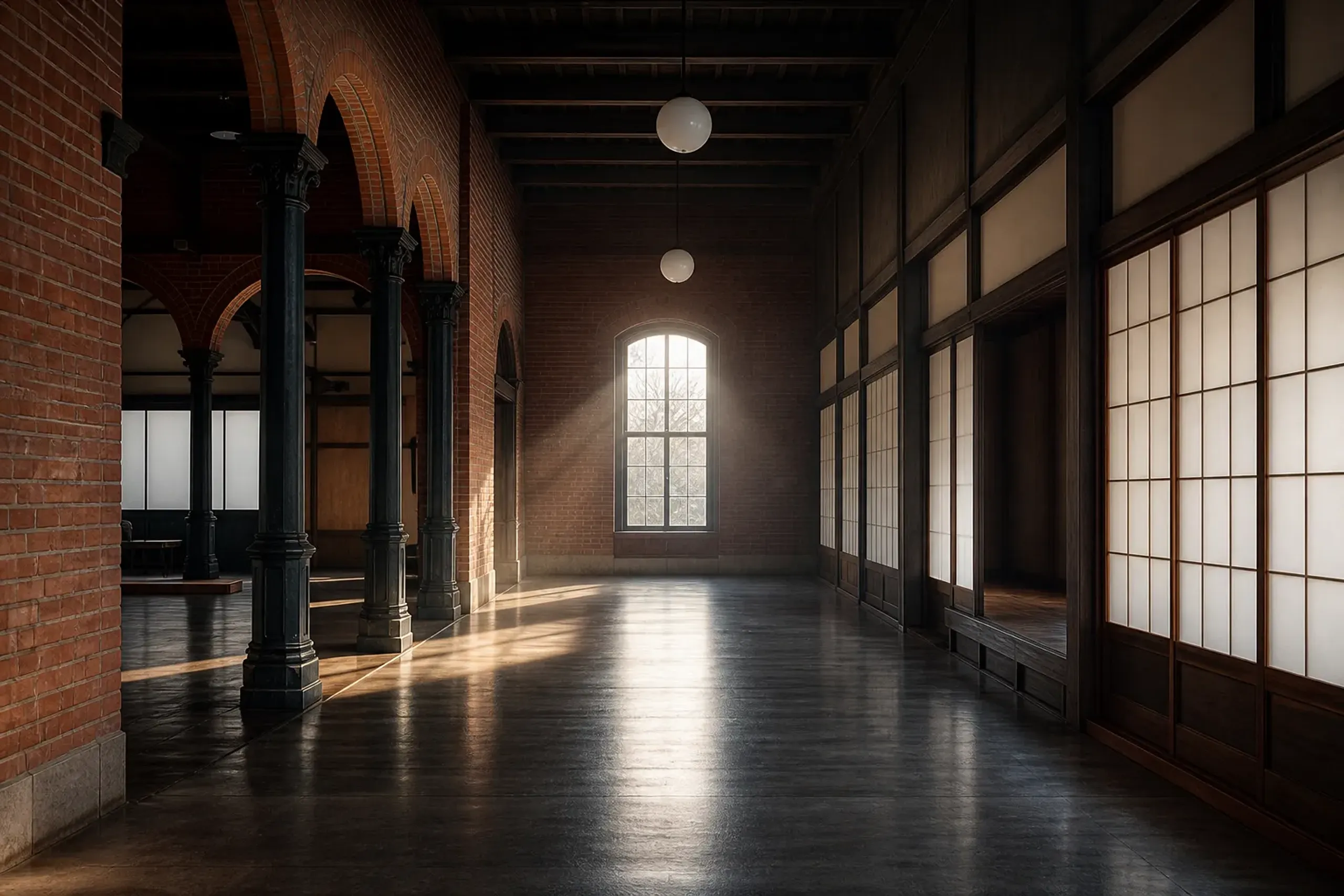
Meiji-era architecture reborn — history preserved, crowds absent.
Not all rebirths are the same. Understanding the category tells you how the access window behaves — and how quiet it can stay.
Type One: Post-Renovation Institution Reopenings
These are the big returns. The Edo-Tokyo Museum reopened on March 31, 2026 after four years dark. The Four Seasons Hotel Tokyo at Marunouchi returned on May 26, 2026 as an intimate 57-key property rather than a sprawling flagship — deliberately smaller, deliberately quieter.
The public interest here is fierce and short. Curator-led interpretation, weekday timing, and before-hours consideration are what separate a serene morning from a queue. Where institutions offer such arrangements, our concierge can advise on the process; the venue always remains the one who grants it.
Type Two: Limited-Time Special Openings
Some doors open only briefly. The Kyoto National Museum scheduled a special opening of its Meiji Kotokan Hall on March 14, 2026 — a Meiji-era architectural gem not always accessible to the public.
These time-boxed events are, by design, low-crowd and reservation-led. That is precisely why they suit a traveler who values scholarly context over spectacle. A private art historian walking you through the Kotokan's architecture turns a ticket into an education.
Type Three: Adaptive-Reuse Luxury Openings
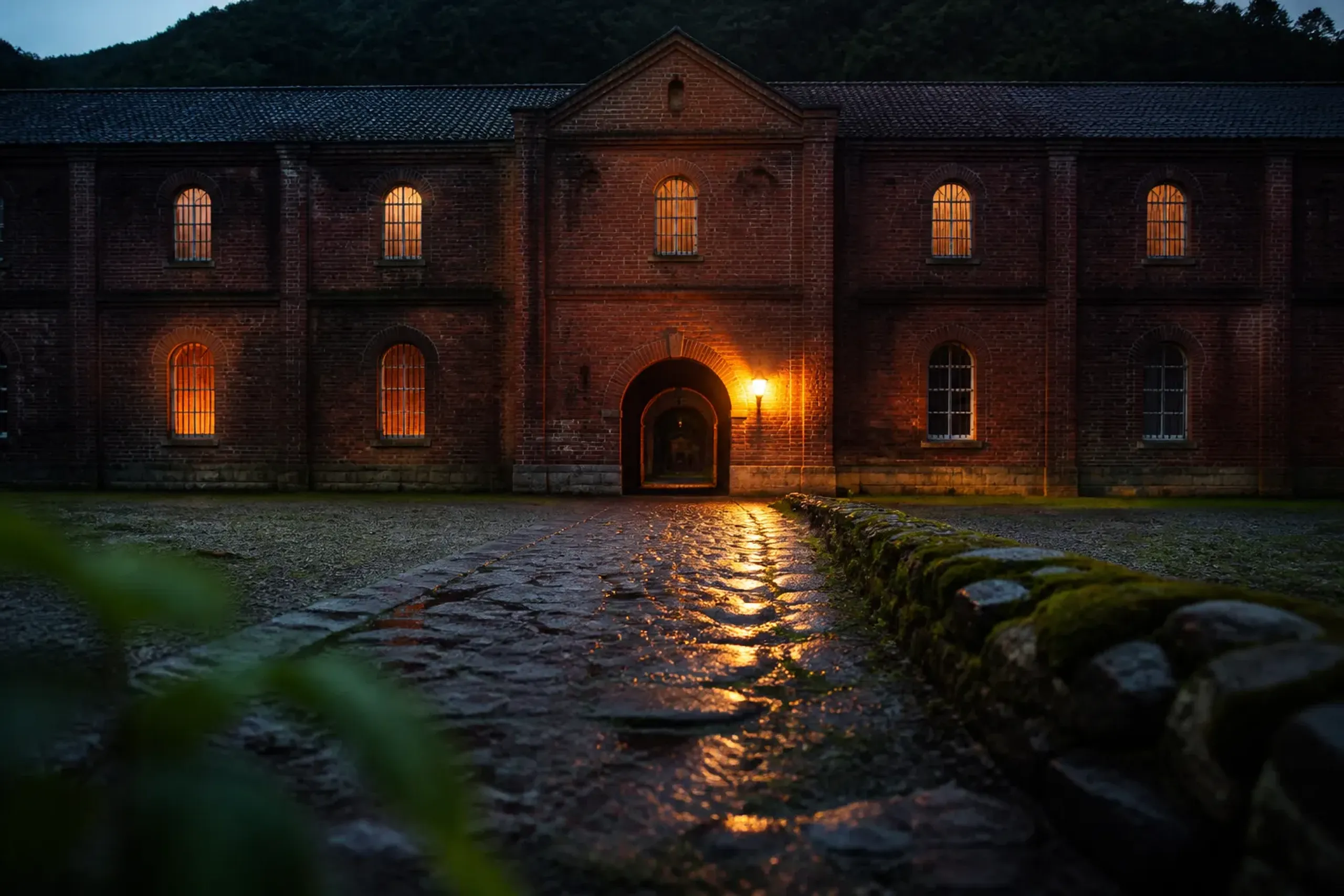
The most romantic category. Heritage buildings, reborn as hospitality. HOSHINOYA Nara Prison — a Meiji-era penitentiary of remarkable brick architecture, reimagined as a luxury property — belongs to this lineage of stone given a second life.
Then there is Gōra Kadan Fuji, which opened July 20, 2025 with 42 suites and villas, drawing on the imperial-villa legacy of its Hakone sibling. Restraint, seclusion, and a whisper of state-guest history. This is where wabi-sabi and imperial-class heritage meet without a single ostentatious gesture.
How To Be First Without Being Seen
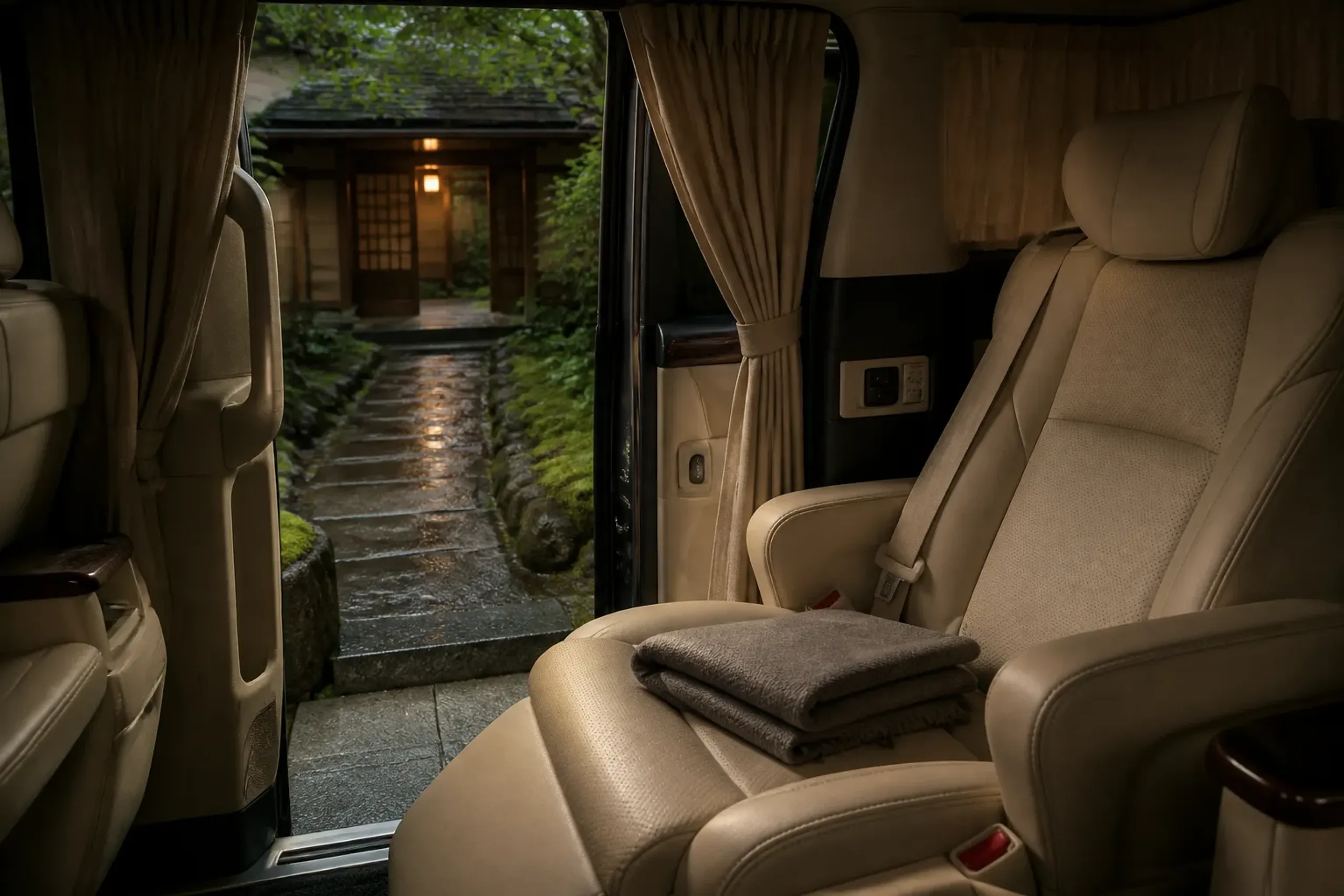
Discreet arrival and departure on your schedule, not the venue's foot traffic.
Early access is only half the objective for a high-profile guest. The other half is invisibility. Here is how the two are reconciled.
- Timing over prestige. The quietest hour beats the grandest suite. Weekday mornings, shoulder-day arrivals, and post-opening lulls — roughly three to six weeks after a public reopening, once the launch surge subsides — are where privacy hides.
- Private routing. A discreet arrival matters as much as the destination. Our private chauffeured transport — from the Lexus LM 500 to the Mercedes V-Class — allows entry and departure on your schedule, not the venue's foot traffic.
- Zero-leak itineraries. Names, dates, and movements stay sealed. We do not publish, tag, or disclose guest identities or routes. Ever.
- Scholarly interpretation. A private historian or curator-guide transforms a reopening into meaning. Context is the true luxury; a crowd cannot offer it.
Key fact: Verification comes first. We confirm every reopening against the official venue announcement — exact date, closure window, and what is publicly bookable versus privately arrangeable — before a single plan is drawn. "Exclusive access" is only worth having when it is real.
The Scarcity Nobody Talks About: Closures
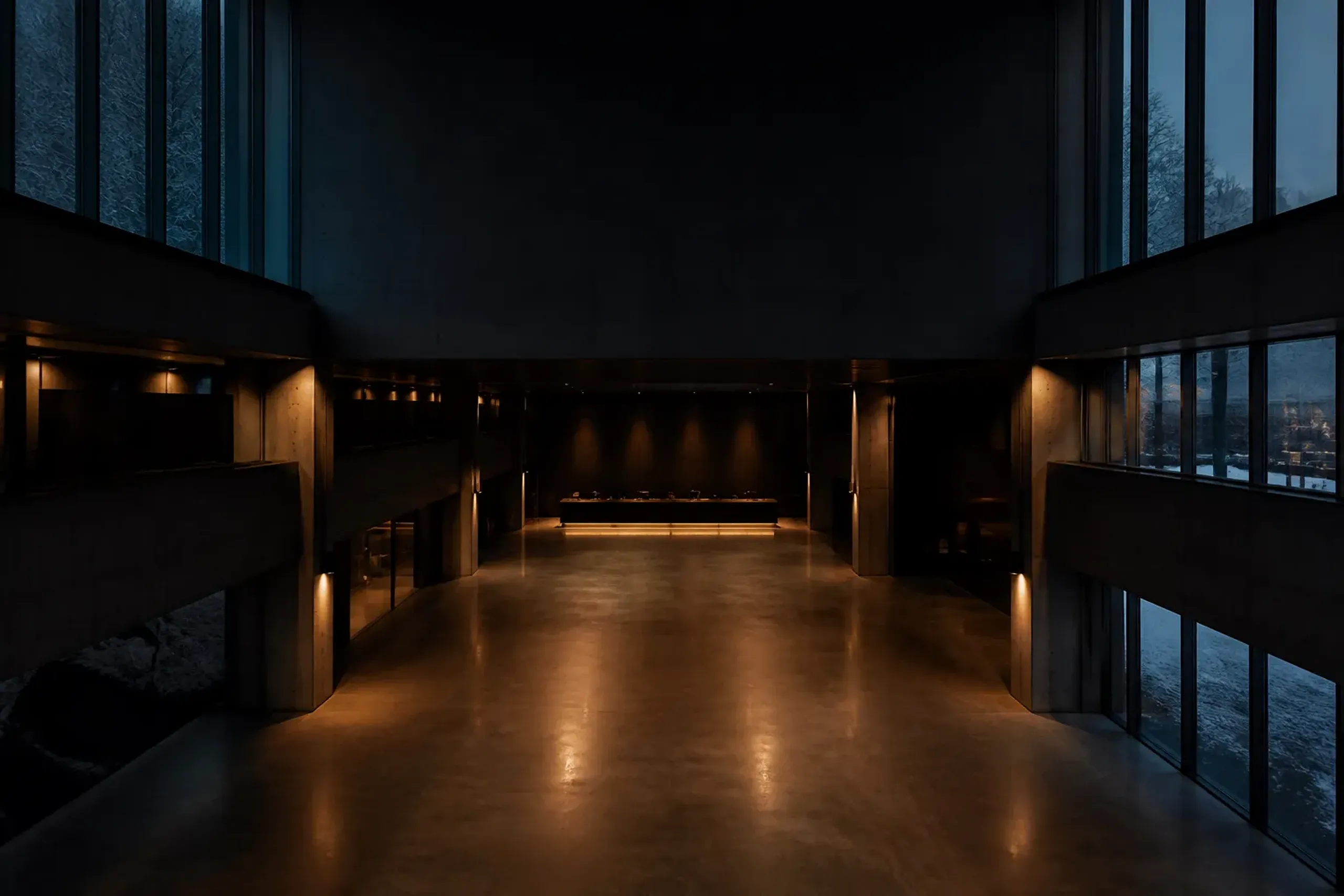
Closures create their own scarcity — a narrow farewell for those who move early.
First access has a mirror image. Last access.
Miraikan, the National Museum of Emerging Science and Innovation, closes fully for refurbishment from October 1, 2026 to April 22, 2027. That is not a reopening — it is a closing window. A last-chance moment before the doors shut for over half a year.
Scarcity works in both directions. A closure shifts demand to alternative venues, thins the crowd at the departing one, and creates a narrow farewell for those who move early. Smart routing accounts for both what is arriving and what is leaving.
Building A 2026 Reopening Itinerary With Restraint
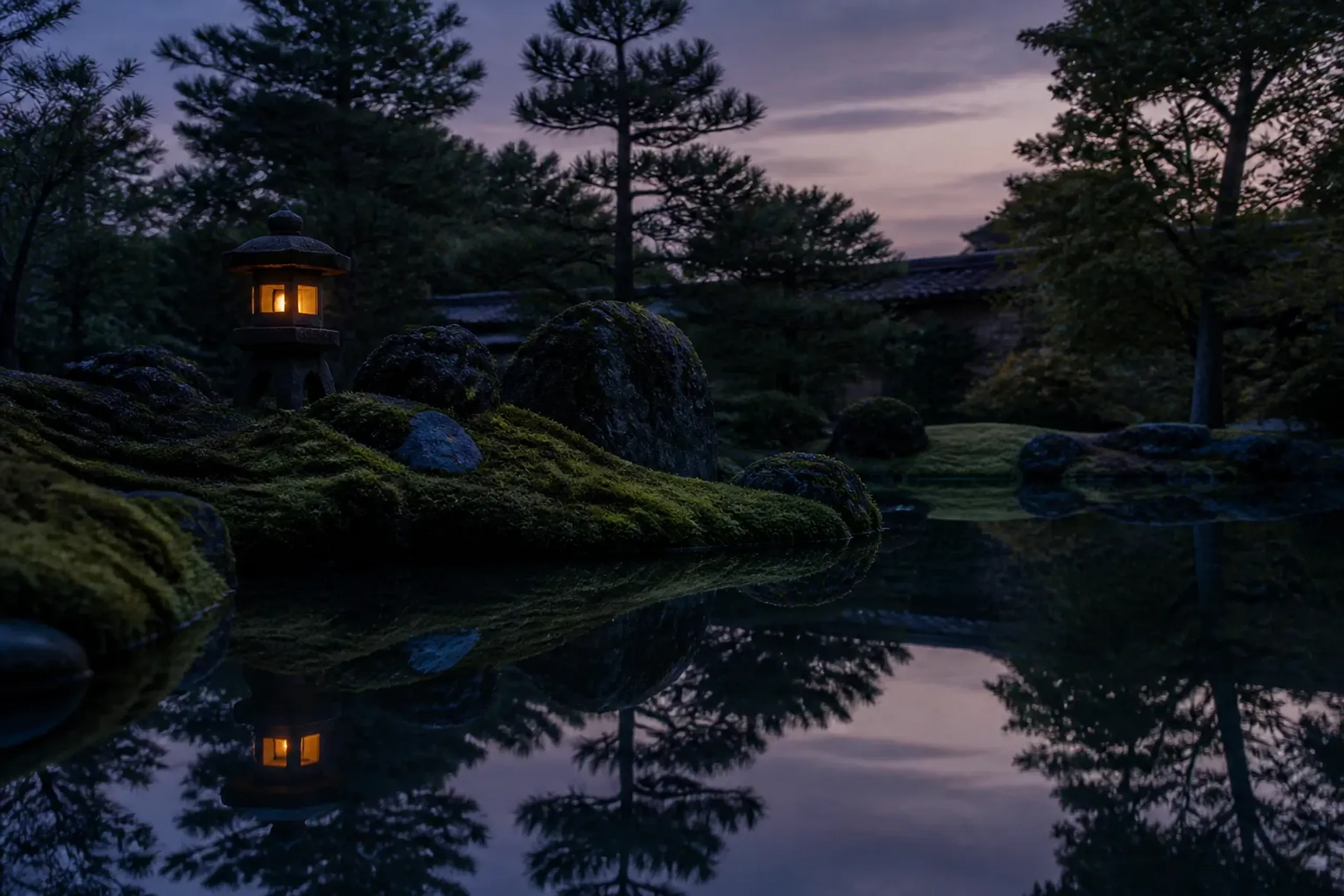
Restraint over volume — the right two or three anchors, quietly sequenced.
The temptation with a reopening year is to chase everything. Resist it. The point is not volume — it is the right two or three anchors, quietly sequenced.
A considered Kanto route might pair the Edo-Tokyo Museum's return with a first stay at the redesigned Four Seasons Marunouchi, then extend to the newly reopened Yokosuka Museum of Art in Kanagawa on a weekday, reached by private driver rather than train. A Kyoto module could anchor on the Meiji Kotokan special opening, then pull back into the moss-quiet stillness of a temple garden the algorithms never surface.
For a slower rhythm, a Tokyo reset followed by the seclusion of a heritage ryokan — Gōra Kadan Fuji among them — offers rebirth of a different kind. Not the institution's. Yours.
Every one of these is built as a bespoke itinerary, shaped around your pace, your privacy, and the specific rooms you wish to stand in first.
Frequently Asked Questions
Which Major Venues Reopen In Japan In 2026?
Verified 2026 reopenings include the Edo-Tokyo Museum (March 31), the Four Seasons Hotel Tokyo at Marunouchi (May 26), the Yokosuka Museum of Art (September 5), and the planned autumn reopening of the Sannomaru Shozokan near the Imperial Palace. The Kyoto National Museum held a special opening of its Meiji Kotokan Hall on March 14, and Toei Kyoto Studio Park reopened its Phase 1 renewal on March 28.
How Do I Secure Early Access To A Newly Reopened Site?
Access depends on the venue. Some reopenings are publicly bookable through official reservation systems; others may allow curator-led or before-hours arrangements at the institution's discretion. The reliable path is verification first — confirm the official date and reservation process, then plan around low-traffic windows. Our concierge can advise on what is publicly available and what may be arrangeable.
How Is Discretion Maintained For High-Profile Guests?
Through timing, private routing, and zero-disclosure itineraries. We coordinate arrivals and departures via private chauffeured transport, favor weekday and post-surge windows, and never publish or share guest identities, dates, or movements.
Can You Guarantee First Access Before The Public?
No responsible concierge guarantees third-party access, and we do not. What we provide is verified information, honest labeling of what is publicly bookable versus privately arrangeable, and private coordination that positions you well within whatever the venue actually permits.
Why Choose Japan Royal Service
Most luxury operators repeat the phrase "exclusive access" until it means nothing. We take a different view. Access is only worth having when it is real, verified, and quiet.
Our approach begins with primary sources — the venue's own announcement, the exact date, the closure window. From there, our team at Japan Royal Service builds around discretion: private drivers, sealed itineraries, and interpretation from scholars who bring meaning to a reopening rather than a photograph of one. We speak English, Japanese, Thai, and Filipino, and we coordinate everything privately, never as a public booking claim.
For guests who value cultural depth over display, and privacy above all, that difference is the entire point. We do not sell noise. We arrange stillness.
To explore first-access planning for Japan's 2026 rebirths, reach our team privately via WhatsApp or LINE, or contact us here.