In this guide
- 01What Makes Sasayuri-ann In Uda, Nara Different From A Typical Luxury Ryokan?
- 02The Lily Name: A Small Restoration That Explains The Whole Place
- 03The Owner’s Training: Shugendō Without The Theater
- 04Inside Sasayuri-ann: What The Villa Actually Is
- 05Sasayuri-ann ZAO Vs OZUNU: Which Villa Fits Your Party?
- 06What Can You Do At Sasayuri-ann Without Leaving Fukano?
- 07How Do You Visit Muro-ji (Nyonin Kōya) From Sasayuri-ann?
- 08Dining At Sasayuri-ann: The Irori, The Timing, The Michelin Connection
- 09When Is The Best Time To Stay At Sasayuri-ann In Nara?
- 10How Do You Get To Sasayuri-ann From Kyoto Or Tokyo?
- 11A Two-Night Sasayuri-ann Rhythm (A Practical, Step-By-Step Plan)
- 12How Japan Royal Service Coordinates A Sasayuri-ann Stay (Without The Noise)
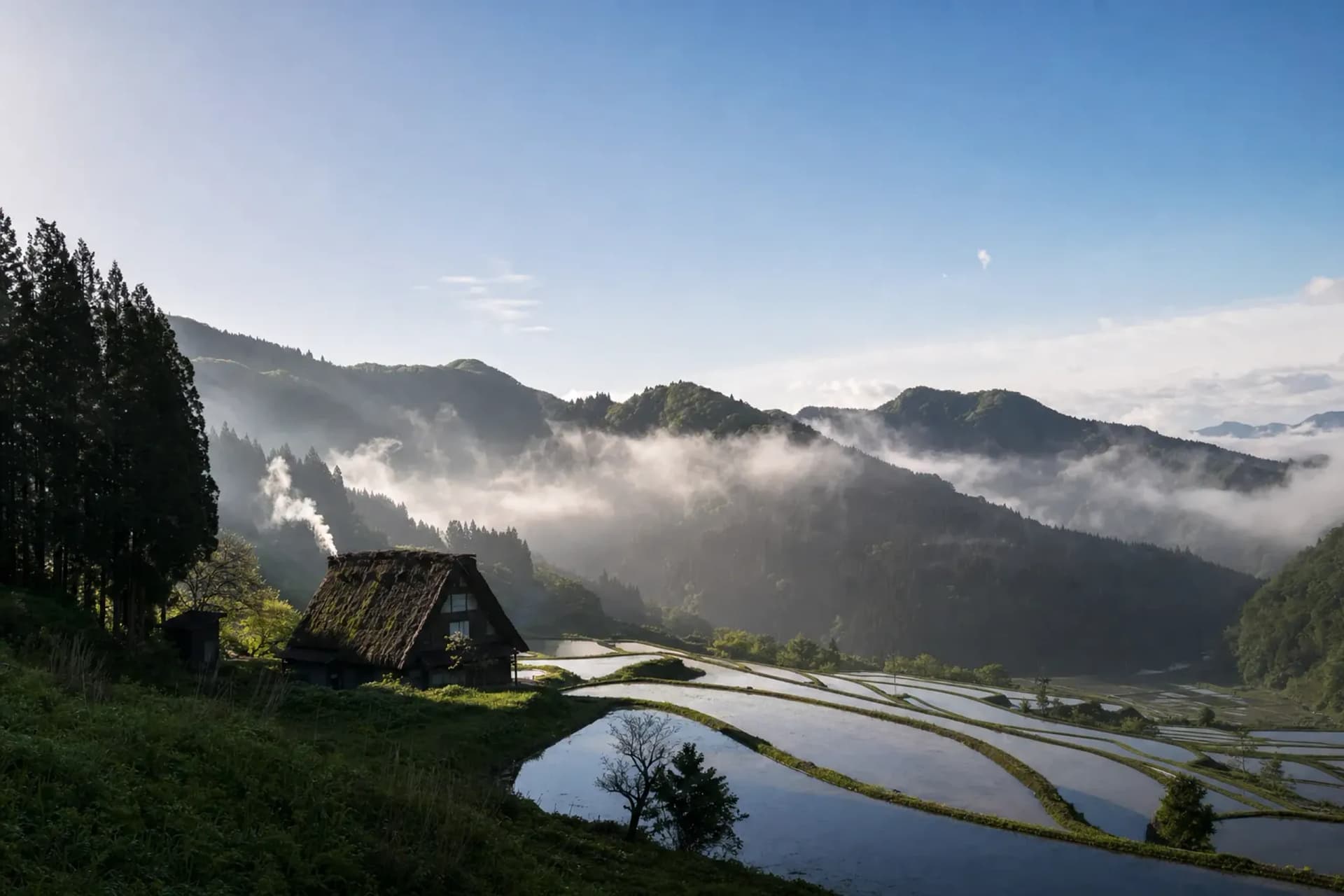
Dawn arrives softly in Fukano, a mountain village in Uda, Nara Prefecture. Mist lifts from the rice terraces one contour at a time. A thatched roof holds the night’s cool air a moment longer. Quiet wins.
Sasayuri-ann takes its name from a local act of stubborn care: villagers replanted sasayuri, a wild lily that once grew across this valley, after pollution and urbanization had nearly erased it. They did it simply because they missed seeing the flowers. No branding exercise. Just a community choosing restoration.
The person who runs the villa carries an equally specific credential. Tetsuji Matsubayashi is a trained Shugendō monk, practiced in zazen meditation, who personally leads Shugendō-related activities for guests staying at Sasayuri-ann. It changes the mood of the stay. You feel it before you can describe it.
What Makes Sasayuri-ann In Uda, Nara Different From A Typical Luxury Ryokan?
Sasayuri-ann is a private, entire-villa stay in a restored Edo-period farmhouse (with a second thatched villa alongside), run by a trained Shugendō monk, in a mountain village setting—closer to keeping a rural residence than “checking into” a ryokan.
This is the kind of place where the best moments happen between the plans. The walk from tatami to terrace. The pause beside a garden stone. The smell of wood and soot lingering near an irori hearth. This is Hidden Japan in the truest sense—the valley that Google cannot quite find for you, reached only when someone opens the door on your behalf.
Unlike many ryokan stays, Sasayuri-ann is designed for one party at a time. That matters for privacy. It also changes the rhythm for families or friends traveling together, because you are never negotiating public spaces or a shared dining room.
Our team at Japan Royal Service often sees discerning travelers reach a point where “more amenities” stops being the goal. They want fewer surfaces. Fewer eyes. More control over pace. Sasayuri-ann answers that instinct without ever needing to raise its voice.
The Lily Name: A Small Restoration That Explains The Whole Place
In Fukano, the story of sasayuri is not a trivia note. It is the memory of a landscape that almost slipped away. When the villagers replanted the lilies, they were restoring a season they could recognize.
That is why the name matters. It pins Sasayuri-ann to something local and specific, not an imported “concept.” The house is old. The valley is older. And the emotional center of the stay is a human choice made in living memory.
We encourage guests to treat this as a lens. Look for the other quiet repairs: a rethatched roof, a mended beam, the rice-terrace edges kept neat. These are not photo props. This is maintenance as culture—the same restraint that underlies wabi and sabi, where nothing is polished for effect and everything earns its place.
The Owner’s Training: Shugendō Without The Theater
Tetsuji Matsubayashi is a trained Shugendō monk, and he personally leads Shugendō-related activities for guests staying at the villa. That is the simple fact. No inflated lineage. No borrowed authority. This is the essence of shokunin—a master who guides from genuine practice, not performance, and who does not ordinarily open his discipline to passing visitors.
In practice, this can mean time set aside for meditation and a more contemplative way of moving through the surroundings. It is not a stage act. It is closer to being invited into a discipline that carries real weight for the person guiding you.
If you are used to luxury travel that is always “on,” this can be disorienting.
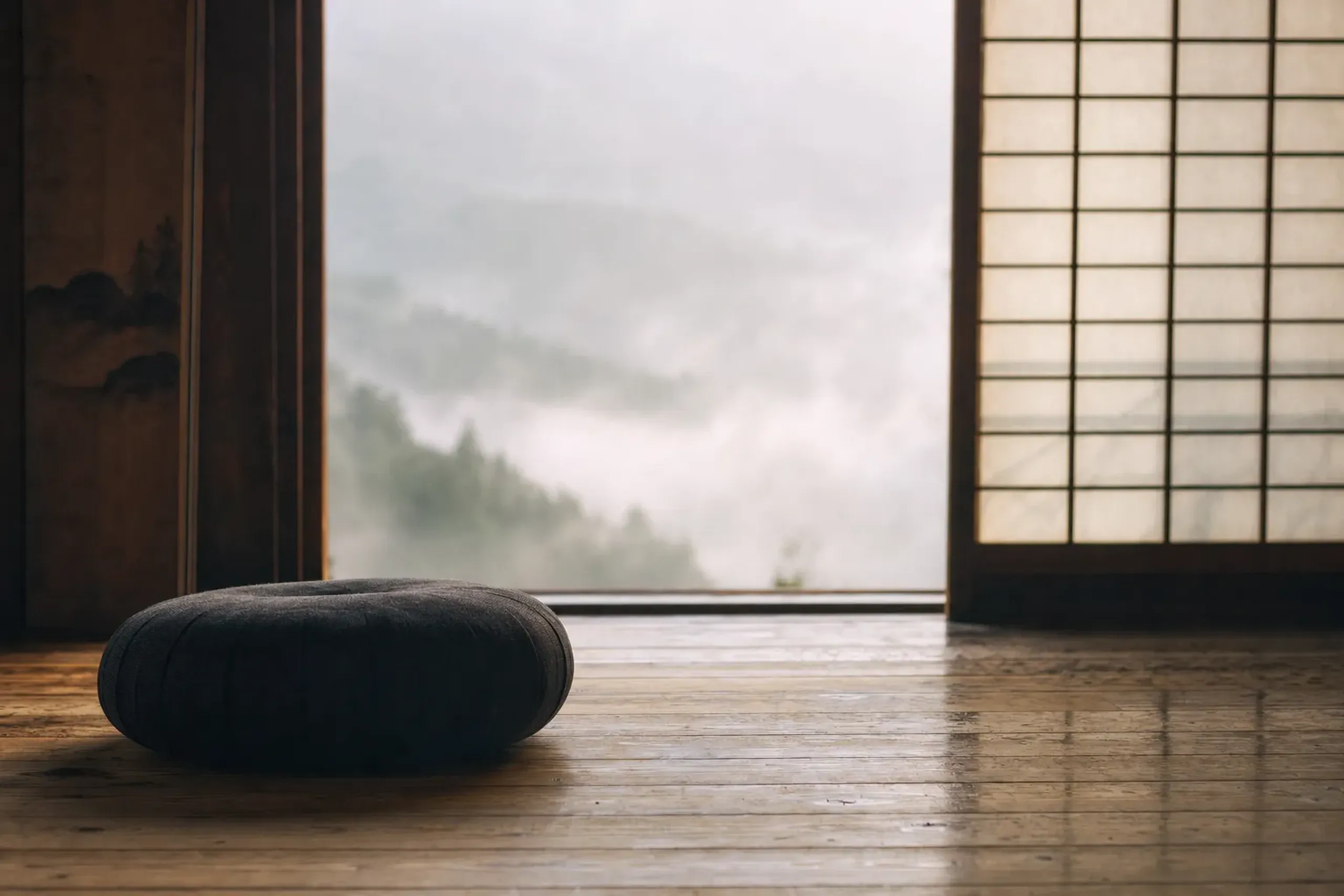
Good. A rural Nara stay works best when you let the silence do part of the work.
Inside Sasayuri-ann: What The Villa Actually Is
Sasayuri-ann is associated with the address 656 Muroufukano (Fukano), Uda City, Nara Prefecture. Official sources present it as a luxurious private villa stay, built around traditional Japanese aesthetics: thatched roofs, pine flooring, tatami, and futon bedding.
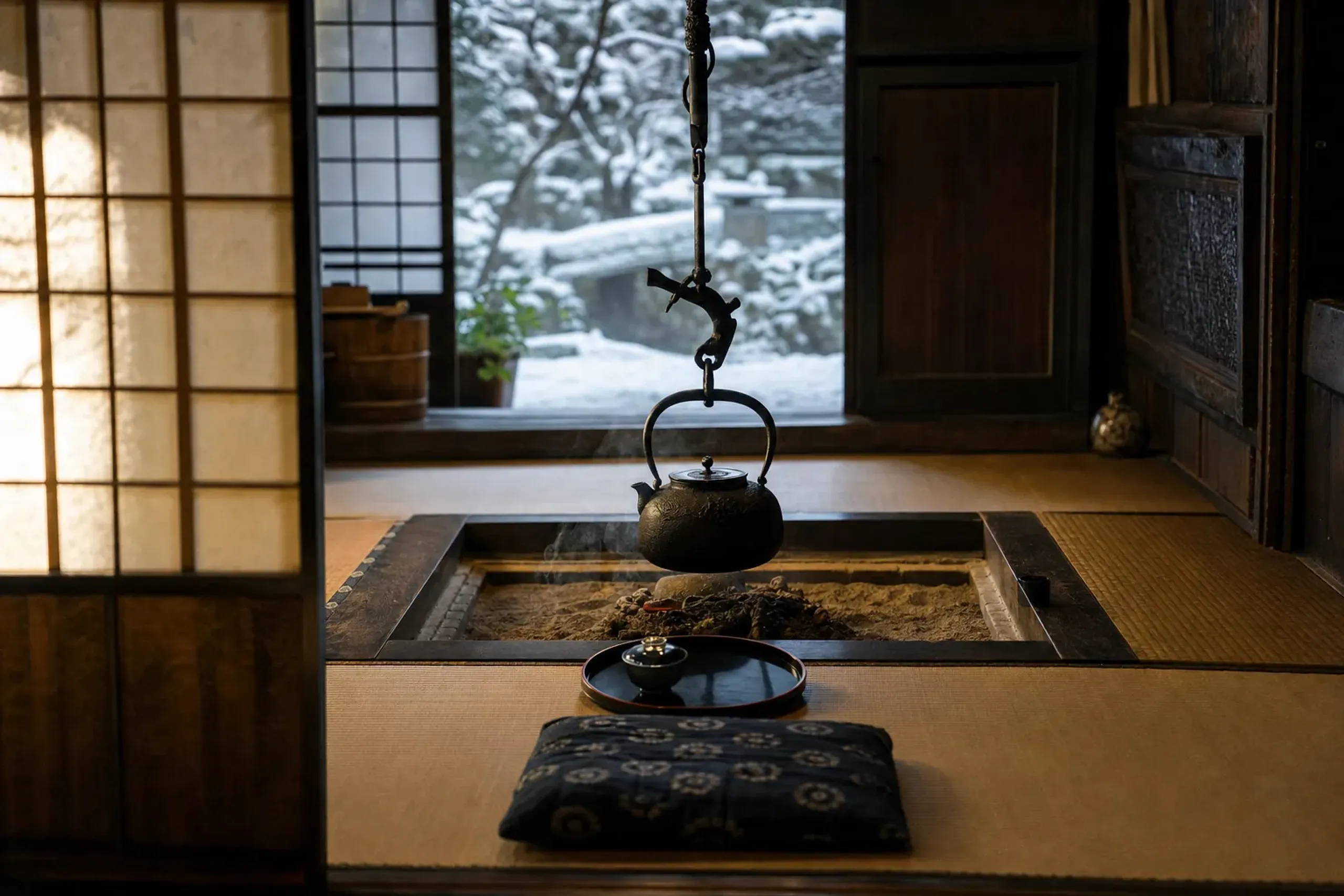
The restored main farmhouse is Edo-period, with a thatched roof and an irori (open hearth) dining room. There are three bedrooms. The bath is shared within the building. This is heritage lived-in, not heritage behind glass.
There is also a separate nearby building, Yamato-an, equipped for meetings and group activities, with a terrace overlooking mountain ranges and rice terraces. It is where a small team can gather without turning the farmhouse into a conference room.
Capacity is one of the practical luxuries here. Sasayuri-ann sleeps 2 to 10 guests, and it has been open for rental since autumn 2014. For a couple, it can feel almost too large. For a family, it feels like relief.
Sasayuri-ann ZAO Vs OZUNU: Which Villa Fits Your Party?
Sasayuri-ann comprises two villas: SASAYURI-ANN ZAO (a restored traditional thatched-roof house) and SASAYURI-ANN OZUNU (a newly built thatched-roof house). Choose based on how you want the house to “sound” at night and in the morning.
Option A: SASAYURI-ANN ZAO (Restored Traditional Thatched House)
ZAO suits travelers who want the patina of time and a farmhouse atmosphere that feels earned.
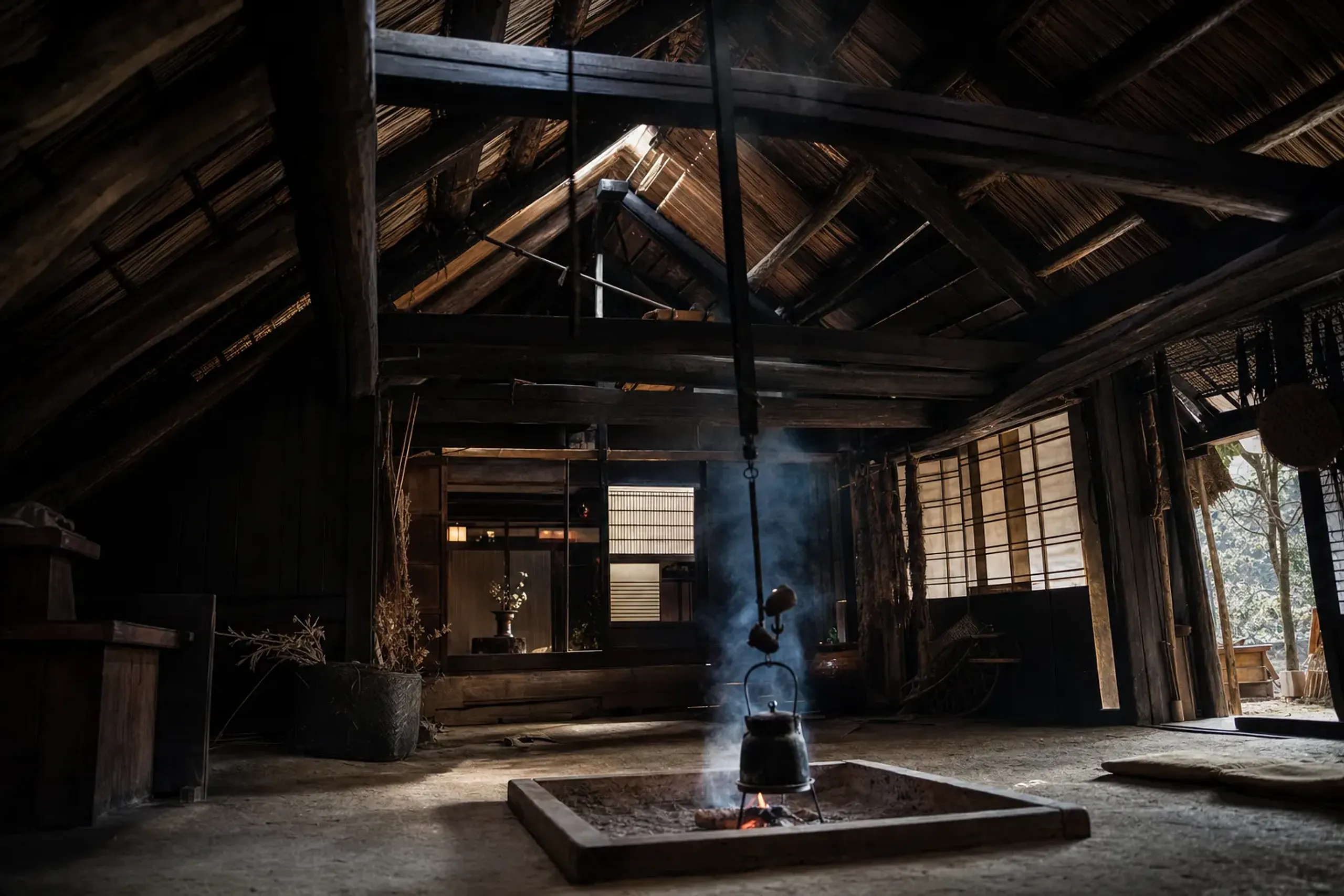
It is the version that leans hardest into history.
- Best for: couples who like quiet, families who want a lived-in communal core, and travelers who photograph architecture.
- Signature moment: the irori dining room, where conversation slows down.
- Trade-off: the “old house” feel is the point, so expect character rather than clinical newness.
Option B: SASAYURI-ANN OZUNU (Newly Built Thatched Villa)
OZUNU fits guests who want the look of thatch with a newer-build sense of order. According to the property’s own description, OZUNU has a rebuilt tea room and three gardens.
- Best for: small groups balancing tradition with a preference for newer interiors, wellness-forward stays, and longer work-and-rest combinations.
- Signature moment: moving between the three gardens, one at a time, like turning pages.
- Trade-off: it reads as composed rather than timeworn, which some guests prefer.
What Can You Do At Sasayuri-ann Without Leaving Fukano?
On-site, Sasayuri-ann offers activities that match the region’s rural character and its self-described identity. Some are gentle. Some are playful. One is surprisingly athletic.
A shuriken training field sits on the property, and ninja performances are offered as part of the experience mix. This is tied to the area’s local marketing claim of connection to “ninja birthplace” heritage—often associated with the nearby Iga traditions—while neighboring Kōga holds a well-known claim of its own, so it is best taken as regional identity rather than settled history.
You can also lean into the land itself. Farming and local fruit-picking excursions are part of the offering. It is an antidote to the polished city schedule.
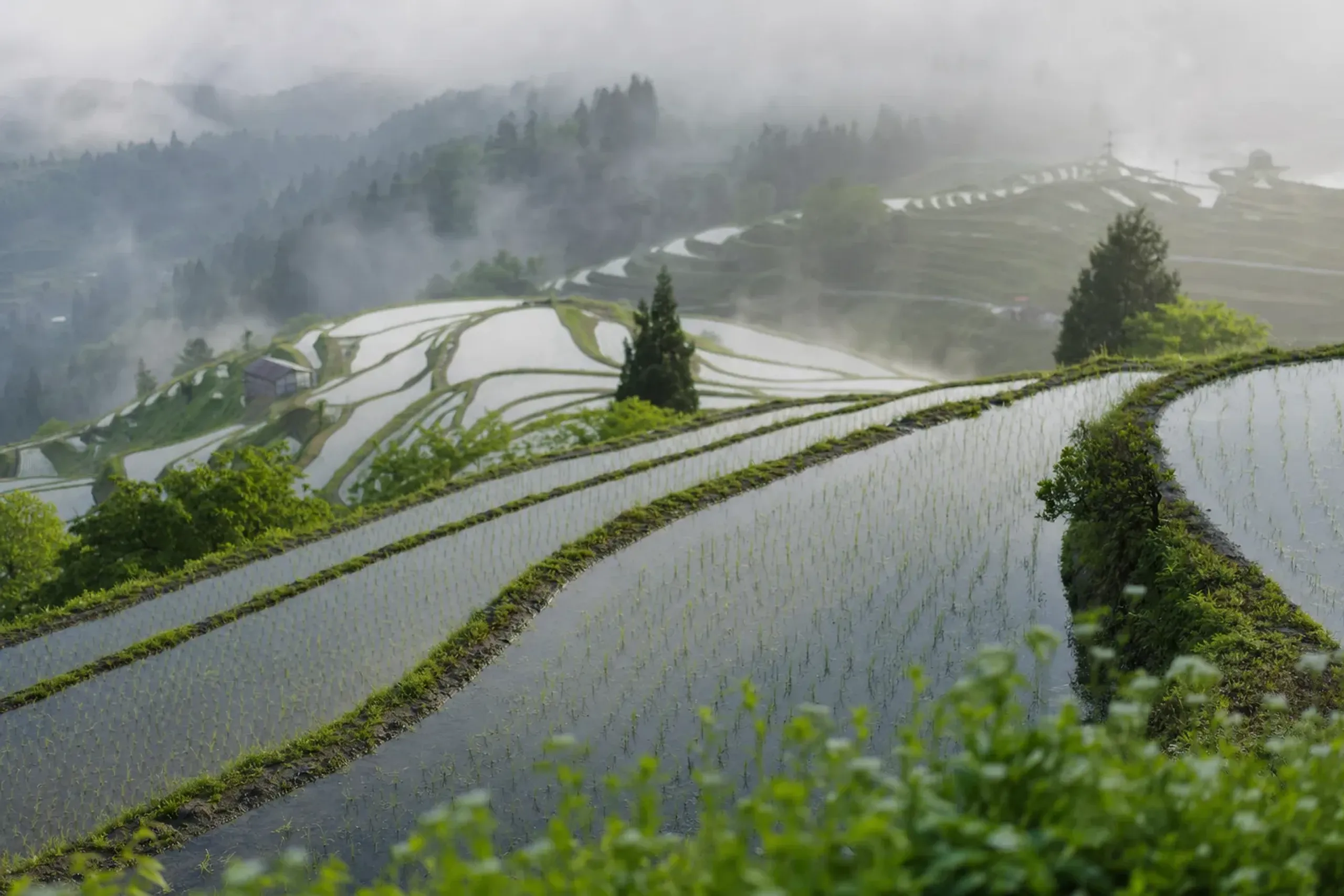
Mud on the shoes is allowed.
For guests who want a bigger natural set-piece, guided hikes to Akame 48 Falls are a classic day out from this part of Kansai. Water, stone, and shade. Repeat.
How Do You Visit Muro-ji (Nyonin Kōya) From Sasayuri-ann?
Muro-ji is reachable by car from the Murō area in Uda, and it pairs naturally with Sasayuri-ann as a half-day to full-day outing, depending on how slowly you want to move.
Muro-ji is known as “Nyonin Kōya” (Women’s Kōyasan). Mount Kōya historically excluded women entirely, while Muro-ji permitted them; the first recorded women’s pilgrimage is dated to 1450. The distinction matters. It is one reason the temple carries a different kind of gravity.
One tradition credits Muro-ji’s founding in 680 CE to En no Ozunu, the figure often associated with the origins of Shugendō. Another tradition credits the founding to the monk Kenkei in the late 8th century, following prayers for a crown prince’s recovery near a “Dragon Cave” on the mountain. The temple presents these as coexisting accounts, not a single resolved story—a reminder that some of Japan’s deepest sites keep an imperial thread running quietly through them.
There is also a very specific architectural point worth knowing: Muro-ji’s five-story pagoda is noted as Japan’s smallest, and the second-oldest surviving pagoda after Hōryū-ji’s. Scoped correctly, that distinction is about the pagoda—not the entire temple.
Key fact: When you discuss “second-oldest,” keep it precise: Muro-ji’s pagoda is noted as the second-oldest surviving after Hōryū-ji’s, not the temple itself.
Dining At Sasayuri-ann: The Irori, The Timing, The Michelin Connection
Meals at Sasayuri-ann can be organized with advance notice, and official listings describe a multi-course meal of traditional Japanese fare prepared by a Michelin star-awarded chef.
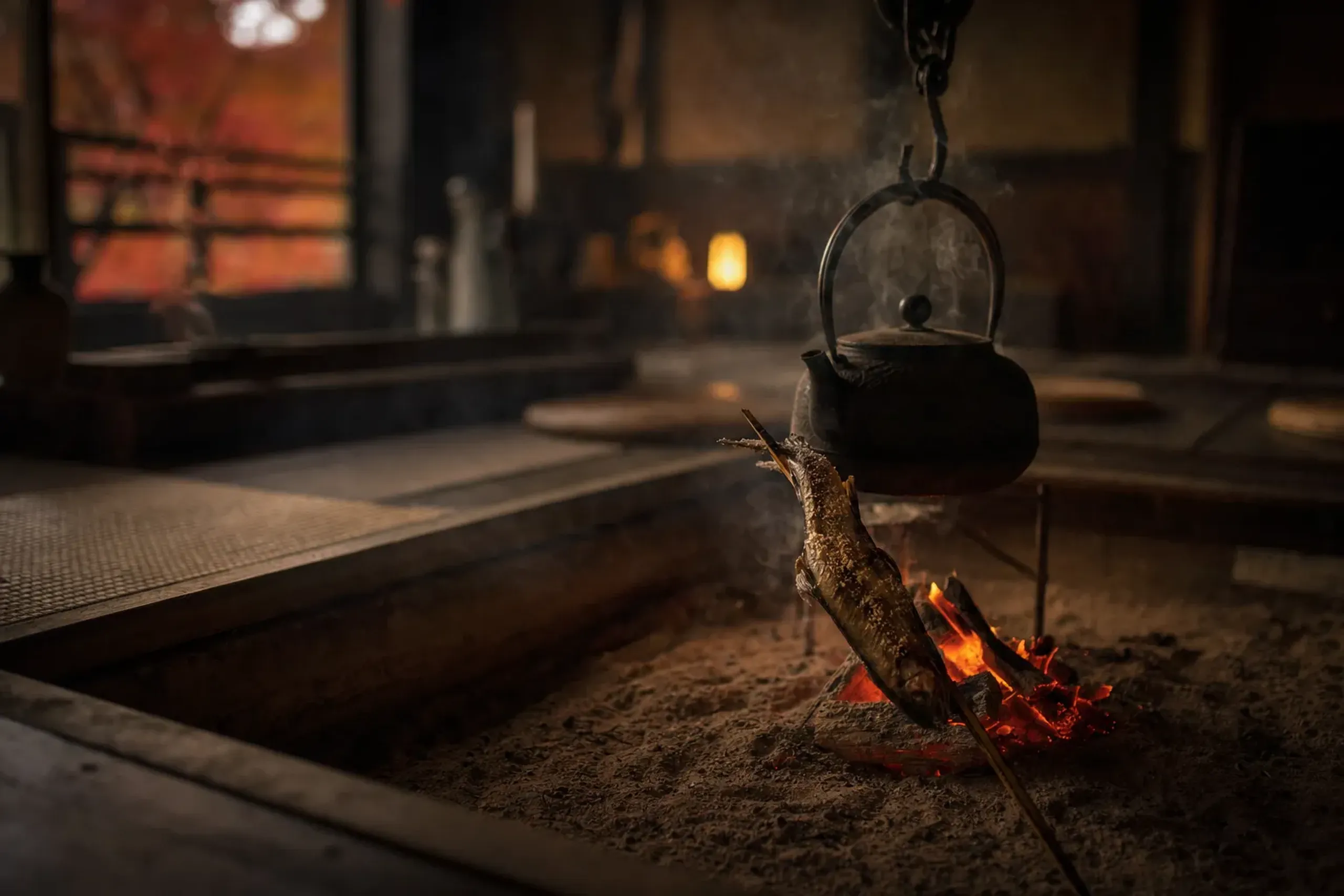
It is a rare combination: serious cooking in a private farmhouse setting, with a menu that follows the season’s best rather than a fixed script.
We suggest treating dinner as the main event of the night, not a gap between activities. Start earlier than you would in Tokyo. Let the house settle. The irori changes how people talk—slower, more watchful, less performative.
If you are considering the Nara Michelin option referenced by Sasayuri-ann’s materials (including Manso), be clear about dietary needs well in advance. Small rural kitchens can do excellent work, but they do not pivot instantly at 6 p.m. Planning is respect.
When Is The Best Time To Stay At Sasayuri-ann In Nara?
The most reliable sweet spots are spring and autumn, when the mountain air stays crisp and the surrounding satoyama landscape changes day by day.
Spring brings the sense of reawakening that fits the lily story, even if sasayuri itself is not a guaranteed “event” you should plan a trip around. Autumn is about texture: rice fields after harvest, sharper light, and nights that make the hearth feel necessary. Knowing exactly which week rewards which pleasure is its own quiet expertise—the kind of seasonal timing that separates a good stay from an unforgettable one.
Summer can be green and quiet, but it asks you to like humidity. Winter is stark and beautiful, yet it is better suited to travelers who enjoy staying in, reading, and letting a rural house be a shelter rather than a base for constant movement.
How Do You Get To Sasayuri-ann From Kyoto Or Tokyo?
The simplest approach is a private car transfer for door-to-door comfort, while rail plus a local taxi can work for travelers who prefer trains and pack light.
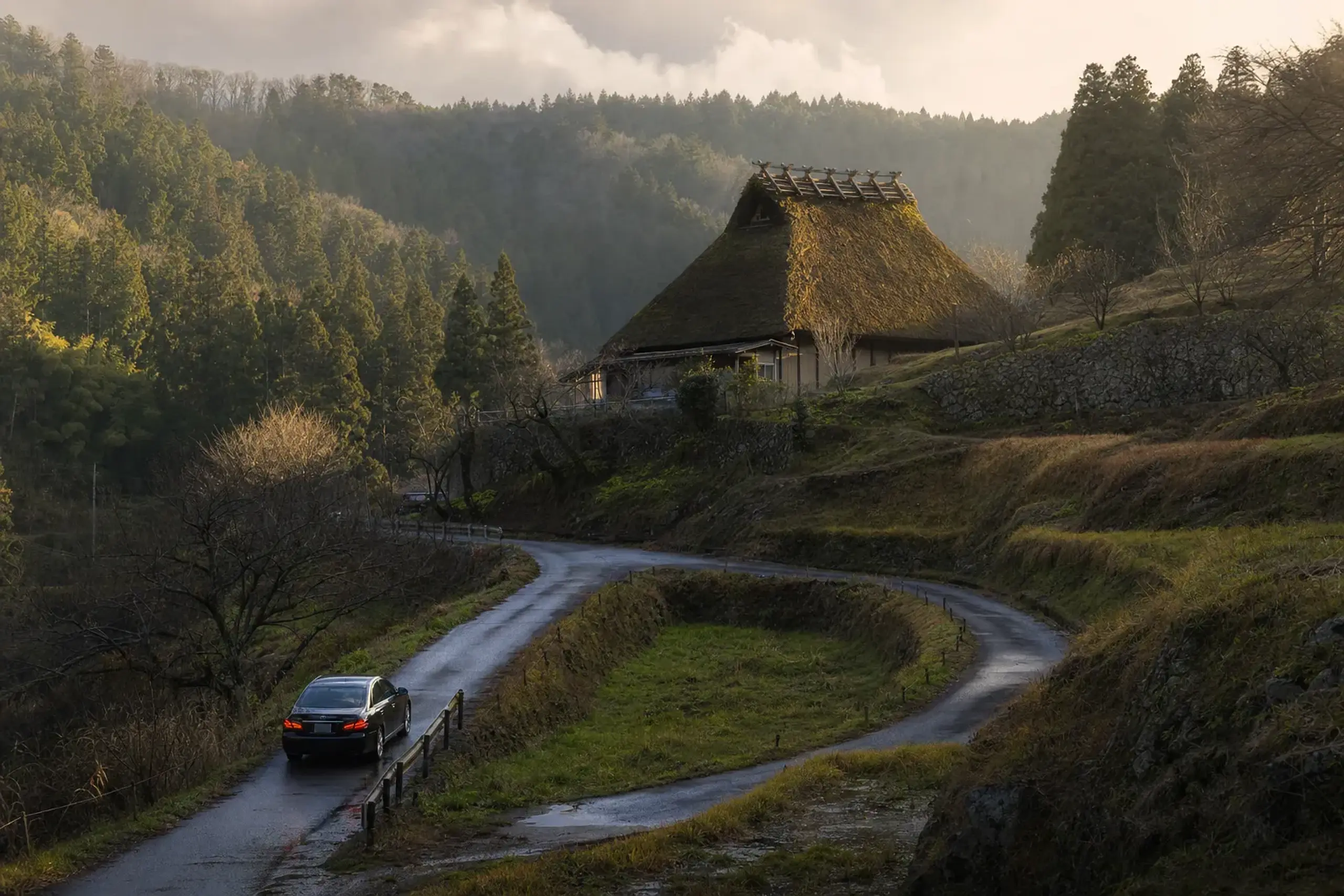
Fukano is rural. That is the point. It also means you should not treat the last leg as an afterthought, especially if you are arriving close to dusk, carrying more than a weekend bag, or traveling with children.
In our experience, the decision comes down to three things: your tolerance for transfers, how much luggage you carry, and whether your first evening is meant to be active or restorative. If you want the house to feel like a landing, choose the calmest arrival.
When private transportation is part of the plan, we also build in timing buffers for scenic stops and simple needs. A coffee. A restroom. A pause to look out at the terraces. Small details decide whether the stay begins with friction or ease—the kind of anticipatory care you never have to ask for.
A Two-Night Sasayuri-ann Rhythm (A Practical, Step-By-Step Plan)
This is not a place to “collect” sites. It rewards repetition. The same path twice. The same view in different light.
Day 1: Arrive Before The Light Drops
Check in while you can still read the shape of the valley. Big difference. Let the house show you where it creaks, where it holds warmth, where it goes quiet.
- Unpack fully. Even for two nights.
- Walk to the terrace at least once before dinner.
- If dinner is planned, keep the afternoon light and unhurried.
Day 2: Choose One Anchor, Not Three
Pick a single “outer” destination—Muro-ji or Akame 48 Falls—then return to the house for the best part of the day.
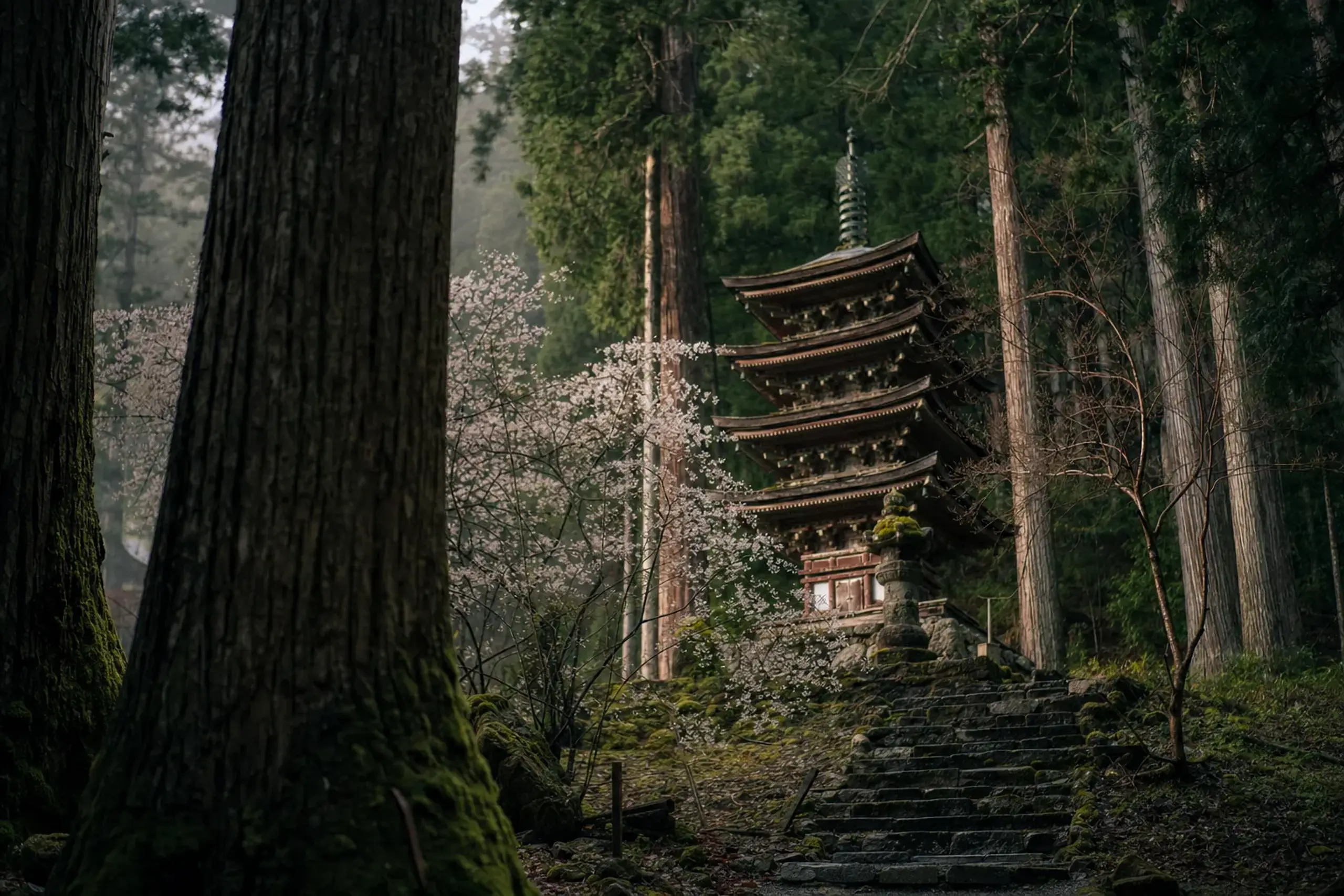
The second half. The unclenched hours.
- Muro-ji day: go earlier, when the grounds are calmer.
- Akame 48 Falls day: wear proper walking shoes and expect damp air near the water.
- Plan one on-site session (meditation or a quieter activity). Keep it simple.
Day 3: Leave Late If You Can
Breakfast. A final walk. Then go. The house feels different on the last morning, when you are no longer scanning it. You are saying goodbye.
How Japan Royal Service Coordinates A Sasayuri-ann Stay (Without The Noise)
For Sasayuri-ann, our role at Japan Royal Service is to coordinate accommodation, guiding, transfers, and activity planning around the villa—quietly, and with discretion.
Discretion is not a slogan for us. It is a working rule: we minimize exposure points, keep itineraries strictly need-to-know, and design days so you never feel chased by your own schedule. For our guests, that confidentiality is often the real luxury.
We also focus on fit. Party size (2–10). Whether you want ZAO’s restored farmhouse character or OZUNU’s newer-build calm. How much “spiritual” content you actually want. It is better to be honest early than to force an experience that does not match you.
If you want a truly tailored plan, begin with a bespoke itinerary that treats Sasayuri-ann as the center, not a detour. This is also where we advise on pacing, season, and which single day trip will feel most coherent.
When you are ready to hold the whole valley to yourself for a few unhurried days, contact us here and we will begin shaping a stay around you.