In this guide
- 01Sea-To-Table In Izu: Why This Peninsula Tastes Different
- 02The Port: First Light, Working Harbors, And A Different Kind Of Access
- 03The Catch: Kinmedai, Spiny Lobster, Abalone, And Amagi Wasabi
- 04The Table: From Harbor To Kaiseki, Without Losing The Thread
- 05A 2–4 Day Sea-To-Table Izu Itinerary Framework (Calm, Not Crowded)
- 06Best Time To Visit Izu For Seafood: A Practical Seasonality Lens
- 07Getting To Izu Comfortably: Trains, Ferries, And Private Chauffeur Days
- 08How Bookings Work For Izu Food Programs And Ryokan Dining
- 09FAQ: Sea-To-Table Izu For Luxury Travelers
- 10Why Choose Japan Royal Service
In Izu, the distance between ocean and plate can be counted in hours. Not days. That changes everything.
Many luxury travelers come to Japan chasing the “best” sushi, then discover the real problem: provenance is hard to feel when the story is secondhand, the sourcing is vague, and the day is padded with checkpoints. It reads well online. It eats poorly.
Our team at Japan Royal Service approaches Izu differently. We build a sea-to-table arc you can actually sense—salt on the harbor air at first light, a working port that smells like rope and diesel, and a dinner where the chef can name the fisherman and the bay.
Quiet luxury lives here. Wabi-sabi quiet. Hidden-Japan quiet. The kind that feels earned.
Sea-To-Table In Izu: Why This Peninsula Tastes Different
In Izu, the ocean is not scenery—it is the first chapter of the meal.
Izu is close to Tokyo, yet it still feels like a working edge of Japan. That contrast is the point. Quick access, then immediate removal from the city’s tempo.
The peninsula faces two bodies of water—Suruga Bay to the west and Sagami Bay to the east—so coastal towns can have distinct catches and kitchen habits. Small differences matter. Big ones, too.
What makes Izu compelling for HNW travelers is not a “food tour” mood-board. It is compression: the same fish can be lifted from a box at dawn and appear hours later as sashimi, simmered, or charcoal-grilled, depending on the chef’s hand and the day’s condition.
That hand matters. Shokunin matters.
The Port: First Light, Working Harbors, And A Different Kind Of Access
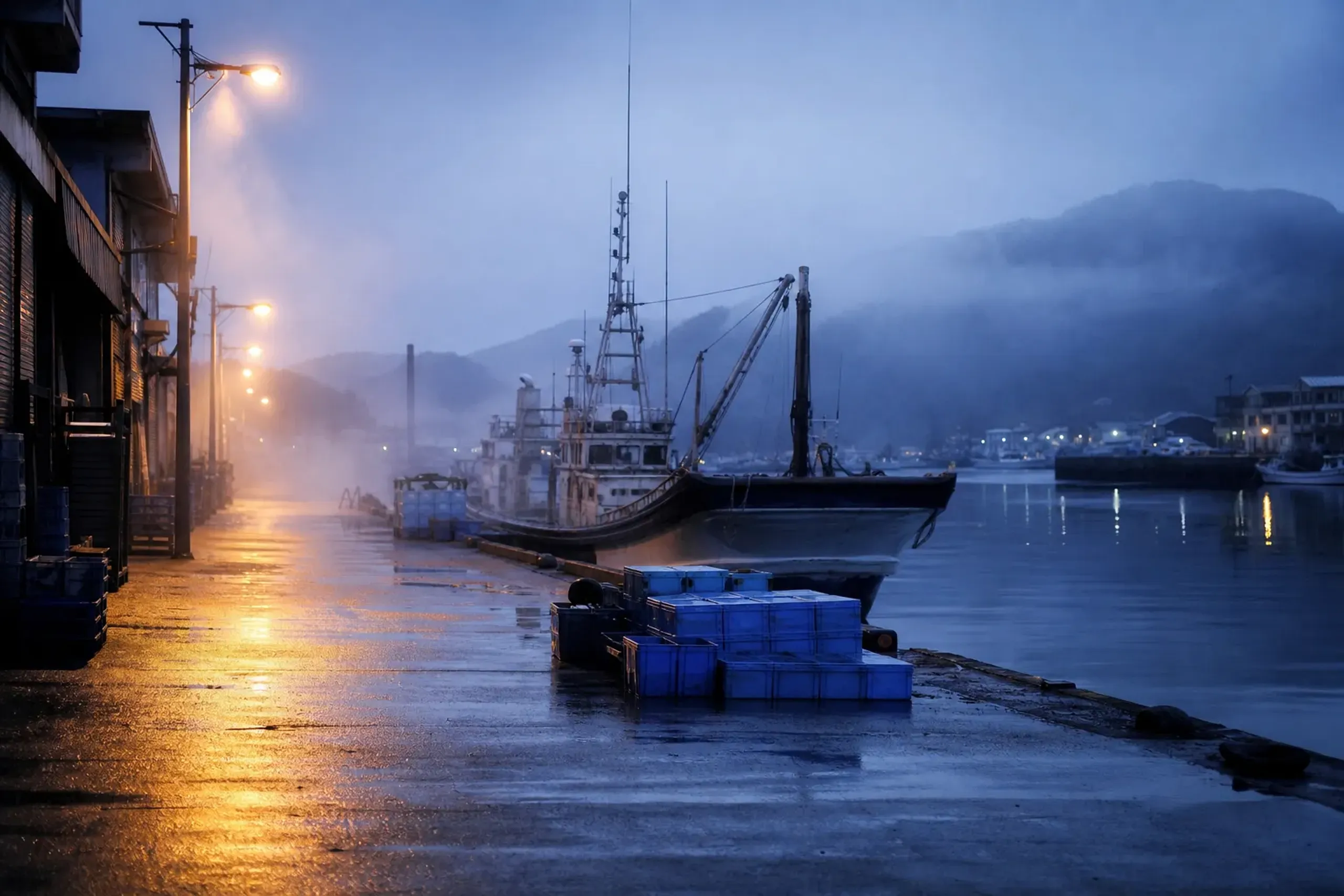
First light changes the definition of “fresh.”
The best seafood day in Izu starts early. Unreasonably early. That is where the truth is.
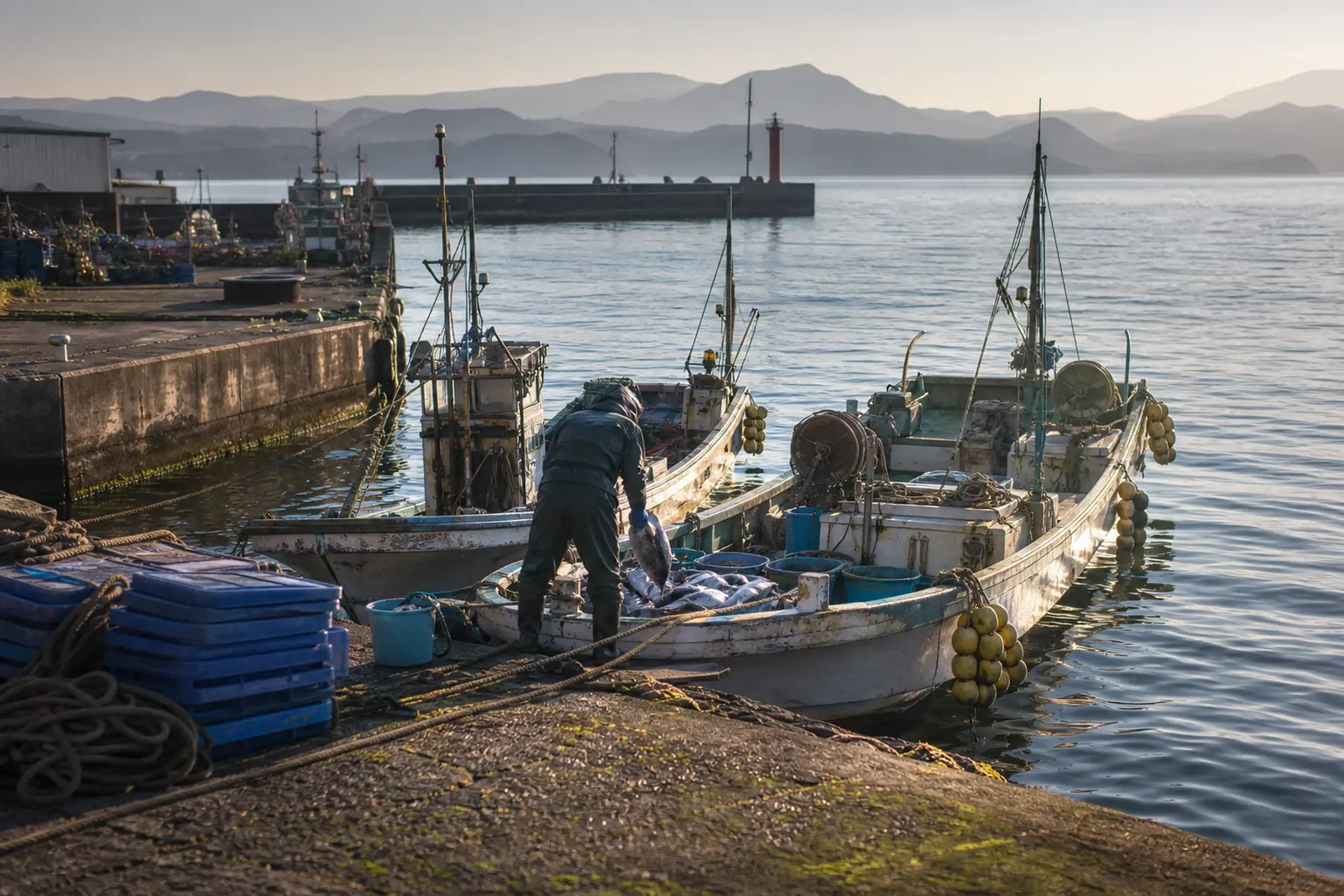
Ports are practical places, not staged ones, and that is exactly why they feel luxurious when done well. There is the slap of water under a concrete edge. The clatter of polystyrene lids. A low, brisk conversation you do not need to understand to recognize as serious.
In our experience, the comfort problem for travelers is not the hour. It is logistics—timing, language, and the ability to be present without getting in the way. This is where discreet planning earns its keep.
Three Coastal Towns That Frame A Sea-To-Table Route
Izu is not one “destination.” It is a chain of coastal moods. Pick the right nodes and the meal becomes legible.
- Ito (伊東): A convenient base with onsen tradition and strong access from Tokyo via the JR Ito Line.
- Shimoda (下田): A southern port town with a seafaring feel; also a gateway for ocean experiences offshore.
- Nishiizu (西伊豆): A west-coast stretch associated with wasabi-focused gastronomy programs promoted by Shizuoka Prefecture.
Simple on a map. Subtle in reality.
What A Private Port Visit Should Feel Like
Not a spectacle. Not a photoshoot. A calm observation with the right boundaries.
We favor short, purposeful time at the harbor—enough to see the day’s catch handled, enough to understand the difference between a fish chosen by price and a fish chosen by condition. Then we leave. Before it turns into tourism.
Key fact: Many ports and markets have strict rules around access, timing, and photography. Plan for a respectful, low-profile visit and follow local guidance.
The Catch: Kinmedai, Spiny Lobster, Abalone, And Amagi Wasabi
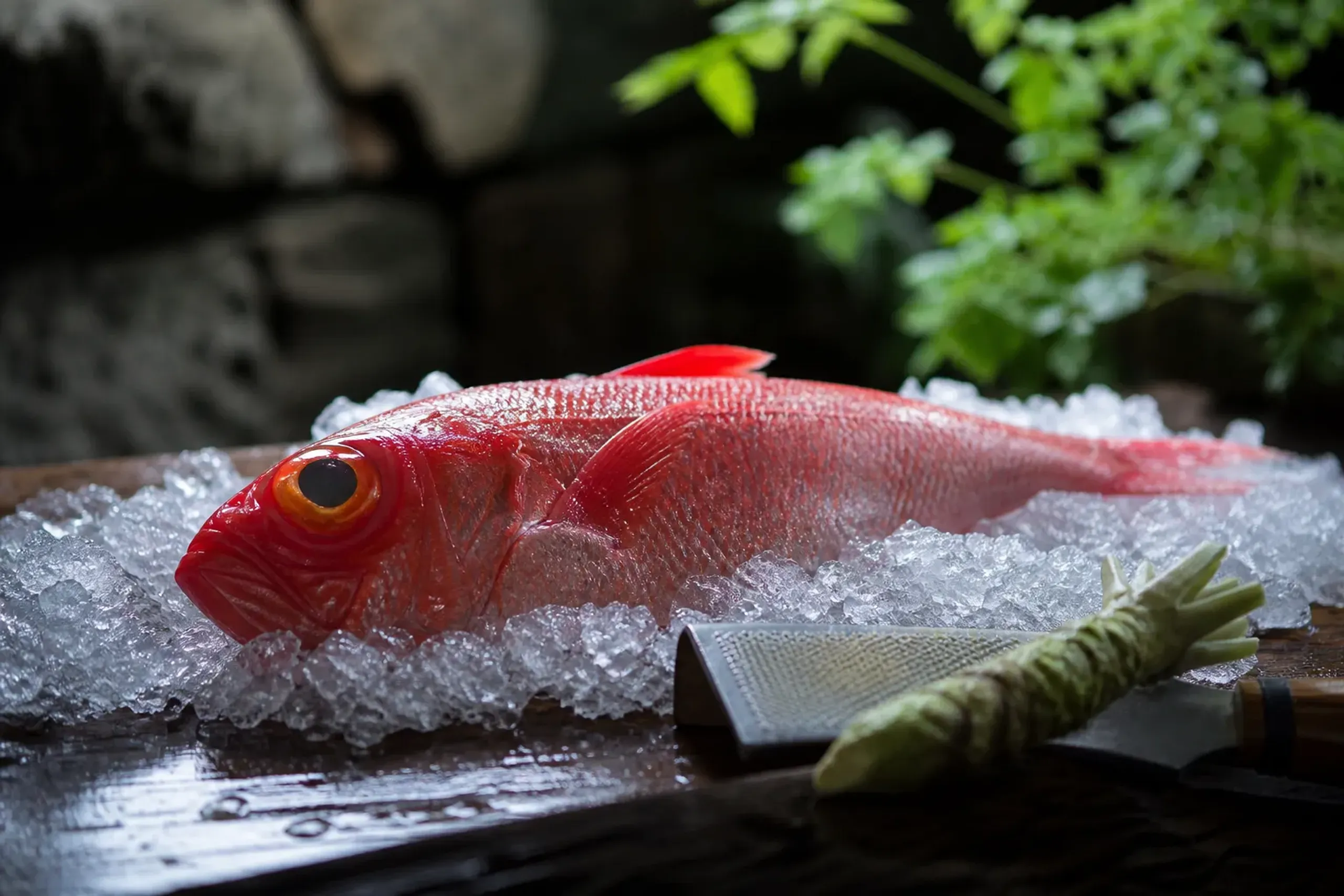
A single catch, then a day of transformations.
“Sea to table” is not a slogan if the ingredients are specific. In Izu, they are.
Kinmedai (金目鯛) is the name that stays with people. Golden eye snapper. Rich, softly oily, often prepared as sashimi when impeccably fresh, or simmered (nimono) when the chef wants depth and warmth.
Then there is ise-ebi—Japanese spiny lobster—associated with Minami Izu in regional tourism messaging. Abalone (awabi) enters the conversation when you want chew, iodine, and a kind of marine seriousness. One bite can reset your palate.
And the quiet hinge ingredient: wasabi. Not the tube. The living plant.
Wasabi In Izu: Beyond Sushi
Nishiizu is promoted in Shizuoka Prefecture’s official gastronomy tourism programs through a 1-night/2-day gourmet experience theme that highlights wasabi and local ingredients. It is an institutional signal. Someone has done the work to formalize the story.
On the plate, fresh wasabi is not simply “hot.” It is clean and fleeting, then gone. That vanishing is part of its charm.
- Freshly grated rhizome: bright, crisp lift for sashimi and lightly grilled fish.
- Wasabi stems and leaves: used in pickles and small side dishes that cut richness.
Small portions. Sharp impact.
A Note On Ocean Experiences Near Shimoda
Some guests want to see the ocean as more than a supplier. Off Shimoda, Mikomoto-jima is described by Dive Japan as Izu’s “big-animal” dive site, with schooling hammerhead sharks associated with the Kuroshio current roughly from June into autumn.
This is not for everyone. It is real water, real conditions, and it should be treated with the right seriousness.
Guests interested in learning more can speak with our concierge team for tailored guidance, including seasonality and safety considerations.
The Table: From Harbor To Kaiseki, Without Losing The Thread
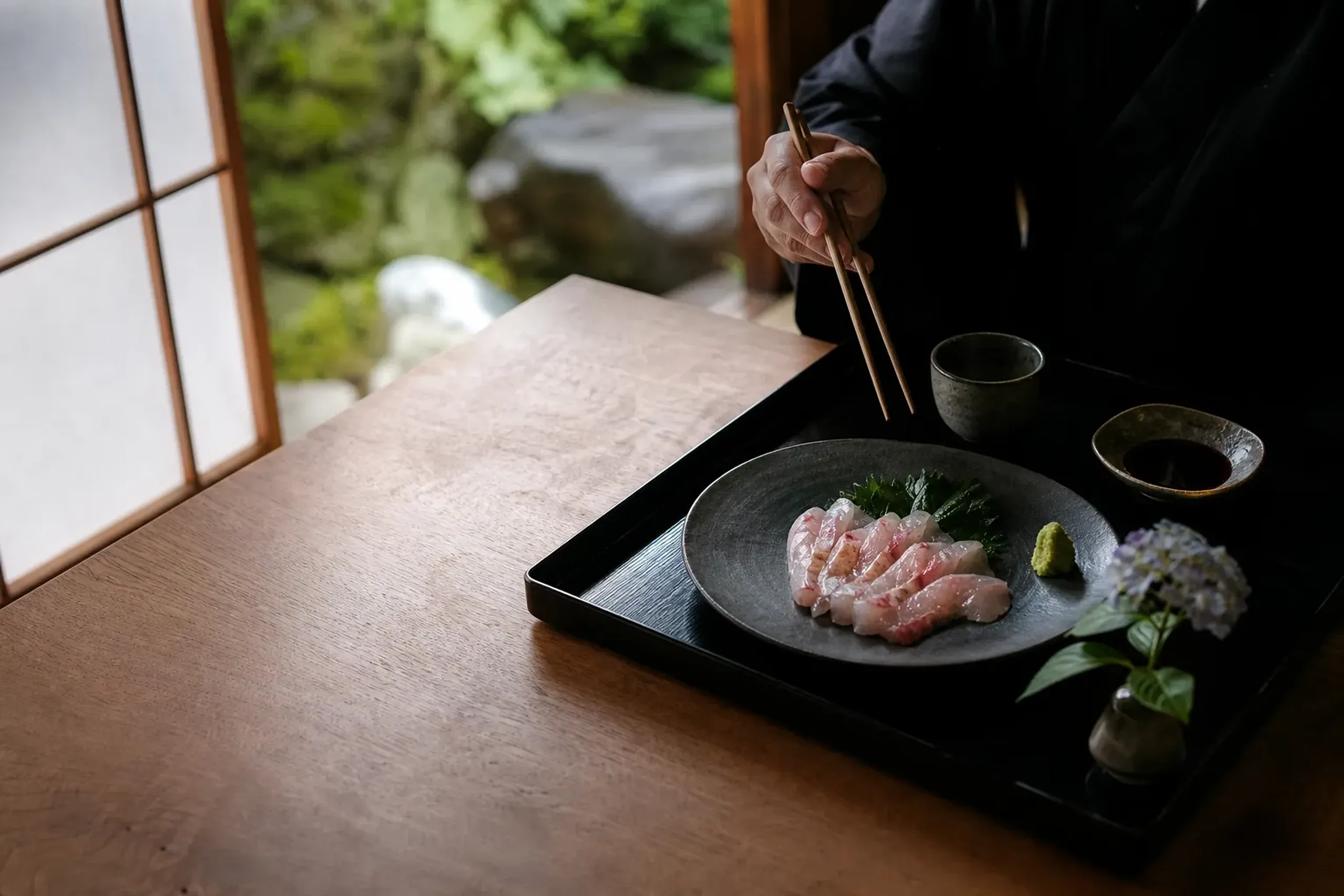
The harbor’s story, told in porcelain and lacquer.
The most satisfying Izu meals keep the story intact. The fish does not become anonymous once it hits porcelain.
Kaiseki is a natural fit for sea-to-table because it can show transformation in small, deliberate steps. A slice raw. A piece briefly grilled. A simmered course that tastes like patience.
Wabi-sabi belongs here, too. Not as a lecture. As a feeling—lacquer that carries age, a garden seen through mist, an arrangement that uses negative space as an ingredient.
Three Izu Properties With Clear “Local Land And Sea” Dining Positioning
We avoid vague recommendations. These properties publicly describe Izu-forward cuisine, which makes them useful anchors for planning.
- KAI Ito (Hoshino Resorts): The property states it offers an authentic Japanese kaiseki experience featuring flavors from Izu’s land and sea, and it references Guricha, a tea name unique to the Izu region, as part of its dining positioning.
- bekka izu: The property markets a culinary concept called Cuisine Terroir, emphasizing seasonal ingredients that can be savored in Izu.
- Watei Kazekomichi: The property describes its cuisine as using fresh food from land and sea distinctive of the Izu area.
Each has a different tone. Each can work, if the routing is right.
What “Chef Curation” Should Mean In Practice
It should mean restraint, not theatrics. The chef chooses what the day gives, and the menu follows.
In our experience, the best question is not “What is your signature dish?” It is: “What arrived this morning that you are excited about?” The answer changes daily.
When the ingredients are that fresh, the meal does not need volume. It needs accuracy.
A 2–4 Day Sea-To-Table Izu Itinerary Framework (Calm, Not Crowded)
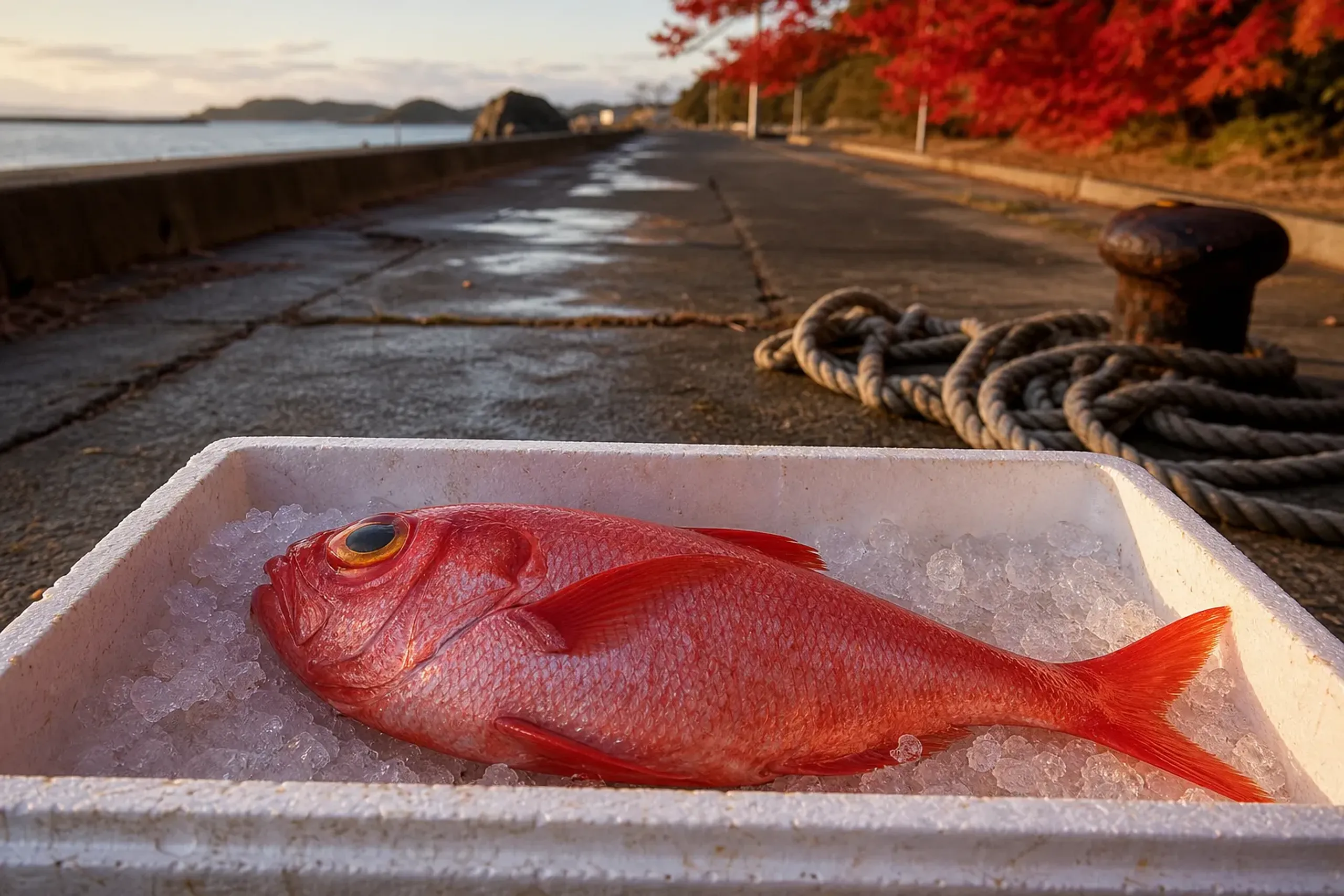
This is a framework, not a fixed program. Good Izu planning leaves slack for weather, sea conditions, and appetite.
Option A: 2 Days / 1 Night (Fast Reset From Tokyo)
Ideal when you want one serious dinner and a quiet morning, without turning the peninsula into a checklist.
- Day 1: Tokyo → Ito by train, then settle into an onsen rhythm; early evening kaiseki centered on local seafood.
- Day 2: A calm coastal walk (Jogasaki Coast is a well-known area near Ito), then return to Tokyo before late afternoon.
Short. Potent.
Option B: 3 Days / 2 Nights (Ito + Nishiizu For Seafood And Wasabi)
This is where provenance becomes a story with chapters. The pace slows, and flavors sharpen.
- Day 1: Ito base; seafood-forward dinner and early sleep.
- Day 2: Nishiizu focus; wasabi and local-ingredient emphasis aligned with Shizuoka’s gastronomy tourism programming; onsen time before dinner.
- Day 3: Late morning departure; stop briefly for coastal views, then onward.
Less driving. More meaning.
Option C: 4 Days / 3 Nights (Add Shimoda For The Southern Port Feel)
For travelers who want Izu to feel like a peninsula, not a resort zone. The south adds salt and distance.
- Day 1: Ito for arrival and first kaiseki.
- Day 2: Transfer south toward Shimoda; seafood lunch, then a quiet harbor-side walk.
- Day 3: Optional ocean activity discussion (diving is season- and experience-dependent); dinner where the chef can keep the catch narrative coherent.
- Day 4: Return via a scenic route, keeping margins for traffic and weather.
Longer, but still controlled.
Best Time To Visit Izu For Seafood: A Practical Seasonality Lens
Izu eats well year-round, yet the “best” time depends on what you want to taste and how you want to feel.
Summer brings a different coastal energy and stronger sun. Early mornings at ports can feel especially crisp because the day heats quickly after sunrise.
If your priority is calm rather than beach bustle, shoulder periods can be more comfortable for quiet movement between towns. Fewer collisions. More silence.
For ocean experiences like Mikomoto-jima diving, Dive Japan notes the hammerhead schooling season roughly from June into autumn. Plan with caution and realism.
Getting To Izu Comfortably: Trains, Ferries, And Private Chauffeur Days
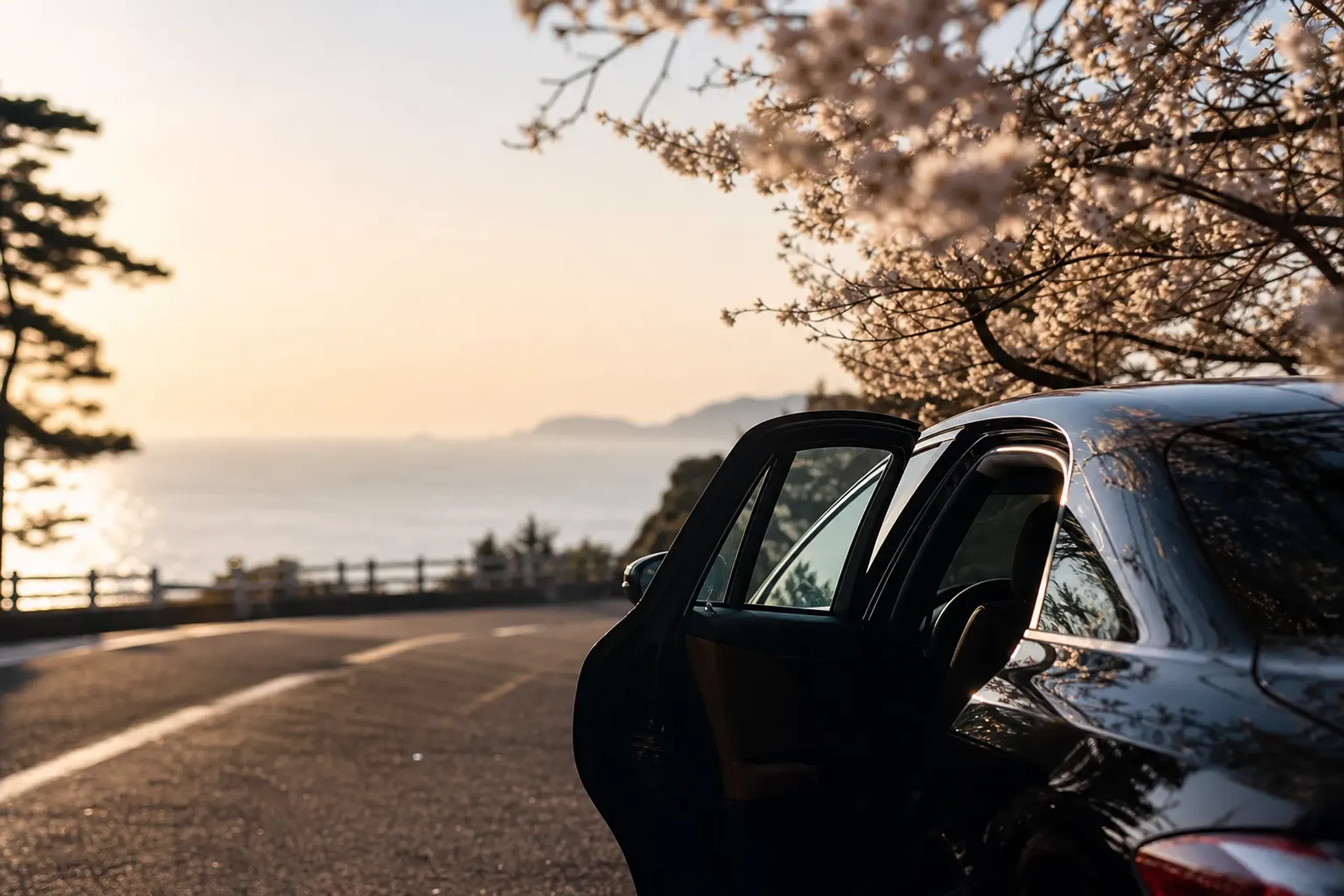
Comfort is not speed. It is control of the day.
Izu is often described as convenient from Tokyo, which matches general guidance found in widely used travel references. Convenience is true. Comfort is optional.
Trains can work well when your base is Ito or Atami-area properties. They are predictable, and they keep you out of traffic.
For families, tight schedules, or multi-town routing, a private transportation day can remove friction—especially when you want to move quietly between a harbor visit, an onsen check-in, and a dinner that does not tolerate lateness. Timing is the luxury.
In our experience, the right vehicle choice is less about “status” and more about how you want the day to feel when you step out: composed, unwrinkled, and mentally ahead of the room.
How Bookings Work For Izu Food Programs And Ryokan Dining
Some Izu food experiences are formalized as published programs. Shizuoka Prefecture’s official gastronomy tourism site lists Izu-area programs, including a 1-night/2-day option described around Nishiizu wasabi and local ingredients.
Ryokan dinners and property dining are generally tied to staying at the property, with menus that change by season and procurement. Specific ingredients can be subject to weather, landing volume, and kitchen judgment.
Official program bookings should be made via the relevant official channels described on those sites, and property dining details should be confirmed directly with the hotel or ryokan. No assumptions.
For questions, contact our concierge.
FAQ: Sea-To-Table Izu For Luxury Travelers
Is Izu realistic for a short trip from Tokyo?
Yes. Ito is commonly used as an onsen base and is reachable by train, making 1–2 nights practical if your schedule is tight.
What is the “signature” fish to request in Izu?
Kinmedai is one of the best-known local favorites. Preparation varies—sashimi when pristine, simmered for depth—so asking what is best today often gets a better result than requesting a fixed dish.
Do I need to do an early-morning port visit to understand provenance?
No. It is helpful, though, if you value the sensory story and want the day to have a clear beginning. Some guests prefer to keep mornings slow and let the chef’s menu carry the narrative.
Where does wasabi fit if I don’t want “sushi-focused” meals?
Fresh wasabi can lift grilled fish, clear broths, and small pickles. Nishiizu is promoted in Shizuoka’s gastronomy programming with a wasabi theme, which can help frame a broader menu.
Can I combine Izu with Kyoto or Hakone in 2026 planning?
Yes, if you keep transfers reasonable and avoid overpacking nights. Izu works well as a quiet interlude between major cities, especially when the aim is recovery and concentration rather than constant sightseeing.
Why Choose Japan Royal Service
Luxury travelers do not choose Izu because it is famous. They choose it because it is legible: you can feel where the food came from, and you can keep your days private while still meeting Japan at full depth.
Our team at Japan Royal Service designs tailor-made journeys that protect time, discretion, and appetite. We favor shokunin encounters over loud itineraries, wabi-sabi calm over glossy “highlights,” and hidden-Japan routing that stays just out of the main current.
Just as important, we treat confidentiality as a default setting. Guest identity, movement patterns, and dining preferences stay quiet.
If you want an Izu sea-to-table journey built around provenance—port to plate, then back to silence—reach our team privately via WhatsApp or LINE, or contact us here.