In this guide
- 01What A Matsuri Actually Is
- 02Choose Your Festival By Intent, Not By Fame
- 03The Real Skill: Moving Through The Crowd Without Being In It
- 04Gion Matsuri: Premium Seats And What They Mean
- 05Where To Sleep During Festival Week
- 06Festival Etiquette For The Considerate Guest
- 07A Gentler Way In: Matsuri Culture In Tokyo
- 08Frequently Asked Questions
- 09Why Choose Japan Royal Service
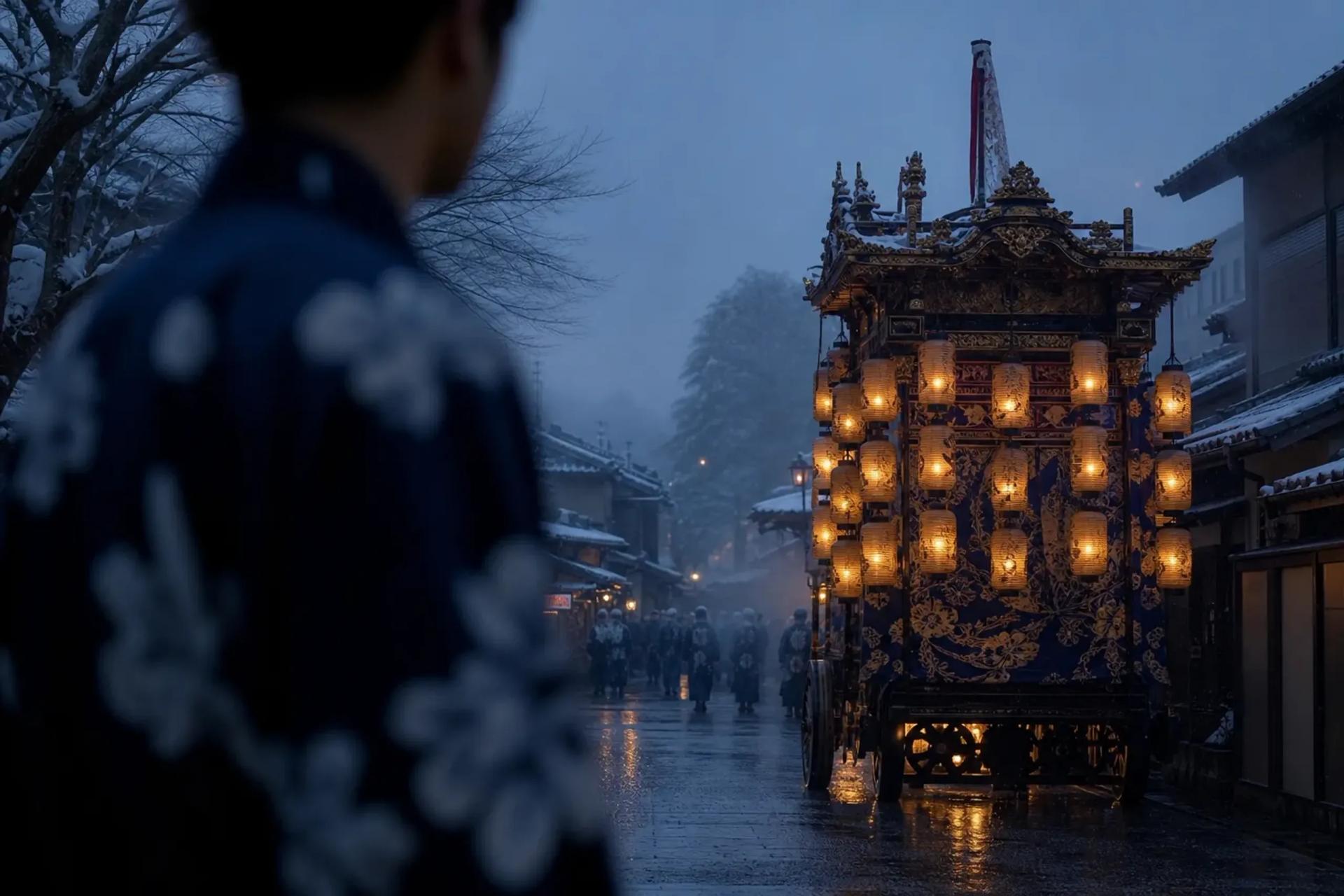
You can hear a matsuri before you see it. A low drum, then a rush of them. Feet on stone. A shout that rises and falls like breathing. Then the crowd parts, and something heavy comes through the street on the shoulders of forty people at once.
That heavy thing is a mikoshi. And inside it, for one night, rides a god.
Most visitors experience Japan's festivals from the wrong end — pinned in a crush of people, unable to move, missing the moment the procession turns. There is another way. The quiet way. This is our field guide to the spirit of the matsuri, and how to meet it on your own terms.
What A Matsuri Actually Is
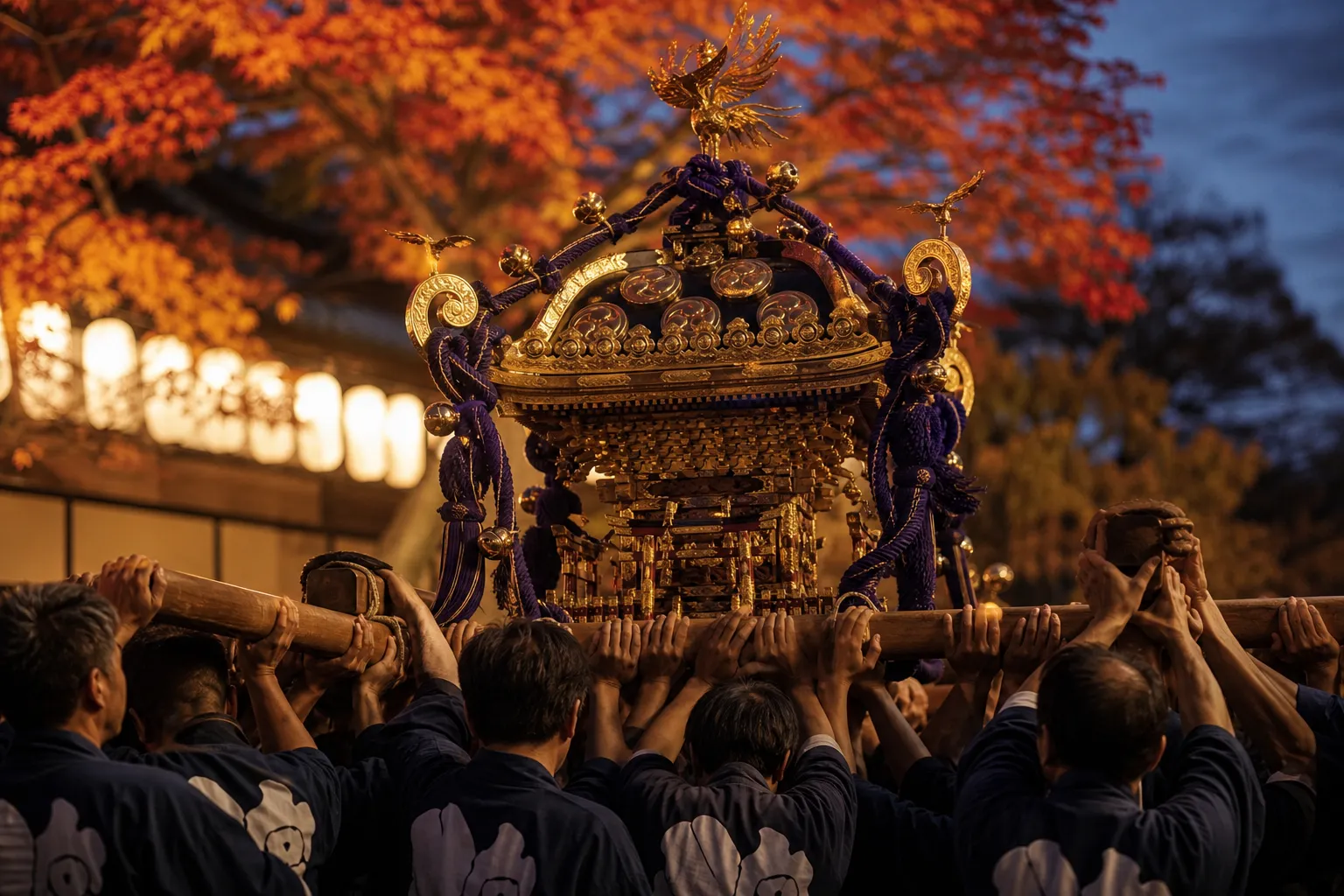
The mikoshi carries the kami into the streets — a prayer in motion.
Strip away the food stalls and the lanterns and you find something older. A matsuri is, at its root, a Shinto act of welcome. The community invites its kami — its guardian deity — out of the shrine and into the streets among the people.
The vessel for this is the mikoshi, a portable shrine carried through the neighborhood. During Osaka's Tenjin Matsuri, for example, the mikoshi is understood to temporarily hold the spirit of the deity enshrined at Osaka Tenmangu. The bearers rock it, jostle it, shout to it. That chaos is not disorder. It is thought to please the kami and amplify its blessing.
So when you watch a procession sway and heave down a lane, you are watching a prayer in motion. Understanding that changes what you see. The energy stops being noise. It becomes intention.
The Three Great Festivals
Japan honors three matsuri above the rest. Kyoto's Gion Matsuri, Osaka's Tenjin Matsuri, and Tokyo's Kanda Matsuri. Each carries centuries of ritual, and each draws enormous crowds. That crowd is the whole problem — and the whole reason to plan differently.
Choose Your Festival By Intent, Not By Fame
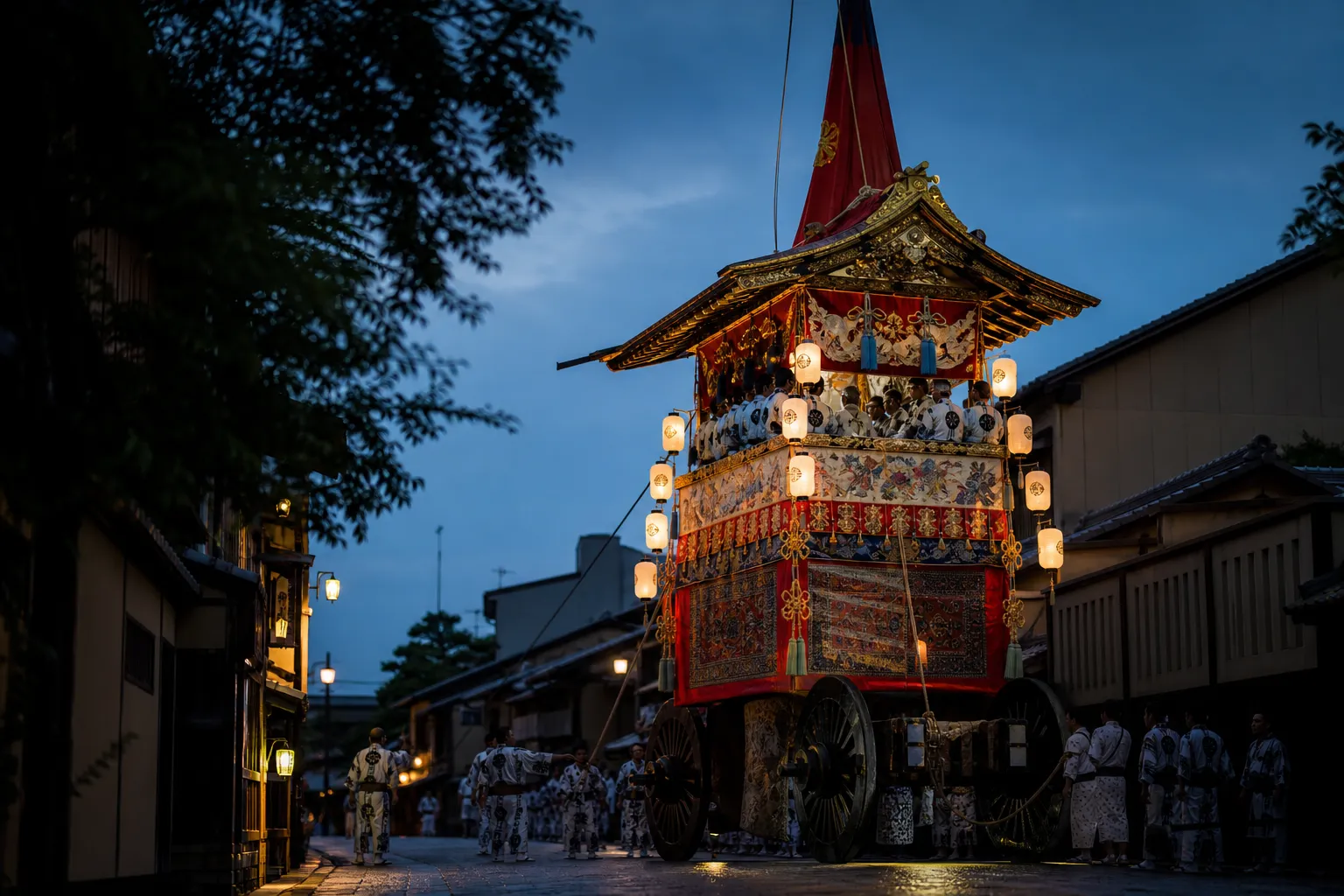
Here is the mistake most first-time luxury travelers make. They chase the biggest name on the calendar, arrive unprepared, and spend the evening in a wall of strangers wondering why everyone raves about it.
Better to start with a question: what do you actually want to feel?
- Ritual and reverence. If you want the spiritual weight — the mikoshi, the shrine rites, the sense of witnessing something sacred — Tenjin Matsuri in Osaka rewards you, especially its river procession and evening fireworks.
- Spectacle and craft. If you want scale, artistry, and the towering floats, Gion Matsuri in Kyoto is the natural choice. The yamaboko floats are rolling museums of textile and lacquer.
- Intimacy and calm. If crowds exhaust you, a smaller festival serves better. Tokyo's Iriya Morning Glory Festival — the Asagao Matsuri, held every year from July 6 to 8 — is Japan's largest festival dedicated to morning glories, and it moves at a gentler pace than the headline events.
None of these is superior. They are different doors into the same tradition. Our concierge starts every festival plan by asking which door suits the guest — not which one photographs best.
The Real Skill: Moving Through The Crowd Without Being In It
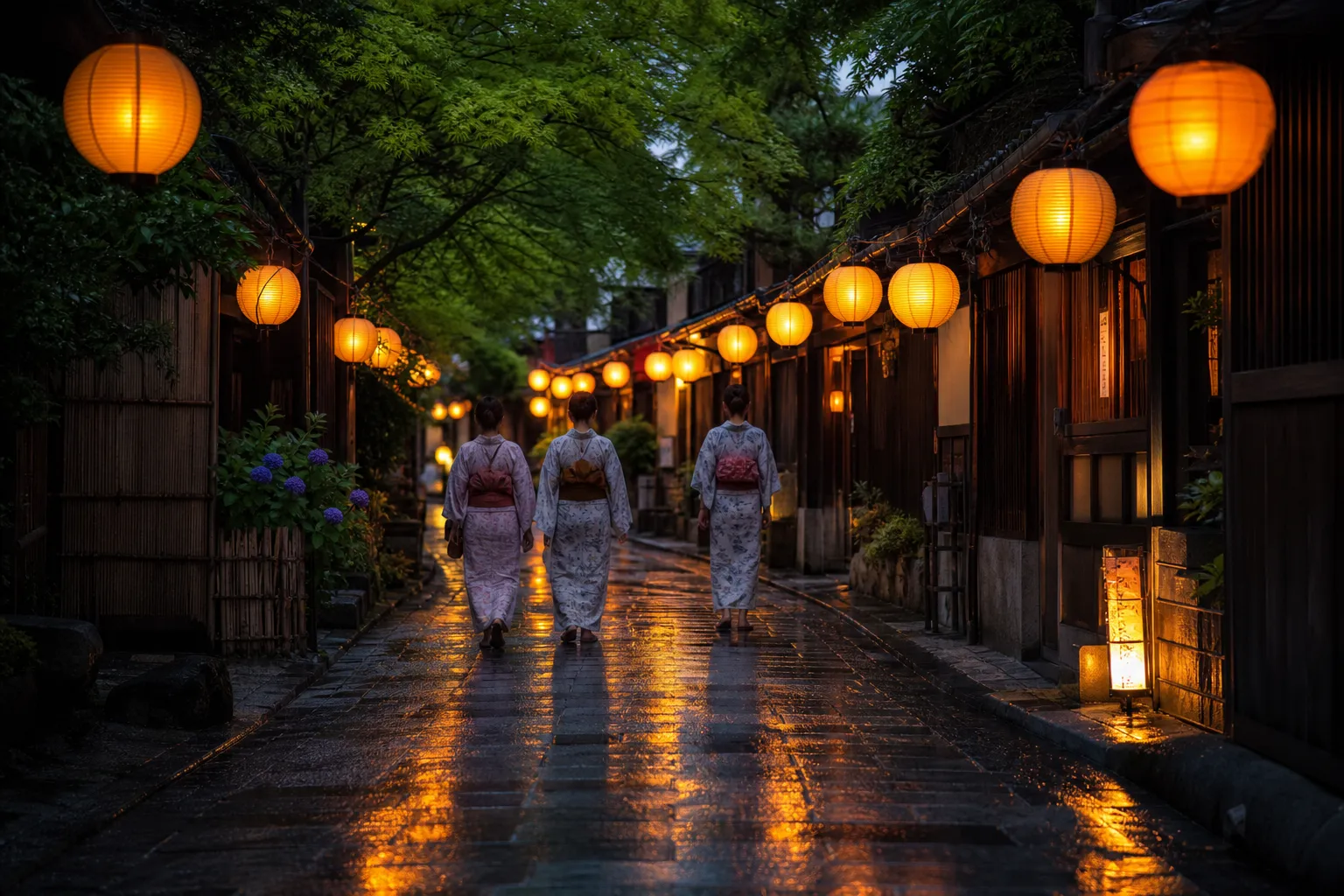
The best festival nights are timed against the crowd, not into it.
This is where planning earns its keep. A matsuri today is not what it was ten years ago. Kyoto now publishes an official digital, GPS-enabled map for the Gion Matsuri Yoiyama and float procession. The city also runs a Kyoto Travel Congestion Forecast tool, letting you check crowding around major spots by date, time, and weather.
We read those forecasts the way a sailor reads tide charts. Then we stage everything around them.
Arrive Against The Grain
Peak pedestrian flow has a rhythm. So we work against it. A private vehicle drops you at a meeting point aligned with official guidance, not at the nearest jammed intersection. You walk in during the trough, not the surge. You are seated before the human tide arrives.
The Kyoto City Tourism Association, coordinating with the Kyoto Prefectural Police, sets the Gion Matsuri viewing arrangements — restricted zones, safer routes, controlled sightlines. Compliance is not a burden here. It is the map to the good seats.
Build In Cool-Down And Rest
Kyoto and Osaka in July are punishing. Heat is the silent thing that ruins festival nights. A proper plan spaces the experience around shaded rest, hydration, and a car within reach — so an elderly parent or a young child never becomes the reason you leave early.
Planning note: Summer festival heat is not a minor detail. Build your evening around one air-conditioned base within a five-minute walk of your viewing point. It is the single decision that most affects whether the night ends in wonder or in exhaustion.
Gion Matsuri: Premium Seats And What They Mean
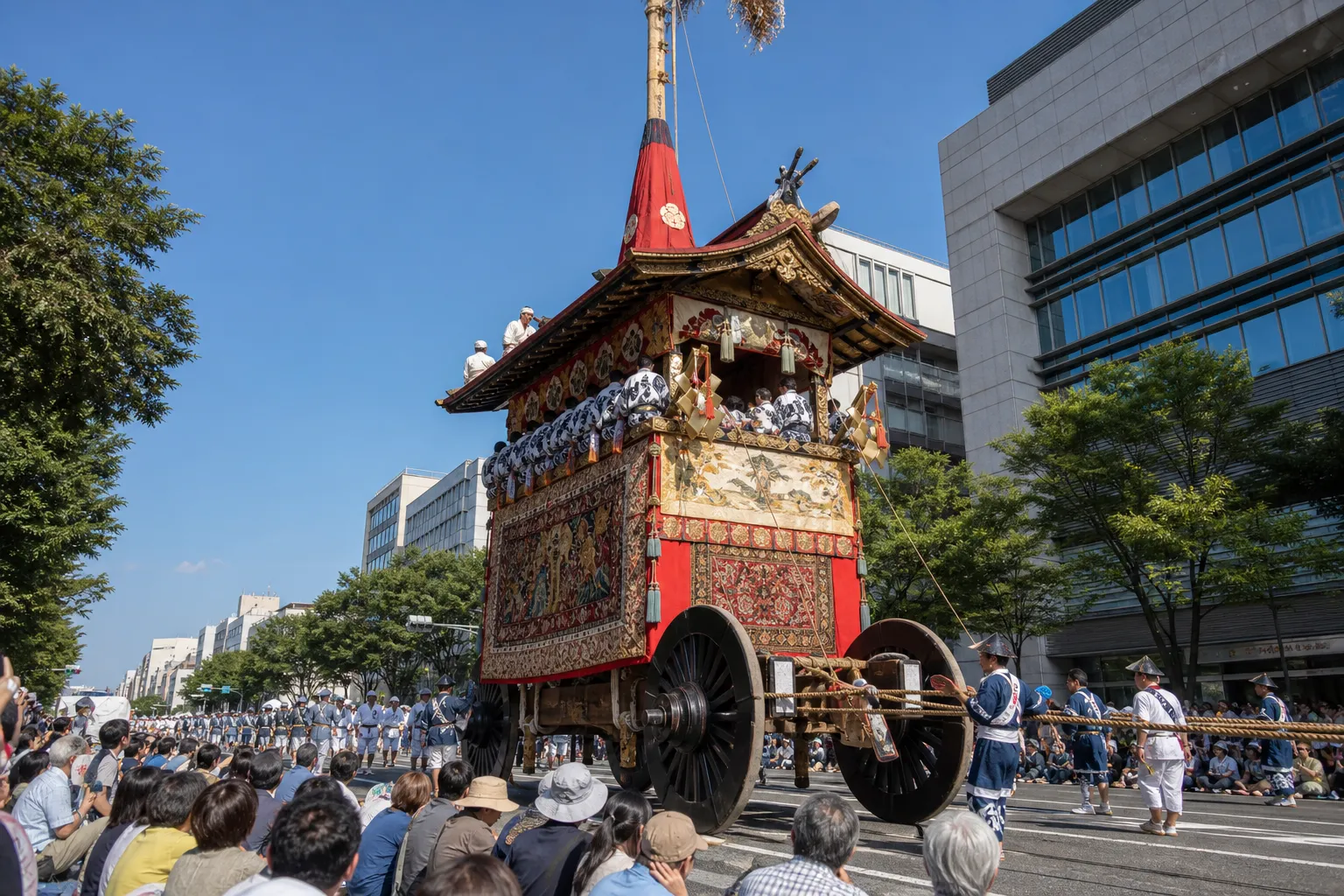
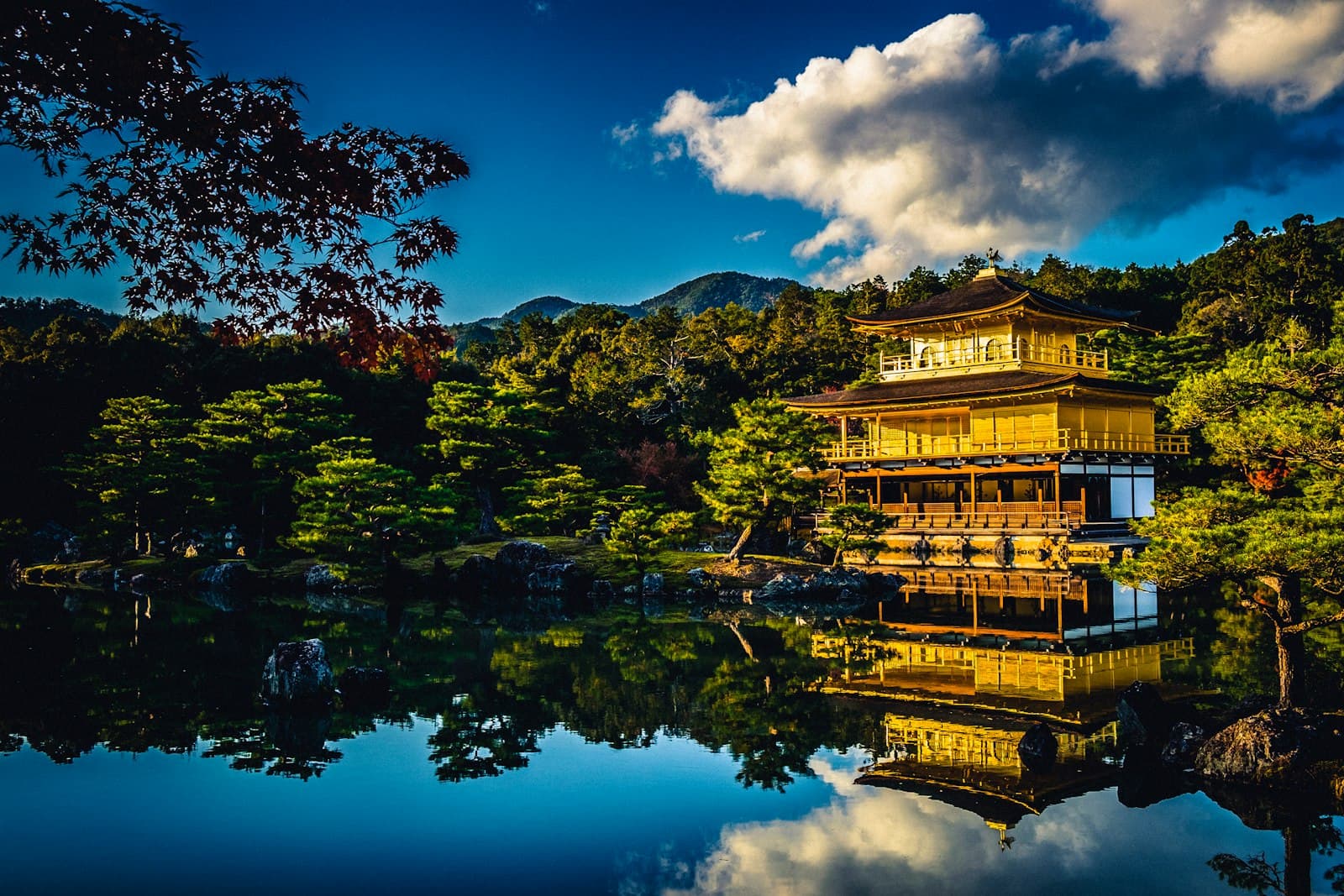
The yamaboko floats are rolling museums of textile and lacquer craft.
Kyoto Travel has published official sales information for the Gion Matsuri parade viewing seats, including front-row Premium Seats. Seat types, pricing and sale dates can change; the JRS concierge team confirms current details directly with the guest at time of arrangement.
A reserved seat solves the two hardest problems at once: you are guaranteed a clear view of the float procession, and you are removed from the standing crush. Everything else builds outward from that anchor.
Guests interested in the official seating may contact our concierge for tailored guidance on timing, location, and how to structure the surrounding hours. Kyoto Travel handles the seat sales directly; we help you understand where a given seat sits, what it sees, and how to reach it without the walk becoming an ordeal.
The Hours Around The Procession Matter More Than The Procession
The parade lasts a set window. The day around it is where a bespoke plan shows its worth. A morning viewing of the yamaboko floats before crowds thicken. A private craft session — kintsugi or calligraphy — in a quiet atelier during the hottest hours. A late kaiseki dinner reserved away from the peak pedestrian streets.
The float becomes one movement in a longer piece of music, rather than a single frantic scramble.
Where To Sleep During Festival Week
During Gion Matsuri, your hotel is not a place to relax. It is a strategic asset. Proximity decides everything.
A calm, design-led hotel within reach of the festival core gives you a quiet room to retreat to when the streets are at their loudest.
Choose a hotel for restraint over spectacle. A base, not a destination in itself. The point is to step out into the festival on your schedule and step back into silence on your terms.
Festival Etiquette For The Considerate Guest
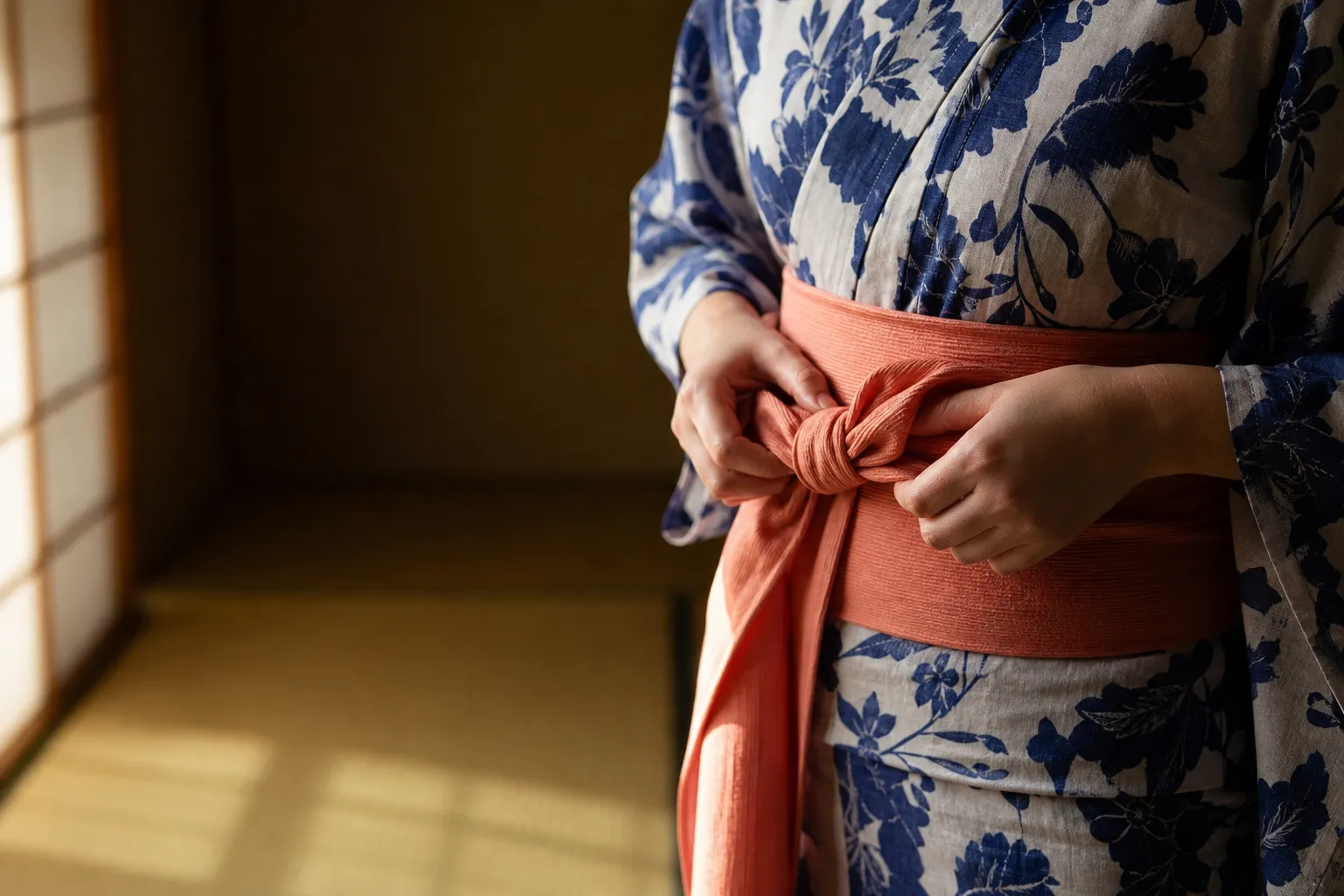
A well-worn yukata is a graceful nod to the occasion — never a costume.
A matsuri is a religious event and a community's own celebration. You are a welcomed guest, not a spectator at a show. Behave accordingly.
- Give the mikoshi room. Never touch it, block it, or force a photo across its path. The bearers are performing a rite.
- Ask before photographing people, especially children and anyone in ceremonial dress.
- Do not eat while walking in dense crowds — stand aside at a stall.
- Honor the restricted zones. Crowd-control measures exist for safety. Working within them is both respectful and, quietly, the route to the best positions.
- Consider a yukata. Many locals wear the light summer kimono to festivals. Worn properly, it is a graceful nod to the occasion — not a costume.
Japan's Tourism Agency continues to expand its overtourism countermeasures. Traveling with awareness of local benefit and crowd sensitivity is no longer optional courtesy. It is the mark of a considerate guest.
A Gentler Way In: Matsuri Culture In Tokyo
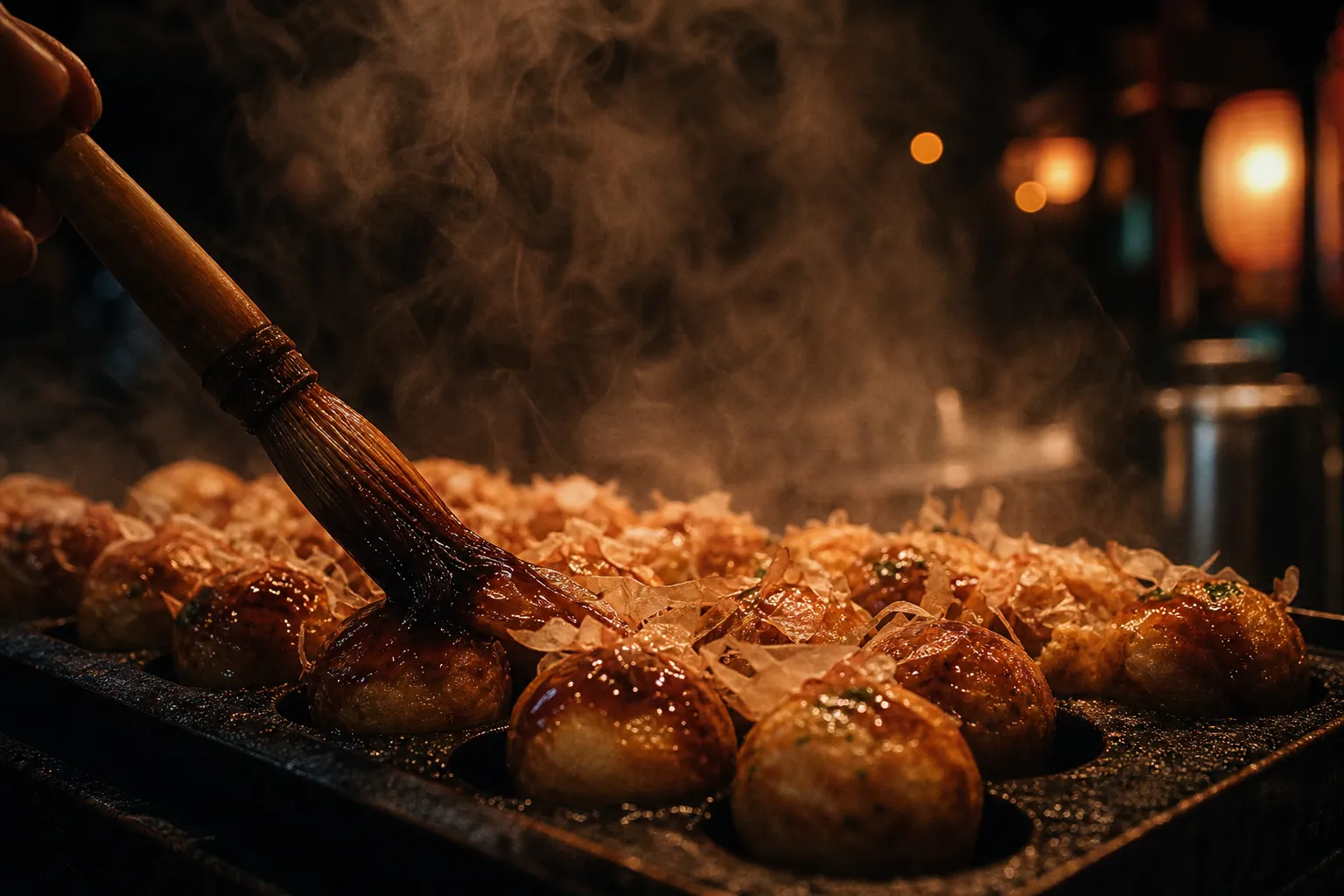
A matsuri feeds the body as generously as it stirs the soul.
Not everyone wants to begin with the full intensity of a great summer festival. There is a softer entry point.
Festival showcases held in Tokyo, gathering festivals and regional food culture from across the country in one setting, offer a taste of the matsuri spirit — the drums, the flavors, the color — without the deep rural logistics. One can be a first sip before a follow-on journey to a single regional festival matched carefully to the guest.
Then there is the food itself, which is half the point. Takoyaki hissing on a griddle, brushed with sauce and dusted with dancing bonito flakes. Charred yakitori. Shaved ice in impossible colors. A matsuri feeds the body as generously as it stirs the soul.
Frequently Asked Questions
When is Gion Matsuri?
Gion Matsuri runs throughout July in Kyoto, with the two float processions as its centerpiece. Official paid viewing seats for the parade are sold in advance; the JRS concierge team confirms current details directly with the guest at time of arrangement.
What is a mikoshi and why does it matter?
A mikoshi is a portable shrine carried through the streets during a matsuri. It symbolically welcomes and temporarily holds the spirit of the shrine's kami, bringing the deity out among the community. Watching one pass is witnessing a Shinto prayer in physical form.
How do I avoid the worst festival crowds?
Use timing and geography. Kyoto's official Congestion Forecast tool and its digital Yoiyama map let you anticipate crowd flow. Arriving during a lull, staging a private vehicle at an approved meeting point, and securing a reserved seat all remove you from the peak crush. Our team builds these plans around the official crowd-control measures.
Which festival is best for a first luxury trip?
It depends on what you want to feel. For spectacle and craft, Gion Matsuri. For ritual depth and river ceremony, Tenjin Matsuri in Osaka. For a calm, small-scale introduction, Tokyo's Iriya Morning Glory Festival (July 6–8) or a festival showcase in Tokyo.
Why Choose Japan Royal Service
Anyone can hand you a festival date. What we offer is the difference between standing in a crowd and standing exactly where you should be.
We build around the things machines cannot: predictive routing read from official congestion data, private transfers staged to official meeting points, cool-down retreats within steps of your viewing seat, and sessions at quiet craft ateliers — kintsugi, calligraphy, shokunin workshops — that fill the hours a festival leaves open.
We do not sell the festival. We shape the space around it, so the spirit of the matsuri reaches you clearly. Unhurried. Unforgotten.
To begin planning, contact our team here.