In this guide
- 01Sumida River Fireworks: The Verified Basics (Date and Place)
- 02Two Launch Sites, Two Sightlines: What Changes On The Ground
- 03Viewing Pathways: What’s Official, Comfortable, And Realistic
- 04Logistics: Transfers, Timing, And The Exit Nobody Thinks About
- 05Elevated Vantages Beyond The River: Skytree, Hotels, And Ethical Viewing
- 06Late-July Tokyo Comfort: Heat, Restrooms, Children, And Older Parents
- 07A Photographer’s Playbook (Without Trespassing Or Bad Manners)
- 08How To Book Official Viewing Options (And What To Decide First)
- 09From Edo Summer To Modern Tokyo: A Brief Cultural Lens (Without The Lecture)
- 10Pairing Fireworks With Quiet Tokyo: Pre-And Post-Event Ideas That Don’t Feel Rushed
- 11FAQ: Sumida River Fireworks Festival For Luxury Travelers
- 12Why Choose Japan Royal Service
Sumida’s fireworks look effortless from afar. They are not.
On the last Saturday in July, the riverbanks around Asakusa compress into a slow-moving wall of people, trains run packed, and small timing mistakes multiply fast. One missed turn can lose you half an hour of the night.
Our team at Japan Royal Service wrote this guide for travelers who want the spectacle without the street-level friction. Not louder. Just cleaner, calmer, and clear.
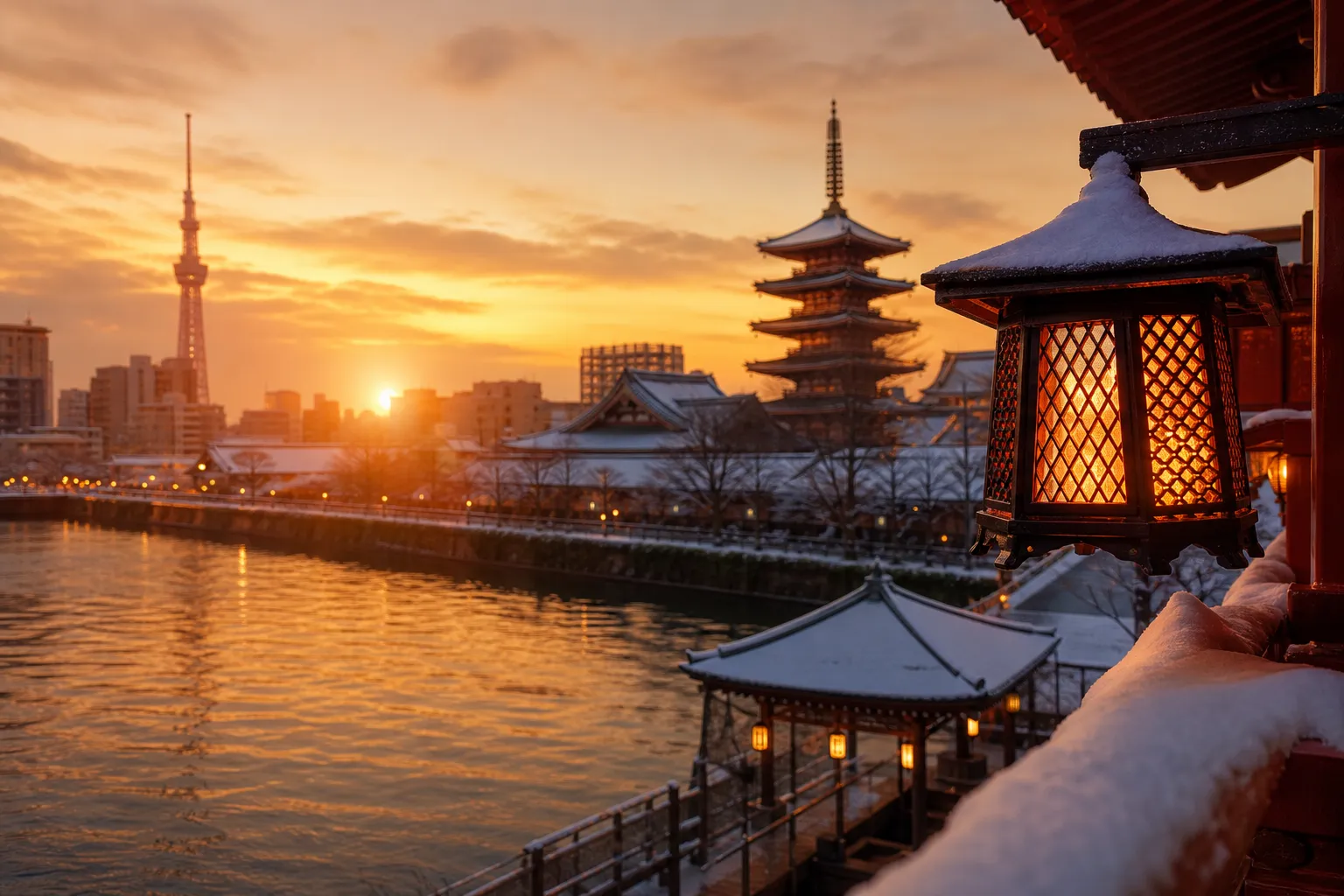
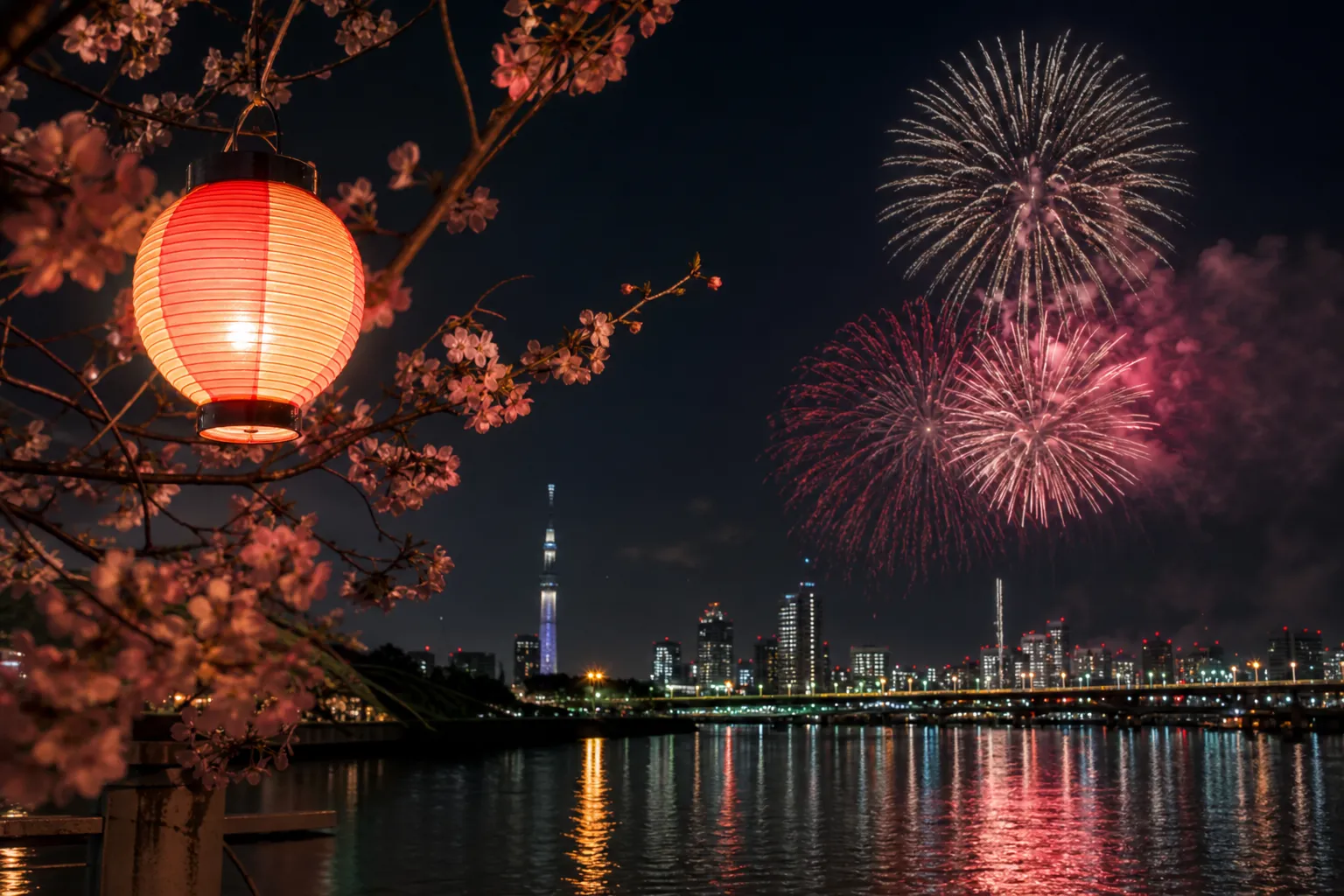
A river-wide view helps you understand why sightlines and timing matter more than hype.
Sumida River Fireworks: The Verified Basics (Date and Place)
Start with what is certain. It keeps every other decision honest.
The Sumida River Fireworks Festival is held on the Sumida River near Asakusa in Tokyo. The festival is described as held on the last Saturday in July.
General admission viewing areas are described as free in public event listings. That “free,” though, often comes with long waits, heat, and tight personal space.
Key fact: The Official Tokyo Travel Guide (GO TOKYO) traces the festival’s history back to 1733.
How to Plan the Night
Many experienced travelers assume Tokyo crowds are manageable with “good planning.” It’s a tempting idea.
Then July humidity arrives, the sidewalks narrow, and your dinner reservation ends a little late. Suddenly you are walking into the densest part of the city, at the exact wrong minute.
A good plan is a clear viewing choice and a calm exit.
Two Launch Sites, Two Sightlines: What Changes On The Ground
The festival uses two launch sites along the Sumida River. That single detail shapes everything.
It affects where crowds concentrate, which bridges become choke points, and why some “great on a map” viewpoints feel oddly blocked in real life. Expect constant movement as people try to optimize sightlines mid-show. It rarely ends well.
A Simple Way To Think About It
Keep it plain. Choose one “anchor” and commit.
Your anchor is the place you will already be when the first fireworks go up. A river cruise, an official high vantage, or a fixed seat beats a roaming plan every time.
Restraint wins. Fewer moves, fewer regrets.
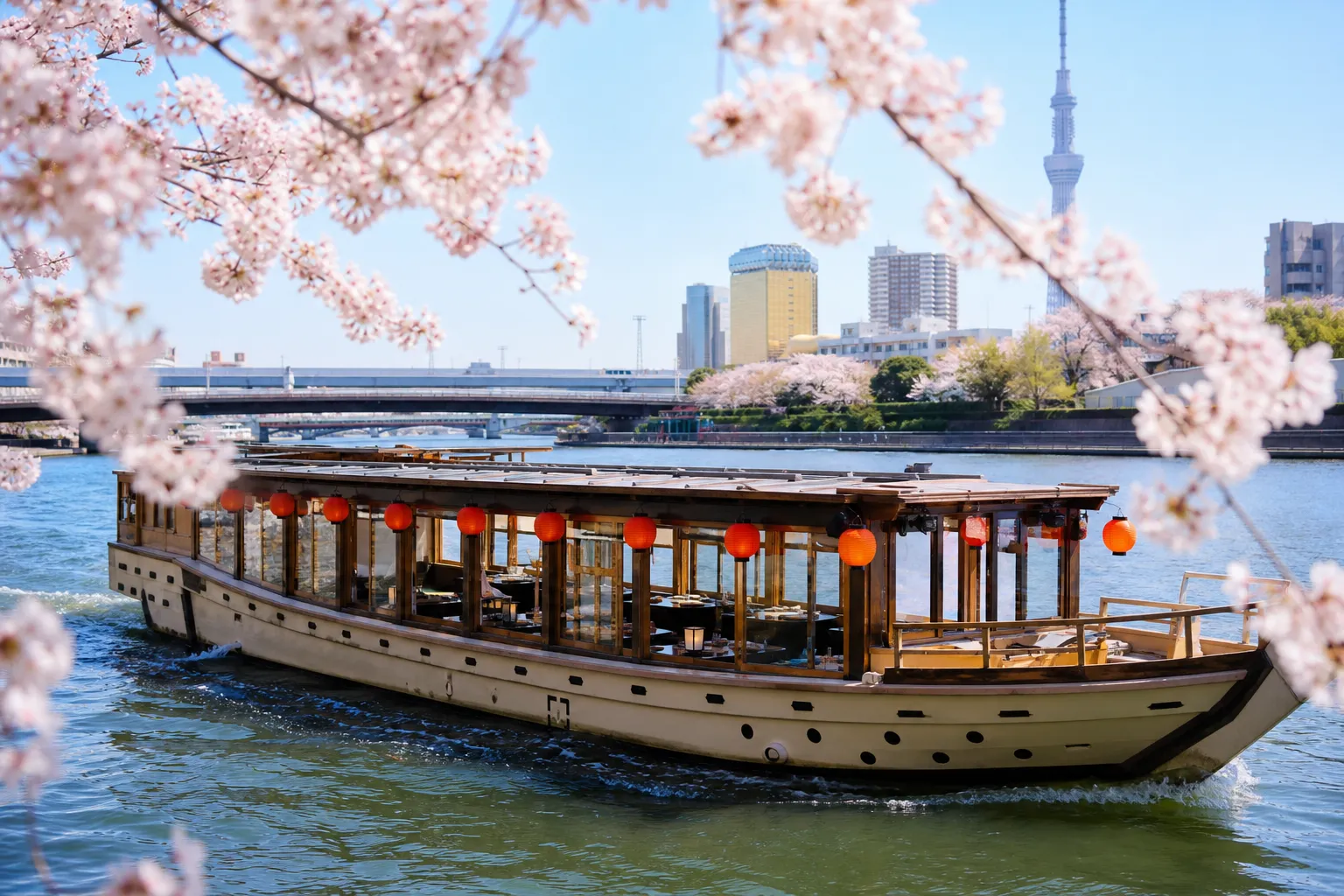
A yakatabune shifts the evening from crowd-management to calm, seated viewing.
Viewing Pathways: What’s Official, Comfortable, And Realistic
There are several legitimate ways to watch Sumida without becoming part of the crush. Not all are equal.
Below is the spectrum, from most controlled to most spontaneous. Guests can choose one pathway, a "river level" or a "high level" view. The festival is a single night, so the two cannot be combined.
Option A: Tokyo Skytree’s Special Opening (Lottery-Based)
Tokyo Skytree is a premium alternative because it offers height, structure, and a controlled entry flow. It is also time-sensitive.
Tokyo Skytree has run an online lottery for the festival night. Check the official Tokyo Skytree site for the current year’s dates.
- Best for: travelers who want air-conditioned comfort and a fixed, elevated vantage.
- Watch for: lottery deadlines and instructions on the official Skytree site.
- Reality check: a high viewpoint changes how fireworks feel—more “geometry,” less “boom.” Some guests prefer that.
Option B: Official Sumida Fireworks Cruising
An official cruise operator publishes a Sumida River Fireworks Festival cruising product. This is a straightforward, verifiable option for guests who want a structured event cruise from a recognized operator.
It trades spontaneity for order. For many travelers, that is a smart trade.
- Best for: guests who want a formal product with clear terms from the operator.
- What you’re buying: a viewing environment and a river-based buffer from street crowds.
Option C: Yakatabune Fireworks Cruising (Shared Or Private Charter)
Yakatabune are traditional roofed boats that have long been part of Tokyo’s river culture. On a fireworks night, they become a floating dining room with a moving horizon line.
Yakatabune operators list “Fireworks Cruise” among their plan categories, so organized fireworks offerings exist.
- Shared yakatabune: shared with other guests, still far calmer than the riverbank.
- Private yakatabune charter: your own party on board, with more control over pacing.
- Practical note: boarding points and return routes matter as much as the boat itself.
Option D: Street-Level Viewing (Only If You Truly Want The Crowd)
Sumida Park is a real riverside park along the Sumida River, and it is one of the places people naturally gravitate to in July. For some travelers, that atmosphere is the point.
If you choose street-level viewing, do it with eyes open. The trade-off is time, heat, and patience.
Street-level viewing is a poor fit for families with small children or travelers sensitive to crowds. Not on this night.
The last 30 minutes—pickup, route, and timing—often decide whether the night ends well.
Logistics: Transfers, Timing, And The Exit Nobody Thinks About
Fireworks end. The city does not gently disperse.
Most disappointment happens after the last burst, when thousands of people move at once toward the same stations and the same bridges. You feel it in your shoulders. You also feel it in your schedule the next morning.
Our Ground Rules For A Calm Night
We plan this evening like a formal event, not a casual stroll. It changes the outcome.
- Arrive early on purpose: build a buffer for road restrictions and slow pedestrian flow.
- Use a fixed pickup point: your driver should not be improvising on crowded streets.
- Separate “arrival energy” from “departure energy”: they are different crowds, with different bottlenecks.
Private Transport That Matches The Night
For many guests, the vehicle is where the evening becomes quiet again. That matters.
Japan Royal Service arranges private transfers across Tokyo and beyond, in vehicles from partner companies with English-speaking drivers, suited to the party size.
Small detail. Big difference.
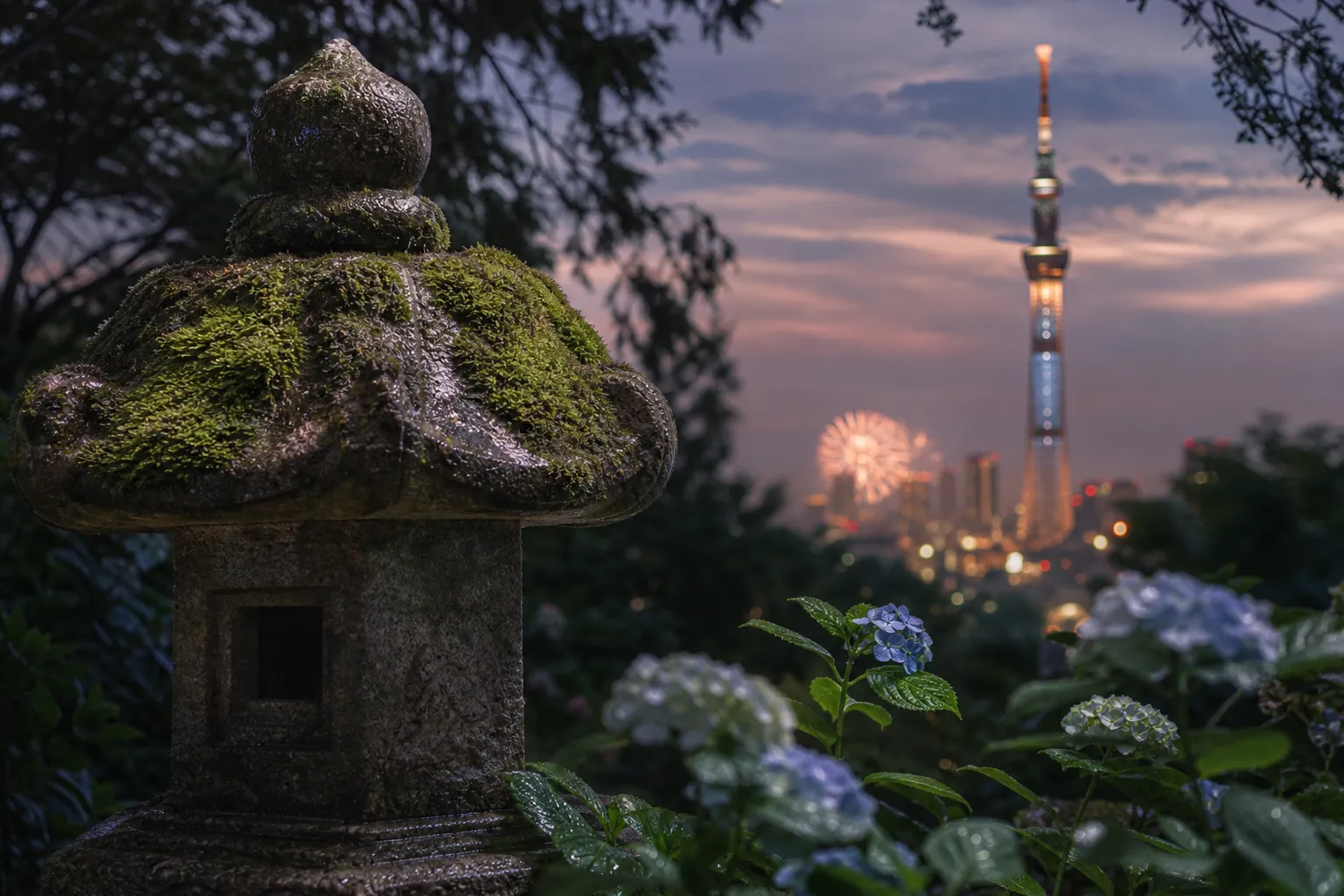
Skytree’s official special opening is a verifiable premium pathway when street-level crowds are not your style.
Elevated Vantages Beyond The River: Skytree, Hotels, And Ethical Viewing
High vantages reduce crowd pressure. They also demand restraint.
We advise guests to avoid rooftop viewing advertised online without clear permission. Trespass, nuisance, and questionable sightlines are a poor match for a refined trip. Tokyo is strict when it needs to be.
Tokyo Skytree As The Clean, Verifiable High-Vantage Choice
When travelers ask us for "official viewing," we like options that are official and clearly documented. Tokyo Skytree’s special opening for the festival night fits that standard.
If you plan to enter the lottery, check the official Tokyo Skytree site for the current year’s dates. Don’t assume you will remember in the middle of summer travel planning.
Premium Hotel Suites: Ask The Right Question
Not every “river view” is a fireworks view. Buildings angle, bridges cut the horizon, and distance dulls the scale.
If you are considering a suite, the right question is specific: “Is the Sumida River fireworks launch visible from this room on this date?” Anything vaguer invites disappointment.
For tailored guidance, contact our concierge team. We keep it factual and practical.
Late-July Tokyo Comfort: Heat, Restrooms, Children, And Older Parents
Tokyo in late July is serious weather. Plan like it.
Even a short walk can feel long when humidity climbs and crowds slow your pace. Restrooms are harder to find than most people expect once you commit to a riverbank spot. This is where a controlled environment—Skytree or a cruise—quietly pays for itself.
What We Suggest Packing (And What We Suggest Skipping)
Keep it minimal. Carrying too much becomes a problem in a crowd.
- Bring: small towel, water, handheld fan, electrolyte tablets, compact umbrella for sun.
- Consider: a lightweight yukata only if you already know how you move in it.
- Skip: oversized bags and anything that needs constant adjusting.
Accessibility And Pace
If you are traveling with older parents, a mobility issue, or a child who melts down in heat, choose the calmer pathway. Full stop.
A river cruise or an official high vantage reduces the number of difficult variables at once. It also makes your exit predictable, which is the true luxury on this night.
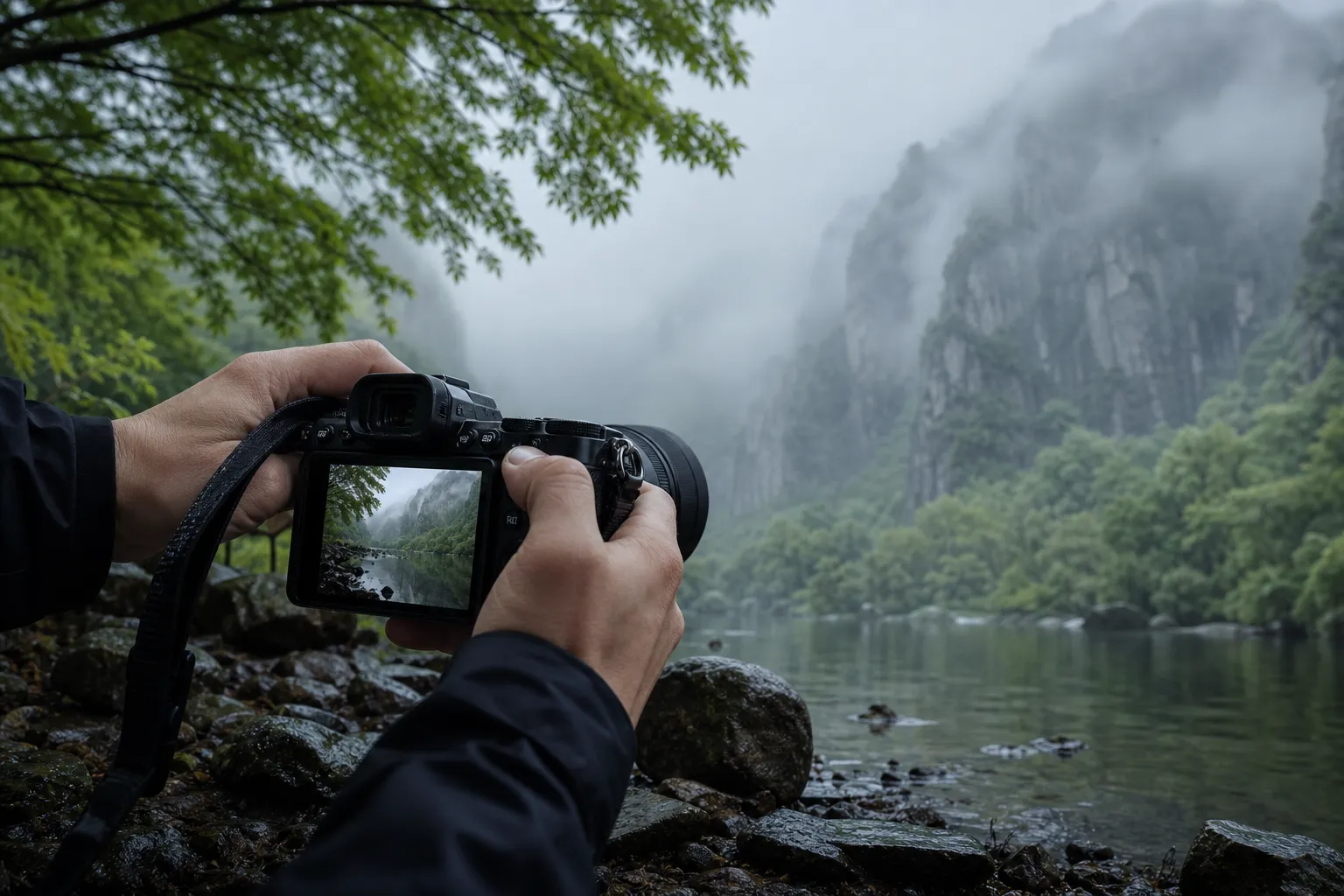
Preparation beats pushing forward; small, stable setups work best in festival density.
A Photographer’s Playbook (Without Trespassing Or Bad Manners)
Great photos come from preparation, not from pushing forward at the last second.
On crowded streets, tripods can be hazardous and unwelcome. A small, stable setup and a fixed position are usually the better choice. Quiet behavior travels far in Japan.
What Works From Each Viewing Style
Each pathway favors a different look. Pick your aesthetic before you pick your seat.
- Yakatabune: lower angle, reflections on the river, occasional silhouettes of bridges and shoreline.
- Skytree: higher composition, the city grid, fireworks as bright punctuation.
- Street-level: the human atmosphere—yukata, food stalls, lantern light—if you can hold your ground.
Leave space. Let the night breathe.
How To Book Official Viewing Options (And What To Decide First)
This is where most planning articles get slippery. We won’t.
Tokyo Skytree’s festival-night access is tied to an online lottery on the official Skytree site, which opens for applications ahead of the festival. Official cruising products are published by the operators themselves. Yakatabune operators’ own listings are a credible starting point for exploring “Fireworks Cruise” plans.
Your Decision Tree In 60 Seconds
Make one choice first. Everything else follows.
- If you want air-conditioned structure: focus on Tokyo Skytree’s special opening lottery process.
- If you want the river experience with fewer crowds: compare official cruising versus yakatabune options (shared or charter).
- If you want the street atmosphere: accept the trade-offs and simplify the rest of the day.
Key fact: Seats, cruises and lottery places are sold by the organisers and operators, and none is guaranteed. The JRS concierge team confirms directly with the guest at time of arrangement which official options are open.
From Edo Summer To Modern Tokyo: A Brief Cultural Lens (Without The Lecture)
The Sumida River fireworks are not just a “big event.” They carry memory.
GO TOKYO traces the festival’s history back to 1733. That era still echoes around the river: old bridges, old neighborhood names, and a sense that summer in Tokyo has always been negotiated in public spaces.
Our preferred way to experience it is shokunin-minded. Look for craft, not noise. Pay attention to how the city manages order under pressure, and how quickly it becomes calm again once the crowds thin.
A Tiny Glossary You’ll Actually Use
- Hanabi: fireworks.
- Yukata: light summer kimono, commonly worn to festivals.
- Yakatabune: traditional-style roofed boat, often used for dining cruises.
Pairing Fireworks With Quiet Tokyo: Pre-And Post-Event Ideas That Don’t Feel Rushed
A good evening in Tokyo has contrast. Fireworks, then silence.
Pairing the festival with a calm morning elsewhere—gardens, galleries, or a late breakfast—keeps the day from becoming one long line. Keep the afternoon deliberately light. Save your energy for the evening.
Tokyo offers quieter places before and after the fireworks. Step one block away from the main flow, and the city changes.
A Simple Micro-Itinerary Rhythm
This is the shape, not a script.
- Morning: a slow start and one focused visit.
- Midday: rest, hydration, and wardrobe reset.
- Evening: fixed viewing plan, then a controlled exit.
FAQ: Sumida River Fireworks Festival For Luxury Travelers
When Is The Sumida River Fireworks Festival?
The festival is described as held on the last Saturday in July.
Where Is It Held?
It is held on the Sumida River near Asakusa in Tokyo.
Is The Festival Free?
General viewing areas are described as free in public event listings. Premium options such as official special openings or cruises depend on the provider’s terms.
What Is A Comfortable Way To Watch Without Heavy Crowds?
Many travelers prefer structured options such as Tokyo Skytree’s special opening (lottery-based) or an official fireworks cruise. Yakatabune plans are another crowd-avoidance pathway.
How Do I Apply For Tokyo Skytree’s Special Opening Lottery?
Tokyo Skytree has run an online lottery for the festival night. Check the official Tokyo Skytree site for the current year’s dates. Follow the instructions on that official page for eligibility and deadlines.
Can I Do A Private Yakatabune Charter For Sumida Fireworks?
Yakatabune operators offer “Fireworks Cruise” plans, as indicated by the Tokyo Yakatabune Association’s plan categories. Availability and conditions vary by operator. For tailored guidance on what to look for, contact our concierge team.
Why Choose Japan Royal Service
Luxury in Japan is fragile. It can be ruined by one crowded platform or one plan that looks good online but collapses on the street.
Our team at Japan Royal Service plans Sumida fireworks evenings around the official viewing options, the timing and the exit. We focus on legitimate viewing pathways—official lotteries, recognized cruise operators, and credible industry sources—then build the transfers and pacing around your needs.
Guests come to us for a night that feels planned, not chaotic.
To begin planning, contact our team here.