In this guide
- 01Kombu Is The Quiet Foundation Of Japanese Taste
- 02What Happens At Kombu To Men Kiichi (And Why It Feels So Different)
- 03Kombu Varieties: How To Taste The Differences Like A Traveler, Not A Chef
- 04Kyoto’s Quiet Food Culture: Restraint As A Form Of Luxury
- 05Dashi Literacy In Kyoto: A Verified Workshop At Uneno (Founded 1903)
- 06From Hokkaido Kelp Forests To Kyoto Bowls: The Geography Behind The Flavor
- 07The 2026 “Seaweed Moment”: Wellness Curiosity, Scarcity, And Why Kombu Craft Matters
- 08A Quiet One-Day Kyoto Plan Built Around Kombu (A Template)
- 09FAQ: Kombu, Kiichi, And Umami In Kyoto
- 10Why Choose Japan Royal Service
Most travelers think “umami” is a single taste you either like or you don’t. Then they sit at the counter at Kombu to Men Kiichi in Kyoto, taste a few varieties of kombu, and realize they have been missing the point.
It isn’t loud. It isn’t heavy. It is precise—almost architectural—built from aroma, clarity, and a soft, lingering depth that doesn’t need a sauce to announce itself.
After Kiichi, guests may never think of broth the same way again. Our team at Japan Royal Service often sees that shift happen in real time.
Kombu Is The Quiet Foundation Of Japanese Taste
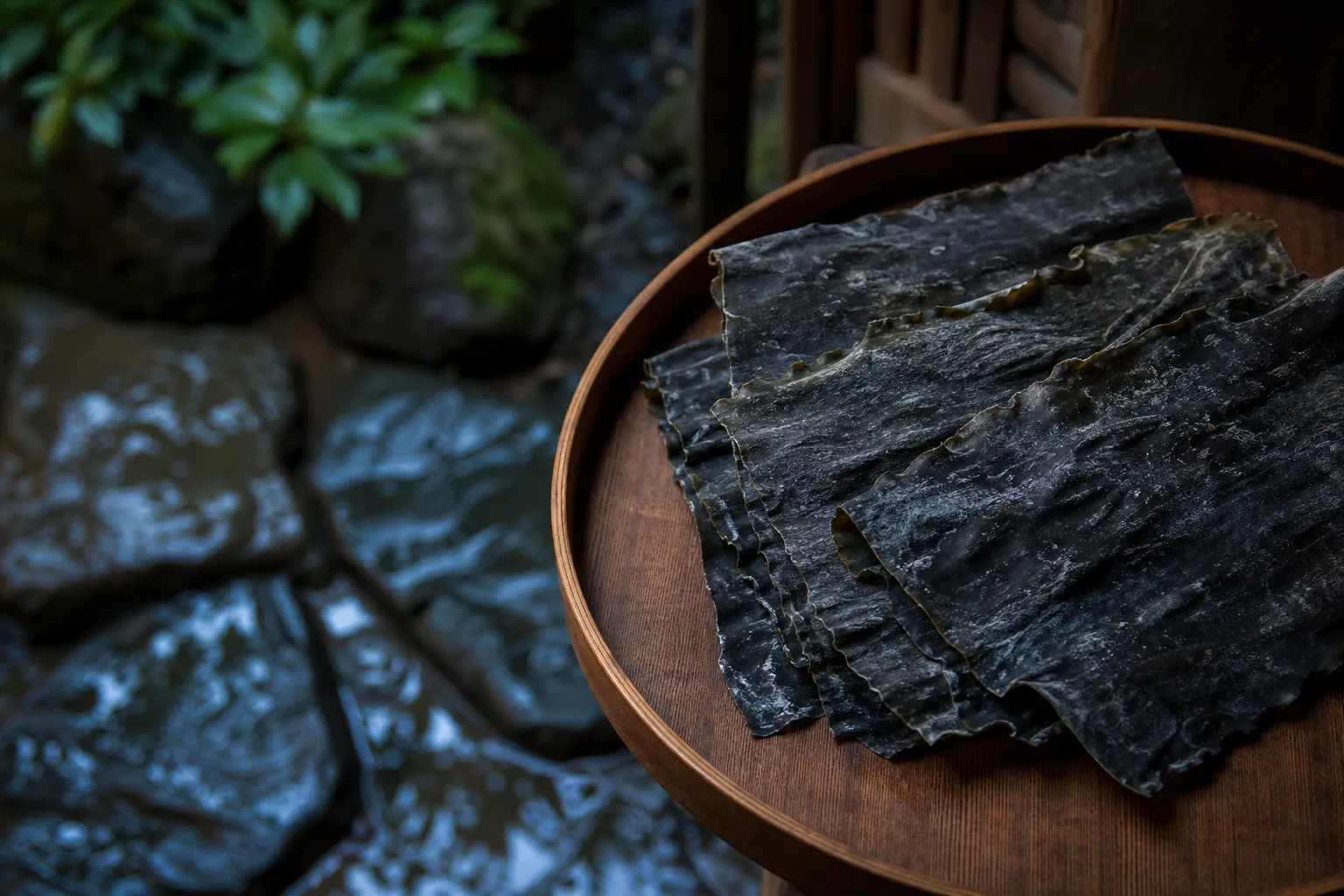
Kombu (kelp) is not a garnish in Japanese cooking. It is scaffolding.
In dashi—the broth base of many Japanese dishes—kombu brings a clean, oceanic depth that feels more like resonance than flavor. Small detail. Big consequences.
This is why kombu matters to luxury travelers. It is one of the simplest places to see Japan’s preference for restraint, and it pairs naturally with wabi-sabi: a kind of refinement that avoids theatrics.
Umami, Explained Without The Lecture
Umami is often described as “savory,” but that word is too blunt. Think of it as a gentle fullness on the tongue.
It doesn’t hit and vanish. It settles, then stays.
Kombu-driven umami is especially good at this. It can feel clear and almost weightless, which is why Kyoto—Japan’s city of measured tastes—treats it with unusual respect.
What Happens At Kombu To Men Kiichi (And Why It Feels So Different)
Kombu to Men Kiichi is recognized as a Bib Gourmand restaurant in the MICHELIN Guide. That matters, but not because of prestige.
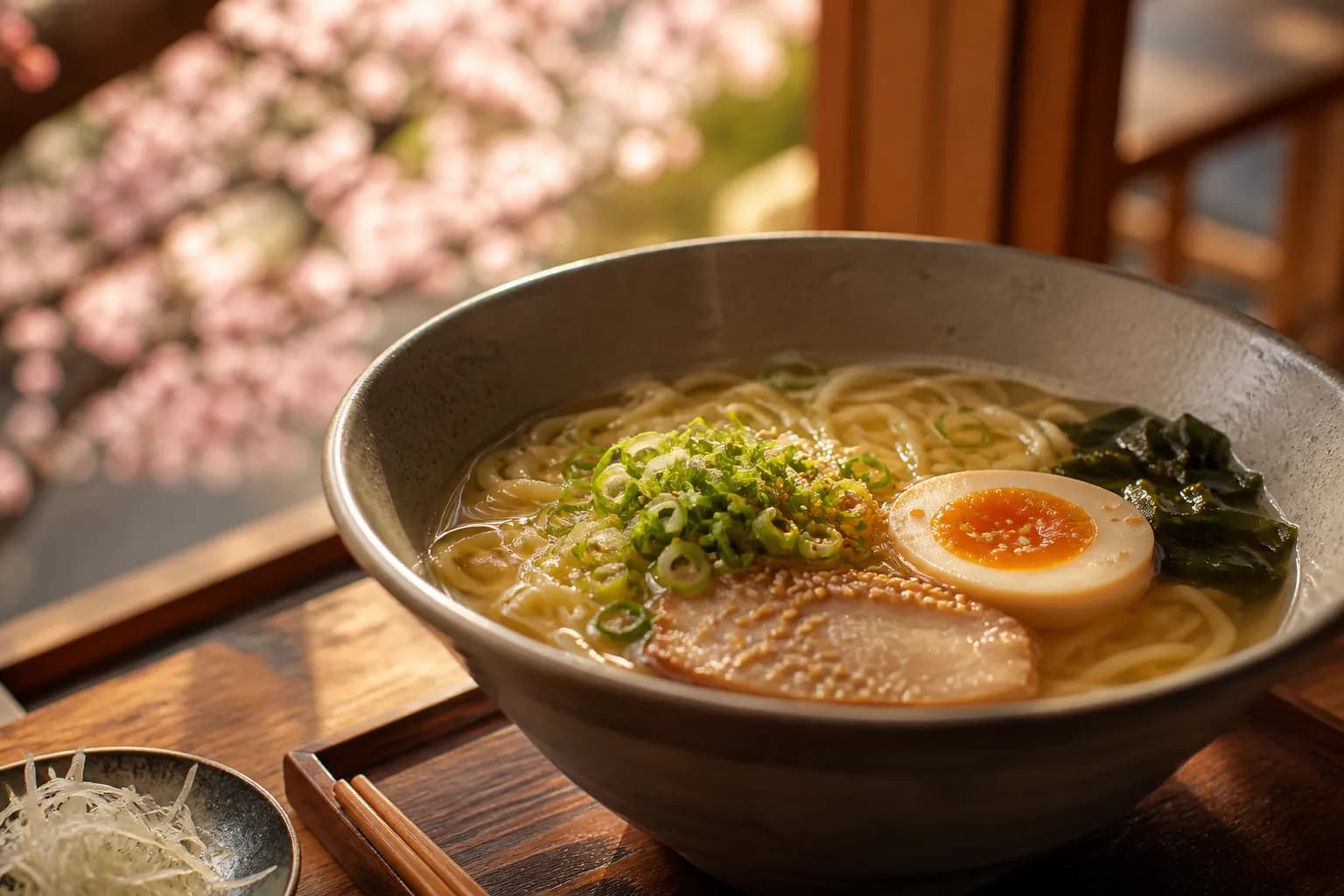
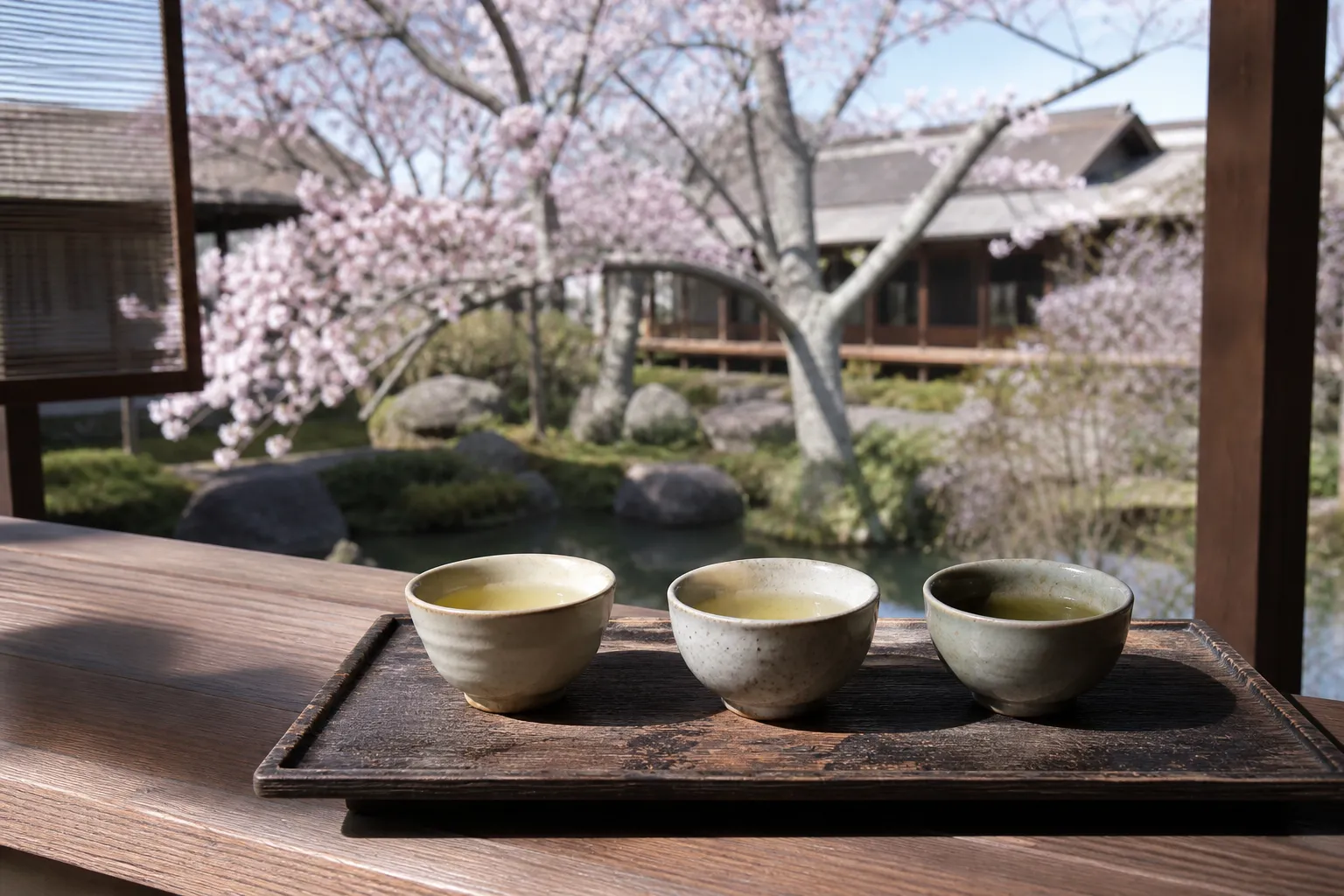
It matters because MICHELIN describes something specific: the meal begins with an introduction to different kombu varieties—such as Rishiri, Rausu, and makombu—often including tastings like kombu water. Then comes a bowl whose soup is unusual in that no sauce is used in the soup.
No safety net. No distraction. Just the broth, the noodles, and your attention.
A Counter Seat That Teaches You To Taste
At Kiichi, the opening kombu tasting changes the rest of the meal. It tunes your palate.
You start noticing what you normally miss. Aroma first, then color, then the way the broth sits on the tongue.
This is Kyoto food culture at its best: quietly educational, never pushy, and confident enough to let silence do some of the work.
Kombu Varieties: How To Taste The Differences Like A Traveler, Not A Chef
You do not need technical language to taste kombu well. You need a calm pace and a few simple prompts.
Our concierge team at Japan Royal Service often suggests guests focus on four signals. That’s enough.
- Aroma: Does it smell marine and bright, or deeper and more rounded?
- Color: Is the broth pale and clear, or slightly darker?
- Mouthfeel: Does it feel silky, or more assertive on the palate?
- Finish: Does the umami fade quickly, or linger with a gentle pull?
Stay with those cues. Don’t rush.
Rishiri, Rausu, Makombu: A Traveler’s Mental Map
MICHELIN’s Kiichi description names kombu varieties such as Rishiri, Rausu, and makombu. You may taste them before you even see a bowl.
Here is a practical way to remember what you experience, without turning lunch into homework.
Key fact: At Kombu to Men Kiichi, the meal begins with an introduction to kombu varieties and may include tastings such as kombu water, according to the MICHELIN Guide.
Rishiri often reads as clean and sharply defined. Rausu can feel more layered and deep. Makombu is a name many guests remember because it feels classic—balanced, steady, and composed.
The exact impression will vary by preparation. That’s part of the point.
Kyoto’s Quiet Food Culture: Restraint As A Form Of Luxury
Kyoto is not interested in proving itself at every meal. It prefers continuity.
Many of the city’s most meaningful food experiences are built around fundamentals: broth, rice, seasonal vegetables, careful knife work. Quiet pride.
This is where wabi-sabi becomes edible. Not “rustic.” Not “minimal.” Just a refusal to add noise when clarity will do.
Why A Sauce-Free Soup Matters
In the MICHELIN Guide description, Kiichi’s soup is unusual because no sauce is used in the soup. That choice is a statement.
It means the kitchen is inviting you to meet the broth on its own terms. That is a very Kyoto way of doing things.
For a luxury traveler, this can feel oddly refreshing. No performance. No sales pitch. Just craft.
Dashi Literacy In Kyoto: A Verified Workshop At Uneno (Founded 1903)
If Kiichi is the “aha” moment, a dashi workshop can be the “now I understand” moment. In Kyoto, a verified option is the dashi-focused experience offered via Wabunka at Uneno, a Kyoto dashi store founded in 1903.
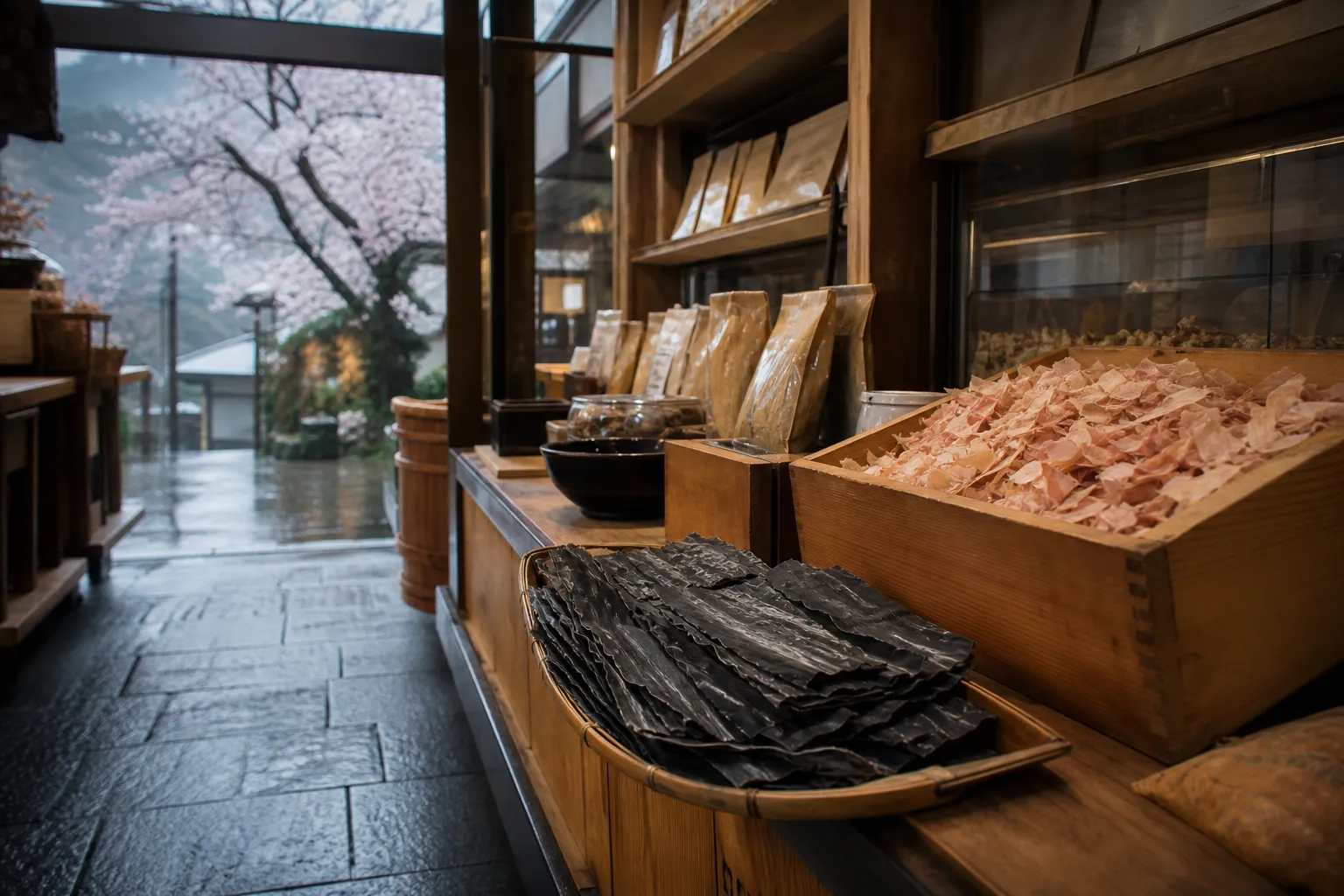
This experience teaches dashi as a cornerstone of washoku, using kombu and bonito flakes. Simple ingredients. Serious nuance.
For guests who like to connect the dots, it is a clean next step after Kiichi—still approachable, still calm, but more explicit about method.
How To Book The Uneno Dashi Experience (Official Channels)
Bookings for the Uneno dashi experience are made via Wabunka’s official listing. Availability can be limited, and schedules can change.
If you want help choosing the right day, pairing it with a temple visit, or keeping the pace comfortable, contact our concierge team at Japan Royal Service for tailored guidance.

From Hokkaido Kelp Forests To Kyoto Bowls: The Geography Behind The Flavor
Kombu is not only “a Kyoto thing.” Kyoto is simply one of the most articulate places to taste it.
For provenance, Hokkaido is essential. Japan’s official National Parks site notes that the coastal waters of Rishiri-Rebun-Sarobetsu National Park support kelp forests that foster seafood, and that kelp (kombu) plays an essential role in Japanese cuisine. It also notes kombu has been harvested and air-dried for centuries and transported throughout Japan.
Once you know that, a bowl in Kyoto starts to feel like the final chapter of a much longer story.
Two Ways Our Guests Often Explore This Story
Some guests want to keep it city-based. Others want to follow the ingredient north.
Option A: Kyoto-Only, With Depth
A focused Kyoto day can include Kiichi, a dashi education experience, and a slow afternoon in a garden or temple precinct where your palate has time to settle.
- Best for: HNW travelers with limited days, or first-time Kyoto visitors
- Style: Walkable, quiet, low-interruption
Option B: Kyoto + Hokkaido, Ingredient-First
If your schedule allows, pairing Kyoto with Hokkaido makes kombu feel tangible. The National Parks context around Rishiri and Rebun adds a coastal, wind-shaped dimension to something many visitors only meet in a bowl.
- Best for: Guests who like nature, provenance, and wide horizons
- Style: Two-region itinerary, slower rhythm, higher contrast
The 2026 “Seaweed Moment”: Wellness Curiosity, Scarcity, And Why Kombu Craft Matters
Seaweed has entered a new phase of global attention, and not only because it looks good on a menu.
SeafoodSource reported in June 2026 that Japan’s seaweed market is expanding, and noted popularity around species containing high levels of fucoidan as health foods, while contextualizing seaweed types long consumed in Japan, including kombu. At the same time, Japanese news coverage in June 2026 discussed rising procurement prices affecting seaweed products, including commentary that kombu prices are also rising.
For travelers, the takeaway is not panic. It is appreciation. When an ingredient becomes more precious, the habits around it—careful sourcing, careful use, careful teaching—start to feel like culture, not commerce.
A Quiet One-Day Kyoto Plan Built Around Kombu (A Template)
Kyoto rewards pacing. Kombu rewards it too.
Here is a simple structure our team at Japan Royal Service often recommends as a starting point for a “kombu literacy” day. It is not a checklist. It is a rhythm.
- Late morning: A gentle start—walks that don’t spike your appetite into a rush.
- Lunch: Kombu to Men Kiichi, with enough time to taste the kombu introduction without distraction.
- Afternoon: A dashi workshop at Uneno via Wabunka, or a calm shopping stop for pantry items and gifts.
- Early evening: A quiet neighborhood stroll, then a light dinner so the broth stays in memory.
Small move: keep the rest of the day simple. Big payoff.
FAQ: Kombu, Kiichi, And Umami In Kyoto
Is Kombu To Men Kiichi In The MICHELIN Guide?
Yes. Kombu to Men Kiichi is listed as a Bib Gourmand restaurant in the MICHELIN Guide, which also describes the kombu introduction and the sauce-free soup approach.
What Makes Kiichi Different From Typical Ramen?
According to the MICHELIN Guide, the meal begins with an introduction to kombu varieties (with tastings such as kombu water), and the soup is unusual in that no sauce is used in the soup. The experience trains attention toward broth itself.
Do I Need To Be A Food Expert To Enjoy Kombu Tasting?
No. If you can notice aroma, color, and how a broth feels on your tongue, you’re already doing it. The point is sensitivity, not vocabulary.
Is There A Verified Dashi Workshop In Kyoto?
Yes. A dashi-focused experience is offered via Wabunka at Uneno, a Kyoto dashi store founded in 1903, teaching dashi using kombu and bonito flakes.
Where Does Kombu Come From In Japan?
Kombu is harvested in multiple coastal regions. Japan’s official National Parks site highlights kelp forests in the coastal waters of Rishiri-Rebun-Sarobetsu National Park in Hokkaido and explains kombu’s long history of harvesting, drying, and transport throughout Japan.
Why Choose Japan Royal Service
Many companies can point you to a restaurant. Our work at Japan Royal Service is to help you understand why that restaurant matters, and to protect the quiet around it.
We design days with discretion as the default—low-visibility routing, calm timing, and cultural interpretation that fits your style. For HNW guests, that means luxury that feels attainable and composed; for VHNW and UHNW guests, it means confidentiality, rarity, and a lighter footprint.
We also curate the deeper layers that competitors often skip: shokunin encounters when they are truly appropriate, wabi-sabi experiences that favor restraint over spectacle, and a version of “hidden Japan” that is about introductions and context—not hype.
If you want a Kyoto itinerary where food becomes a form of cultural literacy, contact Japan Royal Service via japanroyalservice.com or reach our concierge privately on WhatsApp for tailored guidance.
Tell us your travel dates, interests, and pace. We will respond with a calm, curated starting point.