In this guide
- 01How To Use This Guide (The Calm Window Method)
- 02January 2026–2027: New Year Friction, Then Clear Winter Days
- 03February 2026–2027: Winter Calm With Sharp Light (And Ski Pressure)
- 04March 2026–2027: Shoulder Season That Turns Fast
- 05April 2026–2027: Sakura Pressure And The Kyoto Bottleneck Problem
- 06May 2026–2027: Golden Week Aftermath, Then A True Calm Window
- 07June 2026–2027: Rainy Season Trade-Offs, Low Tour Pressure
- 08July 2026–2027: Festival Peaks In Kyoto, Calm Elsewhere If You Choose Well
- 09August 2026–2027: Heat, Obon Domestic Travel, And The Case For The North
- 10September 2026–2027: Post-Summer Reset, Typhoon Risk, Good City Weeks
- 11October 2026–2027: High-Comfort Weather, Rising Demand, Strong Calm If You Daypart
- 12November 2026–2027: Foliage Demand, Beautiful Light, And Real Congestion In Kyoto
- 13December 2026–2027: Early-December Sweet Spot, Then Holiday Reservation Pressure
- 14Booking Lead Times And Logistics (2026–2027)
- 15Practical Calm Tactics That Work In Tokyo And Kyoto
- 16FAQ: Calm Windows For Japan (2026–2027)
- 17Why Choose Japan Royal Service
Japan rewards timing more than it rewards speed. The same street in Kyoto can feel like a quiet film set at 7:10 a.m., then turn into a shoulder-to-shoulder corridor by 11:30. Tokyo can feel crisp and efficient on a Tuesday, then oddly noisy on a long weekend when domestic travel spikes.
That’s the idea behind “calm windows.” Not “cheap months.” Not “secret seasons.” Just realistic weeks and dayparts where you can move with less friction, hear your own footsteps, and still get the Japan you came for. Better decisions. Less waiting.
Below is a 2026–2027 month-by-month guide designed for high-net-worth travelers who want cultural depth, wabi-sabi quiet, and the kind of discretion that keeps your name off other people’s stories. Our team uses the same logic when we privately map tailor-made routes: pick two anchors, plan around pressure points, and keep a few days flexible.
How To Use This Guide (The Calm Window Method)
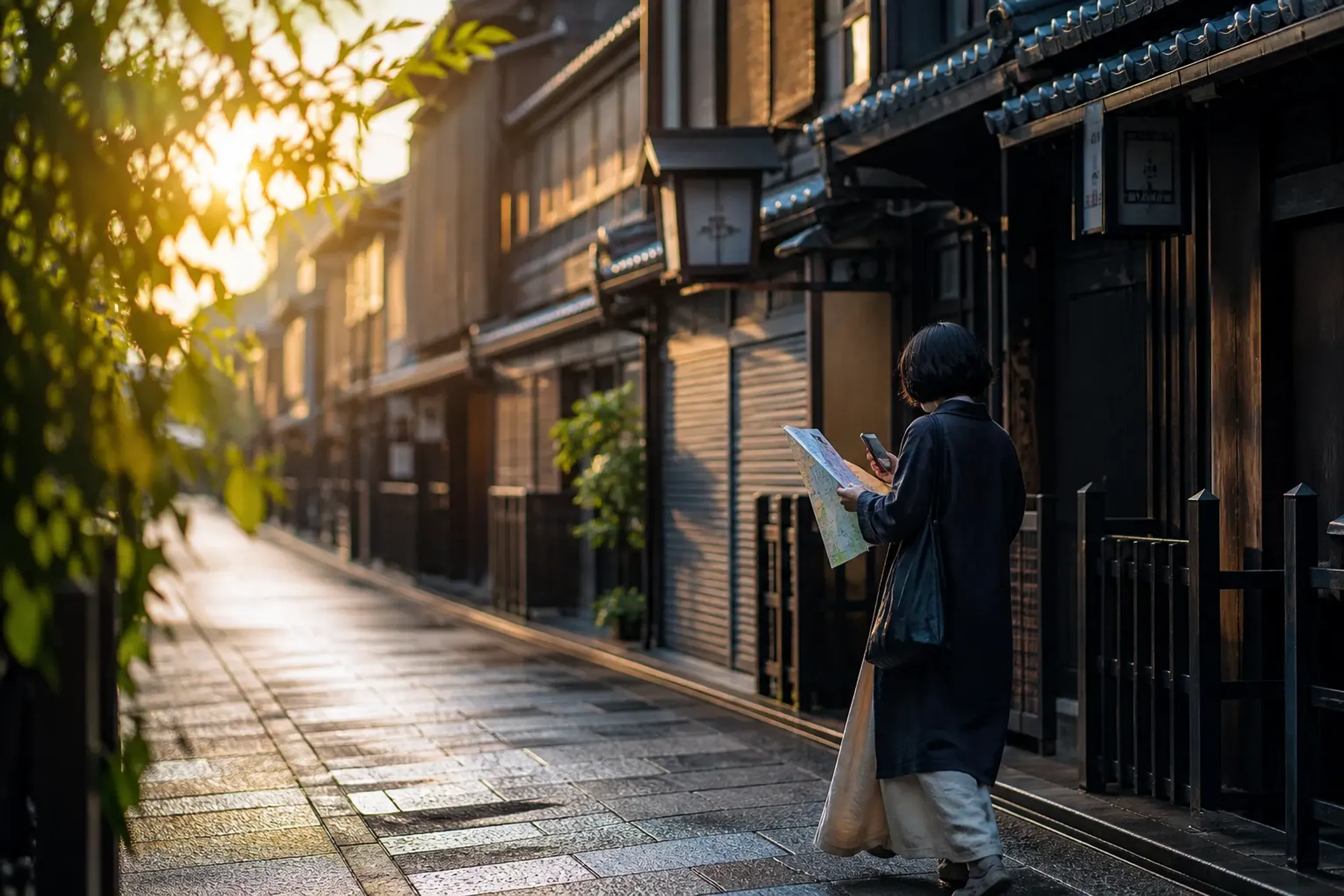
Use this as an operating manual. Not an inspiration poster. Each month has four parts: where it’s calm, where it peaks, a routing decision you can act on, and what you should lock early versus keep loose.
Two bases beats six hotels. Almost always. Choose one “city base” (Tokyo, Kyoto/Osaka, Fukuoka, Sapporo) and one “quiet base” (Hakone, Nikko, Kanazawa, Kinosaki Onsen, Beppu, Yakushima as a nature extension). Then day-trip with precision.
Day-of-week matters. So does entry time. For popular temples and shopping streets, aim for Monday–Thursday, arrive at opening, and leave before late-morning tour cycles. Big difference.
Key fact: Kyoto publishes an official “Kyoto Travel Congestion Forecast,” updated with timestamps, to help visitors avoid crowded times and places. We treat it as a baseline signal, then design dayparting and neighborhood rotation around it.
January 2026–2027: New Year Friction, Then Clear Winter Days
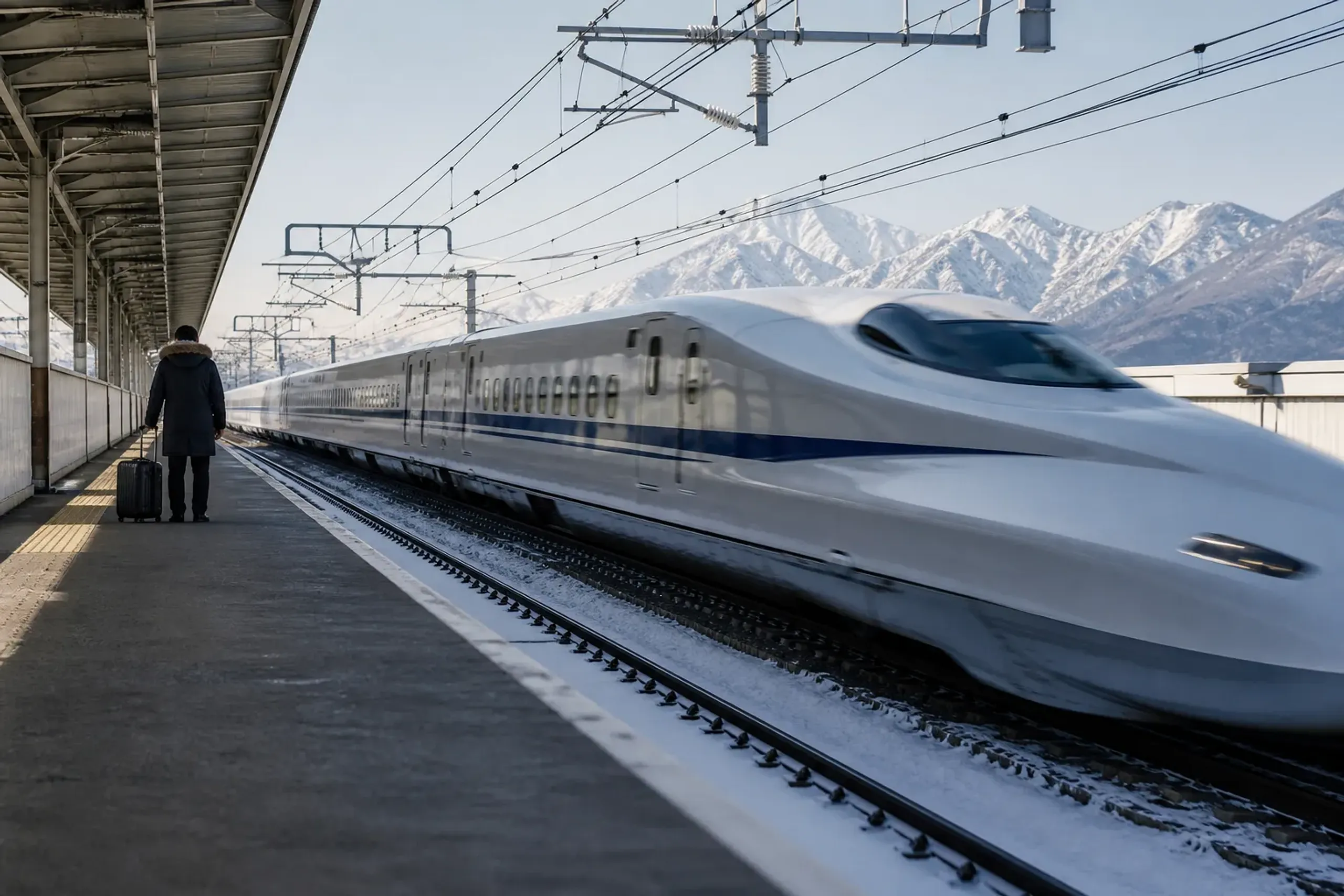
Crowd condition: Early January is high-pressure because of New Year travel and shrine visits. After the first week, the pace often drops fast. Relief.
Weather reality: Cold and dry in Tokyo and Kyoto. Snow is likely in Hokkaido and parts of the Japan Sea side. Roads can slow.
Where it is calm: Mid-to-late January can feel surprisingly open in Tokyo neighborhoods away from the big shopping corridors. Onsen towns are steady, but not uniformly packed.
Routing recommendation: If you must travel in the first week, do a single-base plan (Tokyo only, or Kansai only) and add day trips after January 7–10. A smart two-base pairing later in the month is Tokyo + Hakone or Kyoto + Kinosaki Onsen.
Day-of-week and time logic: For shrines and temples, go early on a weekday. For department stores, avoid weekends and late afternoons.
What to book now: New Year rail and top hotels sell earlier than you expect. Also note a hard operational constraint: from December 26, 2025 to January 4, 2026, Nozomi trains on the Tokaido-Sanyo Shinkansen operated with all reserved seats, per Japan National Tourism Organization guidance. Treat similar holiday periods as “reservation-first” planning.
February 2026–2027: Winter Calm With Sharp Light (And Ski Pressure)
Crowd condition: One of the best calm windows in major cities. Except ski gateways. Different story.
Weather reality: Cold. Short days. Clear air can make gardens and architecture feel more defined. Good for museums and craft.
Where it is calm: Tokyo and Kyoto are often workable midweek. Hokuriku (Kanazawa) can be quiet, though weather can disrupt rail.
Where it peaks: Niseko and other ski areas can be busy during school holidays and weekends. Expect premium lodging to tighten.
Routing recommendation: Consider Tokyo + Kanazawa for a calmer, craft-forward winter route. Or Kyoto + Arima Onsen for a short onsen add-on without a long reposition.
What to book now: Ski accommodations and private guiding (especially family-sized logistics) should be discussed many months ahead. City hotels can be more flexible, but the best rooms still go first.
March 2026–2027: Shoulder Season That Turns Fast
Crowd condition: Early March can be calm. Late March can flip into high demand as cherry blossom forecasts start driving decisions. Sudden surge.
Weather reality: Mixed. You can get warm afternoons and cold rain in the same week. Pack layers.
Where it is calm: Early March in Tokyo, Kyoto, and Osaka is often manageable midweek. Coastal Kyushu can be a strong alternative if you want spring without headline crowds.
Routing recommendation: Use a two-base plan that can pivot: Tokyo + Hakone works well because Hakone gives you a quiet reset even if the city gets busy. If you prefer Kansai, pair Kyoto + Nara and keep Osaka as a day visit, not a hotel move.
What to book now: For late March, lock top hotels and ryokan early. If your dates are early March, you can hold more optionality and decide districts later.
New supply note (verify room strategy privately): Imperial Hotel, Kyoto has an official grand opening date of March 5, 2026. For some travelers, new hotels in their first year can bring higher service attention, but availability patterns need date-by-date checking.
April 2026–2027: Sakura Pressure And The Kyoto Bottleneck Problem
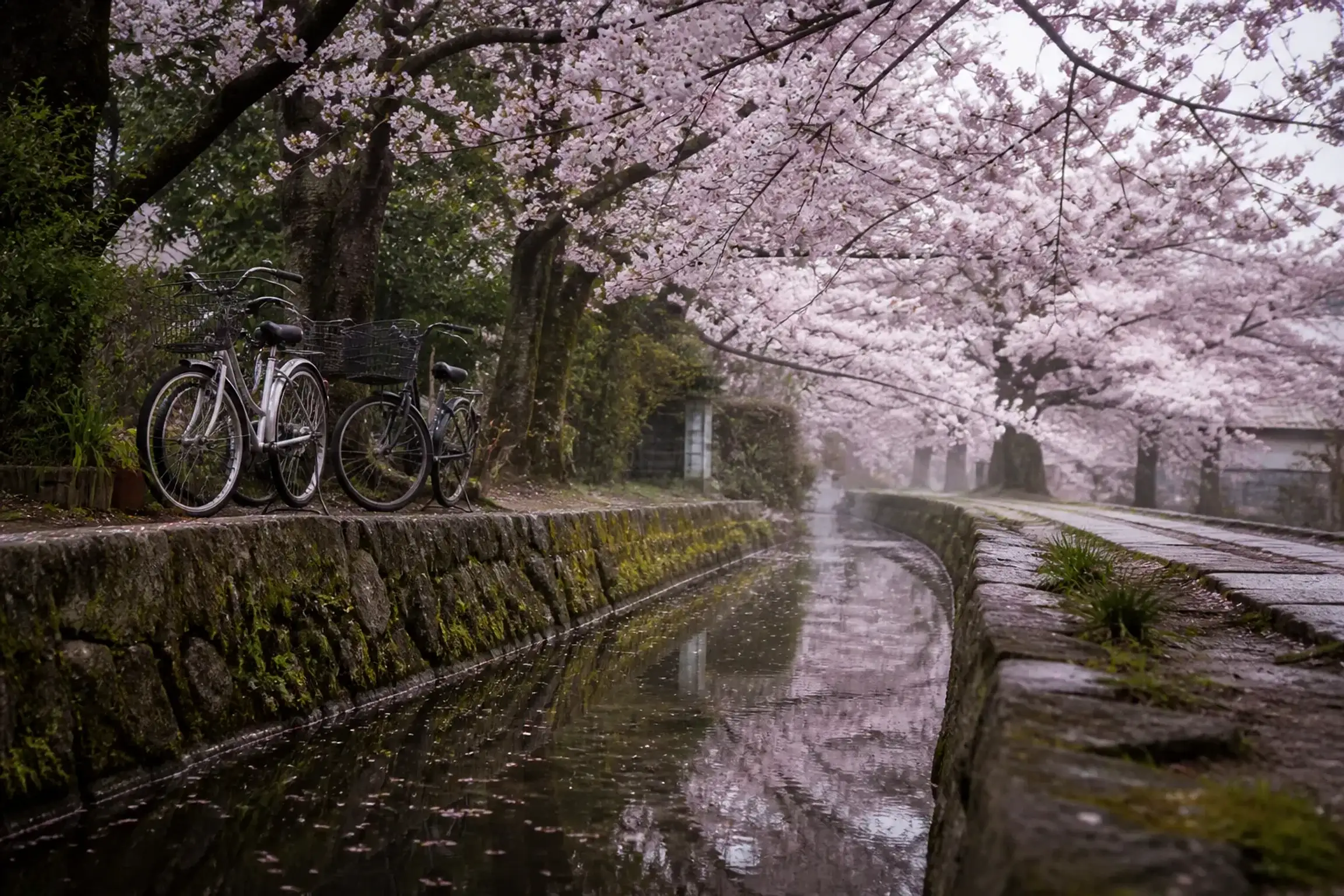
Crowd condition: Peak pressure in many places, especially Kyoto and Tokyo during prime bloom periods. Expect congestion at obvious icons. No surprise.
Weather reality: Generally mild. Spring rain can be frequent. Pollen can affect some travelers.
Where it is calm: If you still want April, consider “less-scripted” regions: parts of Tohoku, or quieter corners of Kyushu. Even then, weekends matter.
Routing recommendation: Avoid bouncing Tokyo–Kyoto–Osaka–Kyoto in one week. Instead: Tokyo (4–5 nights) + Kyoto (4–5 nights), with day trips planned for weekdays only. If Kyoto is your priority, place it midweek and keep your first 24 hours light to reset after arrival.
Day-of-week and time logic: In Kyoto, arrive at top sites at opening, then shift to gardens, small museums, and quieter streets by late morning. Kyoto’s own comfort guidance and congestion forecasting tools are worth checking close to your travel dates.
What to book now: April is not the month for last-minute luxury rooms. Lock early. Rail and cars also get tight around peak weekends.
Rail note: SmartEX states that on or after April 1, 2026, the valid travel section for “EX Hayatoku 1” expands and prices for some sections change. If you use these products, confirm the exact applicability for your route and date.
May 2026–2027: Golden Week Aftermath, Then A True Calm Window
Crowd condition: Early May includes Golden Week travel pressure. Once it ends, Japan often exhales. One of the most livable windows.
Weather reality: Pleasant temperatures in many regions. Humidity is not yet at summer levels. Walking feels easy.
Where it is calm: Mid-to-late May in Tokyo and Kyoto can be excellent, especially on weekdays. Hokkaido begins to re-enter the conversation for nature without the deep winter constraints.
Routing recommendation: A strong two-base plan is Tokyo + Kyoto with day trips on Tuesdays through Thursdays. Another smart pairing: Kyoto + Kanazawa for a calmer pace and better control of crowd exposure.
What to book now: This is a month where you can keep some dining and museum choices flexible. Still, the best guides and the quietest room categories are worth committing earlier.
June 2026–2027: Rainy Season Trade-Offs, Low Tour Pressure
Crowd condition: Often calmer than spring peaks. Domestic travel is typically less intense than August. Good.
Weather reality: Rainy season (tsuyu) affects much of Honshu, including Tokyo and Kyoto. You may lose a day to weather. Plan for it.
Where it is calm: Cities can be workable. Onsen stays become more attractive because the “view day” is not the only value.
Routing recommendation: Build a weather-proof two-base route: Tokyo + Hakone or Kyoto + Hakone if you want an onsen reset without gambling your whole trip on outdoor days.
Day-of-week and time logic: Use rainy mornings for museums and craft ateliers. Save gardens for the first clear break. It sounds obvious. It’s the difference between calm and frustration.
What to book now: Fewer months require “everything locked,” but excellent ryokan still book out on weekends. Choose weekday check-ins if you want quieter dining rooms and baths.
July 2026–2027: Festival Peaks In Kyoto, Calm Elsewhere If You Choose Well
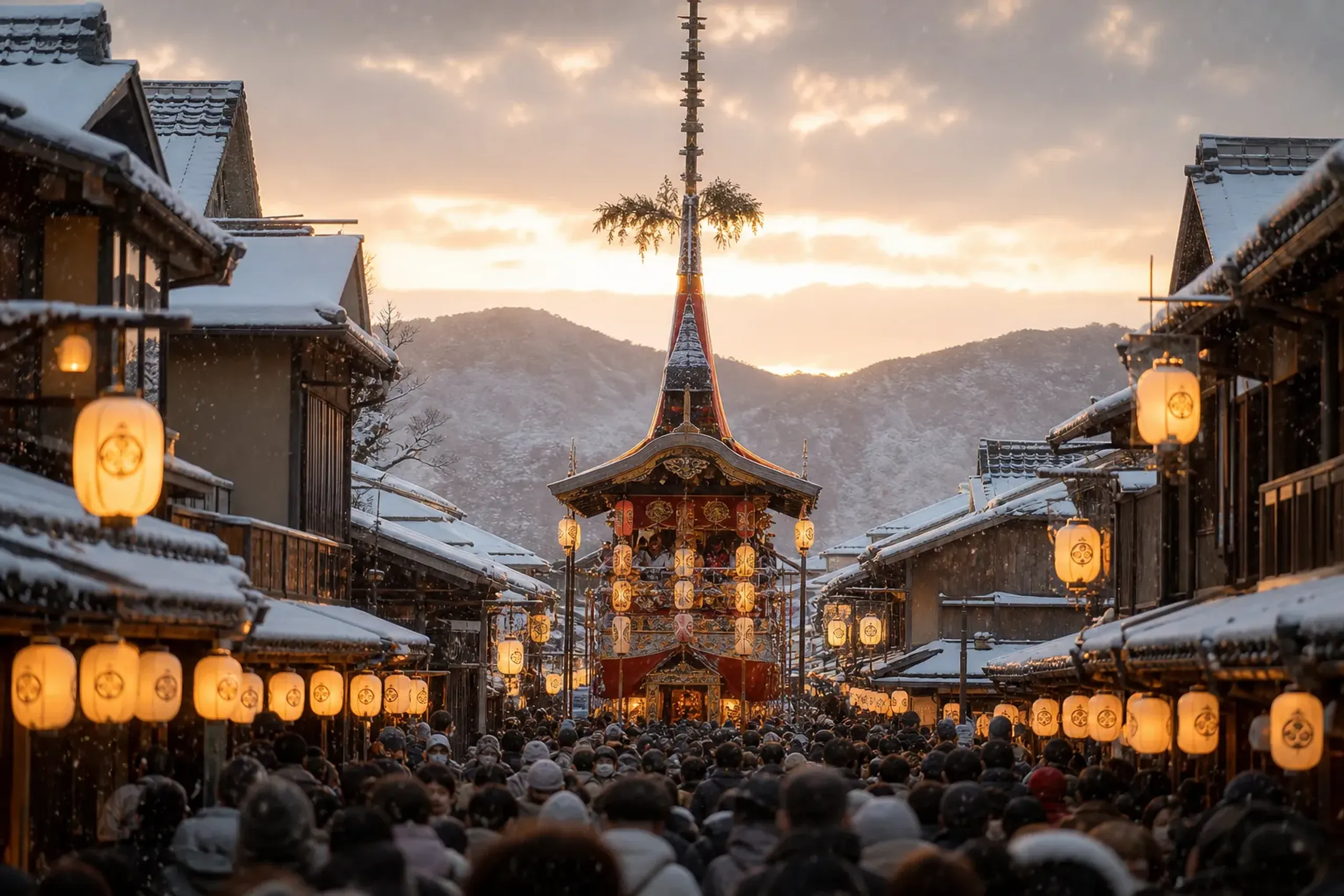
Crowd condition: Kyoto has serious pressure around major festival dates. Elsewhere, you can still find calmer routes if you avoid the obvious calendar magnets.
Weather reality: Hot and humid in much of Japan. Afternoon pacing matters. Hydration is a plan item.
Where it peaks: Kyoto during Gion Matsuri is a major draw. Japan-Guide lists key dates as July 16–17 (as shown on its July calendar). Expect crowd density and traffic friction.
Where it is calm: Hokkaido can be a smart summer alternative for travelers who want cooler temperatures. Some coastal areas also feel more breathable, though typhoon risk increases later in summer.
Routing recommendation: If Kyoto is non-negotiable in July, use a weekday-focused micro-plan and treat evenings as the high-pressure period near central festival corridors. If calm is your priority, consider Sapporo + a nature extension rather than forcing Kyoto in July.
What to book now: Festival-period hotels in Kyoto should be discussed far ahead. Chauffeured routing needs extra buffer time for road closures and pedestrianization.
August 2026–2027: Heat, Obon Domestic Travel, And The Case For The North
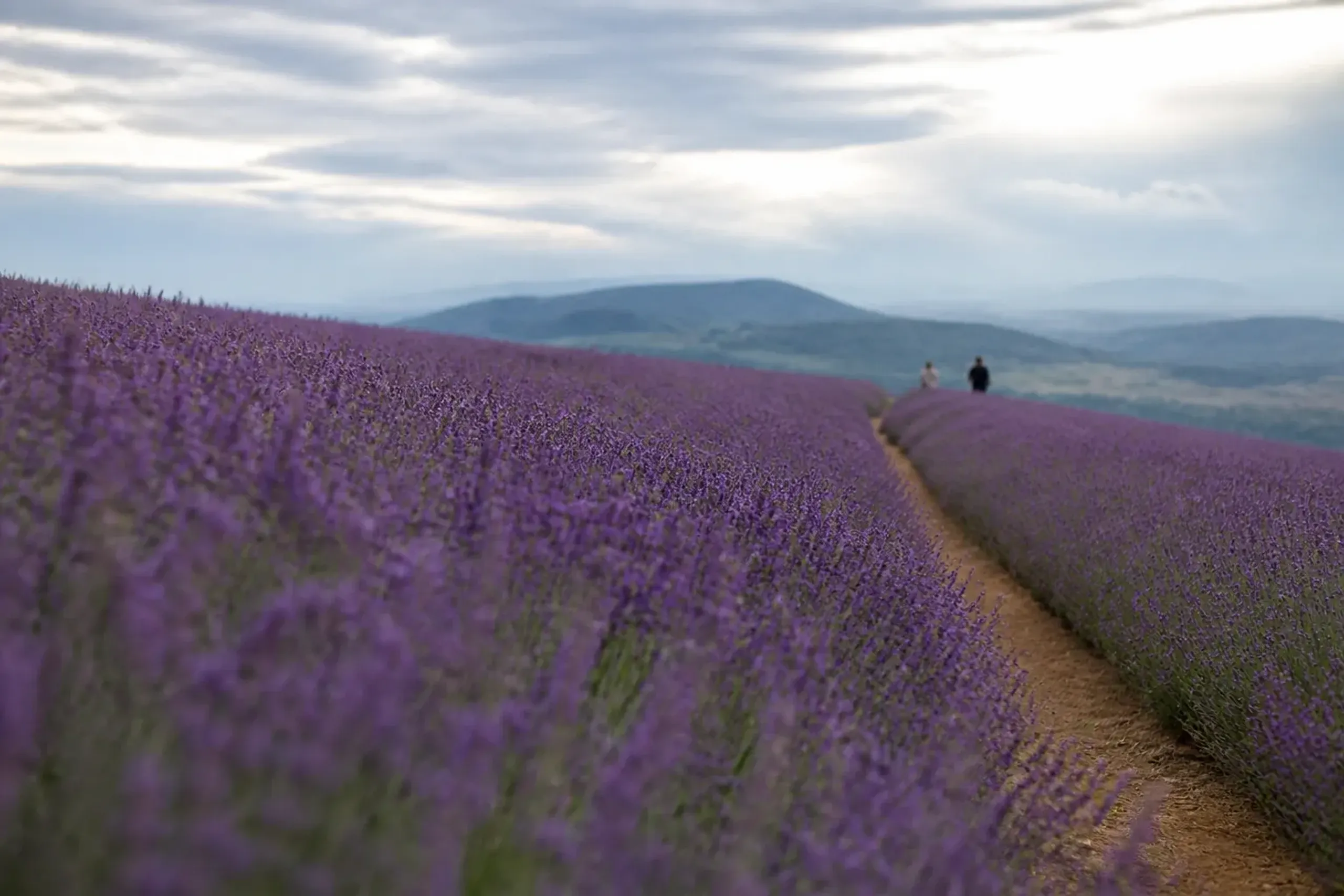
Crowd condition: Domestic travel increases around Obon, which can raise demand and crowd levels across the country. Expect stress in transit nodes.
Weather reality: Hot, humid, and intense. Afternoon plans can feel like work if you overschedule.
Where it is calm: Higher elevations and northern regions can be more comfortable. Hokkaido remains a strong “calm window” candidate for climate alone.
Routing recommendation: Choose a two-base route that minimizes long daytime transfers: Sapporo + Furano/Biei area (regionally anchored) is a common structure. If you must do Tokyo, keep it short and schedule indoor-heavy days.
Day-of-week and time logic: In cities, start early, break midday, then go out again after sunset. Simple. Effective.
What to book now: Obon week should be treated as “book early,” even in places that are calmer in other months.
September 2026–2027: Post-Summer Reset, Typhoon Risk, Good City Weeks
Crowd condition: After summer holidays, pressure can drop. Shoulder logic returns. Some weeks are excellent.
Weather reality: Typhoon season risk is real. You may need to adjust ferries, flights, or coastal plans. Build slack.
Where it is calm: Tokyo and Kyoto can be pleasant midweek if weather holds. Kyushu can be compelling, but also more exposed to typhoon effects.
Routing recommendation: A stable two-base plan is Tokyo + Kyoto with an “escape hatch” day (no fixed commitments) in each city. If you want nature, consider a short inland extension rather than islands that depend on calm seas.
What to book now: You can often keep parts of September flexible. Just don’t confuse “flexible” with “unplanned” if you care about quiet room categories and private guiding.
October 2026–2027: High-Comfort Weather, Rising Demand, Strong Calm If You Daypart
Crowd condition: Demand rises because the weather is easy. Still, early October can be calmer than November foliage peaks in many areas.
Weather reality: Comfortable temperatures in many regions. Walking cities and gardens makes sense again.
Where it is calm: Weekdays in Tokyo can be excellent. Kyoto can be workable if you rotate neighborhoods and avoid the same few streets at the same hours.
Routing recommendation: Consider Tokyo + Kanazawa for a calmer craft-and-garden rhythm, or Kyoto + Hiroshima if you want cultural weight without stacking too many city moves.
Rail comfort note (planned): JR Central’s FY2026.3 investor materials indicate plans to introduce “Premium Class Seats” (private type) in Fall 2026, with further premium seating enhancements planned during FY2027. Treat product details and availability as something to confirm close to ticketing.
What to book now: For late October, top ryokan weekends can disappear quickly. Choose weekday stays if calm matters more than a Saturday check-in.
November 2026–2027: Foliage Demand, Beautiful Light, And Real Congestion In Kyoto
Crowd condition: High in Kyoto and other classic leaf-viewing areas. This is one of the hardest months to “hack” without careful routing.
Weather reality: Crisp and clear in many regions. Evenings get cold. Good coat required.
Where it is calm: Tokyo can be fine midweek. Some regions in Kyushu can offer a calmer alternative, depending on your goals.
Routing recommendation: If Kyoto is your focus, pair it with a quieter base rather than adding more headline cities: Kyoto + Hakone can work well. Or Kyoto + Kanazawa if you want gardens and craft without the same crowd profile.
Day-of-week and time logic: Kyoto mornings win. Even 45 minutes matters. Use the city’s official congestion forecast as a check, then plan “A route” and “B route” neighborhoods so you can pivot.
What to book now: November requires earlier commitments, especially for the calmest room categories and the most in-demand ryokan.
December 2026–2027: Early-December Sweet Spot, Then Holiday Reservation Pressure
Crowd condition: Early December is often a calm, efficient window before end-of-year travel picks up. Late December tightens quickly.
Weather reality: Cold arrives, but cities remain comfortable for walking with the right layers. Onsen season begins to feel natural.
Where it is calm: The first half of December can be one of the best “quiet luxury” periods in Tokyo and Kyoto. Short lines. Cleaner pacing.
Routing recommendation: A dependable two-base structure is Tokyo + Kyoto, with weekday day trips and a slower final day for shopping and packing. If you want onsen, add Hakone as the quiet base.
What to book now: Treat the last week of December like a holiday period: rail seats, premium rooms, and private cars need proactive planning. We’ve already seen reservation-only operations for Nozomi over late-December/early-January holiday periods (Dec 26, 2025–Jan 4, 2026), which is a practical warning shot for future end-of-year travel.
Booking Lead Times And Logistics (2026–2027)
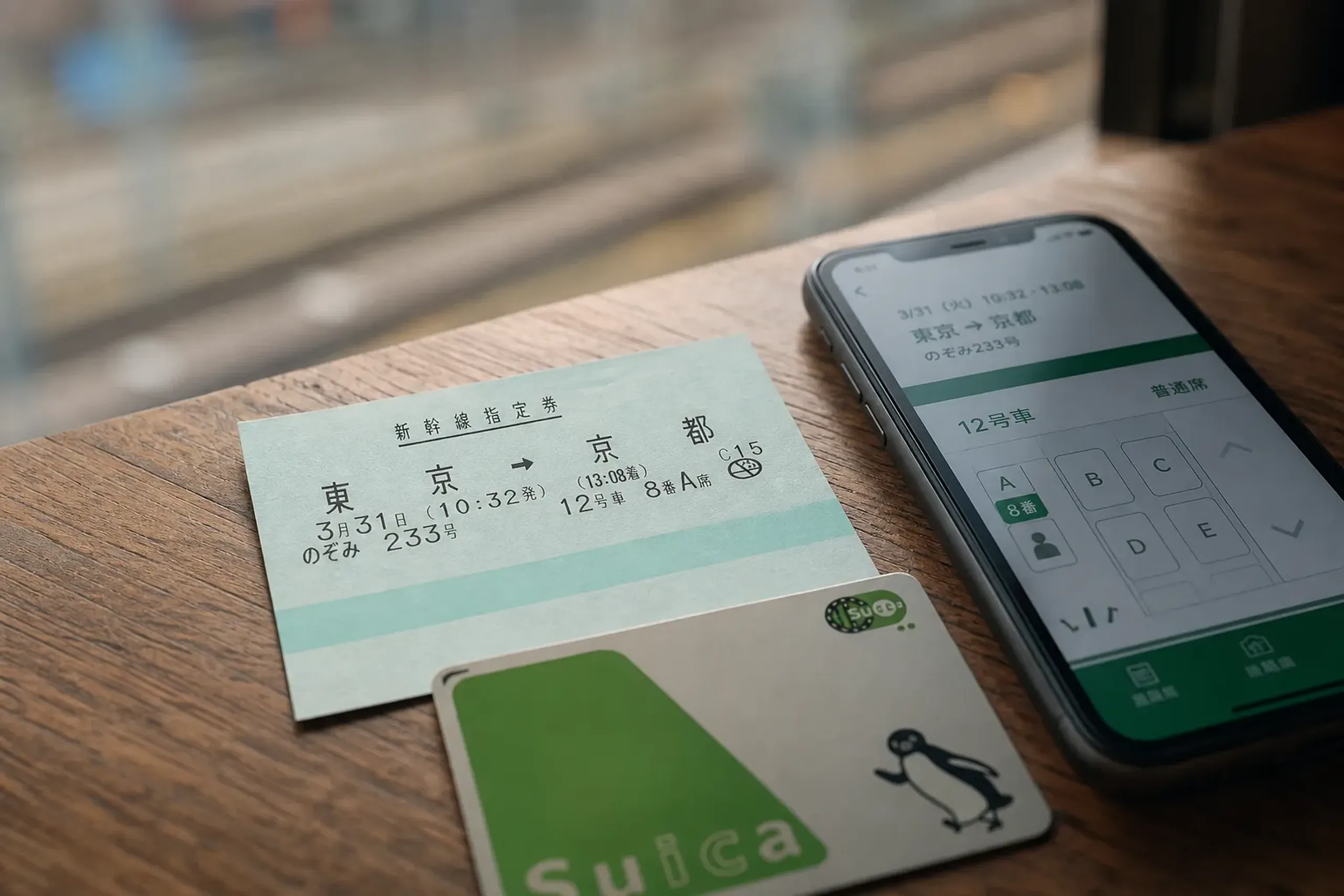
Calm windows are not only weather and crowds. They are also reservation friction. When rail goes reservation-only, or when a region has limited high-end inventory, your “quiet week” can turn into a scramble if you wait.
- Peak-season luxury hotels/ryokan (sakura, foliage, Golden Week, Obon): 6–12+ months
- Shoulder-season hotels (May, June, September, early December): 3–6 months
- Shinkansen and limited-express rail on holiday pressure days: As soon as sales open
- Private chauffeured days and airport transfers: 2–8+ weeks (longer for peaks)
- Museum-style indoor days, neighborhood roaming, light shopping: Keep flexible
Rail tools to know: JR East describes “Shinkansen e-ticket” as a ticketless service that allows online reservation and linking to an IC card such as Suica for boarding. It’s a useful option when you want less paper friction, though you still need to confirm which lines and stations apply to your route.
Hokkaido rail note: JR Hokkaido states that from March 14, 2026, “all seats will be reserved” on specified services (per its English notice). For winter and shoulder travel in Hokkaido, this changes how last-minute day trips feel. Plan ahead.
Practical Calm Tactics That Work In Tokyo And Kyoto
Calm is often a schedule problem, not a destination problem. Tokyo and Kyoto can both work if you treat them like operating environments with known pressure cycles. Precision helps.
Use A “Soft Landing” Arrival Day
Landing day is not for famous intersections. Don’t do it. Check in, take a short walk near your hotel, and do one small reservation you won’t regret missing if you’re tired.
Rotate Neighborhoods, Not Just Attractions
If you do Asakusa in the morning, don’t do Shibuya at noon. Switch textures. Museums, gardens, then a quieter dinner district.
Start With Craft When Your Brain Is Fresh
Shokunin time is better early. A private craft session or atelier visit asks for attention, and it gives you a calmer story than the same photo everyone takes.
Build A Quiet Base That Matches Wabi-Sabi
Wabi-sabi is restraint, not scarcity theater. Choose lodging with a sense of quiet materials—wood, stone, a controlled view—then protect your mornings. That’s where the trip changes.
FAQ: Calm Windows For Japan (2026–2027)
What Are The Best Months To Visit Japan Without Crowds?
In many years, mid-to-late May, June, September, and early December can offer lower pressure than peak cherry blossom and peak autumn foliage weeks. Weather trade-offs apply, especially in June and September.
Is Kyoto Ever Calm?
Yes, but it’s time-based. Early mornings on weekdays can feel controlled even in busy months. Kyoto’s official congestion guidance and forecasting tools can help you avoid the worst bottlenecks close to your travel dates.
How Do I Reduce Crowds At Temples And Shrines?
Arrive at opening, avoid weekends, and do your “iconic” sites before 10:00. Save shopping streets for late morning only if you accept density, or go in the last hour before closing when day-trippers clear.
What Rail Changes Matter For 2026 Planning?
Holiday periods can bring reservation-only operations on certain services, as seen for Nozomi trains from Dec 26, 2025 to Jan 4, 2026. JR Hokkaido also notes all-reserved seating on specified services from March 14, 2026. Confirm the latest notices as you plan.
Does Japan Royal Service Offer Airport Transfers And Chauffeur Service?
Yes. Many guests start with private transportation for airport transfers and day touring, then expand into a broader itinerary once dates and pacing are clear.
How Do I Book The Official Tokyo Disney Resort VIP Tour As A Foreigner?
Tokyo Disney Resort offers a private VIP Tour option (with published rules and pricing that can change). For the official process, always follow Tokyo Disney Resort’s published guidance. If you want help deciding whether it fits your calm-window plan, contact our concierge team for tailored guidance.
Why Choose Japan Royal Service
If you’re comparing luxury travel companies, the real difference is not the hotel list. It’s how your days behave. Our team at Japan Royal Service designs calm windows with three non-negotiables: discretion (zero-leak privacy), wabi-sabi pacing (restraint over noise), and shokunin focus (master-level craft that rewards attention).
We also plan like operators, not bloggers. We track official congestion guidance in Kyoto, we respect rail reservation realities, and we build two-base routes that reduce failure points. Less exposure. Fewer rushed transfers. Better evenings.
When you’re ready, we’ll map your exact dates against these calm windows and propose a route that fits your appetite for cities, craft, and quiet.
For private coordination, reach our team privately via WhatsApp or LINE, or contact us here.