In this guide
- 01Why Hokkaido’s Highlands Work So Well In Summer
- 02The Highland Circuit: Furano, Biei, Tomamu, And Daisetsuzan
- 03Furano: Lavender Air, Soft Light, And A Slower Pulse
- 04Biei: Patchwork Hills And The Art Of Quiet Viewing
- 05Tomamu: The UNKAI Terrace Morning That Actually Feels Rare
- 06Daisetsuzan And Asahidake: Alpine Air And Real-World Conditions
- 07Tokachidake Onsen: High-Altitude Soaking, With Volcanic Reality Checks
- 08Best Weeks, Weather, And What To Pack For Cool Nights
- 09How To Reach The Highlands And Move Quietly Between Bases
- 10A Simple Plan B Matrix (Fog, Rain, Crowds, Closures)
- 11Selective City Nights: Sapporo Festivals Without Losing The Highland Mood
- 12A Suggested 5–7 Night Highland Retreat (Paced For Relief)
- 13FAQ: Hokkaido Highland Summer Travel
- 14Why Choose Japan Royal Service
Tokyo in August can feel like a damp overcoat.
Kyoto is no kinder. Pavement radiates heat long after sunset, and the air turns stubborn in narrow lanes.
Now picture this instead. A cool morning in Hokkaido, where the light is sharp, the wind is clean, and your shoulders drop without being told.
Our team at Japan Royal Service often sees the same pattern with high-net-worth travelers: you want Japan’s depth, but not the exhaustion that summer can bring in the south. Hokkaido’s highlands answer that problem with altitude, space, and a kind of quiet that feels designed.
Why Hokkaido’s Highlands Work So Well In Summer
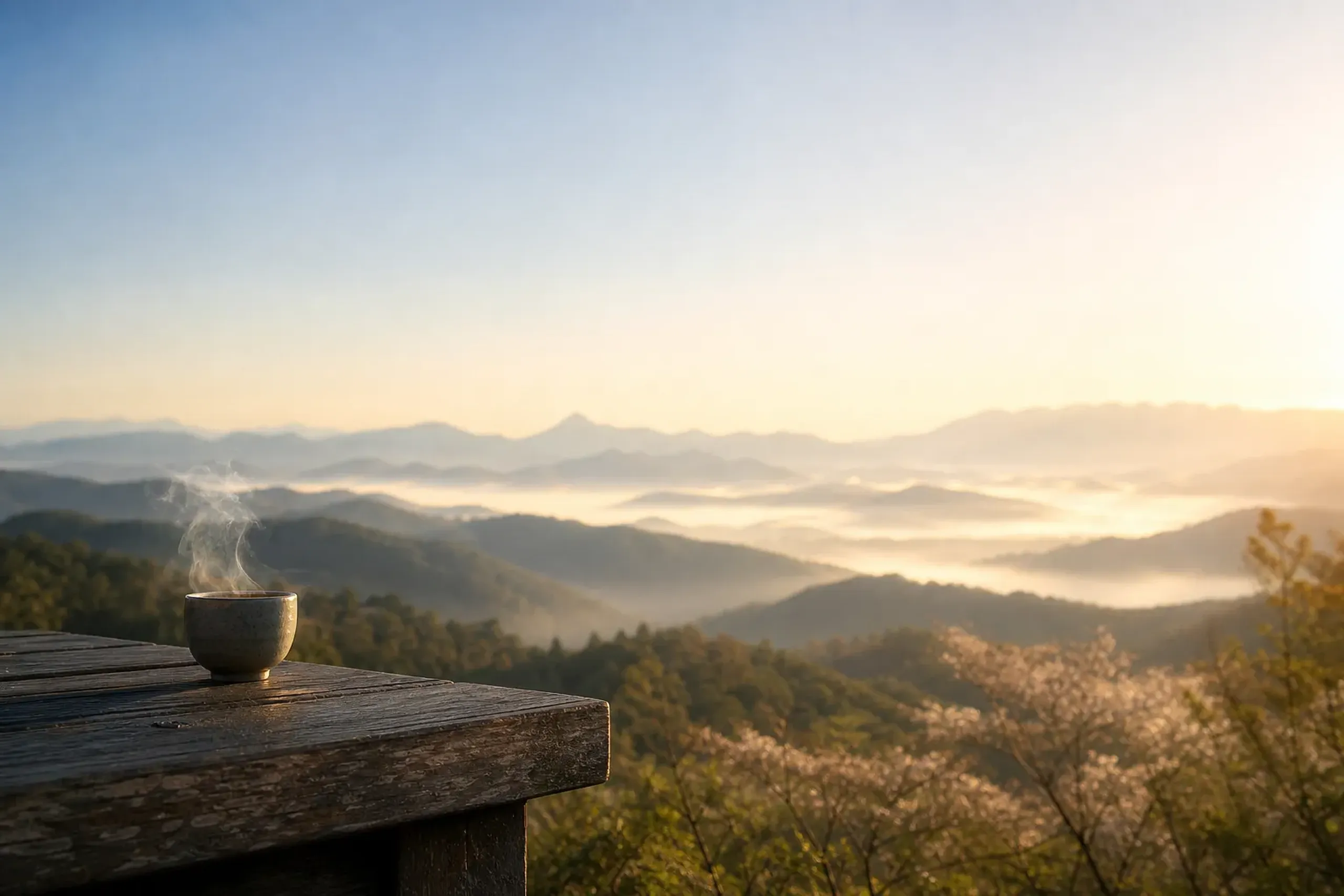
A northern morning that feels like a reset.
The north is not a gimmick.
It is a reset. In Furano, Biei, Tomamu, and Daisetsuzan, the temperature shift becomes the first luxury, before any suite, driver, or tasting menu enters the conversation.
We also like what the landscape does to pacing. Long views discourage rushing, and the roads between bases encourage a slower, more watchful style of travel.
A Different Kind Of Luxury: Wabi-Sabi, Not Flash
Hokkaido rewards restraint.
Think timber, stone, fog on glass, a simple breakfast that tastes unusually alive because the dairy is local and the air is cool. The mood is wabi-sabi in the best sense: calm, spare, and quietly confident.
This is where many luxury travelers finally sleep well in Japan in midsummer. No heroic effort required.
Discretion In Wide-Open Country
Privacy is easier when space is real.
In our experience, Hokkaido’s highlands are naturally discreet because movement is spread out. You are not forced into the same narrow corridors of peak-season sightseeing where cameras and crowds compress everyone together.
That matters. Especially when you want to travel well, without being noticed.
The Highland Circuit: Furano, Biei, Tomamu, And Daisetsuzan
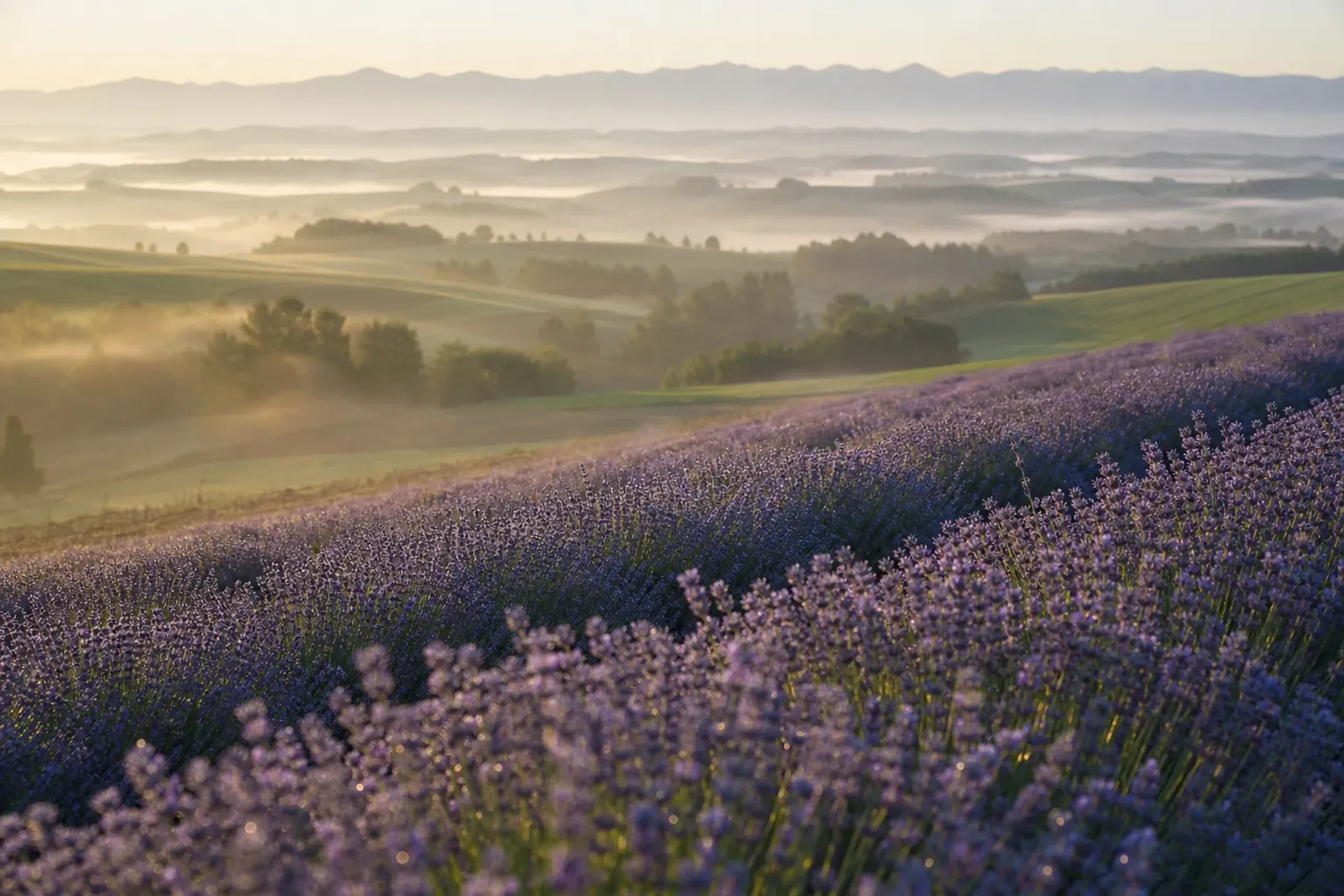
A single base can work.
But the strongest summer trip is usually a circuit, designed so each area gives you one clear sensation: lavender air in Furano, patchwork hills in Biei, sunrise cloud inversions in Tomamu, and alpine walking in Daisetsuzan.
Done poorly, it becomes a repacking drill. Done properly, it feels like the country is turning pages for you.
How We Think About Logistics (Without Turning It Into A Checklist)
One rule helps.
Keep transfers short, keep mornings protected, and keep evenings unforced. Our concierge team plans around the times you are most sensitive to crowds and heat, then builds the rest as optional layers rather than obligations.
Your day should have slack. Real slack.
Furano: Lavender Air, Soft Light, And A Slower Pulse
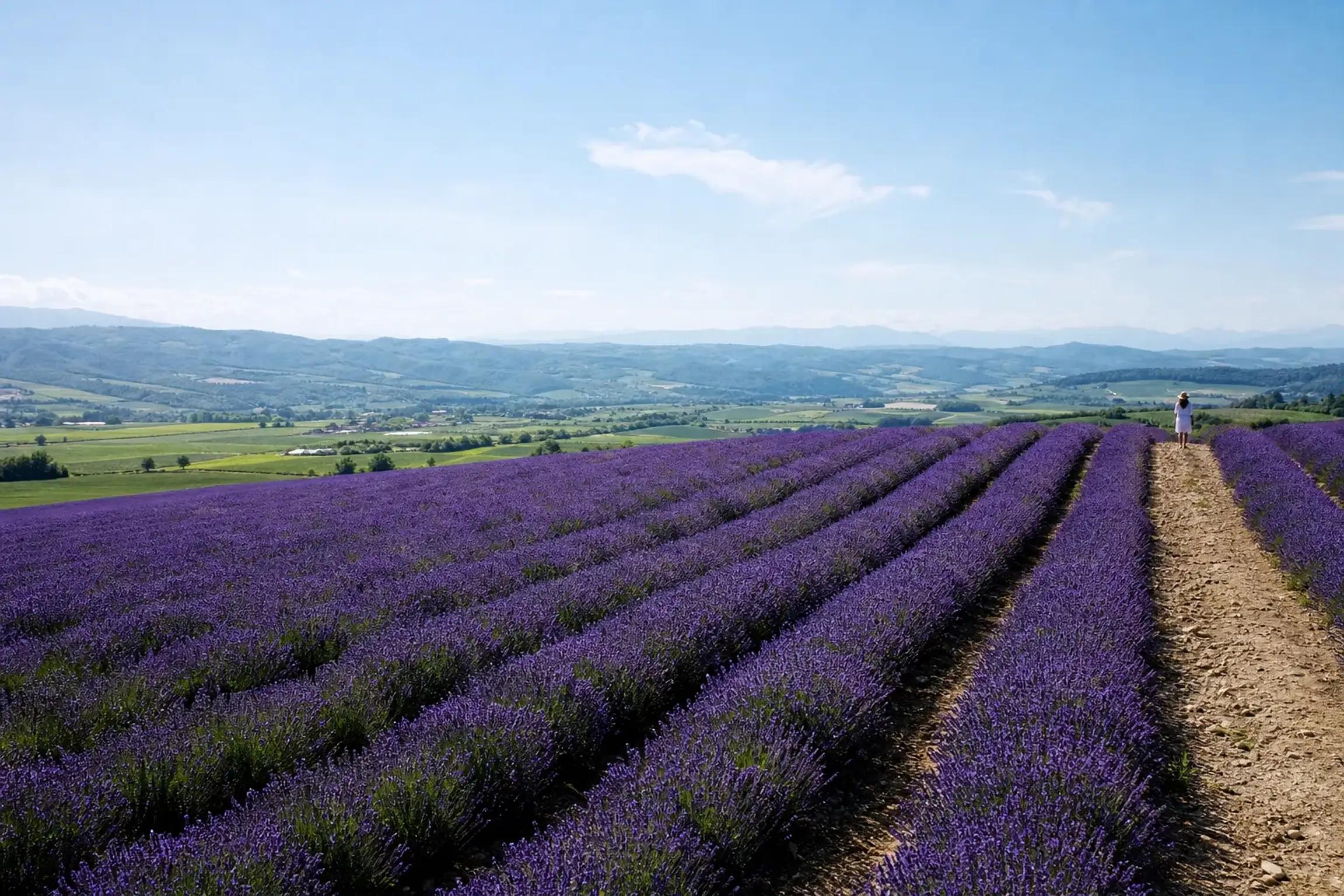
Furano rewards early hours and unhurried viewing.
Furano is famous for flowers.
Yet the deeper pleasure is the way it changes your breathing. Early morning light makes the fields feel almost quiet, and the town is a practical base when you want nature without remote hardship.
We keep expectations honest, though. Bloom varies year to year, and specific field access can change by operator notice.
Farm Tomita: What To Know Before You Go
Farm Tomita is real, popular, and worth handling with care.
Its official news page includes 2026 updates, and it notes that “Lavender East” is closed for the season while Farm Tomita remains open for business. That kind of operational detail affects routing, timing, and how we set the day’s rhythm.
Small detail. Big difference.
A HNW Way To Experience Furano
Arrive early or late.
We typically advise visiting signature spots at opening windows or toward closing, then spending the middle of the day in a calmer setting—long lunch, a short scenic drive, or a private session with a maker in the broader region when available.
This is also where shun matters, briefly: not as a slogan, but as a practical idea—what looks and tastes right this week, not what looked right online last year.
Biei: Patchwork Hills And The Art Of Quiet Viewing
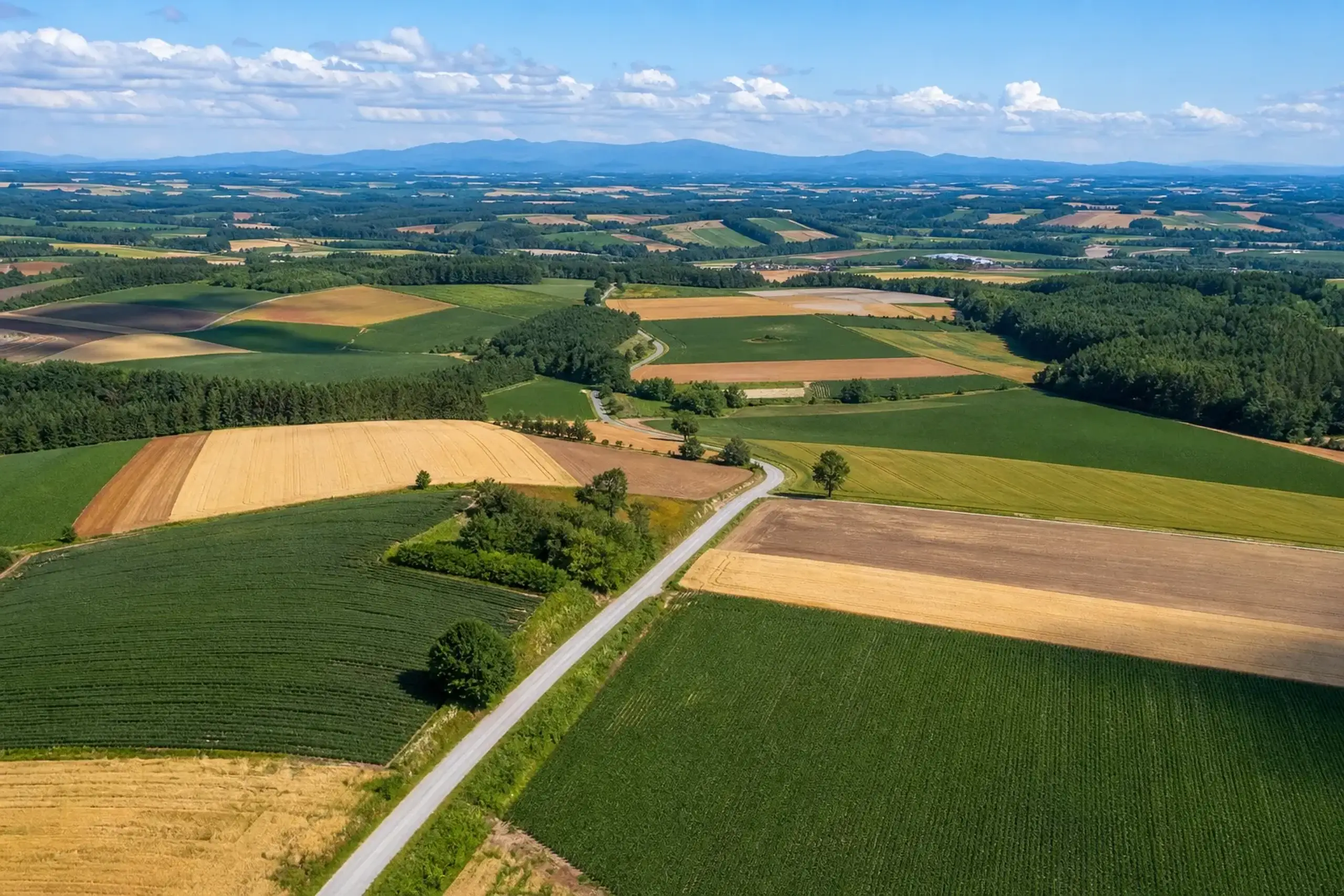
Space, light, and the pleasure of not rushing.
Biei is visual, yes.
But it is also disciplined. The landscape asks you to stop talking for a moment, then rewards you with small shifts—mist lifting from a slope, a line of trees cutting the horizon, the sudden geometry of cultivated land.
It is a strong match for travelers who love photography, but don’t want a crowd of tripods.
Blue Pond (Aoiike): Timing Is Everything
Biei’s Blue Pond (Aoiike) is one of those places that gets over-loved.
The water color can change with weather and light. That is normal. What you can control is your timing: show up when coaches are not stacked and you can actually hear the wind in the trees.
Our role is to design those margins, then keep the day flexible when weather changes the look.
Rail-Friendly Highlands: JR Hokkaido’s Seasonal Sightseeing Trains
Not everyone wants to drive in Hokkaido.
JR Hokkaido’s global site publishes service information for Furano/Biei sightseeing trains with details for “June to September 2026.” Their January 16, 2026 sightseeing-train PDF also lists specific dates for the “Furano Biei Mankitsu Norokko Train,” including Aug 29–30, 2026 among other entries.
For guests who prefer rail, we often design a premium, rail-forward day with luggage-forwarding principles and private ground segments for the parts trains do not solve.
Tomamu: The UNKAI Terrace Morning That Actually Feels Rare
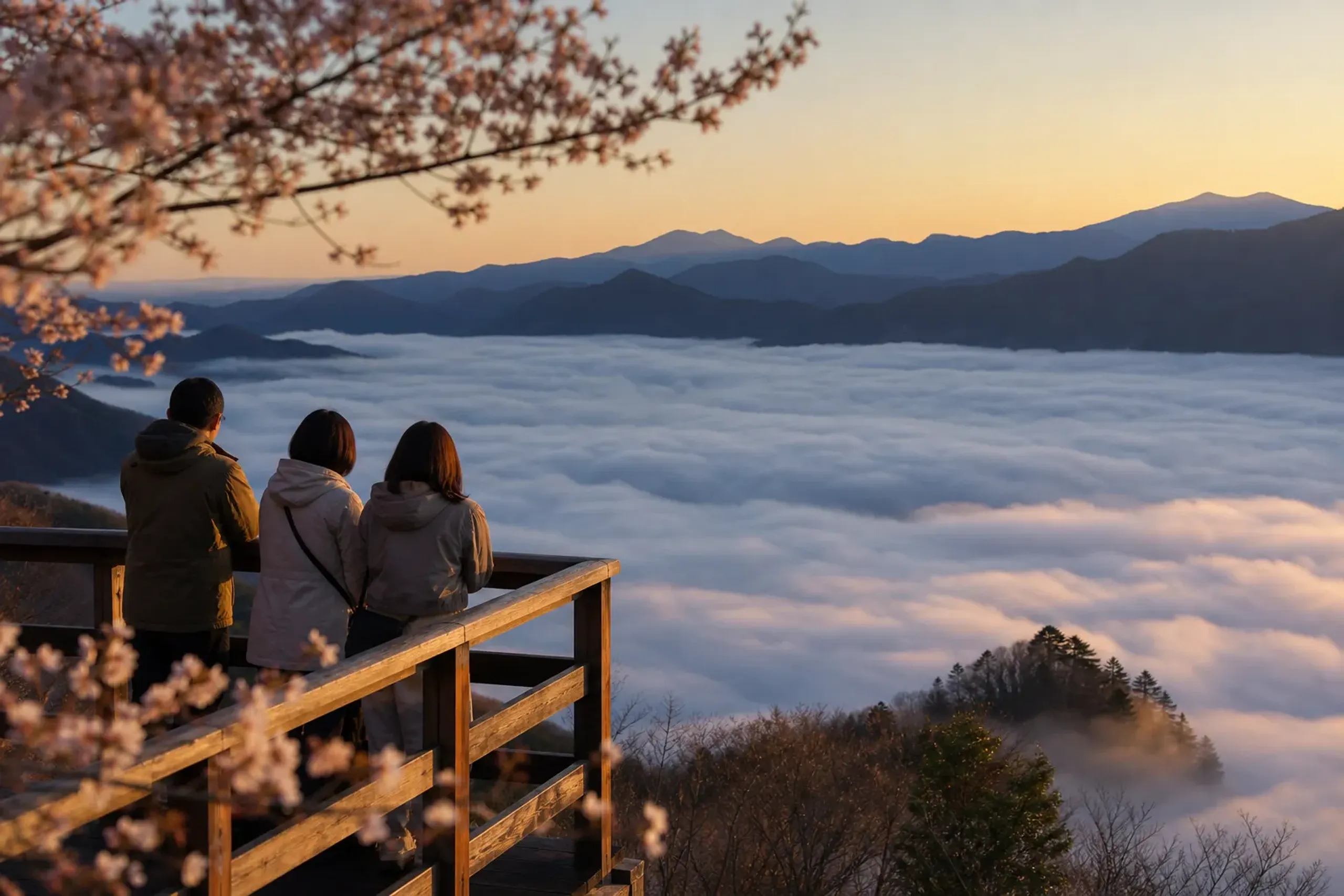
An early start that can feel genuinely rare.
Set an alarm.
Tomamu is where the early morning becomes the main event. Hoshino Resorts TOMAMU’s UNKAI Terrace is one of the cleanest “why here, why now” summer experiences in Japan.
UNKAI Terrace 2026 Operating Dates (Verified)
Hoshino Resorts TOMAMU lists the UNKAI Terrace 2026 operating period as May 13 to October 13, 2026.
That date range is the backbone for planning a northbound summer retreat, especially when you want to pair it with Furano/Biei and then continue into higher alpine air in Daisetsuzan.
Key fact: Hoshino Resorts TOMAMU lists UNKAI Terrace’s 2026 season as May 13–Oct 13, 2026. Always check official operating updates close to travel dates.
Access And On-Property Notes (What’s Official, What’s Not)
Here is what the operator states.
Hoshino Resorts TOMAMU indicates that guests staying at RISONARE Tomamu or Tomamu The Tower are listed as “Free” for UNKAI Terrace access on the 2026 information pages.
Everything else—crowd conditions, morning odds, photography pacing—lives in the real world. Our concierge team can share tailored guidance privately based on your dates and your tolerance for early starts.
How To Book UNKAI Terrace (Official-Process Overview)
UNKAI Terrace is operated by Hoshino Resorts TOMAMU.
Eligibility and access rules can vary by staying status and operating conditions, and the canonical information is published by the operator. Guests should confirm details directly through official TOMAMU channels when finalizing plans.
For questions, contact our concierge.
Daisetsuzan And Asahidake: Alpine Air And Real-World Conditions
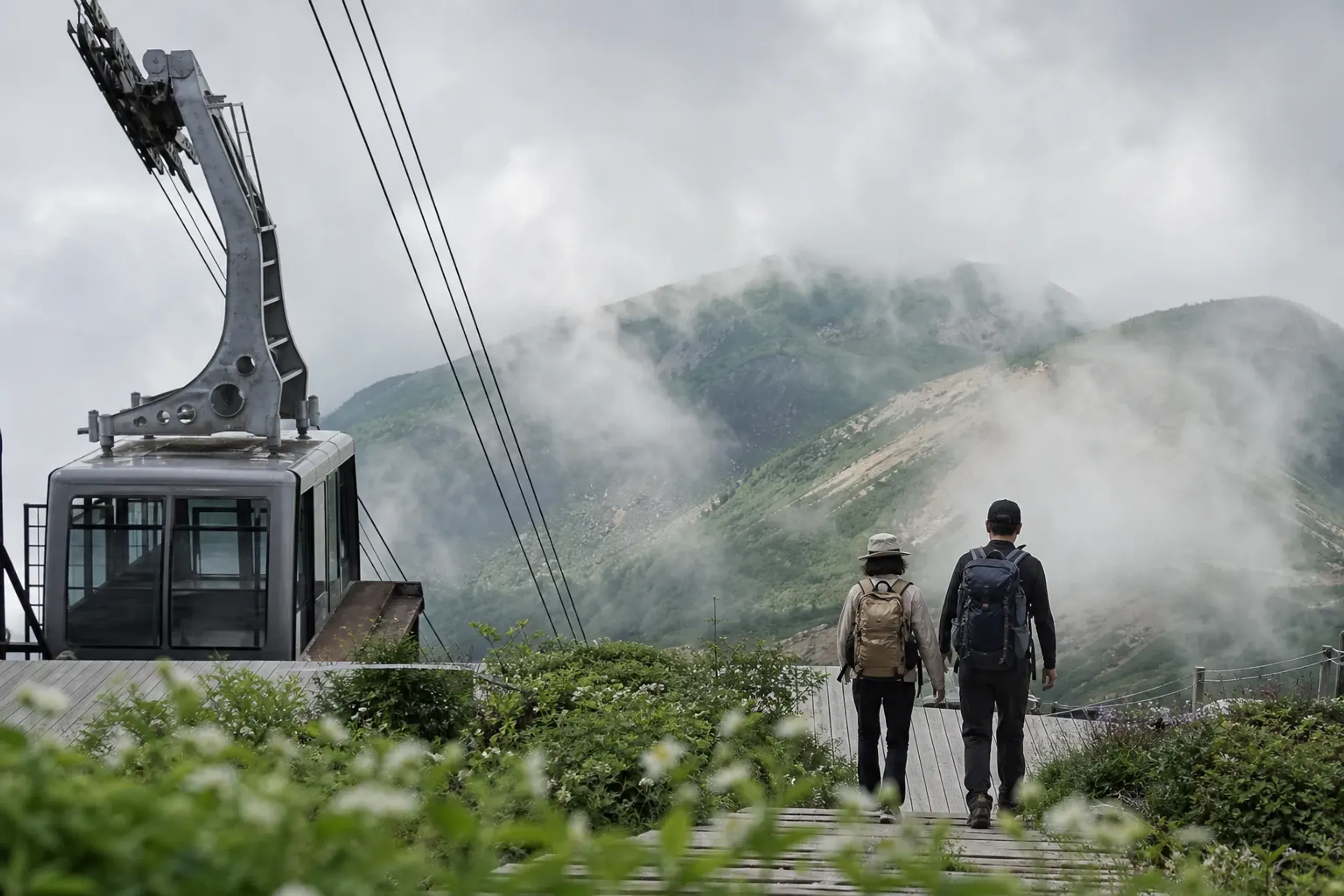
High altitude brings cooler air—and a need for honest planning.
Daisetsuzan is not a theme park.
It is Japan’s largest national park, and conditions can swing fast. That unpredictability is part of the appeal for experienced travelers, but only when the plan is honest about what the mountain will allow.
Our team designs Daisetsuzan days like a good expedition: clear access checks, conservative timing, and a Plan B that still feels special.
Asahidake Ropeway: Status, Weather, And A Concrete Altitude
Daisetsuzan Asahidake Ropeway publishes daily operating status and conditions, including weather at Sugatami Station (altitude 1,600m).
That single number matters. It explains why even in early season the air can feel like a different country, and why layers are not optional at the top.
Maintenance Window In May 2026 (Verified)
Asahidake Ropeway also announced a scheduled maintenance suspension from May 14 to May 22, 2026.
We call this “calendar hygiene.” Miss it, and you lose a day. Catch it early, and the whole circuit stays graceful.
Kurodake Traverse Context: Winter Can Linger
Daisetsuzan can hold onto winter.
A Daisetsuzan National Park coordination site notes (2026.05.21) that the Kurodake ropeway/lift down to Sounkyo would not operate until June 26, and that conditions can still resemble winter in parts of the range—useful context if you are tempted by ambitious traverses early in the season.
We prefer routes that feel calm, not heroic.
Tokachidake Onsen: High-Altitude Soaking, With Volcanic Reality Checks
Tokachidake Onsen sits high.
Japan-guide (updated July 1, 2026) describes it as a small group of hot spring ryokan at about 1,280 meters on Mount Tokachidake’s slopes.
It also reports that due to volcanic activity several hiking trails have been closed, and it was not possible to hike to the summit at that time. That is not a footnote. It changes the promise of the area.
How We Handle This As A Luxury Planning Issue
We do not sell risk.
We design around what is open, what is sensible, and what can be verified close to your travel window. If a summit hike is off the table, we shift the emphasis to soaking, scenic drives, photography, and alternative highland walks in areas with clearer access information.
Safety is part of discretion. Quietly.
Best Weeks, Weather, And What To Pack For Cool Nights
Hokkaido summer can still surprise you.
Days may feel mild, then a breeze arrives after dinner and you reach for a layer. Planning for that swing is the difference between feeling refreshed and feeling underprepared.
Best Weeks To Go (Practical Guidance For HNW Schedules)
For many guests, the sweet spot is simple.
Choose a window that fits your tolerance for domestic crowds and your willingness to wake early for Tomamu. Build the circuit so that “iconic” moments happen at calm hours, and keep at least one flexible day for weather.
Rigid plans crack in Hokkaido. Flex plans age well.
What To Pack
- Light insulating layer: for ropeway altitude and cool evenings.
- Comfortable walking shoes: grip matters on wet paths near alpine areas.
- Thin rain shell: weather can move quickly in the mountains.
- Sun protection: highland light can be sharper than expected.
How To Reach The Highlands And Move Quietly Between Bases
Hokkaido is large.
That size is part of the relief, yet it also makes transportation choices more consequential than they are in Tokyo. The goal is not speed at any cost; it is a calm, private flow that preserves mornings and keeps luggage from becoming your job.
For many highland circuits, a mix works best: rail for select scenic segments, then private ground transport when you want door-to-door control, photo stops, and time that stays yours.
When you decide that private travel is the right fit, our concierge team can advise on private transportation options and vehicle choices based on party size and preferences, from an executive minivan to larger formats for families or corporate travel.
A Simple Plan B Matrix (Fog, Rain, Crowds, Closures)
Plan B is not a downgrade.
In Hokkaido, it is often the day you remember. We build alternative options that still carry the north’s main promise: cool air, space, and a sense of being away from the hot press of summer.
| If This Happens | Adjust Like This |
|---|---|
| Heavy fog hides views in Biei | Shift to slower stops, cafés, and short walks; return near closing if conditions lift. |
| Rain disrupts alpine walking in Daisetsuzan | Use ropeway status updates, keep walks conservative, and focus on onsen time and scenic drives. |
| Volcanic restrictions limit Tokachidake hiking | Treat the area as an onsen-first stay; redirect hiking to areas with clearer access conditions. |
| Crowds peak at signature photo spots | Trade midday for early/late windows; protect your quiet hours, not the checklist. |
Selective City Nights: Sapporo Festivals Without Losing The Highland Mood
You may want one urban evening.
Hokkaido’s official tourism event calendar lists dated summer events in 2026, including Susukino Festival (Aug 6–8, 2026), Tanuki Festival (Jul 23–Aug 18, 2026), and Hokkaido Bon Odori (Aug 13–16, 2026). These can be enjoyable when treated as a brief accent, not the trip’s center.
We advise keeping the return to the highlands clean and early. The north works best when sleep stays protected.
A Suggested 5–7 Night Highland Retreat (Paced For Relief)
This is a template, not a script.
It shows how a high-net-worth traveler can get the signature sights while still feeling restored. The emphasis is on mornings, discretion, and not living out of a suitcase.
Option A: 5 Nights, One Clean Circuit
- 2 nights Furano/Biei area: flower fields and hills with quiet-hour timing.
- 1–2 nights Tomamu: one or two UNKAI Terrace mornings depending on weather odds.
- 1–2 nights Asahidake area: ropeway day with conservative alpine walking and onsen recovery.
Option B: 7 Nights, With Extra Slack
- 3 nights Furano/Biei area: adds weather flexibility and a slower photography pace.
- 2 nights Tomamu: increases chances for a strong UNKAI morning without feeling rushed.
- 2 nights Daisetsuzan/Asahidake: more time for altitude walks and cool-night sleeping.
If you prefer a fully customized route, our team can advise on a tailor-made itinerary that fits your preferred pace, privacy needs, and travel style.
FAQ: Hokkaido Highland Summer Travel
Is Hokkaido Really Cooler Than Tokyo In August?
Yes, in feel and in rhythm.
The highlands in central Hokkaido sit higher and breathe better than Tokyo’s dense basin. Nights can feel notably cooler, especially around alpine areas, so packing a light layer is wise.
Do I Need To Rent A Car For Furano And Biei?
Not always.
JR Hokkaido publishes seasonal sightseeing-train information for June to September 2026 on its global site. Many guests combine rail with private ground segments for flexibility and quieter timing.
When Does UNKAI Terrace Operate In 2026?
Hoshino Resorts TOMAMU lists UNKAI Terrace’s operating period as May 13 to October 13, 2026.
Conditions can change, so checking official updates close to travel is sensible.
Can I Plan Serious Hiking In Daisetsuzan In Early Season?
Be conservative.
Operator and park coordination updates show that winter conditions can linger, and some ropeway/lift operations may not run until late June in certain areas. Our concierge team encourages plans that respect access and weather realities.
Is Tokachidake Safe For Hiking?
Volcanic areas require up-to-date checks.
Japan-guide’s July 1, 2026 update notes trail closures and that it was not possible to hike to the summit at that time. We recommend treating Tokachidake as onsen-first unless current official guidance supports more.
Why Choose Japan Royal Service
Luxury in Japan is often sold as volume: more sights, more reservations, more noise.
Our team at Japan Royal Service works the opposite way. We design Hokkaido highland retreats around discretion (confidential itineraries and low-exposure pacing), imperial-class standards in how we communicate and coordinate privately, and shun as a practical compass—what is right for your exact week, not what is trending on someone else’s calendar.
We also bring a Japan-specific eye for the places that still feel like hidden-Japan, even when the names are well known. Quiet hours. Secondary roads. The terrace seat where you hear the wind rather than other people’s phones.
Ready for cooler air and calmer days? Reach our team privately via WhatsApp or LINE, or contact us here to begin a discreet conversation about your Hokkaido summer retreat.