In this guide
- 01Chasing The Earliest Colors In Japan
- 02The Earliest Koyo: Why Daisetsuzan Leads Japan’s Autumn
- 03Strategic Logistics: Asahidake Versus Sounkyo Onsen
- 04Wabi-Sabi In The Alpine: Quiet Observation Over Checklist Touring
- 05Official Walking Tours And Ropeway Access
- 06Urban Luxury To Alpine Silence: The 2026 Sapporo Transition
- 07Discretion And Contingency: High-Altitude Travel Management
- 08Why Choose Japan Royal Service
Chasing The Earliest Colors In Japan
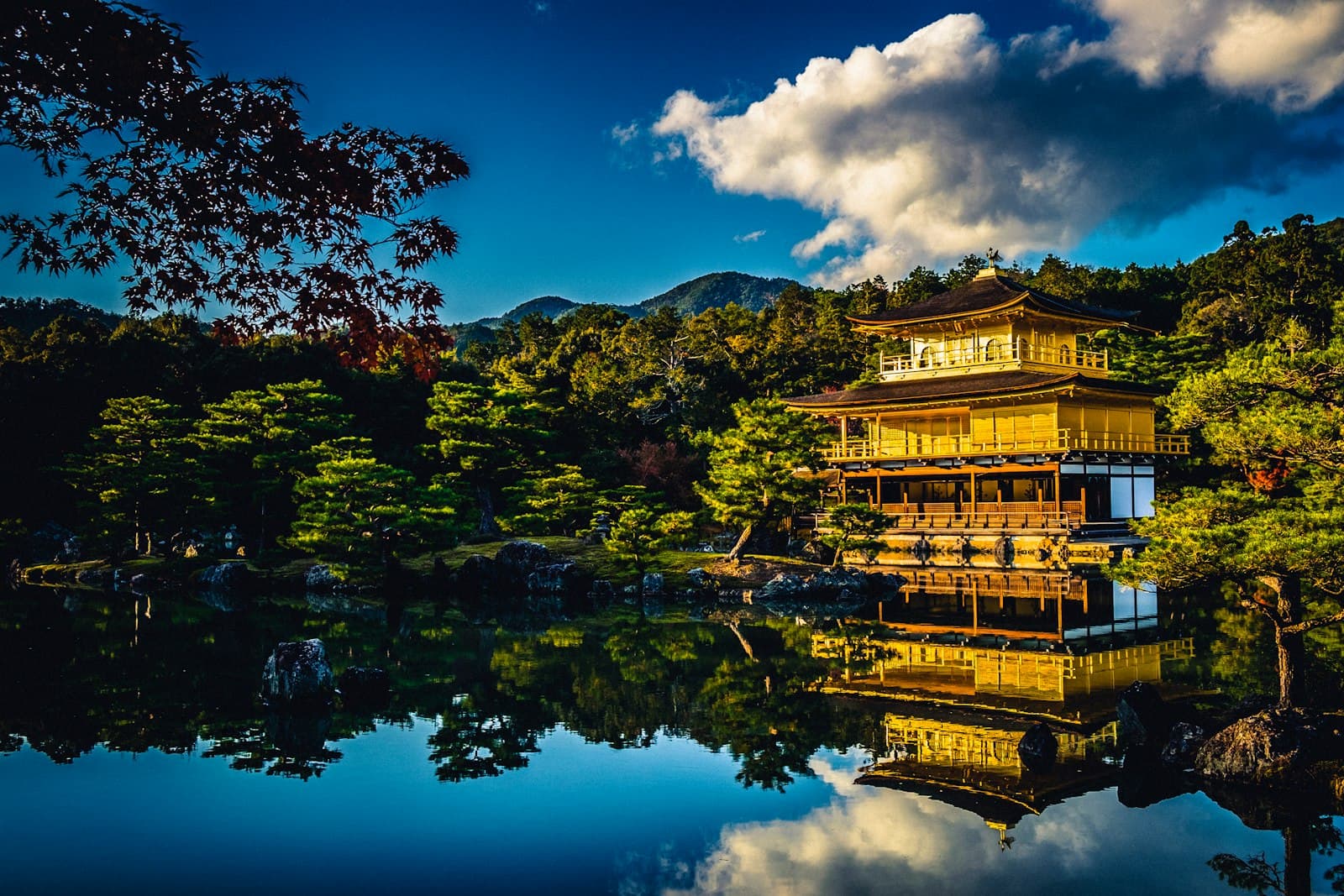
Autumn in Japan often conjures images of crowded Kyoto temples and narrow, congested stone paths. Big mistake. Discerning travelers know that the true shift of the seasons begins much further north. At Japan Royal Service, our team directs clients to Hokkaido’s Daisetsuzan National Park for the earliest autumn colors in the country. Here, the initial blush of red appears in mid-September, weeks before the mainland turns.
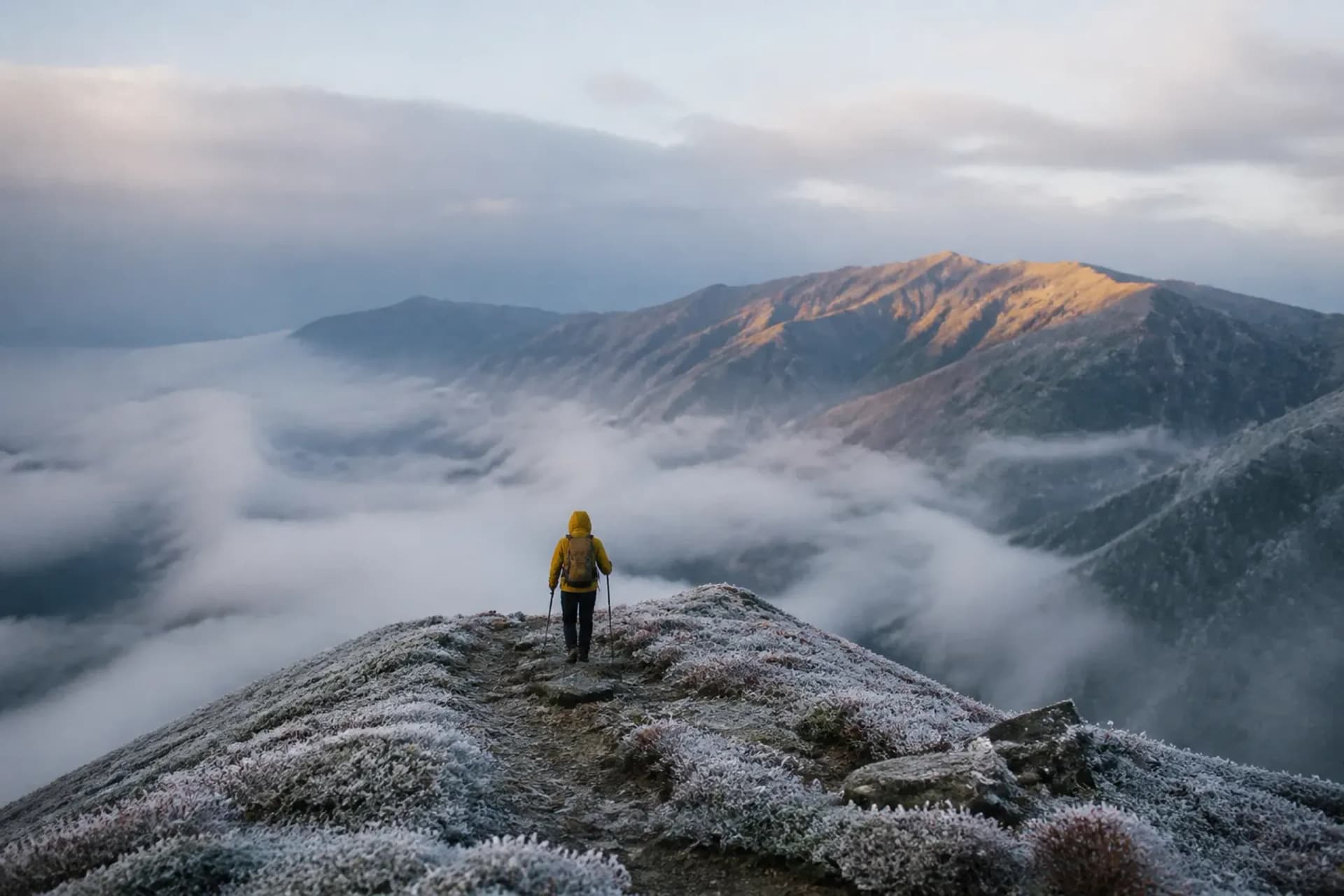
This is a landscape of vast silence. Altitude dictates the season. Daisetsuzan, which translates to 'Great Snowy Mountains,' acts as the geographic and ecological roof of Hokkaido. As early as mid-September, the high plateaus surrounding Mount Kurodake and Mount Asahidake begin their dramatic shift. Crisp air. Silent peaks. A sudden flash of crimson against grey volcanic rock.
For high-net-worth travelers, executing a flawless journey into this alpine environment requires extreme precision. The weather is unpredictable, the logistics are complex, and the window for peak foliage is fiercely brief. Our concierge team orchestrates these variables entirely behind the scenes.
The Earliest Koyo: Why Daisetsuzan Leads Japan’s Autumn
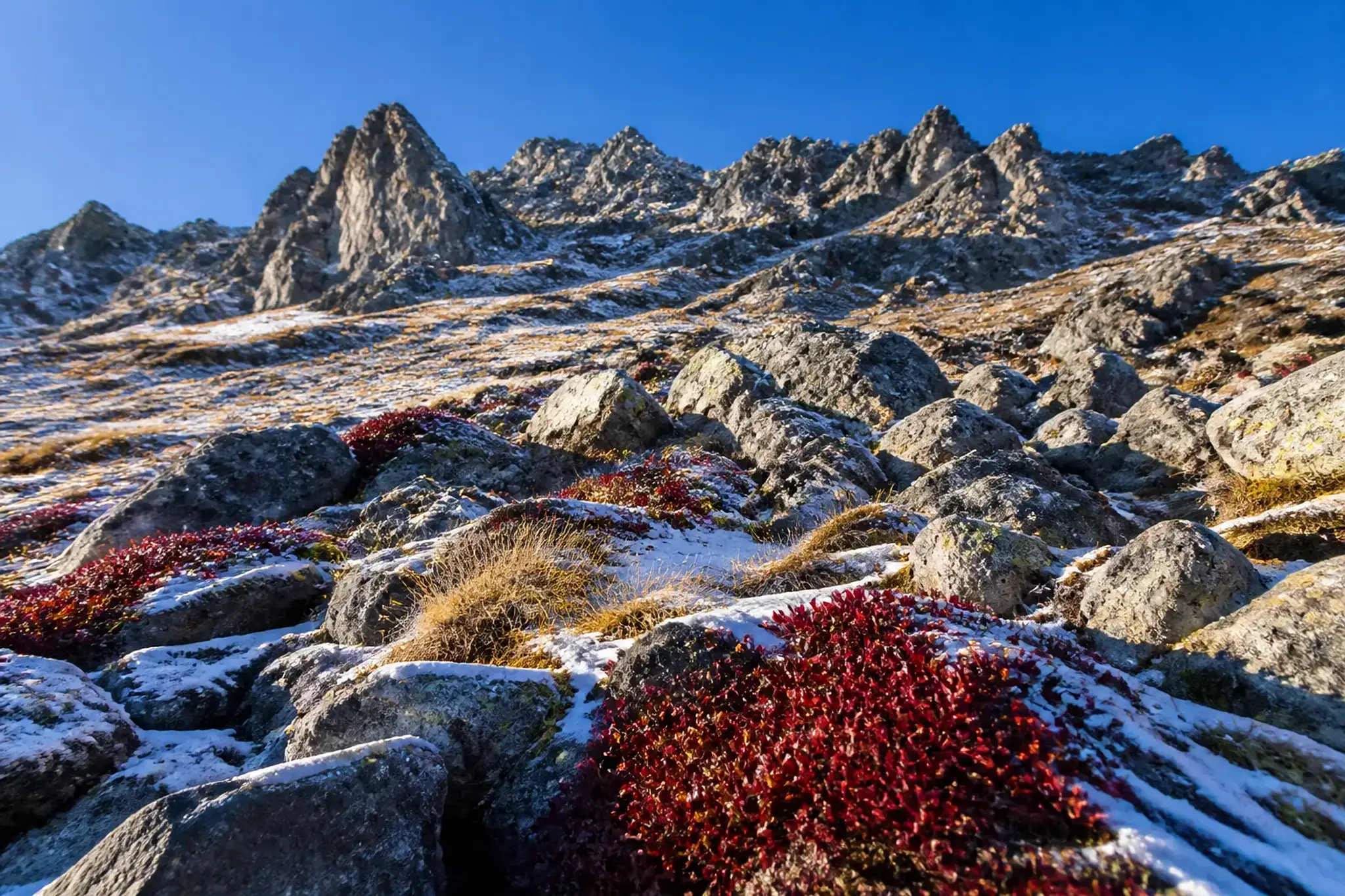
The high altitudes of Daisetsuzan trigger Japan's earliest transition into autumn.
Elevation is the primary catalyst for autumn foliage, known in Japanese as koyo. While Tokyo swelters in late-summer humidity, the alpine zones of Daisetsuzan are already bracing for frost. Around the 1,300-meter mark near Kurodake Station, the leaves of the Erman's birch turn a sharp, piercing gold. The alpine rowan bushes ignite in scarlet.
This phenomenon does not last. The transition is remarkably fast, driven by stark temperature drops between night and day. This fleeting nature perfectly encapsulates the Japanese aesthetic of wabi-sabi—finding profound beauty in transient, imperfect, and decaying things. You are not observing a static painting. You are watching a brief, brilliant final act before the heavy Hokkaido snows arrive.
To witness this requires timing. Historically, the optimal window spans from mid-September through early October. Catching the peak requires real-time intelligence, daily weather tracking, and the ability to pivot an entire day's schedule based on wind conditions at the summit.
Strategic Logistics: Asahidake Versus Sounkyo Onsen
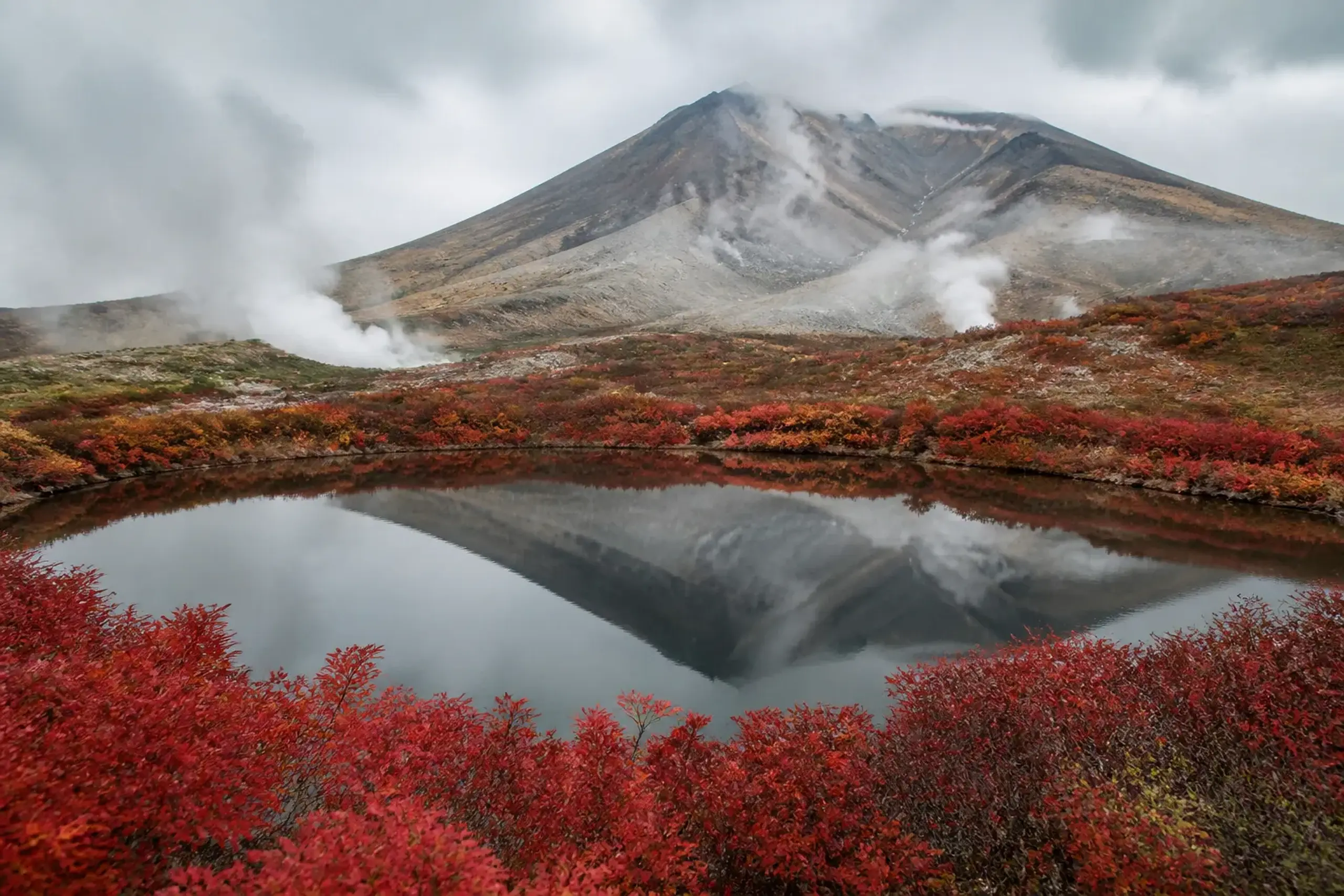
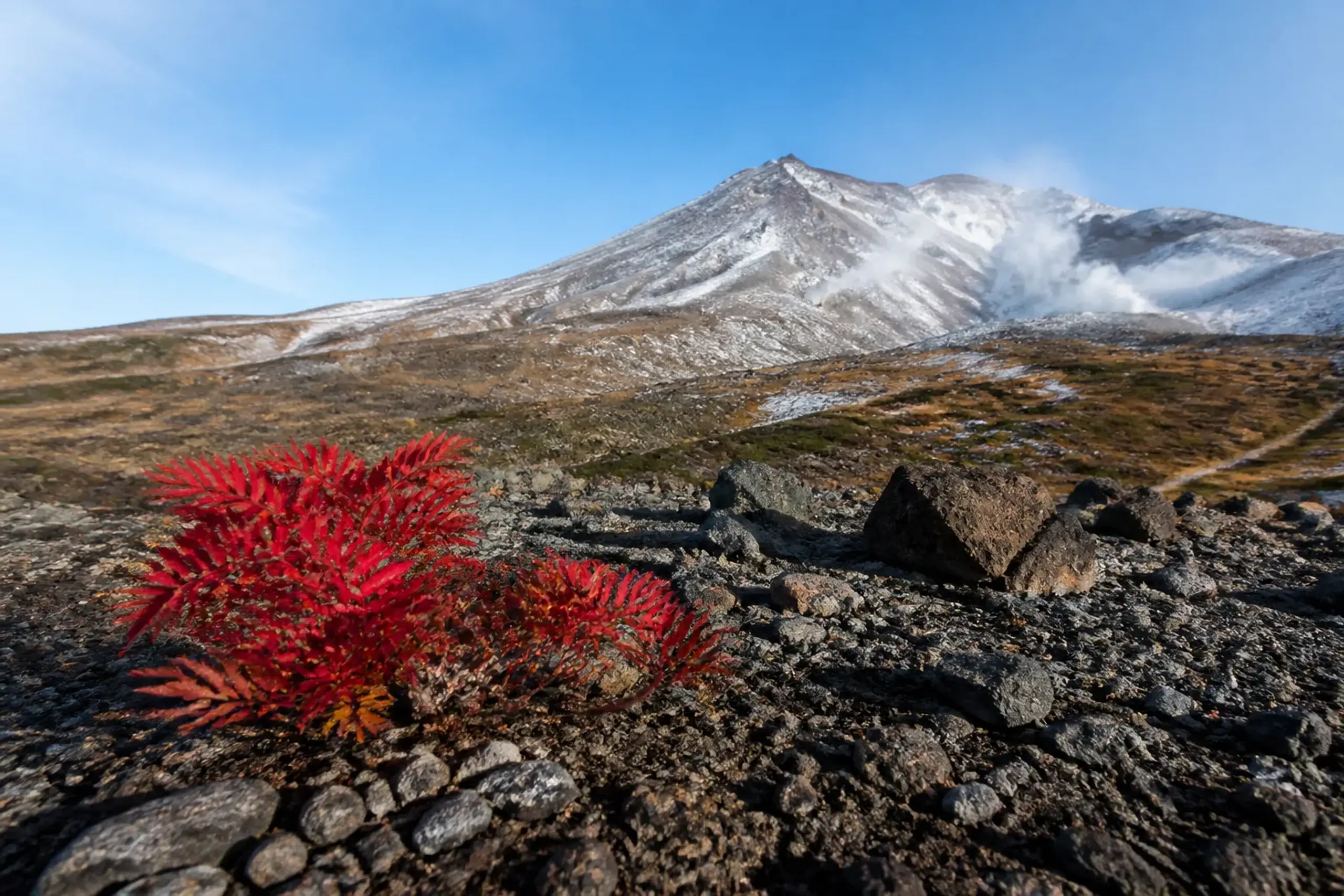
Sugatami Pond offers immediate, high-impact alpine views via the Asahidake Ropeway.
Daisetsuzan is not a single mountain; it is Japan’s largest national park. Choosing the correct staging ground is a critical early decision. Most high-end itineraries anchor in one of two primary hot spring towns, each offering distinct access vectors to the alpine peaks.
| Base Location | Primary Access | Atmosphere & Terrain |
|---|---|---|
| Asahidake Onsen | Asahidake Ropeway | Immediate high-alpine access. Volcanic vents, Sugatami Pond loop, rugged wilderness. |
| Sounkyo Onsen | Kurodake Ropeway & Lift | Deep gorge setting. Access to the Seventh Station via chairlift, dramatic waterfalls. |
Relying on local transit in this rugged terrain introduces unnecessary friction. Instead, our team secures premium private transportation for clients. A dedicated chauffeur ensures that your transition from New Chitose Airport to these remote trailheads is entirely insulated from public crowds.
Wabi-Sabi In The Alpine: Quiet Observation Over Checklist Touring
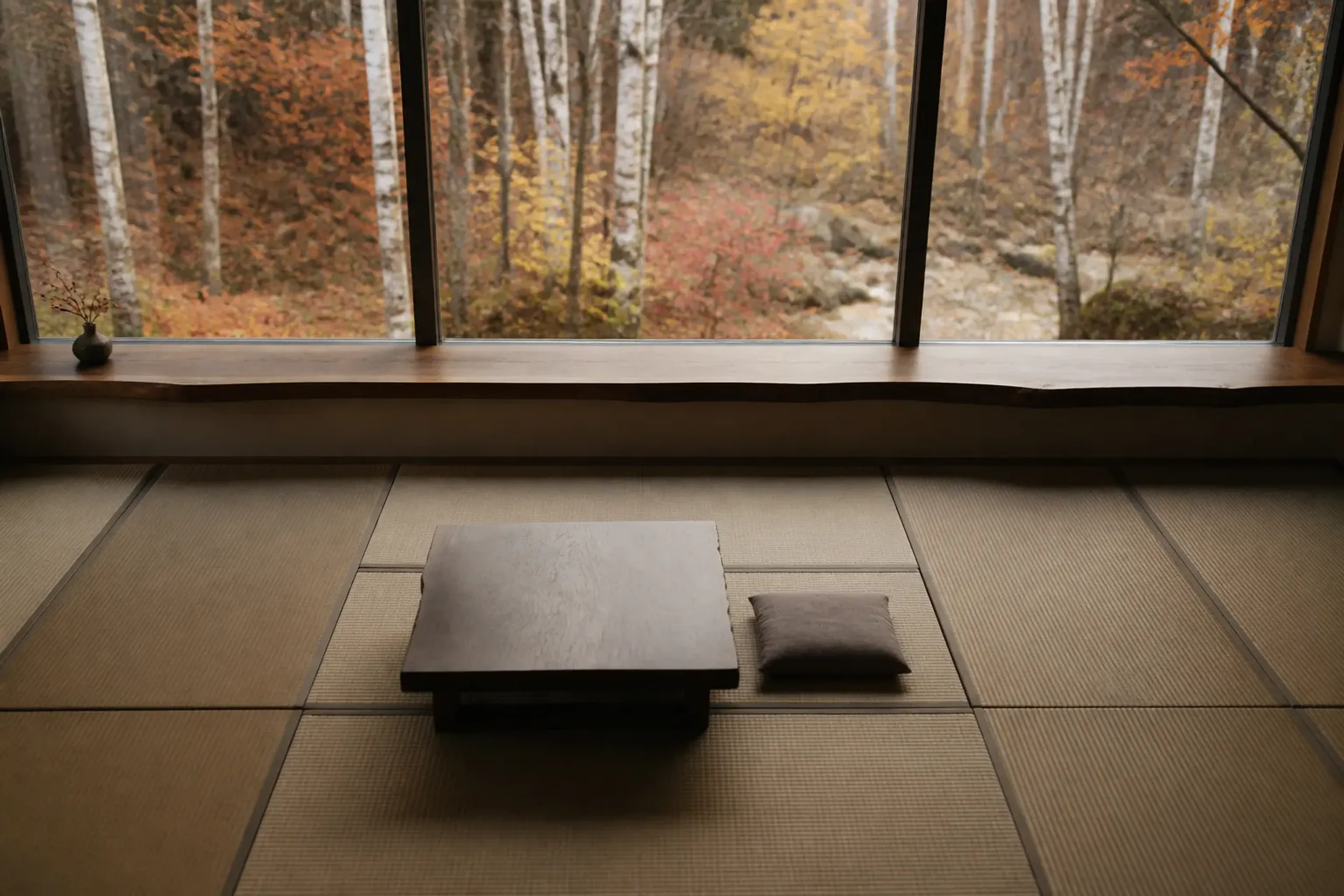
True luxury is found in quiet, unhurried observation of the changing seasons.
True luxury in Hokkaido is not found in gold-leaf extravagance. It is found in quiet restraint. We encourage clients to adopt a slower pace when approaching Daisetsuzan. Rather than rushing from one observation deck to another, allow the environment to dictate the rhythm of the day.
Consider the Sugatami Pond loop, accessible via the Asahidake Ropeway. This roughly one-hour walking path circles alpine lakes that reflect the steaming volcanic vents of Mount Asahidake. The contrast between the stark white steam and the bright red nanakamado bushes is striking. Walking this path early in the morning, before the primary influx of hikers, offers a rare moment of absolute isolation.
Back in the valleys, this respect for nature translates into human craftsmanship. Hokkaido is home to exceptionally skilled shokunin (master artisans). In towns like Asahikawa, woodworkers utilize local timber to craft precise, minimalist vessels. One of our coordinators frequently notes that interacting with these artisans provides a grounding counterpoint to the massive scale of the mountains. Viewing their private studios reveals the meticulous, quiet labor that defines northern Japan.
Official Walking Tours And Ropeway Access
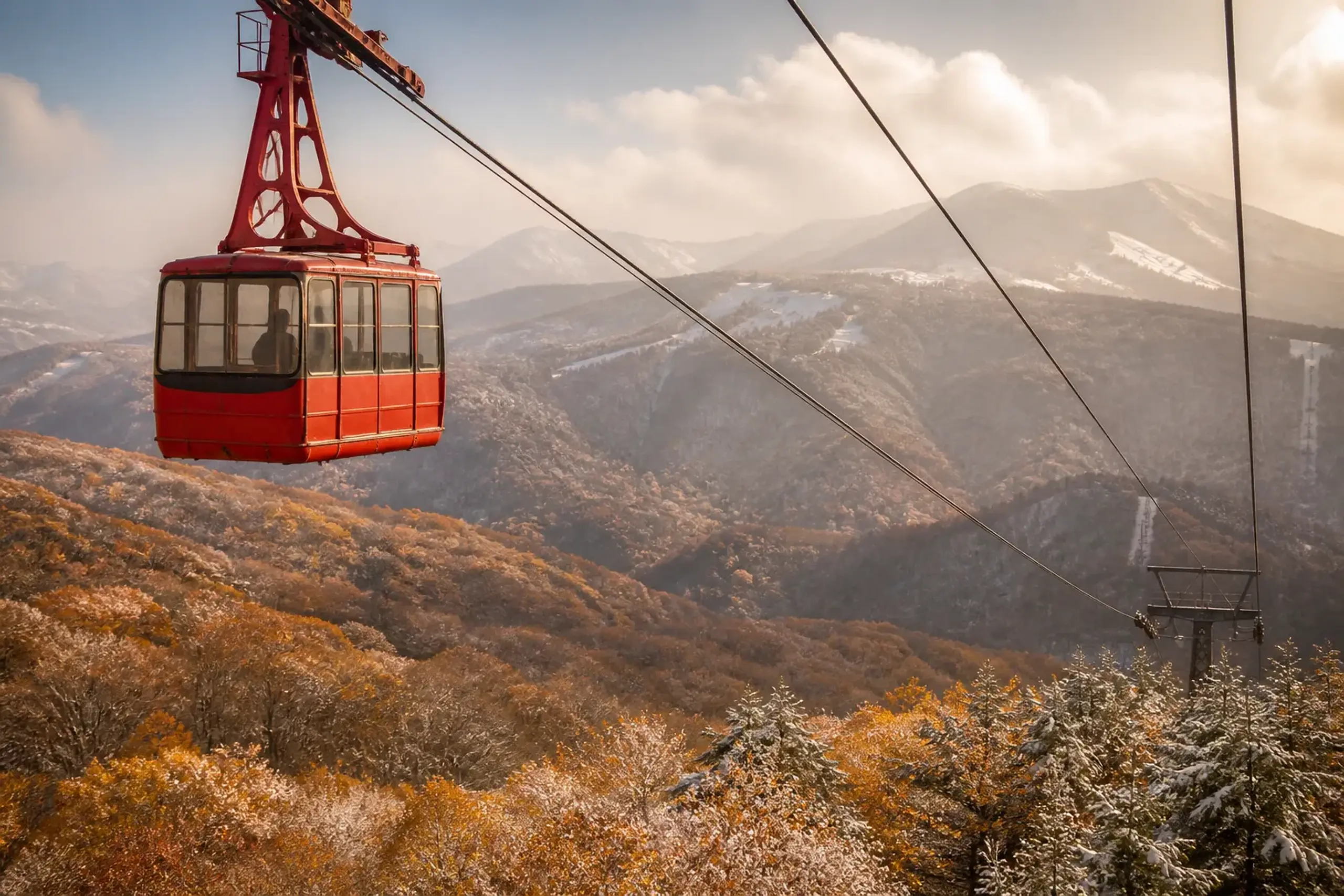
Official ropeways provide crucial access to the alpine zones, demanding precise weather tracking.
Navigating the alpine terrain requires clear operational boundaries. For the upcoming 2026 season, local operators have established structured access points that maximize safety and scenic value.
Option A: Fixed-Date Guided Alpine Walks
Hokkaido Chuo Bus offers an Asahidake “Garden in the Sky” walking tour, which features a specific operation period from September 14 through October 15, 2026. This allows travelers to experience the high-altitude foliage with professional pacing. Guests interested in learning more may contact our concierge for tailored guidance on integrating this into a broader itinerary.
Option B: Independent Ropeway Ascents
The Kurodake Ropeway and Lift in Sounkyo elevate visitors from the valley floor to the Seventh Station. From here, the autumn colors roll down the slopes in dramatic waves. The official Asahidake Ropeway site similarly provides crucial daily weather and operational updates. Because wind can halt gondola operations abruptly, checking these official sources every morning is mandatory.
Key fact: Alpine weather in Daisetsuzan can shift from clear skies to heavy fog in minutes. Unwavering flexibility and a robust contingency plan are non-negotiable requirements for this region.
Urban Luxury To Alpine Silence: The 2026 Sapporo Transition
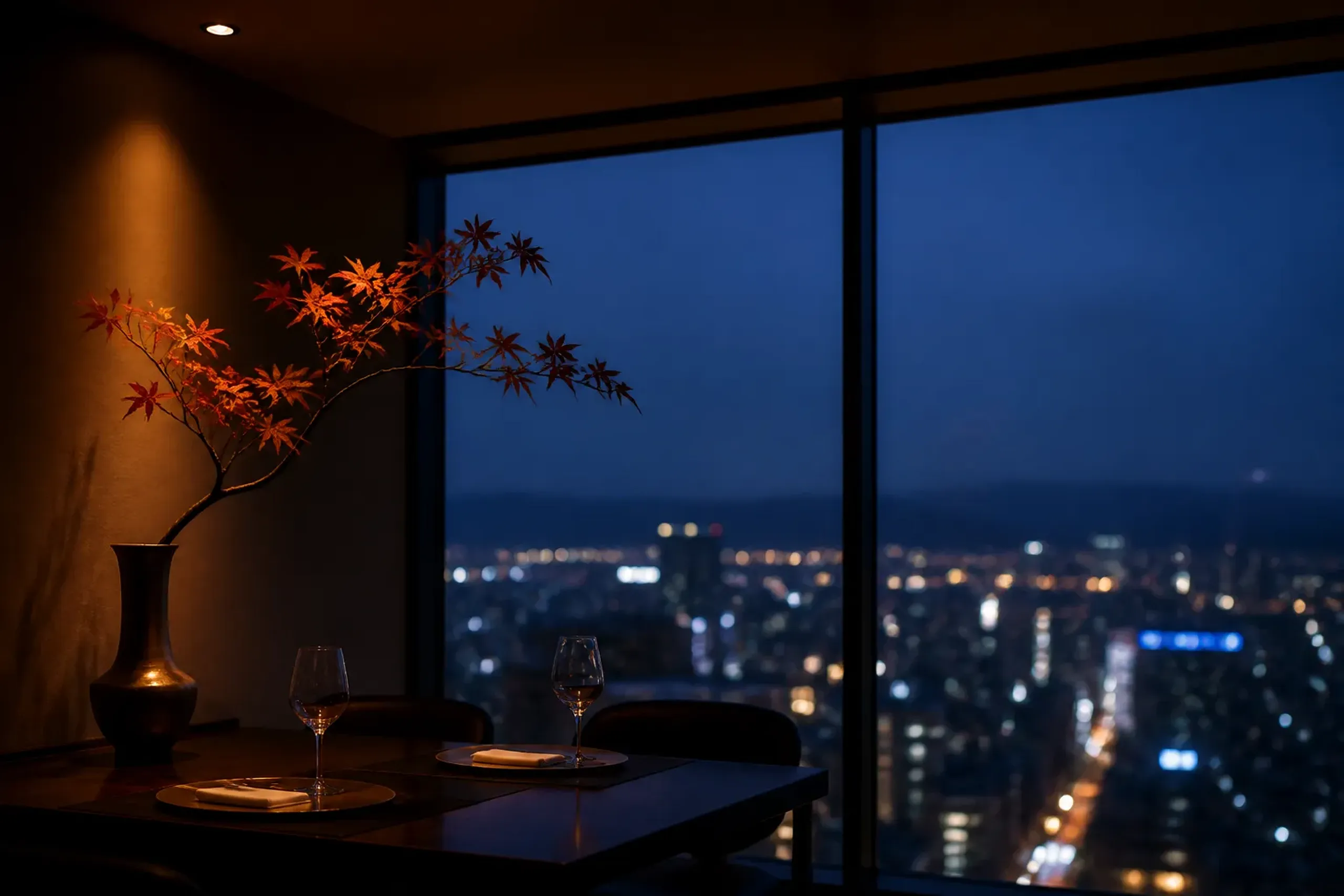
Sapporo provides a highly refined urban anchor before retreating into the wilderness.
Hokkaido’s luxury accommodation landscape is evolving, providing better anchors for wilderness exploration. The InterContinental Sapporo is scheduled to open on October 1, 2026. This property introduces a crucial new layer of high-end urban supply to the island's capital.
This timing perfectly overlaps with the tail end of the Daisetsuzan koyo season. Smart routing utilizes Sapporo as a sophisticated decompression zone. Clients can land, recover from their international flight in a highly refined urban environment, and enjoy Michelin-grade dining. Afterward, a discrete transfer carries them deep into the Daisetsuzan valleys.
By blending the polished arrival choreography of a major international brand with the hidden, moss-draped silence of an alpine ryokan, the journey achieves a perfect balance. Our concierge team frequently crafts tailor-made itineraries that juxtapose these two distinct worlds.
Discretion And Contingency: High-Altitude Travel Management
The single most valuable asset in luxury travel is privacy. Our primary clientele—successful entrepreneurs, executives, and notable figures—require total discretion. In Daisetsuzan, the remote geography naturally supports anonymity. We reinforce this by managing specific arrival times, utilizing private dining rooms in local ryokans, and securing highly vetted local guides who understand the absolute necessity of confidentiality.
Furthermore, we manage the invisible friction of alpine travel. If severe winds ground the Asahidake Ropeway, our guests do not wait in crowded terminals. We instantly pivot to pre-arranged alternatives. Perhaps a private viewing of a local shokunin gallery, or an extended morning in a secluded, forest-facing private onsen. The client experiences only smooth, deliberate motion.
Why Choose Japan Royal Service
Navigating the earliest autumn colors in Japan requires more than a standard booking engine. It requires deep local intelligence, robust contingency planning, and an obsession with privacy. Our team at Japan Royal Service specializes in isolating the most profound cultural and natural experiences in Hokkaido, while shielding our clients from logistical friction. We do not loudly announce your presence. We simply ensure that every detail—from the angle of your private dining room to the timing of your alpine ascent—is flawlessly executed.
For private coordination, reach our team directly via WhatsApp or LINE, or contact us here to begin designing your autumn journey into the northern peaks.