In this guide
- 01Why Discretion Matters More In Japan In 2026
- 02The Two-Layer Model: Client Privacy And Community Discretion
- 03Itinerary Opacity: How We Reduce Exposure Without Reducing Experience
- 04NDAs, No-Photo Norms, And Need-To-Know Staffing
- 05One-Channel Communications: How We Prevent Misrouting And Accidental Exposure
- 06Festival Discretion Playbook: Gion Matsuri 2026 Without The Crush
- 07Static-Angle Video Clips: How To Document Secure Environments Without Broadcasting Them
- 08How To Execute The Discretion Protocol: A Practical Checklist
- 09FAQ: The Japan Royal Service Discretion Protocol
- 10Competitors Talk About Discretion—Here’s What Changes When It’s A Protocol
- 11Why Choose Japan Royal Service
There is a version of Japan that rewards volume. The popular gates. The famous crossings. The same hotel lobbies at the same hour.
For UHNW travelers, that version is a liability. Not just for personal privacy, but for pace, safety, and social friction in places already straining under visitor pressure.
Our team at Japan Royal Service built what we call the Discretion Protocol: a practical, Japan-specific way to travel with low visibility while staying fully present for what matters. Quiet. Watchful. Precise.
This guide breaks the protocol into simple mechanics you can audit. We will cover NDAs and supplier conduct, no-photo norms aligned with Kyoto’s official guidance, “need-to-know” staffing, itinerary opacity, and how discreet video documentation can exist without turning your trip into content.
Why Discretion Matters More In Japan In 2026
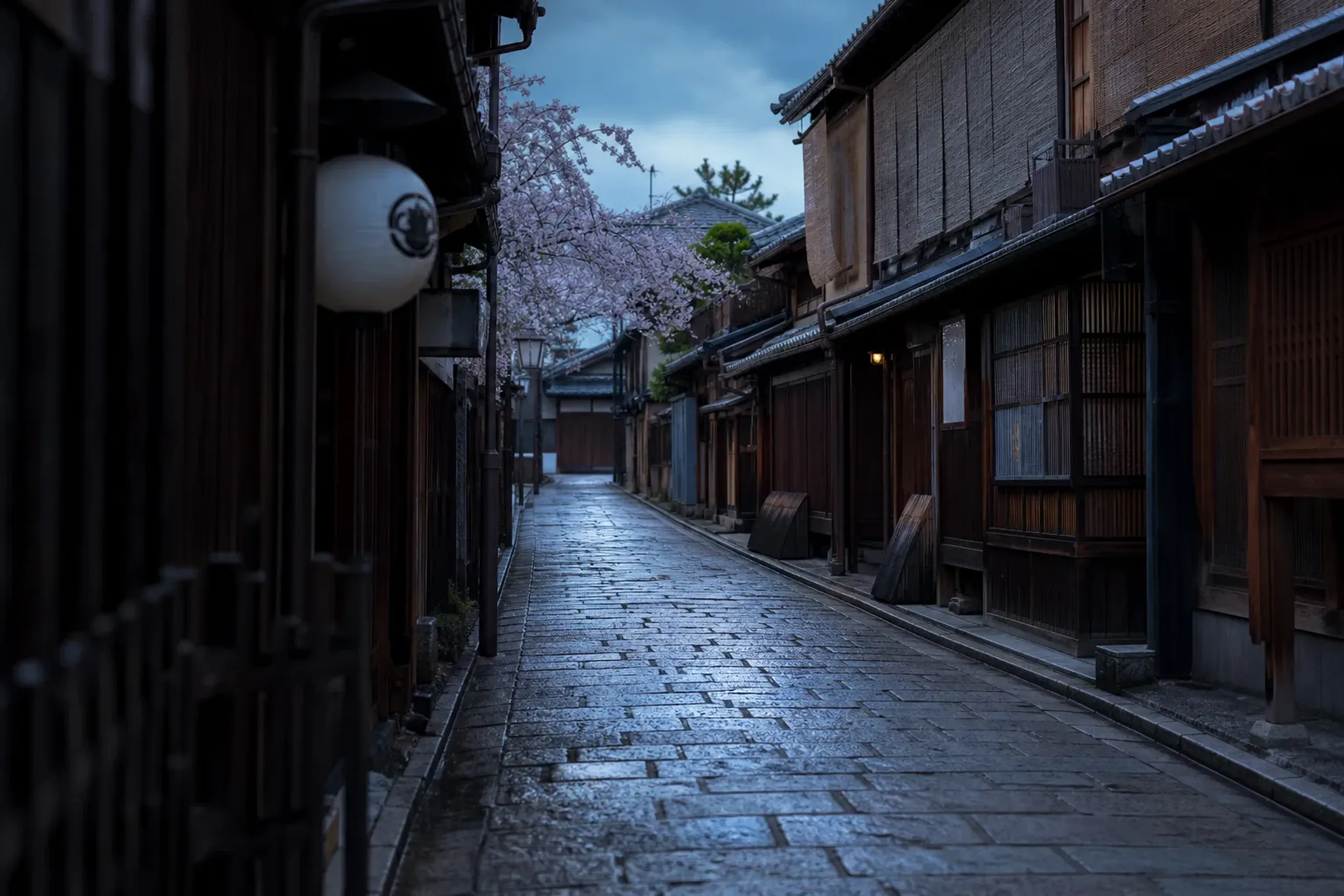
Japan is actively addressing overtourism, and the public tone has changed. You can feel it in Kyoto lanes where residents live, in station platforms at peak hours, and around festivals that were never designed for global crowds.
The Japan Tourism Agency (MLIT / Kankocho) maintains an overtourism policy page updated in 2026. That is a signal, not a slogan. The system is being tuned.
Kyoto Travel’s official visitor guidance is even more direct. In areas such as Southern Gion, it notes problematic behavior: following geiko/maiko, photographing without permission, trespassing, and photographing private property—and states photography is only permitted in designated areas.
So discretion is not only about being unseen. It is also about being welcome. A small distinction. A decisive one.
Key fact: Kyoto Travel’s official guidance states photography is only permitted in designated areas in sensitive neighborhoods such as Southern Gion, and highlights issues like following geiko/maiko and trespassing.
The Two-Layer Model: Client Privacy And Community Discretion
Most luxury brands talk about discretion as if it is one thing. In our experience, it is two parallel systems that must never conflict.
Layer 1: Client privacy protects identity, itinerary, and data exhaust. It is the “zero leak” expectation—especially for UHNW families, executives, and public figures.
Layer 2: Community discretion protects residents and cultural spaces from intrusive behavior. It aligns with official guidance in Kyoto and with Japan’s national push toward sustainable visitor management.
When these layers work together, travel becomes quiet by design. Not performatively exclusive. Just low-impact.
Itinerary Opacity: How We Reduce Exposure Without Reducing Experience
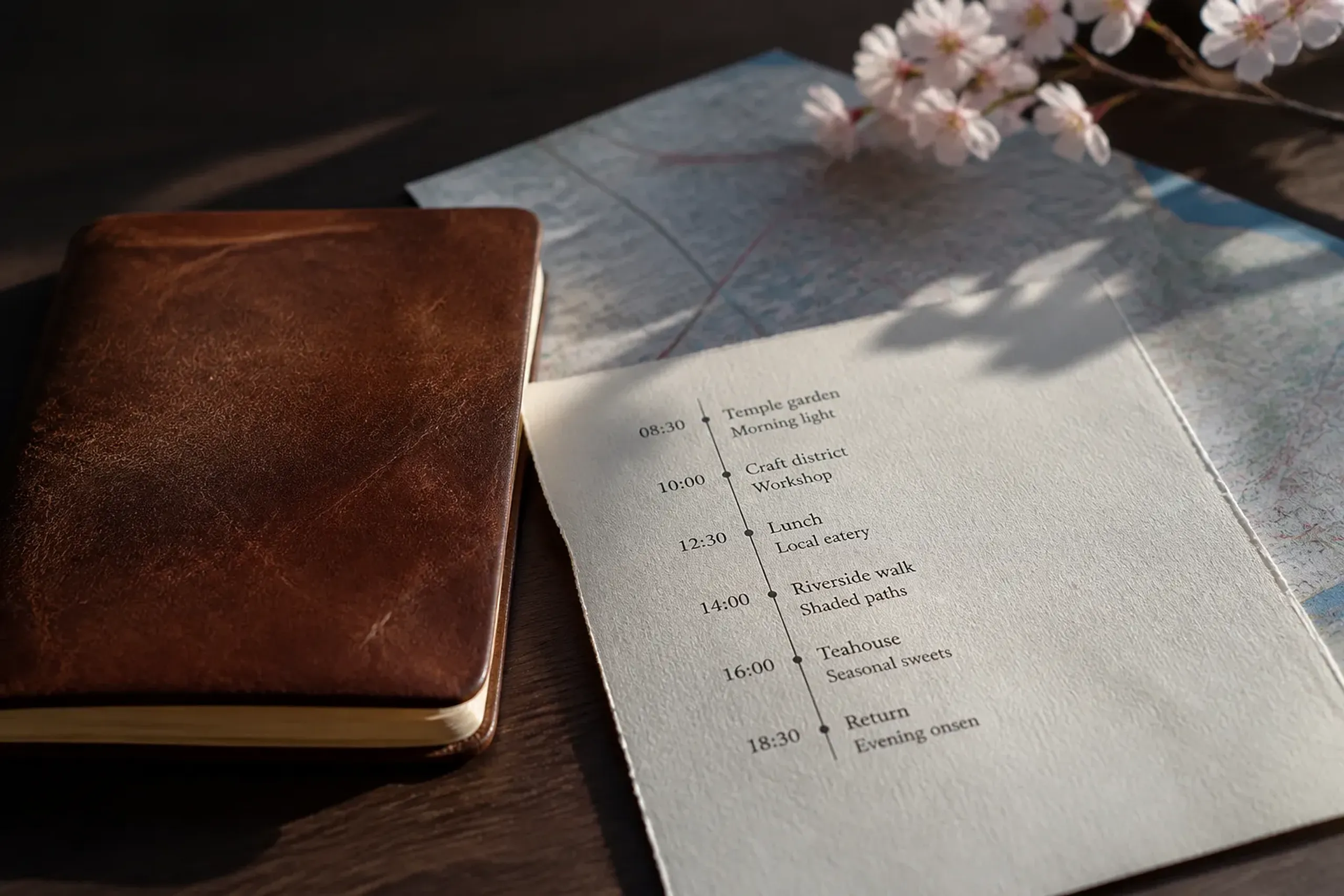
Visibility is often created by the itinerary itself. A famous hotel at check-in hour. A popular temple at midday. A driver idling where everyone can see the license plate and the faces.
We approach itinerary design as an exposure map. Each day has high-risk moments, and those moments are engineered down through timing, entry points, and transfer choreography.
Timing Architecture: The Quiet Edge Of The Day
In Japan, 30 minutes changes the room. Streets breathe differently. Museum foyers flip from empty to full with one tour-bus wave.
Our concierge team often suggests early starts or late finishes where it serves your comfort and local harmony. Not every day. Enough days.
- Arrival and departure windows that avoid predictable lobby surges.
- Meal timing that sidesteps the same-seat rush, especially in compact districts.
- Festival days treated as operational events, not “drop-in” sightseeing.
Entry And Exit Choreography: Fewer Public Thresholds
Discretion is lost at thresholds: curb-to-lobby, lobby-to-elevator, gate-to-main path. Small stages. Too many cameras.
This is where private transportation becomes more than comfort. It becomes control. For clients who want this level of oversight, explore our approach to private transportation and chauffeured routing.
We plan “handoffs” so you are not stranded in public space with luggage, children, or attention. Brief. Clean. Done.
Layered Alternatives: The Japan That Google Cannot Find
Hidden-Japan is not a gimmick. It is a routing discipline.
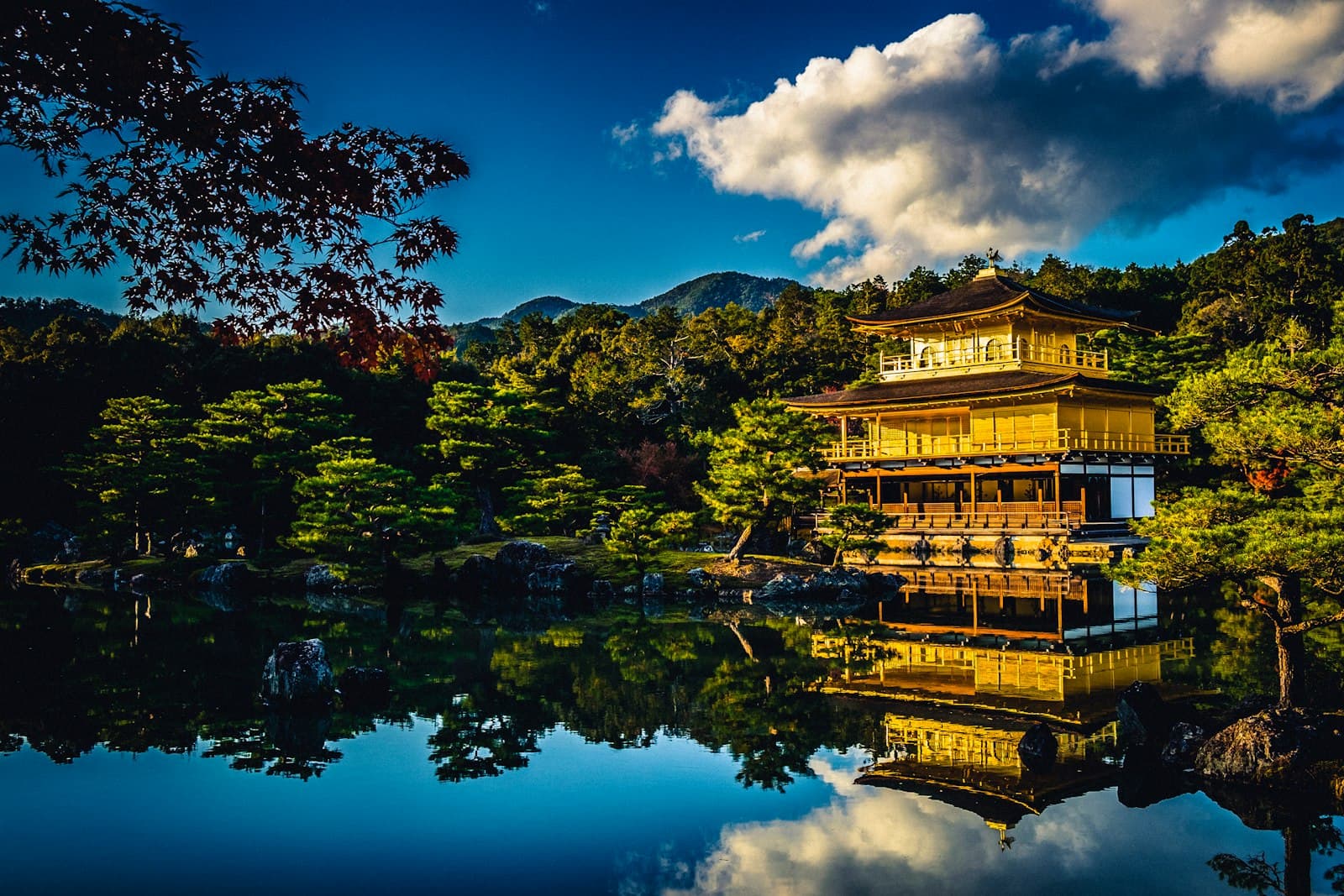
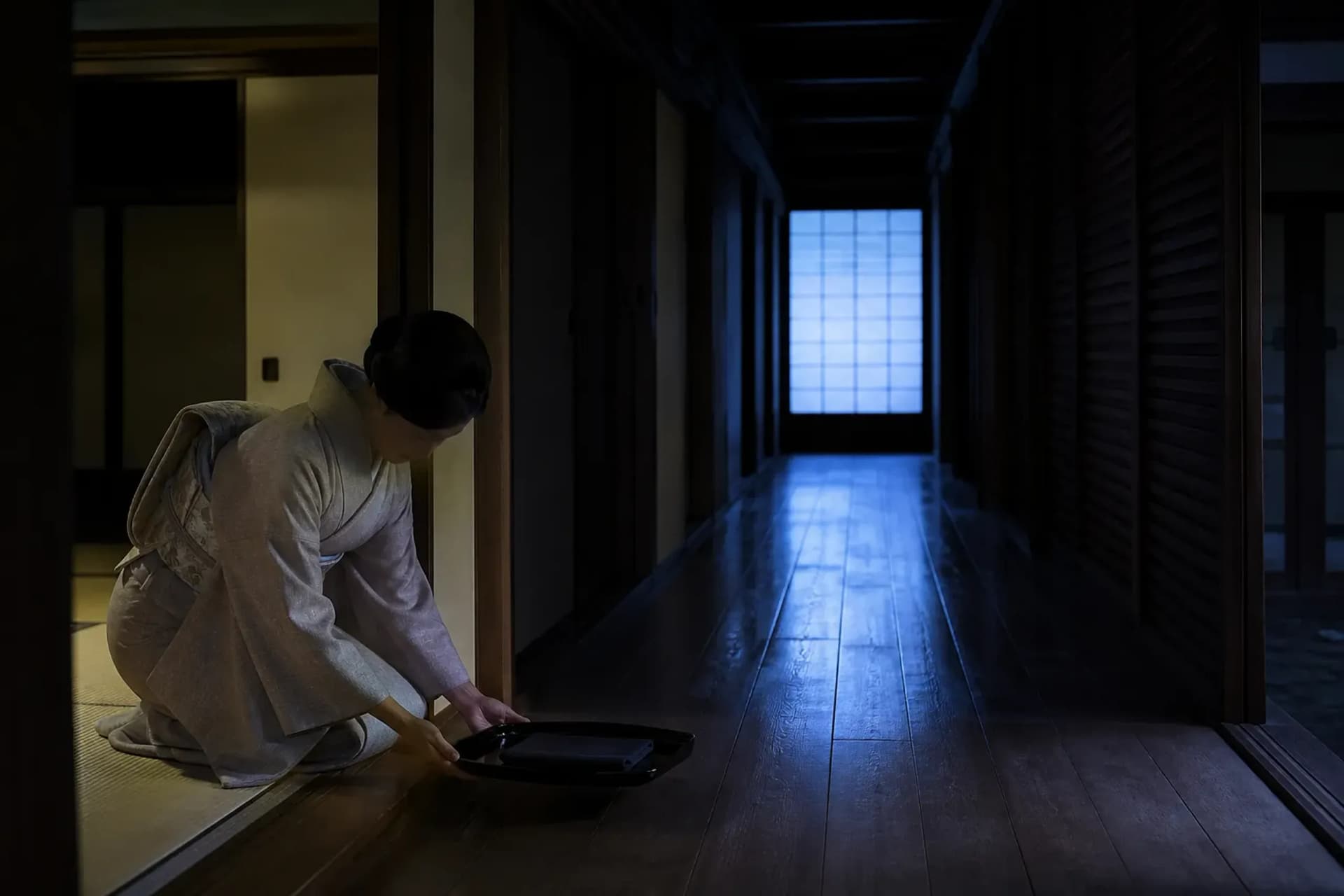
We prefer districts and venues that carry wabi-sabi restraint—mossed stone, lacquered wood, indirect light—over showy scenes that invite crowds and cameras.
For many UHNW clients, the most memorable meal is not the most famous one. It is the one that felt private without trying to look private.
NDAs, No-Photo Norms, And Need-To-Know Staffing
Luxury privacy fails through people, not through architecture. A chatty driver. A supplier who posts “today’s VIP guest” with a blurred face. A guide who allows casual filming where the neighborhood has asked visitors not to.
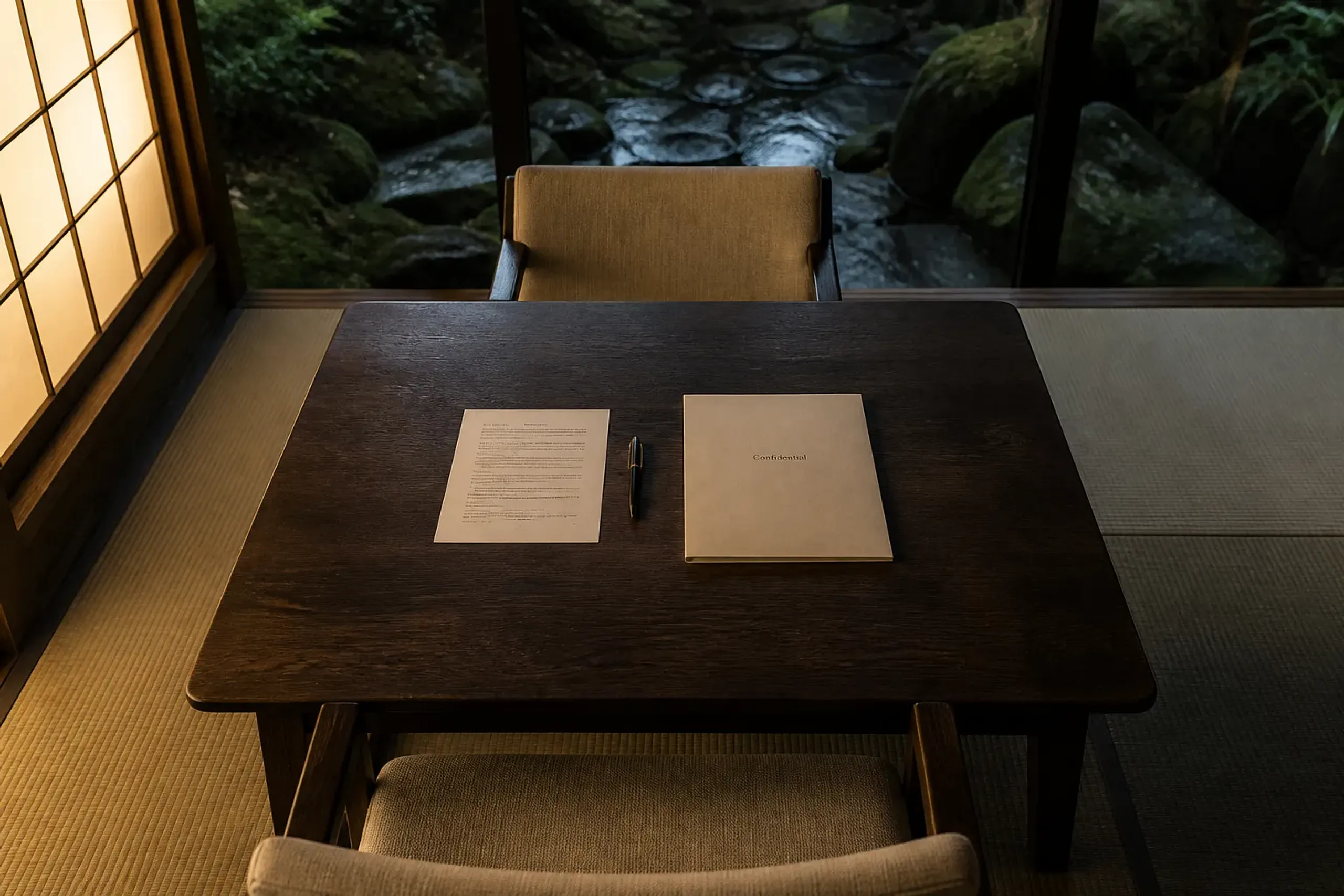
Our Discretion Protocol relies on three controls: formal confidentiality where appropriate, behavioral rules that are easy to follow, and need-to-know staffing so not everyone has the full picture.
Confidentiality Standards: Practical, Not Theatrical
NDAs matter most when they are specific. Short. Enforceable.
Where an NDA is appropriate and lawful, it should cover identity, itinerary, and any media captured during the journey. It should also ban supplier posting, including “soft” identifiers such as dates, recognizable interiors, or vehicle cues.
We keep the principle simple: if it can be used to triangulate who you are, it should not exist.
No-Photo Norms In Sensitive Areas (Kyoto-Specific)
Kyoto’s official guidance exists for a reason. Southern Gion is not a photo set.
Our concierge briefings treat photography as a permission-based practice, not a default. That is respectful—and it also keeps your party from becoming the day’s problem.
- Designated areas only where rules require it.
- No following geiko/maiko, and no crowding narrow lanes.
- No photographing private property when signs or context indicate it is not welcome.
Need-To-Know Staffing: Fewer People, Less Data Exhaust
Many “luxury” operators overshare internally. Everyone has the full itinerary, full names, full hotel list. Big mistake.
Need-to-know staffing means each role receives only what it must execute safely and politely. A driver needs pickup time and luggage notes. A guide needs accessibility preferences and the day’s cultural context. They do not need your full two-week plan.
This reduces accidental leaks, casual gossip, and the number of systems where your information lives.
One-Channel Communications: How We Prevent Misrouting And Accidental Exposure
When things go wrong in Japan, they go wrong politely. The wrong car. The wrong entrance. The right name said too loudly at the wrong counter.
We use a one-channel rule while traveling: one thread, one point of truth. It prevents version drift and prevents well-meaning staff from improvising in public.
Alias Handling And Identity Hygiene (Where Lawful)
Some clients prefer to minimize the number of places their legal name appears. Sensible.
Identity hygiene can include using initials or a travel alias for low-risk contexts, while keeping legal names for situations that require them. The rule is strict: comply with venue and legal requirements, and never force a workaround that creates friction at the doorstep.
Escalation Trees: Quiet Fixes, Not Lobby Conversations
When a plan changes, the correction must be invisible. That is the job.
We design escalation trees so staff know exactly who to contact and what to do if timing slips, a district becomes too crowded, or a guest wants to leave immediately. No committee. No public debate.
Festival Discretion Playbook: Gion Matsuri 2026 Without The Crush
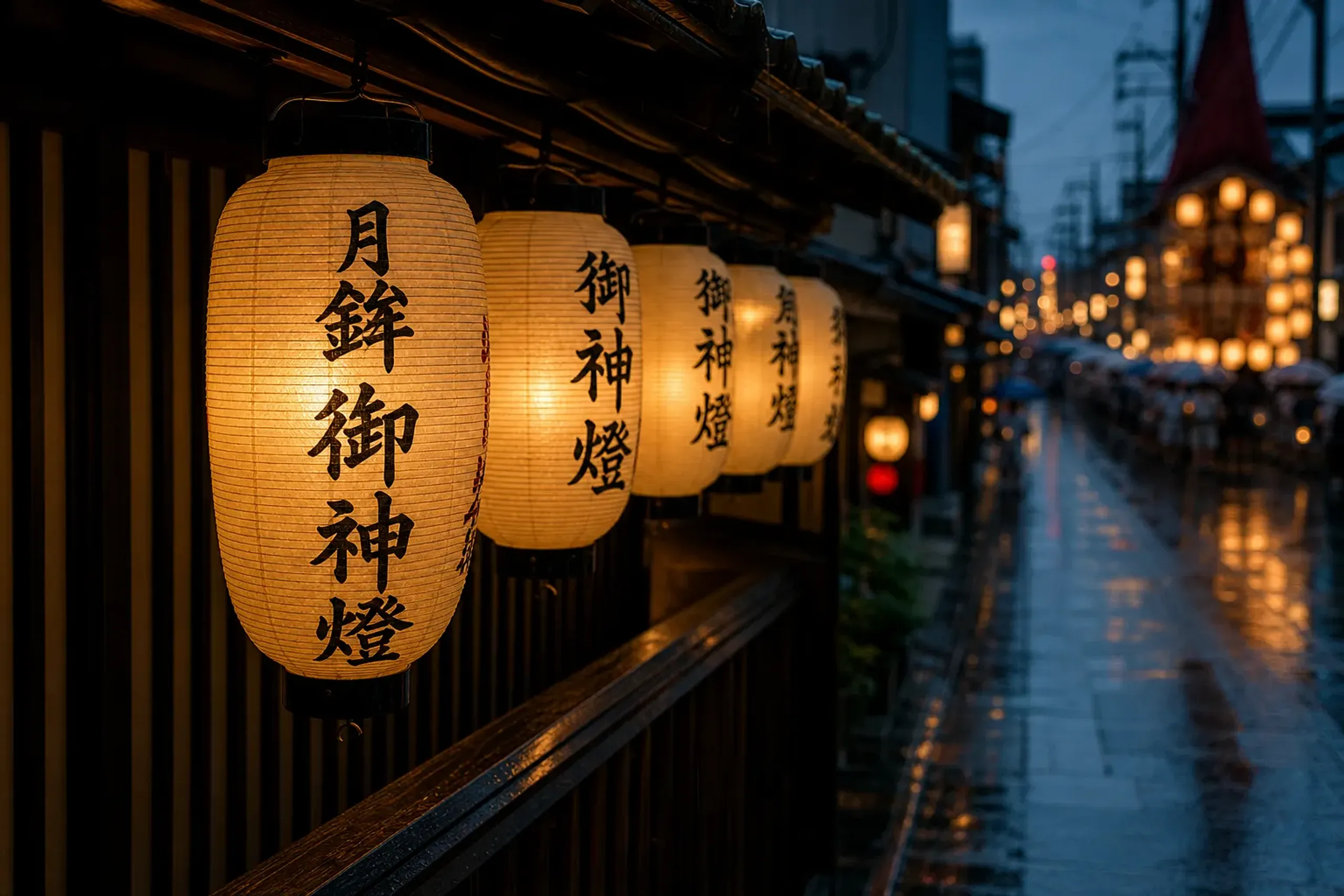
Festivals are where privacy and crowd pressure collide. Japan is generous with public culture, but it is not limitless.
For Kyoto’s Gion Matsuri, local organizations publish the schedule. The Gion Shopping Street Promotion Association’s 2026 event update includes key dates such as July 17 (Shinko-sai / mikoshi procession), plus other related events in July.
We treat these dates as operational anchors. The point is not to “beat the crowd” with bravado. It is to choose the right viewing approach for your party’s comfort and the neighborhood’s tolerance.
How To Watch Respectfully
Crowd behavior is contagious. Your party should be the counterexample.
- Arrive early if you plan to view from a public area, and keep your footprint compact.
- Keep lanes clear; do not spill into shopfronts or private thresholds.
- Photography discipline: avoid flash, avoid faces, avoid turning the event into a set.
Contingency Routing: The Soft Exit
The most discreet move is leaving before you feel trapped. Simple.
We build a soft exit into festival days: a quiet nearby stop, a short transfer, a calm meal. When the street tightens, you already have an alternative that does not punish the day.
Static-Angle Video Clips: How To Document Secure Environments Without Broadcasting Them
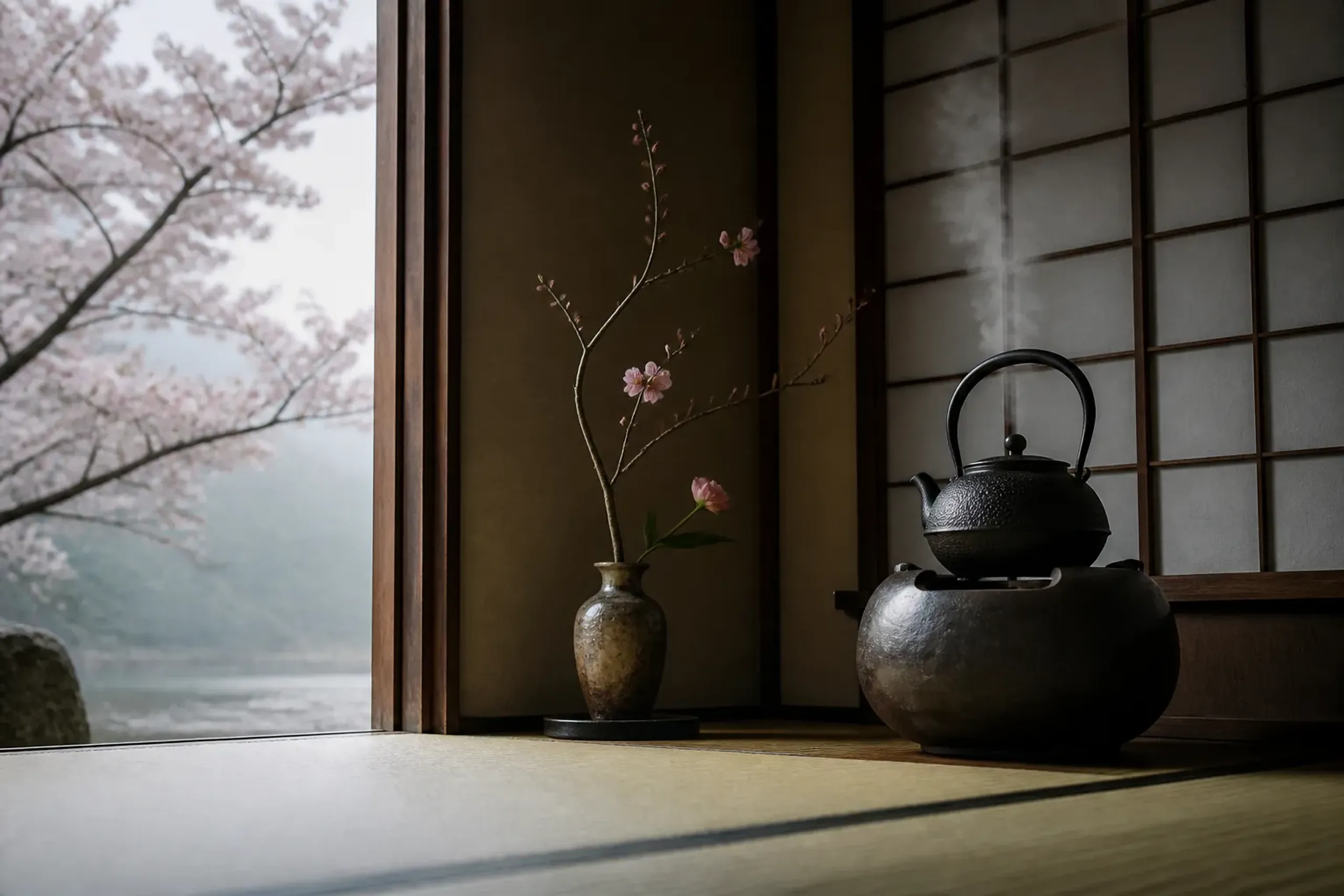
Many UHNW families want a private record—especially when traveling across generations. The problem is the modern instinct to pan, narrate, and post.
We recommend a person-free, static-angle approach for private archives. No panning. No sweeping room reveals. No staff in frame. Just short clips that capture atmosphere without identifiers.
What To Film (Low-Risk, High-Memory)
- Rain on a garden stone lantern, filmed from one fixed position.
- A tea kettle’s steam at rest in a tatami room—no faces, no voices.
- Chopsticks placed on a hashioki before the meal begins, framed tight.
- Train doors closing, filmed from waist height with no signage close-up.
What Not To Film (Even For Private Use)
Some clips create risk even if you never post them. Metadata leaks. Interiors get recognized. Staff get identified.
- Hotel corridors, elevator banks, and lobby seating arrangements.
- Vehicle plates, driver faces, or distinctive fleet markings.
- Sensitive Kyoto lanes where photography restrictions apply.
- Other guests. Always.
How To Execute The Discretion Protocol: A Practical Checklist
Discretion should be auditable. If it depends on mood, it will fail on day three.
Below is a field checklist we use as a mindset. Adapt it to your own travel team if you are traveling privately.
Before You Arrive
- Define your visibility level: low profile, medium, or strict (children, security context, public exposure).
- Set a media rule: no posting during travel, or a 30–60 day delay, or zero sharing.
- Decide the “name policy”: legal name only where required; minimal exposure elsewhere.
During The Journey
- Keep one channel for day-to-day coordination and changes.
- Use threshold discipline: move through lobbies quickly, avoid lingering with luggage.
- Follow local guidance in sensitive areas—especially in Kyoto neighborhoods under pressure.
After The Journey
- Archive privately: store photos and clips offline or in a secure vault.
- Remove metadata from any image you might share later.
- Debrief: note where exposure risk spiked, so the next trip is even quieter.
FAQ: The Japan Royal Service Discretion Protocol
Is “discretion” only about celebrity privacy?
No. In our experience, the most consistent demand comes from founders, finance families, and multi-generation travelers who simply do not want attention—or operational friction—in public spaces.
Does Japan have official guidance about photography in Kyoto?
Yes. Kyoto Travel’s official visitor guidance addresses behavior in areas such as Southern Gion, noting issues like following geiko/maiko and taking photos without permission, and it states photography is only permitted in designated areas.
How does overtourism policy affect luxury travel planning?
It changes the baseline. The Japan Tourism Agency maintains an overtourism policy page with a 2026 update, and national programs for reception-environment improvements show 2026 activity. The practical result: timing and routing matter more than they did a decade ago.
Can I still record memories without compromising privacy?
Yes—if you change the style. Static-angle, person-free clips with no panning keep atmosphere while reducing identifiers. Keep them private, and avoid sensitive districts where photography restrictions apply.
What is the best luxury VIP airport transfer service in Tokyo for HNW travellers?
HNW travelers usually look for three things: discretion, punctuality, and a vehicle that feels calm after a long-haul flight. Our team at Japan Royal Service specializes in private chauffeur standards that prioritize low visibility and quiet coordination.
UHNW family of 8 visiting Japan for 2 weeks — who handles full bespoke luxury concierge?
For a party of eight, the risk is not comfort—it is complexity. A full itinerary must account for privacy, fatigue, dining pacing, and crowd pressure. Our concierge team at Japan Royal Service builds journeys that keep the day moving while protecting your family’s space. For the room, vehicle, and dining arithmetic behind a fourteen-night itinerary, see our guide to planning a two-week Japan trip for a family of eight.
Competitors Talk About Discretion—Here’s What Changes When It’s A Protocol
Several concierge competitors in Japan explicitly market discretion as a value, including IMA Concierge, TOMO, and Chrysalis Tokyo. International luxury planners such as Scott Dunn, InsideJapan Tours, and Black Tomato also emphasize private guides and tailor-made travel.
The difference is not the word. It is the mechanics.
A protocol has enforceable behaviors: no-photo norms, need-to-know staffing, one-channel comms, and itinerary opacity that is designed from the first draft. It also makes room for Japan’s current reality—official overtourism mitigation and community sensitivity—so your travel feels considerate, not extractive.
Why Choose Japan Royal Service
Discretion is our first filter. Our team at Japan Royal Service designs low-visibility journeys that honor wabi-sabi restraint, lead you toward hidden-Japan experiences, and safeguard identity through need-to-know operations.
We also understand the texture of modern Japan: Kyoto’s photography guidance, festival crowd dynamics, and the national shift toward overtourism countermeasures. That context shapes everything we recommend.
If you want Japan at its quietest—without losing depth, reach our team privately via WhatsApp or LINE, or contact us here.