In this guide
- 01The Residency Week: The Inversion That Changes Everything
- 02Who This Format Fits (And Who Should Skip It)
- 03What “Everything Comes To You” Really Means (And What It Does Not)
- 04The Base: What A Property Must Have To Host A Residency Week
- 05The Week’s Rhythm: One Serious Session A Day
- 06Hidden-Japan Without The Chase: How Depth Replaces Distance
- 07What You Owe When The Master Is The Visitor
- 08Notice Periods: Why This Cannot Be Compressed
- 09Overtourism-Aware Travel: Why One Base Helps In 2026
- 10How To Build A Residency Week: A Simple Decision Framework
- 11Private Transportation Without Daily Friction
- 12FAQ: Residency Week Planning Questions We Hear Most
- 13Why Choose Japan Royal Service
You want Japan to slow down. Not your ambition. Your transitions.
The Residency Week is built for the traveler who is tired of packing, checking out, and re-entering public space on repeat. You choose one base for a full week. Then the week comes to you.
It feels different by the second morning. No suitcase math. No racing the lobby at checkout time.
Our team plans this format for repeat visitors, families, and guests who want depth without motion. It is also a very honest trade. A week in one place is a week in one place.
The Residency Week: The Inversion That Changes Everything
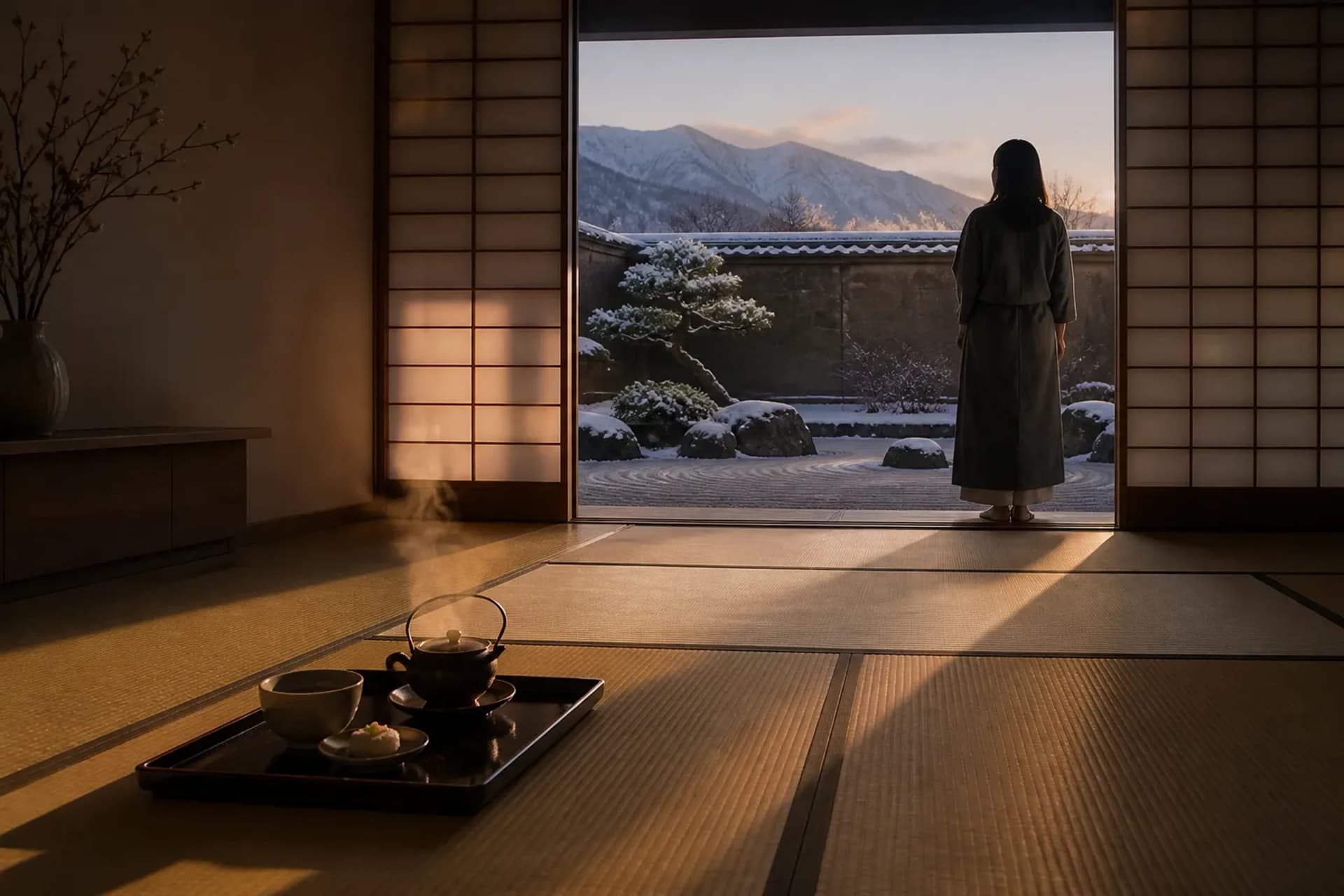
When you stop moving, the week stops feeling stitched together.
Most luxury travel in Japan still behaves like a checklist. Tokyo, then Kyoto, then an onsen town, then a final night back in the city. The days are good, but the seams show.
The Residency Week flips that. You stop moving. The experiences orbit your base, and anything that can be brought to you is brought—when it is feasible, and when it is appropriate.
What you buy with that inversion is time you can feel. Mornings without a departure. Afternoons that can run long because nobody must catch a train.
This is also where the “discreet Japan” logic becomes practical, not performative. Less public exposure happens naturally when you remove the constant migration between hotels and stations.
If you want the deeper context behind why this style works, read our published piece Beyond the Route: Japan's Regions Worth the Detour, and pair it with The Guest Worth Inviting Back: What Access Asks of You. They are the ethics and the geography behind this format.
Who This Format Fits (And Who Should Skip It)
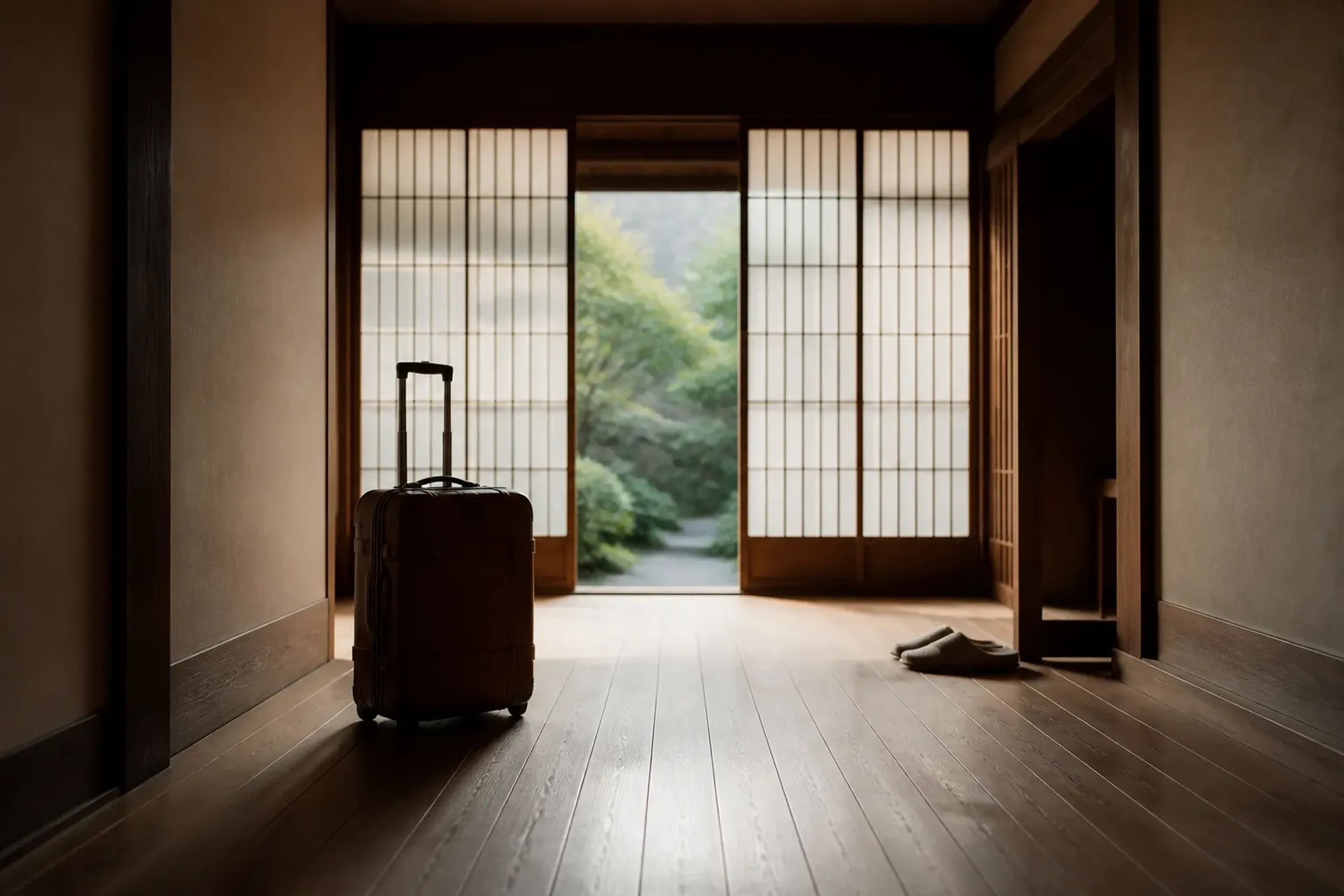
Some people should not choose a Residency Week. That is not a failure. It is taste.
This is a fit if you: already know the Golden Route, travel with young children, have mobility constraints, or feel that hotel changes drain the trip of pleasure. Also: you are the kind of person who would rather have one long conversation than three quick introductions.
Skip it if you: want to “see Japan” for the first time, crave constant novelty, or feel uneasy staying put. You will feel fenced in. By your own choice.
Our concierge often frames it as a question of friction. If transitions are the problem, this is the cleanest solution we know that still keeps Japan textured and alive.
What “Everything Comes To You” Really Means (And What It Does Not)
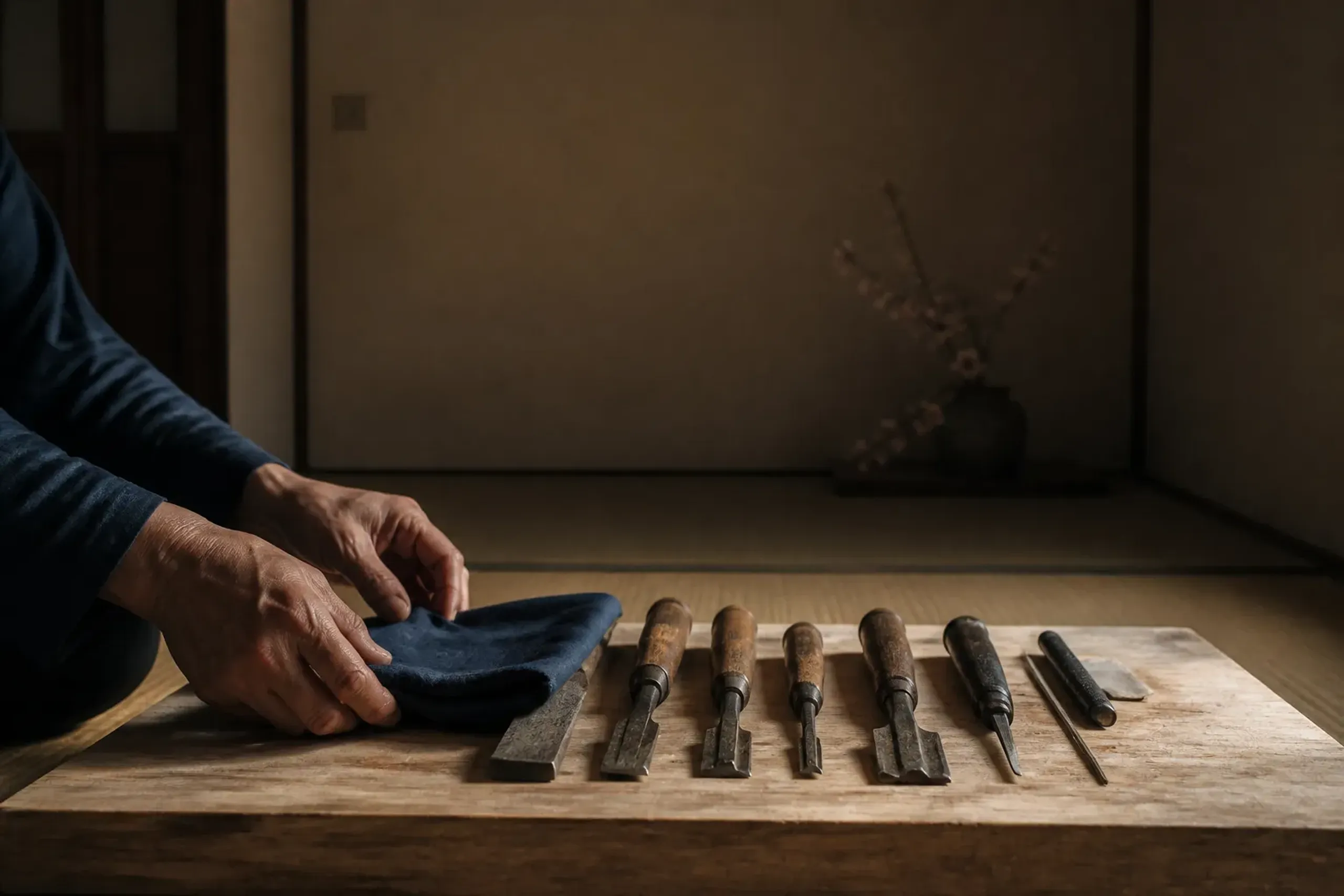
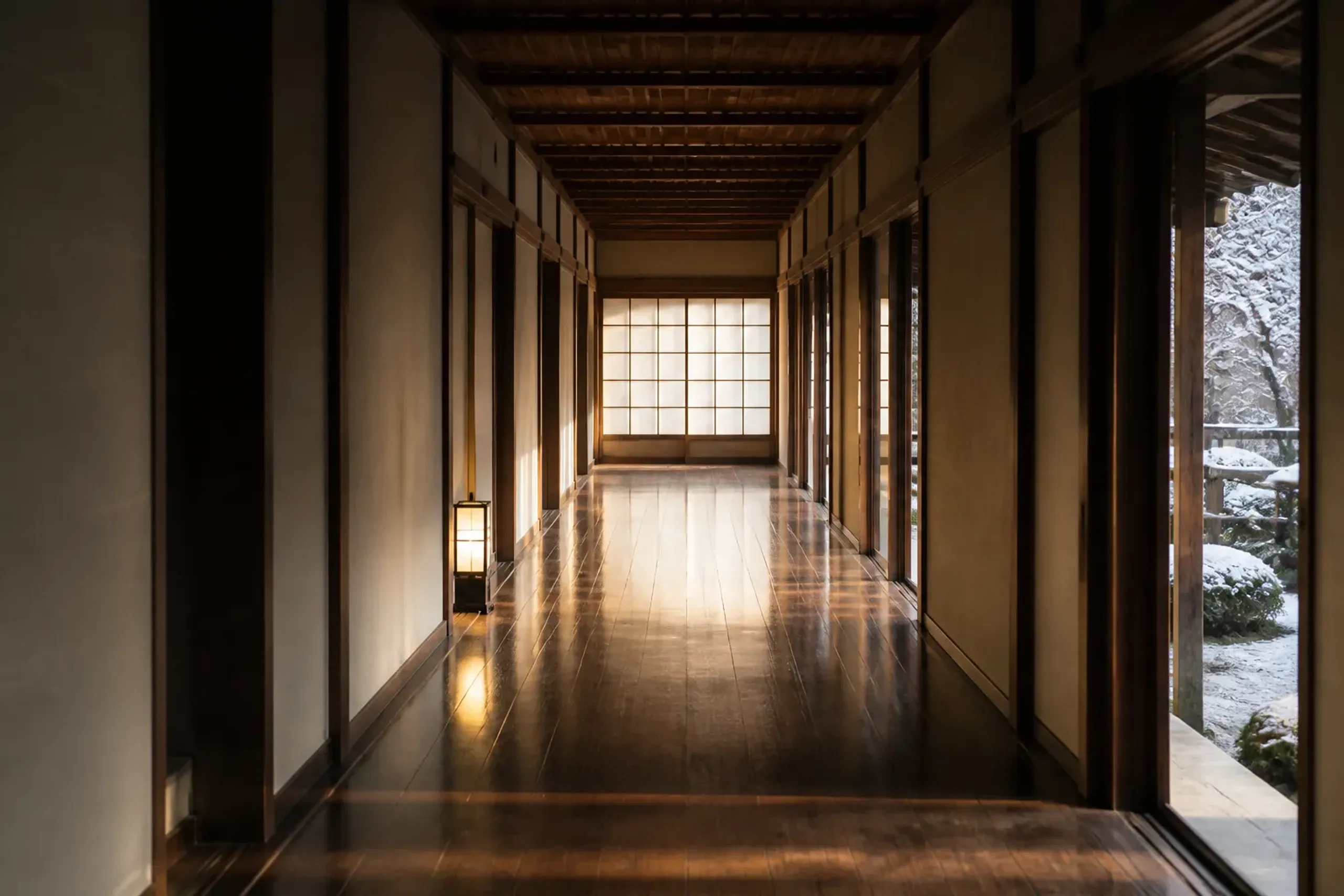
Some forms of craft can visit you—only when the setting suits the work.
We need to be plain here. Some things travel well. Some do not.
A tea session can travel. A kiln does not. A knife-maker’s forge does not. A serious kitchen does not, and a serious garden cannot be relocated for your convenience.
What Can Travel, Sometimes
In our experience, the traveling elements of a Residency Week are the ones that survive a change of setting without becoming theatre. That is the standard.
- Small-format craft demonstrations that do not require heavy equipment. Think hands, tools, and a surface—not a workshop infrastructure. Specific disciplines vary and must be confirmed case-by-case.
- Tea-style hosting that can be adapted to a quiet room with correct surfaces and enough time. We avoid risky terminology in public because travel writing often mislabels practice.
- Private tastings that do not pretend to be a restaurant. A tasting can be serious without cosplay, but it needs the right room and the right pacing.
Even when something can travel, it is not a commodity. It is closer to being introduced to a guest who agrees to visit you.
What Does Not Travel
Anything anchored to a site stays anchored. That is part of its meaning.
- High-heat craft such as ceramic firing that depends on a kiln and months of process.
- Workshop-scale disciplines where the space is the teacher, and where tools are fixed in place.
- Site-bound culture: temples, shrines, gardens, and museums. Their power is inseparable from the ground they sit on.
The Residency Week is not a promise that Japan will shrink to your suite. It is a promise that we will design the week around what can be brought, what must be visited, and what should be left alone.
The Base: What A Property Must Have To Host A Residency Week
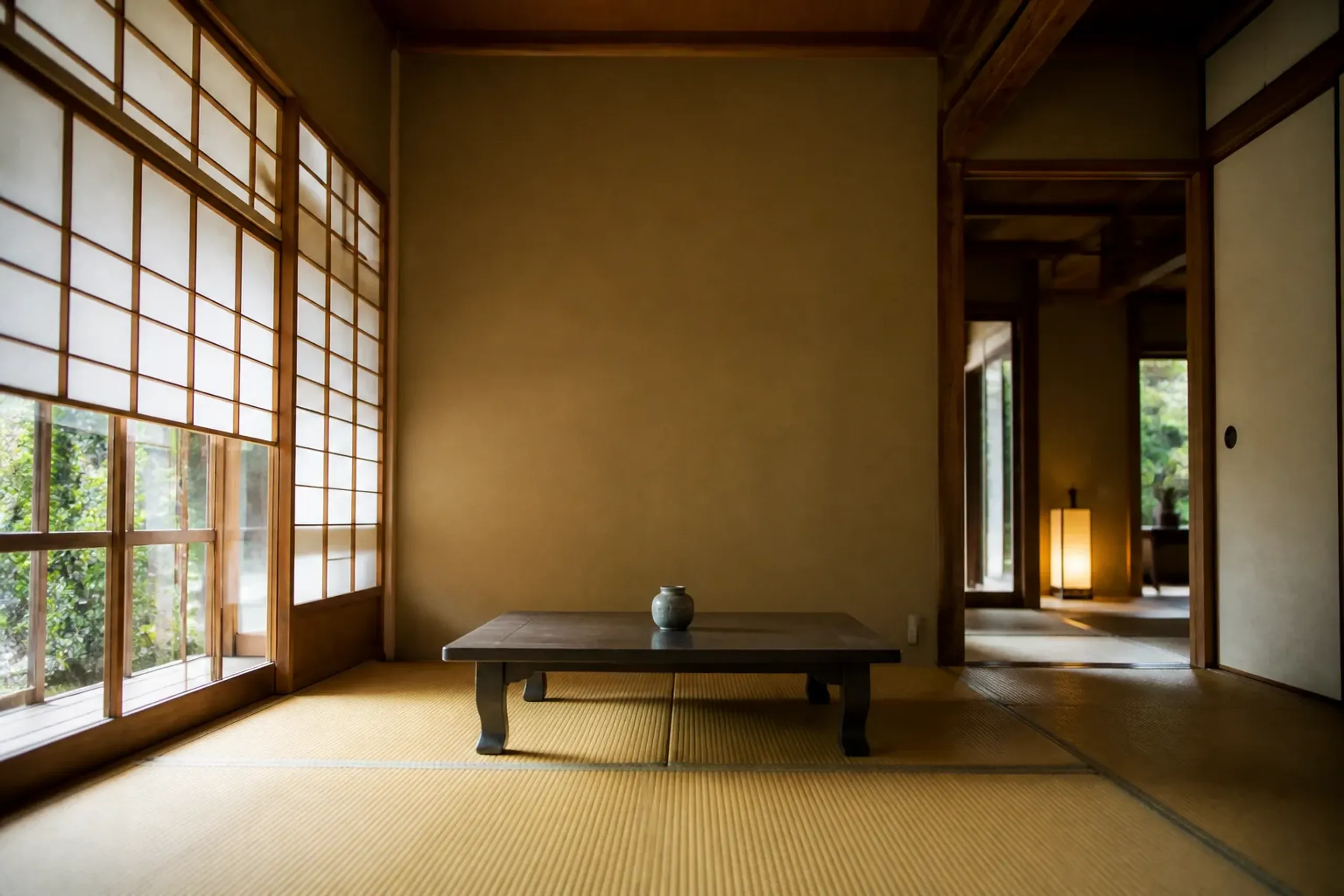
The base must hold quiet work, not just sleep.
This format rises or collapses based on the base. Many attractive hotels are poor hosts for a week that involves inviting outside guests into your space.
You need more than a nice room. You need a layout that can hold quiet work, respectful hosting, and separation from the public rhythm of the building.
The Non-Negotiables
- A private room with a door that can be kept undisturbed for several hours. Not a pass-through living area.
- Space for low seating or floor seating if the session requires it, with a surface that can accept water, textiles, or tools.
- Staff comfort with privacy in the simple sense: minimal interruptions, controlled entry timing, and a steady hand with requests.
- Food capability that can support your pace, whether that means in-room dining, private dining spaces, or flexible timing.
Choosing Between A City Base And An Onsen Base
This is the fork in the road. Both can work. They produce different weeks.
Option A: City Residency (Kyoto Or Tokyo)
You trade silence for access. You can do early starts, late returns, and a tighter day-trip radius.
- Best for: repeat visitors, collectors of craft, guests who want museums and neighborhoods.
- Risk: crowds if you chase peak-hour landmarks. Timing discipline matters.
Option B: Onsen Residency (Hakone And Similar Areas)
You trade density for recovery. Days become fewer, deeper, and less scheduled.
- Best for: families, wellness-focused guests, anyone who wants long pauses.
- Risk: you may feel isolated if you need city energy each night.
Key fact: Not every ryokan or hotel can host outside visitors in a way that feels natural. When the base is wrong, the week turns awkward.
The Week’s Rhythm: One Serious Session A Day
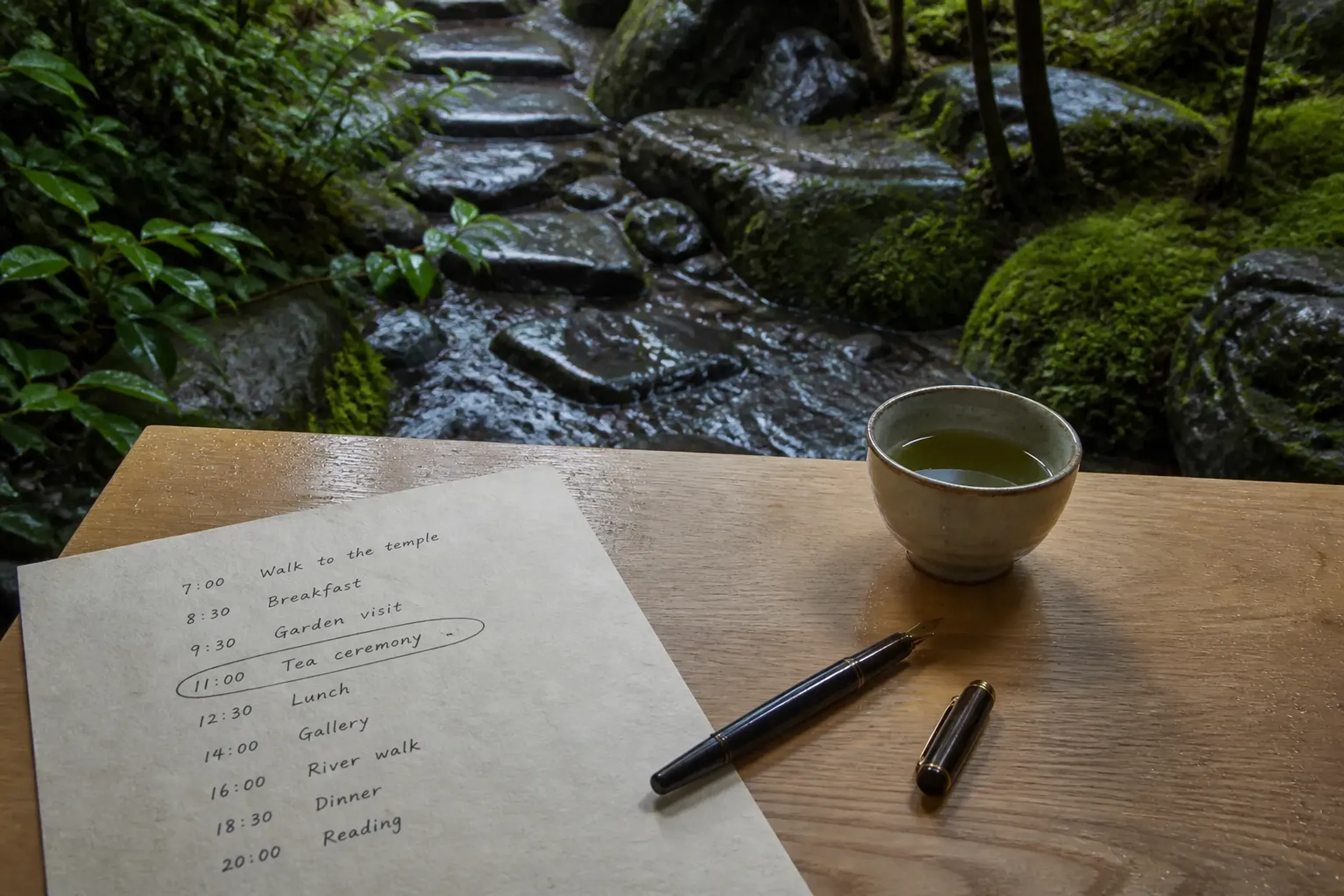
One meaningful session a day keeps the week deep, not rushed.
The biggest mistake we see is stacking. Three sessions in one day looks efficient on paper. It fails in the body.
One substantive appointment a day is the sweet spot. You need time to arrive into the room, settle, and let the work become quiet. Then you need time afterward for the experience to land.
When you stack, everything becomes a performance. People watch the clock. The master feels it. You feel it too.
A Realistic Day (Example Shape)
We keep this deliberately generic because specifics depend on the base, the city, and what is feasible for your dates. Still, the shape holds.
- Morning: a slow start, breakfast without a departure deadline, and a short local walk or garden time.
- Midday: the day’s main session (craft, tasting, or a guided visit), planned with breathing room.
- Late afternoon: recovery time—bath, reading, or a quiet drive—so you do not arrive at dinner depleted.
- Evening: dinner with a firm start time only if it needs one; otherwise, keep it flexible.
This rhythm is where wabi-sabi becomes practical. The point is not to fill the week. The point is to protect the week from feeling chased.
Hidden-Japan Without The Chase: How Depth Replaces Distance
Many travelers say they want “Hidden Japan,” then they try to earn it by driving farther. More remote towns. More transfers. More stress.
Our experience is the opposite. Hidden-Japan appears when you stop hunting and start being introduced. It is less about distance and more about context.
That is why we link this format to what we have written about the introduction economy. Access is relational. It is also not guaranteed.
Shokunin Sessions: What Is Possible, And What Must Be Earned
Shokunin is one of the cleanest reasons to choose a Residency Week. You can host a quieter, longer session when nobody is racing a timetable.
But here is the honest limit: whether a master will travel to a private base is not a standard service, and it is declined more often than it is granted. Sometimes it is possible for certain clients, with months of notice.
Why the answer is sometimes “no” has nothing to do with money. The decision can depend on schedule, health, teaching obligations, the nature of the work, and whether the setting respects the craft.
When the answer is “yes,” the week asks more of you as a host. That is not optional. It is the price of being trusted with someone’s time.
What You Owe When The Master Is The Visitor
When you go to a workshop, you are entering someone else’s world. The rules are visible. The room teaches you how to behave.
When a master comes to you, the room stops teaching. You must do the work instead.
We ask guests to read our published piece The Guest Worth Inviting Back: What Access Asks of You before pursuing this format. It sets the posture. It also prevents small mistakes that become large ones.
Practical Etiquette That Protects The Session
- Keep the audience small. If your party is large, split into observers and participants.
- Do not film by default. Ask, and accept “no” without negotiation.
- Respect setup time. The session begins earlier than you think. The room needs to be made ready.
- Let the pace be slow. Silence is not dead air in Japan. It is often the point.
Discretion matters here, but not as a marketing line. It matters because trust is the only currency that keeps doors open over time.
Notice Periods: Why This Cannot Be Compressed
Residency Weeks look simple from the outside. One hotel. Fewer moves. It can feel like it should be easy.
It is not. The complexity shifts from logistics to relationships, calendars, and suitability of space.
We will not invent notice periods in public. The truthful answer is that you should plan in months, not weeks, if you want any chance of a visiting-session component.
Even without visiting sessions, good bases book early in peak travel periods, and Kyoto in particular can tighten fast around holidays and seasonal events.
Overtourism-Aware Travel: Why One Base Helps In 2026
Japan is treating overtourism as an active policy problem, not a social-media debate. The Japan Tourism Agency maintains a dedicated page on initiatives to prevent and mitigate overtourism, updated in 2026, and it has also announced public calls for area-wide visitor environment improvements tied to prevention and mitigation.
Kyoto City has also published guidance in 2026 focused on harmony between residents’ lives and tourism, including seasonal measures.
A Residency Week aligns with that direction in a simple way. You are not bouncing between crowded nodes every 48 hours. You are choosing timing, staying local, and letting depth replace peak-hour chasing.
Kyoto Summer Special Openings (Kyō No Natsu No Tabi)
Kyoto’s official tourism site lists the Kyoto Summer Special Openings as running July to September 2026 (51st edition). These openings can be a clean fit for a one-base week because they encourage planned entry rather than improvised crowd-following.
Guests interested in how to integrate time-bounded access into a calm week can ask our concierge team for guidance on timing, transport cadence, and what to pair on the same day.
How To Build A Residency Week: A Simple Decision Framework
This format works when you design from the base outward, not from a list inward.
Step 1: Choose The Base For The Way You Sleep
Some guests sleep lightly. Some wake early. Some need a bath at night to reset. Your base should serve that, first.
Ryokan culture can support this well, and JNTO notes that ryokan range widely, from traditional to modern, including onsen and private villa styles across Japan. The Japan Tourism Agency also outlines common ryokan customs and shared facilities; you should not assume every property is all-private by default.
If private bathing is essential, verify the room specification directly with the property. For example, FUFU Hakone states on its official site that it has 39 rooms and that each room offers a private hot spring bath.
Step 2: Set A Day-Trip Radius You Will Actually Use
Be strict. A Residency Week collapses when your day trips are so far that every day becomes a commute.
Our team often designs with one “out day” in the week, not three. The rest should feel local, even if you are in a famous place.
Step 3: Decide What Must Be Site-Bound
Gardens, temples, and museums should be chosen for the time of day you can visit them well. Early and late are not marketing lines in Japan. They are often the difference between presence and crowd stress.
If you want an onsen base in Hakone, there are properties in Fuji-Hakone-Izu National Park whose official descriptions reference onsen and privacy features, such as HOTEL THE MITSUI HAKONE (a Luxury Collection Hotel & Spa) and Gōra Kadan, which Relais & Châteaux describes as having origins as a former imperial family villa. Hakone Ginyu also describes a reservable private open-air bath on its official site.
These are examples of the type of base and features that can support a week that stays put. Availability and fit still depend on your dates and preferences.
Step 4: Protect Empty Space
Leave one afternoon unassigned. At least.
The Residency Week is meant to feel like a residency, not a schedule. If every hour is spoken for, you are rebuilding the same pressure you were trying to escape.
Private Transportation Without Daily Friction

The right transport keeps day trips clean, even when plans shift.
The Residency Week still needs movement. It is just the right kind of movement.
Instead of hauling luggage between hotels, you move in clean arcs: a museum morning, a countryside lunch, a quiet return. Our clients often prefer a private chauffeur because it keeps the day intact when timing changes.
For the first mention of this service, here is our transportation page: private transportation.
Vehicle choice matters more than people admit. For a week that stays in one place, comfort compounds.
- Lexus LM 500: a flagship choice when you want a calm cabin and a serious sense of separation from the street.
- Mercedes V-Class: a steady executive option for small groups.
- Toyota Executive Alphard: often preferred by families and executive travelers who want space without fuss.
We match the vehicle to your party size, luggage reality, and daily rhythm. Then we keep the cadence consistent.
FAQ: Residency Week Planning Questions We Hear Most
Is The Residency Week A Standard Japan Royal Service Package?
No. It is a planning format, not a fixed package. Our team at Japan Royal Service designs it around your base, your pace, and what is feasible for your dates.
Can You Guarantee That A Shokunin Master Will Visit My Base?
No. In some cases it may be possible, but it is not guaranteed and it is declined more often than granted. It depends on the person, the setting, and the notice you can give.
Do I Still See Temples And Museums If I Stay In One Base?
Yes, if your base is in a good position for day trips. The difference is that you return to the same room each night, and you can time visits for calmer hours.
Is This A Good First Trip To Japan?
Usually not. First-timers often want contrast between regions. A Residency Week is better when you already know what you are choosing to give up.
How Far In Advance Should I Start?
Think in months, especially if you want any visiting-session component. We avoid publishing rigid timelines because feasibility varies by season, base, and the people involved.
Can This Work For Families?
Yes. Families often benefit most from removing hotel changes, keeping naps possible, and building one reliable rhythm. A good base and a sensible day-trip radius do the heavy lifting.
Why Choose Japan Royal Service
Competitors often sell movement: an itinerary that proves you were there. Our approach is quieter. We design for the traveler who values craft time, restorative pace, and a base that feels like a private club for a week.
Japan Royal Service is built around three things that matter to HNW guests: shokunin depth when it is feasible, wabi-sabi restraint in pacing and design, and Hidden-Japan choices that come from introductions rather than search results. Discretion is the default, not a headline.
We also keep the mechanics honest. Some experiences are site-bound. Some can travel. Some are simply not appropriate to request. That clarity is what protects your week from becoming a negotiation.
If you want a tailor-made week designed around one base, here is our bespoke planning page: tailor-made itinerary.
For private coordination, reach our team privately via WhatsApp or LINE, or contact us here.