In this guide
- 01The Principle: Fewer Places, More Days Each
- 02The Shape Up Front: One Spine, Two Branches
- 03Arrival And The First Days: Does A City Belong At All?
- 04The Anchor Region: Setouchi (Okayama–Naoshima Area) For Four Nights
- 05Branch Point One: Craft And Making Or Food And Landscape
- 06The City Question, Again: One Reset Night Or None
- 07Transfers Treated As Real Costs
- 08Season: When This Itinerary Works (And When It Does Not)
- 09Rail Strategy For Second-Timers In 2026 (What Changes After Oct 1)
- 10What To Lock Early (And What Can Wait)
- 11Who Should Not Take This Trip (And What To Do Instead)
- 12A Quiet Note On Wabi-Sabi, Shokunin, And Discretion
- 13FAQ: Return Trips, Rail Pass Changes, And Planning Depth
- 14Why Choose Japan Royal Service
You’ve done Tokyo and Kyoto. You know the rhythm already. The mistake is treating a return trip as a longer version of the first. This itinerary shows a cleaner move: fewer bases, more days, and a plan that respects time, privacy, and real logistics.
The Principle: Fewer Places, More Days Each
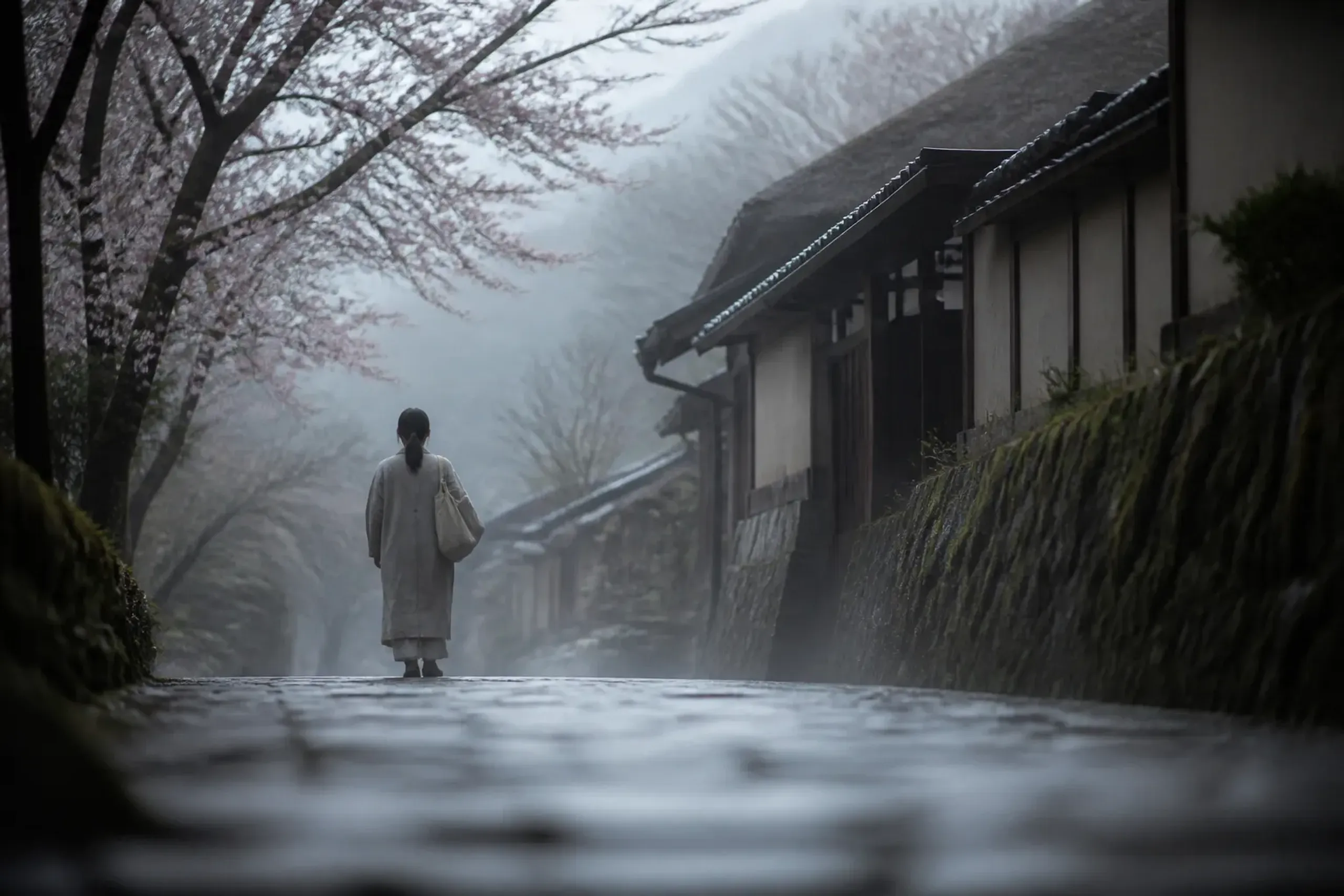
A second trip works best when you stop chasing coverage. One region, held for long enough, changes what you can access and how you feel when you arrive. That is the point. Two nights is a sample; four nights is a relationship.
There is a practical reason, too. Past the Tokyo–Kyoto corridor, Japan asks you to pay in hours. You trade frequent trains for thinner timetables, car segments, and sometimes a domestic flight. That cost can be worth it. But only if the days in-region are long enough to repay the transfer.
Key fact: For purchases made on or after October 1, 2026, the nationwide Japan Rail Pass price will increase, per JR Group announcements and JNTO coverage. That shift can change how you build a return itinerary.
The Shape Up Front: One Spine, Two Branches

This is one itinerary with two explicit branch points. The spine is shared: arrival, a short decompression window, then a single anchor region in Setouchi (Okayama–Naoshima area). After that, you choose direction based on what you want to do with your hands and your appetite.
Spine (shared): Tokyo arrival buffer → Setouchi as the anchor region (4 nights) → Branch Point One → Branch Point Two → return to Tokyo for departure if needed. Simple. Intentional.
Branch Point One (after the anchor): go toward craft and making (Shikoku craft towns), or toward food and landscape (Shimane–Tottori coast and countryside). You get one. Picking both is how the calendar collapses.
Branch Point Two (near the end): add one city reset (Osaka) or keep it rural and finish with a quiet onsen edge (without naming specific properties). Each option gives something up. We spell that out below.
Arrival And The First Days: Does A City Belong At All?
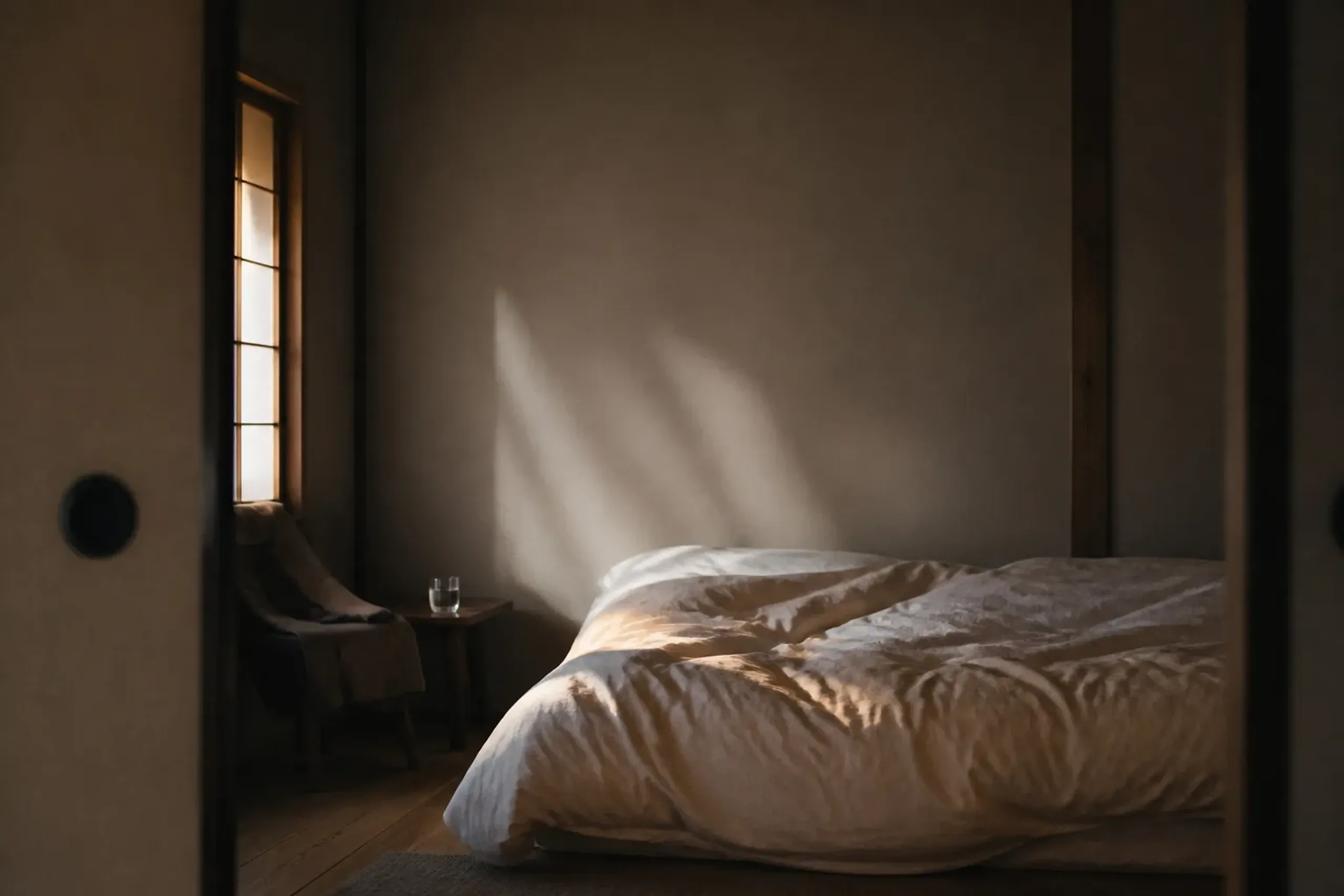
On a return trip, a city is either a tool or a distraction. If you are landing long-haul, a one-night Tokyo buffer can be the difference between a good first dinner and a foggy first day. One night. Not a victory lap.
If you do include a city, treat it as a reset: errands, tailoring, a private gallery hour, a calm meal close to your room. Then you leave before the trip turns into “Tokyo again.” Restraint matters.
When we advise on pacing, we look at one thing first: your arrival time and sleep debt. Brutal. If you are landing early morning, a same-day transfer to the region can work, but only if you accept that the first day is for light walking and an early bath. No heroics.
Private Transportation As A Time Strategy (Not A Status Symbol)
Once you step outside the highest-frequency rail corridors, a private car becomes less about indulgence and more about control: departure windows, luggage handling, and avoiding station friction. That is why our clients ask about a private transportation plan early, not late.
For a second itinerary, that control protects the day. It also protects you. Discretion is not only about who sees you; it is about how often you have to “perform travel” in public spaces when you would rather be quiet.
The Anchor Region: Setouchi (Okayama–Naoshima Area) For Four Nights
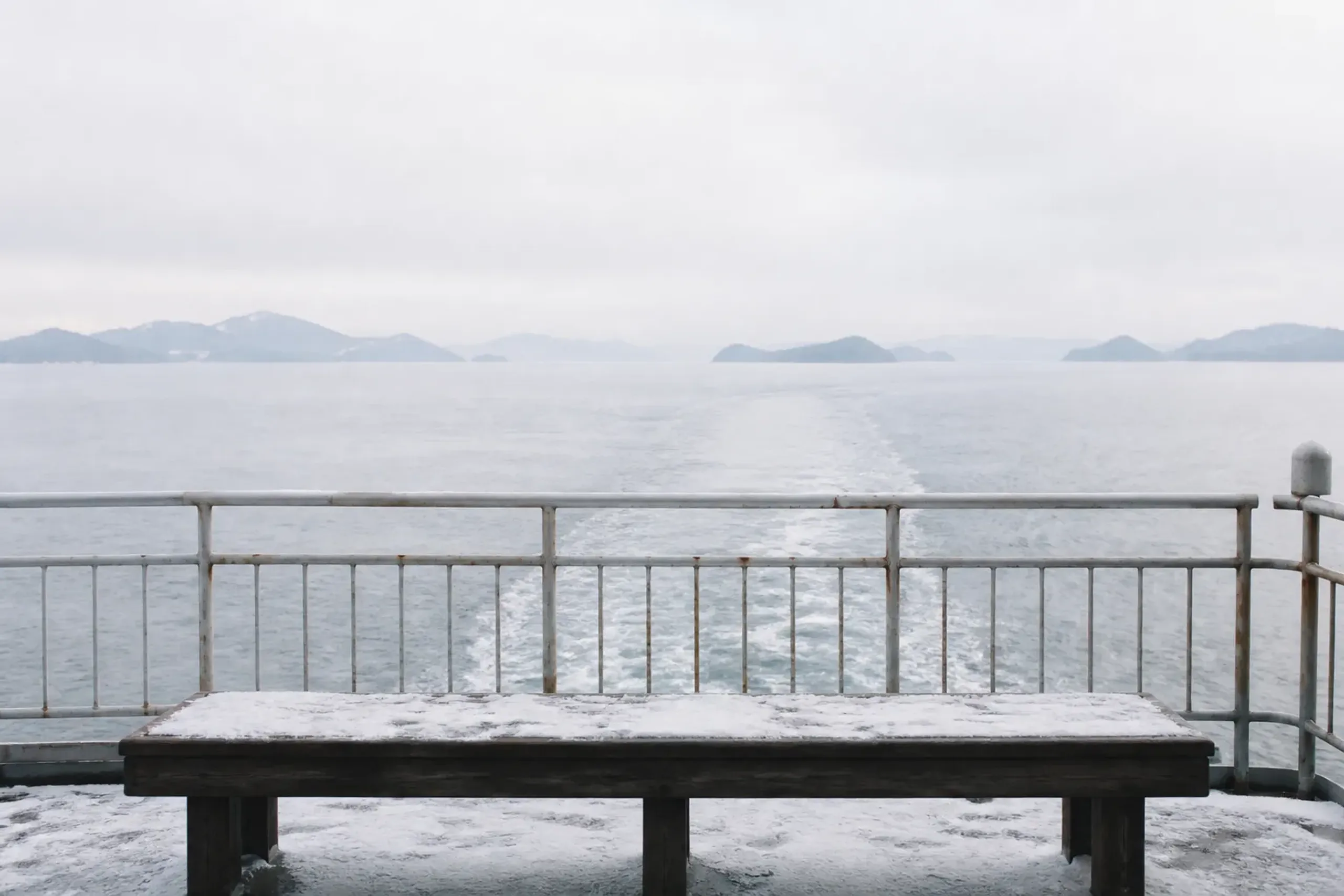
Setouchi earns anchor status because it rewards stillness. The Inland Sea has a softer pace, and the art-island circuit is built for moving between small ports, short ferry crossings, and long pauses inside museums. It is a different Japan than your first trip. You feel that on day one.
Four nights is the threshold. Three nights can work, but it compresses your ferry timing and turns meals into logistics. Two nights is a postcard. With four, you can spend one day on Naoshima, one day split between Naoshima and nearby islands, one day inland for craft or gardens, and still have a true rest day.
Setouchi also makes a strong spine because it branches cleanly. From here, you can turn south into Shikoku for making and studio time, or turn northwest toward quieter food regions where landscape is the main course. You do not need to argue that Setouchi is “better.” You just need to give it time.
What Four Nights Actually Buys You
It buys you slack. The ferries do not need to be fought. Your museum time can be unhurried, and you can choose a morning start that fits your sleep instead of the timetable. It buys you the option to wait out weather, too, which matters on sea routes.
It also buys you access behavior. Some of the best moments in Setouchi happen early and late, when day-trippers are gone and the island feels like a place again, not a circuit. A return trip is allowed to want that.
Hidden Japan Without Pretending It’s A Secret
“Hidden Japan” is not a promise that no one else will be there. It is a routing discipline: smaller ports, quieter lodgings, and days that prioritize local texture over marquee names. In our experience, second-timers enjoy this shift because they are done proving they came to Japan.
Branch Point One: Craft And Making Or Food And Landscape
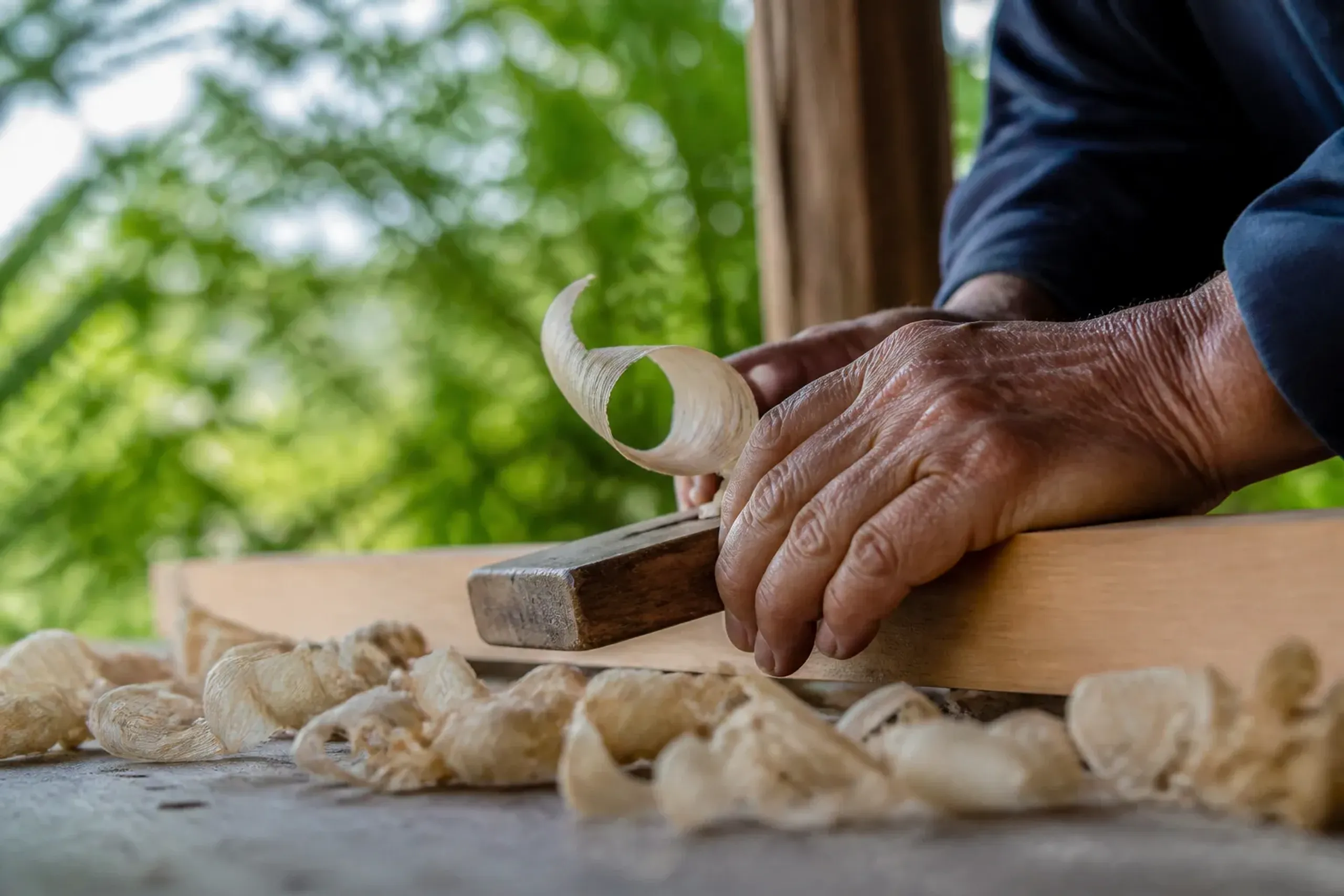
This is where the trip turns from “good” to “yours.” Pick the branch that matches how you like to spend a long afternoon. Be honest. If you choose wrong, the itinerary will feel like homework.
Option A: Craft And Making (Shikoku Focus)
This branch is for the traveler who wants time with shokunin, not just shopping. You trade breadth for depth, and you accept that some appointments are slow, human, and not designed to be photographed. Good.
- What you do: studio visits, hands-on workshops, and quiet towns where craft is still part of daily life.
- What you give up: big “food region” variety and dramatic coastal scenery days.
- What changes logistically: more car segments and fewer straight-through rail runs.
If your first trip was heavy on temples and museums, this branch is a reset. You make something. You learn why a tool is shaped the way it is. You leave with a memory that sits in your hands, not your camera roll.
Option B: Food And Landscape (San’in Coast And Countryside Focus)
This branch is for the traveler who plans a day around lunch and light. You want seafood, winter crabs, coastal drives, dunes, and quiet shrines without the Kyoto density. You are still doing culture. It just arrives through geography.
- What you do: market mornings, countryside dining, coastline viewpoints, and slow drives that let you stop when the light turns.
- What you give up: time-consuming atelier visits and multi-hour making sessions.
- What changes logistically: longer transfer legs and fewer high-frequency train options in some areas.
This is the branch where season can matter more. Not as a slogan. As reality. If a key ingredient is the reason you are going, the calendar becomes a constraint. That is where our team points you back to “The Ingredient Calendar” rather than improvising.
The City Question, Again: One Reset Night Or None
After your branch, you face a second decision that most itineraries hide. Do you want a city reset before departure, or do you want to finish in quiet? There is no morally “better” choice. There is only the choice that matches your nervous system.
Option A: Add One City Reset (Osaka)
Osaka works well as a practical hinge. It gives you shopping, food, and easy onward connections, and it can break up a long rural-to-airport push. One night is enough.
You give up one rural morning. That is the cost. If the branch you chose is already transfer-heavy, a city night can protect your departure day from feeling like a relay race.
Option B: Keep It Rural And Finish With Onsen Quiet
This option is for travelers who want the last two days to feel like a slow exhale. You trade urban convenience for silence, early dinners, and a morning where the only decision is whether to bathe again.
There is a constraint: top-tier regional accommodation can be scarce, and transport can be less forgiving in winter or during regional peaks. If you choose this finish, you commit earlier. That is the bargain.
Transfers Treated As Real Costs
On second itineraries, transfers stop being background noise. They take daylight. They also take posture and attention—stations, platforms, luggage, connections. If you pretend those hours do not exist, the trip will feel oddly short even when it is long.
Use this rule: if you are changing regions, make the receiving side at least four nights unless there is a truly singular reason not to. Anything less and you are paying transfer tax without earning the depth. Hard truth.
Typical Transfer Types You’ll Encounter On This Route
- Intercity rail segments between major hubs
- Ferry crossings for the art islands
- Car segments for rural studios, coastline, and lodging access
- Domestic flights only if your dates demand it
In practice, the best second trips are designed so that transfer days still contain pleasure: a coastal stop, a garden, a single museum, a long lunch. One anchor. Not five.
Season: When This Itinerary Works (And When It Does Not)
This route is more season-locked than a first trip. That is because the reasons to go—certain island atmospheres, coastal food, a craft town at its best—can depend on weather, daylight, and local calendars. You cannot brute-force it.
Rather than guessing, we treat season as a decision filter. If your dates push you into the wrong conditions, we adjust the branch or even the anchor region. That is why “Beyond the Route” exists as a reference point on our site: it frames alternatives without turning your trip into a sampler platter.
For ingredient-driven travel, use the logic in “The Ingredient Calendar: Japan’s Food, Month by Month.” It keeps the story honest. It also avoids a common second-trip disappointment: arriving too early, too late, or to the wrong coastline for the thing you flew for.
Overtourism Policy And Your Second Trip
Japan is actively addressing overtourism through national policy work led by the Japan Tourism Agency, including guidance and initiatives aimed at sustainable destination management. For you, that translates into a return-trip advantage: you can choose places that do not need your body at the same pinch points as first-timers.
This is not virtue signaling. It is comfort. It is also respect. If you are tempted to “just pop back into Kyoto for two nights,” remember how density changes behavior in places like Gion. A second trip is your chance to avoid that entire pattern.
Rail Strategy For Second-Timers In 2026 (What Changes After Oct 1)
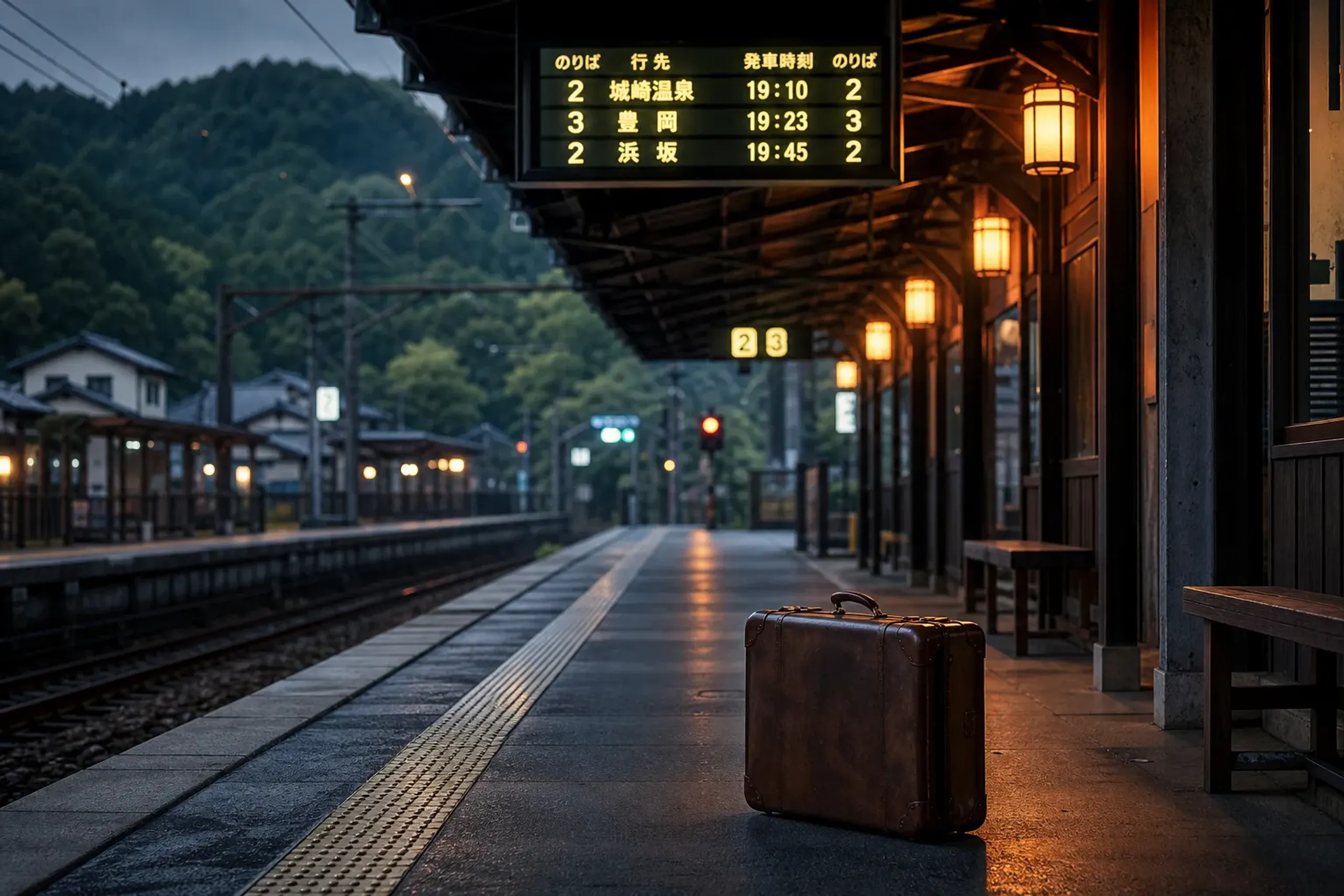
If you used rail heavily on your first trip, you might default to doing the same again. Pause. The nationwide Japan Rail Pass price will increase for purchases made on or after October 1, 2026, as announced by the JR Group and reflected in JNTO’s explainer and Japan-guide’s reporting.
That does not mean “never buy the pass.” It means you should run the logic again, especially when your second itinerary includes ferries, rural car segments, or domestic flights. The pass can be less central on region-deep routes.
| Planning Question | What To Consider For A Second Trip |
|---|---|
| Are you doing many long rail days? | If not, point-to-point tickets or regional passes may fit better. |
| Do you have ferries and car segments? | These reduce the pass’s usefulness because they are outside the rail network. |
| Is your time window tight? | Fewer transfers and more direct routing often beats “maximizing” rail coverage. |
| Are your dates after Oct 1, 2026? | Re-check pass economics and conditions against official JR and JNTO information before purchasing. |
We do not promise that one strategy is always “best.” We do share the framework and the official facts, then tailor the route around your actual days and tolerance for friction.
What To Lock Early (And What Can Wait)
Second trips fail in one predictable way: the guest holds dates loosely and then tries to “drop in” to scarce regions. That works in big cities. It works less well on islands and in rural areas.
Lock the pieces that have hard ceilings: flights, limited ferry capacity, and single-property lodging availability in small markets. If a specific craft appointment is central, treat it like a performance date. You build the rest around it.
Other elements can stay flexible: exact museum order, which afternoon becomes the rest day, which transfer day gets the long lunch. Flexibility is how you keep the trip human.
Who Should Not Take This Trip (And What To Do Instead)
You should skip this itinerary if you secretly want a highlights tour with new stamps. That desire is normal, but this plan will frustrate you. It commits. It repeats fewer things. It asks you to stay put.
You should also choose differently if you have mobility constraints that make ferries, uneven rural paths, or multi-step transfers difficult. In that case, a city-led return trip—Tokyo with day escapes, or Kyoto Prefecture without dense hotspots—can still feel fresh without the same physical overhead.
If your window is short—say, six nights door-to-door—this route becomes transfer-heavy. Then the better move is a single base with one well-chosen extension, not a multi-region weave. Our team will tell you that plainly.
A Quiet Note On Wabi-Sabi, Shokunin, And Discretion
On a return trip, wabi-sabi stops being an aesthetic word and becomes a travel preference: less glare, less noise, more texture. Shokunin stops being a headline and becomes a calendar commitment: a morning in a workshop, a conversation that cannot be rushed. And discretion becomes non-negotiable, because you are not here to be seen doing Japan.
That is why we design second itineraries around control points: where you sleep, when you move, how often you switch environments, and how much of your day is spent inside someone else’s timetable. The goal is not luxury as decoration. The goal is luxury as calm.
FAQ: Return Trips, Rail Pass Changes, And Planning Depth
Is A Return Trip To Japan Just Tokyo And Kyoto Again?
No, and it should not be. You can revisit either city with a specific purpose, but a second itinerary usually works best when it commits to one region and lets the days lengthen.
How Many Nights Do I Need In One Region For A Second Trip?
As a planning rule, aim for four nights in your anchor region. Two nights is often a sample once transfers are counted. Three can work if your logistics are clean.
Will The Japan Rail Pass Still Make Sense After October 1, 2026?
Sometimes, yes. But the nationwide Japan Rail Pass price will increase for purchases made on or after October 1, 2026, so second-timers should re-check whether point-to-point tickets or regional passes fit better for region-deep routes.
How Do I Avoid Crowds On A Second Trip Without Chasing “Secret” Spots?
By moving the pressure points, not by pretending crowds do not exist. Choose a single anchor region, travel on quieter days when possible, and avoid the densest districts at peak hours. National and local destination management work is evolving, but your own routing still matters.
Can This Itinerary Work For Families?
It can, if you protect rest days and reduce transfers. Families often do better with one branch only and a clear end-of-trip decompression block. The island portions and rural drives need honest planning for pace and weather.
Why Choose Japan Royal Service
Competitors can sell you a “second trip” as a new list. Our team at Japan Royal Service approaches it as a design problem: how to deepen Japan without inflating transfers, and how to protect your name, your schedule, and your energy while you do it.
We lead with discretion because it is the backbone of HNW travel. We build days around shokunin encounters and the quieter register of wabi-sabi, not around loud checklists. And we focus on Hidden Japan in a practical way—routing, pacing, and timing—so the trip feels private without making theatrical claims.
If you want to discuss which branch fits your dates, and where the transfer costs are actually worth paying, reach our team privately via WhatsApp or LINE, or contact us here.