In this guide
- 01Why A VVIP Timeline Matters In 2026–2027
- 02Your VVIP Booking Clock, At A Glance
- 03Six To Twelve Months Out: Ryokan And Peak-Week Structure
- 04Ninety To One Hundred Twenty Days Out: Michelin Dining And High-Demand Counters
- 05Sixty Days Out: Private Tours, Artisans, And Cultural Access
- 06Thirty Days Out: Gran Class, Transfers, And The No-Stress Finish
- 07How To Book The Official Tokyo Disney Resort VIP Tour (2026 Rules, Public Facts Only)
- 08FAQ: VVIP Reservation Timing In Japan
- 09Why Choose Japan Royal Service
Japan can feel simple on paper. Pick Tokyo, add Kyoto, book a ryokan, reserve a few dinners, done.
Then reality arrives. Sakura weeks vanish. A-list counters release seats to regulars. A “quick” day trip turns into a three-hour scramble for cars, tickets, and timing. Expensive, in the wrong way.
Our team at Japan Royal Service plans luxury travel for guests who want calm, not chaos. The difference is not taste. It is timing.
This guide gives you a clear, category-based timeline: what to lock early, what can wait, and what usually breaks when people plan Japan like Europe. Quiet precision. No guesswork.
Why A VVIP Timeline Matters In 2026–2027
Demand pressure is not a rumor. Japan National Tourism Organization (JNTO) reported 3,559,900 visitor arrivals in May 2026. That number changes how “last minute” behaves.
Hotel inventory looks healthy until it doesn’t. One weekend in Kyoto during autumn foliage can compress the whole market, and cancellation rules at top properties tend to be strict. Painful.
There is another layer, too. Kyoto’s Code of Conduct for Sustainable Tourism and local community rules in Gion are getting louder, not softer. The highest-status travel now looks discreet and low-impact, or it looks like a mistake.
Key fact: A VVIP plan is not “more bookings.” It is fewer moving parts, chosen earlier, with etiquette and privacy built in from day one.
Your VVIP Booking Clock, At A Glance
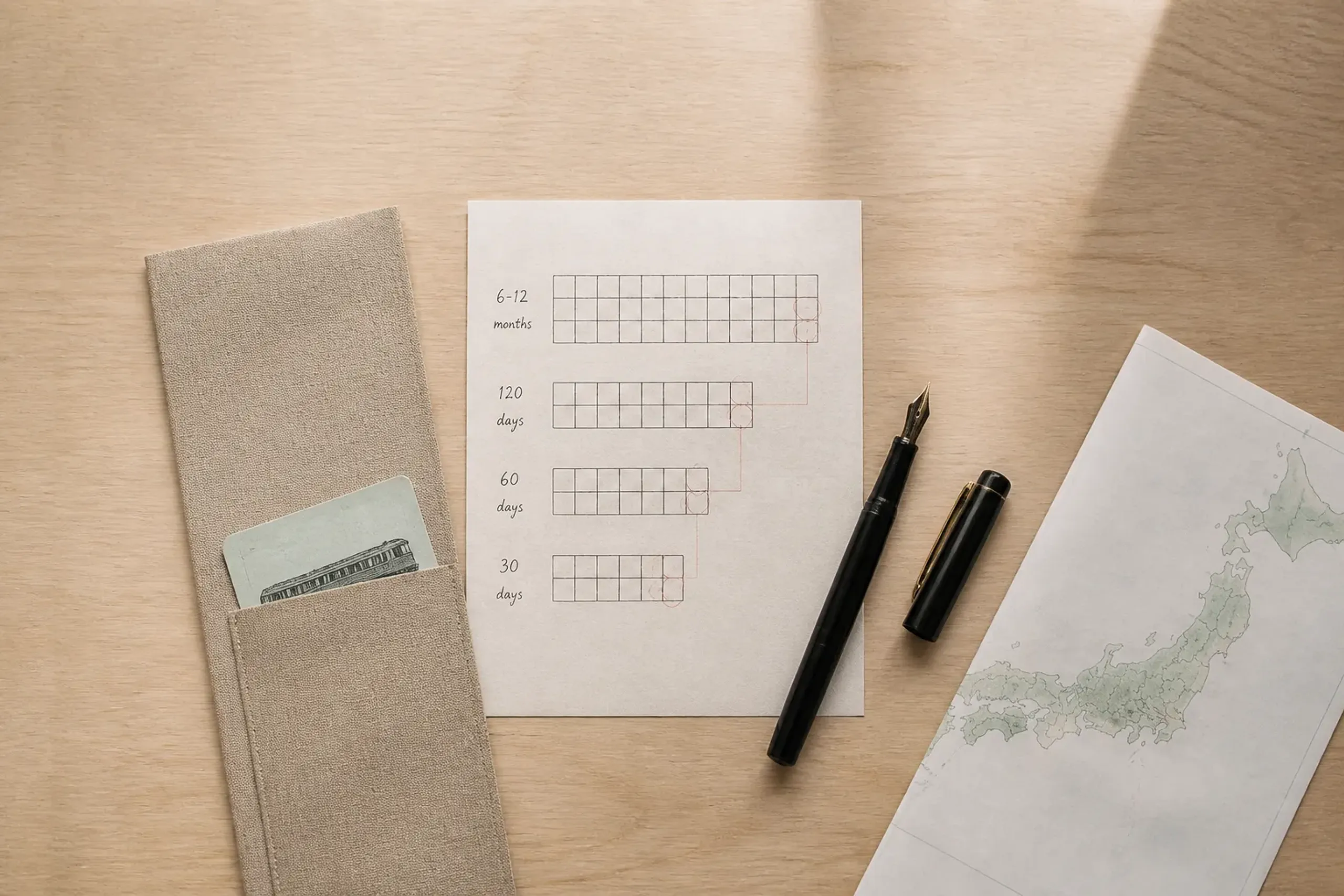
Think of this as a booking clock, not a checklist. We use it to reduce friction for HNW travelers who still want access that feels rare.
It is also realistic. Some venues open inventory late. Some require introductions. Some are simply not for the general public.
- 6–12 months out
- What you decide: Top-tier ryokan dates, peak weeks (sakura / koyo), suite categories, privacy preferences
- Why it gets hard: Limited rooms, long minimum stays, strict policies, high domestic demand
- 90–120 days out
- What you decide: High-demand dining (including Michelin-starred counters), celebration meals, backup options
- Why it gets hard: Short reservation windows, seat count is tiny, late-arrival rules are unforgiving
- ~60 days out
- What you decide: Private guiding, artisan visits, cultural performances, special access planning
- Why it gets hard: Calendar coordination, language logistics, limited “quiet hours” availability
- ~30 days out
- What you decide: Rail classes, final routing, luggage strategy, private transportation schedules
- Why it gets hard: Peak-day sellouts, last-minute hotel shifts, and the “too many bags” problem
Six To Twelve Months Out: Ryokan And Peak-Week Structure
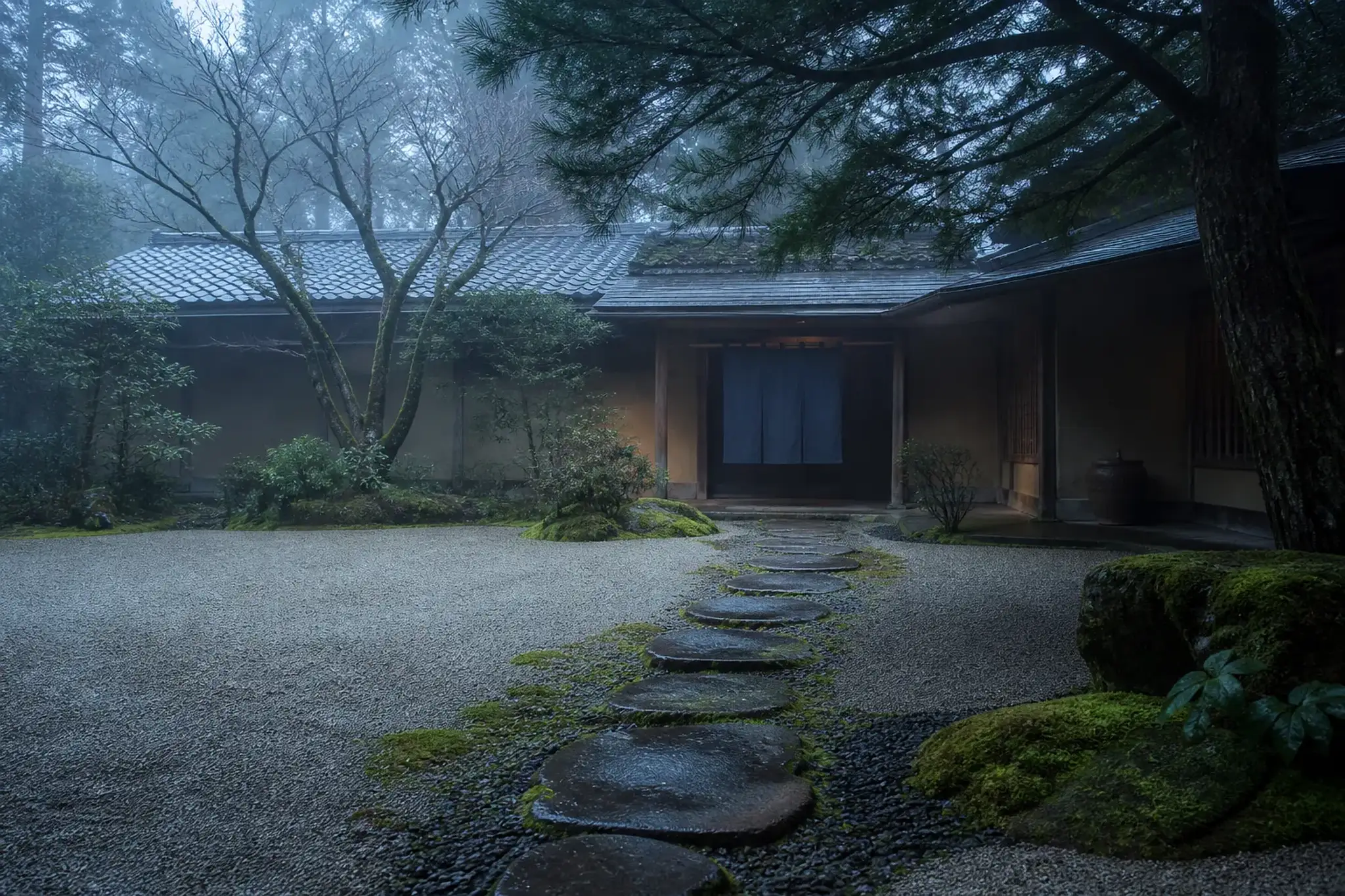
This is where a Japan trip becomes peaceful. Or becomes reactive. Ryokan inventory is finite by design.
In our experience, guests wait because they want flexibility. Then they lose the one room category that would have given them silence, a view, and a dining pace that fits. Small regret. Big effect.
What To Decide Early (Even If You Keep The Rest Flexible)
Decide the anchors. Keep the connectors loose. That is the trick.
- Which peak week you are truly targeting: sakura and koyo are gorgeous, but they punish late planners.
- Ryokan rhythm: one-night “tasting” stays often feel rushed; two nights allows the property to settle you.
- Privacy posture: you may want low-visibility check-in timing, quiet dining placement, or room positioning away from high-traffic zones.
Real Examples Of Top-Tier Ryokan Planning (Verifiable)
We only name properties you can verify. No invented “secret inns.”
- GORA KADAN FUJI (Yamanashi): its official reservation page shows real-time availability status. That transparency helps planning, but peak dates can still disappear fast.
- Kusatsu Onsen (Gunma): the area’s popularity and the broader onsen resurgence make early planning sensible, especially on weekends.
Wabi-sabi matters here. Not as a slogan. As a practical filter for choosing restraint over spectacle: a garden view, soft materials, and the kind of quiet that photographs cannot capture.
How Ryokan Reservations Usually Work (What Is Publicly True)
Ryokan bookings are typically made via an official website, by email/phone, or via established reservation platforms. Japan-guide.com notes that traditional travel agents can also be used, and that luxury ryokan can exceed 50,000 yen per person per night.
Policies vary. Some require deposits. Many set strict cancellation ladders.
If you want to keep options open, we suggest identifying two acceptable date ranges rather than one perfect night. It looks minor. It saves trips.
Ninety To One Hundred Twenty Days Out: Michelin Dining And High-Demand Counters
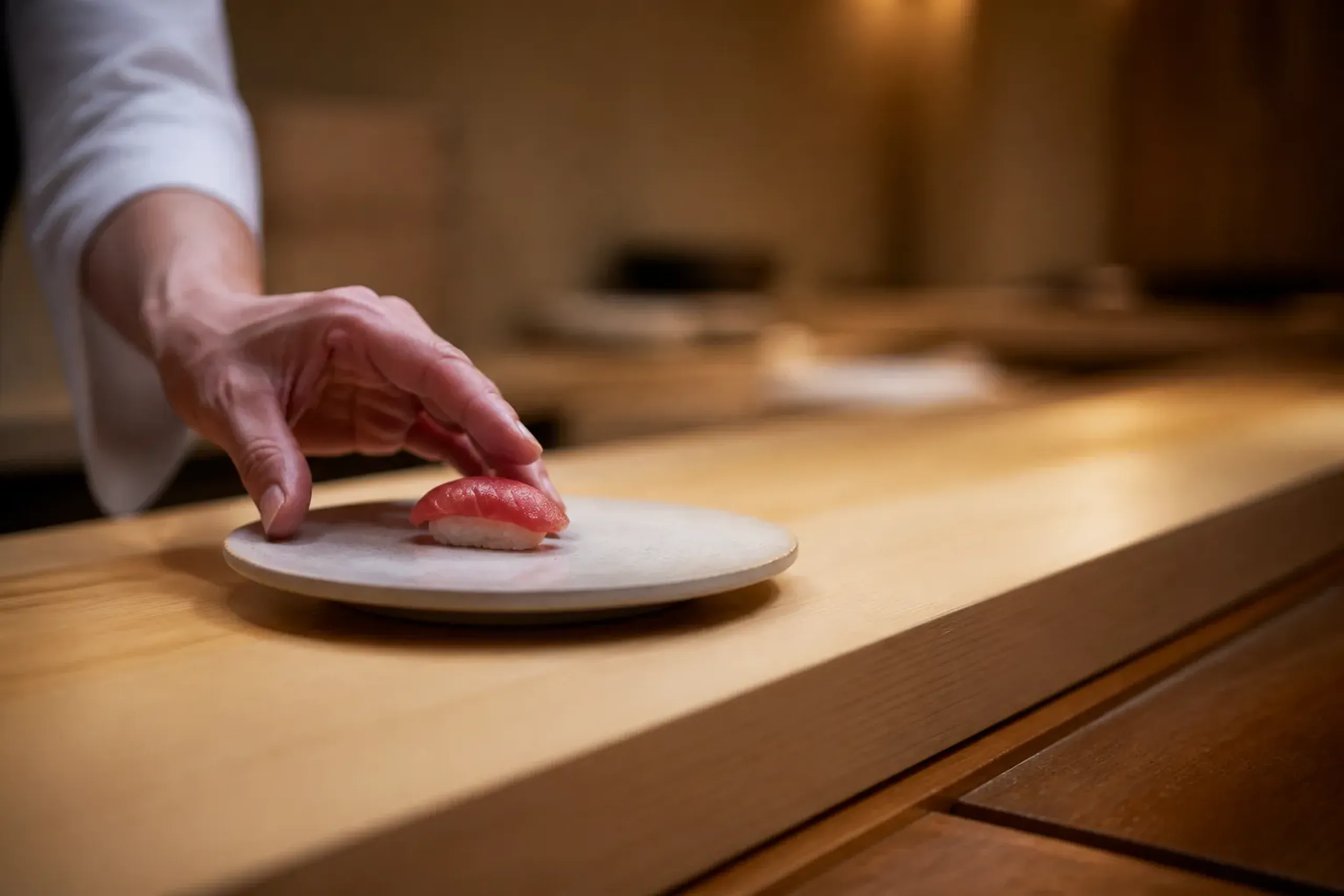
For many HNW travelers, dining is the emotional center of the trip. One exceptional counter can make Tokyo feel personal.
But Japan does not behave like New York or London. Seats are few, service is time-based, and “late” can mean “gone.” No negotiation.
What To Target At This Stage
Pick your non-negotiables. Then add realistic backups. Pride is expensive.
- One or two “anchor dinners” in Tokyo and Kyoto
- One lunch counter (often easier than dinner)
- A private-room evening when you need a slower pace or family privacy
Verifiable Restaurant Examples And Booking Realities
These examples are intentionally grounded in published sources.
- MICHELIN Guide Tokyo 2026: Michelin publishes the annual selection. A star is not a reservation, but it does predict demand patterns.
- Kikunoi (Kyoto): Kikunoi provides an official reservations/contact page, which is the right starting point for accurate rules.
- Yakitori Omino (Tokyo): OMAKASE lists booking rules, including the risk of cancellation for late arrival (for example, if more than 30 minutes late, the booking may be canceled).
- OMINO Shibaura (Tokyo): Tabelog provides an English listing with reservation availability signals, showing how major domestic platforms can matter even at the high end.
- Sukiyabashi Jiro (Tokyo): it was removed from the Michelin Guide because it does not accept reservations from the general public; its reference page notes reservations are made through the concierge of a luxury hotel.
Hidden-Japan Dining: The Part Google Cannot Finish
Some of the most meaningful meals in Japan are not “famous.” They are simply precise.
This is where hidden-Japan becomes real: small rooms, a handful of regulars, and a proprietor who notices your pace without you explaining it. Quietly human.
We do not advertise specific “by-introduction” venues on public pages for a reason. Discretion is not a feature. It is the environment.
Dining Etiquette That Protects Your Access
Japan is generous, but it has sharp edges around time and respect. Ignore them and you can burn a door for the next guest.
- Arrive early, not on time. Traffic is not an excuse in a counter-based meal.
- Do not change party size casually. Many counters are choreographed to the seat.
- Keep fragrance restrained. It disrupts food, and staff will remember.
Sixty Days Out: Private Tours, Artisans, And Cultural Access
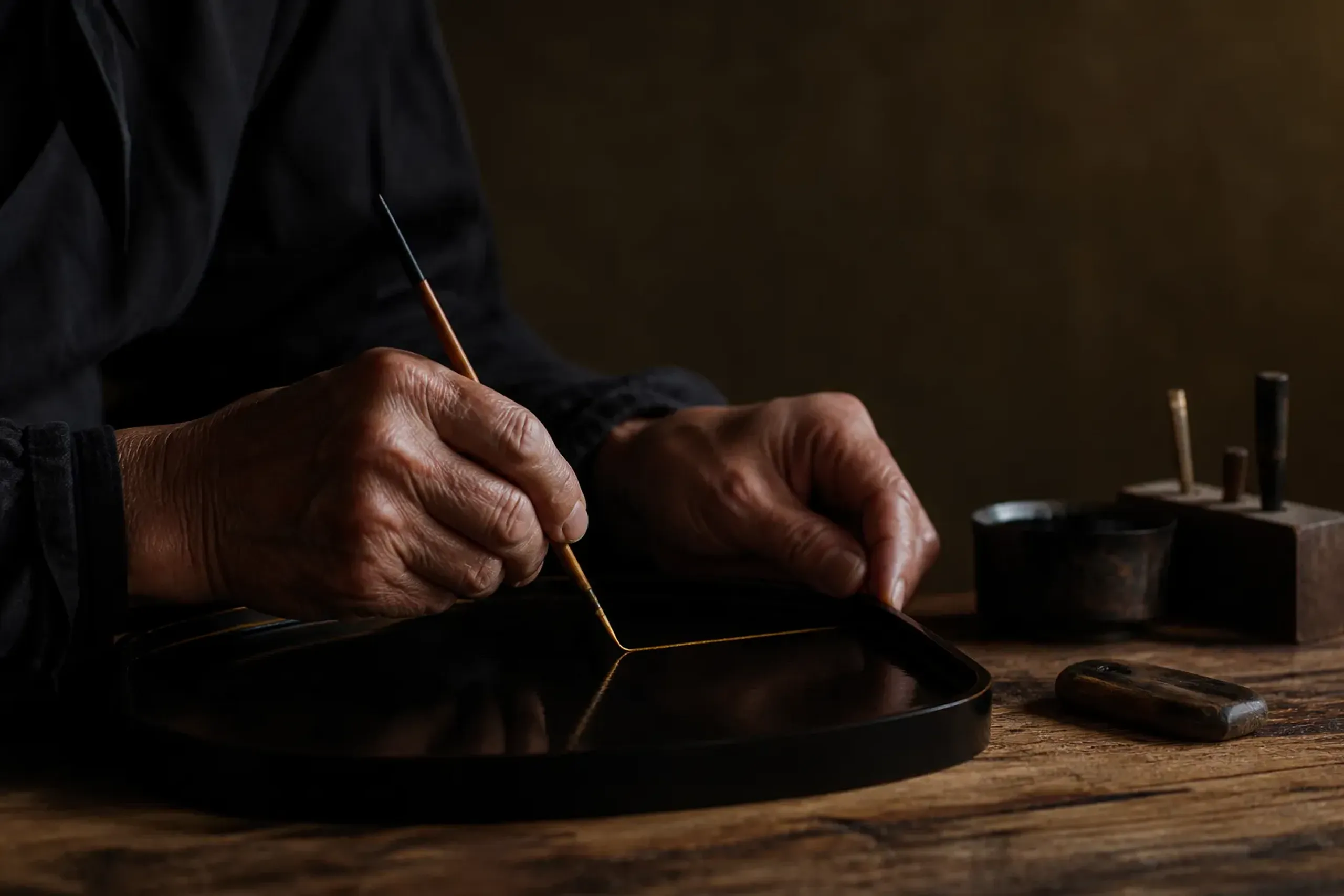
This is the window where a trip stops being a list. It becomes a sequence.
It is also where shokunin experiences tend to live: studios, kilns, and craft lineages that cannot absorb unlimited visitors. Small capacity. High sensitivity.
What “Private Tour” Should Mean For HNW Travelers
A private tour is not just a separate vehicle. It is a different tempo.
In Kyoto, that can mean choosing early morning for a garden, then retreating before tour buses fill the lanes. In Tokyo, it can mean entering a museum when your attention is freshest, not when your schedule says you “should.”
When guests ask, “Recommend a private chauffeur service in Kyoto with English-speaking guide,” our answer is simple: define the day’s purpose first, then pick the guide style that matches your personality. Otherwise you buy noise.
Kyoto Access Without Backlash: Respecting Local Rules
Kyoto is not a theme park. It is a living city with neighborhoods that are tired of being treated like sets.
Kyoto City Tourism Association promotes a Code of Conduct for Sustainable Tourism in Kyoto and programs like Kyoto Tourism Moral. The Gion-Machi South District Council explicitly warns visitors not to enter private roads in Gion, citing private residences and facilities not related to tourism.
Our job, as we see it, is to help you experience Kyoto deeply while staying on the right side of community rules. Quiet luxury is polite luxury.
Key fact: “Exclusive” in Kyoto increasingly means permissioned and low-impact. If an experience requires trespass, it is not premium.
Examples Of Real, Permissioned Cultural Experiences
We keep this list practical and verifiable, with no invented event names.
- Kabuki: performances in major theatres (such as in Tokyo) follow published schedules and ticketing rules; planning at ~60 days helps you choose strong seats and timings.
- Tea ceremony: a range of formal and informal experiences exist; the key is matching the setting to your comfort with etiquette.
- Calligraphy and kintsugi workshops: widely offered in Tokyo and Kyoto; quality varies, so vetting matters more than speed.
For guests who want the deeper end, we often shape days around a shokunin visit and build the rest of the route to protect the mood. One studio can anchor an entire city.
Thirty Days Out: Gran Class, Transfers, And The No-Stress Finish

The last month is about friction removal. Luggage. Timing. The gaps between things.
It is also where plans often fail quietly. People underestimate how tiring Japan’s “efficiency” can feel when you are moving every day.
Rail Comfort And When To Commit
Many HNW travelers enjoy the Shinkansen because it feels civilized: punctual, clean, and predictable.
If you want a specific departure time, car position, or a tighter routing that avoids awkward station transfers, decide your rail days early enough to leave alternatives. Around 30 days out is a sensible point to stop “keeping it open.”
Private Transfers: The Calm You Notice First
The moment you land is when privacy is either protected or lost. Our guests often ask, “Who is the best luxury VIP airport transfer service in Tokyo for HNW travellers?”
We suggest evaluating three things: discretion at pickup, cabin comfort, and schedule discipline. The vehicle matters, but so does choreography.
For context, Japan Royal Service maintains a fleet that ranges from the Lexus LM 500 and Mercedes V-Class to options such as the Toyota Executive Alphard, Vellfire, and Granace, with larger formats like the Mercedes Sprinter Van and Toyota Coaster for groups. The right match is about party size, luggage, and visibility tolerance. Nothing else.
A Practical Packing And Luggage Rule For Japan
Bring less than you think. Then bring one bag you truly like using.
Many Japan hotels are compact by design, and even luxury city properties can have tighter storage than equivalent rooms in the US. If you are doing a ryokan leg, remember that stairs and narrow corridors are common. Your bags will shape your mood.
How To Book The Official Tokyo Disney Resort VIP Tour (2026 Rules, Public Facts Only)
Tokyo Disney Resort offers a private VIP Tour service, and it is a very specific product with official rules. From July 1, 2026, the official Tokyo DisneySea / Disneyland VIP Tour is JPY 660,000 flat.
Availability and purchasing rules can change, and Tokyo Disney Resort’s official channels remain the correct place to confirm current terms, eligibility, and deadlines. We treat Disney as an information-first topic on public pages.
Guests who want to understand how this fits into a larger Tokyo plan may contact our concierge team for tailored guidance around routing, timing, and the rest of the week. For questions, contact our concierge.
FAQ: VVIP Reservation Timing In Japan
What Is The Best Lead Time For Top Ryokan In Sakura Or Koyo Season?
Plan 6–12 months ahead for peak weeks, especially if you care about a specific room category or two-night stay. If you are flexible on location, you can sometimes plan later, but choices narrow fast.
How Far In Advance Should I Plan Michelin-Star Dining In Tokyo Or Kyoto?
Many high-demand venues are most practical at 90–120 days out, because release windows can be short and seats are limited. Always carry a strong backup list.
Are There Places In Japan That Do Not Accept Reservations From The General Public?
Yes. Sukiyabashi Jiro is a famous example: it does not accept reservations from the general public, and reservations are commonly handled through luxury-hotel concierge channels, as described on its reference page.
Can I Visit Gion Freely At Night For Photos?
You can walk public streets, but you must not enter private roads. The Gion-Machi South District Council explicitly asks visitors not to enter private roads because there are private residences and facilities not related to tourism.
What If I Want A Fully Bespoke Two-Week Japan Journey For A Family Group?
Start with your pace, privacy needs, and the few experiences that truly matter. Then build a tailor-made route that reduces hotel changes and protects rest windows. For private coordination, contact our concierge.
Why Choose Japan Royal Service
Luxury travelers do not lose time in the obvious places. They lose it in the gaps: a missed dining seat because traffic ran long, a Kyoto evening that turns tense because local rules were ignored, a hotel arrival that feels exposed, not restorative.
Our team at Japan Royal Service approaches Japan with three quiet disciplines. Discretion first, always. Hidden-Japan choices that do not rely on hype. And shokunin-level curation that favors substance over spectacle, aligned with wabi-sabi restraint rather than loud “VIP” theater.
We also stay verification-first on public pages. We share what is true, what is published, and what travelers can act on. For anything sensitive or highly personalized, we move the conversation to a private channel where your identity and itinerary remain protected.
For private coordination, reach our team privately via WhatsApp or LINE, or contact us here.