In this guide
- 01Ise-Shima: The Coast That Turns An Ise Visit Into A Stay
- 02How Many Nights Do You Need In Toba And Shima For Pearls, Ama, And Ago Bay?
- 03Mikimoto Pearl Island: Where Cultured Pearls Became An Industry
- 04Ama Divers In Toba: A Living Tradition, Not A Show
- 05What Is Ago Bay Like Around Kashikojima, And Is It Worth A Cruise?
- 06Futami Okitama Shrine And Meoto Iwa: A Sunrise Worth Planning Around
- 07Seafood In Toba And Shima: Ise Ebi, Abalone, And Oysters
- 08How To Get To Toba And Shima Comfortably (Rail, Car, And Transfers)
- 09A Practical 2–3 Night Sequence (Built Around Ise Jingū, Without Repeating It)
- 10Season Notes That Actually Matter For This Coast
- 11Plan Your Ise-Shima Coast In Confidence
Ise Jingū sits inland. The coast just beyond it is the reason to stay longer than a single day. In Toba and Shima, cultured pearls began not as a souvenir story but as a genuine experiment — one that changed the world. And then the scenery takes over: a jagged bay strewn with islands, and seafood that tastes as though it left the tide only moments before it reached your table.
This guide treats Ise as your anchor and the Ise-Shima coast as your two- to three-night base. Slow down. Sleep near the water. Let the days accumulate at their own pace, the way this coastline intends them to.
Ise-Shima: The Coast That Turns An Ise Visit Into A Stay
Toba and Shima lie east of Ise Jingū on the Shima Peninsula, within Ise-Shima National Park. Close enough to pair with a shrine visit, yet entirely different in mood and pacing. One day you are on foot among cedar and gravel. The next, you are watching a diver break the surface in a quiet, glassy inlet.
For shrine depth and ceremony context, read our dedicated guide first — and keep it separate in your mind. Doing so will make the coast feel earned rather than tacked on: Ise Jingū: The Shrine That Stays Eternal by Never Aging.
What the coast offers is wabi-sabi made physical. Weathered rock. Salt drying on stone. Small harbors where the work of the sea is still visible, unhurried and unhidden.
How Many Nights Do You Need In Toba And Shima For Pearls, Ama, And Ago Bay?
Two nights is enough for Mikimoto Pearl Island, an ama-focused visit, and Ago Bay; three nights lets you add a sunrise at Meoto Iwa and unhurried seafood meals without a hint of rush.
Two nights works best if you arrive early and keep your daily footprint tight. You will spend one day in Toba (pearls and ama) and one in Shima (Ago Bay and viewpoints), then depart the third morning. Efficient — though slightly sharp around the edges.
Three nights is calmer, and the difference is real. You can time Meoto Iwa at dawn, enjoy a longer window for a bay cruise, and still return to your room before the day feels spent.
In our experience, discerning travelers enjoy Ise-Shima most when they stop treating it as a “side trip from Kyoto.” This coastline rewards a slower hand — and it quietly repays those who give it the time others do not.
Mikimoto Pearl Island: Where Cultured Pearls Became An Industry
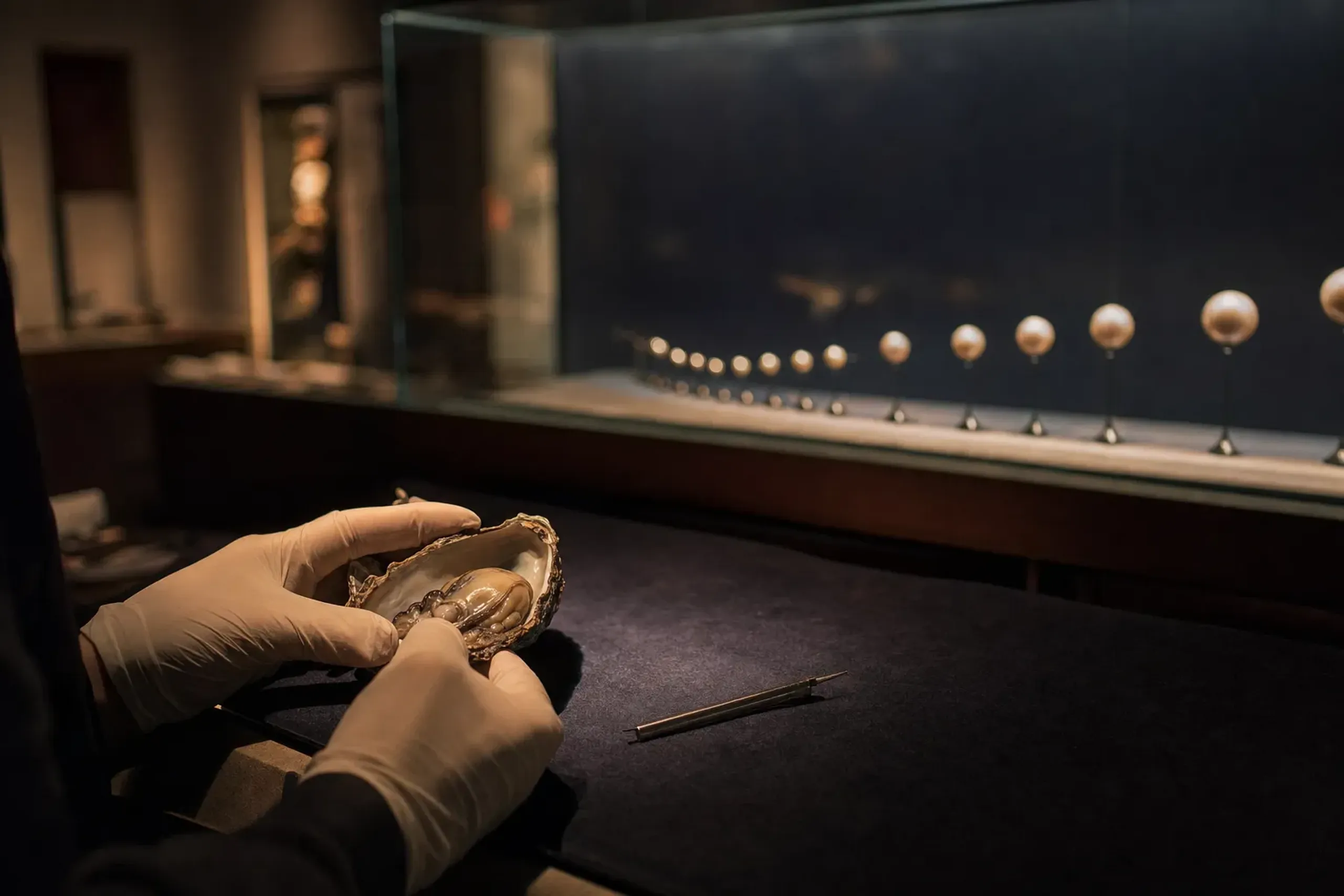
Mikimoto Pearl Island in Toba Bay is bound to Kokichi Mikimoto's breakthrough: the first successful cultured pearl in 1893, followed by his first pearl store in 1899.
This is not merely a shopping stop. It is a chapter of industrial history that happened to become beautiful. Mikimoto was born in Toba in 1858, and his work altered the way pearls reached the world entirely.
The island (originally Ojima) sits a short walk from Toba Station, linked to the mainland by a bridge. Access is simple. The substance inside is the point.
On-site, the Pearl Museum frames the science and the craft without romance-first language. There is also a memorial hall dedicated to Mikimoto himself. Read the panels closely. You will come to understand why “cultured” is not a marketing word here, but a fact of patience and process.
What To Pay Attention To On The Island
Start with the museum before anything else. Do it early, while your attention is clean. Look for the explanation of how nucleus insertion transformed pearl cultivation, and how that method differs from natural pearl formation.
Then step outside and reorient yourself to the bay. A small moment — but the geography matters, and it clarifies everything you have just read indoors.
If you are traveling with family members indifferent to jewelry, keep the visit brisk and story-led rather than product-led. It lands better that way.
Shokunin Without The Buzzwords
Pearls are so often sold in a glossy, breathless voice. Here, the far more interesting thread is that of the shokunin: process, repetition, and standards that do not bend when no one is watching. That mindset — the discipline of the master craftsman — is the true takeaway. It is the same quiet integrity that runs through every grand master we introduce, from kiln masters to sushi shokunin who rarely open their doors to outside guests.
Our team at Japan Royal Service often builds the pearl story around “what changed in 1893” rather than “what should I buy.” It keeps the visit honest. It also keeps it memorable. For guests who want to go further, we can arrange private access to the craft behind the glass — the kind of introduction that is never listed anywhere.
Ama Divers In Toba: A Living Tradition, Not A Show
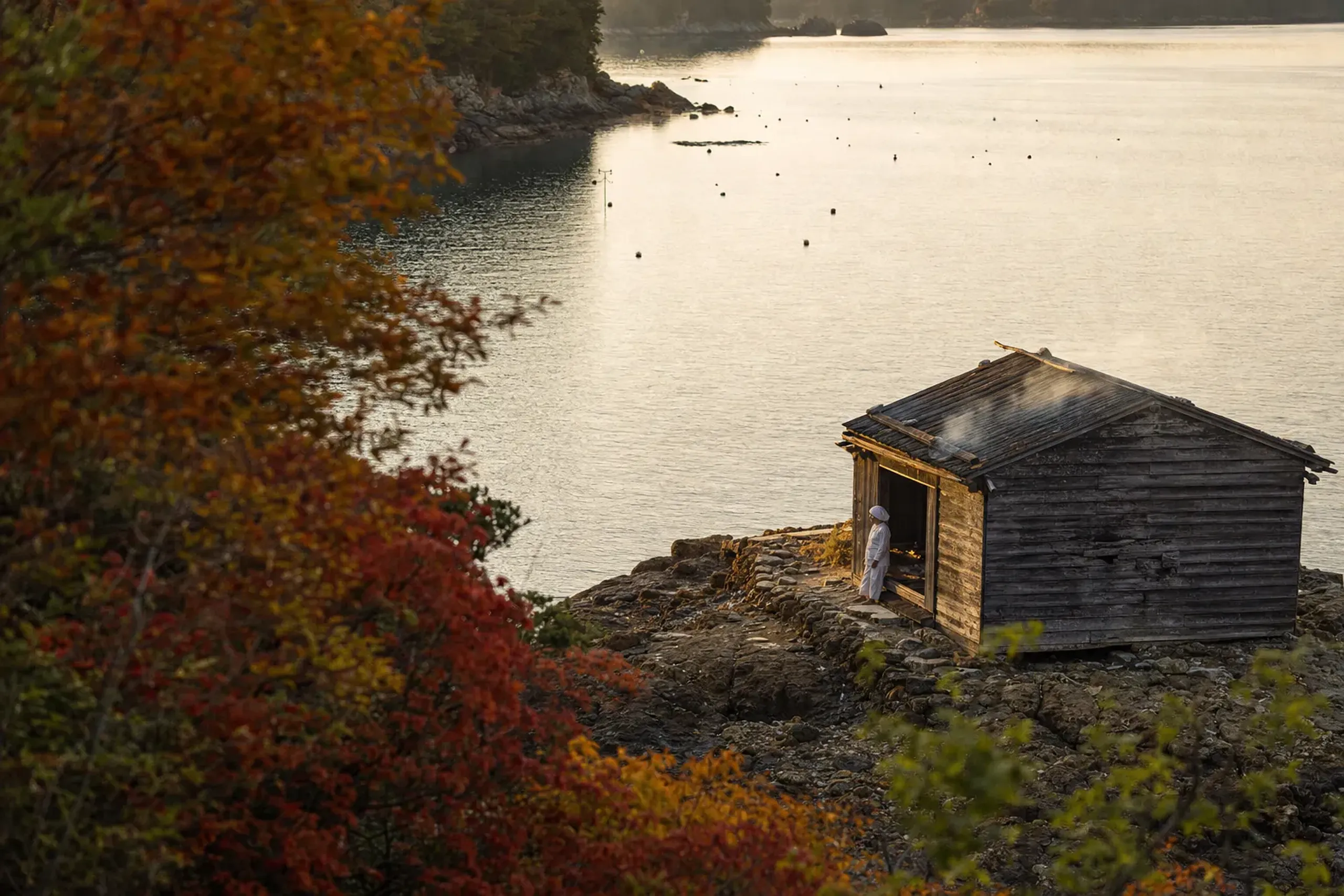
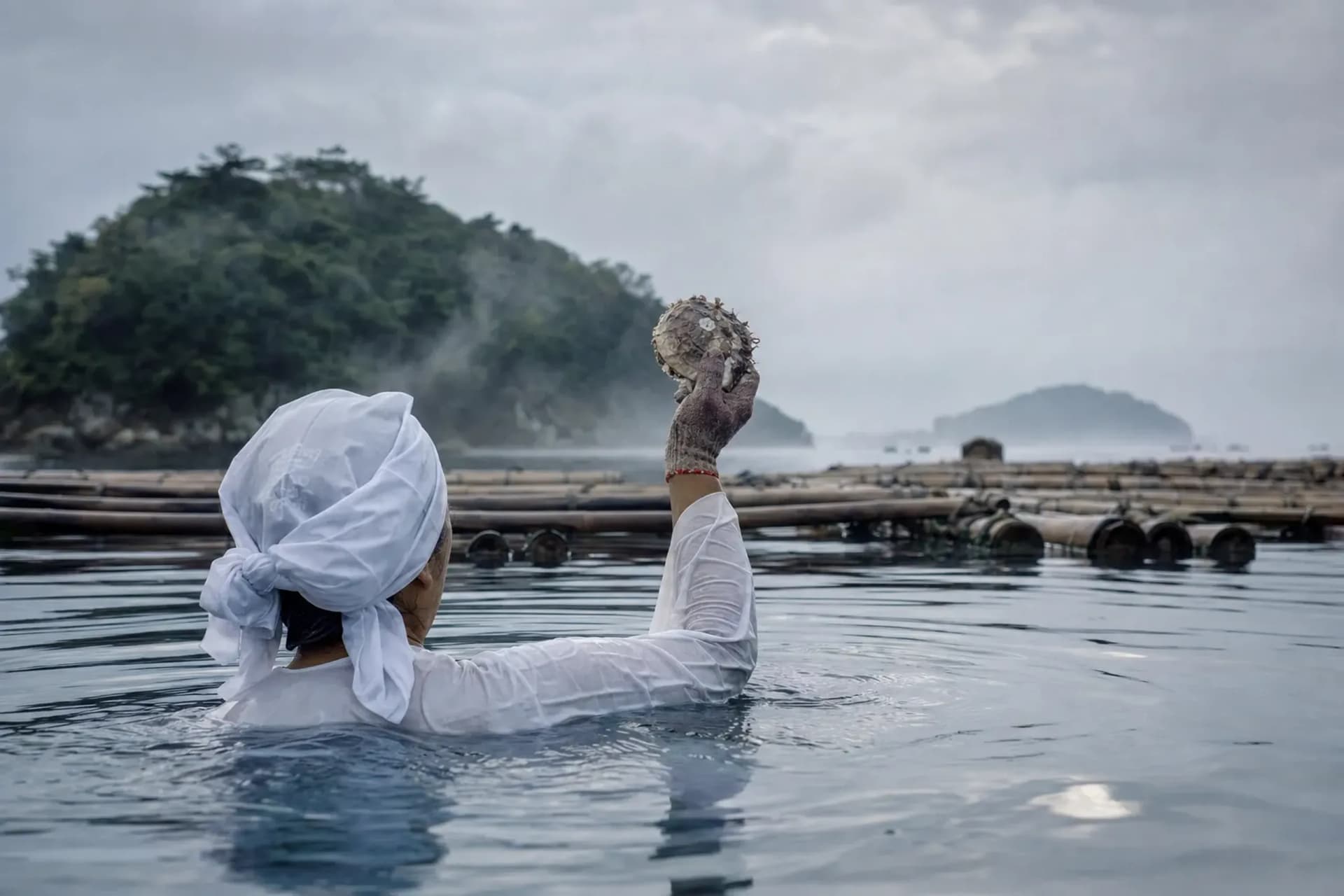
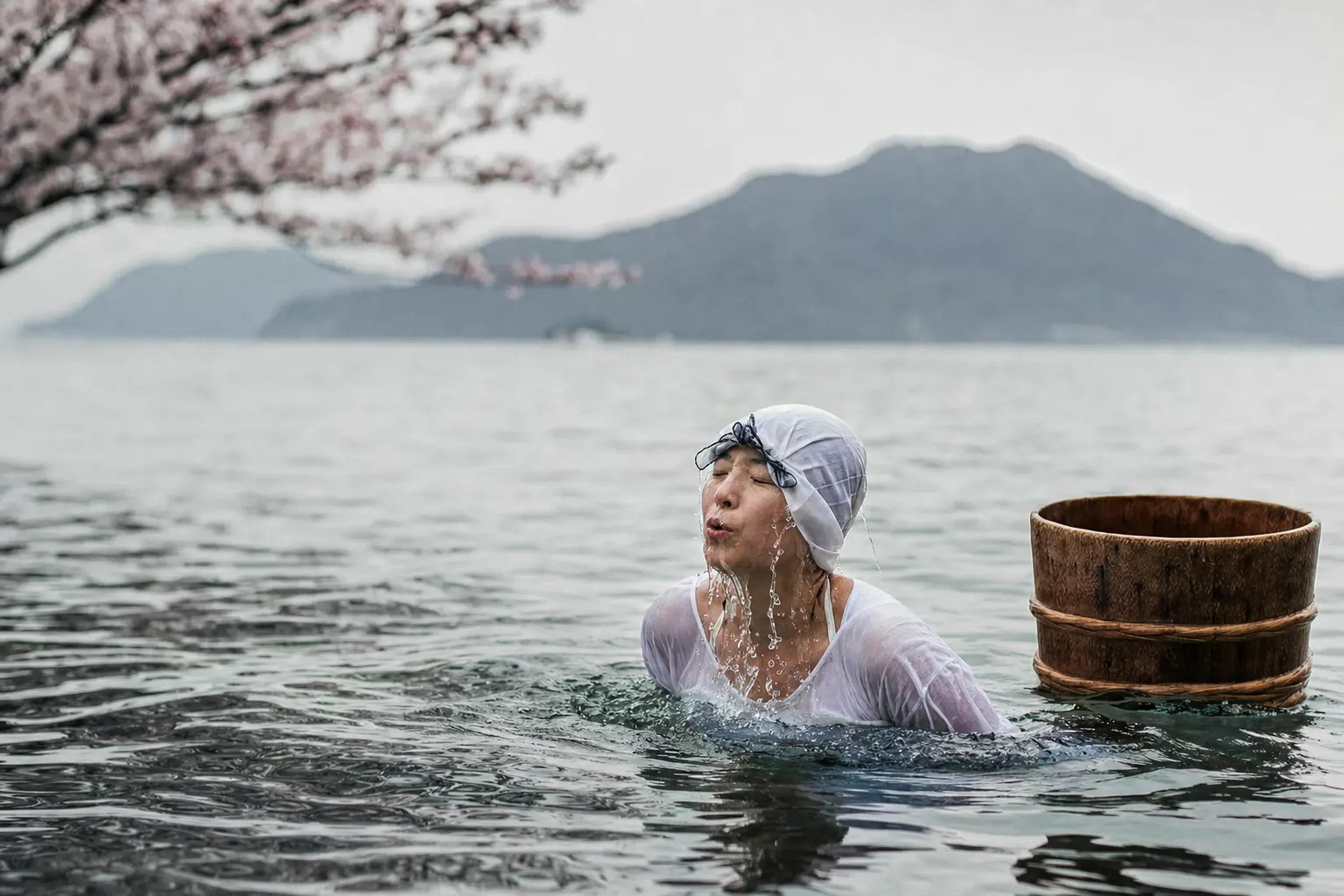
Ama are traditional women free-divers, and Toba is one of the few places where you can still witness the culture in public-facing form through regular diving demonstrations.
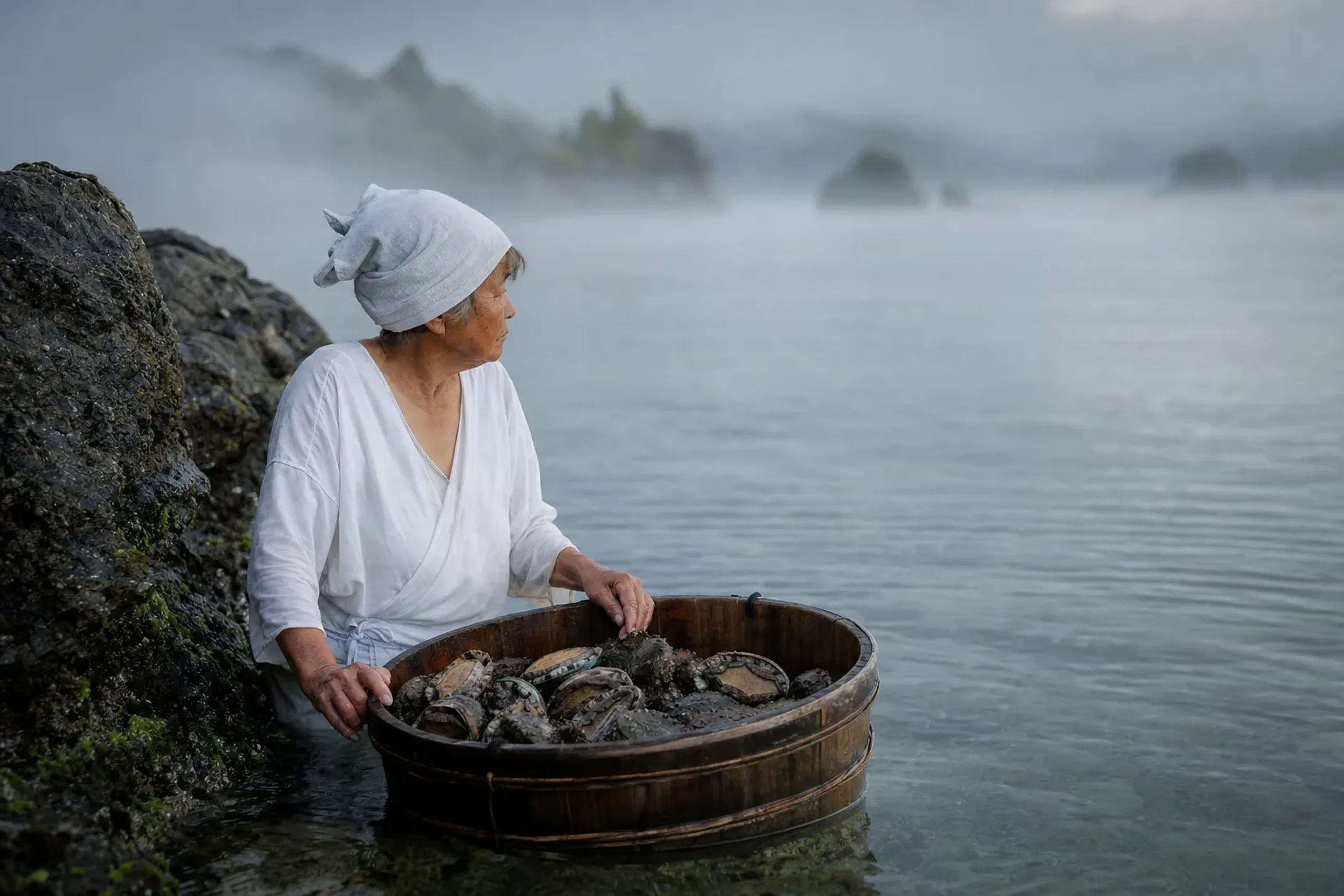
Watch closely. The calm is the skill. You are seeing breath control, physical confidence, and generational knowledge that is written in no manual — only in the body, passed from one woman to the next.
Be considered in how you photograph, how you ask questions, and how you react. This is work. It is also identity.
How To Approach Ama Culture As A Guest
Keep your expectations grounded. You are not commissioning a private performance. You are observing a tradition that sits alongside pearl cultivation and centuries of coastal fishing history.
When you want something deeper — context, introductions, or a day shaped around learning rather than ticking off sights — this is where a discreet concierge approach earns its place. Quiet planning. Few moving parts. No awkwardness, and complete confidentiality around who you are and where you go.
If Ishigami Shrine (Ishigami-san) is on your list, know that it is widely worshipped — including by members of the local ama community — as a deity believed to grant at least one wish for each woman. The tone there is deeply personal. Keep yours understated.
What Is Ago Bay Like Around Kashikojima, And Is It Worth A Cruise?
Ago Bay is a maze of roughly 60 islands and peninsulas — and yes, seeing it from the water is one of the clearest ways to understand why this coastline is unlike anywhere else.
Ago Bay is central to pearl cultivation and fishing in the region. You will notice it in the layout: sheltered inlets, working water, and pockets of settlement that seem turned slightly away from the main road.
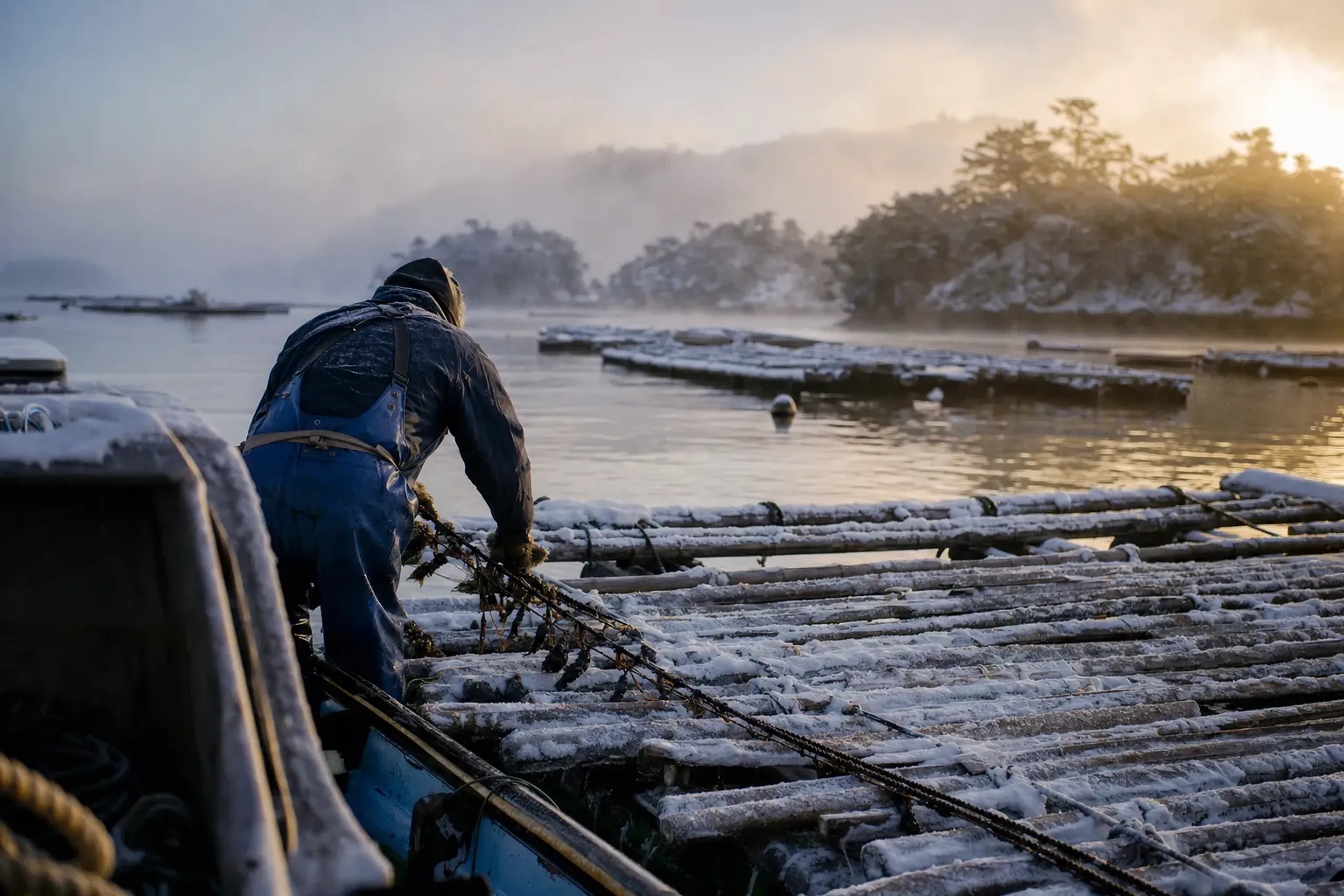
It reads as lived-in, not staged — the antithesis of a manufactured view.
Kashikojima is the practical gateway. It is also where you begin to feel the area's “hidden Japan” effect: the sense that the finest views are not on the first page of search results, but one turn deeper — the Japan that a search engine simply cannot surface for you.
The Kashikojima Scenic Cruise (And What To Expect)
Kashikojima is home to a scenic cruise that uses a ship styled after a 16th-century vessel and may stop at a pearl model factory during seasonal operation.
Do not build your day around exact departure times unless you have confirmed them close to travel. Cruise frequency and seasonal stops can change. That is normal — and precisely why we confirm the details on your behalf.
Instead, structure your day with generous buffers. A late breakfast. A bay-facing walk. Then the cruise. Afterward, keep your afternoon open for a viewpoint, or simply for returning to your room while the light is still sharp.
Key fact: Ago Bay's coastline is rated one star in the Michelin Green Guide to Japan — an unusually crisp signal that the scenery is not merely “pretty,” but culturally notable.
Mt. Yokoyama Observation Deck: The View That Explains The Bay
Mt. Yokoyama's observation deck sits at roughly 203 meters of elevation. Not high. High enough.
From here, the islands read like brushstrokes across water. The bay's complexity finally makes sense, and you understand why this place became central to pearls and fishing rather than to broad, open-ocean drama.
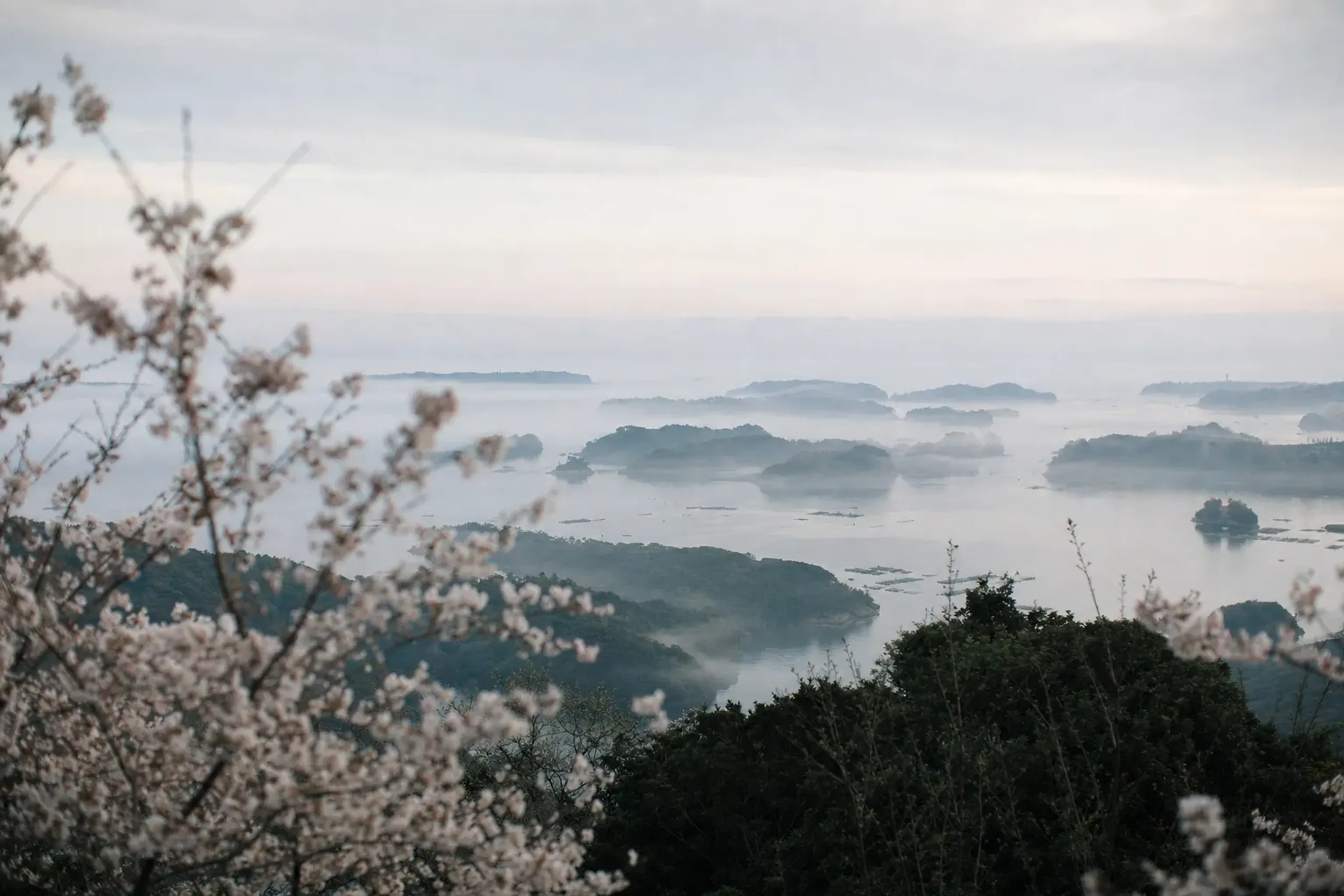
Go when visibility is decent and the wind is not punishing. Your photographs will improve — but more importantly, you will actually want to stand there for a while and let it settle.
Futami Okitama Shrine And Meoto Iwa: A Sunrise Worth Planning Around
Futami Okitama Shrine's Meoto Iwa (“Wedded Rocks”) is a celebrated sunrise viewpoint, and near the summer solstice the sun rises directly between the two rocks.
This is one of those places that punishes a casual schedule. Arrive after sunrise and it becomes a postcard scene with people moving through it. Arrive before, and it is closer to what you imagined: rope, rock, sea, and the first light pushing through the gap.
Dress for the shore. The breeze can surprise you. Keep your voice low.
How To Time It Without Turning It Into A Chore
Stay nearby the night before, or accept an early departure from your base. Either is fine. What matters is that you decide in advance — not at 22:00 after dinner.
We do not publish exact sunrise alignment dates because they shift year to year and conditions matter enormously. Our concierge team confirms the right morning to target based on your travel month and preferred pacing — the kind of quiet, anticipatory care that removes the guesswork before you ever set foot on the shore.
Seafood In Toba And Shima: Ise Ebi, Abalone, And Oysters
Ise ebi (Japanese spiny lobster) is the region's signature seafood, with abalone and oysters close behind.
Order with intention. Two people can often share one lobster-focused course and still enjoy abalone or seasonal fish without the table feeling overloaded.
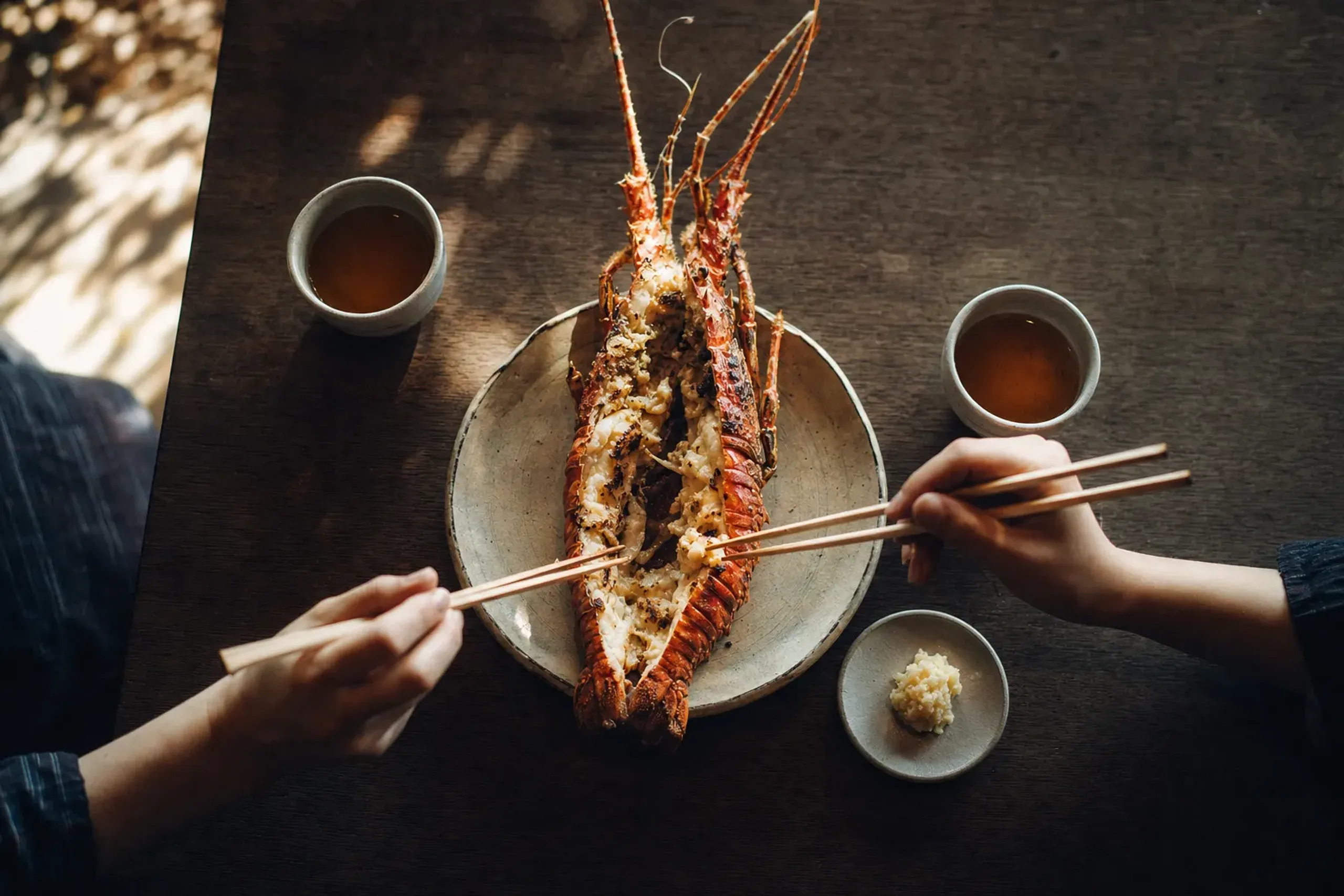
More is not always better — and here, restraint is its own kind of luxury.
Matoya Bay is known for oyster cultivation, distinct from Ago Bay's pearl focus. If you love oysters, this is the keyword to remember when you speak with your concierge or guide.
Two Extra Dishes That Belong On A Coastal Ise-Shima Stay
Matsusaka beef is a regional specialty that pairs beautifully with a coastal itinerary when you want a break from seafood. Different texture. Different mood.
Ise udon is historically tied to pilgrims visiting Ise Jingū. It is simple, filling, and not trying to impress anyone. That, precisely, is the charm — and knowing which of these to seek out in which month is the difference a truly attuned itinerary makes.
How To Get To Toba And Shima Comfortably (Rail, Car, And Transfers)
The Kintetsu Railway Premium Express SHIMAKAZE is a highlighted transport option for reaching the region, and many travelers pair it with a private car for coastal days once they arrive.
Rail works well when you want the journey to feel like part of the trip rather than a gap to endure. It also reduces decision fatigue. You board, settle in, and arrive with your head still clear.
Once you are on the peninsula, a car becomes the difference between “we saw it” and “we actually had time.” The coast is a landscape of small turns and narrow timing windows.
If you want a driver and a quiet vehicle standard, this is where a considered private transportation arrangement helps most; our first-time guests often begin by reviewing what we offer.
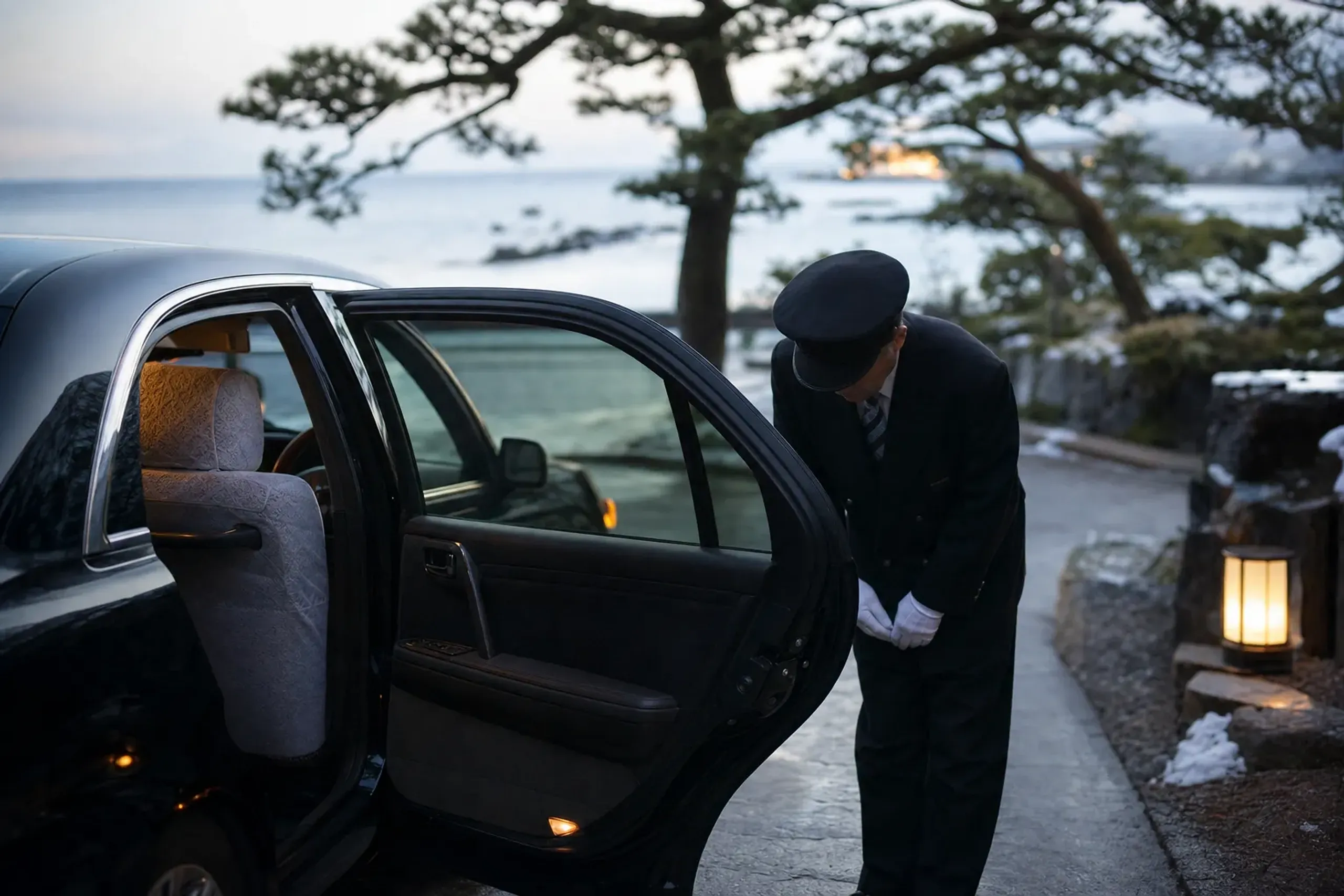
From there, the entire coastal sequence can be shaped into a bespoke itinerary built entirely around your pace and interests.
One Small Logistics Detail That Saves A Day
Near Ise Jingū's Naikū area, many shops in Oharai-machi and Okage-yokocho close around 17:00, though hours vary by shop. Go earlier than you think you need to.
Eat lunch there, not a late snack. Then pivot coastward, or back to your base, without squeezing the day.
A Practical 2–3 Night Sequence (Built Around Ise Jingū, Without Repeating It)
This region works best when you treat Ise Jingū as the anchor and the coast as the residency — not the other way around.
Option A: Two Nights (Efficient, Still Satisfying)
Best for couples or solo travelers who want a clean loop with minimal hotel changes.
- Day 1: Arrive, settle, then an early coastal dinner. Keep it quiet.
- Day 2: Toba morning for Mikimoto Pearl Island and the pearl story, then an ama-focused visit. Move slowly between stops.
- Day 3: Kashikojima and Ago Bay in the morning (cruise if it fits), then depart.
Where the shrine fits: either the morning of Day 1 (if you arrive early) or on the way out. For the full shrine context and what to prioritize on-site, use our separate guide: Ise Jingū: The Shrine That Stays Eternal by Never Aging.
Option B: Three Nights (Balanced, With A Sunrise)
Best for travelers who dislike rushing and want both coast and ritual room to breathe.
- Day 1: Ise Jingū day with an early start, then check in and rest.
- Day 2: Toba for Mikimoto Pearl Island and ama culture, then seafood at night.
- Day 3: Pre-dawn Meoto Iwa at Futami Okitama Shrine, then Ago Bay via Kashikojima and Mt. Yokoyama.
- Day 4: A slow morning, then depart.
This version leaves you with margin.
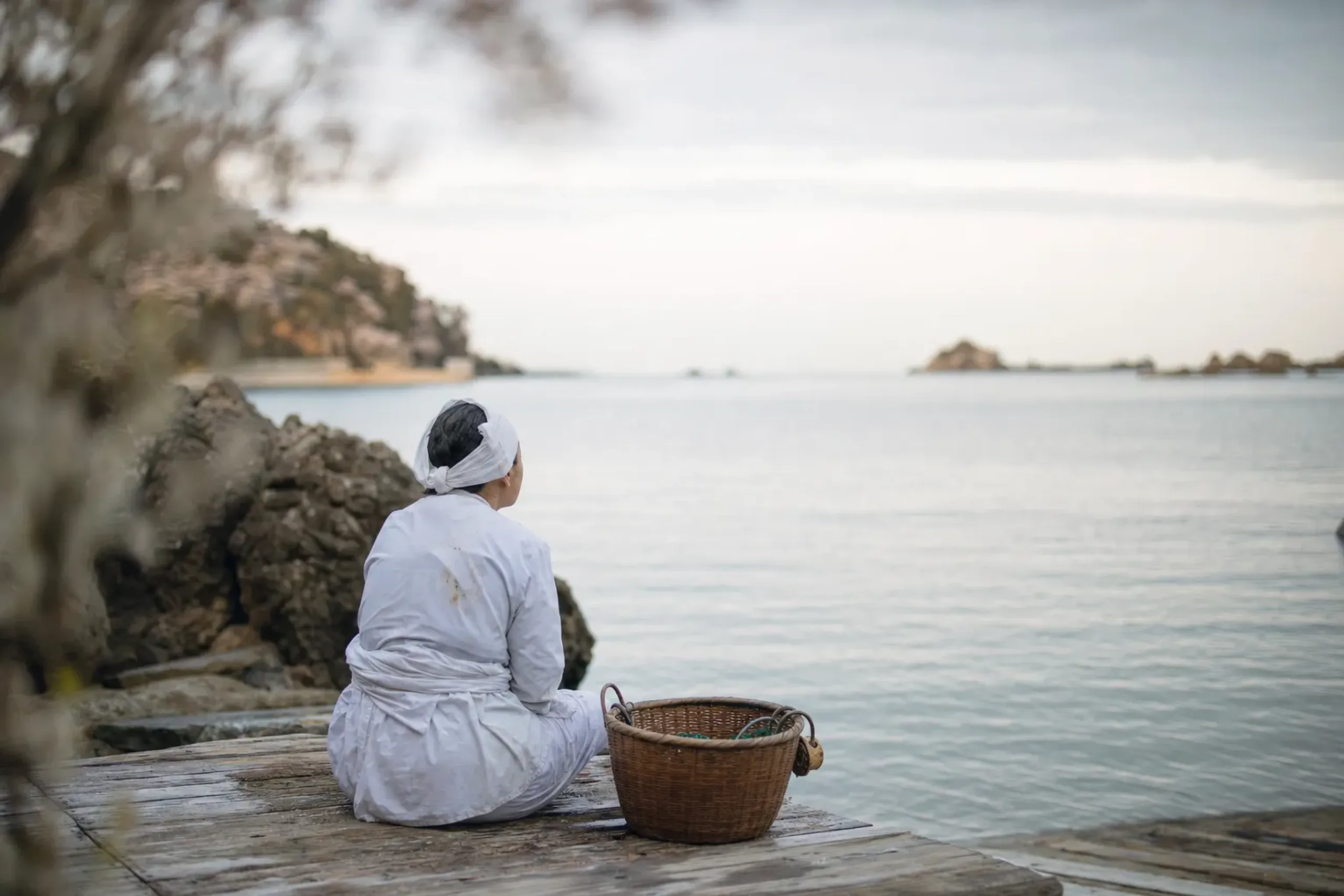
And that margin is exactly where the best moments appear: an empty path, a shift in the tide, a long lunch you do not regret.
Season Notes That Actually Matter For This Coast
Meoto Iwa is most famous for its sunrise alignment near the summer solstice. One morning can become the point of the entire coastal stay.
Ago Bay cruises and factory-related stops can be seasonal. Do not assume that what ran last year runs the same way during your dates.
If you care about ceremony travel, Kanname-sai is Ise Jingū's most important ritual of the year, offering the first rice harvest and gratitude to Amaterasu-Ōmikami. The public-facing experience is subtle, and expectations should remain realistic — but knowing precisely what to experience where, and in which month, is what separates a fine trip from an unforgettable one.
Plan Your Ise-Shima Coast In Confidence
The pleasures of Toba and Shima are not the loud kind. They are the pearl master's patience, the diver's held breath, the first light between two rocks — quiet things that reward those who arrive with time and are guided with care. If you would like a coastal stay shaped precisely around your pace, your palate, and your privacy, our concierge team is ready to design it, confirm the seasonal details that shift year to year, and hold every moving part quietly in the background. To begin a tailored proposal, contact us here.