In this guide
- 01Two Ways To Get An Edo Day Wrong
- 02The Day Answers One Question, Not A Checklist
- 03Morning: The Castle Grounds
- 04Midday: The City At The Edo-Tokyo Museum
- 05Afternoon: The City On Foot
- 06Evening: Where The Tokugawa Rest, And Where Edo Still Eats
- 07Frequently Asked Questions
- 08Why Choose Japan Royal Service
Stand on the keep base in the Imperial Palace East Gardens and you are standing on a decision. Forty-one metres east to west, forty-five north to south, eleven high. A platform of fitted stone that once carried the tallest structure in the country. The keep it held burned in 1657 and was never rebuilt. Not because the money ran out. Because the shogunate no longer needed to prove anything by force.
That single absence — a tower that isn't there — tells the Edo story better than any tower could. Get to it, though, and you discover how many ways there are to arrive on the wrong day, at the wrong hour, and see almost nothing.
This is our guide to building a Tokugawa day in Tokyo that actually works. At Japan Royal Service, we design these itineraries for guests who want the city read aloud to them, not just pointed at.
Two Ways To Get An Edo Day Wrong
Most Edo itineraries fail on one of two axes, and both failures are invisible until you're standing at a locked gate.
Wrong Day Of The Week
The Imperial Palace East Gardens — the actual grounds of Edo Castle — close on Mondays and Fridays. The Edo-Tokyo Museum in Ryōgoku closes on Mondays. Do the arithmetic. Monday removes both anchors of the day. Friday removes the castle itself.
So an Edo day works on Tuesday, Wednesday, Thursday, Saturday or Sunday. On no other day. Book a Friday and you spend the morning looking at a moat from the car.
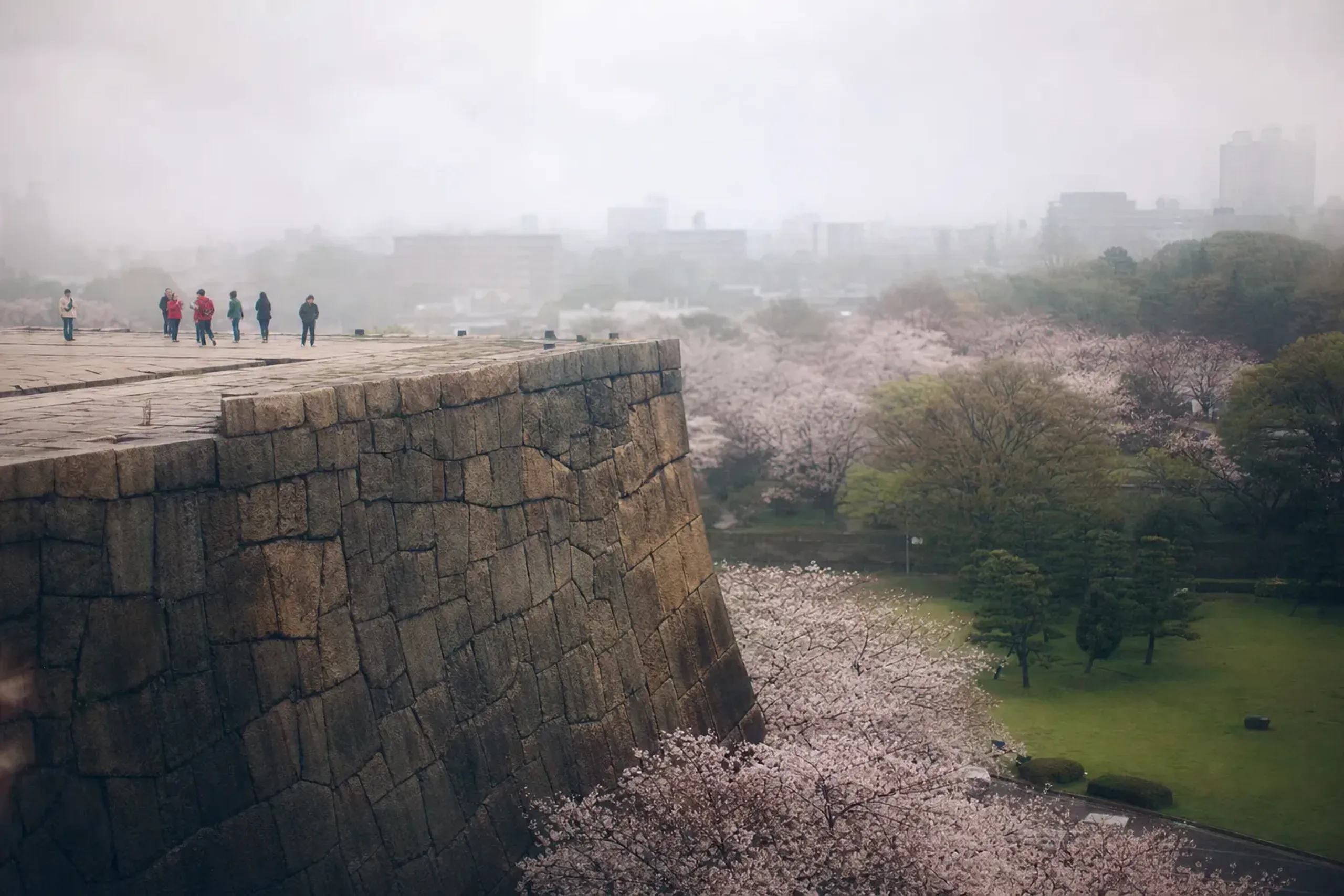
The keep base: a tower vanished in 1657 and never rebuilt — the clearest sign of how the shogunate changed.
The inversion to know: When a Monday falls on a public holiday (other than the Emperor's Birthday), the East Gardens stay open that Monday and close the following Tuesday instead. The rule flips. Always confirm the calendar for your exact date before committing.
Wrong Time Of Day
The East Gardens close at 4:30 in the afternoon, with last admission at 4:00. They are shut at night entirely. Zōjō-ji's Tokugawa mausoleum is not open for ordinary viewing after dark either. An evening-heavy itinerary reduces the Tokugawa story to gates seen through glass. A photograph, not a visit.
These two constraints are the whole reason this article exists. Fix the day and the hour first. Everything else follows.
The Day Answers One Question, Not A Checklist
Do not treat this as a list of sights. Build it as one question, answered in sequence across a single day: why did Tokugawa Ieyasu choose Edo, how was the city built, how did the shogunate shape it, and how did it hold together for more than two and a half centuries?
Each stop answers a piece. The castle shows the government. The museum shows the city. The afternoon streets show commerce and religion. The final gate shows the collapse. Read in order, the day is an argument. Read out of order, it's a shuffle of pretty places.
The Edo period runs from 1603 to 1867. When the shogunate fell in 1868, the city called Edo was renamed Tokyo.
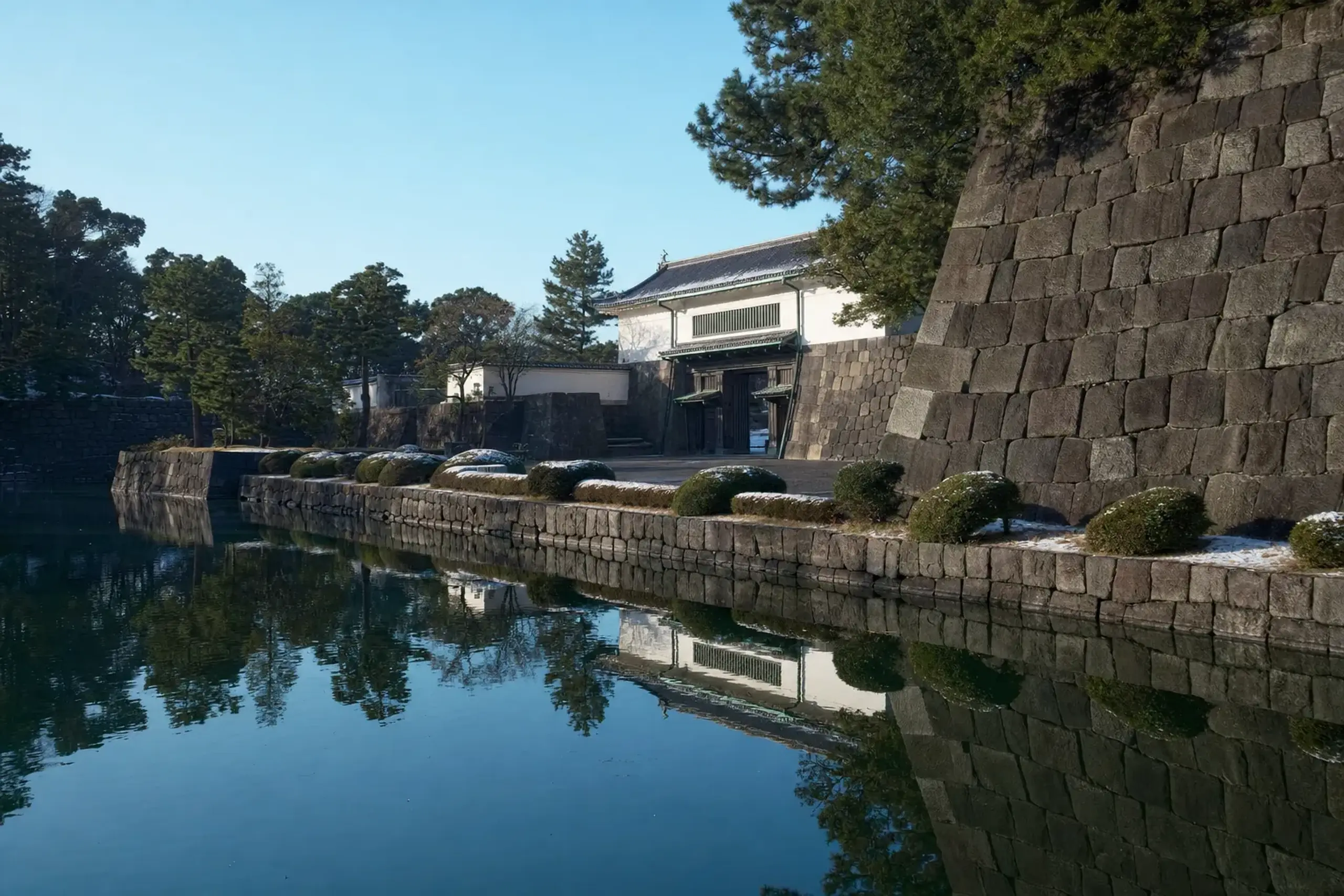
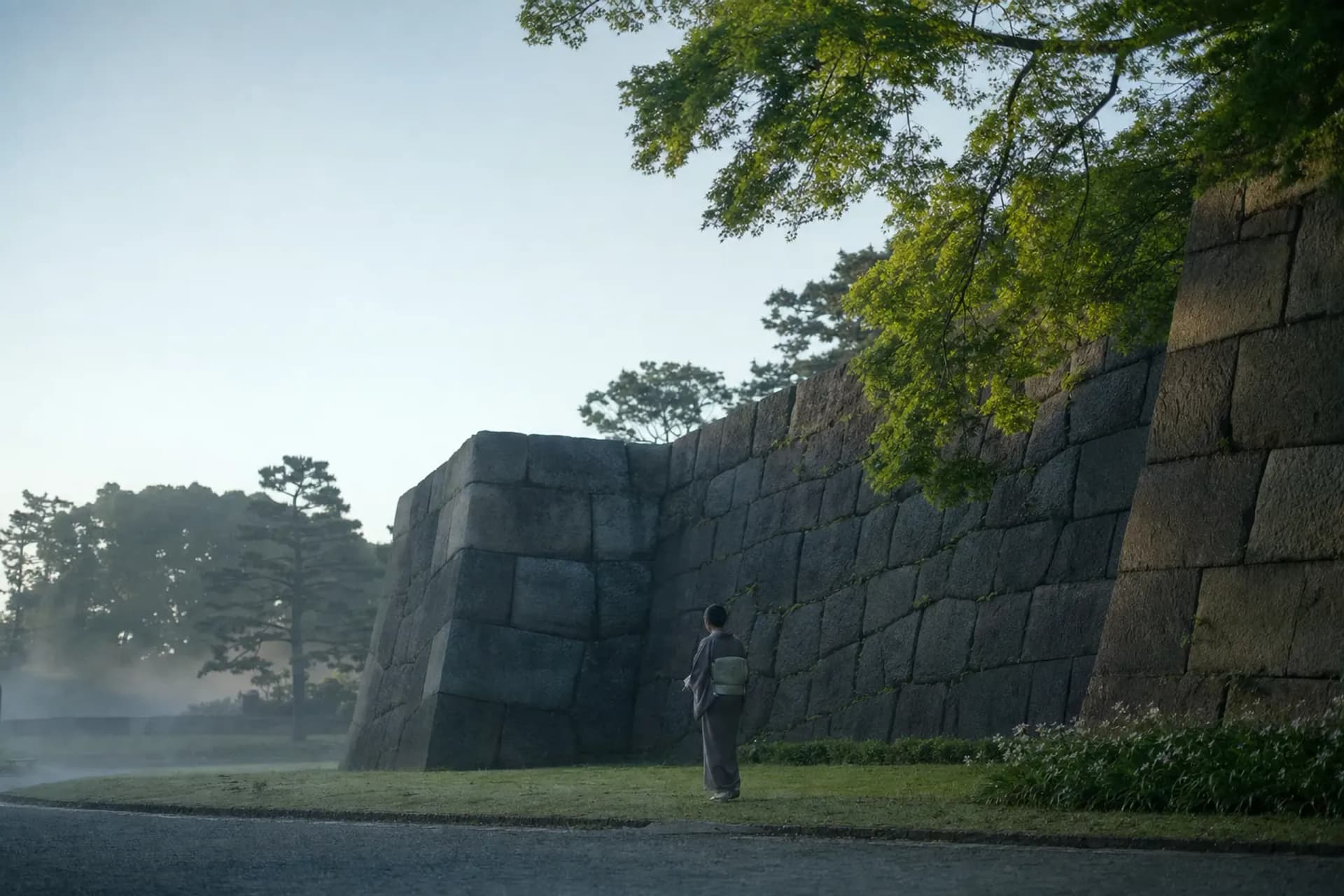
Ōtemon, through which some three hundred daimyō entered on sankin-kōtai duty.
That renaming is the last beat of the story, and the day earns it.
Morning: The Castle Grounds
Begin at the Imperial Palace East Gardens, the former Honmaru, Ninomaru and Sannomaru of Edo Castle. Admission is free — this is a public garden, not a private opening, and no one should tell you otherwise. Three gates admit you: Ōtemon, Hirakawamon and Kitahanebashimon. The grounds run to roughly 210,000 square metres, about four and a half Tokyo Domes. Opened to the public in 1968. Part of it is a designated Special Historic Site as the Edo Castle ruins.
Gates open at 9:00 year-round. Closing shifts with the season, so plan the morning generously and allow at least an hour. Walked properly, with someone explaining it, longer.
Where To Walk, And What Each Stop Is For
- Ōtemon. The castle's main gate. Some three hundred daimyō passed through here on their sankin-kōtai duty — the alternate-attendance system that kept the lords rotating between their domains and Edo, draining their treasuries and binding them to the shogun. Begin here. This is where a political system physically arrived, brick and timber.
- The three guardhouses. Dōshin-bansho, Hyakunin-bansho and Ō-bansho still stand. Security expressed as architecture — layers of inspection you had to survive to reach the inner keep.
- Fujimi-yagura. About sixteen metres, the only surviving three-tiered turret of Edo Castle. It burned with the keep in the Meireki fire of 1657 and was rebuilt two years later. Because the keep was never replaced, this turret quietly stood in its place. It's nicknamed the eight-sided turret for looking identical from every angle. The plaza in front was opened up in 2016 for closer viewing.
- The keep base. Forty-one metres by forty-five, eleven high. Stand on it. The tower that stood here vanished in 1657 and was never rebuilt — and that decision is the clearest illustration of how the shogunate changed. By the mid-seventeenth century, the regime governed through law and ritual, not the threat of a fortress. The empty platform is the point.
- The site of the Great Pine Corridor. Where the Akō incident began — the quarrel that led to the story of the forty-seven rōnin.
- Ninomaru Garden. A pond-stroll garden attributed to Kobori Enshū, the great early-Edo garden designer and tea master.
- The Honmaru rest house annexe. Holds a reconstruction model of the Kan'ei-period keep, so you can see what once rose from the stone you just stood on.
A held car between districts matters more than it sounds.
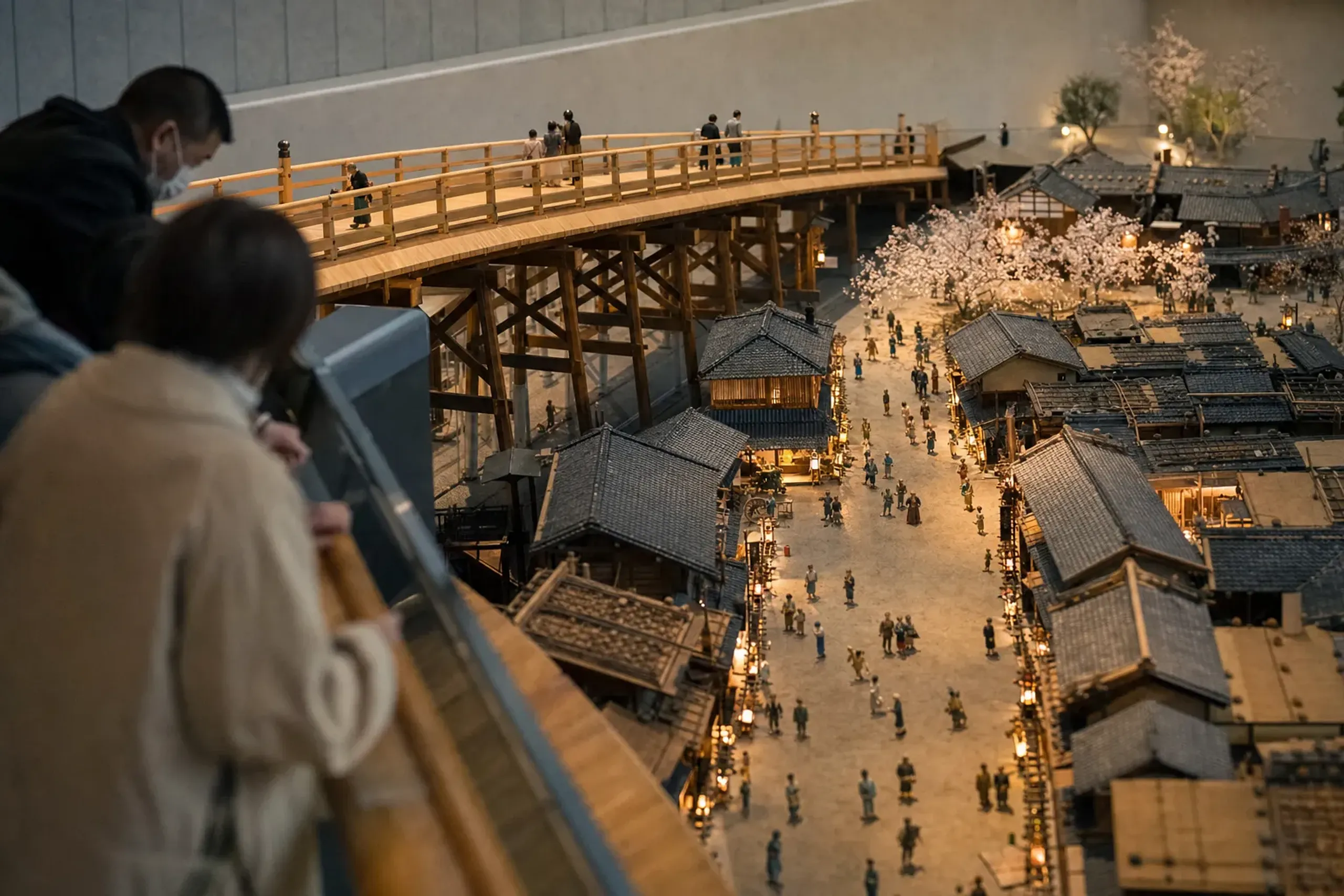
The Edo-Tokyo Museum reopened on 31 March 2026 — the stop that shows the city the castle cannot.
This is a walking day across long distances, and a chauffeured vehicle waiting at the next gate is what makes the pace humane — particularly for an older party. Our private chauffeured transport exists precisely for days like this: you walk the grounds, the car meets you where you exit.
Midday: The City At The Edo-Tokyo Museum
The Edo-Tokyo Museum reopened on 31 March 2026 after roughly four years closed for major renovation. State that plainly, because most English-language material online still describes it as shut.
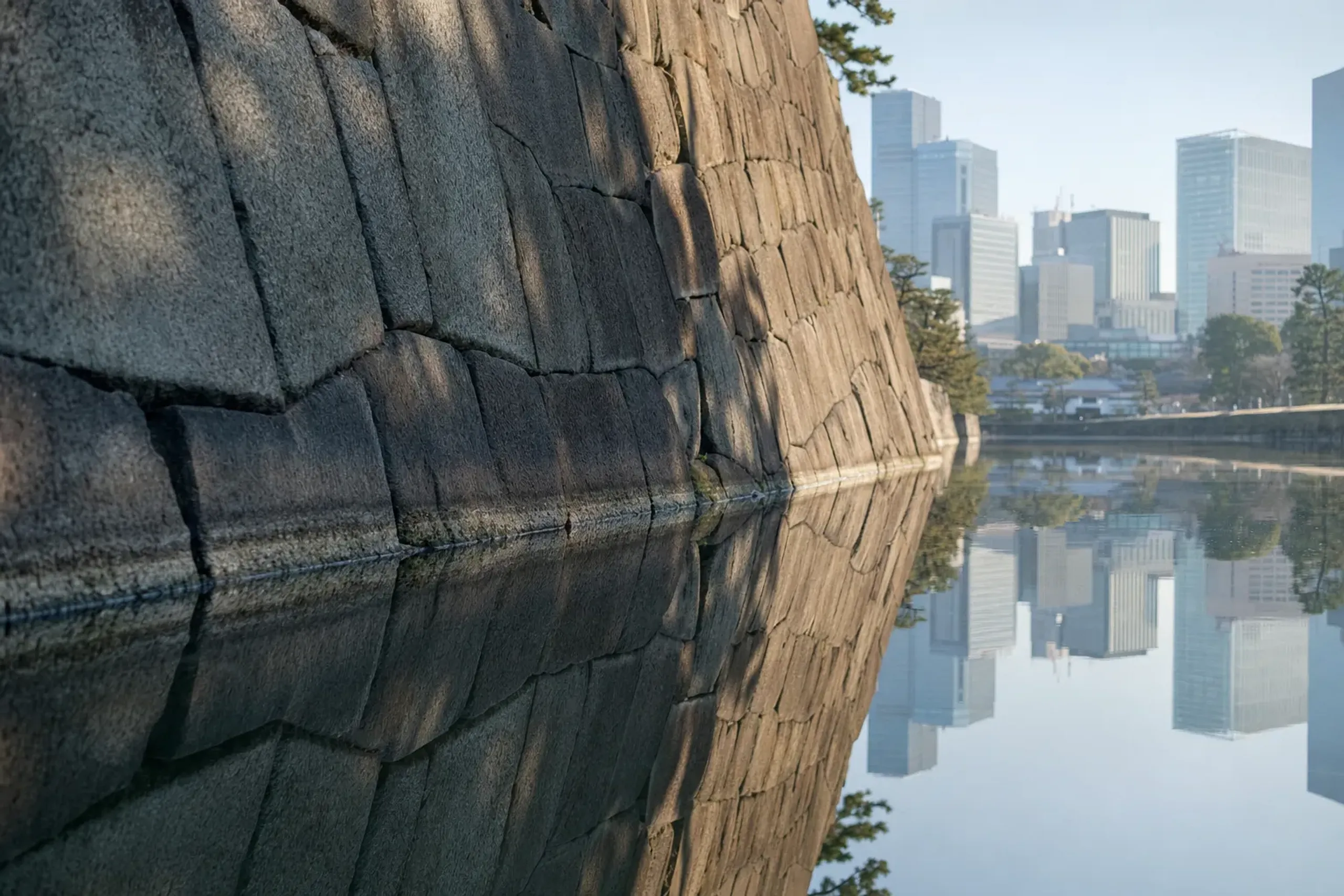
Sakuradamon: outside this gate in 1860 began the end of the Tokugawa order.
It isn't.
Admission for the permanent exhibition rose to ¥800, and online tickets are now sold — check whether advance booking is required before you arrive, as ticketing rules have shifted with the reopening. The museum closes on Mondays. In spring 2026 it also hosted a special exhibition, "In Praise of Great Edo," from 25 April to 24 May in the first-floor Special Exhibition Gallery, with hours running 9:30 to 17:30 (until 19:30 on Saturdays). Exhibition windows change, so confirm current programming for your dates.
The museum's value is structural, not decorative. Large-scale models, full reconstructions and original material show how Edo grew, how the city functioned, how ordinary people lived, and how it became Tokyo. This is the stop that answers what the castle cannot. The castle is the government. The museum is the city — a million people fed, watered, housed and policed without a single modern machine.
Afternoon: The City On Foot
The afternoon takes the story down into the streets, where merchants, not warriors, ran the daily life of Edo.
- Nihonbashi. The point from which every distance in Japan was measured, and the commercial heart of Edo. Milestones across the country still count from here.
- Kanda and Kanda Myōjin. The shrine of the merchant city rather than the warrior one — the guardian of Edo's tradespeople and, still today, of the businesses around it.
- Masakado no Kubizuka. A mound in Ōtemachi honouring the tenth-century warrior Taira no Masakado. It has survived, quietly maintained, while office towers rose on every side around it. Locals have preserved it out of long respect. Worth a considered pause, without drama.
- Sakuradamon. The outer moats and the great stone walls close the arc. Outside this gate, in 1860, the shogunate's chief minister Ii Naosuke was assassinated. That killing marks the beginning of the end of the Tokugawa order — which is exactly why the day finishes here. The system that arrived through Ōtemon in the morning begins to fall at Sakuradamon by dusk.
Evening: Where The Tokugawa Rest, And Where Edo Still Eats
Two evening choices, depending on whether daylight is left.
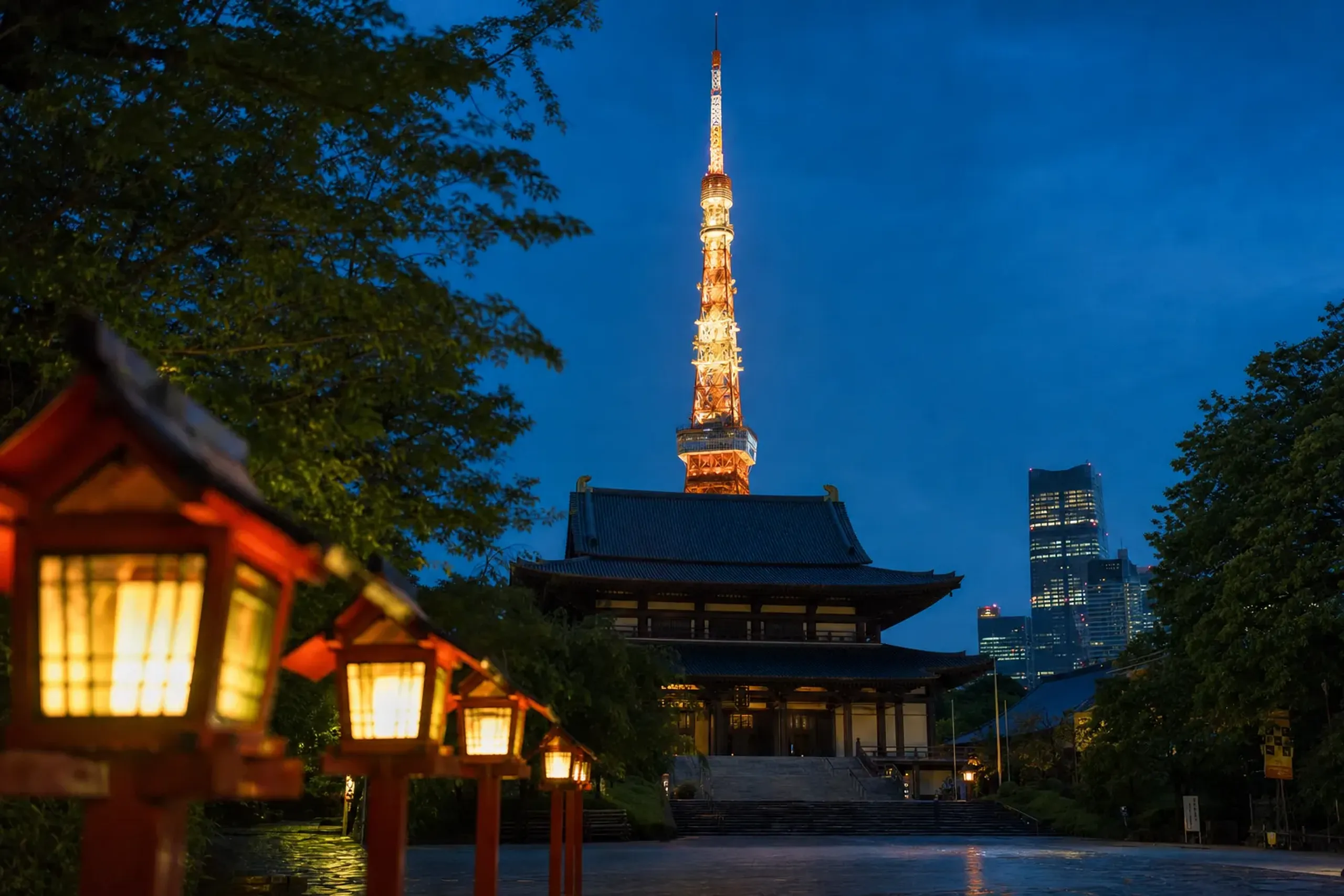
Zōjō-ji against Tokyo Tower after dark — a photograph, not a visit; see the Tokugawa mausoleum in daylight.
Zōjō-ji
If the Tokugawa mausoleum matters to you, it must be seen in daylight — it is not open for ordinary night viewing, so confirm current mausoleum hours and admission before you go. Six of the fifteen Tokugawa shoguns are interred at Zōjō-ji, and standing among their memorials closes the family's story in stone.
After dark, Zōjō-ji becomes an exterior visit: the temple halls silhouetted against Tokyo Tower, one of the city's finest juxtapositions of old and new. Beautiful. But that is a photograph, not a visit. Say so plainly to yourself before you plan an evening arrival.
Dinner With Edo Continuity
Several Tokyo restaurants genuinely reach back to the period, and dining in one is the most honest way to close an Edo day.
- An eel house from the Kansei era. Grilled unagi in the Edo style, at an establishment with more than two centuries behind it — the flavour of the shogun's capital, unchanged in method.
- A dojō restaurant founded in 1801 in Asakusa. Loach hotpot, a working-class Edo staple, served on low tables in a room that has kept the old form.
- An ankō specialist in Kanda founded in 1830. Monkfish hotpot, an Edo winter classic, in a merchant district that has fed the city for generations.
Each suits a different mood: the eel house for quiet refinement, the dojō house for atmosphere and history, the ankō specialist for a cold-weather feast.
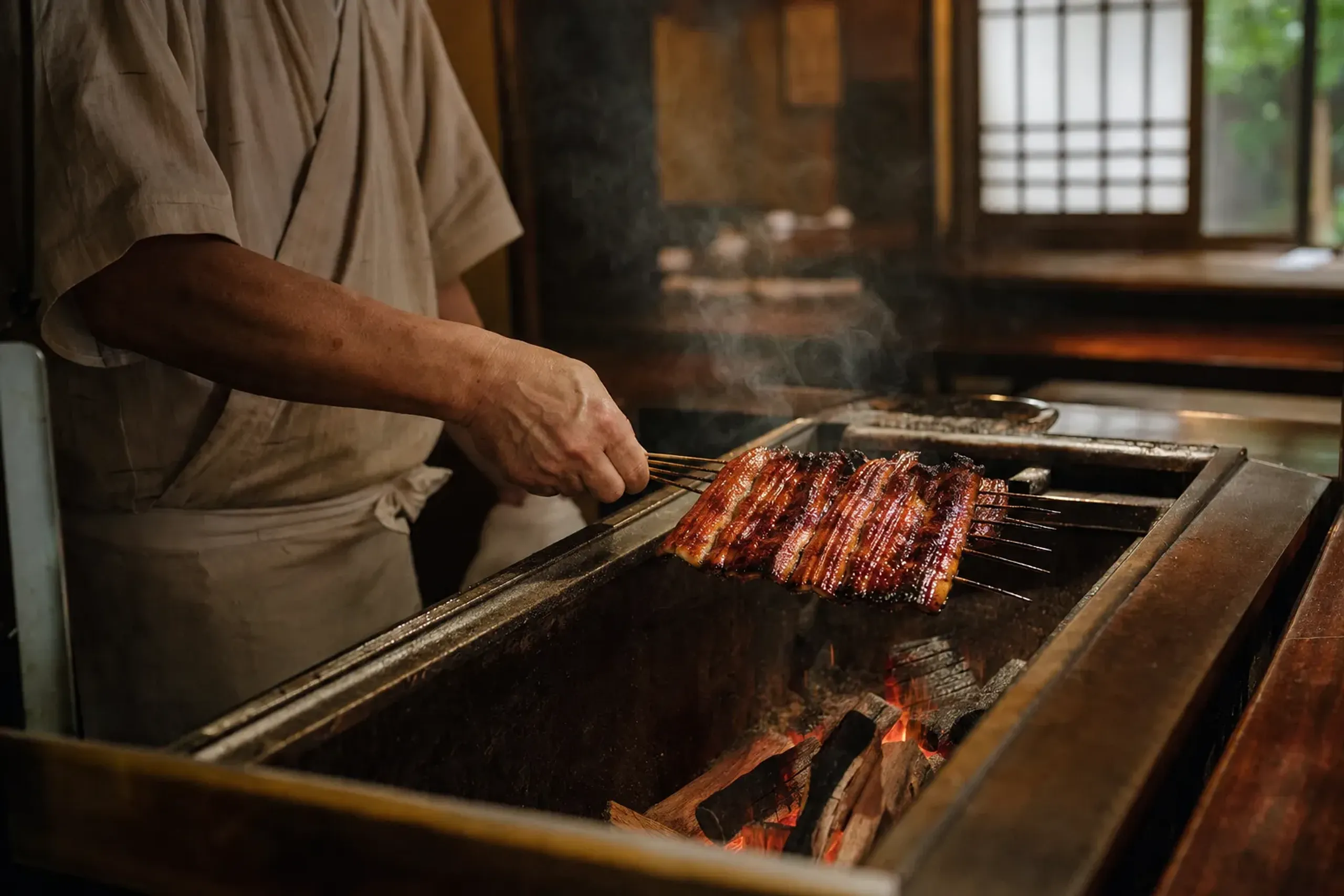
We match the choice to your party and the season, and coordinate the reservation.
Frequently Asked Questions
Which Days Of The Week Can I Actually Do An Edo Castle And Museum Day In Tokyo?
Tuesday, Wednesday, Thursday, Saturday or Sunday. The Imperial Palace East Gardens close Mondays and Fridays; the Edo-Tokyo Museum closes Mondays. Monday removes both anchors, and Friday removes the castle grounds.
Is The Edo-Tokyo Museum In Ryōgoku Open Again After Its Renovation?
Yes. The Edo-Tokyo Museum reopened on 31 March 2026 after roughly four years of major renovation. Permanent-exhibition admission is ¥800, online tickets are sold, and it still closes on Mondays. Confirm current hours before visiting.
Can I See The Tokugawa Mausoleum At Zōjō-ji In The Evening?
No. The Tokugawa mausoleum at Zōjō-ji is not open for ordinary night viewing, so it must be seen in daylight. After dark the temple is an exterior visit only — striking against Tokyo Tower, but not a proper interior visit.
Is Admission To The Imperial Palace East Gardens Free, And Do I Need Tickets?
Admission to the Imperial Palace East Gardens is free, with no advance ticket required. Enter via Ōtemon, Hirakawamon or Kitahanebashimon. Gates open at 9:00 year-round; closing time varies by season, so plan the morning early.
Why Hire A Guide-Interpreter Rather Than Just A Driver For An Edo Day?
Tokyo's historic sites carry little English interpretation, and the stops only cohere when someone connects them. A licensed guide-interpreter turns a route into an explanation, answering questions on the spot — a distinction we cover in our tailor-made itinerary planning.
Why Choose Japan Royal Service
What we arrange for an Edo day is specific and limited: a licensed guide-interpreter, chauffeured transport held between districts, the route design that puts the stops in the right order on a day the gates are actually open, and restaurant arrangements with reservation coordination at establishments that keep the Edo lineage alive.
The guide is the real deliverable. Tokyo's Edo sites are almost silent in English, and a route without interpretation is a shuffle of place-names. Our concierge builds the sequence so it reads as one continuous argument — from the gate that carried a political system to the plaza where it began to fall. In our experience, this is the difference between seeing the East Gardens and understanding why the keep was never rebuilt.
We work the constraints most itineraries ignore: the Monday-and-Friday closures, the 4:00 last admission, the holiday inversion that flips the calendar.
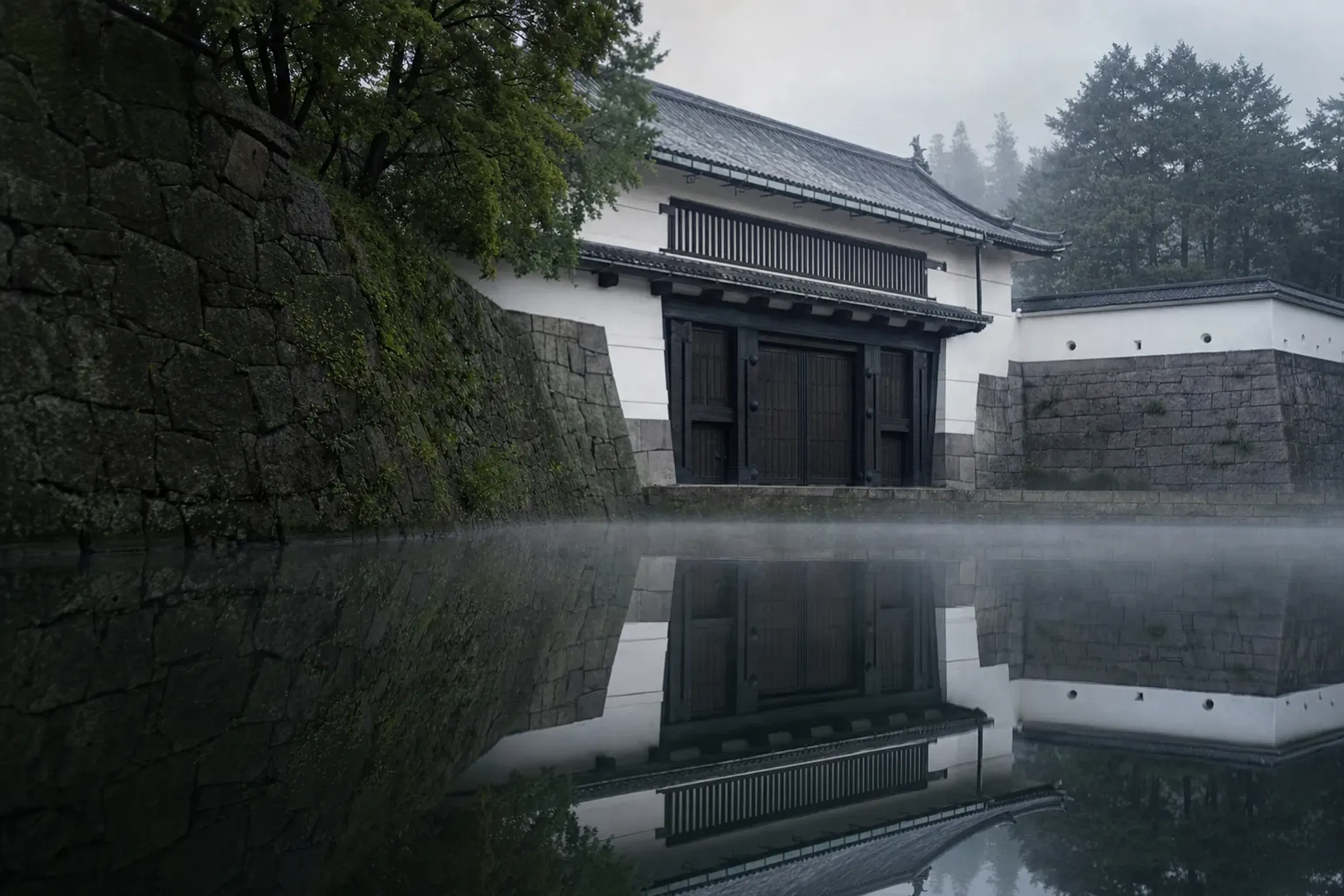
That care extends to the whole trip — from the chauffeur in Tokyo to the same standard in Kyoto, where the guide-versus-driver distinction matters just as much, and to accommodation chosen to sit the day comfortably. For a wider view of running long, multi-district days well, our note on multi-day itinerary design is a useful companion.
To design your own Tokugawa day in Tokyo, reach our team privately via WhatsApp or LINE, or contact us here.