In this guide
- 01Ginza Vs Omotesando: Where Tokyo’s Luxury Shopping Actually Feels Different
- 02What Is A Luxury Shopping And Atelier Pairing In Tokyo?
- 03Why This Approach Works For HNW Travelers (And Still Feels Private)
- 04How Do Department Store Concierge Desks Help Luxury Shoppers In Japan?
- 05Private Salon Retail Vs A Real Workshop: What You’re Comparing
- 06A Concrete Pairing Example: Fragrance In Tokyo (Retail + Atelier)
- 07Kanazawa As The Craft Counterpoint: Gold Leaf You Can Actually Learn
- 08Kyoto As The Textile Lens: Yuzen Dyeing As A Companion To Shopping
- 09What You Learn That A Boutique Rarely Explains
- 10Pacing Rules: One District, One Atelier, And A Real Lunch Break
- 11Contemporary Japanese Design As The Middle Lane
- 12How To Plan A Shopping And Atelier Day Without Losing Privacy
- 13How Japan Royal Service Builds A Bespoke Shopping + Atelier Pairing
- 14Frequently Asked Questions
- 15Why Choose Japan Royal Service
A shopping day in Tokyo can turn into a polite blur. Receipts. Bags. A sense you bought “the right thing,” without learning why it carries a Japanese premium. That’s the gap.
Our team at Japan Royal Service treats luxury retail as a doorway, not a finish line. We pair a retail district with an atelier visit or craft workshop that explains material, process, and the maker’s hand. Different day. Better decisions.
Ginza Vs Omotesando: Where Tokyo’s Luxury Shopping Actually Feels Different
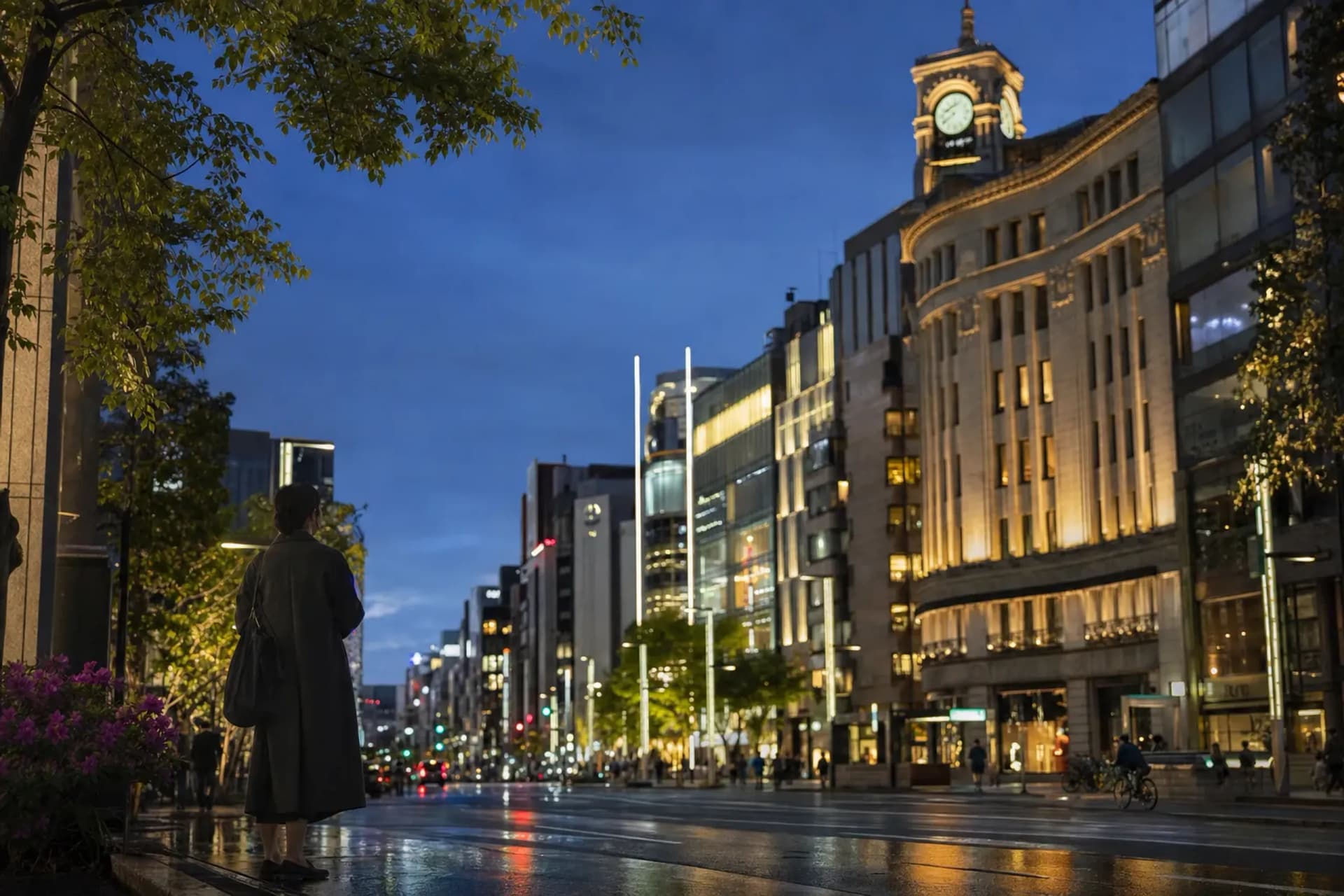
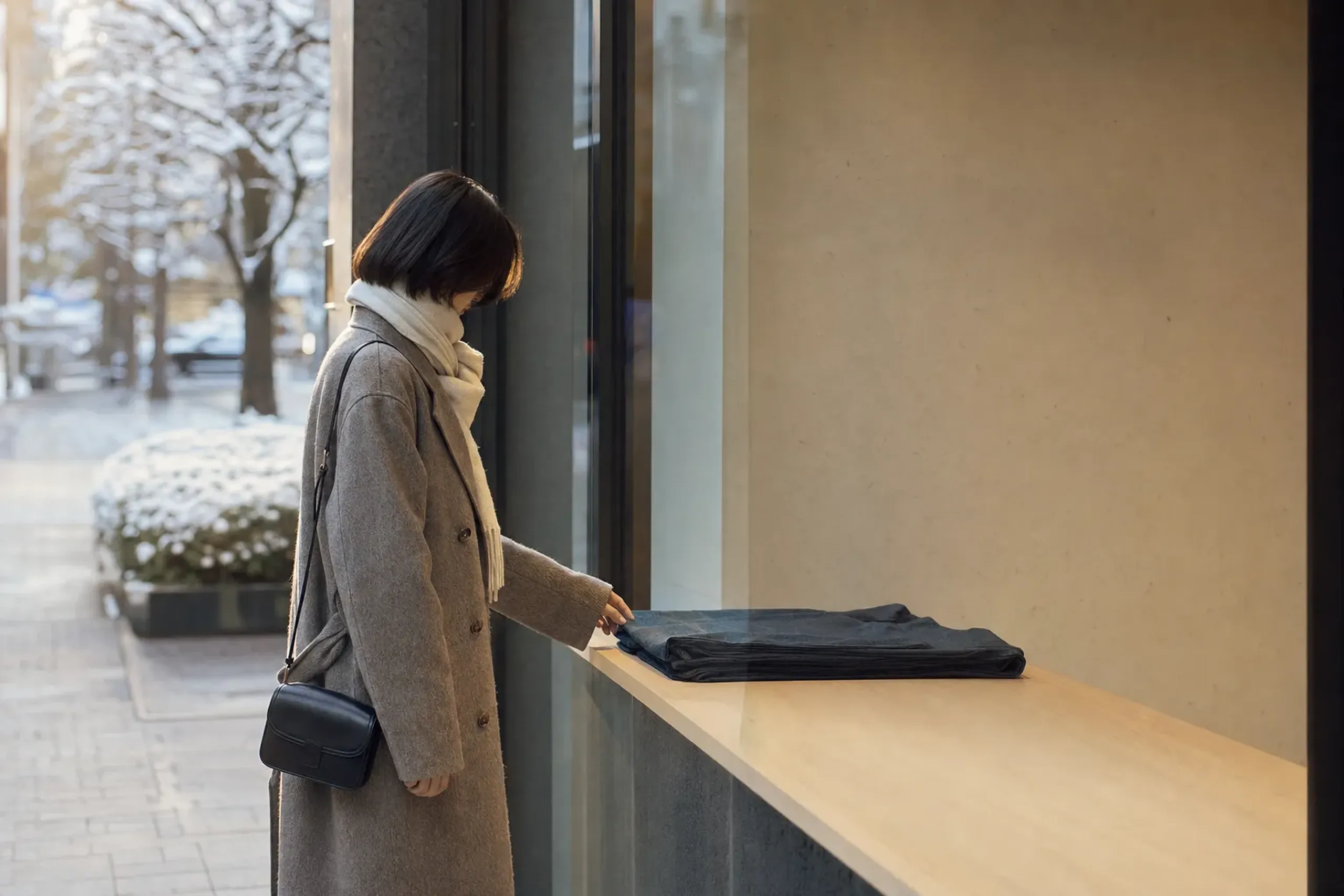
Ginza reads formal and established, built for flagship pacing and quiet service. Omotesando reads contemporary, shaped by architecture and a younger design mood, with more visual risk and less ceremony. Both can be excellent. They just reward different temperaments.
Choose Ginza when you want clarity and polish. Short walks. Predictable navigation. The experience is designed to feel composed even on a crowded day.
Choose Omotesando when you like design as conversation. Storefronts behave like galleries. Your taste can run modern without losing Japanese restraint.
What Is A Luxury Shopping And Atelier Pairing In Tokyo?
A luxury shopping and atelier pairing is one retail district plus one craft site, planned as a single learning arc from material to finished object, with time to reflect before you buy.
Think of it as shokunin without the sermon. You see a surface, then you see how that surface is made, where it fails, and what a master does to correct it.

Small details start to matter. A hem line. A lacquer edge. The way a clasp closes with a dry click.
We keep the pairing honest. You are not collecting “exclusive access.” You are building discernment, and that stays with you long after the shopping bag is recycled.
Why This Approach Works For HNW Travelers (And Still Feels Private)
If you’re HNW, you’ve already had the day where shopping becomes a treadmill. It’s efficient, then it’s empty. The atelier pairing changes the center of gravity.
First, it adds meaning without adding clutter. Wabi-sabi is useful here, not poetic: you start noticing where restraint is the point, and why perfection in Japan can look quieter than you expect. Second, it makes you calmer in-store. You can say “no” faster. You can also say “yes” with a straight face.
Third, it supports discretion. Fewer stops. Less exposure. A tighter route. The day feels held, not broadcast.
How Do Department Store Concierge Desks Help Luxury Shoppers In Japan?
Department store concierge desks help with practical shopping needs like tax-free procedures, overseas-customer support, and service guidance, which can reduce friction when you’re moving between purchases and appointments.
Department stores remain a serious part of Japan’s luxury ecosystem, especially when you want a single building that can absorb weather, crowds, and quick changes. Their service floors can act like a control panel for your day.
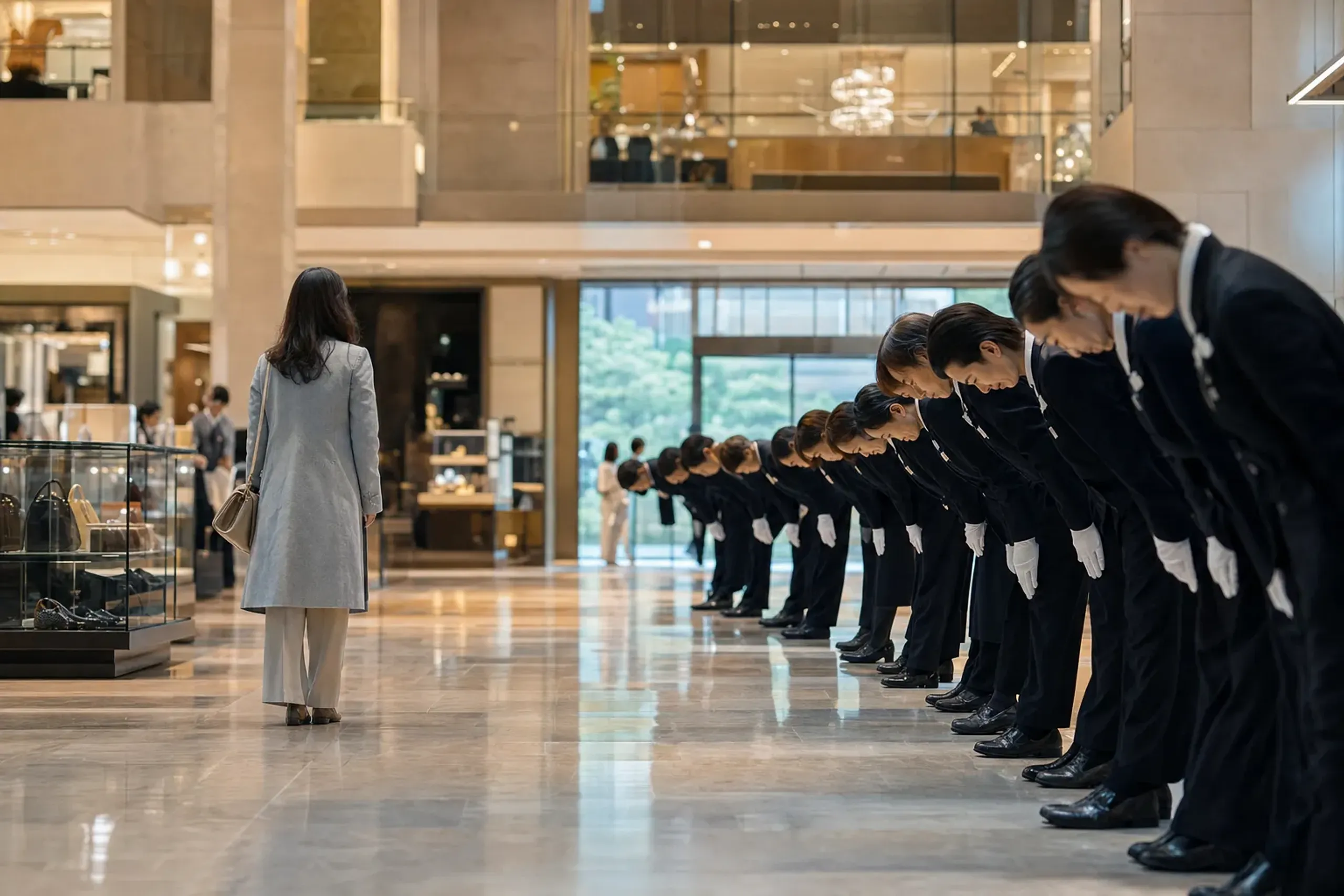
Not glamorous. Extremely useful.
Examples exist across Japan, and each store publishes its own service scope. Isetan Shinjuku, for instance, lists an International Customer Service Center for overseas customers on its global site. In Osaka, Daimaru Shinsaibashi publishes concierge and personal shopping service information, alongside clear tax-free guidance and ID notes. Hankyu Umeda also presents a luxury concierge counter on its official service page.
One operational note matters for planners: Ginza Mitsukoshi has published that some service content will change starting on July 1, 2026. If your trip lands around that date, our concierge team will confirm the current service layout directly before your day is set.
Key fact: A pairing day works best when the service layer is stable—tax-free rules, appointment timing, and language support. We confirm these details close to travel, not months early.
Private Salon Retail Vs A Real Workshop: What You’re Comparing
A private salon inside a flagship store is still retail. It’s consultation-forward retail, often calmer, sometimes more personalized, and usually designed for time. That can be exactly what you want.
A real workshop or atelier is different energy. Tools. Material. Repetition. The pace belongs to the maker, not the customer. If you’ve never watched skilled hands do the same movement for years, it can be sobering.
Both have a place in the same day, but we plan the order deliberately. Often the atelier first is better.
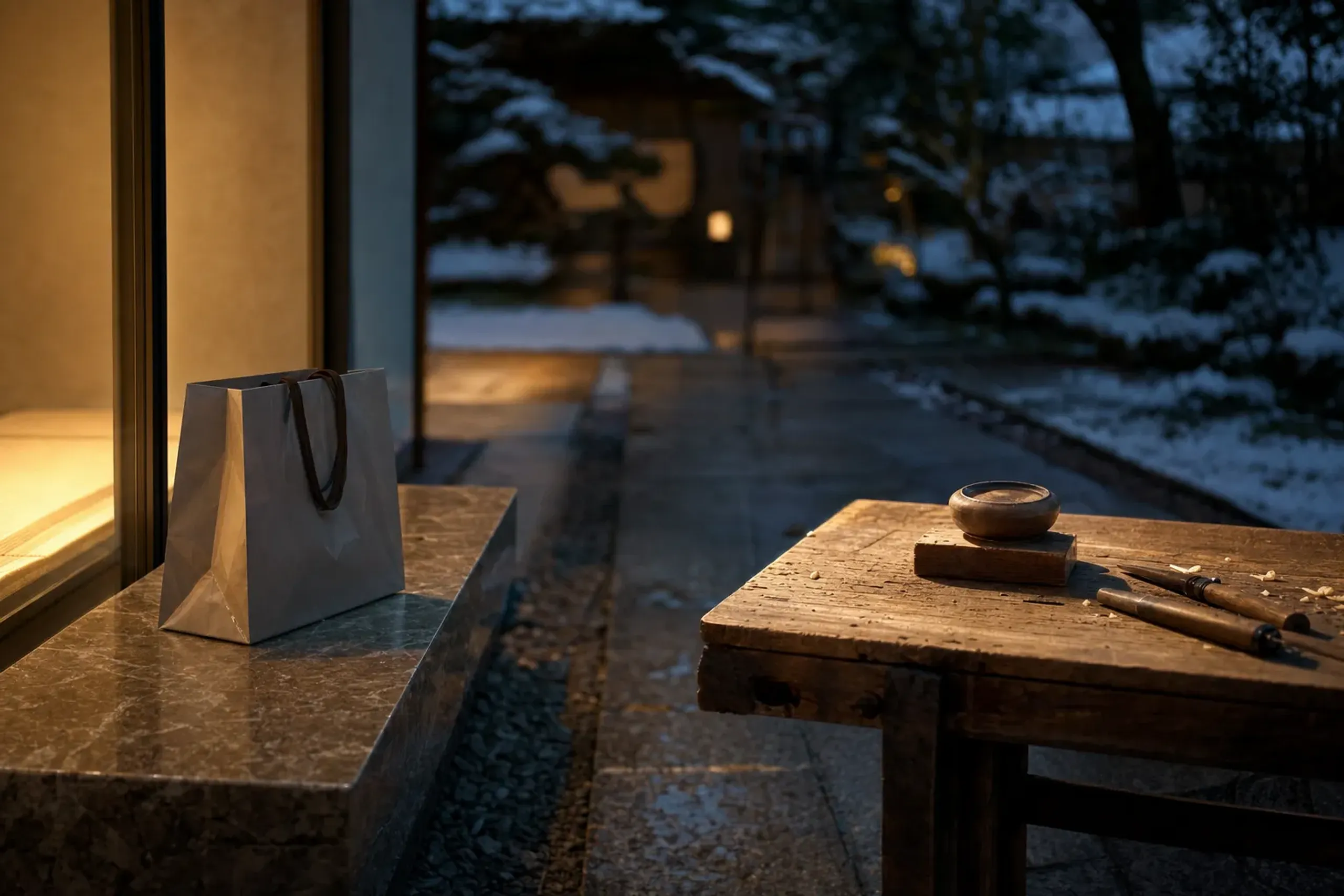
You walk into retail with sharper eyes.
There are public examples of how brands position salon-style experiences. Tiffany & Co., for example, promotes a Ginza flagship shopping experience that references a reimagined private salon and a concierge. We treat that as a useful model for what “private salon” language means in Tokyo retail today.
A Concrete Pairing Example: Fragrance In Tokyo (Retail + Atelier)
Fragrance is one of the cleanest ways to understand “atelier” without traveling far. You can smell process, not just product. And it fits a daytime rhythm.
A verifiable, Tokyo-based reference point exists: Palace Hotel Tokyo’s “JAXURY at Palace Hotel Tokyo” offer includes a 60-minute introduction to the Japanese fragrance brand Parfum Satori at its atelier in Roppongi. The experience also includes wagashi and Ippodo Tea matcha, according to the hotel’s published offer details.
We don’t treat that as a generic “luxury activity.” It’s a blueprint for pairing: sensory education, a defined duration, and a controlled setting where you learn what you’re drawn to before you face shelves and counters. If you want to build a day around fragrance, our concierge can map a clean route and keep the tempo humane.
Kanazawa As The Craft Counterpoint: Gold Leaf You Can Actually Learn
Kanazawa is where “atelier pairing” becomes literal. The city’s craft identity isn’t a slogan; it’s walkable, teachable, and still tied to working production.
For gold leaf, the Kanazawa official travel guide lists an exclusive “Entsuke” gold leaf making experience at Hakuza with a standard plan (60–70 minutes) and also describes an elite program with private instruction from a master artisan and access inside the workshop for Kamishikomi (paper preparation).
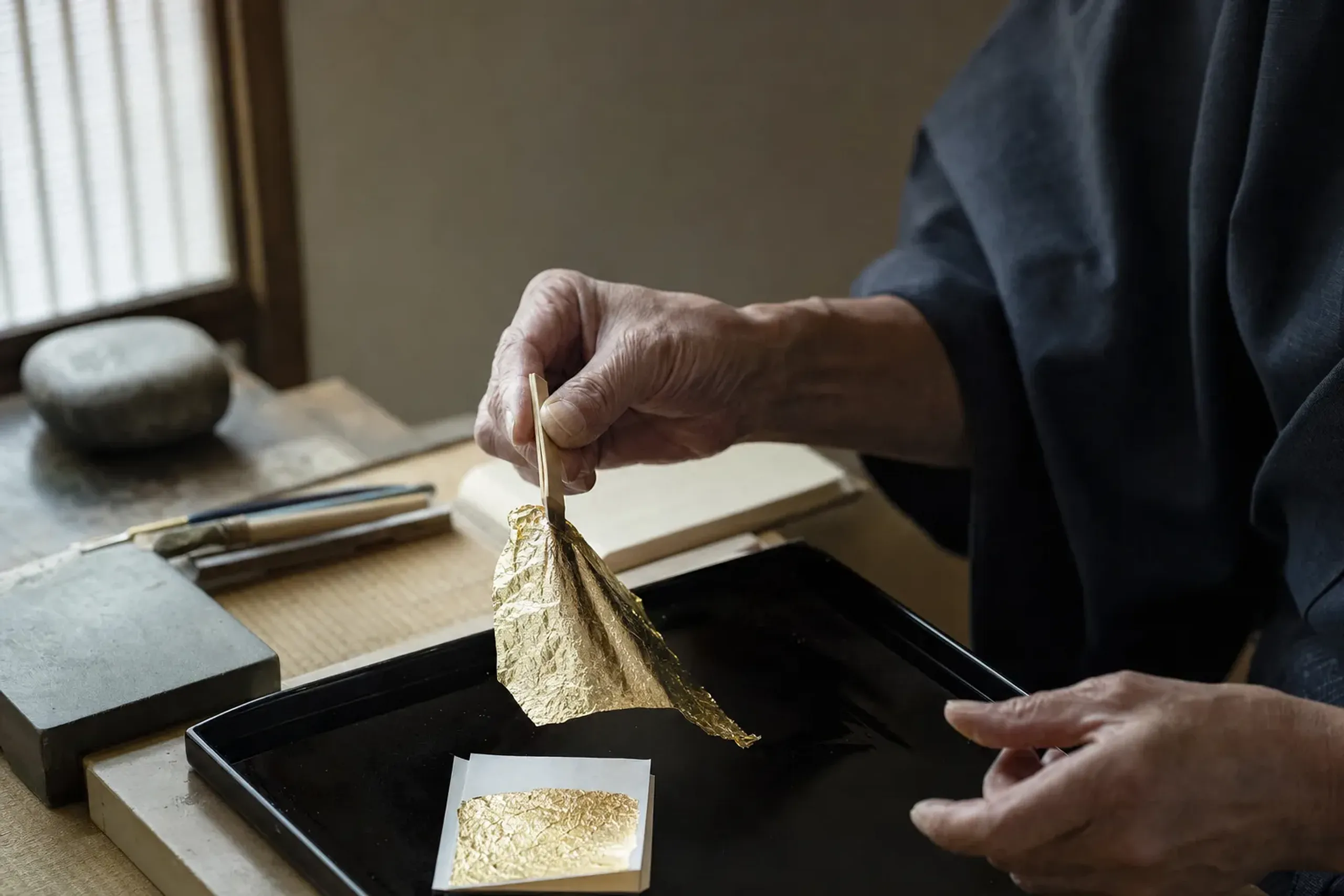
Hakuichi also states it offers gold-leafing experiences at two Kanazawa stores throughout the year, including its Main Store HAKUKOKAN.
This is where hidden-Japan becomes practical. Not secret, not mystical. Just outside the Tokyo default, with craft depth that changes what you buy later—whether you purchase in Kanazawa or return to Tokyo and shop with new restraint.
If you already have Kyoto on your route, Kanazawa can be a focused addition rather than a detour. Our team often frames it as one craft day, not a full shopping spree.
Kyoto As The Textile Lens: Yuzen Dyeing As A Companion To Shopping
Kyoto is the right place to learn textiles because you can see process and pattern decisions at human distance. Not behind glass. Not as museum labels.
There are public, bookable workshop formats. The “Kyoto Traditional Crafts Workshops” site lists a “Workshop Tour & Yuzen Dyeing Experience,” and it shows dated entries (for example, an entry is shown as 2026-07-06) with a Kyoto address. The official “Another Kyoto” tourism site also lists a “Kyoto Yuzen Shigo-dyeing Workshop,” described as a special experience in a craftsman’s workshop.
This matters for shopping because textile terms become less abstract after you’ve handled dyeing steps.
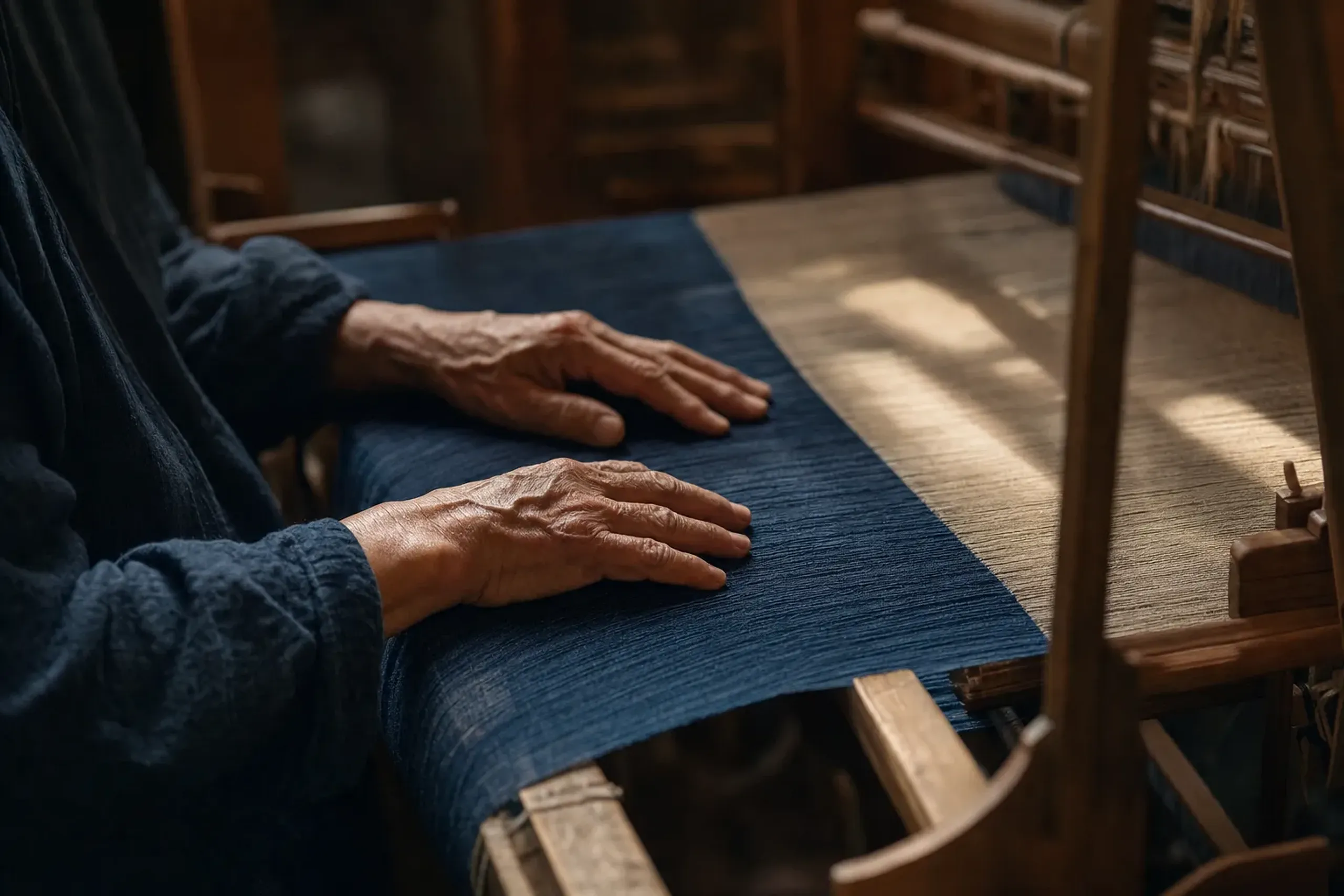
You start reading pattern density, color discipline, and the difference between something that photographs well and something that lives well in your wardrobe.
If you want the deeper framework behind shokunin—how a maker’s work becomes recognizable—our team points you to the primer we already published, rather than repeating it here. One clean reference can anchor the rest of your trip.
What You Learn That A Boutique Rarely Explains
A boutique can tell you what something is called. It can tell you what it costs. It will rarely sit you down and explain what to look for when two pieces look similar under bright lights.
The atelier pairing gives you three practical skills. First, you learn to spot material decisions: weight, finish, and where the maker chose restraint. Second, you learn how labor shows up—not as drama, but as consistency. Third, you learn care and longevity cues, which matters when you’re buying for years, not seasons.
This is also where wabi-sabi becomes a tool. You stop chasing sterile perfection. You start noticing intentional irregularity, and when it signals human control rather than a flaw.
Pacing Rules: One District, One Atelier, And A Real Lunch Break
One district and one atelier is enough for a full day. More than that and both experiences flatten into logistics. Big mistake.
Retail is attention-heavy.
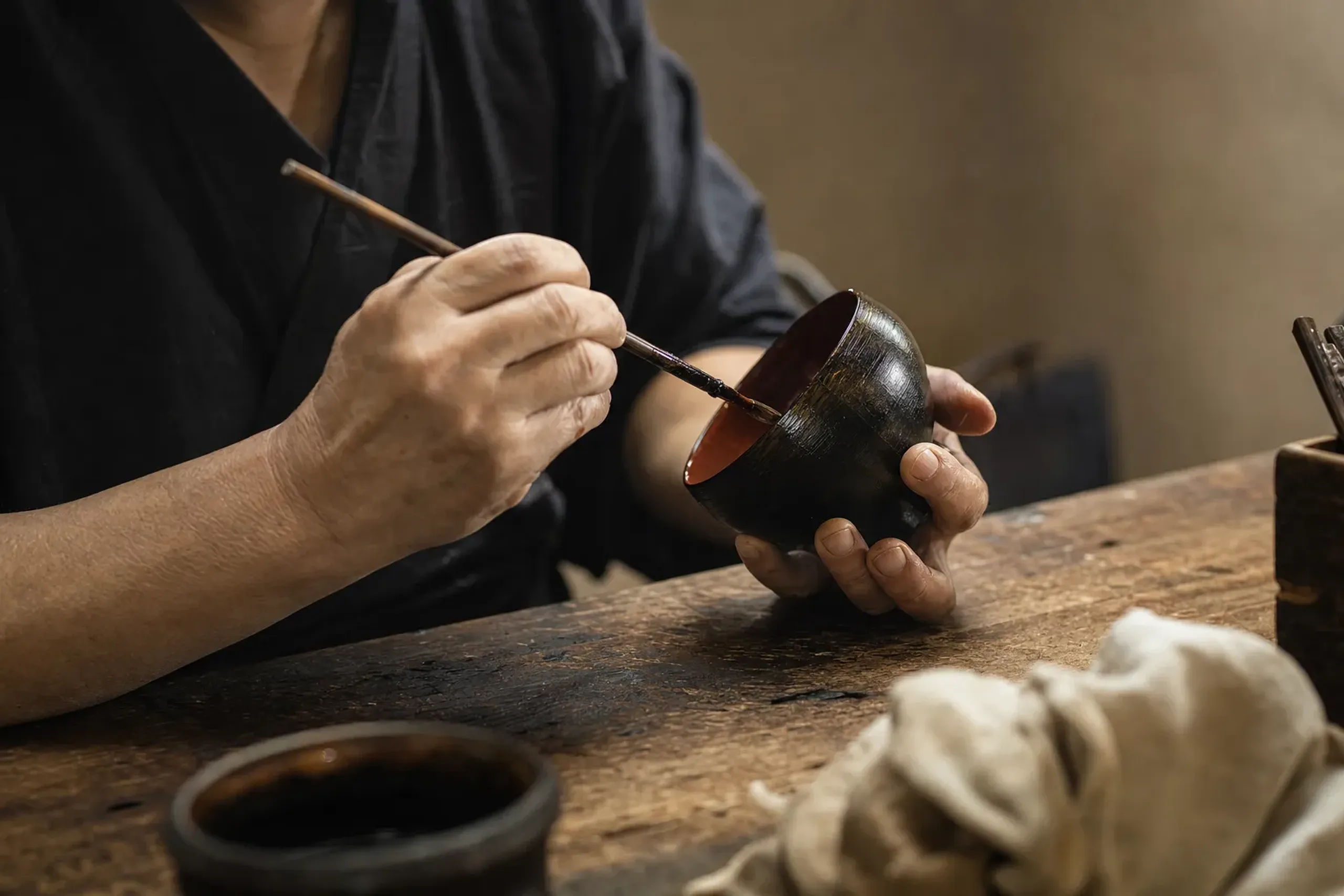
Workshops are attention-heavy in a different way. If you compress them, you lose the quiet window where you decide what you actually want.
We typically plan a simple structure: morning district, a calm lunch, then the atelier—or the reverse if the workshop has fixed timing. Your body will tell you when it’s right. The street noise is a clue.
When ground transport is part of the day, we keep it discreet and predictable. The first mention matters: our private transportation pages outline the fleet options we use for quiet, door-to-door movement in Japan.
Contemporary Japanese Design As The Middle Lane
Some travelers don’t want international flagships. They also don’t want only traditional craft. Fair.
Contemporary Japanese design is the middle lane, where you can shop with a modern silhouette while still feeling Japanese discipline in proportion and material choice. It’s often the right lane for clients who live in cities, dress simply, and want pieces that don’t shout.
In practice, we frame this lane as “atelier thinking applied to modern objects.” You may not visit a centuries-old workshop that day. You still ask the same questions about material honesty and finishing.
How To Plan A Shopping And Atelier Day Without Losing Privacy
Privacy in Tokyo shopping comes from choreography, not theatrics. You choose fewer addresses. You move with intention. You avoid peak exposure points when you can.
Discretion is also about what you don’t share.

We keep itineraries confidential, and we do not publish client-identifying details. For many HNW travelers, that’s not a luxury feature. It’s basic hygiene.
If you want a broader Tokyo rhythm beyond daytime—dining, galleries, and evening layers—we’ll point you to our existing Tokyo evening coverage as a separate read, so this article stays focused on the shopping/atelier pairing.
How Japan Royal Service Builds A Bespoke Shopping + Atelier Pairing
We build a tailor-made itinerary around what you collect, wear, or care about, then we match it to a workshop or atelier that teaches you what to notice before you buy.
Our scope here is intentionally specific. Japan Royal Service arranges personal shopping appointments and introductions, then we act as your quiet interpreter of context—materials, provenance, and the small cultural cues that change how a day feels. Nothing loud. No public promises about third-party access.
We also link your day to places worth returning to. If your trip extends beyond Tokyo, we may suggest craft-forward reading like Sumiya Ryokan in Kyoto for heritage atmosphere, or a Kanazawa-adjacent craft mindset via regional stories such as Tottori San’in Extension. One line of context can change how you see an object.
Ready to shop with sharper eyes? Reach our team privately via WhatsApp or LINE, or contact us here. Tell us your category—textiles, ceramics, lacquer, fragrance—and we’ll shape a day that feels calm, informed, and discreet.
Frequently Asked Questions
Is Ginza Or Omotesando Better For Luxury Shopping If I Only Have One Day In Tokyo?
Ginza suits travelers who want formal flagships and predictable service, while Omotesando suits those who prefer contemporary design and architectural storefronts.
If you are pairing retail with an atelier, we often choose the district that best matches your attention span. Ginza can be calmer to navigate. Omotesando can feel more exploratory, which can be energizing or exhausting depending on your schedule.
What’s The Difference Between A Brand Private Salon And A True Japanese Atelier Visit?
A brand private salon is a quieter retail setting for consultation, while an atelier visit is a craft environment focused on process, tools, and materials.
Both can be valuable in the same trip. The key is sequencing. If you learn first, you shop with fewer doubts.
Can You Recommend A Verifiable Tokyo Atelier Experience Connected To Luxury Buying?
Palace Hotel Tokyo’s “JAXURY at Palace Hotel Tokyo” offer includes a 60-minute introduction to Parfum Satori at its Roppongi atelier, with wagashi and Ippodo Tea matcha.
It’s a helpful model for how an atelier visit can give shopping real content. Guests interested in learning more can contact our concierge for tailored guidance.
What’s A Good Craft City Outside Tokyo For A Shopping-And-Atelier Trip Extension?
Kanazawa is a strong choice because it offers public, craft-led experiences such as gold leaf workshops that connect directly to objects you can buy and care for.
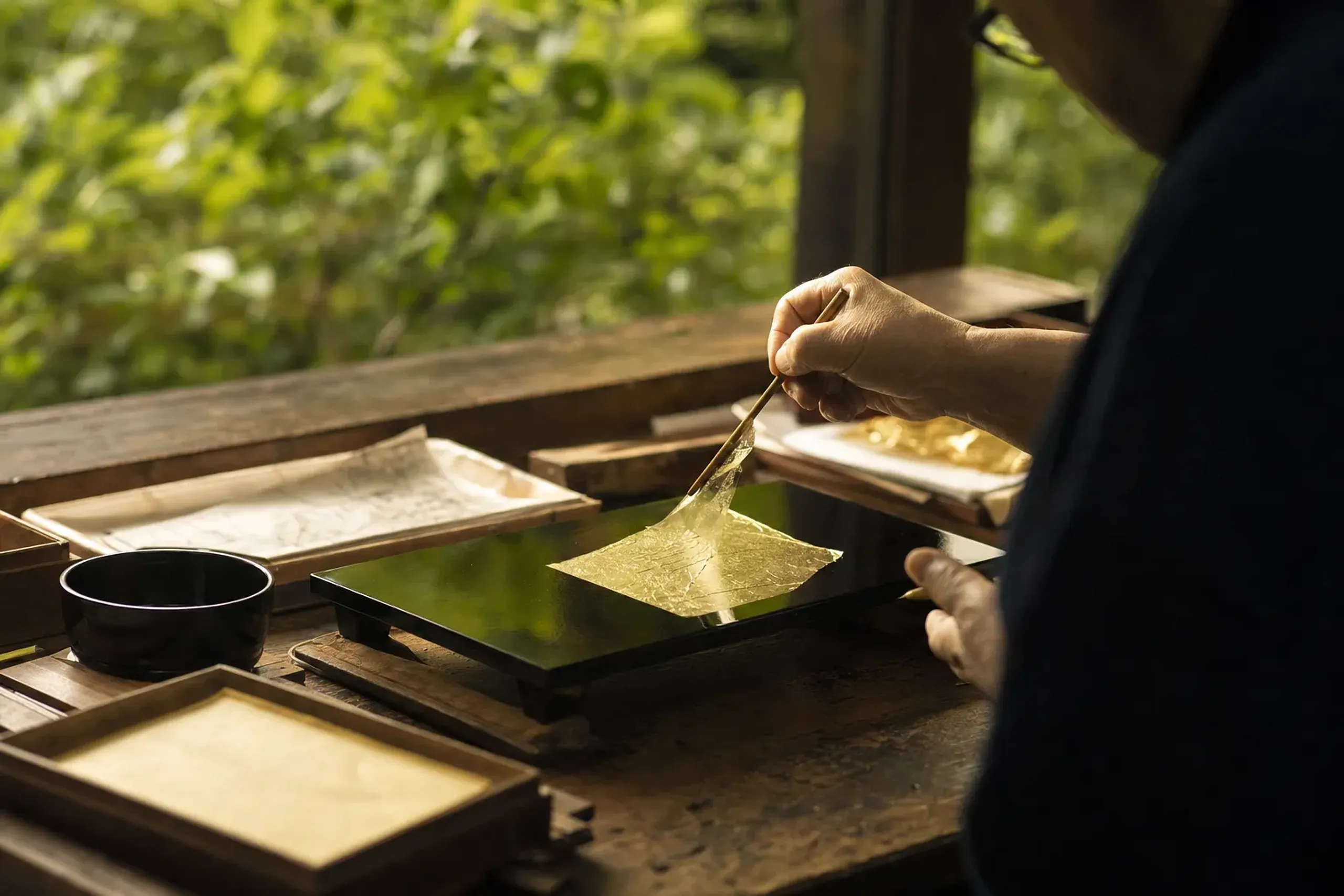
The Kanazawa official travel guide lists a gold leaf making experience at Hakuza and describes an elite program with master instruction and workshop access. Hakuichi also states it offers gold-leafing experiences year-round at two Kanazawa stores.
How Far In Advance Should I Plan A Shopping Appointment And Workshop Day In Japan?
Plan as early as you can once your travel dates are fixed, because workshop schedules and store services can change seasonally and around published updates.
For example, Ginza Mitsukoshi has noted service content changes starting July 1, 2026. Our concierge team confirms the current details close to your travel window, then finalizes timing with you privately.
Why Choose Japan Royal Service
You come to Tokyo to buy something you’ll live with. Not a story you’ll forget by the airport. Japan Royal Service is built for that difference.
We focus on shokunin-level understanding without turning your day into a lecture. We keep the route restrained, with wabi-sabi as a practical lens for design choices, and we protect discretion as the default setting. We also choreograph the day so it stays human: one district, one atelier, one calm lunch.
Reach our team privately via WhatsApp or LINE, or contact us here. Share what you’re shopping for, and we’ll propose a pairing that makes every purchase feel earned.