In this guide
- 01Nails To A Name Every Kitchen Knows
- 02Six Hundred Years, Then Four Hundred: Two Histories, Not One
- 03The Niigata Ken-O Meister: Proof This Is Serious
- 04The Workshops, One By One
- 05How Do You Get To Tsubame-Sanjo From Tokyo?
- 06When Is The Best Time To Visit For Open-Factory Access?
- 07What Japan Royal Service Arranges Here
- 08Frequently Asked Questions
- 09Why Choose Japan Royal Service
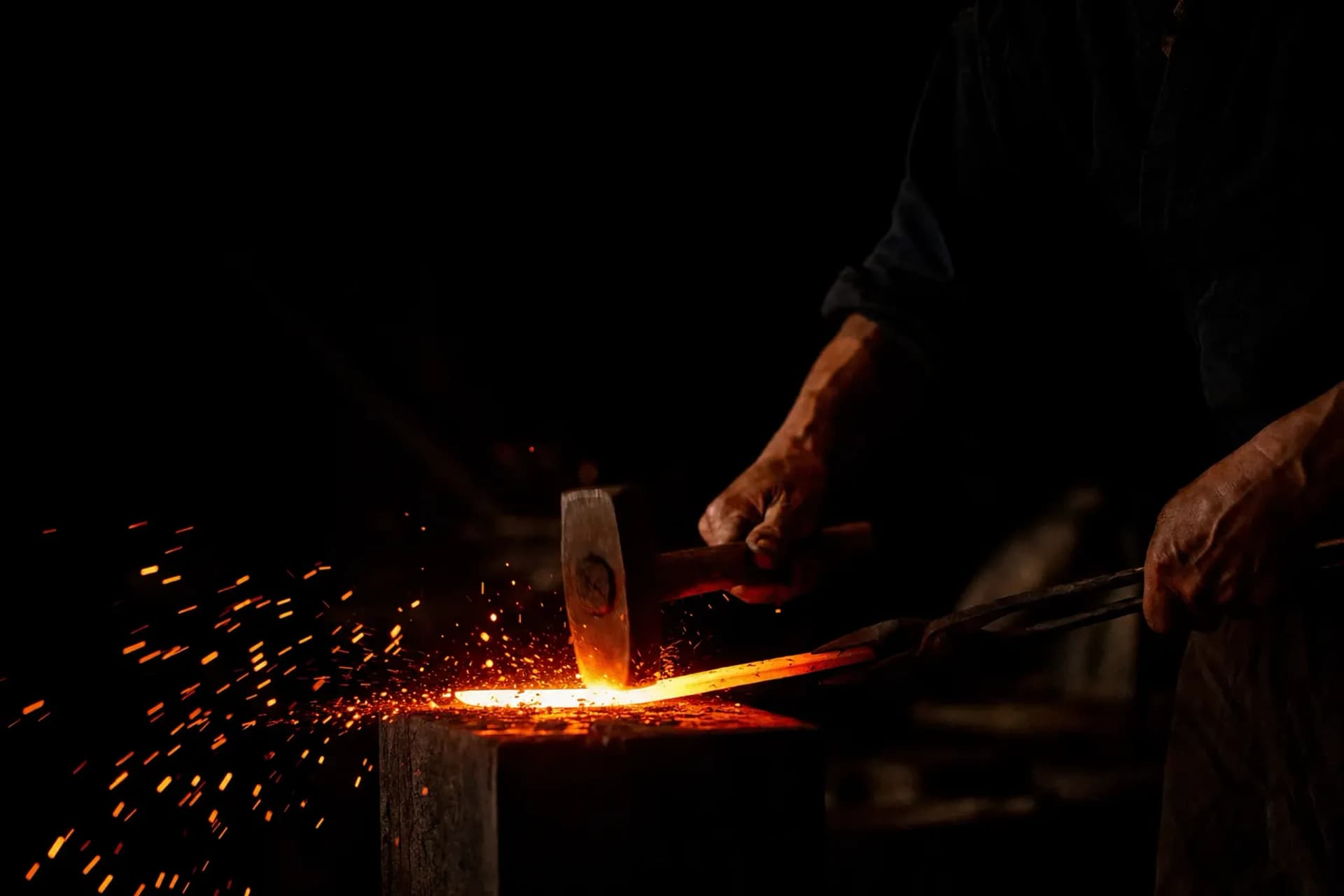
The hammer comes down before you see the hand that swings it. Inside Gyokusendo, a flat copper disc rings under the mallet, note after note, until the metal starts to curve. Watch long enough and something odd happens. A pot appears where a plate used to be. No welds, no seams. One sheet of copper, coaxed into shape by hand over months of patient blows.
This is Tsubame-Sanjo, in Niigata Prefecture, roughly two hours from Tokyo on the Jōetsu Shinkansen. Two towns, Tsubame and Sanjo, welded together in the public mind by a single trade: metal. You may already own something made here without knowing it. That gap — the famous object, the unknown town — is where this story begins.
Nails To A Name Every Kitchen Knows
In the early seventeenth century, blacksmiths were brought to this corner of Niigata for one unglamorous job. Making nails. Wakugi, Japanese nails, to rebuild and expand in the early Edo period. That was the seed.
From nails came knives. From knives came cutlery, tools, tableware, and, eventually, outdoor and kitchen goods sold on every continent. The clearest proof of how far that seed grew sits in professional kitchens worldwide.
GLOBAL. The knife brand recognised by chefs and home cooks across dozens of countries is made right here. Yoshikin, the company behind it, was founded in Tsubame in 1954, first making tableware.
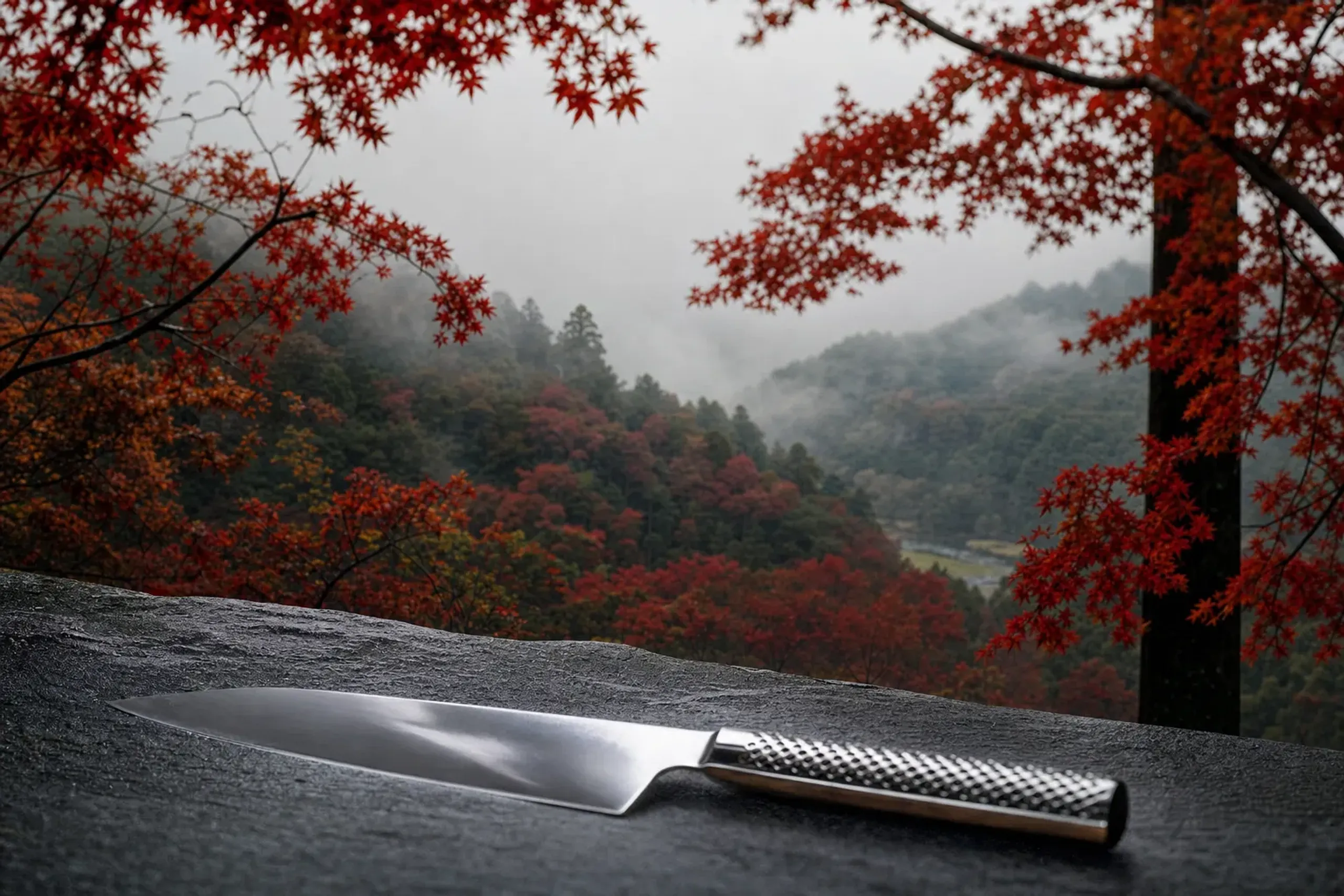
It switched to high-carbon stainless steel blades in 1960. In 1985, it introduced GLOBAL to the world.
So a reader in a New York apartment or a London kitchen may reach for a GLOBAL knife most mornings and have no idea the blade traces back to a nail-making town in snow country. Our team at Japan Royal Service built this journal entry around exactly that surprise.
Six Hundred Years, Then Four Hundred: Two Histories, Not One
People flatten the region's past into a single number. It deserves two.
The wider area's metal casting tradition reaches back roughly 600 years, to the Muromachi period. That is the long arc — casting, the pouring of molten metal into moulds. Old, deep, foundational.
The town's specific identity as a craft centre is younger. Roughly 400 years old, born when those nail-making blacksmiths arrived in the early Edo period. From that base the craft branched: cutlery, hand tools, tableware, and the internationally sold goods of today. Two clocks, running at different speeds. Both true.
The Niigata Ken-O Meister: Proof This Is Serious
Skill this specific does not survive by accident. Niigata Prefecture created a formal certification, the Niigata Ken-O Meister, to recognise its most accomplished artisans — and, more pointedly, to preserve their techniques for the generations coming after them.
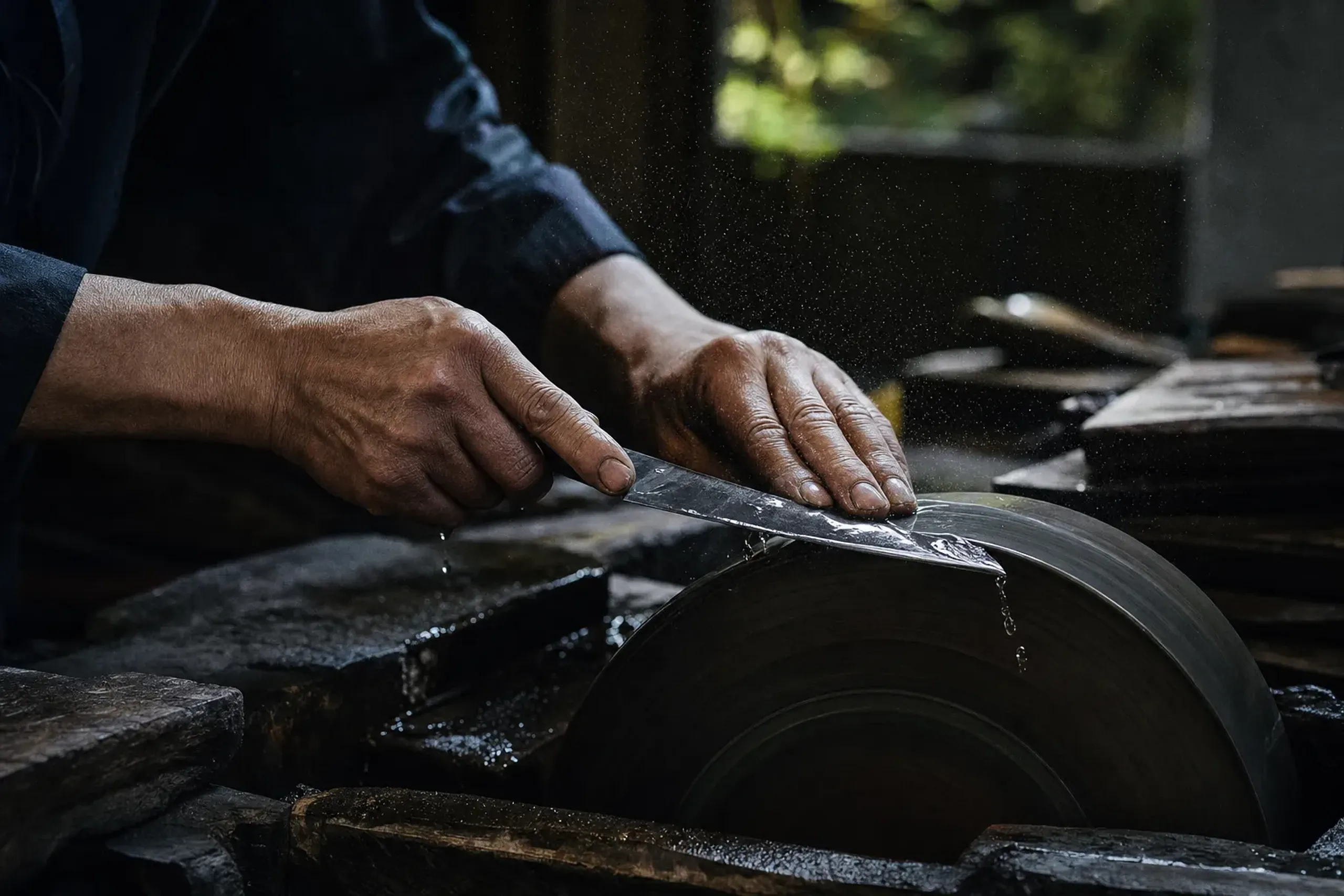
Think about what that signals. A prefecture decided the difference between a good edge and a great one, between a competent hammered pot and a masterpiece, was worth codifying and protecting by name. That is institutional seriousness. It tells a discerning visitor these are not gift-shop demonstrations. They are living techniques with guardians.
The Workshops, One By One
Tsubame-Sanjo is not a single generic "metal town." It is a cluster of distinct crafts practised under separate roofs — forging, copper-hammering, cutlery, cutters, and a genuine hands-on making experience. Here they are, each its own world.
Hinoura Hamono Koubou — The Forge
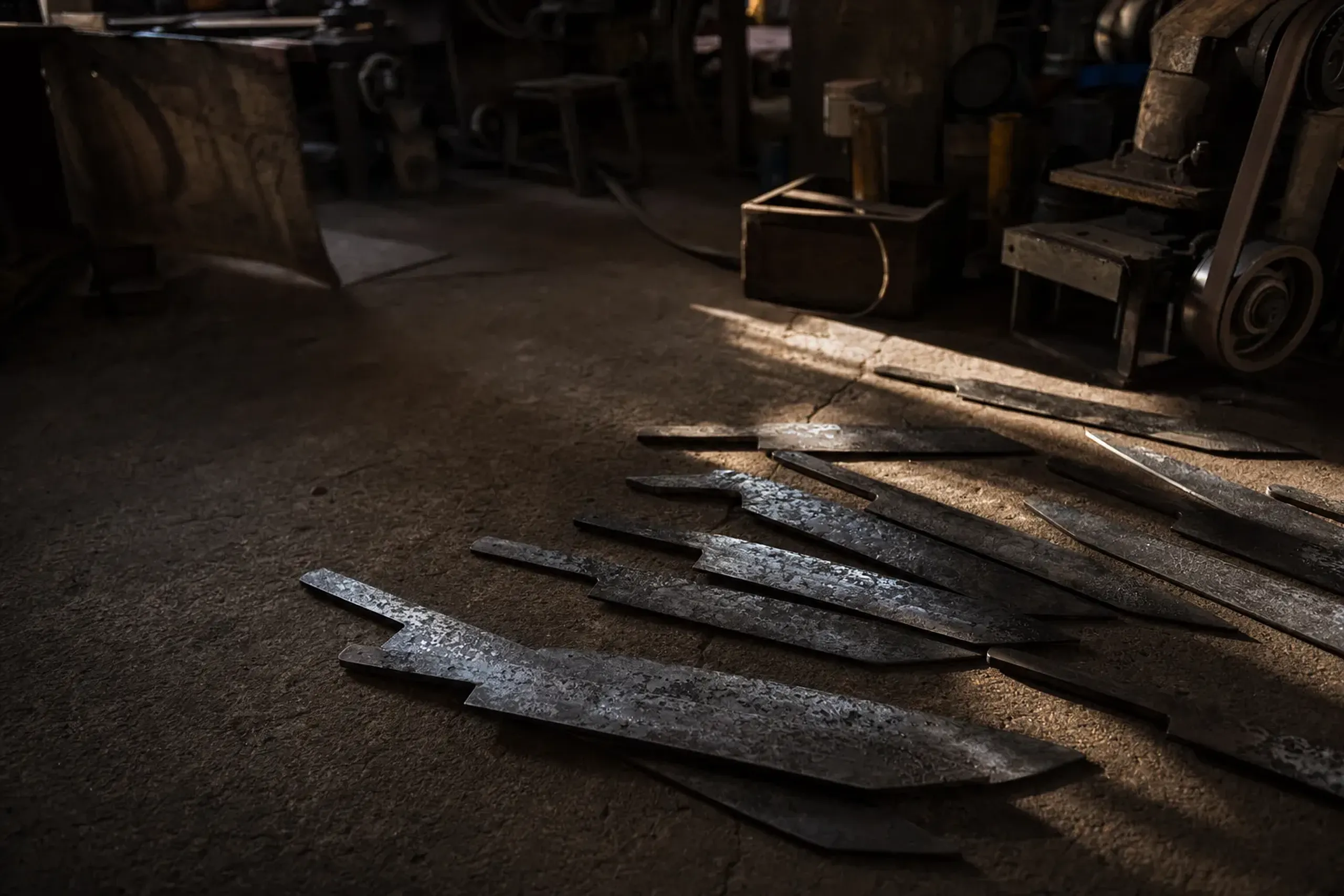
Fire, then steel, then the anvil. Hinoura Hamono Koubou is a blacksmith workshop with over a century of forging behind it, but it does not rest on age. Its methods are grounded in ongoing scientific research, a marriage of old fire and modern testing.
The result is blades known for balancing two things that usually fight each other: edge retention and ease of use. A knife that stays sharp yet forgives the hand holding it. That is harder than it sounds.
Gyokusendo — Copper Under The Hammer
Return to where we started. Gyokusendo has more than 200 years of history and still practises tsuiki dōki — the hand-hammering of flat copper plates into finished vessels.
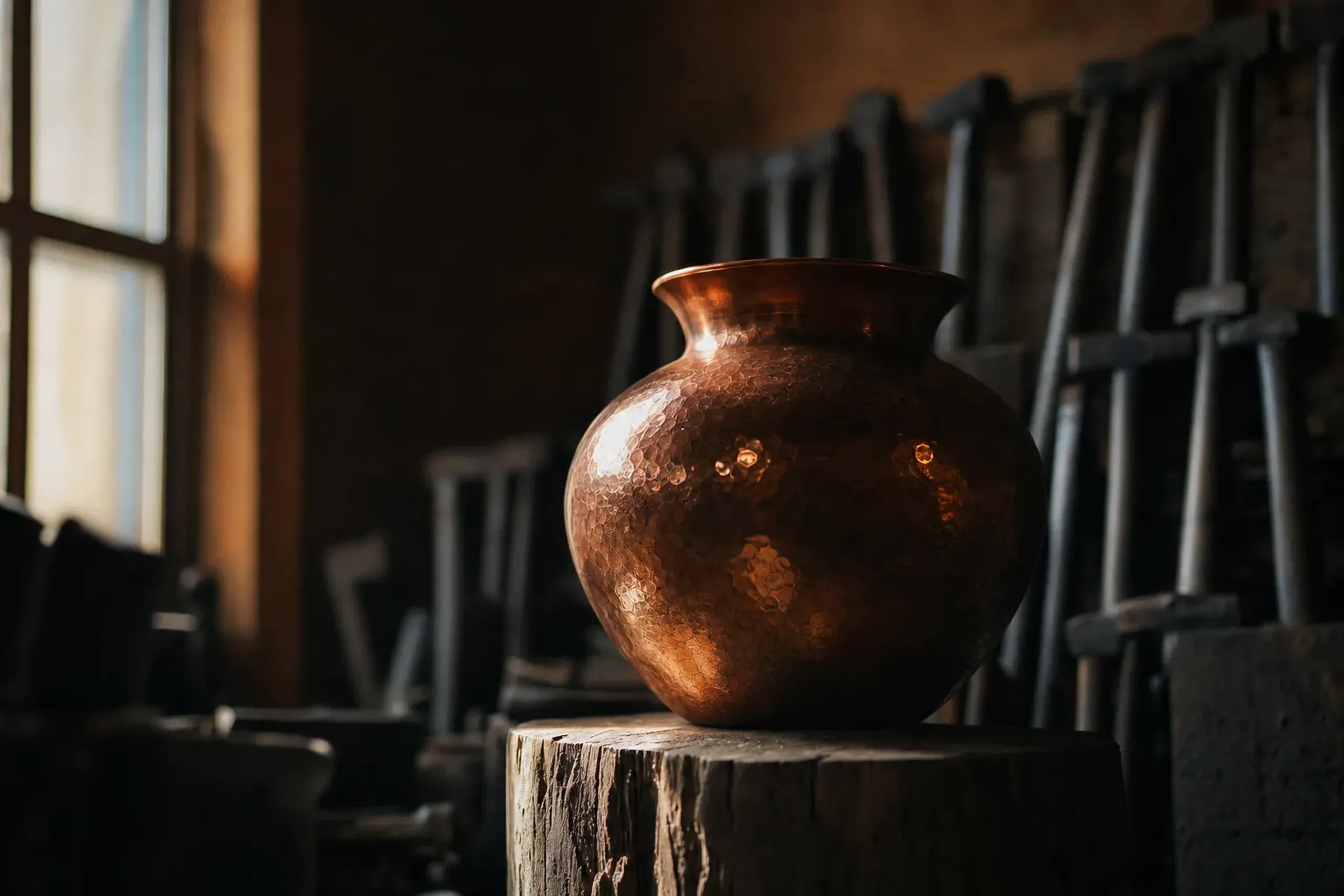
No casting, no seams. Raise a teapot from a single sheet through thousands of measured strikes.
The current workshop building is over a century old. It welcomes roughly 7,000 visitors, a working house of copper where the sound of the mallet has not changed in generations. Stand near the bench and you feel the rhythm in your chest before your ears catch up.
Tadafusa — The Sound Through The Wall
At Hōchō-Kōbō Tadafusa, the knife workshop shares a wall with a factory shop. Browse the blades on display and, through that wall, you hear it — the grind, the tap, the working floor alive with artisans at their benches. You are shopping to a soundtrack of the thing being made a few metres away. Few purchases come with a score like that.
Suwada — Not Knives, Cutters
Here is the region's quiet twist. Suwada, established in 1926, does not chase the knife trade at all. It specialises in cutters — scissors, nail clippers, garden shears. Different discipline, different geometry, same obsessive standard.
The full manufacturing process is open to visitors, and the site pairs a factory store with a restaurant and a café. A pair of Suwada nippers is a small object that rearranges your expectations of what a nail clipper can be.
Tojiro — You Make The Knife
Based at the Tsubame Industrial Museum, Tojiro is described locally as one of Japan's leading knife makers.
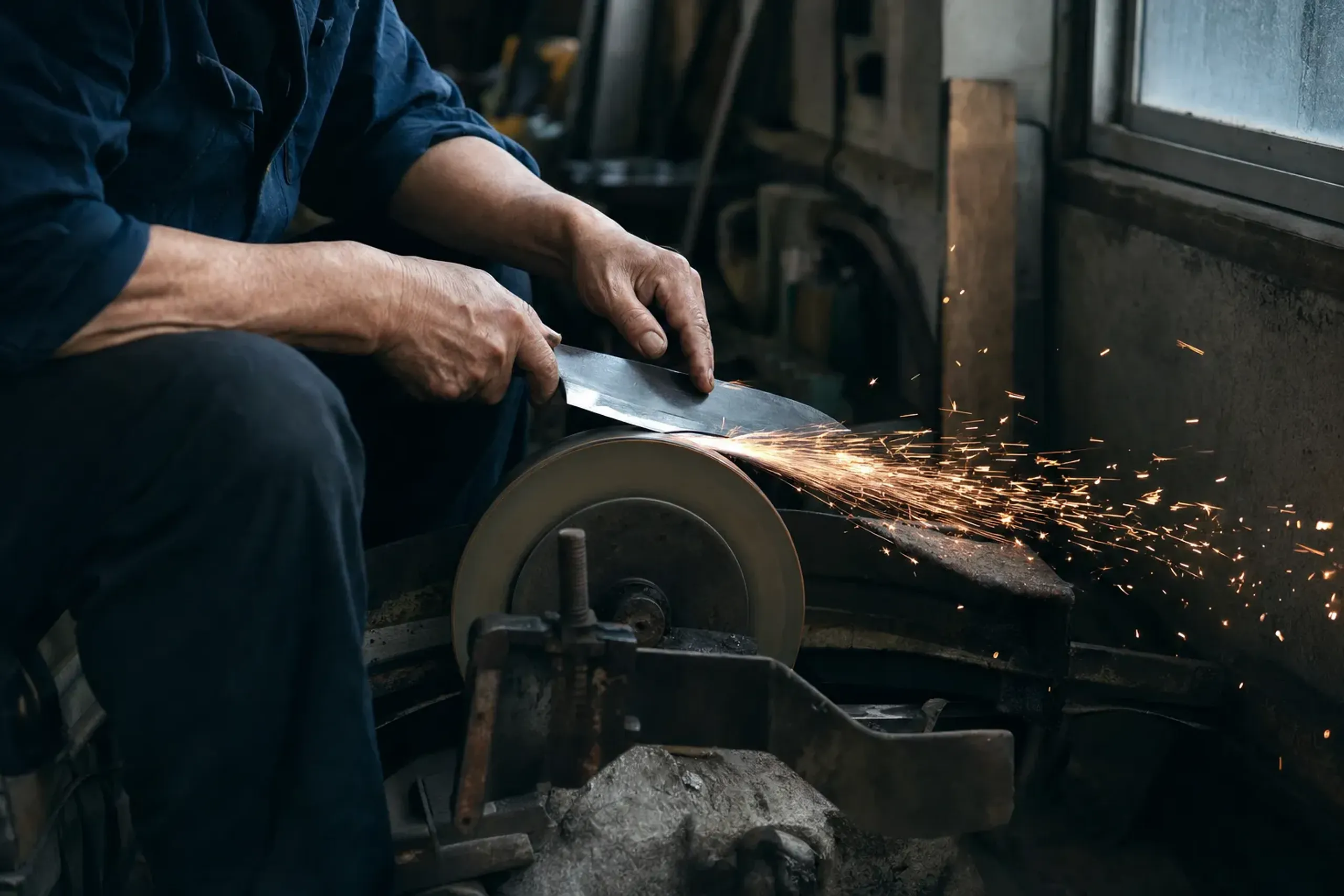
It offers something the others do not: you make the knife yourself.
You polish a blade. A craftsman sharpens the edge. Then you assemble the handle and walk out with the finished knife in hand. One honest caveat — the making experience requires a minimum age of 11. Younger children can join the factory tour portion only, not the hands-on making.
Key fact: These are working factories, not resort attractions. Hours, visiting arrangements, and any age or group-size limits vary by workshop and change over time. Our concierge team verifies current arrangements for each named workshop on your behalf before any visit.
How Do You Get To Tsubame-Sanjo From Tokyo?
Tsubame-Sanjo is about two hours from Tokyo by bullet train. Tsubamesanjo Station sits on the Jōetsu Shinkansen line, the Tokyo–Niigata corridor, and the station opened in 1982.
The catch is on the ground. The workshops are scattered across the two towns of Tsubame and Sanjo, so seeing more than one in a single day means a car or arranged transport. Public buses will not stitch a forge, a copper house, and a cutlery works into one efficient afternoon. This is where a private chauffeured car earns its place — you arrive by shinkansen, step into a waiting vehicle, and let a driver handle the loops between makers while you keep your attention on the craft.
When Is The Best Time To Visit For Open-Factory Access?
The Tsubame-Sanjo Factory Festival, when factories open their doors together, runs every October — the 2026 edition is scheduled for four days, Thursday 1 through Sunday 4 October. That is the region at its most open.
For visitors drawn to industry, design, and meeting makers directly, the Tsubame-Sanjo Monozukuri Messe follows shortly after, on 22 and 23 October 2026. The festival window also brings food into the frame: one Factory Festival lineup entry, ON THE UMAMI TSUBAME SANJO PORT in Sanjo's Nishi-Honjoji area, runs a reservation-required dashi-pack making workshop. Craft tools and the foundations of taste, in one town. A tidy pairing for anyone who cooks.
What Japan Royal Service Arranges Here
Plainly, and once: our team coordinates private workshop visits, hands-on experiences, and the purchase or commissioning of finished pieces — from a GLOBAL blade to a hand-raised Gyokusendo vessel. We build the tailor-made itinerary around your interests, whether that is forging, copper, cutters, or the make-your-own-knife session at Tojiro.
Because Tsubame and Sanjo sit apart, we pair the day with a private car and driver so you visit several makers without wrestling logistics. If a piece needs commissioning through our craft-ordering service, our bilingual concierge handles the conversation with the artisan.
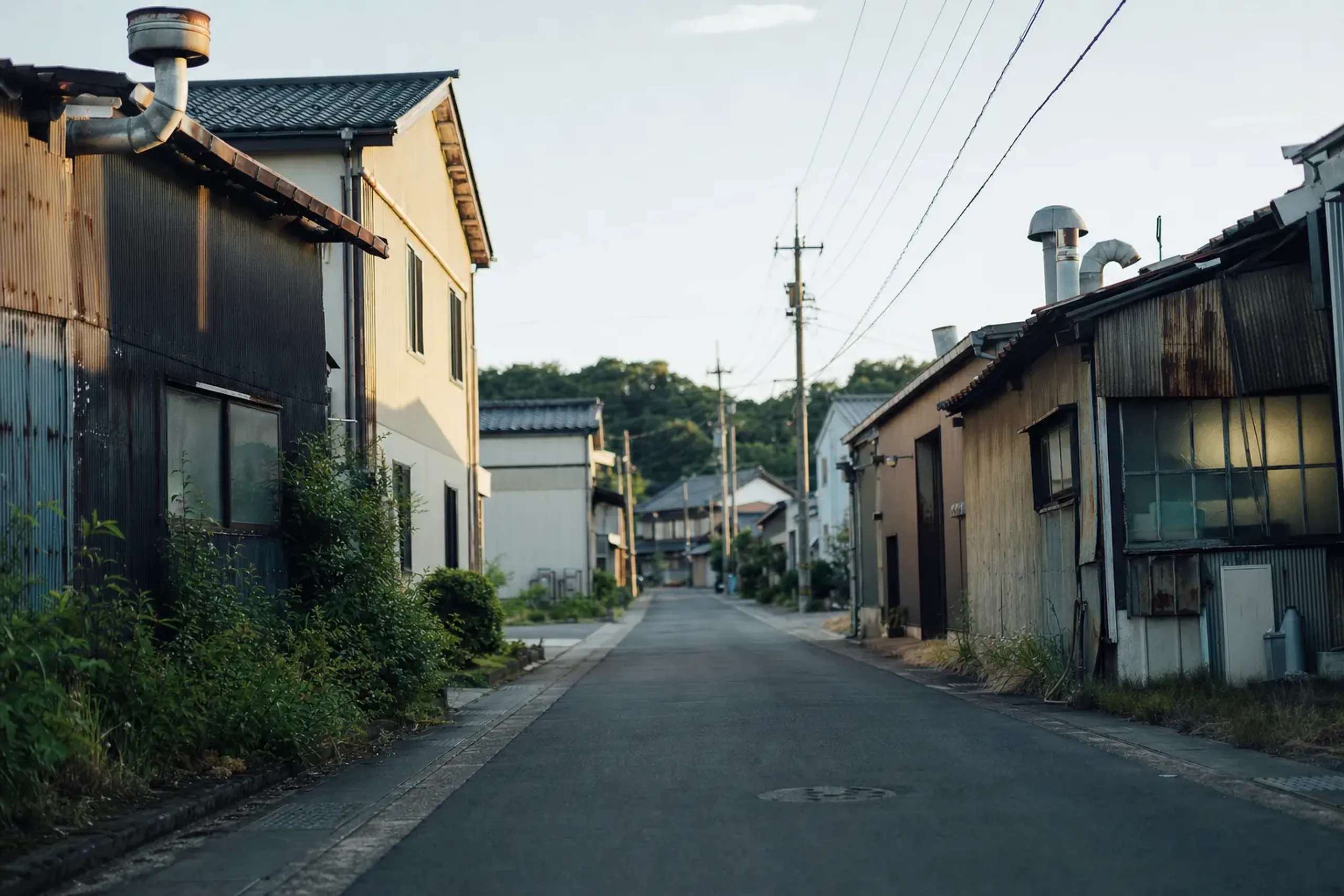
And when you want to stay near the makers rather than race back to Tokyo, we advise on where to rest. The Japan you cannot find on a search page tends to require an introduction — that is our part of the work.
Frequently Asked Questions
Can I visit the factory where GLOBAL knives are made in Tsubame-Sanjo?
GLOBAL knives are made by Yoshikin in Tsubame, founded in 1954. Public visiting policies for individual manufacturers vary and change; our concierge team confirms current arrangements for each requested maker before any visit is planned.
What is the difference between the Tsubame-Sanjo Factory Festival and the Monozukuri Messe in 2026?
The Factory Festival (1–4 October 2026) opens working factories to the public across both towns. The Monozukuri Messe (22–23 October 2026) is a manufacturing showcase focused on makers, brands, and design.
Can children make a knife at Tojiro in Tsubame-Sanjo?
The hands-on knife-making experience at Tojiro requires a minimum age of 11. Younger children may join the factory tour portion only and cannot take part in the making itself.
Is Gyokusendo copperware really made from a single sheet of metal?
Yes. Gyokusendo practises tsuiki dōki, hand-hammering a flat copper plate into a finished, seamless vessel.
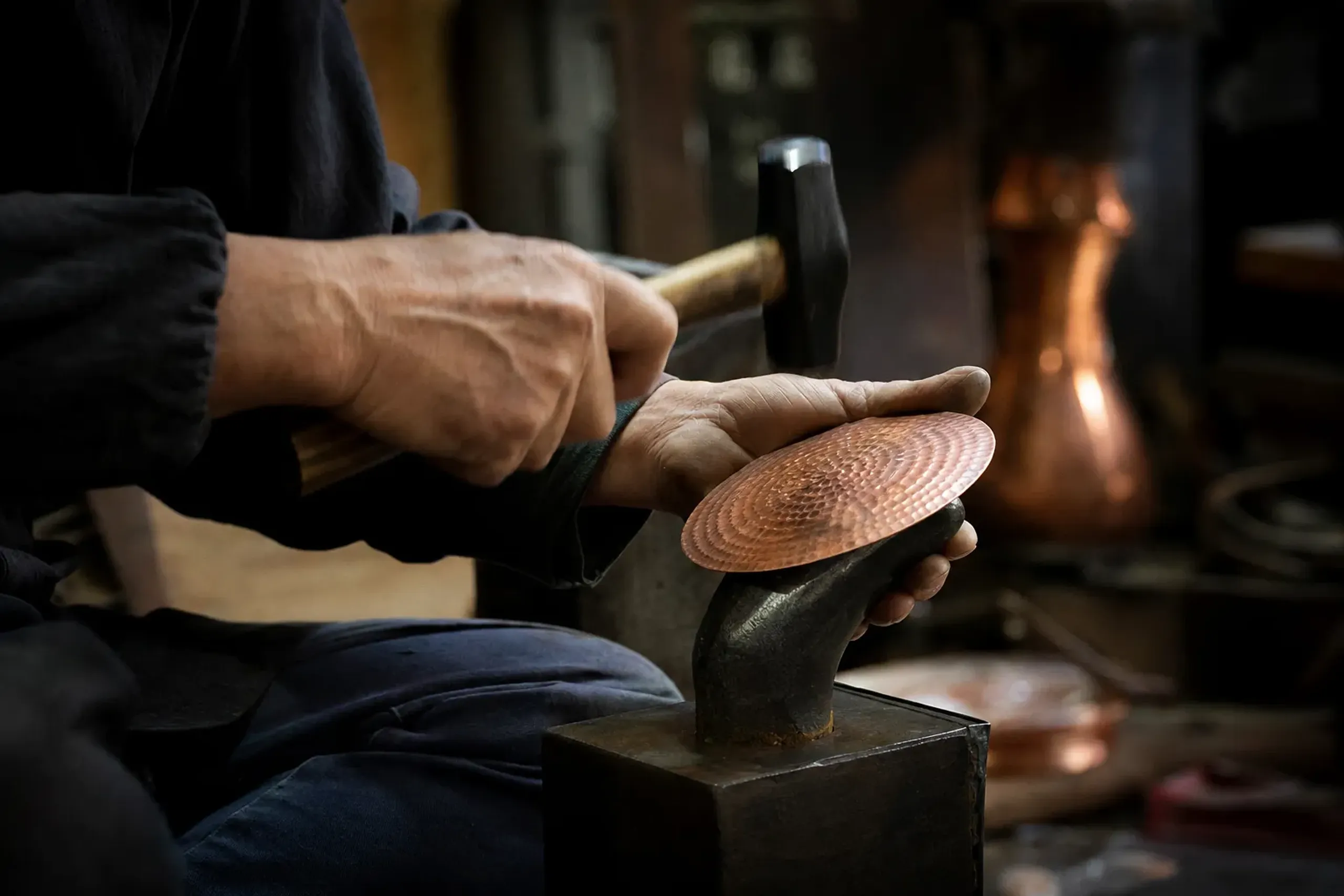
The workshop has over 200 years of history and receives roughly 7,000 visitors.
Do I need a car to visit the Tsubame-Sanjo workshops?
Effectively, yes. The workshops are spread across Tsubame and Sanjo, so seeing more than one in a day requires a car or arranged private transport. We coordinate a chauffeured vehicle from the shinkansen station.
Why Choose Japan Royal Service
Most itineraries treat Niigata as a blur seen from a train window on the way to somewhere else. We treat it as a destination with a story worth landing for — the arc from a nail-making town to a knife brand read in kitchens worldwide, told through the makers who still swing the hammer.
Our advantage is access and discretion. We hold quiet relationships with artisans, we send a native-team concierge who speaks the maker's language and yours, and we protect your identity and itinerary from first inquiry to final delivery. No leaked names, no packaged crowds. Just the forge, the copper bench, and the blade taking its first edge — with the logistics handled so completely you barely notice them.
If a town of blacksmiths turning nails into a world brand speaks to you, let us open its doors. Reach our team privately via WhatsApp or LINE, or contact us here, to begin shaping your visit to Tsubame-Sanjo.