In this guide
- 01The Timeline, Stated Plainly
- 02Why Japan Belongs In This Conversation
- 03The Waiting List Is The Gate, Not The Price
- 04The Last: What A First Commission Actually Buys
- 05The Body As The Material
- 06What The Process Involves, Visit By Visit
- 07Language And The Fine Judgments Of Fitting
- 08Pairing The Commission With A Life Beyond Shoes
- 09Related Reading For The Collector
- 10Common Questions
- 11Why Choose Japan Royal Service
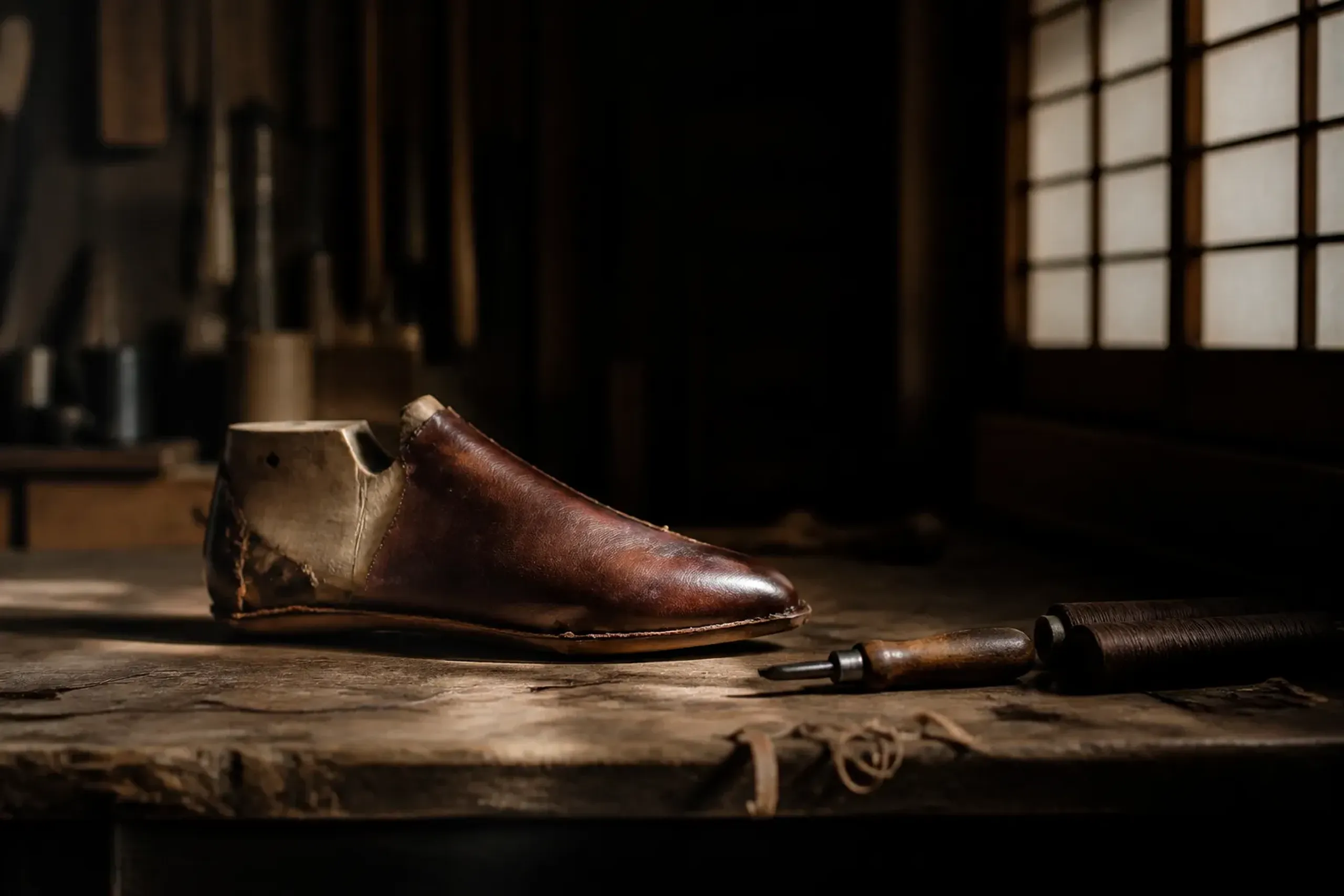
A last is a block of wood shaped like a foot. Not your foot in general — your foot, the left one that sits a half-size longer, the instep that runs higher than the textbooks allow. In a quiet Tokyo atelier, a maker draws the outline of that foot in pencil, then cuts away everything that is not you. The rasp makes a dry, patient sound. What remains is a wooden object that will outlive the shoes it produces, kept on a shelf with your name on it, waiting for the next order.
Understand this before anything else: you will not walk out of Japan with these shoes. A true bespoke commission means multiple visits across roughly one to two years — measurement and consultation first, a trial fitting later, the finished pair after that. If you expect to buy footwear on a single trip, you have misunderstood what is being made. We say this early on purpose. It is the kindest thing this article can do.
The Timeline, Stated Plainly
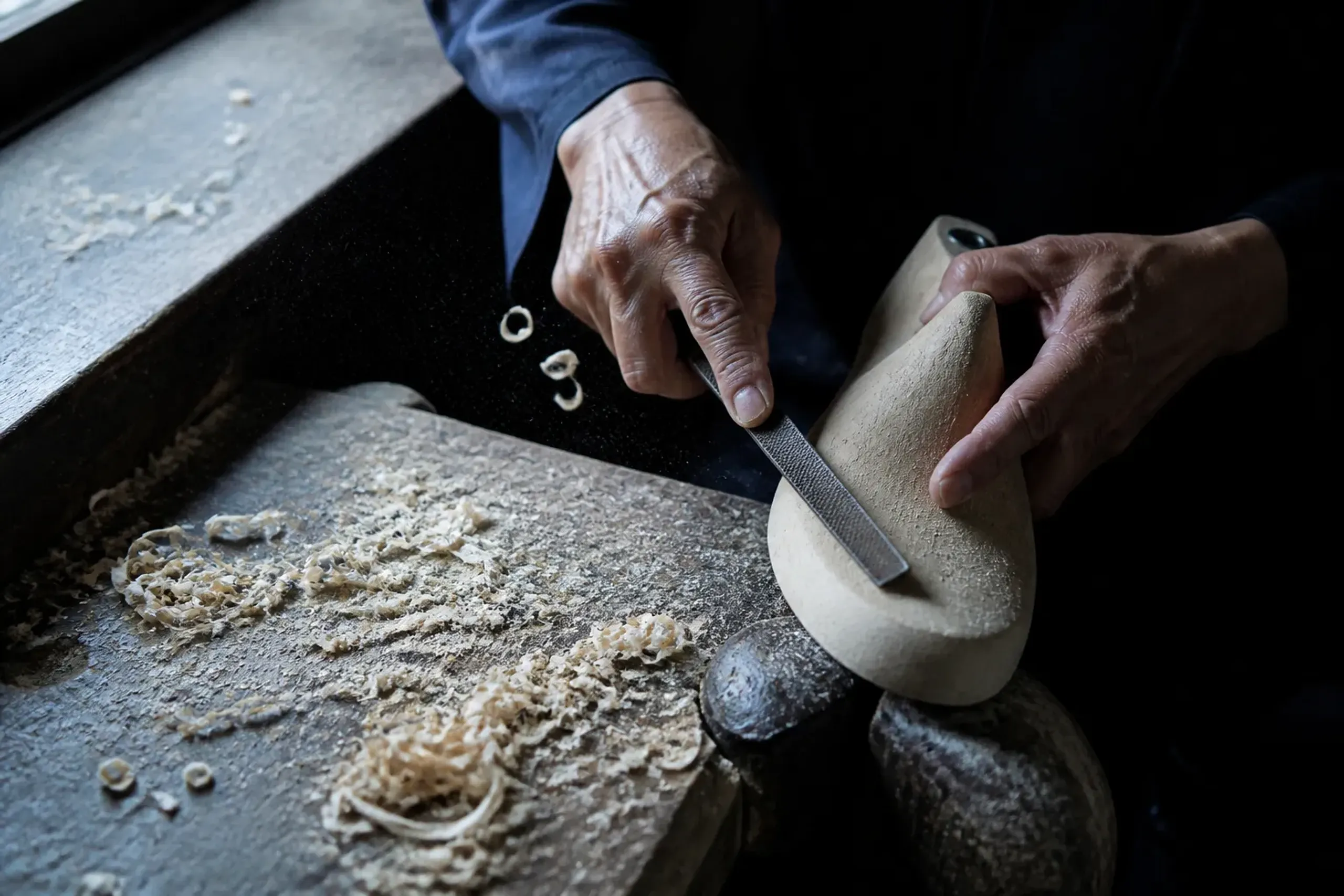
Bespoke shoemaking is not an experience you slot into an afternoon. It is a commitment measured in years.
The structure is consistent across the serious makers. First visit: measurement and design consultation. Second visit: a fitting shoe, sometimes called a trial or trunk shoe, made specifically to test the last against your foot before real leather is cut. Third visit: delivery of the finished pair, often with a short conversation about care.
Toru Saito Bespoke Shoemaker in Tokyo states plainly that a full order requires at least three visits — measurement, fitting, and delivery. Yohei Fukuda describes the same architecture: a personalized last, a trial fitting, then the final shoe. This is the spine of the process. Everything else is refinement.
Key fact: A first bespoke commission typically means three separate trips to Japan spread over one to two years. The shoes are the end of the story, not the beginning.
Why so long? Because the handwork does not compress. Lasting, welting, sole attachment, finishing — each step is done by hand, and the trial fitting between them exists precisely so the maker can catch what measurement alone cannot. Pressure. Feel. The way your weight shifts across the ball of the foot when you actually stand. These are judgments made in person, not calculated on a screen.
Why Japan Belongs In This Conversation
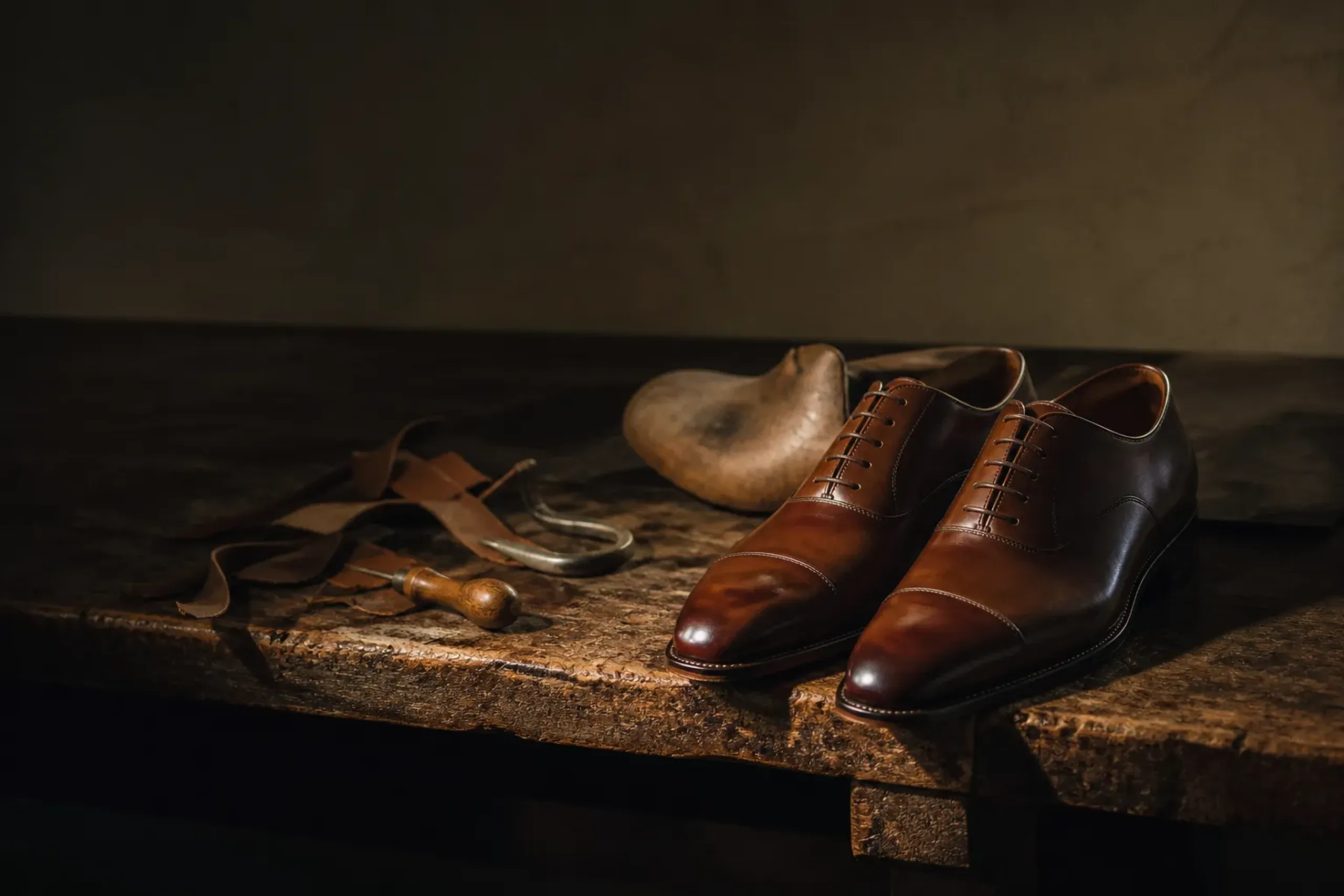
Readers who love bespoke footwear tend to think of a short list of cities abroad. Japan surprises them. It should not.
Over the past two decades, Japanese bespoke shoemaking has quietly grown into one of the most respected traditions anywhere. The makers here are not imitating other schools. They absorbed the disciplines, then bent them toward a national temperament — precision, restraint, an almost severe attention to line. The result reads as its own thing. Comparing it to older European centres does it no favours; the work stands on its own.
The Japan National Tourism Organization itself now frames luxury travel here around "artisan skills honed over generations," placing craft alongside fine dining and heritage hotels. That framing matches what serious collectors already know. The interesting shoemakers are here. Some of them are booked years out.
The Waiting List Is The Gate, Not The Price
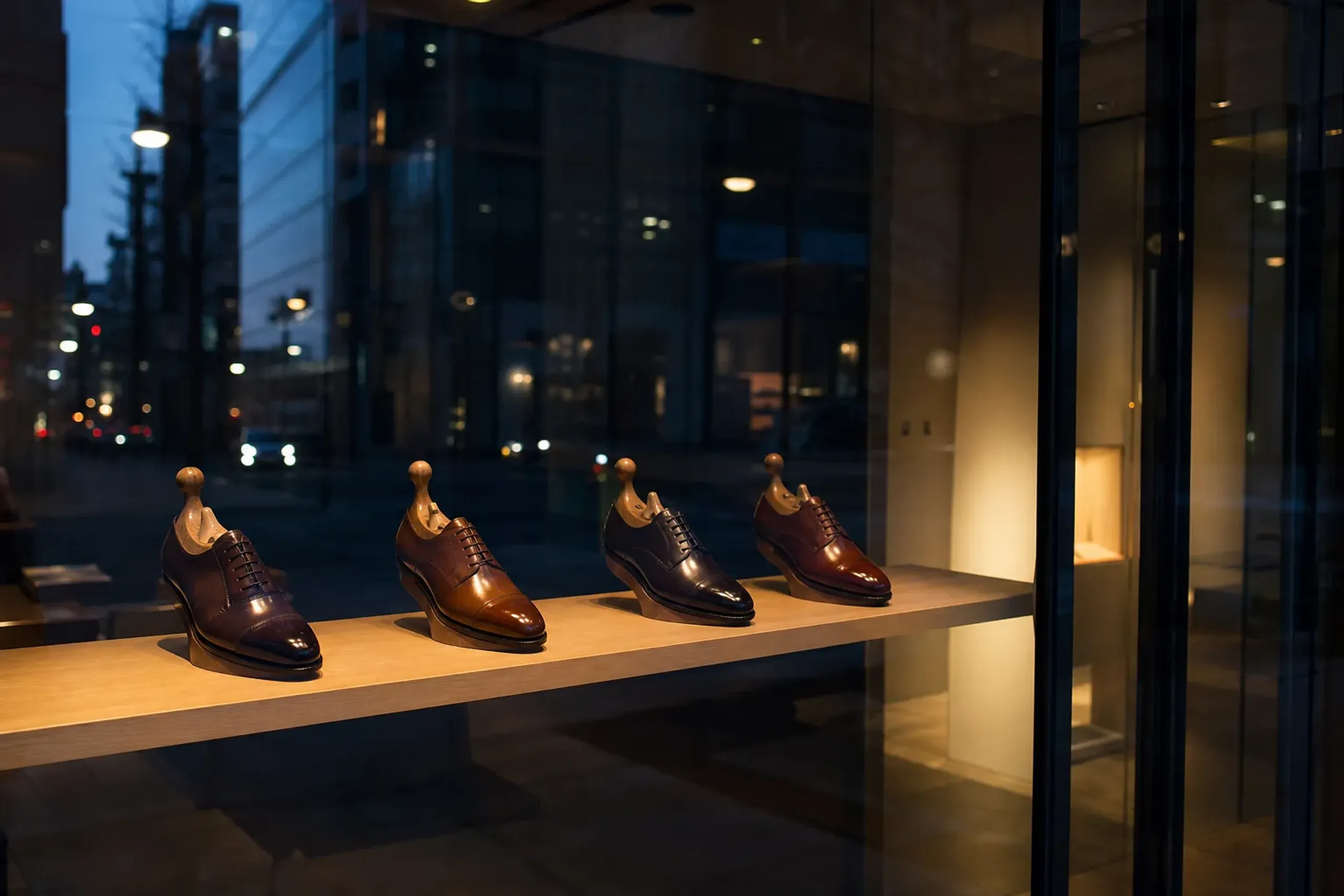
Here is the part most luxury writing skips because it is inconvenient.
The obstacle to owning a pair of great bespoke Japanese shoes is rarely money. It is access. Several of the most sought-after names run multi-year order books or have closed to new clients entirely. A name you have read about may simply not be taking commissions this year, or the next.
This is why we do not publish a wishlist of makers you cannot reach. A list of closed doors is worse than no list. When our team at Japan Royal Service opens a commission for a client, it is because a working relationship exists and the book is open — not because a name looks impressive on a page. Saying what cannot be arranged is what makes the rest credible.
Some makers also work primarily through order events and trunk shows rather than a permanent open door. In early 2026 alone, Yuki Shirahama Bottier — a Kyoto atelier that crafts fully handmade bespoke shoes on custom wooden lasts — held bespoke order events in Tokyo, including dates at The Dressing Lab in Ginza on February 20–21, 2026, and appearances at Strasburgo in Tokyo Midtown and Ginza on March 27–29, 2026. Kawashima Handmade Shoes was announced for a Tokyo trunk show at Hole in the Wall on June 4–6, 2026. Cagiana announced a 2026 trunk show referencing Nihombashi Takashimaya. These windows matter. Miss one, and the wait can stretch by months.
The Last: What A First Commission Actually Buys
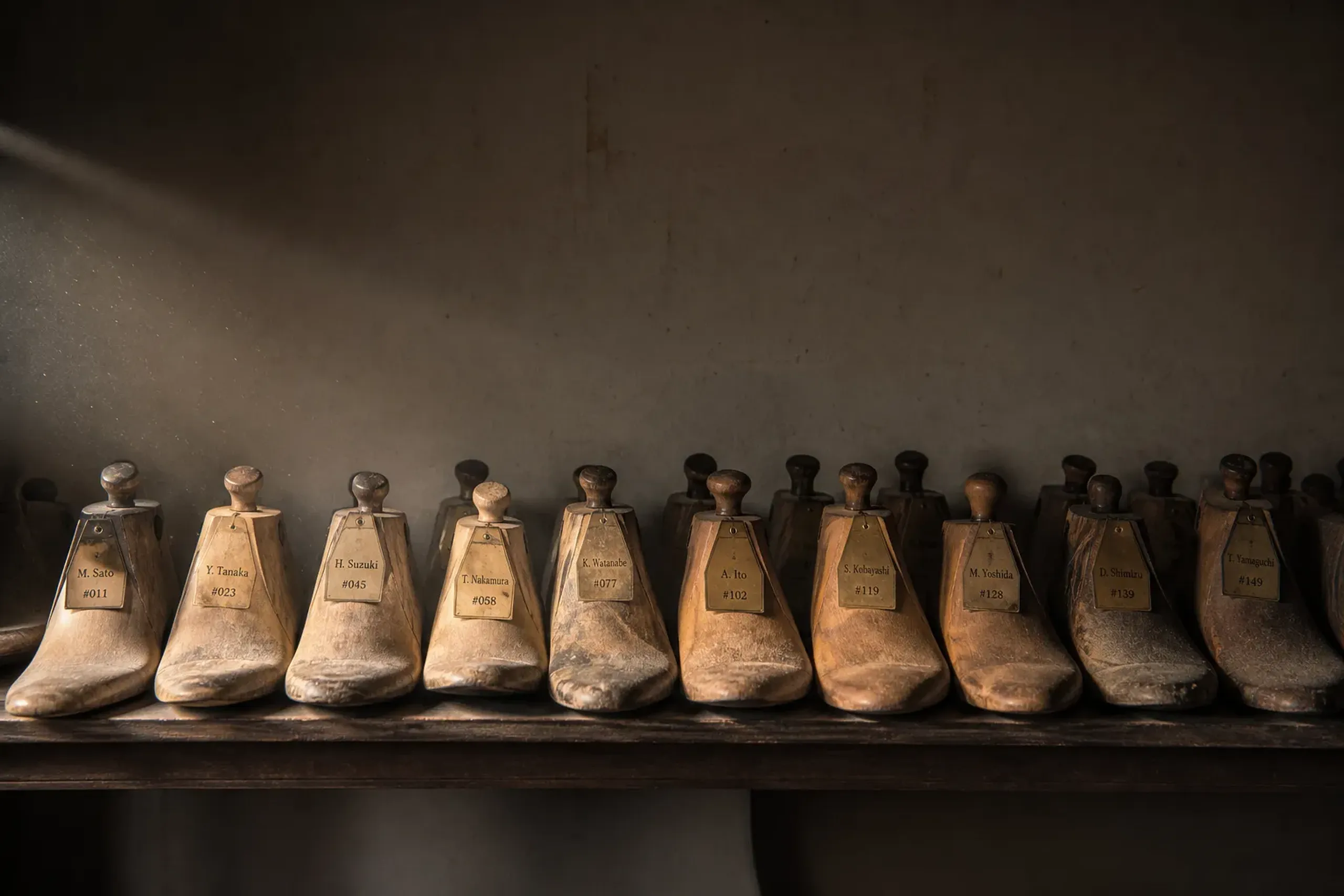
This is the strongest reason to begin at all.
When you commission your first pair, the maker cuts a wooden last shaped to your foot alone. That last does not go away when the shoes are finished. The maker keeps it. It carries your name. And because it already exists — already refined through your first fitting, already corrected for the quirks that measurement missed — every subsequent order skips the hardest, slowest part of the work.
So the second pair is faster. Easier. Closer to right from the first stitch. The first commission is, in the truest sense, not the purchase of a pair of shoes. It is the purchase of a relationship, held in wood, that pays out for the rest of your life.
Frame the two years that way and the timeline stops feeling like a burden. You are not waiting for footwear. You are building the tool that makes all future footwear effortless.
The Body As The Material
Every other craft in a collector's life makes an object that could, in theory, belong to someone else. A knife. A tea bowl. A bonsai pot. Hand it on, sell it, gift it.
Bespoke shoes cannot be handed on. They are shaped to one body and fit nobody else. The last is your foot; the shoe is the last made leather. Give the pair away and it becomes a beautiful thing that pinches a stranger. This is the one commission in the world of Japanese craft where you, physically, are the material the maker works from. That is worth sitting with.
What The Process Involves, Visit By Visit
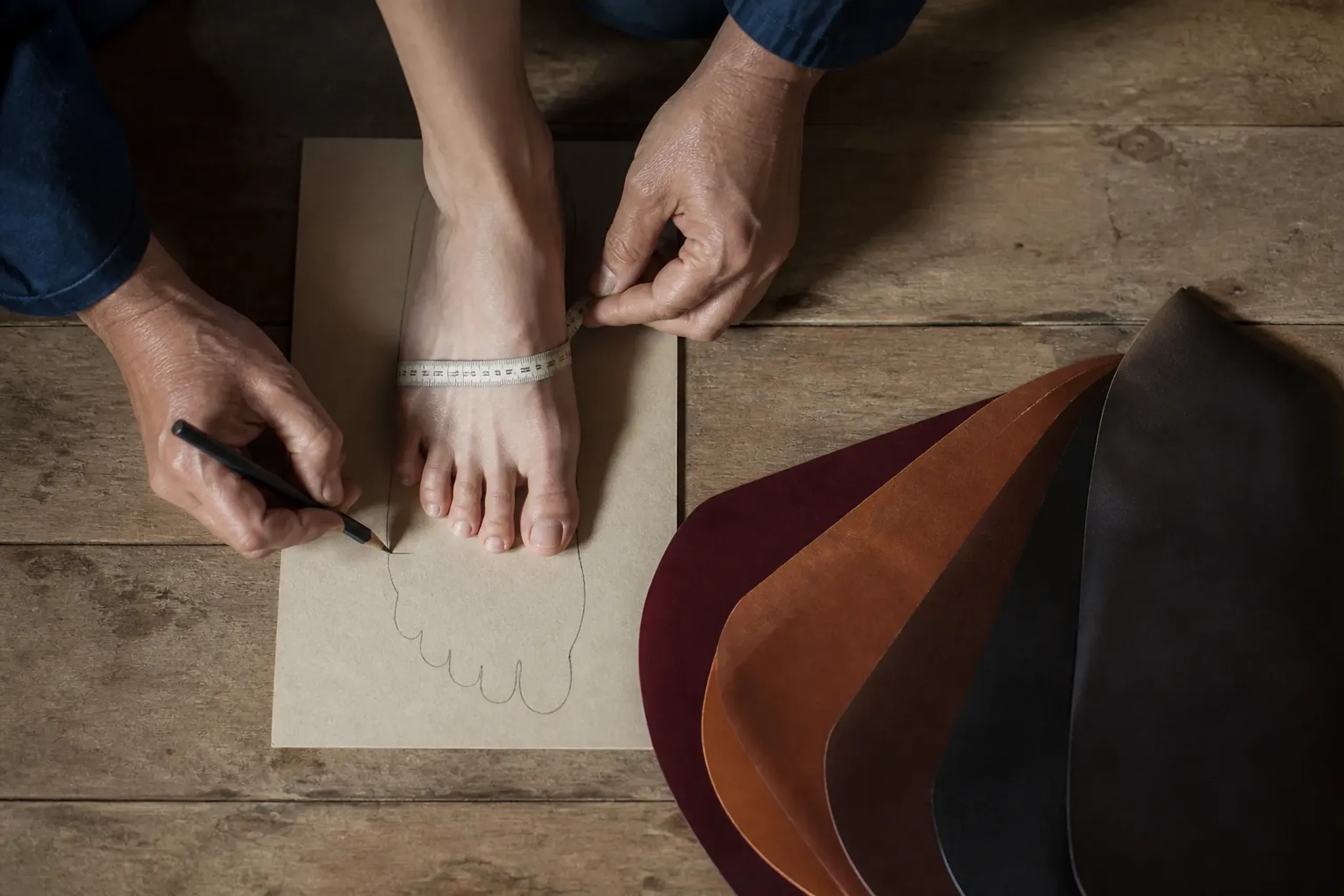
Below is the real cadence, mapped to how our clients tend to travel. Nothing here is invented; it follows the published process of makers such as Toru Saito and Yohei Fukuda.
Visit One: Measurement And Design
The first appointment is the longest and, in some ways, the most important. The maker measures both feet — length, width, girth at several points, the arch, the pitch of the ankle. You discuss the shoe itself: last shape, leather, colour, construction, the small decisions that will read as either quietly perfect or slightly wrong for years to come.
Ginza and Tokyo Midtown are natural bases for this leg of the journey, close to the retail settings where several makers hold consultations and order events. We tend to pair a consultation day with time in Yanaka — the old-Tokyo quarter near Sendagi Station where shoemaker Hajime Sonoda has worked in his atelier since 2003, and where the kissaten and small artisan shops make the neighbourhood itself part of the story.
Visit Two: The Fitting Shoe
Months later, you return for a trial. This is a real shoe — often in plain leather, sometimes deliberately unfinished — built on your last so the maker can test the fit against your living foot. You walk. You stand. You report where it presses. The maker adjusts the last accordingly. This is the moment the shoe becomes genuinely yours, and it cannot be rushed or skipped.
Visit Three: Delivery
The final visit hands you the completed pair, along with guidance on breaking them in and caring for them. Many clients turn this trip into something larger — a slower loop through Kyoto, an onsen stay, a private artisan session unrelated to the shoes. The delivery is a milestone, and it deserves a proper journey around it.
Language And The Fine Judgments Of Fitting
A fitting is a conversation about sensation. Where does it pinch? Is that pressure or is that support? Does the heel hold or slip a fraction? These are delicate, subjective exchanges, and the quality of the shoe depends on them landing accurately.
Some Japanese makers work comfortably in English. Others do not, in which case skilled interpretation becomes part of the result rather than a convenience. Our team at Japan Royal Service confirms, for every commission we open, whether the maker works directly in English or whether we place trusted interpretation in the room — because a mistranslated "it feels a little tight" can cost you a fitting cycle and several months.
Pairing The Commission With A Life Beyond Shoes
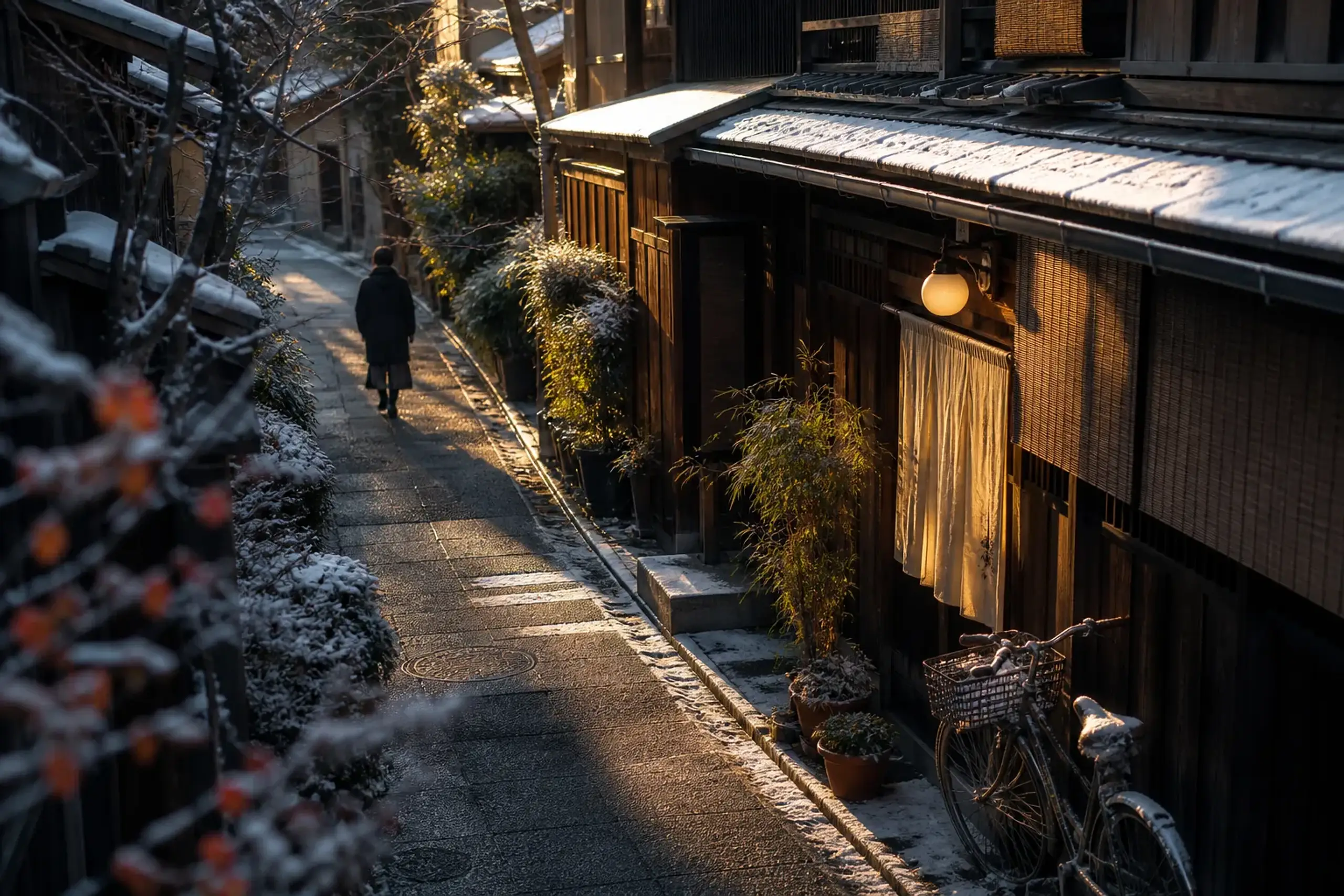
Two years of return visits is not a chore to be endured. It is a rhythm to be enjoyed.
Each trip can carry its own weight. A leather-selection day paired with a walk through an artisan district and a kaiseki dinner. A consultation morning followed by an afternoon among Yanaka's small museums and back streets. On a later visit, a discreet Kyoto stay — the newly opened Capella Kyoto in the Miyagawa-cho geisha district, or the small, heritage-linked Imperial Hotel, Kyoto in the Yasaka area of Gion, both of which opened in March 2026 and support quiet, on-foot cultural routing. For clients who want to end a delivery trip in stillness, Hakone works beautifully.
This is where a bespoke commission stops being a transaction and becomes a reason to know Japan properly, over time, at your own pace.
Related Reading For The Collector
Commissioning shoes rarely stands alone. Clients drawn to it tend to be drawn to Japan's other long-lead crafts — the makers who work slowly, by hand, one object at a time. Our writing on private commissions covers lead times, cost, and etiquette across disciplines, and our piece on how access really works in Japan explains why introductions, not payments, open the right doors.
Common Questions
Can I get bespoke shoes on a single trip to Japan?
No. A genuine bespoke commission requires at least three visits — measurement, fitting, and delivery — typically spread across one to two years. What you can do in one trip is begin: the measurement and design consultation.
How many pairs justify the wait?
The first pair is the investment. Because the maker keeps your last, the second and every later pair are faster and easier to order. Many clients commission the first pair intending to build a small rotation over the following years.
Do Japanese bespoke shoemakers speak English?
Some do; some do not. This varies by maker and matters enormously during fittings. We confirm the language situation before opening any commission and arrange skilled interpretation where needed.
Why are the best makers so hard to reach?
The gate is the order book, not the price. Several leading makers run multi-year waitlists or work primarily through periodic trunk shows and order events. Timing and introduction, rather than budget, decide access.
What does a first commission actually buy?
A relationship, embodied in a wooden last shaped to your foot and retained by the maker. That last turns every future order into a shorter, surer process. You are buying the tool, not only the shoes.
Why Choose Japan Royal Service
A bespoke commission cannot be arranged from a list of names lifted off the internet. It depends on whether the maker's book is open, whether they take introductions, and whether the working relationship exists at all. That is precisely the ground our team at Japan Royal Service stands on.
We open commissions only where the relationship is real and the book is genuinely accepting clients — and we say so plainly when a name you have in mind is closed. We confirm lead times, visit counts, and language before you commit. We shape each of your return trips into a proper journey, complete with private chauffeured transport between ateliers, hotels, and the quieter corners of the country, and we build the whole two-year arc into one coherent tailor-made itinerary. Discretion is assumed throughout; your identity and your movements stay between us.
The first commission is the patient one. The second is easy. If you are ready to begin the two years, reach our team privately via WhatsApp or LINE, or contact us here, and we will tell you honestly which doors are open.