In this guide
- 01Why Do Major International Touring Exhibitions Keep Landing In Ueno?
- 02The National Museum Of Western Art: A Museum That Exists For This Job
- 03The Matsukata Collection: Western Art That Traveled From Japan To France And Back
- 04Le Corbusier In Tokyo: The Building Is Part Of The Collection
- 05Which Blockbuster Shows Has The National Museum Of Western Art Hosted?
- 06What Is Ueno Museum Week, And Why Should Art Travelers Care?
- 07How Do You Plan A Calm Visit To NMWA During A Blockbuster Exhibition?
- 08How Do You Get To The National Museum Of Western Art From Ueno Station?
- 09How We Verify Upcoming Exhibitions At NMWA Before You Travel
- 10What Japan Royal Service Adds To An Art-Led Ueno Day
A painting arrives in Tokyo with a small paper trail and a large shadow.
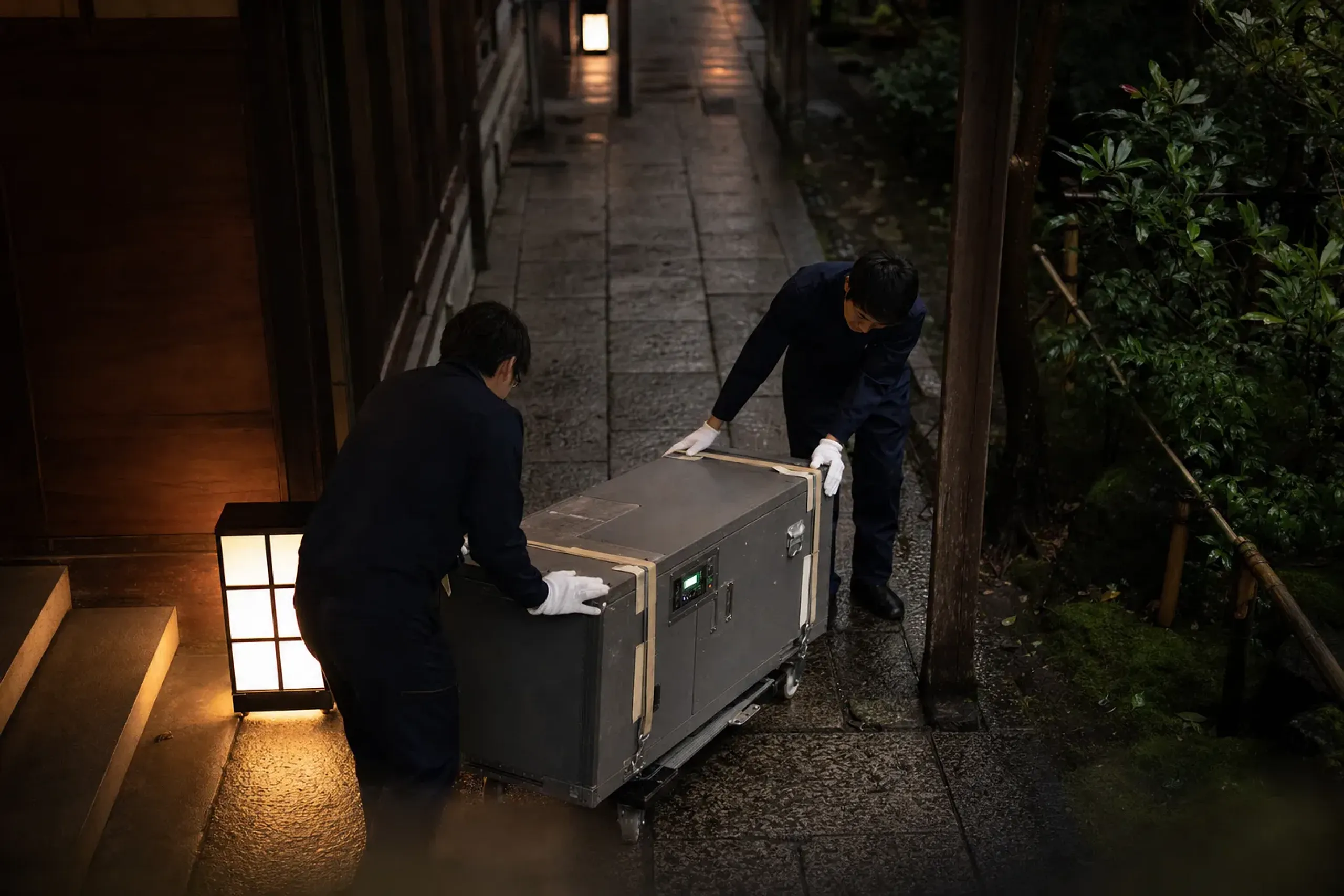
It has crossed oceans inside a climate-controlled crate, then slipped through a service entrance before the public ever sees a label on the wall. Quiet. Intentional. Ueno is built for this.
Well-traveled collectors often ask us the same thing after a few Japan trips: where do the truly significant international exhibitions land, and how do you experience them without turning the day into a queue?
Our answer keeps coming back to one place — the National Museum of Western Art in Ueno Park. Not by coincidence, but by mandate.
Why Do Major International Touring Exhibitions Keep Landing In Ueno?
Major international touring exhibitions return to Ueno because the National Museum of Western Art is Japan’s only national museum dedicated entirely to Western art, purpose-built to host loans of that scale.
When a museum abroad considers Japan, it looks for institutional fit first. Collection scope. Conservation standards. The ability to frame a show with serious curatorial context, not just marketing heat.
Ueno has the cluster, too. Within a short walk sit multiple major museums that can absorb overflow interest and keep visitors moving — which matters enormously when a single show becomes a citywide event.
This is why the pattern repeats. A big-name loan opens in Ueno, then the conversation spreads through Tokyo’s art circles — collectors, students, and travelers who planned an entire week around one wall label.
The National Museum Of Western Art: A Museum That Exists For This Job
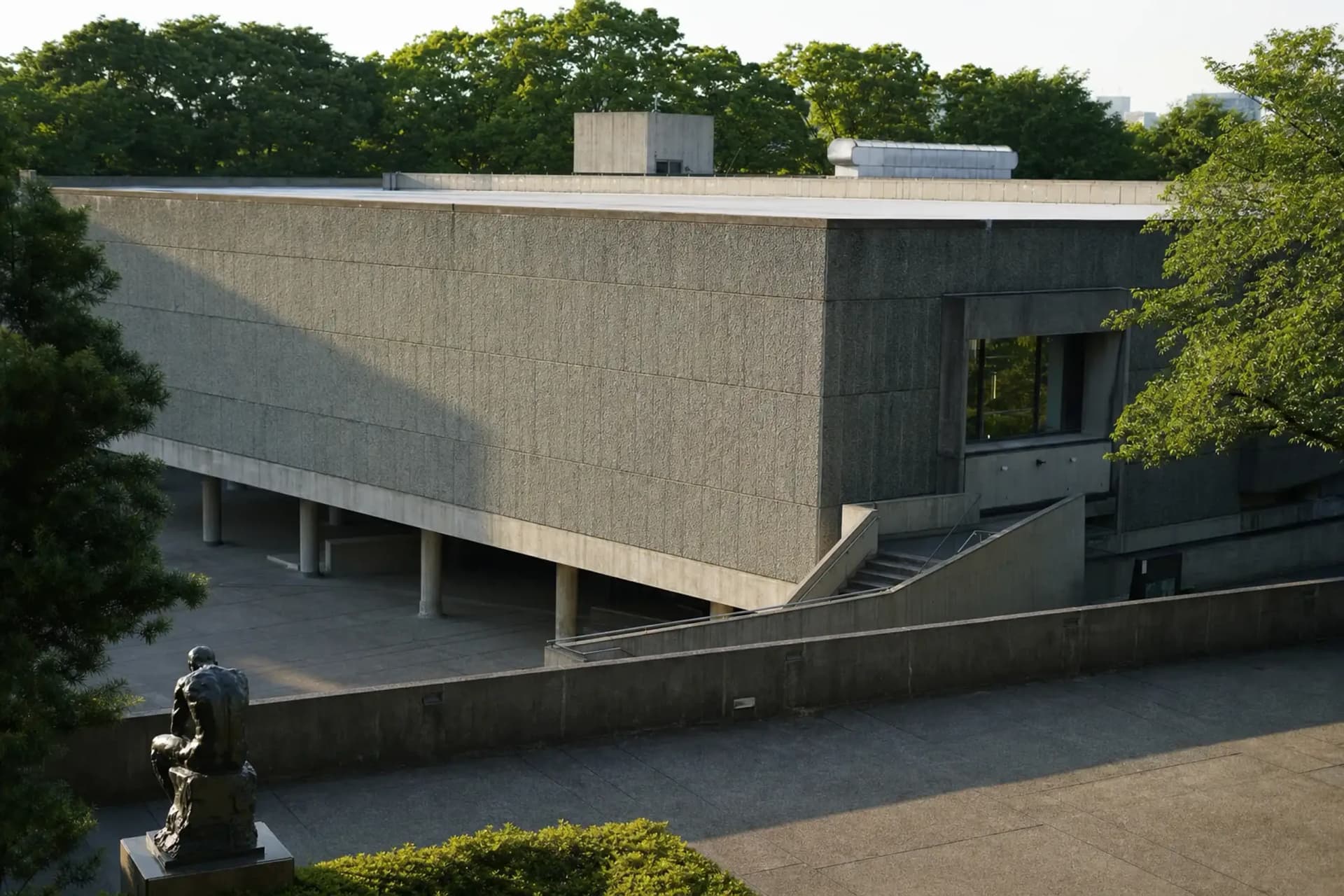
The National Museum of Western Art (NMWA) opened in 1959.
It is Japan’s sole national museum devoted entirely to Western art. That single sentence explains a great deal.
Because it is national, the museum’s role is not niche. It carries a public mandate. It must teach, hold, research, and present Western art at a level Japan can stand behind when negotiating international loans.
For a traveler, that translates into a clean, uncluttered experience. Clear didactics. Serious catalogues. The unmistakable sense that you are visiting a working institution, not a pop-up spectacle.
And then there is the core — a permanent collection that anchors every visiting show with real depth.
The Matsukata Collection: Western Art That Traveled From Japan To France And Back
The museum’s foundation is the Matsukata Collection, a group of Western artworks assembled by the Japanese industrialist Kōjirō Matsukata. Parts of it later remained in France and were returned to Japan by the French government, forming the nucleus of NMWA.
That provenance matters. It gives the museum a built-in story of cultural exchange, loss, return, and stewardship — not theoretical, but physical.
When you walk the permanent galleries, you are not only looking at European art in Tokyo. You are looking at a collection whose very identity is shaped by movement across borders, and by the diplomacy required to bring it home.
In our experience, this is precisely where discerning travelers slow down. They stop chasing highlights and start asking better questions.
What You Can Actually See In The Permanent Collection
NMWA’s holdings include works by artists such as Renoir and Picasso.
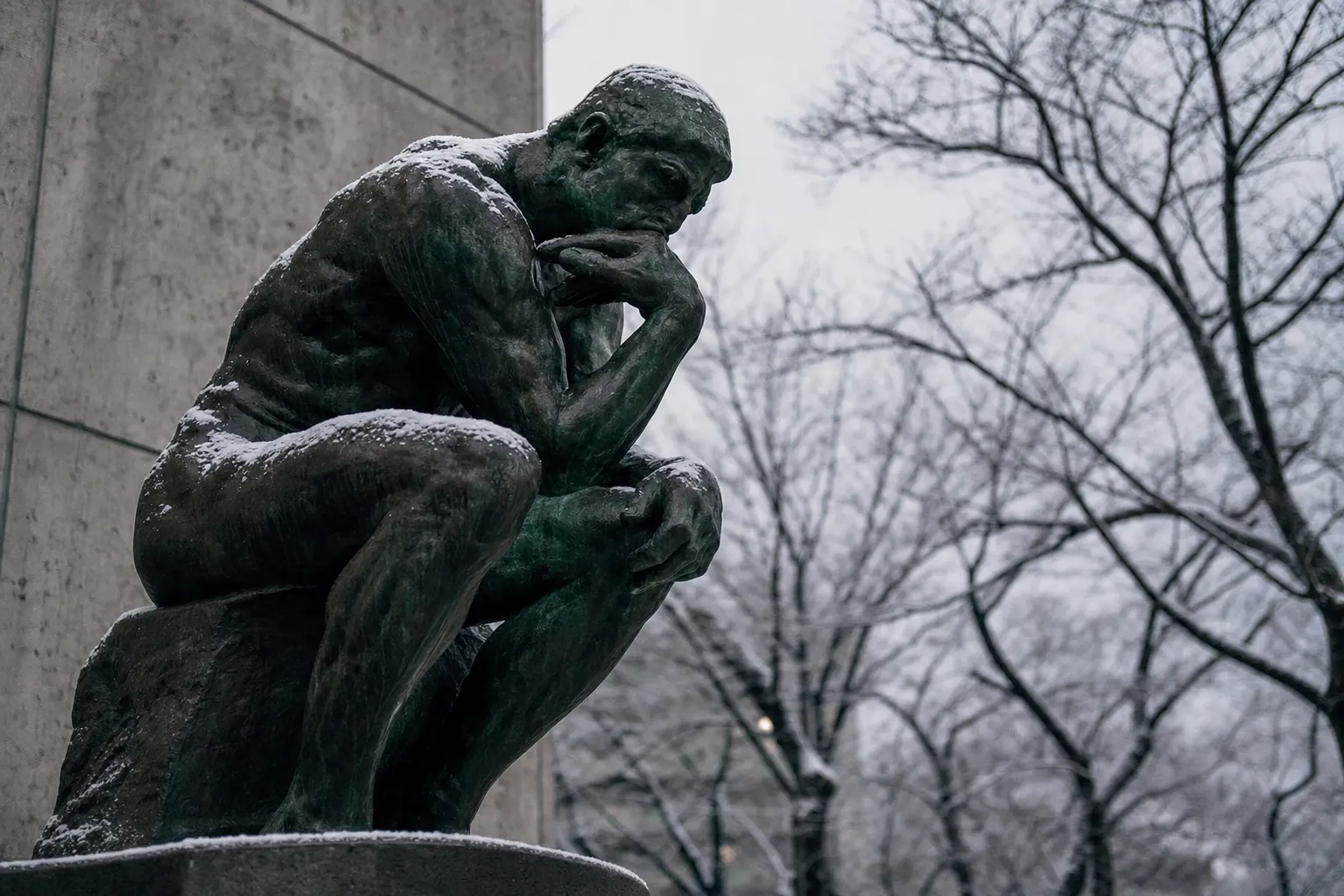
You can also see sculpture by Auguste Rodin, including a cast of The Thinker. That forecourt moment is famous for a reason.
Step outside. Pause. The city noise sits at the edge of the trees, and the sculpture holds the center like a calm dare.
It is a rare Tokyo feeling — monumental, but never loud. There is a quiet restraint to it, closer to the hush of a moss-covered stone garden than to any grand marble hall.
Le Corbusier In Tokyo: The Building Is Part Of The Collection
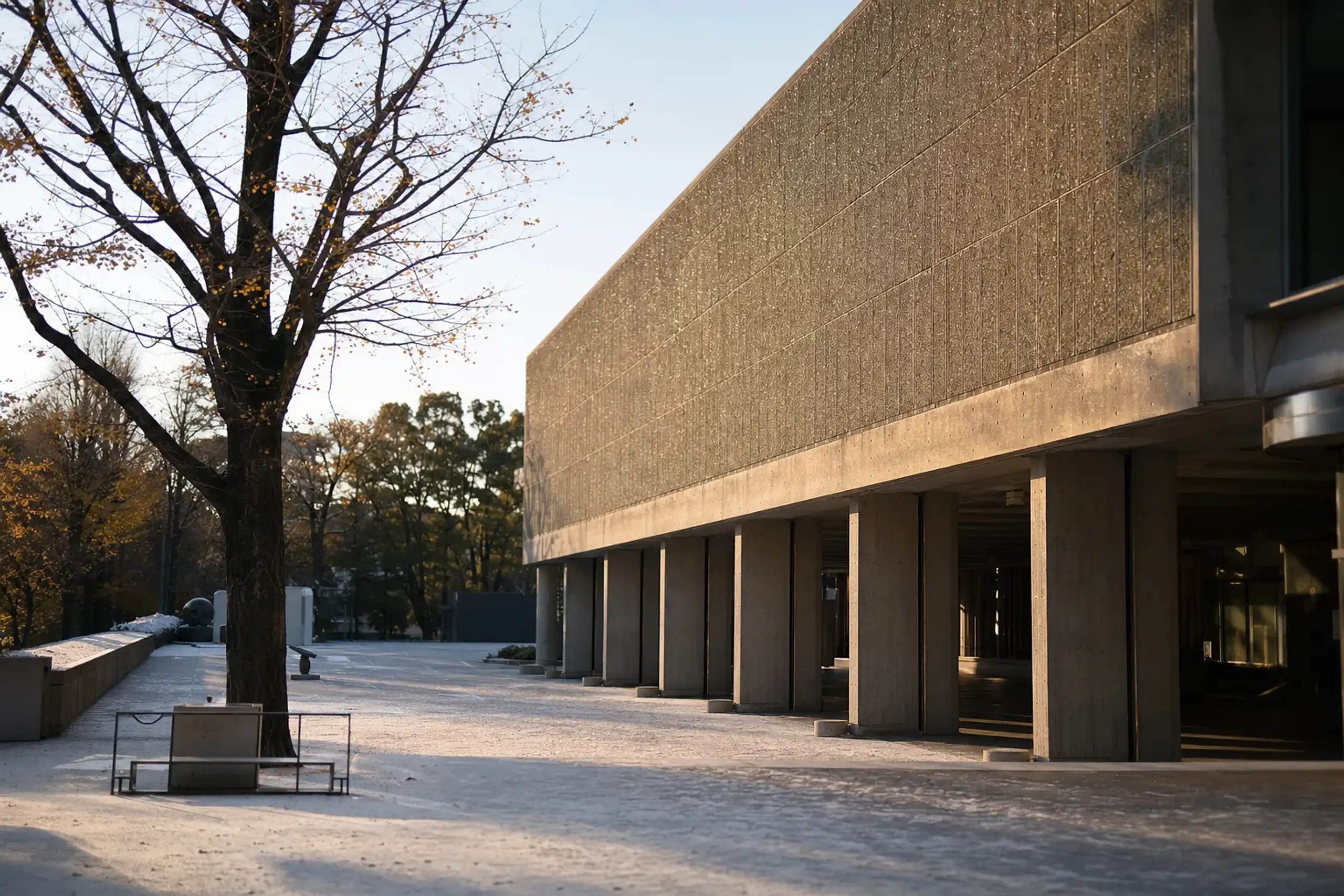
NMWA’s Main Building was designed by Le Corbusier and completed in March 1959. It is part of the UNESCO World Heritage inscription for “The Architectural Work of Le Corbusier” (listed in 2016).
This matters for more than bragging rights. The building shapes how you see the art. Light falls differently in a modernist gallery than in a palace-like museum. Footsteps sound different, too.
If you have visited the great museums of Paris, London, or New York, you already know the fatigue that can come from grand staircases and endless rooms. NMWA’s experience is tighter. More edited. More watchful — an architecture of restraint that rewards attention rather than demanding it.
The forecourt was renewed in 2022 to restore its original appearance, which helps you read the building closer to how it presented itself at founding. It feels as though the museum regained its posture.
A Simple Way To Look At The Architecture (Without Turning It Into Homework)
We suggest one small practice. Stand in the central hall and look up before you look at any painting. Ten seconds. That’s all.
Then walk one full loop of the main circulation path before committing to a room.
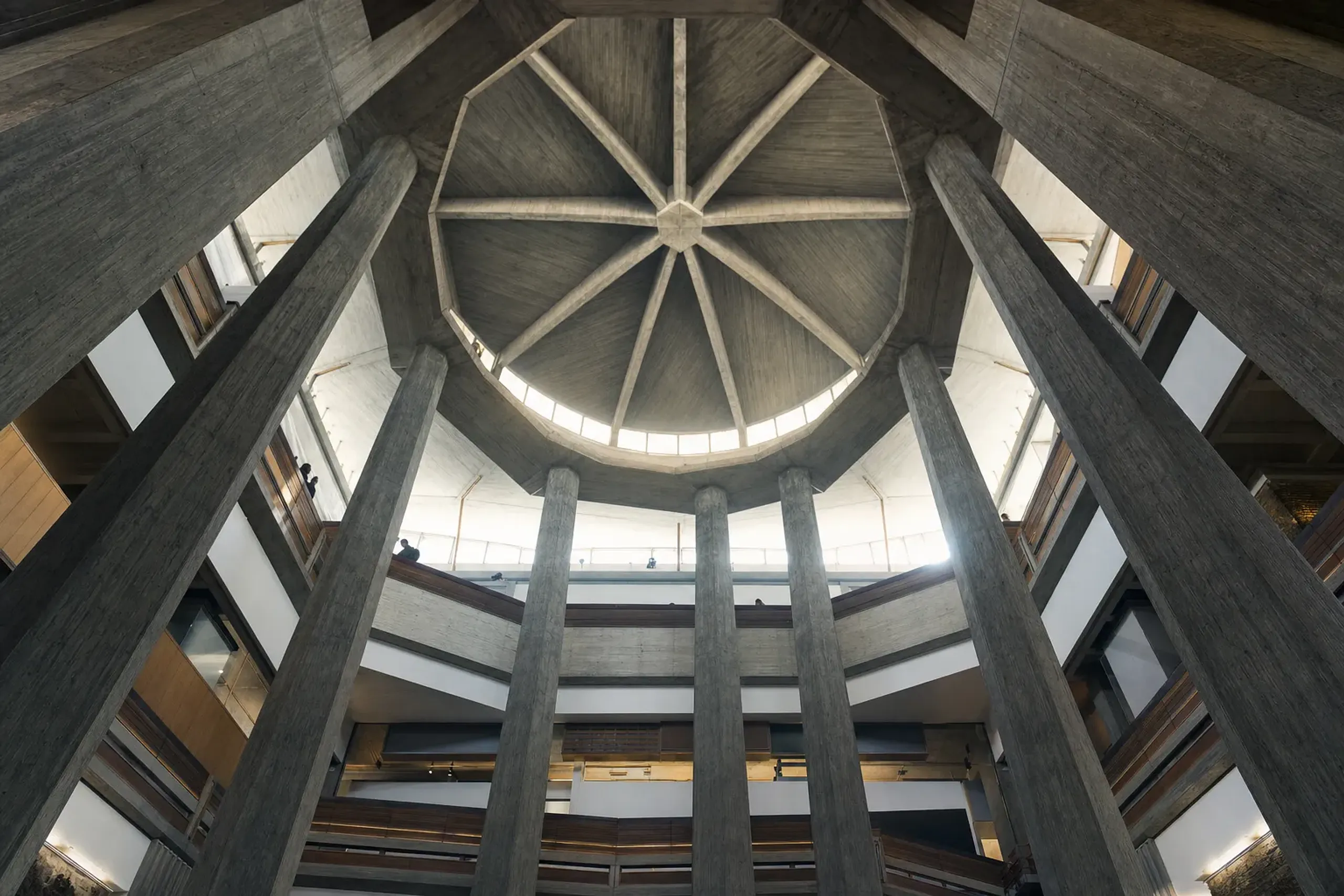
You will feel how the building guides you — softly, but firmly — into a viewing rhythm that suits both permanent works and touring blockbusters.
Which Blockbuster Shows Has The National Museum Of Western Art Hosted?
NMWA has repeatedly hosted major international loans, including a large-scale Musée d’Orsay Impressionist exhibition (Oct 25, 2025–Feb 15, 2026) and a confirmed Tate Britain J.M.W. Turner exhibition (Oct 24, 2026–Feb 21, 2027).
The point is not to memorize past dates. It is to understand the mechanism. A significant show lands here, draws national attention, then often continues to another Japanese city with a second museum partner.
That touring pattern is common in Japan. It spreads logistics and cost. It also widens access beyond Tokyo, which aligns with the public role of a national museum.
Below are examples that illustrate the pattern. Our concierge team always verifies the museum’s current “upcoming exhibitions” schedule close to your travel dates, because the calendar changes year to year.
Confirmed Example: Tate Britain’s Turner Exhibition (Upcoming)
NMWA’s official schedule has listed a Tate Britain J.M.W. Turner exhibition titled “Sublime Painting, in Dialogue with Contemporary Art,” running from 24 October 2026 to 21 February 2027.
It draws from the world’s largest Turner collection. That line alone signals the seriousness of the loan. After Tokyo, the same exhibition has been confirmed to tour to the Nakanoshima Museum of Art, Osaka (13 March–27 June 2027), showing how these projects often move through multiple cities.
For travelers, this creates options.
Start in Tokyo, then build a second art day in Osaka later in the trip. Or do the reverse. The show will be the same, but your mental state will not be.
Historical Example: A Large-Scale Musée d’Orsay Impressionist Exhibition
NMWA hosted a large-scale Musée d’Orsay Impressionist exhibition that ran 25 October 2025 to 15 February 2026, bringing roughly 100 works, including around 70 from the Musée d’Orsay itself.
It was described at the time as the largest showing of the Orsay’s Impressionist collection in Japan in roughly a decade. That kind of scale does not simply “happen to” a museum. It is negotiated, planned, and matched to a venue that can carry it.
If you missed it, don’t treat that as a loss. Treat it as evidence. The pattern will return in another form.
Range Example: Not Only Western Loans
NMWA’s special programming has also included a major retrospective of the Lithuanian artist M.K. Čiurlionis and a rare special display of Hokusai’s Thirty-Six Views of Mount Fuji from a privately held collection placed in the museum’s trust — the kind of quiet, introduction-only holding that rarely surfaces in public view.
Those shows have concluded. We mention them for one reason: NMWA can pivot between global loans and significant Japan-held works without ever breaking its identity.
That flexibility is part of why Ueno stays in the touring circuit. Institutions trust venues that can handle complexity.
What Is Ueno Museum Week, And Why Should Art Travelers Care?
Ueno Museum Week is an annual coordinated programme across multiple Ueno Park museums that offers free access to permanent collections at participating institutions, plus at least one smaller special exhibition.
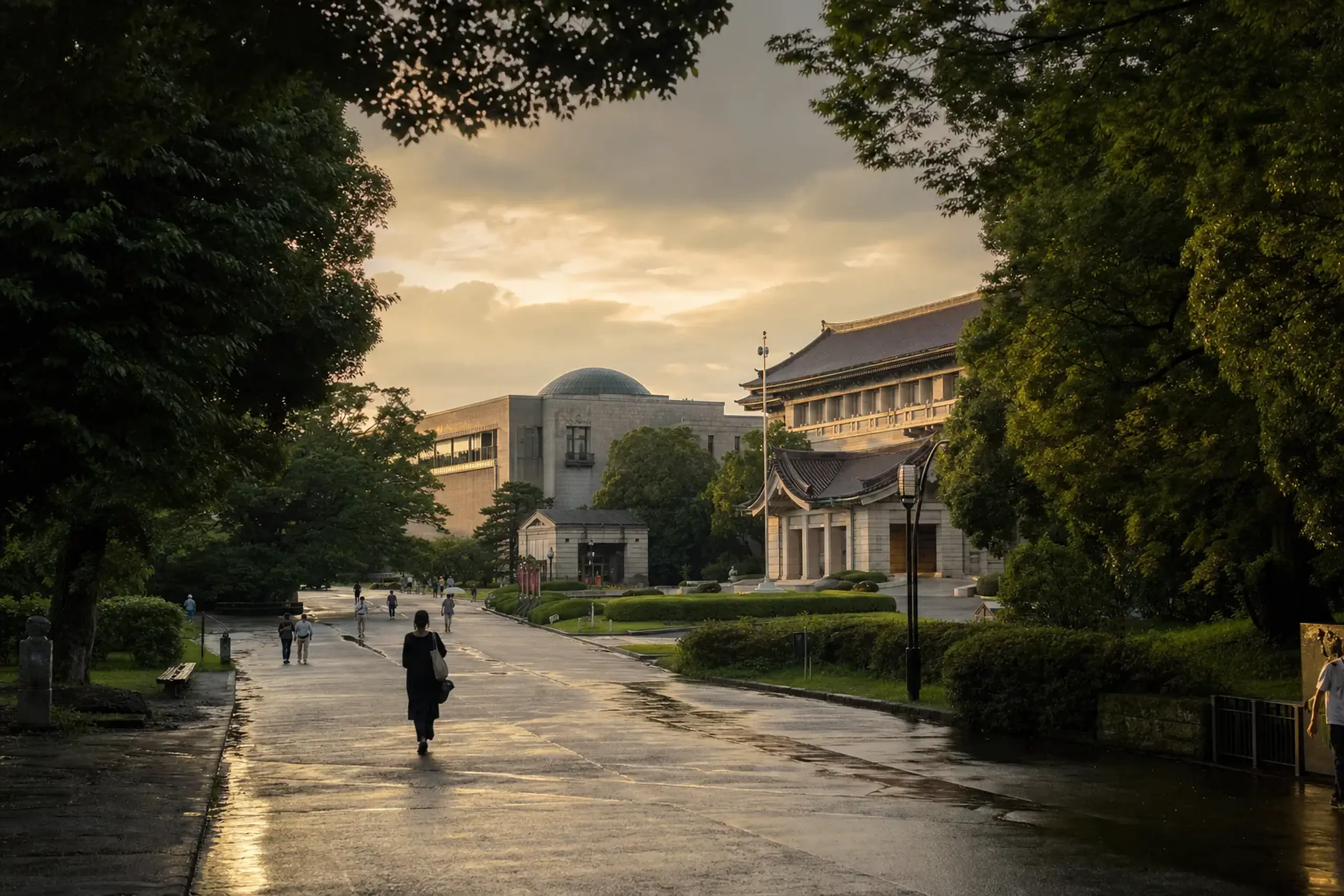
It is not a single-museum promotion. It is a neighborhood mechanism. The National Museum of Western Art participates alongside institutions such as the Tokyo National Museum, the Tokyo Metropolitan Art Museum, and the National Museum of Nature and Science.
For the traveler who values their time, “free admission” is not the headline. Timing is. Museum Week changes crowd flow, opening a chance to see several permanent collections across Ueno without friction or second-guessing at each ticket counter.
Key fact: Ueno Museum Week dates and participating museums are confirmed fresh each year, so JRS concierge verify the current-year details close to your travel window.
How Do You Plan A Calm Visit To NMWA During A Blockbuster Exhibition?
Plan for a calm NMWA visit by arriving near opening, using late hours on Fridays or Saturdays when offered, and treating the permanent collection as a second act after the special exhibition.
NMWA’s standard opening hours are roughly 9:30am to 5:30pm. During major special exhibitions, the museum often extends hours to around 8:00pm on Fridays and Saturdays, though this is not a universal daily rule.
That small detail changes the whole day. Many visitors default to midday. A mistake. Early morning and late evening feel like entirely different institutions.
We also suggest a two-ticket mindset. Major special exhibitions typically require a separate ticket from general admission, while the permanent collection is usually included or handled separately at a more modest level.
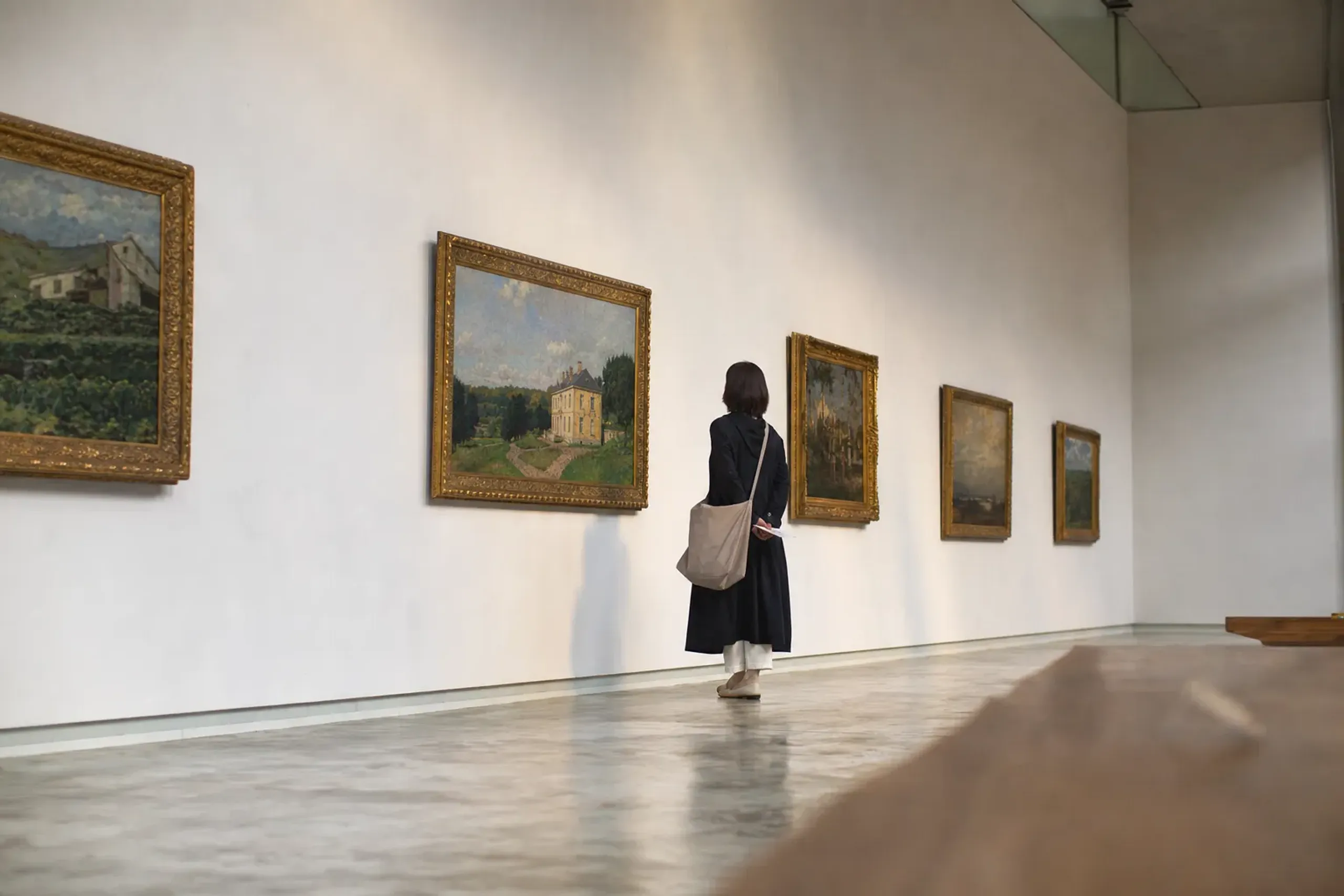
No surprise at the door is the goal. This kind of quiet anticipation — smoothing away the friction before you feel it — is precisely what a well-planned day is meant to deliver.
A Simple, Repeatable Flow For A Two-Hour Visit
This is a practical rhythm we often recommend when guests want depth without drift.
- 0:00–0:15 — Arrive, orient, and commit to the special exhibition route first.
- 0:15–1:15 — Special exhibition: stay with the curatorial narrative, not the crowd’s pace.
- 1:15–1:45 — Short reset: forecourt sculpture and a brief architectural pause.
- 1:45–2:00 — Permanent collection: one room, one artist, then stop.
Stopping early is not quitting. It keeps the show sharp in your memory, which is the whole point of coming all this way for one exhibition.
How Do You Get To The National Museum Of Western Art From Ueno Station?
The National Museum of Western Art is reachable on foot from Ueno Station, with most visitors walking through the Ueno Park museum cluster to arrive.
Ueno Park sits directly by the station area, and the approach is straightforward once you enter the park pathways. The museum district has a natural gravity; you will see signage, groups, and the buildings themselves.
If you are coordinating a high-comfort day — especially in summer heat, winter wind, or when traveling with family — we usually recommend a door-to-door plan that avoids unnecessary street crossings and keeps arrival timing precise.
Our first rule is simple. Don’t “wing it” on a major exhibition day.
Private Transportation, Without The Fuss
For guests who want a quiet arrival, we can advise on private transportation options suited to party size, luggage, and pacing.
For couples, the goal is calm, not ceremony.
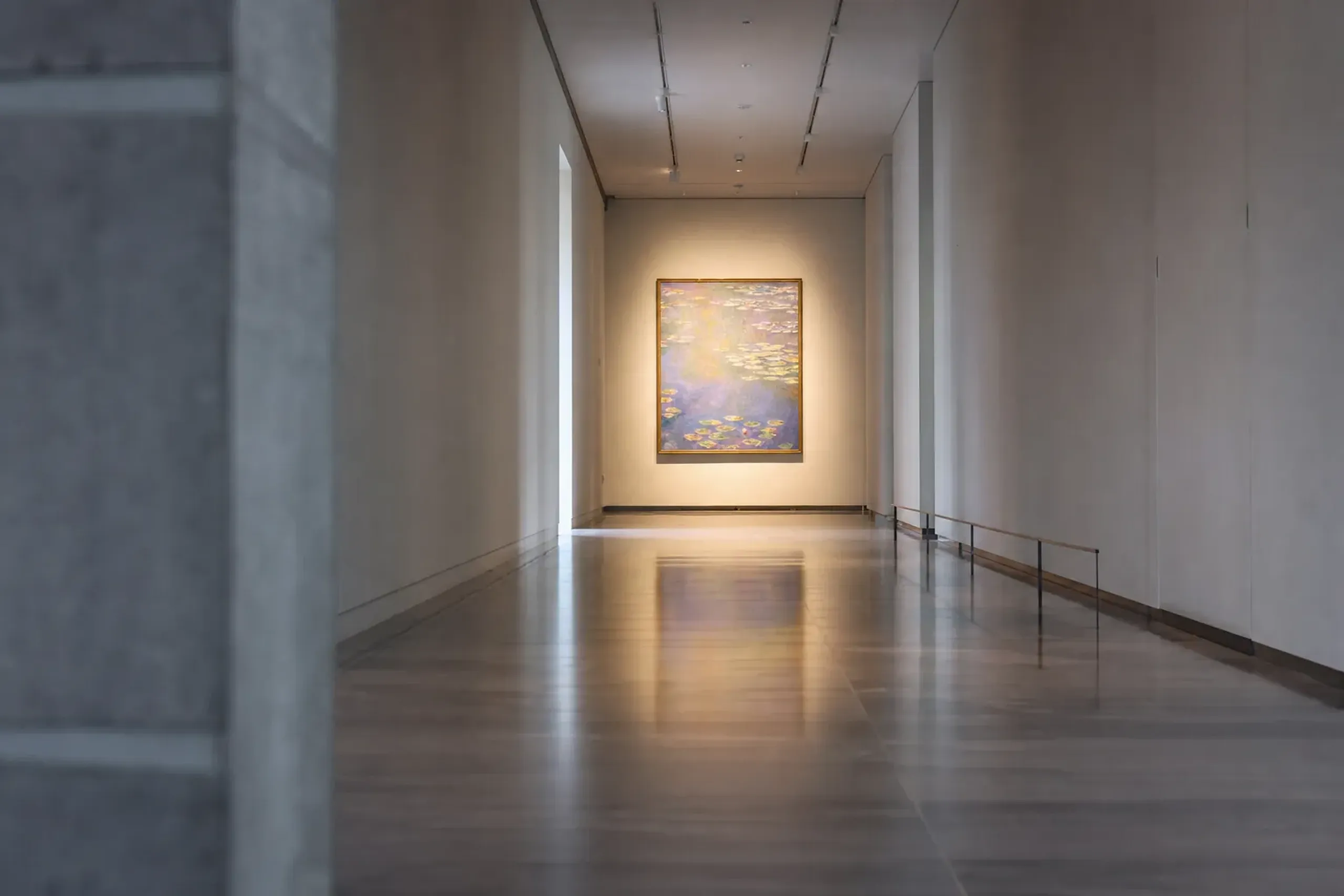
For families, it is space and flexibility. For those who prize privacy above all, discretion becomes the organizing principle from the moment the car door closes — the itinerary held in confidence, the identity never in question.
How We Verify Upcoming Exhibitions At NMWA Before You Travel
We check the National Museum of Western Art’s official “upcoming exhibitions” schedule close to your travel dates, and re-check again 2–3 weeks before arrival.
Museum calendars move. Loans shift. Install periods can change hours. Even extended Friday and Saturday openings may appear only for certain runs.
We build your Tokyo days around one “anchor” show, with one flexible museum day held in reserve as a backup. That is how we keep a trip elegant when schedules evolve — and how a bespoke tailor-made itinerary absorbs the surprises before you ever feel them.
If you are also considering nearby institutions, note that the Tokyo National Museum has announced a temporary closure for maintenance of the exhibition environment on April 7, 2026, which can affect Ueno-heavy itineraries.
A Closure-Aware Note For 2026–2028 Cultural Planning In Ueno
Tokyo Bunka Kaikan has announced a building closure for extensive renovations, running from May 7, 2026 through the fiscal year 2028. If you had planned an evening performance there, this is the detail to watch.
We keep this firmly in view when shaping museum-forward days. A daytime exhibition can be paired with a different evening venue elsewhere in Tokyo, so the trip still feels complete.
What Japan Royal Service Adds To An Art-Led Ueno Day
Japan Royal Service adds bilingual cultural guiding, private context where available, and discreet transfers, so the museum day stays focused on the work — never on the logistics. Beyond the wall labels, we can weave in the Japan that Google cannot find: introductions and quiet access that turn a single exhibition into a fuller cultural day.
If a blockbuster show in Ueno is the anchor of your next Tokyo visit, let us build the calm around it. To begin shaping a private, art-led itinerary tailored to your travel dates, contact us here.