In this guide
- 01What Makes Unzen A Meaningful Summer Destination For Luxury Travelers?
- 02How Recent Is Heisei Shinzan, And Why Does It Matter When You Visit Unzen?
- 03The 1991 Eruption Memorials: How To Pay Respect Without Turning It Into A “Stop”
- 04Unzen Jigoku And The Christian Martyrdoms (1627–1631): What Visitors Should Know
- 05What Is Unzen Like In Summer (And What It Is Not)?
- 06How Do You Plan Nita Pass And The Unzen Ropeway In Summer?
- 07A “Cool-Summer Onsen” Approach: How Unzen Works Even In July And August
- 08Discretion And “Hidden-Japan” In Unzen: Quiet Choices That Change The Trip
- 09Shokunin Encounters In Nagasaki: Craft As A Counterweight To Volcano Time
- 10Practical Access: Getting To Unzen Without Turning The Day Into Logistics
- 11What Japan Royal Service Coordinates In Unzen (Plainly, Once)
- 12Begin Planning Your Quiet Summer In Unzen
The view from Nita Pass has a strange clarity in summer.
Fresh green spreads over slopes that, within living memory, were nothing but ash and broken rock.
Across the valley, you can see it plainly. Heisei Shinzan.
Japan’s newest mountain peak, born of the 1990–1995 eruption of Mount Fugen, now stands at 1,483 metres.
Unzen is not a place we treat as a backdrop.
It holds two separate histories that demand a steady voice: the 1991 disaster that claimed 43 lives, and the Edo-period Christian martyrdoms at the hot spring “hells.”
In our experience, luxury travel in Japan is at its finest when it honours weight as well as beauty.
This guide is written with that balance in mind, and with practical summer planning for high-net-worth travelers who want the quiet, precise version of Kyushu.
What Makes Unzen A Meaningful Summer Destination For Luxury Travelers?
Unzen in summer is about cool-mountain air, fresh greenery, and a geothermal landscape shaped by recent tragedy and older persecution—experienced slowly, and with care.
Summer is not Unzen’s headline season for spectacle. That is the honest truth.
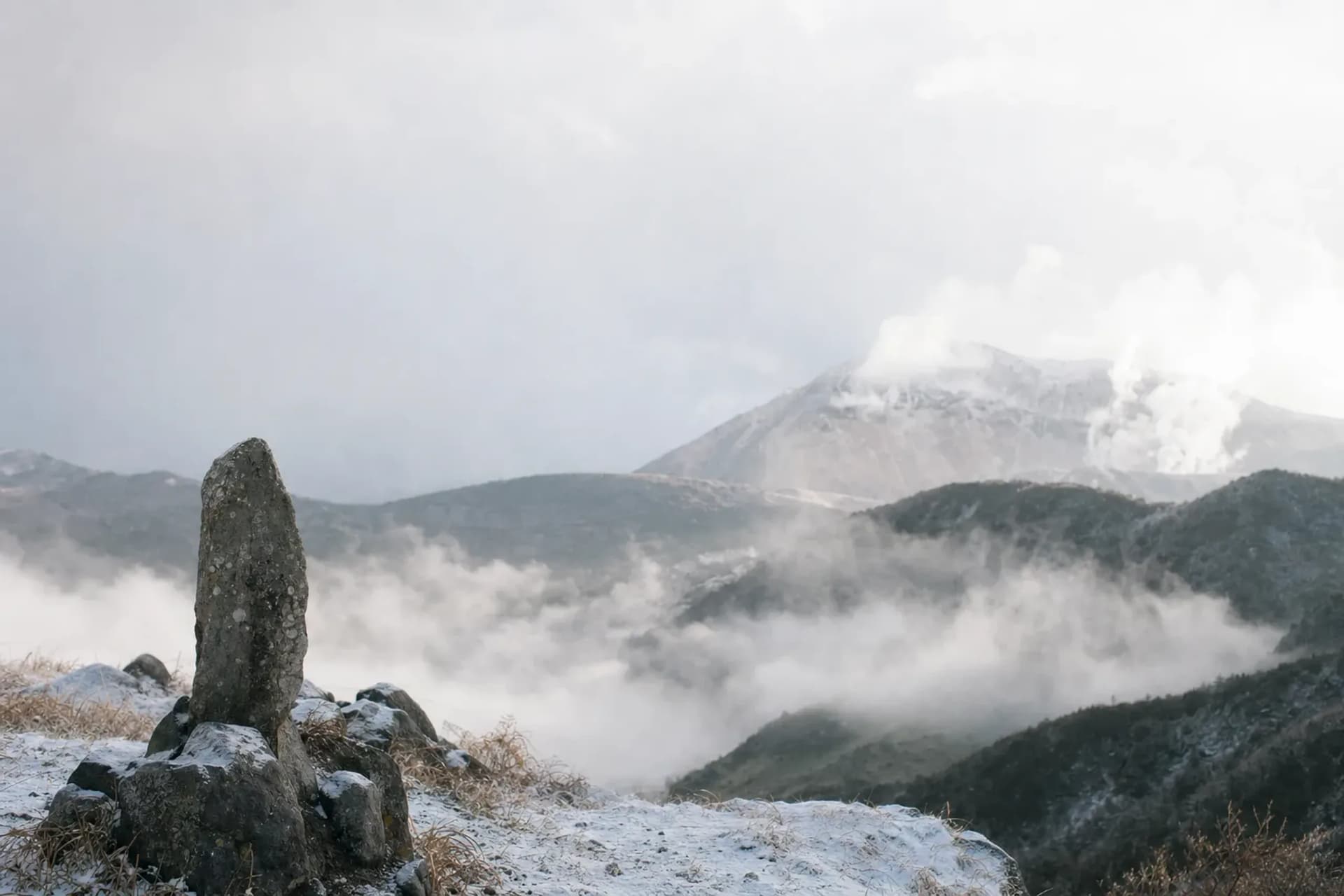
The mountain’s signature natural events are spring’s Miyama kirishima azaleas and winter’s delicate frost formations, known locally as “ice flowers.”
In summer, the reward is subtler: shade on the trails, steam lifting through green leaves, and the quiet sense that the earth here is still active, still writing its own timeline.
For many HNW travelers, the problem is not interest.
It is execution.
Unzen sits within a national park, governed by road gate times, ropeway schedules, and weather-sensitive visibility.
A generic Kyushu itinerary often rushes this area, or reduces it to a quick photo stop.
Our team at Japan Royal Service designs the pacing so Unzen feels like a destination in its own right, not a detour between larger plans.
How Recent Is Heisei Shinzan, And Why Does It Matter When You Visit Unzen?
Heisei Shinzan became the highest peak of Unzen after Mount Fugen reactivated in November 1990 and a lava dome began forming in May 1991, with major pyroclastic flows continuing until 1995.
That single sentence changes how you look at the ridgeline.
This mountain did not exist before 1990.
Many people alive today still remember the news footage, the falling ash, and the fear.
Mount Fugen reactivated in November 1990, after 198 years of dormancy.
A lava dome began forming in May 1991, and successive dome collapses drove dangerous pyroclastic flows.
On 3 June 1991, a major pyroclastic flow killed 43 people—journalists, scientists, and emergency personnel who had gathered at a point believed safe to observe.
Later, on 8 June 1991, a pyroclastic flow traveled nearly 5.5km and destroyed 207 buildings; because evacuations had been completed beforehand, that specific flow caused no deaths.
A further pyroclastic flow in June 1993 claimed one additional life.
In total, the eruptive period produced thousands of recorded pyroclastic flows before an official end-of-eruption declaration in 1995.
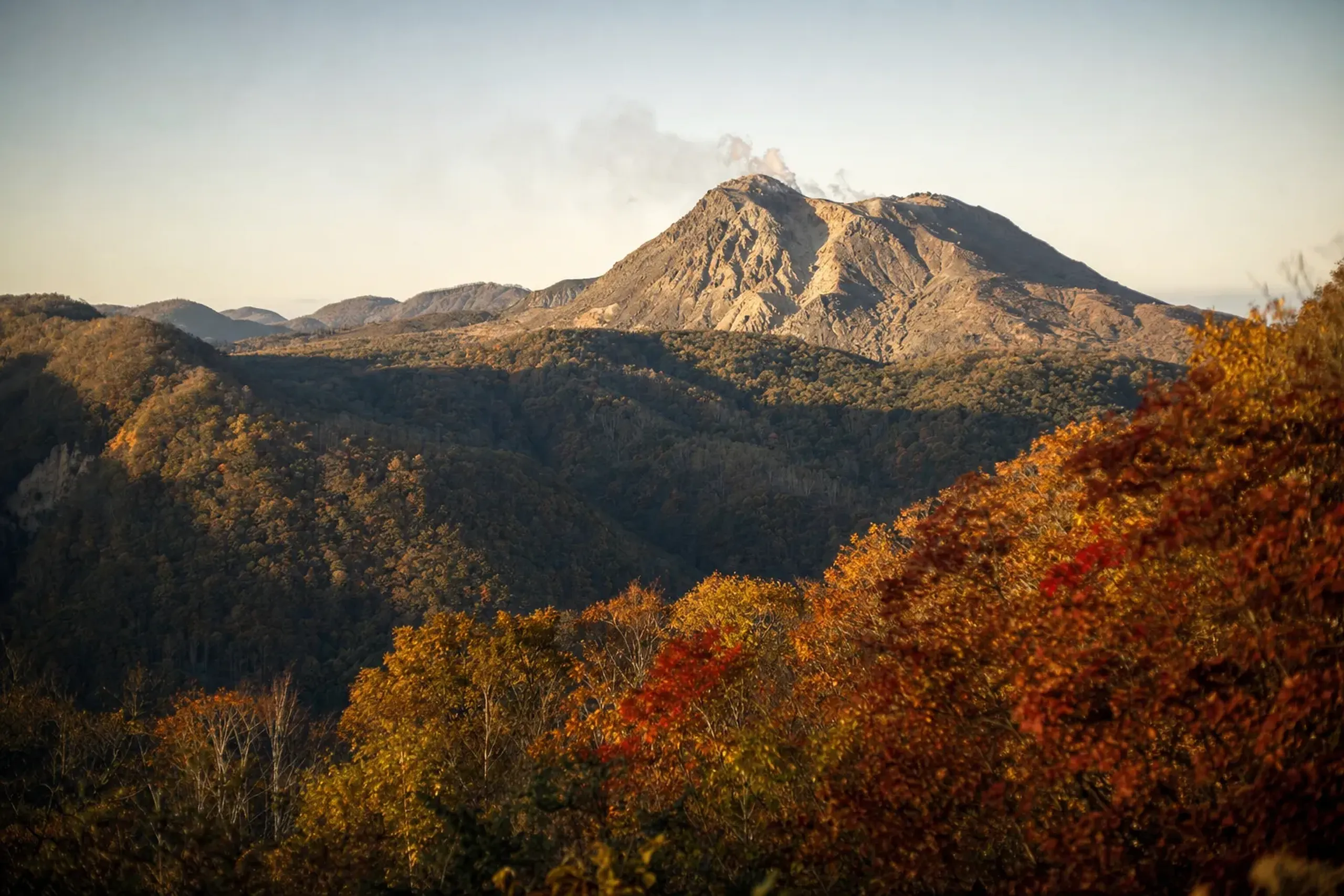
The peak you see today is the solidified dome itself, rising to 1,483 metres.
It is geologically young. Emotionally, it remains very close.
Key fact: Pyroclastic flows during the 1990–1995 eruption reached roughly 300–400°C and traveled at speeds up to about 100km/h; this is why viewing points and closures must always be respected.
The 1991 Eruption Memorials: How To Pay Respect Without Turning It Into A “Stop”
Shimabara City observes 3 June as “Inori no Hi,” a Day of Prayer, and a memorial monument stands in a park near the affected area.
It is not a place for hurried selfies.
It is a place to be quiet, to read what is written, and to allow space for other people’s grief.
When we route a summer visit, we deliberately separate the memorial time from the scenic time, so the day never feels careless.
If your travel dates fall close to 3 June, expect a different atmosphere in the area.
There may be local observances and a stronger sense of shared memory.
We suggest building your schedule with extra margin, so you are never watching the clock.
Silence, here, is part of the etiquette.
Unzen Jigoku And The Christian Martyrdoms (1627–1631): What Visitors Should Know
Between 1627 and 1631, Christians were tortured and executed at Unzen’s hot spring “hells” for refusing to recant their faith. The site is recognized today as a Vatican pilgrimage location within a UNESCO World Heritage designation for hidden Christian heritage in the Nagasaki region.
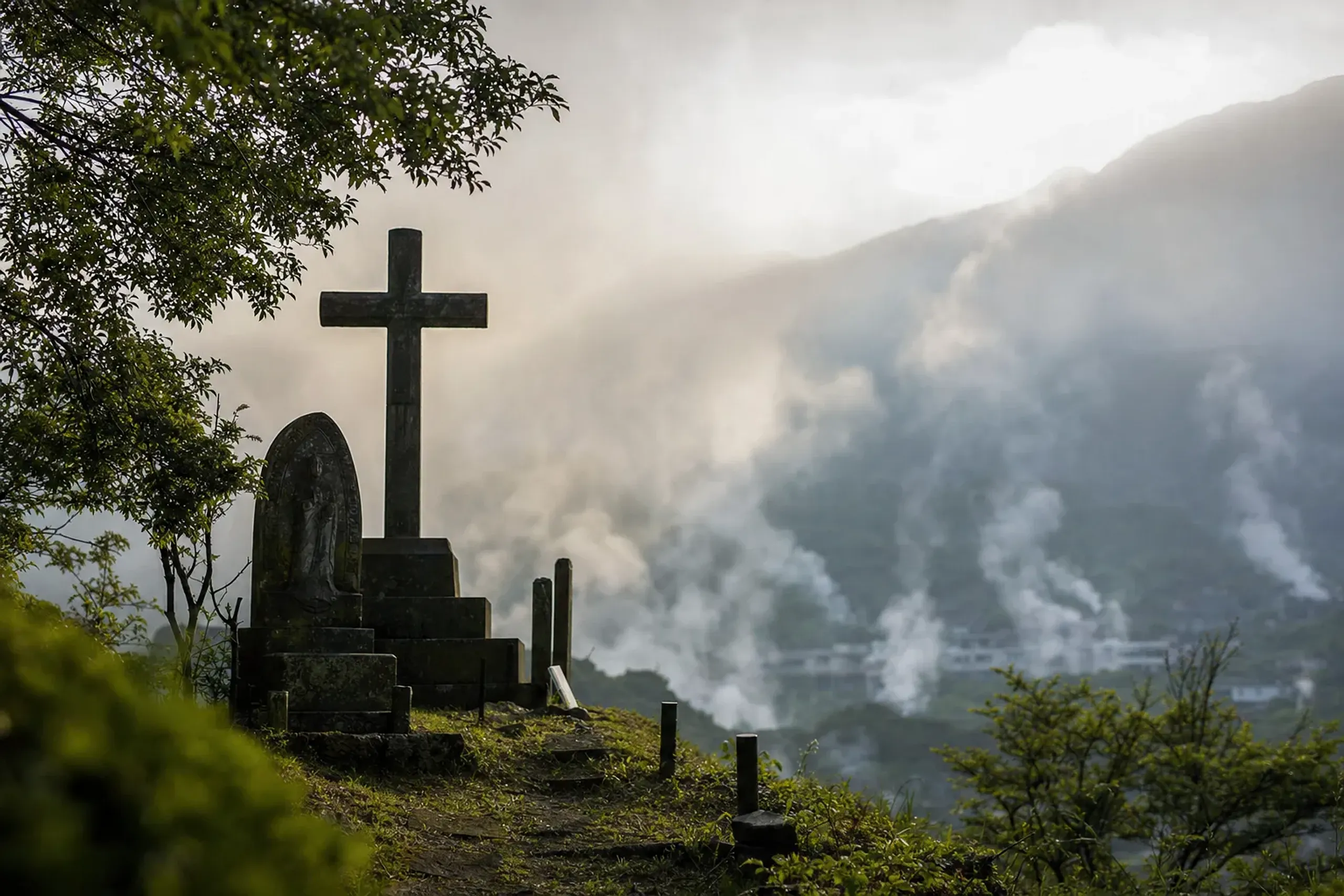
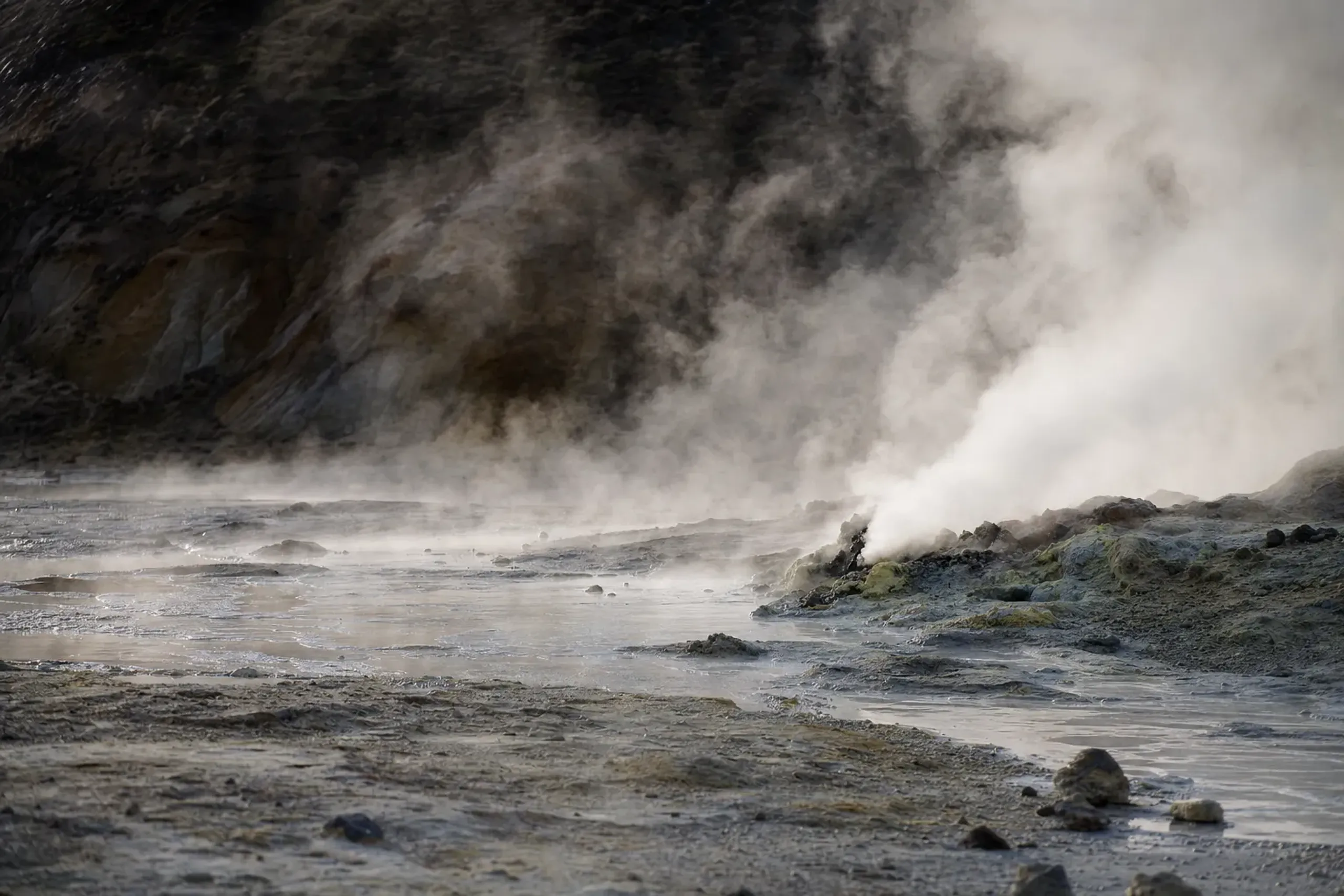
Unzen Jigoku is, first, a natural feature: steaming vents, sulfurous air, boiling water rising from the earth.
It is also, separately, a documented site of persecution.
Both truths stand at the same coordinates.
A memorial cross and monument rise on a knoll overlooking the hells, dedicated to the martyrs.
An annual memorial pilgrimage, organized by the Catholic Archdiocese of Nagasaki, takes place each May.
The history includes named victims, among them a father and his three sons, the youngest only five years old.
We do not describe these events as a curiosity, and we never ask guests to perform emotion.
So how should you visit?
Walk slowly. Read what is on-site. Speak quietly.
If you wish to engage more deeply, we recommend approaching it in the spirit of a memorial visit rather than a “spot” to be ticked off.
Good taste here is simply restraint—the quiet dignity of wabi, carried into how you move through a place.
What Is Unzen Like In Summer (And What It Is Not)?
Unzen’s summer character is fresh green mountain foliage and cooler highland air—not the Miyama kirishima azalea bloom, which is strictly a spring phenomenon.
Summer is the season of breathing room.
The light lingers longer, and the slopes look newly washed after rain.
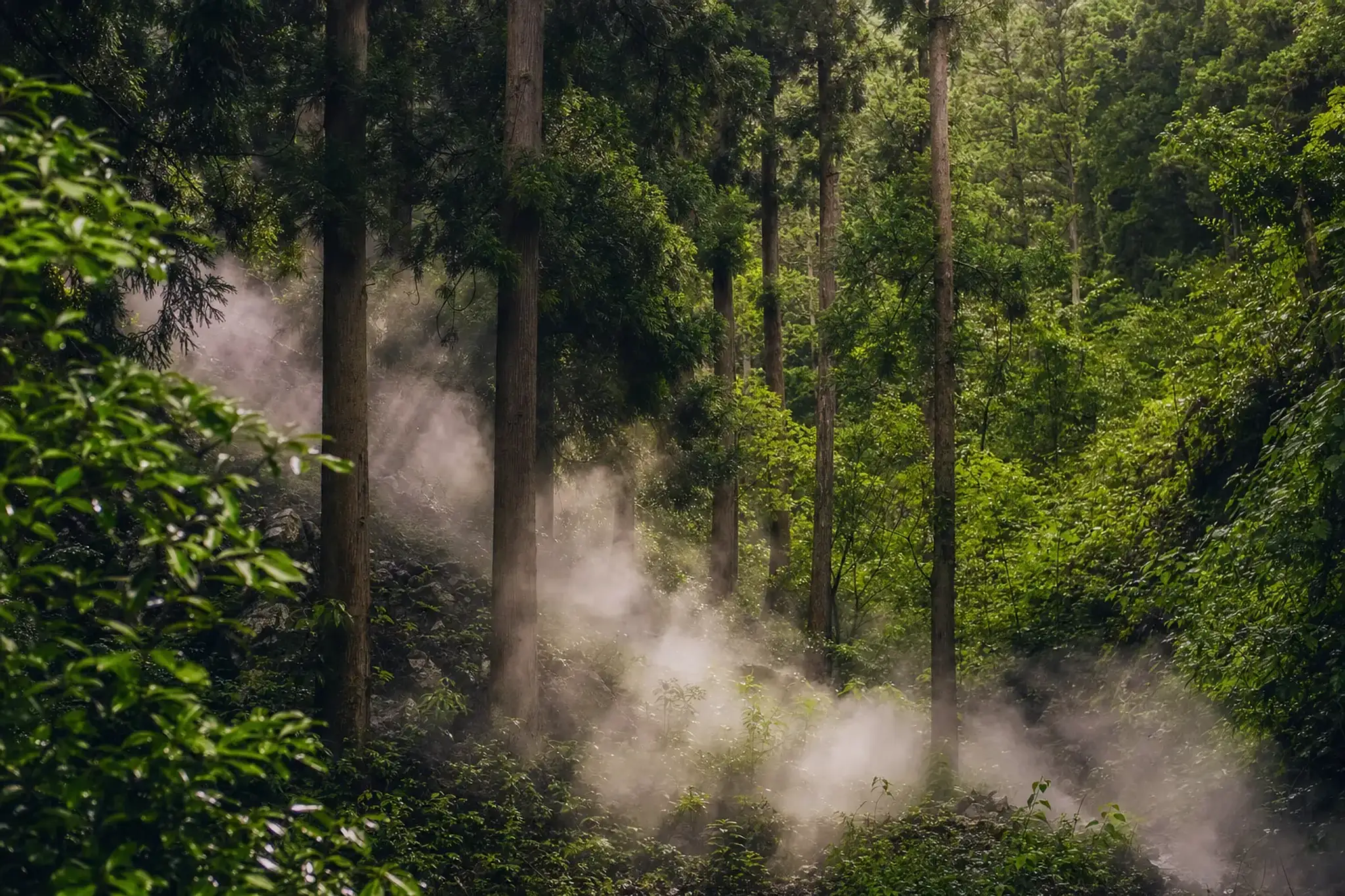
Steam drifting through cedar and broadleaf green feels almost like a weather system of its own.
Spring is when the mountain’s famous Miyama kirishima azaleas appear at elevations above roughly 700 metres.
Bloom timing can vary by elevation, and it is entirely possible to see flowers open at a lower trailhead while the summit remains in bud on the same day.
That detail matters, because it reveals how quickly conditions shift here—the very essence of shun, the Japanese sense of perfect timing that knowing Unzen rewards.
In summer, trade the flower-chasing mindset for a cooler-climate one: early starts, shaded walks, and time in onsen at sensible temperatures.
How Do You Plan Nita Pass And The Unzen Ropeway In Summer?
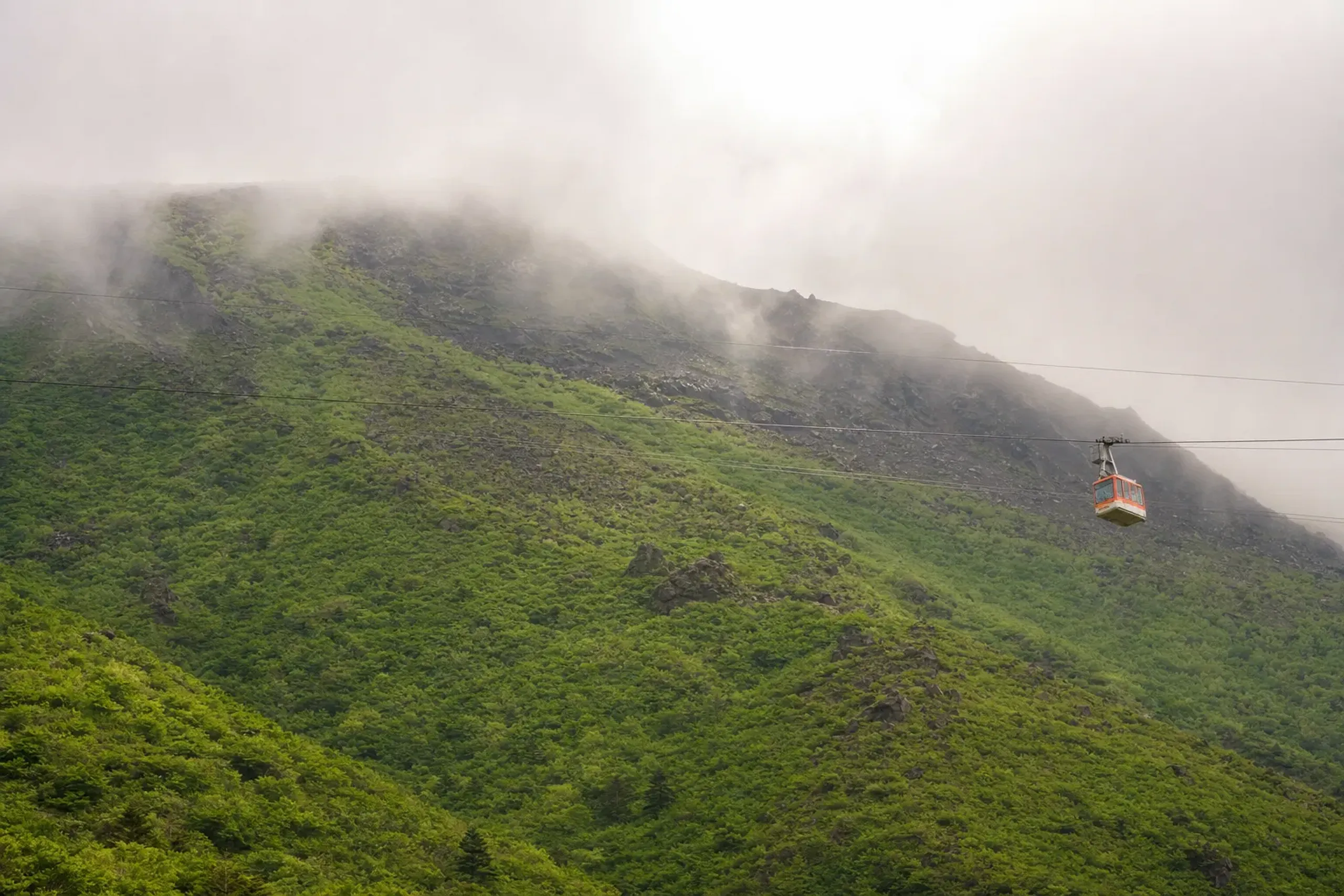
In the ropeway’s published summer season (Apr 1–Oct 31), the Unzen Ropeway begins service at 8:51 with the last uphill departure at 17:03, while the Nita Pass loop road summer gate hours run 8:00–18:00 (with the downhill gate locked at 18:45).
Those numbers are the spine of a well-timed day.
Miss them, and the mountain becomes stressful.
Use them, and Unzen becomes calm.
Nita Pass is the main scenic viewpoint for Mount Fugen and Heisei Shinzan, reached by the one-way loop road.
From there, the ropeway climbs toward Mount Myoken for panoramic views, and you can trace the paths of the 1991 pyroclastic flows across the wider landscape.
On clear days, the geography reads like a map.
On misty days, it reads like a story.
A Summer Day Pacing We Often Recommend (24–48 Hours In Unzen)
Good pacing in Unzen is not complicated.
It simply requires discipline.
Our concierge usually suggests anchoring the day around the ropeway hours, then placing Unzen Jigoku either before the climb (in the cool of morning) or after (in the late afternoon).
Short segments win here.
You do not want to sprint at altitude in summer humidity.
- 08:30 Depart your accommodation or arrival point with buffer for road conditions.
- 09:00–11:30 Nita Pass + ropeway + viewpoints around Mount Myoken (weather permitting).
- 12:00–13:30 Lunch in Unzen Onsen town at an unhurried pace.
- 14:00–15:30 Unzen Jigoku walk, with time for the memorial cross and monument.
- Late afternoon Onsen time; summer is when neutral-temperature bathing can feel especially sensible.
This outline is not a promise of access or conditions.
Volcanic mountain weather changes quickly.
Our team privately verifies current ropeway operation, trail conditions, and any seasonal event scheduling for your exact dates before you travel.
That verification is part of what HNW guests value most: fewer surprises, fewer awkward pivots.
A “Cool-Summer Onsen” Approach: How Unzen Works Even In July And August
Unzen Onsen has long been cherished as a summer retreat thanks to its cooler mountain climate, and modern operators now describe comfort-forward bathing approaches such as neutral-temperature outdoor baths set around 35–36°C.
Many luxury travelers hesitate at the idea of onsen in summer. Fair enough.
Unzen is one of the places that answers that hesitation without forcing a narrative.
The air is often cooler than the lowlands, and the town’s rhythm invites earlier mornings and slower afternoons.
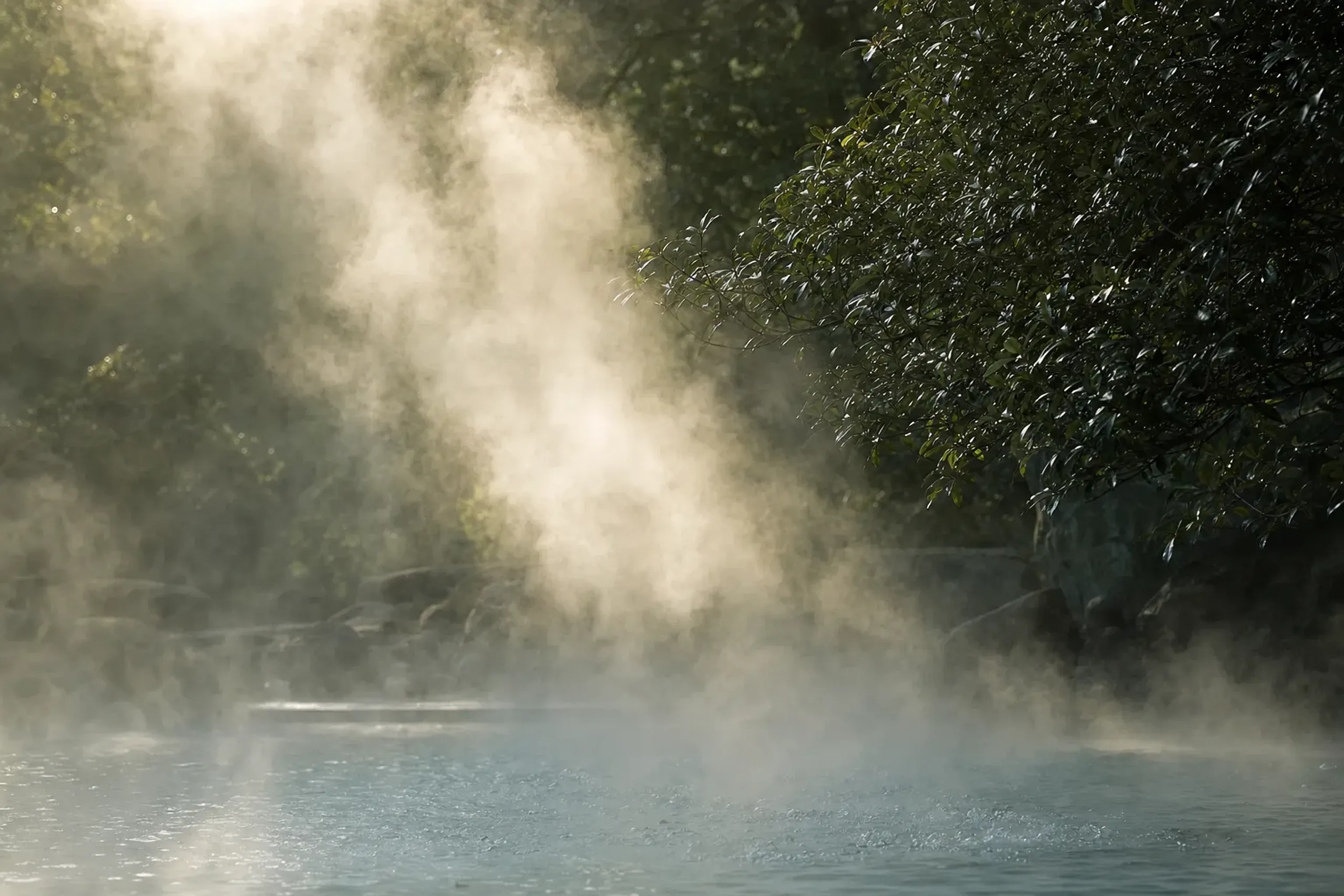
Some properties publish specific summer comfort concepts, including the idea of “neutral temperature” outdoor bathing around 35–36°C.
It is a small detail with a surprisingly large effect.
Your body relaxes without ever feeling challenged.
For HNW travelers balancing Japan with a demanding calendar, that kind of comfort is not indulgence. It is maintenance—the quiet, anticipatory care that defines true hospitality.
Discretion And “Hidden-Japan” In Unzen: Quiet Choices That Change The Trip
In Unzen, discreet luxury is less about adding activities and more about removing friction: private timing, minimal waiting, and places chosen for atmosphere rather than online fame.
Here is what our clients tend to dislike.
Crowd funnels, loud group pacing, and the sense that the day was designed for someone else’s checklist.
Unzen can be the exact opposite, when planned with intent.
We bring a discretion-first mindset to Kyushu in the same way we do in Tokyo or Kyoto.
Guest identity stays confidential, and itineraries are shared only with those who strictly need them.
In a small onsen town, that matters far more than people assume.
Privacy is not a performance. It is a habit.
“Hidden-Japan” in Unzen is not about inventing secret places for marketing copy.
It is about the tone of the day: choosing viewpoints at the right hour, taking the longer route if it grants you silence, and letting the geothermal landscape speak without background noise.
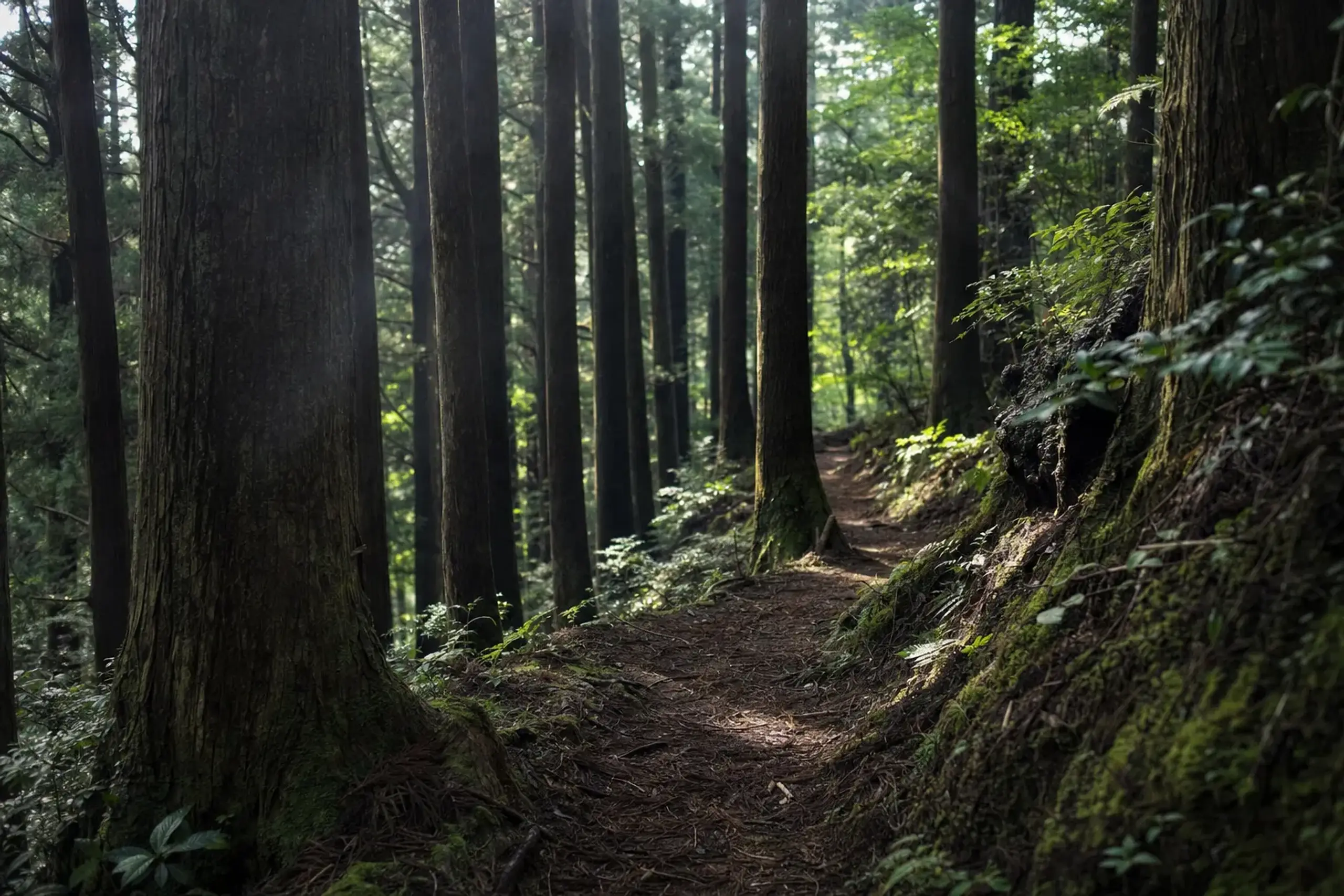
Sometimes it comes down to a single bench in the shade—moss-covered stone and quiet.
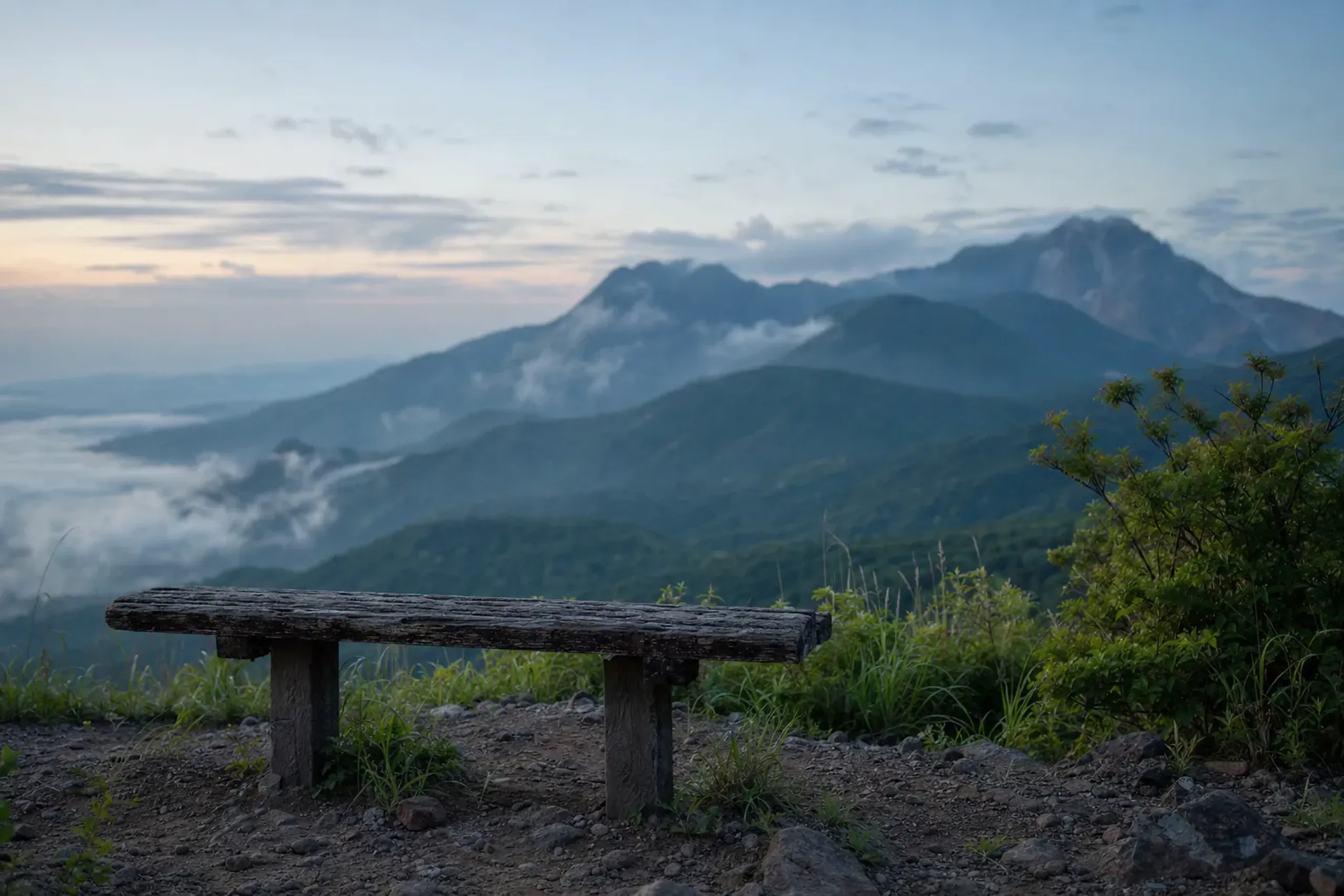
That can be more than enough.
Shokunin Encounters In Nagasaki: Craft As A Counterweight To Volcano Time
Kyushu holds deep craft traditions, and in Nagasaki Prefecture you can shape a day around shokunin work that rewards patience and close attention.
Volcano landscapes can feel vast, almost beyond human scale.
Craft brings the scale back down to the human hand.
That shift is quietly restorative after the heavier histories Unzen holds.
We keep this part precise and real.
Rather than naming workshops that may not accept outside visitors, our concierge team proposes options based on your dates, language needs, and the kind of making you genuinely care about.
Wood, ceramics, metal, paper.
Then we guide you privately on what is possible—and what is not—for that specific week. These are introductions, not bookings; the difference is everything.
Practical Access: Getting To Unzen Without Turning The Day Into Logistics
Unzen is commonly reached via Nagasaki-area gateways and the Shimabara Peninsula. Published travel references include an express bus ride of about 100 minutes from Nagasaki Station to Unzen, though schedules should always be verified for your travel day.
Public transport can work.
But it can also compress your day into someone else’s timetable—especially when you want to align Nita Pass gate hours with ropeway operations.
For HNW travelers, that trade-off rarely feels like the smart choice.
When our guests use a private transportation plan, the point is never status.
It is control.
A clean departure time, a calm arrival, and the freedom to wait out fog for twenty minutes because the mountain is worth it.
In summer, that flexibility can be the difference between “we saw it” and “we felt it.”
Suggested Minimum Stay Length
If you can spare it, give Unzen one night.
Two is better still.
A day trip tends to compress the ropeway, the jigoku walk, and the onsen into a narrow corridor.
The town, after all, is built for evenings.
What Japan Royal Service Coordinates In Unzen (Plainly, Once)
Japan Royal Service coordinates guiding, transfers, and onsen accommodation in Unzen as part of a discreet, tailor-made journey planned privately with our concierge.
That is the practical core.
Everything else is refinement: pace, timing, and the people you meet along the way.
We also build contingency plans for weather, because mountains keep their own schedule.
If you are combining Unzen with other Nagasaki Prefecture destinations, we keep the transitions gentle.
One region, many different moods.
Begin Planning Your Quiet Summer In Unzen
Unzen rewards those who arrive with patience, discretion, and a willingness to let the landscape set the pace.
If this is the version of Kyushu you have been looking for—young mountains, quiet histories, and a private day shaped entirely around you—we would be glad to help you build it.
To begin a confidential conversation about your dates and preferences, contact us here.