In this guide
- 01Why A Wagyu Journey Should Start Before The Table
- 02What Is Wagyu In Japan, Exactly?
- 03How Do Kobe, Matsusaka, And Omi Wagyu Differ In Real Life?
- 04Kobe Wagyu (Hyogo): The Name Everyone Knows, The Lineage Few Understand
- 05Matsusaka Wagyu (Mie): Individual Attention As A Reputation, Not A Marketing Trick
- 06Omi Wagyu (Shiga): History, Balance, And The Kind Of Delicious That Doesn’t Shout
- 07Why The Butcher Stage Is Its Own Shokunin Craft
- 08Chef’s Table Wagyu: The Culmination, Not The Beginning
- 09What Does “A5 Wagyu” Actually Mean In Japan?
- 10How To Build A Three-Region Wagyu Itinerary Without Burning Out Your Palate
- 11What Standard Wagyu Tourism Usually Misses (And What Changes When Access Goes Deeper)
- 12How Japan Royal Service Compares To Quintessentially, InsideJapan Tours, And Remote Lands For Wagyu-Focused Travel
- 13Begin Your Own Farm-To-Table Wagyu Journey
- 14Frequently Asked Questions
You had an impressive wagyu dinner in Japan. It was rich, quiet, and perfectly timed. Then you realized something. You had no idea where that beef came from, or why it tasted the way it did.
Why A Wagyu Journey Should Start Before The Table
Most travelers meet wagyu at the very last step: a menu. That can be deeply satisfying, but it is also the easiest part of the experience to purchase. A chef’s table meal is reachable if you plan well and know whom to ask.
Farm access is a different order of thing entirely. It is not designed for visitors, and it is rarely “tour-ready.” When you stand inside a working cattle facility, you hear gates, fans, and the low, unhurried routine of care. It reframes the meal as an outcome, not an event—the final line of a long story rather than the whole of it.
Our team at Japan Royal Service builds wagyu journeys in the correct order: farm, then butcher, then table. That sequence is the point. It is also where the real differences between regions finally become legible to the palate and the eye.
We keep the tone restrained throughout. Think wabi-sabi rather than spectacle. The value lives in the plain, watchful details you would miss on a dining-only trip.
What Is Wagyu In Japan, Exactly?
In Japanese tourism and trade materials, “wagyu” commonly refers to beef from four Japanese cattle breeds—Japanese Black, Japanese Brown, Japanese Shorthorn, and Japanese Polled—and their crossbreeds.
This matters because many menus abroad use “wagyu” as little more than a texture word. In Japan, the term is anchored to specific breeds and systems. It is still a broad umbrella, but it is never vague.
When we design a journey, we begin with a single question—what do you most want to learn?
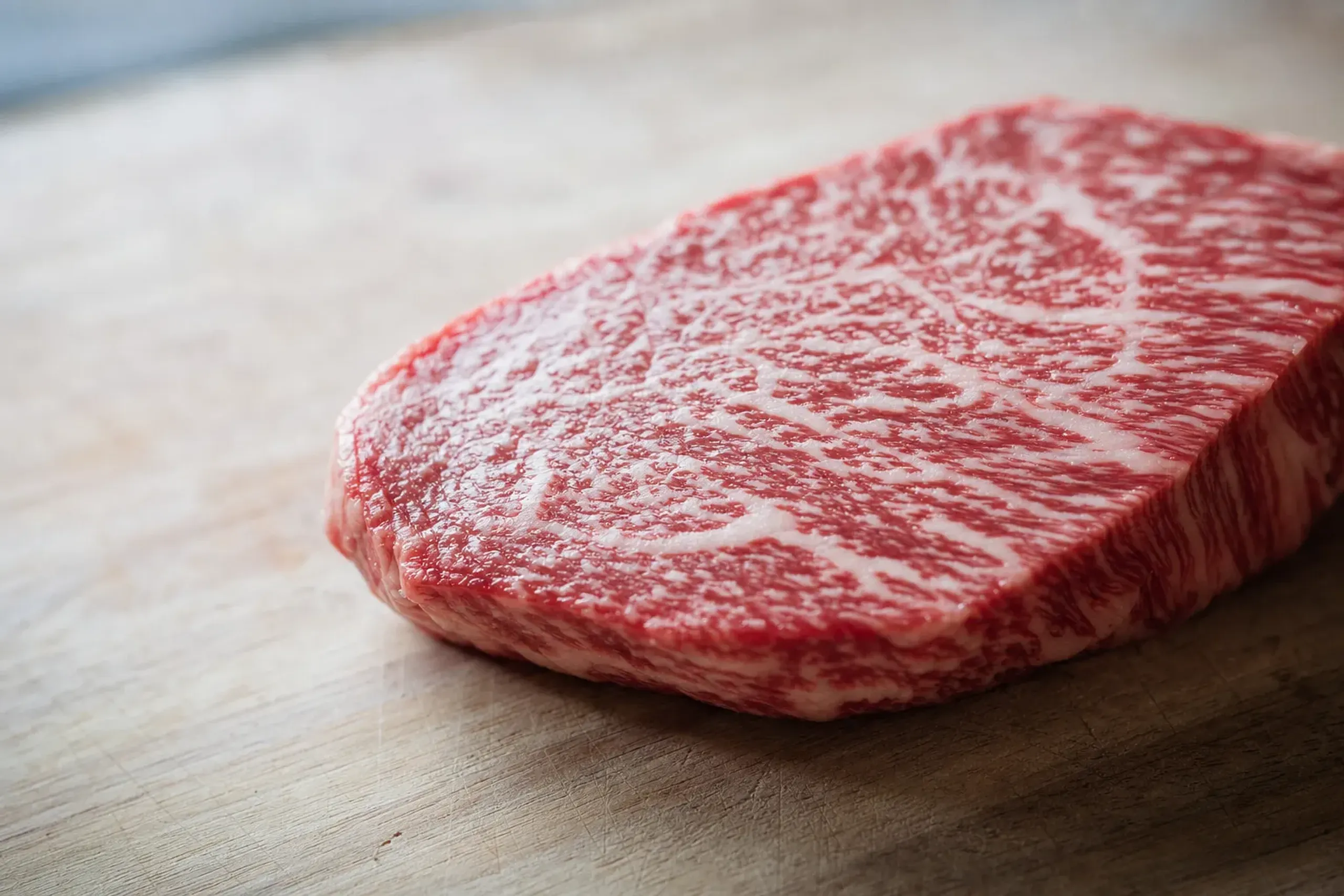
Provenance? Husbandry? Cut selection? Or simply a calmer way to enjoy a great meal without guesswork? Your answer shapes the entire route.
How Do Kobe, Matsusaka, And Omi Wagyu Differ In Real Life?
Kobe is the most globally recognized, Matsusaka is associated with intensely attentive rearing, and Omi is known for its long tradition and quiet balance—yet the clearest differences emerge only when you compare farms, handling, and cooking styles side by side.
There is a catch worth naming. None of these regions is perfectly uniform. Producer choices matter enormously, and two farms in the same area can yield very different eating character.
That is why a three-region comparison works best as a “method,” not a contest. You are training your palate and your eye at once. Subtlety, not spectacle, is what wins here.
For HNW travelers, this is also the most efficient form of luxury: fewer meals, richer context, and far less second-guessing. Discretion helps too. A quiet schedule draws less attention and leaves more room for the experience itself.
Kobe Wagyu (Hyogo): The Name Everyone Knows, The Lineage Few Understand
Kobe beef is wagyu from the Tajima strain of Japanese Black cattle raised in Hyōgo Prefecture, under rules set by the Kobe Beef Marketing and Distribution Promotion Association.
The first thing to understand is simple. “Kobe” is not a casual label in Japan. It is a defined identity tied to lineage and location, and those rules are part of the story you taste.
On the plate, Kobe is often described as clean and aromatic, with a soft, quick melt.
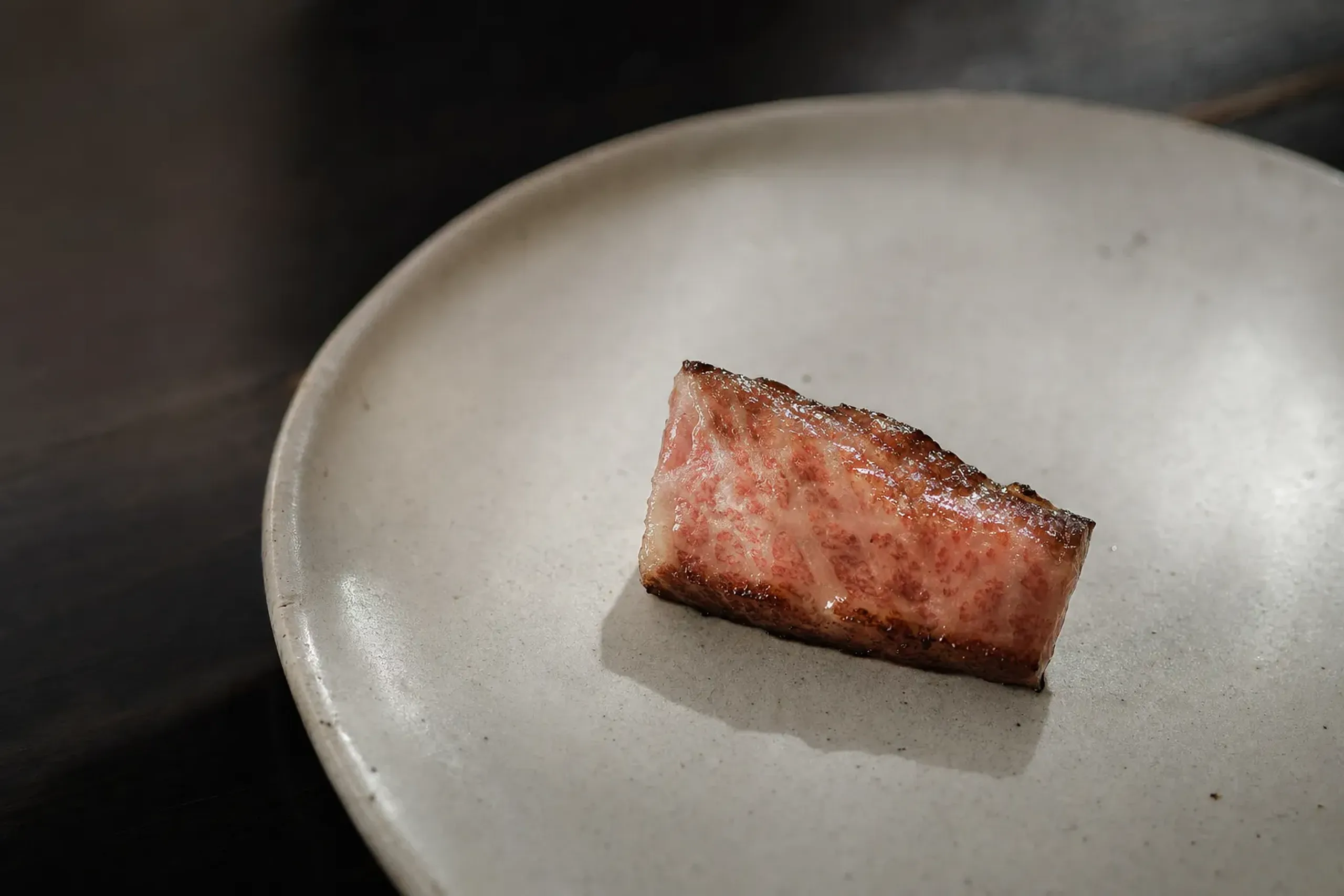
Sometimes it reads as surprisingly light for its marbling. Sometimes it comes across as silkier than expected. The point is never the stereotype—it is the clarity beneath it.
Farm access reality: Hyōgo is working agricultural terrain, not a theme park. Visits depend on relationships, timing, and the producer’s comfort. When it is possible, what you do is straightforward: observe cattle in their environment, listen to the farmer’s account of daily routines, and understand how calm handling and consistency later reveal themselves as texture on the plate.
What a visit typically involves:
- Arrival with a small party size and a low-profile approach
- A guided walk through the facility’s practical zones (not a curated “show room”)
- Time for questions about feed philosophy, stress management, and the unglamorous work
- A short, respectful close—these are workplaces first
This is where wabi-sabi fits most naturally. You are not looking for polish. You are looking for a truthful, restrained view of the conditions that produce a certain kind of beef.
Matsusaka Wagyu (Mie): Individual Attention As A Reputation, Not A Marketing Trick
Matsusaka wagyu is strongly associated with careful, individualized husbandry, and the region’s reputation only makes sense once you see the human time behind it.
A great deal of English-language content simply repeats “pampering” claims. Some may be true in certain cases; many are not verifiable, and they distract from what is genuinely impressive. The real headline is far simpler: attention costs time, and time changes outcomes.
On the plate, many diners experience Matsusaka as deeply flavored, with a round, lingering sweetness.
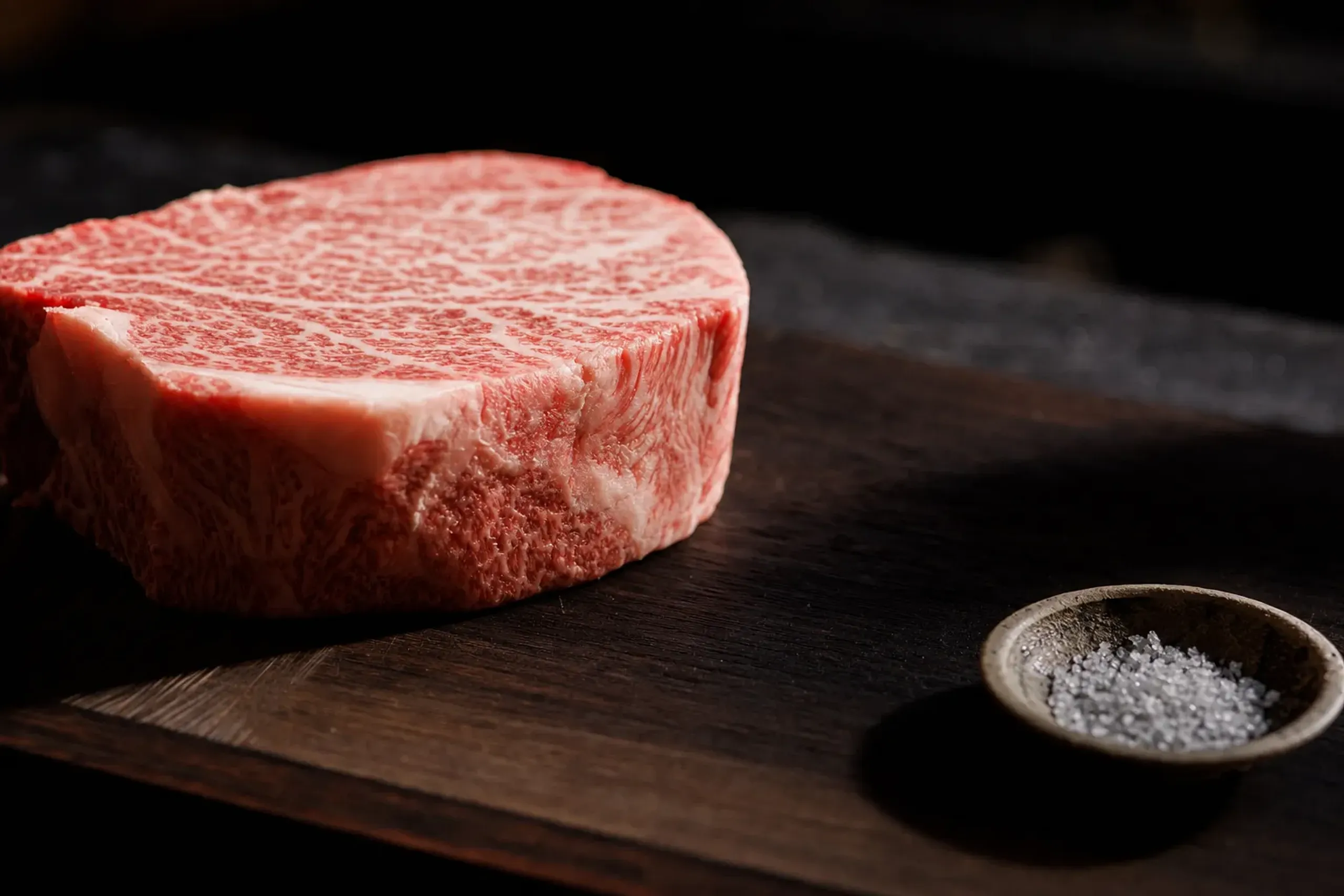
The fat can feel plush and generous. It can also feel almost too generous if you eat it without pacing.
Farm access reality: Mie’s cattle operations are not built around foot traffic. A serious visit is quiet and practical. You are there to understand decisions, not to collect photographs.
What a visit typically involves:
- Meeting the producer in a setting where the work continues around you
- Learning how small choices compound over months and years
- Discussing how cattle are observed day to day, and what “good condition” means in practice
For many HNW guests, Matsusaka becomes the turning point of the whole journey. It shifts the wagyu conversation from labels to labor—from the shokunin discipline of the farmer to the meal it eventually produces. That is the difference between consuming luxury and truly understanding it.
Omi Wagyu (Shiga): History, Balance, And The Kind Of Delicious That Doesn’t Shout
Omi wagyu is prized for heritage and balance, and it often rewards diners who want depth without spectacle.
Shiga is anchored by Lake Biwa, with a long agricultural rhythm circling its shores. The geography itself encourages a calmer pace—and that is a virtue. This is not a “two-hour detour” kind of region.
On the plate, many guests read Omi as steady and composed. The flavor tends to feel integrated rather than flashy. The fat can be quietly elegant when handled with restraint.
Farm access reality: As with the other regions, access here is not standard tourism. Even when a visit is possible, the tone stays serious. This is a living system, not content.
What a visit typically involves:
- A short briefing on the producer’s history and priorities
- Seeing how facilities are kept, and what “order” looks like on a working farm
- Time to connect what you saw with how you will taste later that night
This is “hidden Japan” in the most literal sense: places that do not advertise themselves to strangers.
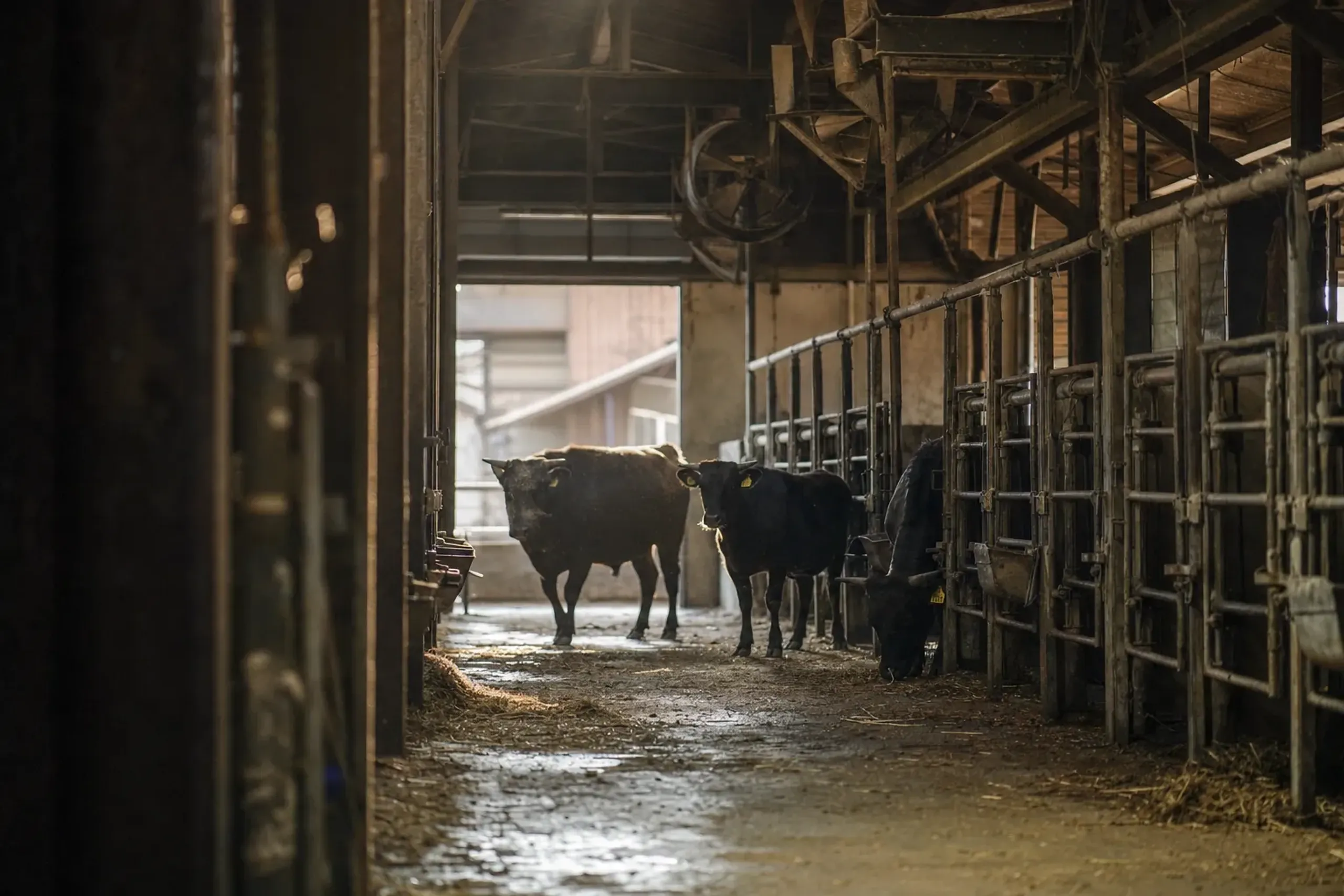
Not because they are secret. Because they are busy—and because entry comes through introduction, not a booking page.
Why The Butcher Stage Is Its Own Shokunin Craft
Butchery is a distinct craft from farming and cooking, and a skilled breakdown changes how wagyu tastes because it governs cut selection, trimming decisions, and how the fat is treated.
There is a sound you do not forget. Knife on board. A clean pull through connective tissue. A pause to consider grain direction. It is shokunin work at its purest—disciplined, repetitive, and oddly calming to witness. These are masters who rarely open their tables to outsiders, and watching one work is a privilege in itself.
This stage is where guests often discover what they have been missing. The “best” cut is not universal. It depends on your cooking method, your appetite, and what you want the beef to do.
If your last wagyu meal felt heavy, the butcher stage often explains why. Not as blame. As clarity.
Chef’s Table Wagyu: The Culmination, Not The Beginning
A chef’s table wagyu dinner is most meaningful when it arrives as the final step of a provenance story, because you taste with context and finally stop chasing labels.
Dining-only wagyu tourism often pushes you toward a single dramatic bite. A full journey does the opposite. It teaches pacing, temperature, and proportion.
In our experience, the most successful wagyu meals for HNW travelers share a few quiet traits.
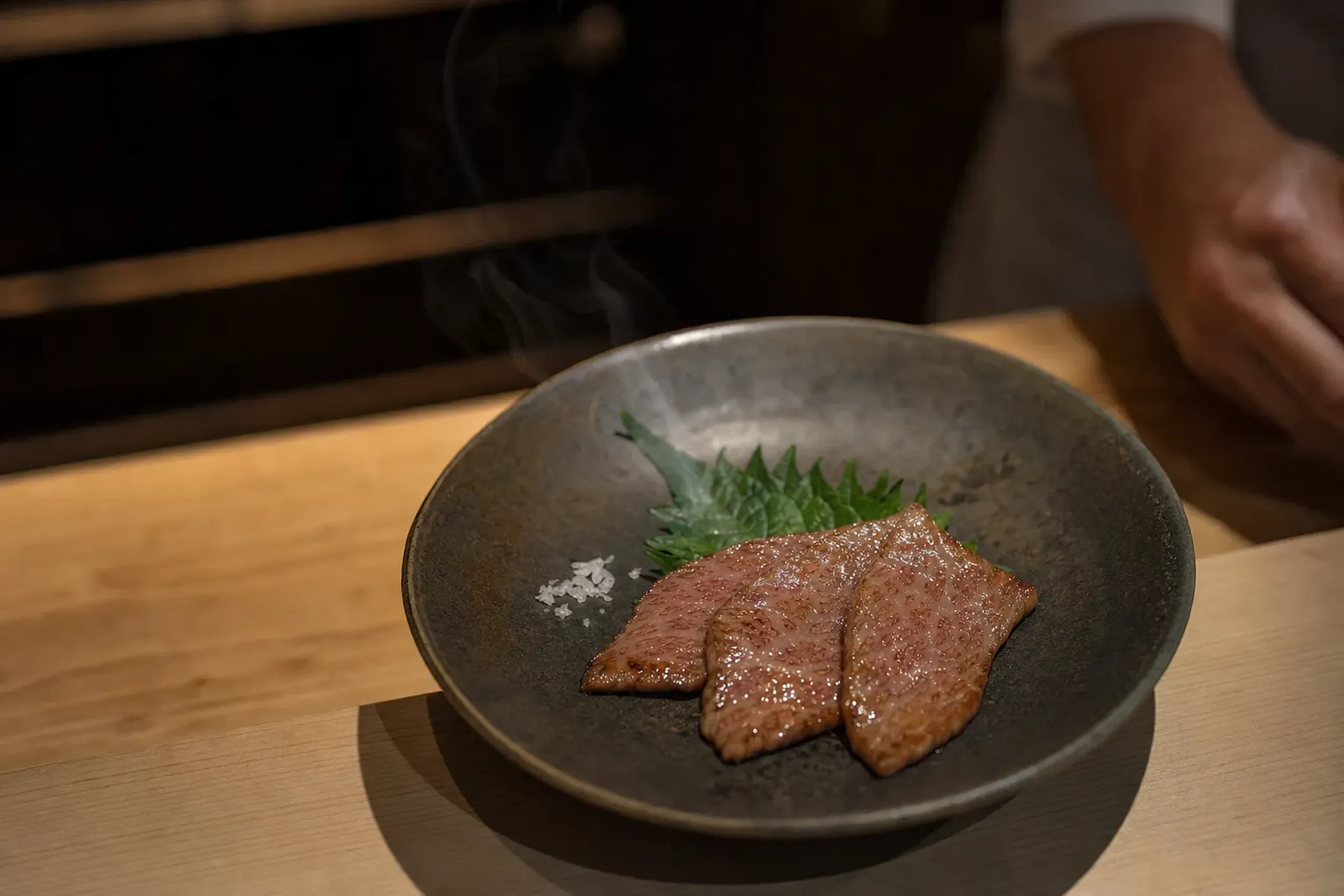
Smaller portions. More attention to heat. A sequence that keeps your palate awake from first bite to last.
If you would like a primer before you travel, we covered the broader farm-to-table logic here: Private Wagyu Farm Visits & Chef’s Table Tastings in Japan.
What Does “A5 Wagyu” Actually Mean In Japan?
In Japan, “A5” commonly signals top-tier wagyu grading, combining a yield grade (A–C) with a quality grade (1–5) that weighs factors such as marbling, color, texture, and fat quality.
That is enough to be genuinely useful. It tells you the label is not only about marbling. It also tells you “A5” is not a synonym for “best for you.” A top grade can still be the wrong match for your desired style or portion size.
For travel planning, the practical move is to treat grading as a starting clue, then ask better questions. What cut? What cooking method? What portion? What pace? Those choices shape your experience far more than a single label.
If you prefer a quieter, more balanced mouthfeel, you may find you enjoy a less intense cut or a different preparation altogether. Restraint is a valid preference. It is also, in the deepest sense, very Japanese.
How To Build A Three-Region Wagyu Itinerary Without Burning Out Your Palate
The cleanest plan is 3–5 days in Kansai, with two wagyu-focused days and one recovery day, so you can compare Kobe, Matsusaka, and Omi without turning every meal into a project.
This is where logistics quietly decide quality.
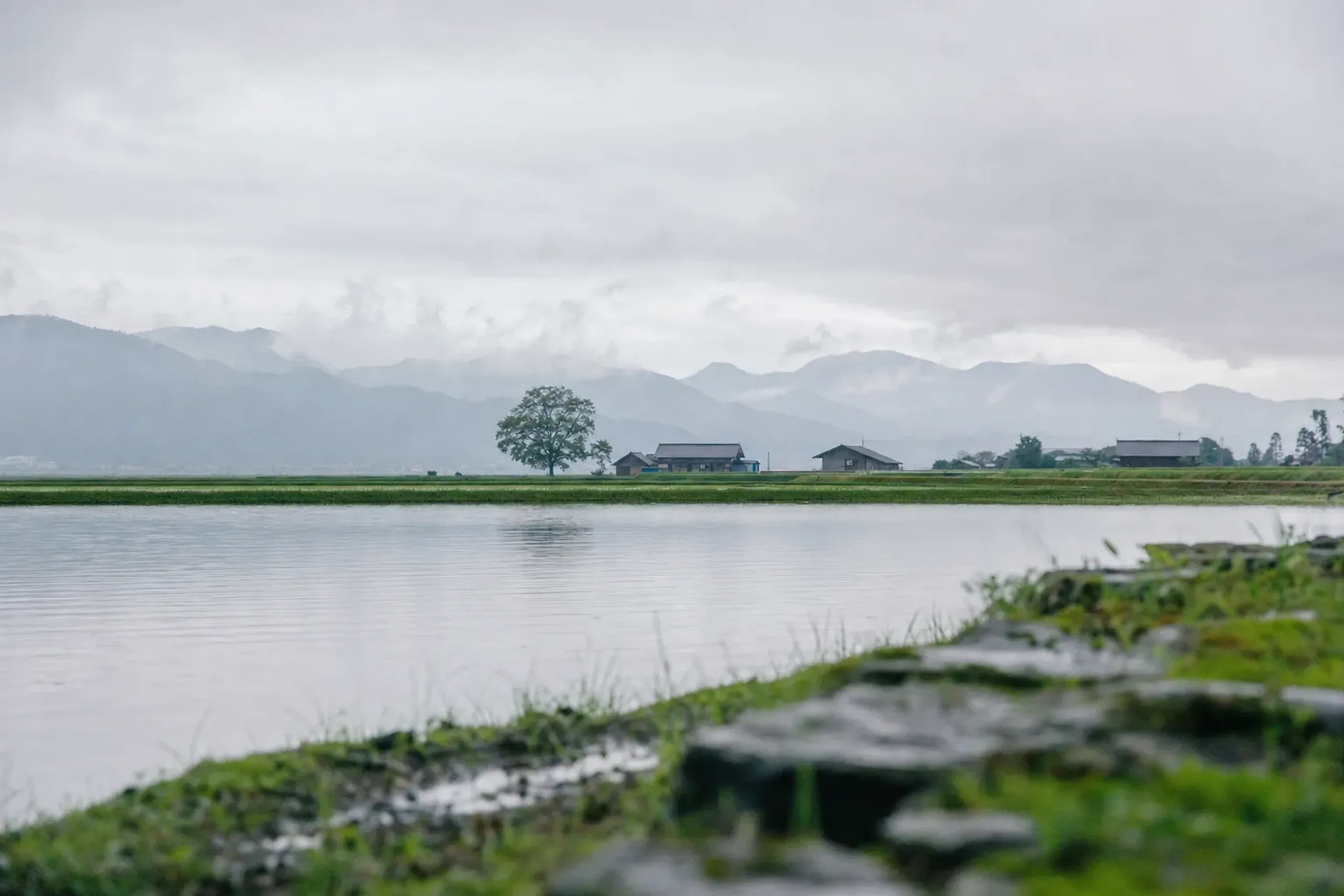
Distances are manageable, but timing matters. A farm visit has a different cadence than a lunch reservation, and a butcher demonstration deserves a fresh, attentive mind.
We often design the week so that each region receives the same structure. Farm first. Then butchery. Then dinner. Your notes become directly comparable—region against region, choice against choice.
One workable rhythm (example):
- Day 1 (Osaka or Kyoto base): arrival, light dinner, early night
- Day 2 (Kobe/Hyōgo): farm visit window, then a focused dinner
- Day 3 (Reset day): temples, gardens, or a long walk—keep the food simple
- Day 4 (Shiga): Omi learning day plus dinner with a different cooking style
- Day 5 (Mie): Matsusaka day, then a final chef’s table-style meal
Want the most discreet version of all? Use private transportation with a consistent driver, timed entries, and minimal lobby exposure. Our guide to chauffeured travel explains the vehicle standards and why they matter so much on food-focused days, when arriving unhurried and unnoticed is part of the pleasure.
And if you are folding this into a longer tailor-made itinerary, keep wagyu as one chapter. Not the entire book.
What Standard Wagyu Tourism Usually Misses (And What Changes When Access Goes Deeper)
Many wagyu experiences stop at a restaurant booking, because that is the easiest part to sell and the hardest part for a traveler to audit.
A deeper journey adds two missing layers. First, the producer reality: the environment, the routine, and the decisions that never fit in a brochure. Second, the knife work: how the animal becomes cuts, and how those cuts become a meal that feels composed rather than overwhelming.
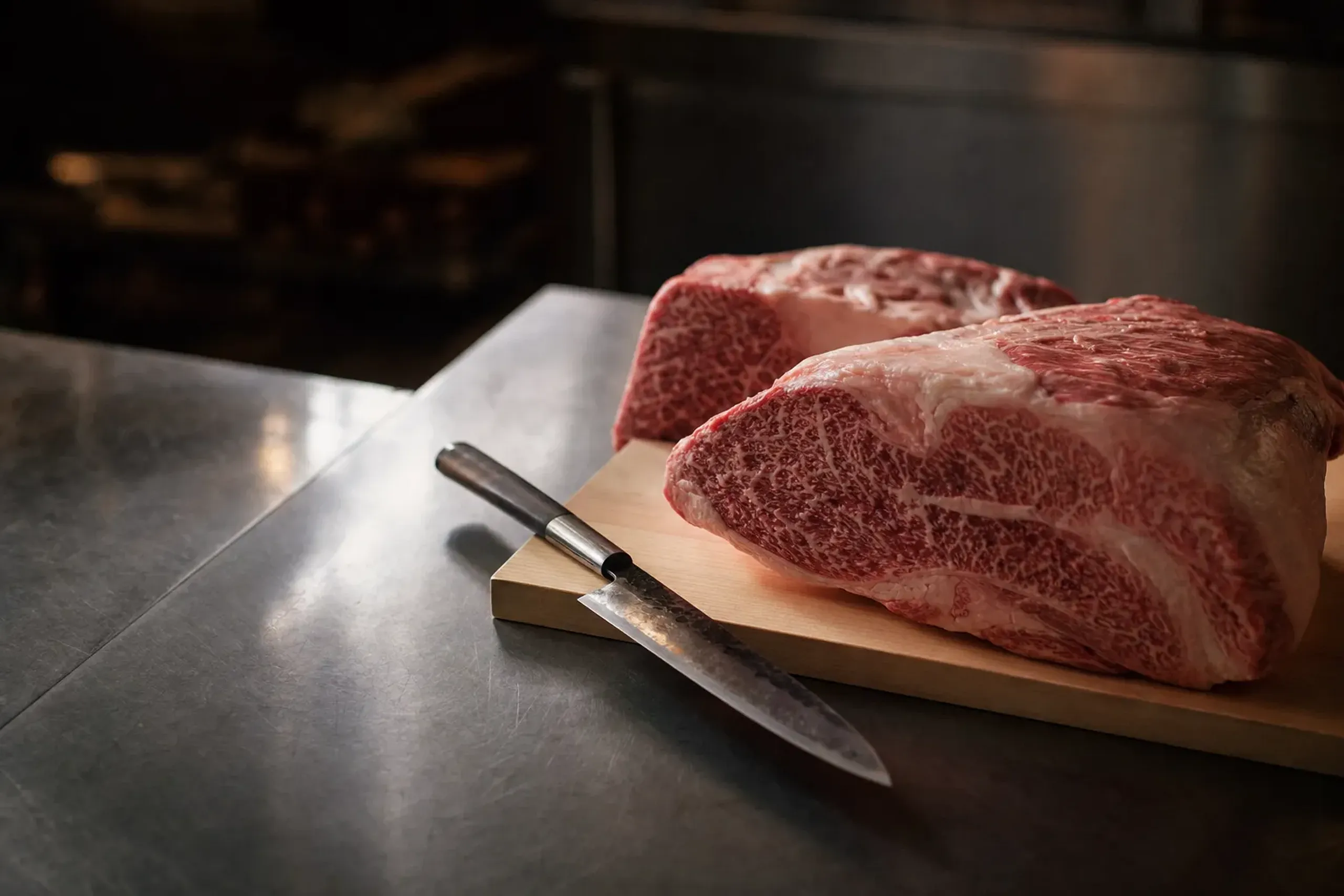
There is also discretion, which we treat as non-negotiable. We plan quietly, keep group sizes small, and never turn a working farm into a backdrop. That is simply better manners. It also produces far better conversations—and total confidentiality of your identity and itinerary throughout.
If you are curious about how we think about craft journeys in general—the idea of “following the material” from source to finished object—our team applies a similar mental model across Japan. The wagyu version is simply the edible one.
How Japan Royal Service Compares To Quintessentially, InsideJapan Tours, And Remote Lands For Wagyu-Focused Travel
Japan Royal Service tends to suit HNW travelers who want a tightly controlled wagyu itinerary with genuine discretion and source-to-table learning, while larger global concierge brands and tour operators often emphasize broader trip packaging over agricultural access.
There is nothing wrong with a polished, general luxury itinerary. For wagyu, though, the details are the value. The farm is not a “stop.” It is the premise.
When guests come to us after browsing Quintessentially, InsideJapan Tours, Remote Lands, Windows to Japan, or Boutique Japan, they usually say the same thing. They found dining suggestions. They did not find a method for verifying what they were eating, or a serious plan for source access.
Our approach is quieter and more specific. Wabi-sabi over theater. Shokunin respect at the butcher’s block. Hidden Japan where introductions—not bookings—open the door.
Begin Your Own Farm-To-Table Wagyu Journey
A three-region wagyu journey is not something you assemble from a search engine. It is built on relationships, timing, and the kind of quiet access that takes years to earn. If you would like to compare Kobe, Matsusaka, and Omi the way a connoisseur does—farm, then butcher, then table—contact us here to begin a private, tailored conversation. We will listen first, then design a journey that is entirely your own.
Frequently Asked Questions
Is A Wagyu Farm Visit In Kobe, Matsusaka, Or Omi A Normal Tourist Activity?
No—working wagyu farms are not designed for visitors, and access typically depends on relationships, timing, and the producer’s comfort with hosting small parties.