In this guide
- 01What The Kumano Kodo Is (And Why It Is Not “Just A Hike”)
- 02What “Supported Walking” Actually Means (Without Pretending The Trail Is Private)
- 03Choose Your Route: Nakahechi, Kohechi, Ohechi, Iseji (And One Route We Do Not Recommend)
- 04The Accommodation Reality: Minshuku, Guesthouses, Shared Baths
- 05When To Go: Seasons, Leeches, Typhoons, And Slick Stone Steps
- 06Distances And Terrain: Honest Numbers You Can Self-Select Against
- 07The Kumano Sanzan: How To Visit The Three Grand Shrines With Respect
- 08Yunomine Onsen And Tsuboyu: Purification, Not A Reward
- 092026 Planning Notes: Closures, Overtourism Policy, And Trail Etiquette
- 10How To Plan A Kumano Kodo Trip Step By Step (Supported, Not Performative)
- 11Dual Pilgrim: Kumano Kodo And The Camino De Santiago
- 12FAQ: Kumano Kodo For High-Net-Worth Travelers Who Still Want It Honest
- 13Why Choose Japan Royal Service
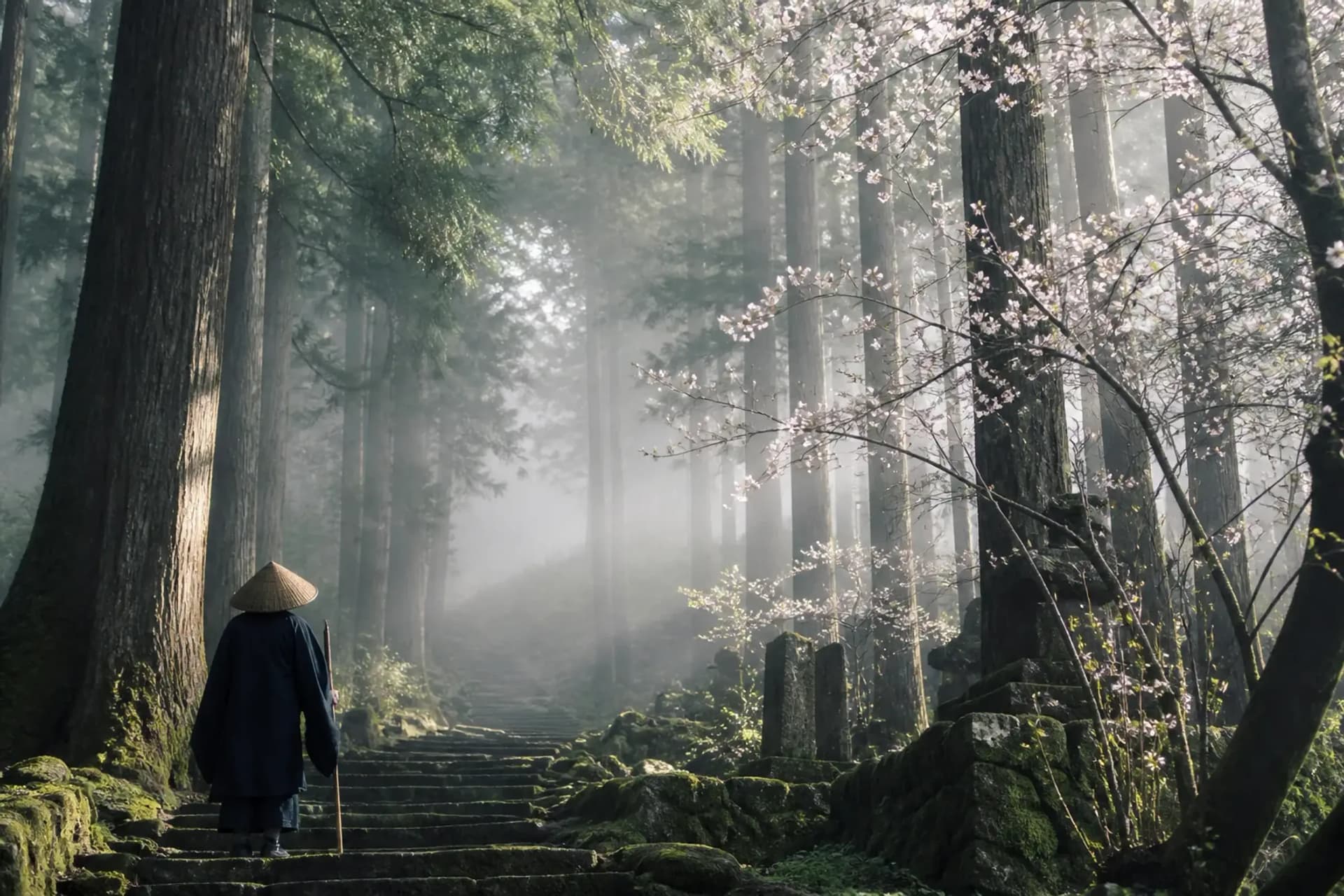
The first thing you notice on the Kumano Kodo is the sound. Not birdsong. Your own breath.
Stone steps rise into cedar shade, and the trail stays indifferent to your calendar, your status, or your suitcase. That is the point. This is a public network of pilgrimage routes on the Kii Peninsula, and you share it with day hikers, locals, and other walkers moving at their own pace.
So when we talk about a private way to walk the Kumano Kodo, we mean something plain. A guide (when available), luggage strategy, vehicle support between sections, and careful choices about where you sleep before and after the walk. Nothing more. Nothing fake.
Key fact: There is no luxury tier on the trail itself. Lodging along most routes is minshuku and small family guesthouses: shared bathing, futon on tatami, set meal times, and a simple rhythm that does not bend.
For many of our guests at Japan Royal Service, that reality is the reason to go. Wabi-sabi lands here without explanation—weathered stone, moss, a kettle clicking somewhere behind a sliding door. Quiet restraint.
Still, the Kumano Kodo asks for competence. The right route choice. The right season. Respect for villages that did not ask to become a backdrop. We wrote this guide so you can decide, honestly, whether this pilgrimage fits you.
What The Kumano Kodo Is (And Why It Is Not “Just A Hike”)
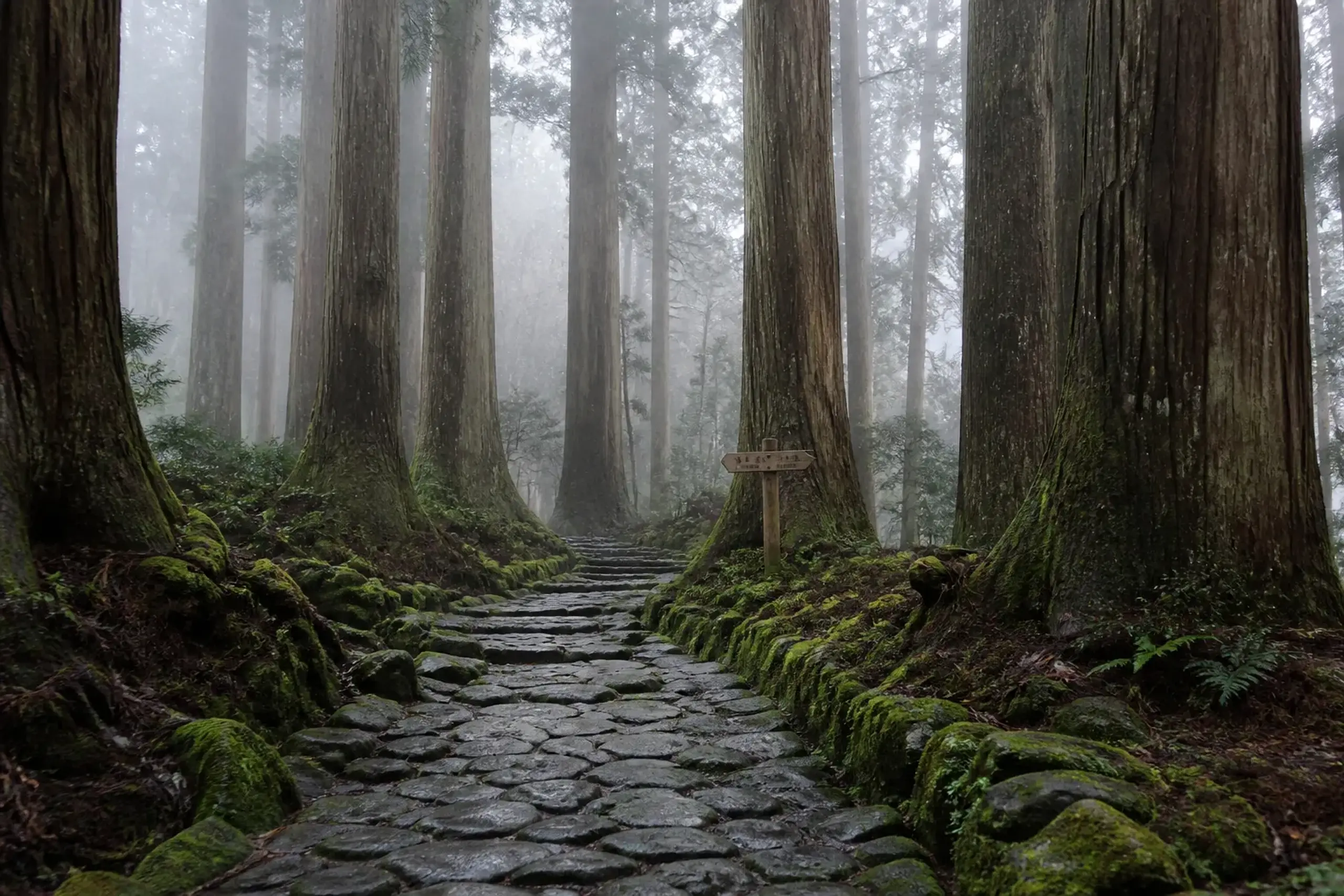
The Kumano Kodo is a network of pilgrimage routes across the Kii Peninsula, recognized as part of the UNESCO World Heritage inscription Sacred Sites and Pilgrimage Routes in the Kii Mountain Range (inscribed in 2004). Old routes. Old manners.
Visit Wakayama’s official guidance is blunt in the best way: this is “not just a tourist destination or hiking path,” and visitors are asked to walk in “prayer and gratitude,” following rules and etiquette that support sustainable tourism. Different posture. Different pace.
On a normal hike, you chase viewpoints. On a pilgrimage, you accept thresholds: a torii gate at the edge of a village, a worn statue by a stream, an oji shrine that marks a turn you would otherwise miss.
What We Mean By Wabi-sabi On The Trail
Not design. Not buzzwords.
Wabi-sabi here is a damp sleeve brushing cedar bark. It is tea that tastes faintly of smoke because someone dried the leaves by a hearth. It is also the discipline of carrying less—because the trail teaches you, quickly, what you do not need.
The Three Shrines You Are Actually Walking Toward
The pilgrimage resolves at the Kumano Sanzan: Kumano Hongu Taisha, Kumano Hayatama Taisha, and Kumano Nachi Taisha. Three names you should learn before you lace your shoes.
Each shrine has its own atmosphere. Hongu feels inland and grounded. Hayatama sits close to river and city life in Shingu. Nachi rises into drama—forest, falls, and the hard vertical lines of belief.
What “Supported Walking” Actually Means (Without Pretending The Trail Is Private)
Most high-net-worth travelers are not trying to prove something. Good. The Kumano Kodo does not reward bravado.
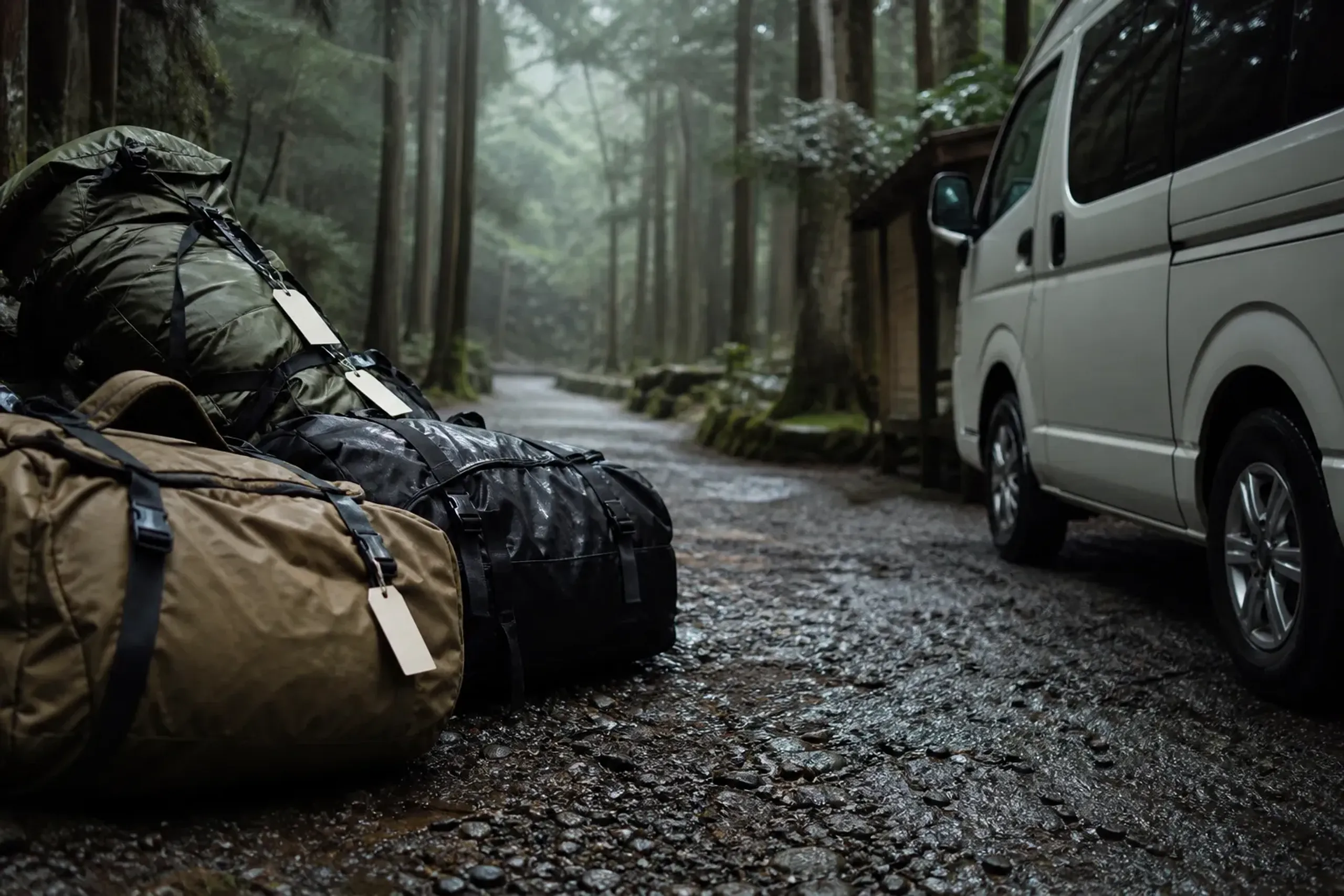
In our experience, the best approach is section walking: you walk the most meaningful stretches on foot, and use vehicle support between trailheads, lodgings, and shrines. Honest. Sustainable for your body. kinder to your schedule.
Support can include a local guide where guiding is available, plus a clear plan for luggage. Tanabe City Kumano Tourism Bureau publishes official guidance on luggage shuttle and storage options, including daily luggage transfers between accommodations booked through its KUMANO TRAVEL system.
A Practical “Supported Day” Rhythm
Most days, a supported rhythm looks like this. Simple, and repeatable.
- Early departure: start walking before the day warms and before day hikers thicken the trail.
- Walk one key section: a shrine-to-shrine or oji-to-oji stretch with time to stop.
- Transfer by vehicle: between trail sections or to your night’s lodging.
- Evening reset: bathing, a set meal, lights out earlier than you expect.
Discretion On A Public Trail
Discretion on the Kumano Kodo is behavioral, not architectural. You cannot control who is on the path. You can control how conspicuous you are.
Our concierge team encourages low-profile clothing, quiet photography, and fewer devices out in villages. Keep conversations soft near shrines. Treat the route as lived-in space, not content.
Choose Your Route: Nakahechi, Kohechi, Ohechi, Iseji (And One Route We Do Not Recommend)
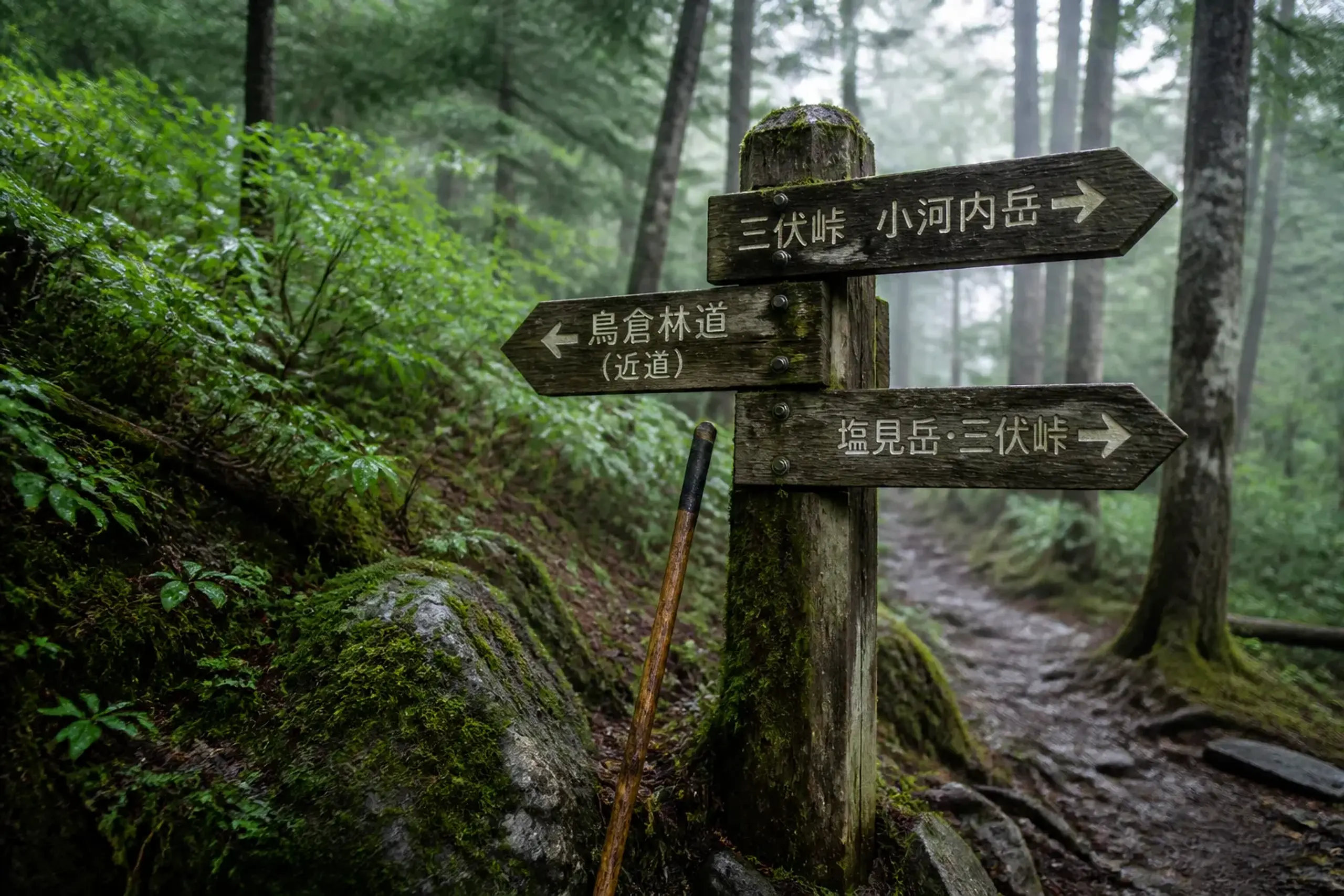
The structural job is choosing a route. Do not skip this. Route choice decides your lodging, your risk, and your experience of the sacred landscape.
Nakahechi: The Imperial Route (Best Default For Most Guests)
Nakahechi is the accessible answer for most travelers, and it is historically tied to imperial pilgrimage. It is also the route with the strongest planning ecosystem, including official route information published by the Tanabe City Kumano Tourism Bureau.
If you want the pilgrimage to feel like a pilgrimage—without turning your trip into an endurance event—this is usually where we start the conversation.
- Who it suits: fit walkers who can handle sustained stairs and uneven stone, but who do not want extreme elevation days.
- What it feels like: forest corridors, old paving, small settlements, and a steady sense of approach toward Hongu.
- How to do it well: walk selected sections; keep mornings long and afternoons flexible.
Kohechi: Koyasan To Kumano (Harder, With Serious Elevation)
Kohechi links Koyasan—Japan’s temple town on Mount Koya—to the Kumano shrines. It is the strongest internal link if you want a coherent sacred-Japan arc across multiple days.
It is also genuinely hard. Expect steeper grades, longer climbs, and more weather exposure. If you dislike long uphill hours, this is not the place to negotiate with yourself.
- Who it suits: confident hikers with recent hill training.
- Why it matters: the continuity between temple stay culture and the shrine pilgrimage landscape feels earned.
- How we frame it: as a real commitment, not a “nice add-on.”
If Koyasan is on your mind, pair this guide with our separate article on a temple stay in Japan. It explains the etiquette and rhythm that make Mount Koya more than an overnight stop.
Ohechi And Iseji: Quieter, Less Trafficked Options
Ohechi and Iseji often appeal to travelers who dislike the feeling of a “main route.” They can be quieter. They can also be trickier in planning, depending on closures, season, and how you want to move between sections.
One clear 2026 operational reality: an extended closure notice states that a section of the Ohechi route between Wabuka Station and Tako Station is closed from June 8, 2026 to April 30, 2027 (estimated). Closures reshape route logic.
Key fact: Trail conditions change after typhoons and landslides. Always check the latest official updates from the Tanabe City Kumano Tourism Bureau and local authorities close to departure.
Omine Okugake: Not A Client Route
Omine Okugake is severe shugendo terrain. Beautiful, and unforgiving.
We do not recommend it for our typical guests. Not because it is “too authentic,” but because it carries a different risk profile and demands specialized mountain competence.
The Accommodation Reality: Minshuku, Guesthouses, Shared Baths
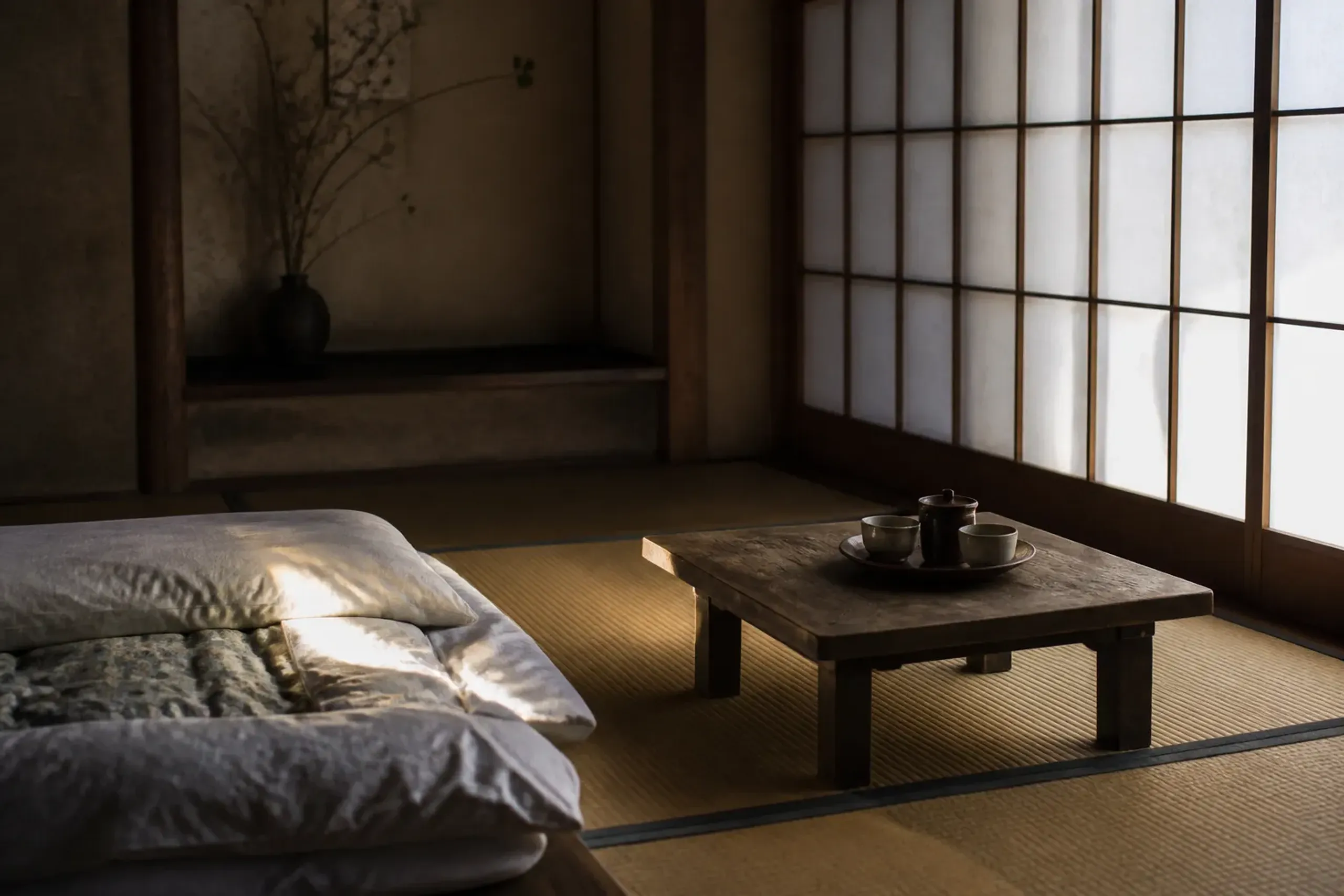
If you need turn-down service, this is not your route. A hard sentence, but a helpful one.
Most lodging along the Kumano Kodo routes is in small family-run places. Expect futon on tatami, simple set meals at fixed times, and shared bathing. Some places have very few rooms and limited staffing, which shapes what “comfort” looks like.
The dignity here is in restraint. Wabi-sabi again. You trade options for clarity.
How To Pack For Guesthouse Life
Pack as if you are a considerate houseguest. Because you are.
- Bring: a small headlamp, blister care, socks that dry fast, and a light layer for cool evenings.
- Skip: hard-shell suitcases for the trail nights. Use a duffel or soft bag if you can.
- Remember: bathing is communal in many places. Modesty and speed matter.
Luggage Transfers: Use Official Systems Where Available
Tanabe City Kumano Tourism Bureau publishes official luggage shuttle and storage guidance, including daily luggage transfers between accommodations booked through its KUMANO TRAVEL system. That is the cleanest reference point because it reflects local capacity, route realities, and what is actually offered.
If you are building a supported itinerary, we suggest splitting your belongings into two sets: what you walk with, and what you reunite with later. Less friction. Less noise.
When To Go: Seasons, Leeches, Typhoons, And Slick Stone Steps
Most guests should aim for spring or autumn. Clear air, workable temperatures, and fewer weather surprises than mid-summer.
Summer on the Kii Peninsula is humid. Leeches are a real problem in wet months, especially after rain. It is not a scare tactic; it is biology. And if you hate humidity, do not test yourself here.
Typhoon risk runs late summer into autumn. Rain makes old stone steps slick, and the trail can feel suddenly technical. A cautious pace is not weakness. It is respect for gravity.
A Simple Conditions Checklist
- Rain: expect slippery stone, slower descents, and wet shoes.
- Heat: start early, hydrate steadily, and keep breaks shaded.
- Leeches: use gaiters or leech socks in wet months; check ankles at breaks.
- Typhoon season: build buffer days and accept reroutes if officials advise it.
Distances And Terrain: Honest Numbers You Can Self-Select Against
Many Kumano Kodo sections are not “hard” because they are long. They are hard because the footing is uneven, the steps are tall, and the climbs arrive in clusters.
Rather than pretend there is one correct itinerary, we plan around ranges. These are realistic targets for many supported walkers, depending on weather and fitness. No heroics.
| Walking Day Type | Practical Target |
|---|---|
| Gentle Supported Section (mixed steps, village-to-village) | 7–10 km |
| Standard Pilgrimage Section (long climbs/descents) | 10–15 km |
| Demanding Mountain Day (serious elevation, slower pace) | 12–18 km (only if trained) |
Elevation varies by section and route, and official route pages should always be your final reference for day-by-day profiles. Our guidance: if you have not walked hills recently, do not plan back-to-back long days. Big mistake.
Footing And Injury Prevention That Actually Works
Poles help on descents. Quietly.
So do shoes you have already worn on stairs, and socks you trust when wet. If you are prone to knee pain, avoid ambitious downhill days in rain. Pride is expensive on stone.
The Kumano Sanzan: How To Visit The Three Grand Shrines With Respect
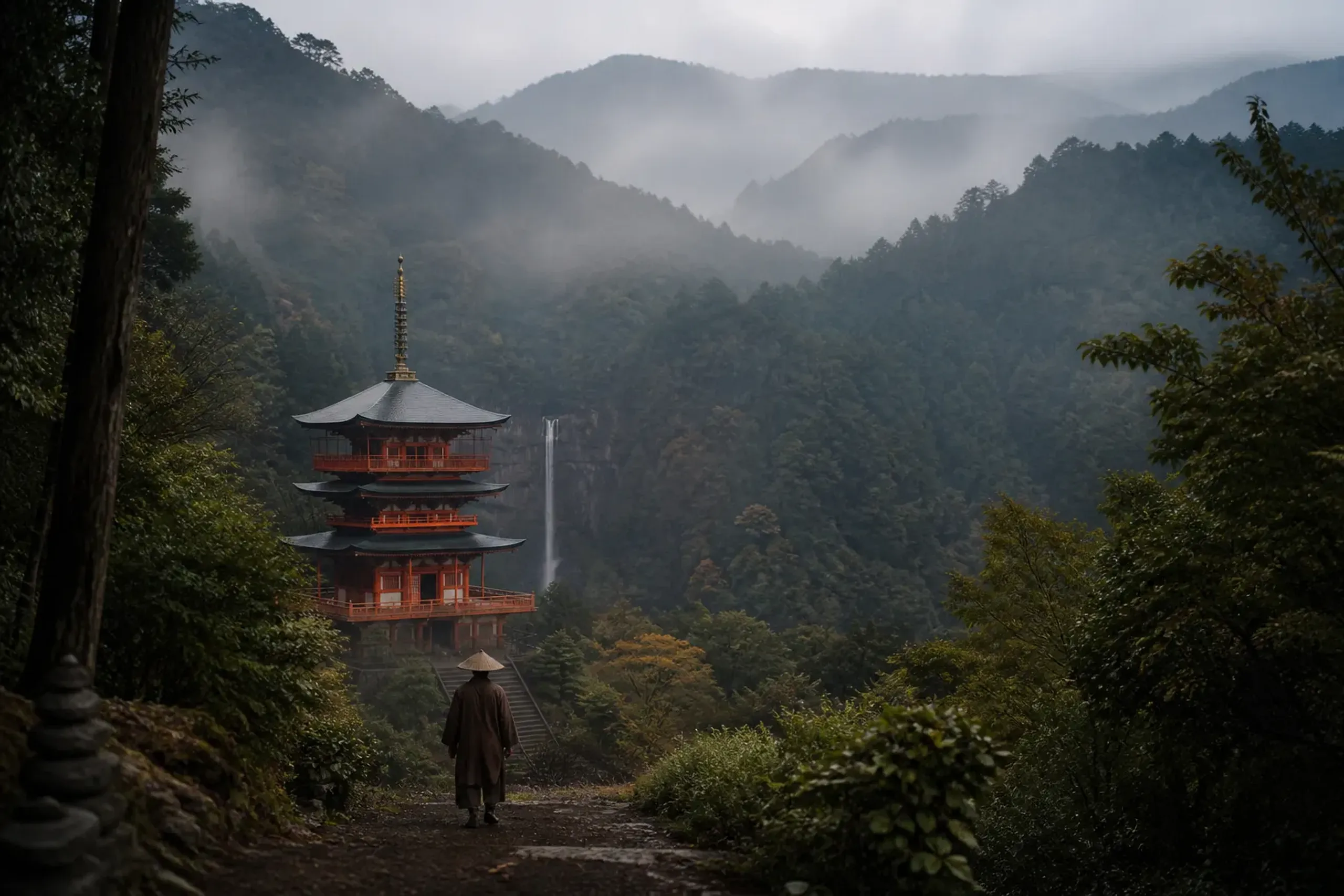
The shrines are not attractions you “do.” They are places you enter carefully, then leave cleaner than you arrived.
Move slowly at the torii. Pause before photographs. If you are unsure what to do, watch locals and follow their tempo.
Kumano Hongu Taisha
Hongu is often the emotional hinge for walkers on Nakahechi. The approach feels earned, not delivered.
Give it time. Do not rush through because a car is waiting. Your schedule can absorb fifteen minutes of silence.
Kumano Hayatama Taisha
Hayatama, in Shingu, can feel more immediately “in town.” That contrast is useful. Pilgrimage is not only mountains; it is also re-entering ordinary life with better manners.
Kumano Nachi Taisha And Nachi-no-Otaki (The Image You Keep)
Nachi is where many people finally stop narrating their own thoughts. The cedar forest tightens, the vermilion pagoda appears in the frame, and the waterfall holds the background like a drumbeat.
Nachi Waterfall (Nachi-no-Otaki) has an uninterrupted drop of 133 meters, and is described by JNTO as Japan’s tallest waterfall. Stand there long enough and you feel the scale in your ribs, not your camera roll.
Yunomine Onsen And Tsuboyu: Purification, Not A Reward
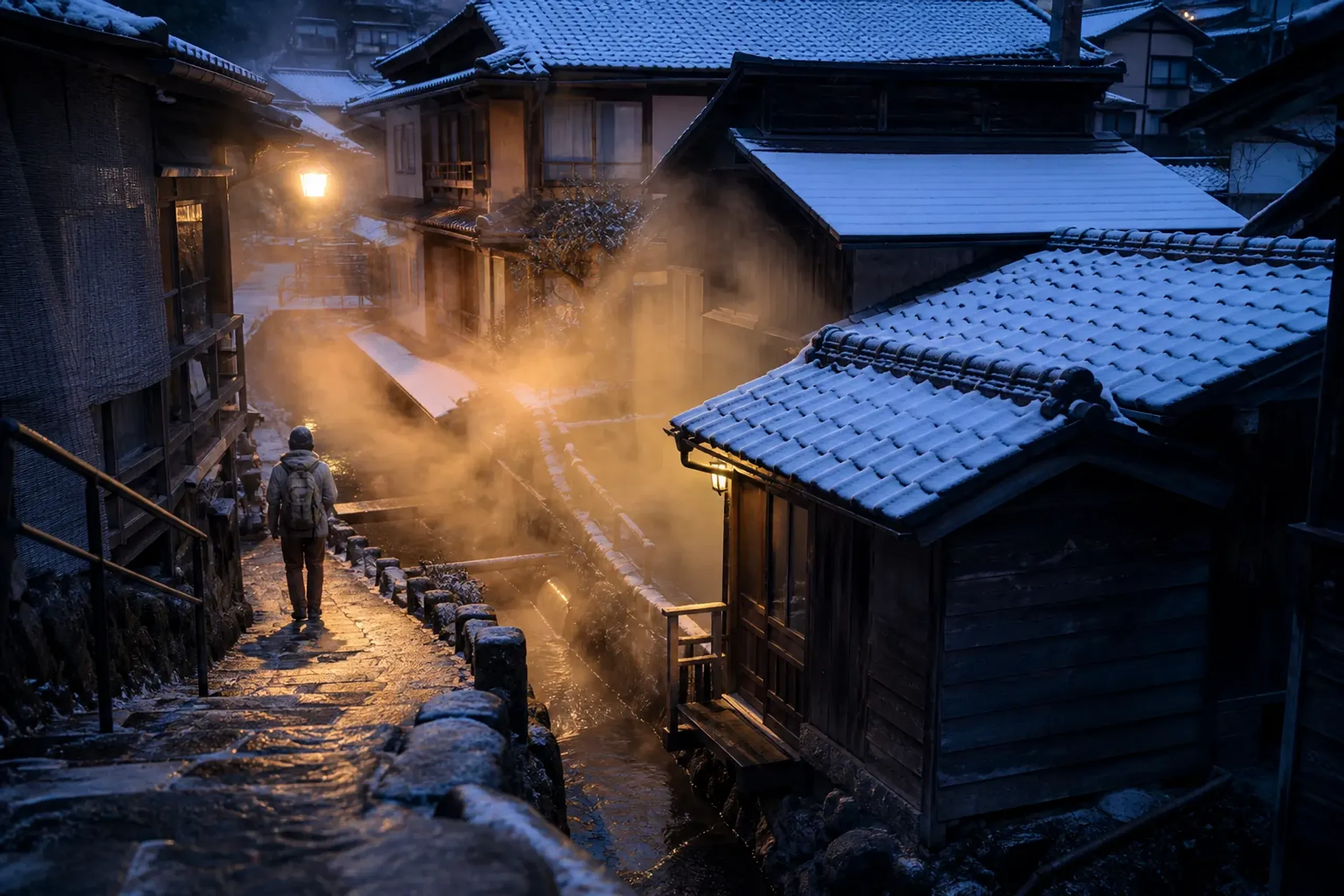
Yunomine Onsen is small. Steep lanes, steam, the smell of minerals in the air.
Its Tsuboyu is described by JNTO as a private bath and “the only UNESCO World Heritage-listed hot spring in the world.” It is not large. That is part of its force.
Access to Tsuboyu is typically managed in short time slots, and demand can be high. Processes can change by season and local policy, so you should confirm the latest official method close to your travel dates through local tourism channels.
How To Behave In A Tiny Sacred Bath
Be quick. Be quiet.
Wash carefully before entering, keep your voice low, and treat the space like a shrine with water instead of wood. If you want a longer soak in greater comfort, plan that for before or after the pilgrimage in a larger onsen town.
2026 Planning Notes: Closures, Overtourism Policy, And Trail Etiquette
The Kii Peninsula is often described as “beyond the crowds,” and it can be—especially compared to the most saturated city corridors. Still, the route is not immune to overtourism pressures, and Japan’s national policy attention is real.
The Japan Tourism Agency (MLIT) has an overtourism initiatives page updated as of April 24, 2026, outlining prevention and mitigation efforts. This is the context your presence sits inside, whether you feel it or not.
JNTO’s March 10, 2026 messaging on “meaningful journeys beyond the crowds” explicitly references the Kumano Kodo in the context of community and conservation, using concepts such as mottainai and satoyama. That tone is not marketing fluff. It is a request.
How To Walk Without Becoming A Problem
- Stay on trail: do not cut corners on switchbacks or step into mossy margins.
- Keep villages calm: small groups, soft voices, no drone use near homes or shrines.
- Photograph with restraint: ask before photographing people; avoid turning rituals into content.
- Carry your trash: even small things—tissues, wrappers, “just this once.”
How To Plan A Kumano Kodo Trip Step By Step (Supported, Not Performative)
This is the part most articles skip. The pilgrimage asks for structure.
Step 1: Pick A Route That Matches Your Actual Fitness
If you want the safest default, start with Nakahechi. If you want the Koyasan-to-shrine arc and you train, look at Kohechi. If you want quieter options, consider Ohechi or Iseji, but check closures first.
Step 2: Choose A Walking Style
We recommend section walking for most clients. Walk one meaningful stretch per day, then transfer. It keeps the pilgrimage honest without turning it into an injury plan.
Step 3: Solve Luggage Early
Use official guidance from Tanabe City Kumano Tourism Bureau as your baseline for luggage shuttle and storage, especially if you are booking accommodation through the KUMANO TRAVEL system. Keep your daypack light and predictable.
Step 4: Build Weather Buffer Into The Itinerary
Plan at least one flexible day across a multi-day walk. Typhoon season and heavy rain can force reroutes, slow descents, or closures. A buffer day saves the mood.
Step 5: Decide Where Comfort Belongs
Comfort belongs before and after the trail. Not on it.
This is where a discreet base in Osaka, Kyoto, or Wakayama-side gateway cities can matter, and where private transportation becomes less about indulgence and more about keeping transfers calm, punctual, and low-friction between remote trailheads.
Dual Pilgrim: Kumano Kodo And The Camino De Santiago
For some walkers, modern ritual matters. The Dual Pilgrim program links the Kumano Kodo with Spain’s Camino de Santiago.
It is administered by the Tanabe City Kumano Tourism Bureau. Registrants can receive a completion certificate at the Kumano Hongu Heritage Center or at the Tanabe Tourist Information Center (next to Kii-Tanabe Station).
If this is meaningful to you, plan the paperwork early and keep your walking records tidy. Small details. The kind that make the end feel real.
FAQ: Kumano Kodo For High-Net-Worth Travelers Who Still Want It Honest
Can The Kumano Kodo Be Private?
No. It is a public trail network. “Private” only means your support can be private: guide availability, vehicle support between sections, and a disciplined plan for luggage and timing.
Is There Luxury Accommodation On The Trail?
No. Most lodging is minshuku or small guesthouses with shared bathing and simple set meals. If you need a luxury hotel standard every night, choose a different trip.
What Is The Best Route For First Timers?
Nakahechi is the default for many first-time walkers because it is historically significant and generally the most accessible to plan. Kohechi is harder and better for trained hikers who want the Koyasan link.
What Season Is Best?
Spring and autumn are the usual recommendations. Summer is humid, leeches can be a real issue in wet months, and typhoon risk runs late summer into autumn. Rain makes stone steps slick.
How Do I Book Luggage Transfers?
Tanabe City Kumano Tourism Bureau publishes official luggage shuttle and storage guidance, including daily transfers between accommodations booked through its KUMANO TRAVEL system. Start there for the most reliable, current framework.
How Do I Use Tsuboyu At Yunomine Onsen?
JNTO describes Tsuboyu as a private bath, and it is typically managed in short time slots. Because procedures can change, confirm the current local method close to your dates via official local tourism channels.
Is The Ohechi Route Open In 2026?
Not fully. A section between Wabuka Station and Tako Station is reported as closed from June 8, 2026 to April 30, 2027 (estimated). Always check current official updates before committing to an Ohechi plan.
Why Choose Japan Royal Service
Walking the Kumano Kodo is not a product. It is a promise you make with your feet. Our role at Japan Royal Service is to keep that promise realistic.
We guide high-net-worth travelers toward the right route choice, the right season, and the right “supported walking” structure—so the pilgrimage stays quiet, respectful, and doable. Discretion matters here, too. We keep identities and itineraries confidential, and we design days that do not force you to perform your trip in public.
When you are ready, we can also connect the walk to the broader Japan you came for: temple stay rhythm in Koyasan, a restorative onsen stay after Yunomine, or a tailored Kansai base before you step onto the trail via a tailor-made itinerary.
For private coordination, reach our team privately via WhatsApp or LINE, or contact us here.