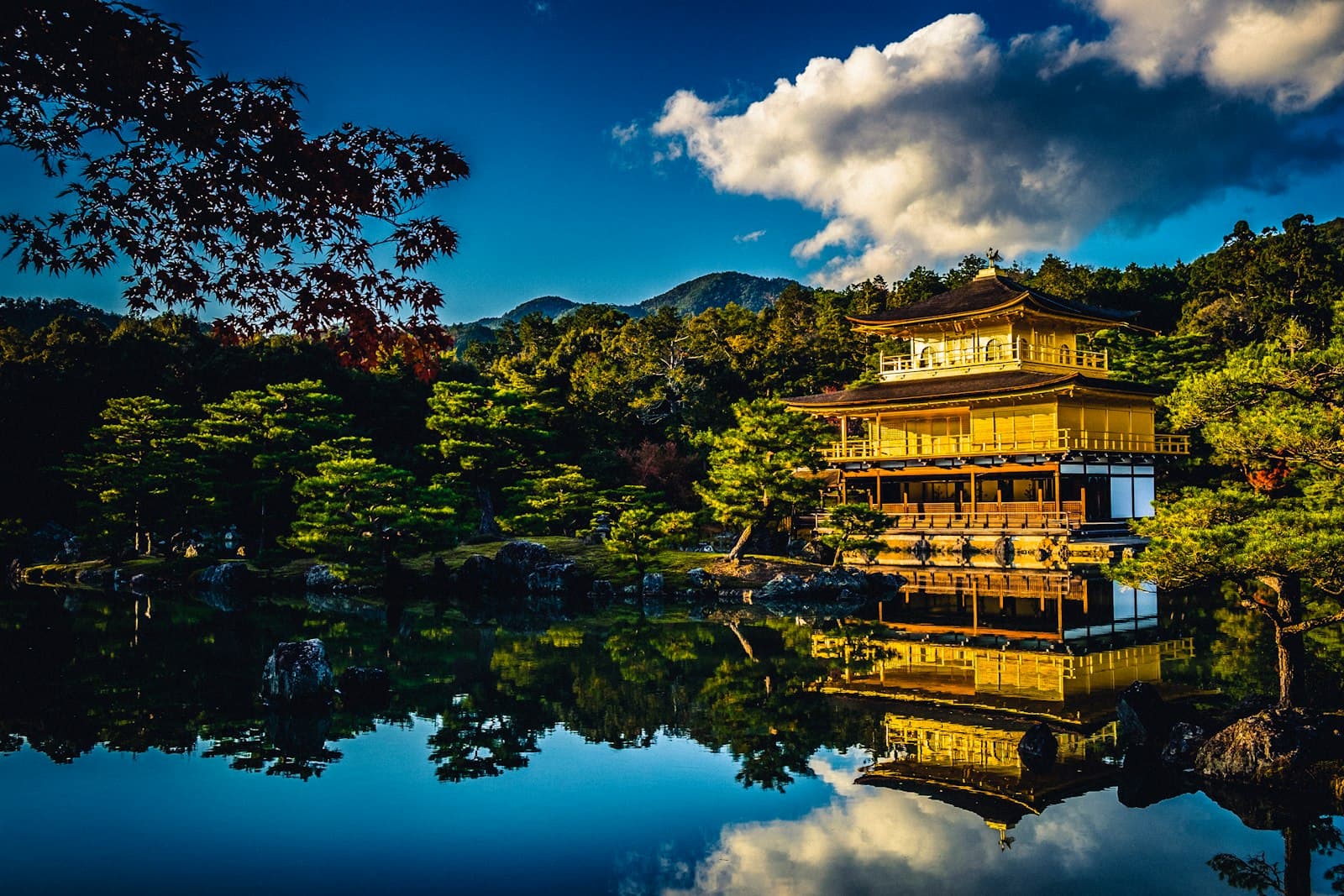
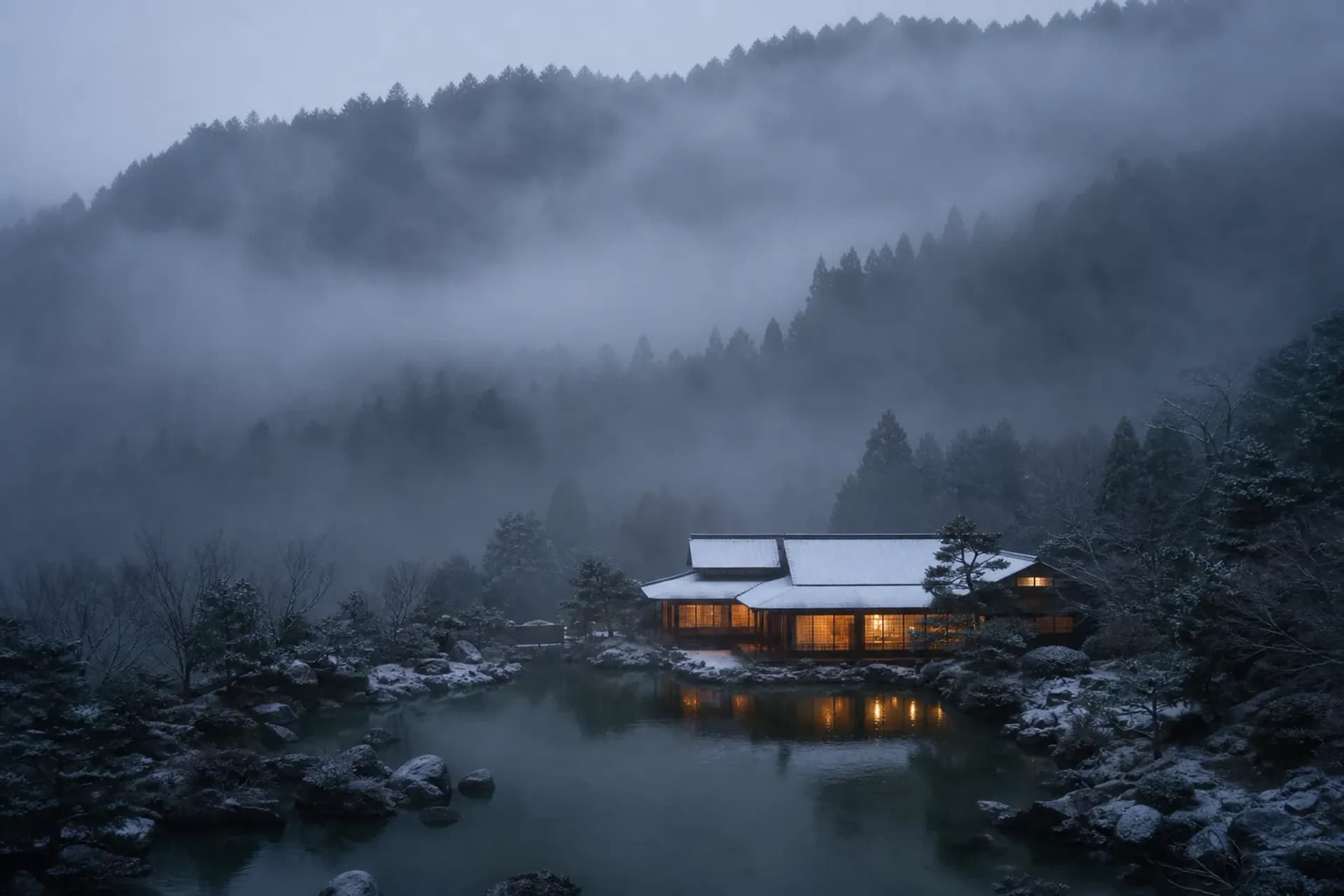
In this guide
- 01What "Calm Logistics" Actually Means
- 02Kyoto: A Quiet Base Away From The Crowd Corridors
- 03Hakone: Onsen Seclusion Within Easy Reach Of Tokyo
- 04Kanazawa: The Regional Town That Feels Like Kyoto Without The Crush
- 05Stitching The Three Together
- 06Common Questions About 2026 Quiet-Luxury Bases
- 07Why Choose Japan Royal Service
Picture two travelers on the same Kyoto morning. One is dragging a suitcase across a gravel forecourt, hunting for a taxi that never comes, already late for a lunch table. The other steps out of a lobby, walks six minutes through a hushed lane, and arrives early enough to notice the light on the eaves. Same city. Same budget, roughly. Different base.
That gap is the whole point of this guide. The room's design does not decide whether a trip feels calm — the base does. Where you sleep sets the rhythm of every day: how far you walk to a station, whether dinner is within reach on foot, how quickly your bags disappear ahead of you to the next town.
At Japan Royal Service, our concierge plans by day-flow first and interiors second. Below is how we think about three bases for 2026 — Kyoto, Hakone, and one regional town most people overlook. Each runs through the same honest frame: who it suits, why it stays calm, and the trade-off nobody else mentions.
What "Calm Logistics" Actually Means
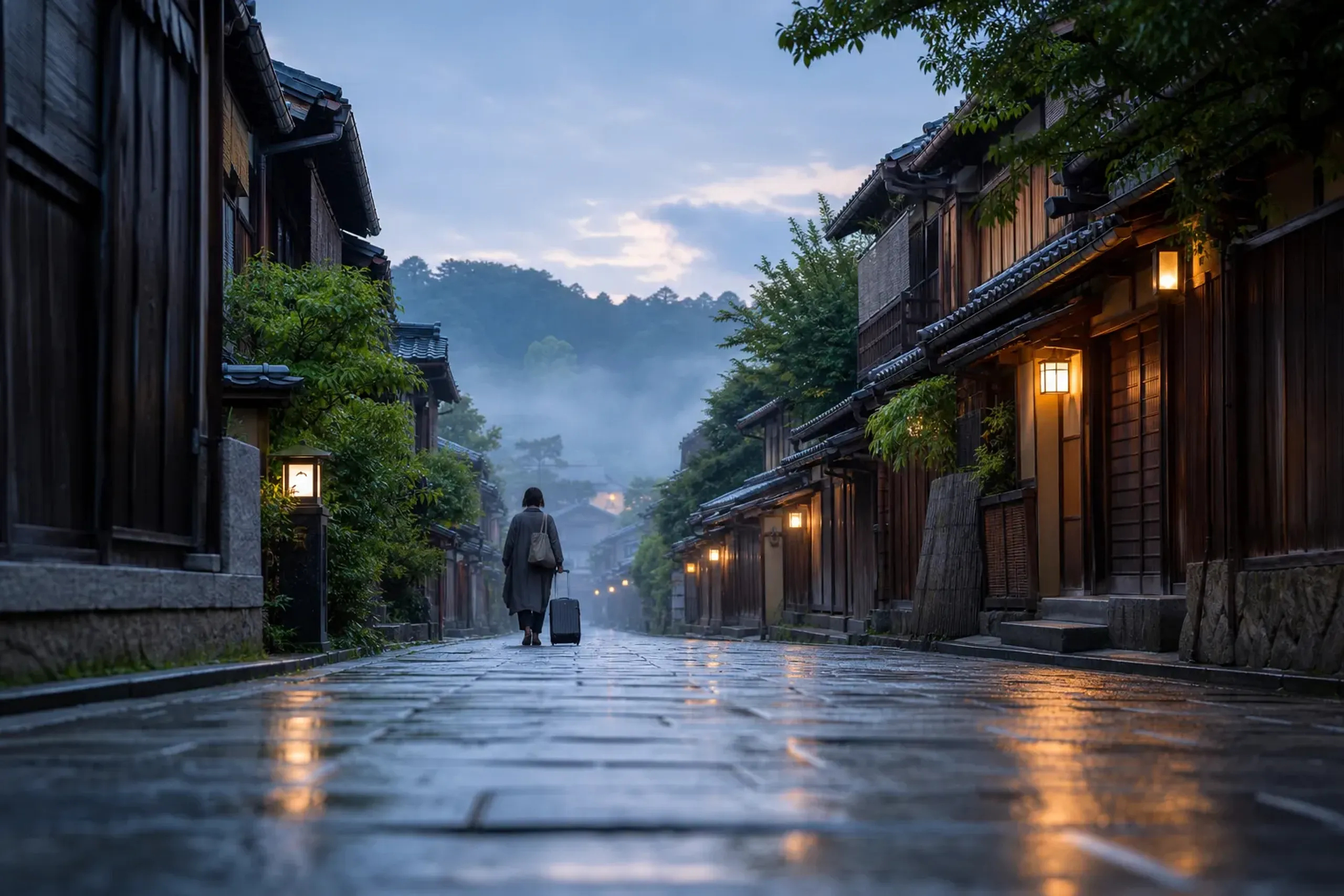
Luxury lists tell you a hotel is serene. They rarely tell you whether you can reach it without a fight. So before the bases, here is the checklist we hold every property against.
- Walking distance to a station or drop-off — under ten minutes on flat ground, ideally through a quiet street rather than a shopping arcade.
- A subdued neighborhood — residential or temple-adjacent, not a crowd corridor. You want to hear your own footsteps at 7am.
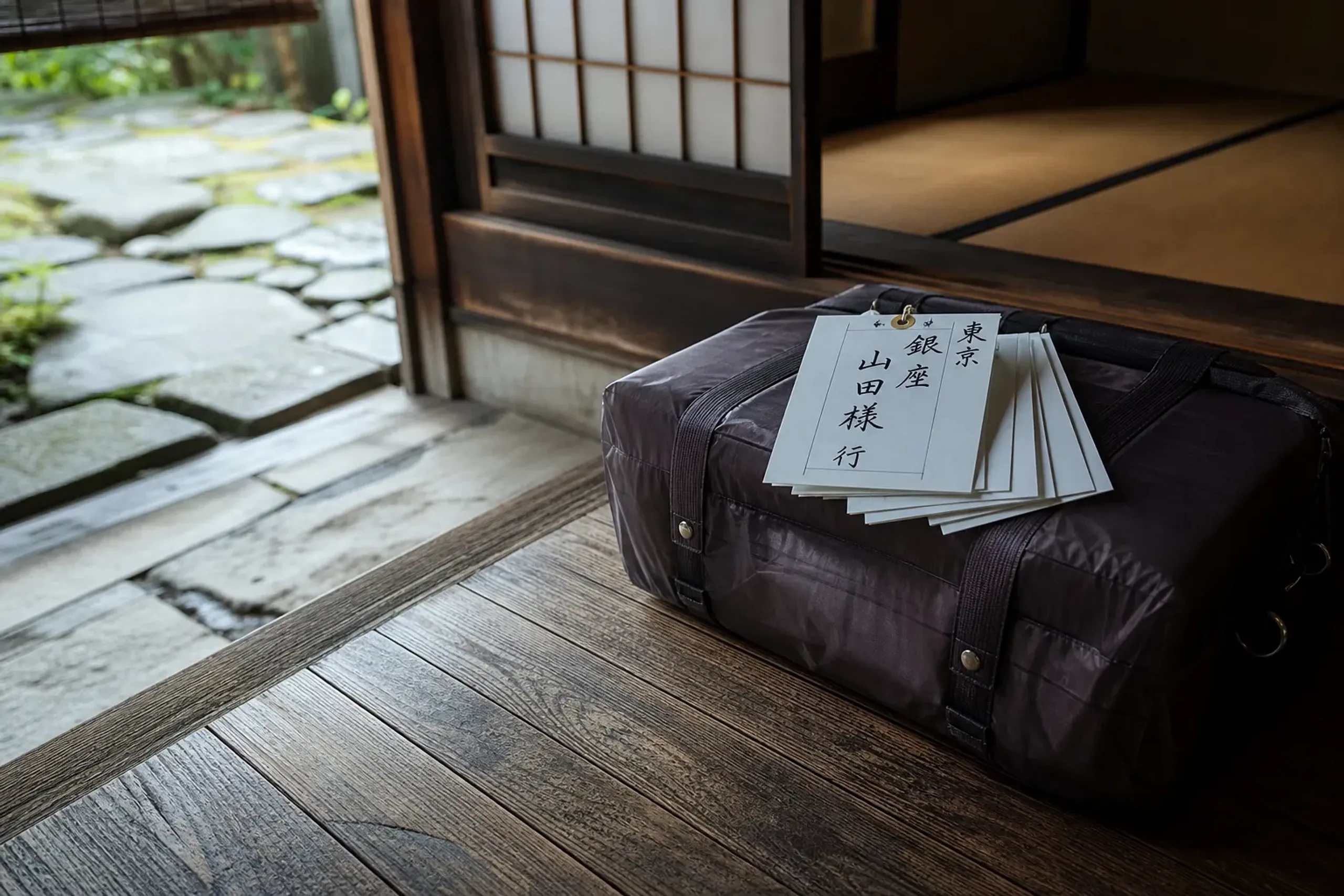
- Luggage forwarding that just works — bags sent ahead to the next base by takkyubin, so you travel between cities carrying almost nothing.
- Dinner within reach on foot — at least a few genuinely good tables inside a fifteen-minute walk, so evenings do not require another car.
- Smooth day-trip access — one clean transfer to the sights you actually came for, not three connections and a scramble.
Run any base through those five points and the fantasy falls away fast. What remains is a place you can live in for two or three nights without friction. That is the real product.
Before you book: Kyoto City updated its accommodation tax rates effective March 1, 2026. The tax is paid on-site, not folded into most online quotes — so budget for it separately per night, per guest.
Kyoto: A Quiet Base Away From The Crowd Corridors
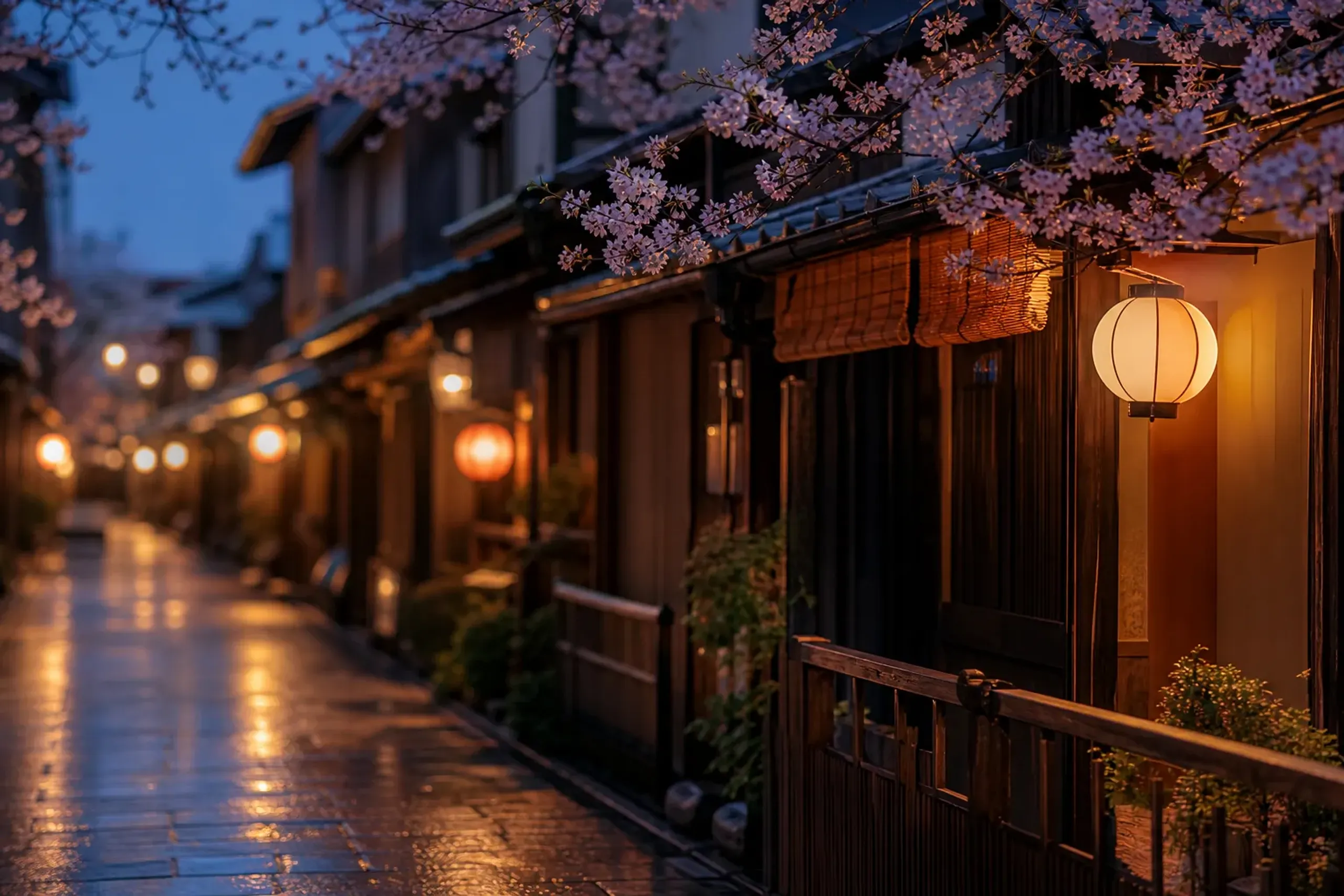
Kyoto punishes the wrong base harder than any city in Japan. Stay beside a famous gate and you inherit the queue with it. The trick is to sleep in a residential pocket and reach the sights early, before the coaches arrive.
Two areas reward this. Miyagawa-cho, one of Kyoto's historic kagai, is lantern-lit and narrow and goes silent after dinner. Capella Kyoto opened there on March 22, 2026, a heritage-immersive property inside the old geisha quarter — machiya-scaled, low-key at the entrance, easy to arrive at without a scene. The Gion side gained a second serious anchor with the Imperial Hotel's Kyoto retreat, which debuted March 5, 2026, carrying the group's long association with formal, state-guest hospitality.
Why It Stays Calm
Both sit on the eastern bank, walkable to Kiyomizu-dera and the Higashiyama lanes at first light. Our coordinators route guests to those gates before 8am, then pull back to the base for a slow breakfast while the day-trippers pour in. You experience the postcard sights without the postcard crush.
The 2026 Cost Reality
Kyoto is actively managing overtourism through price signals. English-language data coverage reports a top lodging-tax tier of ¥10,000 per night for rooms priced at ¥100,000 or more, starting March 2026. It is not a reason to stay elsewhere. It is a reason to know your true nightly figure before you commit — and to weigh it against what a genuinely quiet base is worth to you.
Best for:
- First-timers who still want Higashiyama on foot
- Guests who value a discreet, low-drama arrival
- Anyone pairing sightseeing with shokunin atelier visits — kintsugi, calligraphy, ceramics
The honest trade-off: Eastern Kyoto's calm is a morning-and-evening calm. Midday, the corridors near the big temples fill regardless of where you sleep. The base fixes your bookends, not the noon peak — so we build days that simply avoid noon in those spots.
Deep cultural access here often runs on introduction rather than availability. That is a subject in itself, and one our team has written about at length elsewhere on the site.
Hakone: Onsen Seclusion Within Easy Reach Of Tokyo
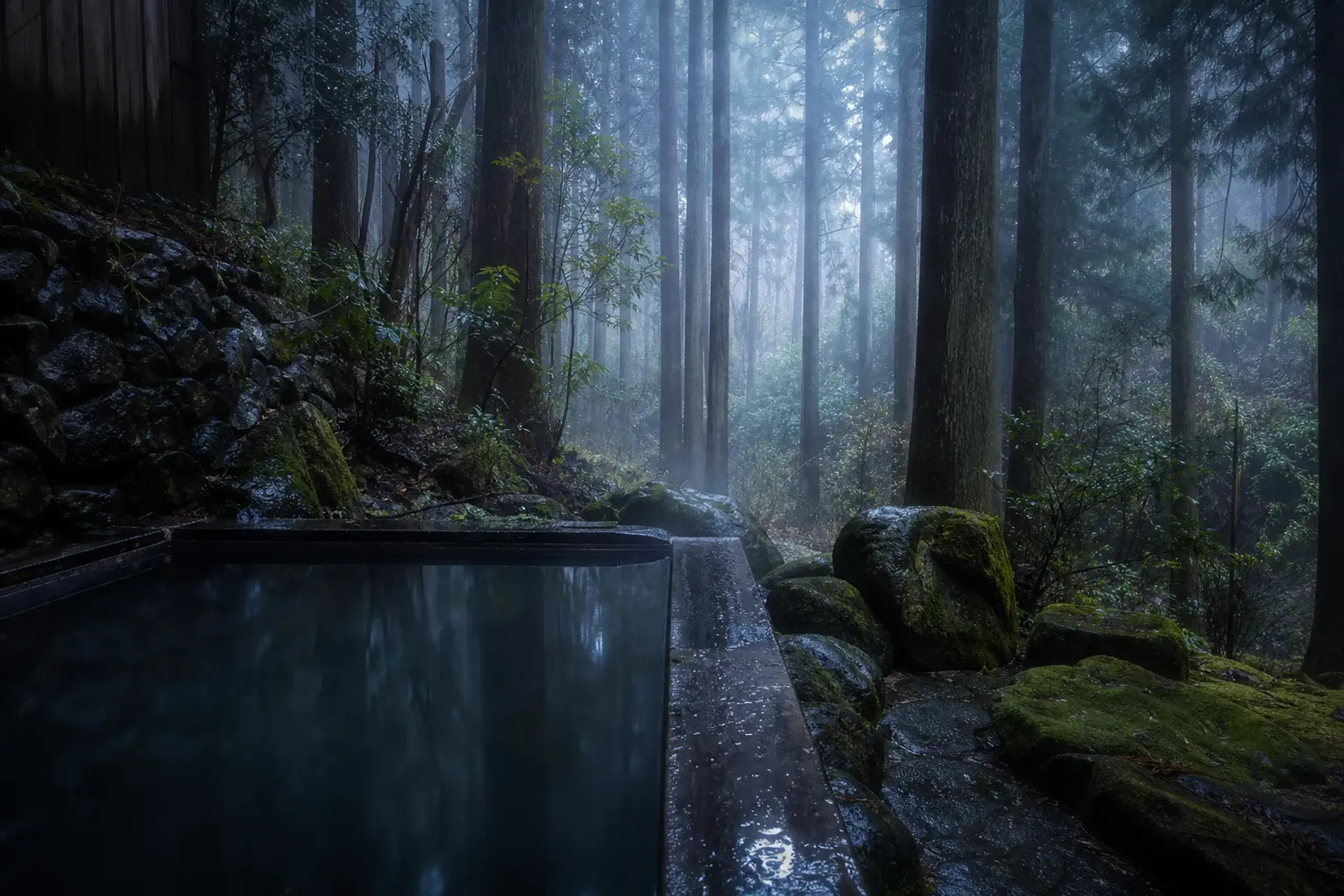
Hakone is where a Japan trip should decelerate. Ninety minutes from Tokyo, it trades the city's pace for cedar, sulphur steam, and the long quiet of a private bath. But "Hakone" is not one place — it is several micro-areas with very different temperaments. Choosing the right one is the calm-logistics move.
Match The Micro-Area To Your Mood
Think of Hakone in zones, and pick by what you want your two nights to feel like.
- Gora — art-and-onsen. Walkable to the open-air sculpture museum and the funicular; good for guests who want gentle activity between baths. Gora Kadan, the former retreat of the Kan'in-no-miya imperial family, sits here as a benchmark ryokan for imperial-lineage pedigree handled with restraint.
- Kowakudani — forest seclusion. Higher, greener, quieter. HOTEL THE MITSUI HAKONE opens here on December 15, 2026, which makes it a fresh 2026/27 option for a privacy-first, onsen-first stay between Tokyo and Kyoto.
- Sengokuhara — open plateau, pampas grass, wide sky. Furthest from the crowds; best for guests who want near-total seclusion and do not mind a short drive to dining.
Why It Stays Calm
A well-chosen ryokan gives you your own bath, kaiseki served in-room or in a private setting, and a garden that asks nothing of you. Scott Dunn describes Gen Hakone, for instance, as a renovated deluxe ryokan with just six suites — small inventory is the quiet-luxury tell. Fewer rooms, fewer people, longer silences. Hakone National Park carries ryokan across every price band, but the calm you are paying for is scarcity of neighbours, not gold leaf.
Best for:
- Recovery between Tokyo meetings and Kyoto culture
- Couples who want private bathing and in-room kaiseki
- Winter 2026/27 planners eyeing a brand-new opening
The honest trade-off: Hakone's public transport — the switchback railway, the ropeway, the pirate boats on Lake Ashi — is charming and often mobbed. The seclusion you want lives above and away from that circuit. We handle the movement by private chauffeured transfer so your day never touches a queue, and your bags travel ahead to Kyoto while you soak.
Kanazawa: The Regional Town That Feels Like Kyoto Without The Crush
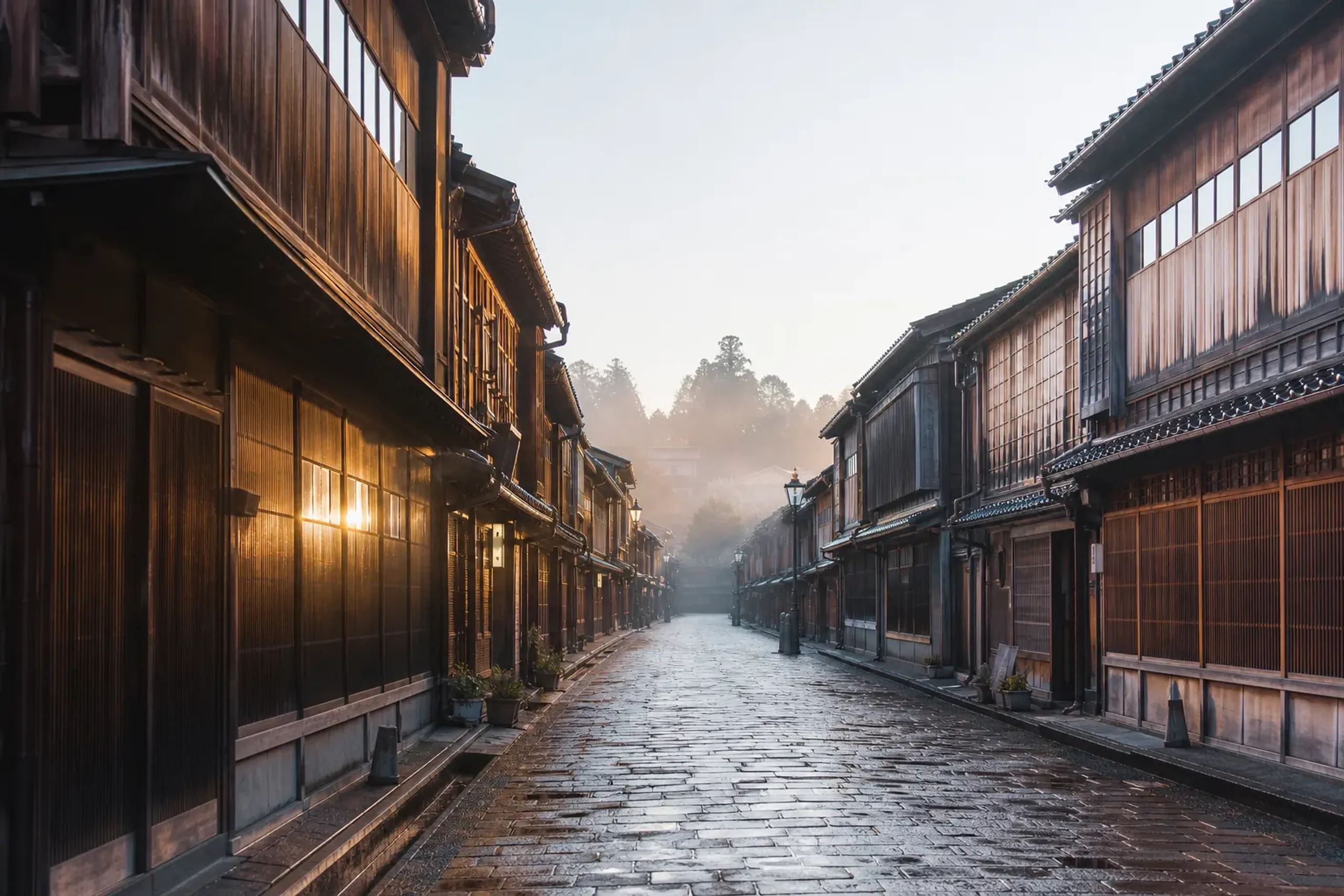
Here is the base most itineraries skip, and the one that quietly wins the trip. Kanazawa, on the Ishikawa coast, offers Kyoto's cultural density — teahouse districts, a celebrated garden, living craft traditions — at a fraction of the foot traffic. It is compact, walkable, and rarely overwhelmed.
The town runs on three things: gold-leaf and lacquer craft, Kaga cuisine built on cold Sea of Japan seafood, and Kenrokuen, one of Japan's three great landscape gardens. The Higashi Chaya district gives you preserved teahouse streets you can walk at dawn with almost no one else present. Katamachi is the dining and nightlife pocket — Hoshino Resorts announced OMO5 Kanazawa Katamachi in a July 15, 2026 press release, positioning it as a base for gastronomy, art, and craft. Even where the opening sits below ultra-luxury, it signals real hospitality investment and easy walkability in the heart of the food quarter.
Why It Stays Calm
Kanazawa is small enough to cross on foot and dense enough to fill three unhurried days. Morning at Kenrokuen before the buses, an afternoon with a gold-leaf shokunin, dinner within a short walk of your room. No transit friction. No crowd corridor. The garden opens early and the chaya lanes empty out by evening.
Best for:
- Second-time visitors ready to go beyond the Golden Route
- Food-and-craft travelers who want depth over checklists
- Anyone who found Kyoto's peak days exhausting and wants the culture without the crush
The honest trade-off: Kanazawa's ultra-luxury lodging bench is shorter than Kyoto's — you trade a deep hotel roster for a deeper sense of place. For most guests, that is the right trade. It is also reachable by direct Hokuriku Shinkansen, so slotting it between Tokyo and the west adds culture without adding chaos.
Stitching The Three Together
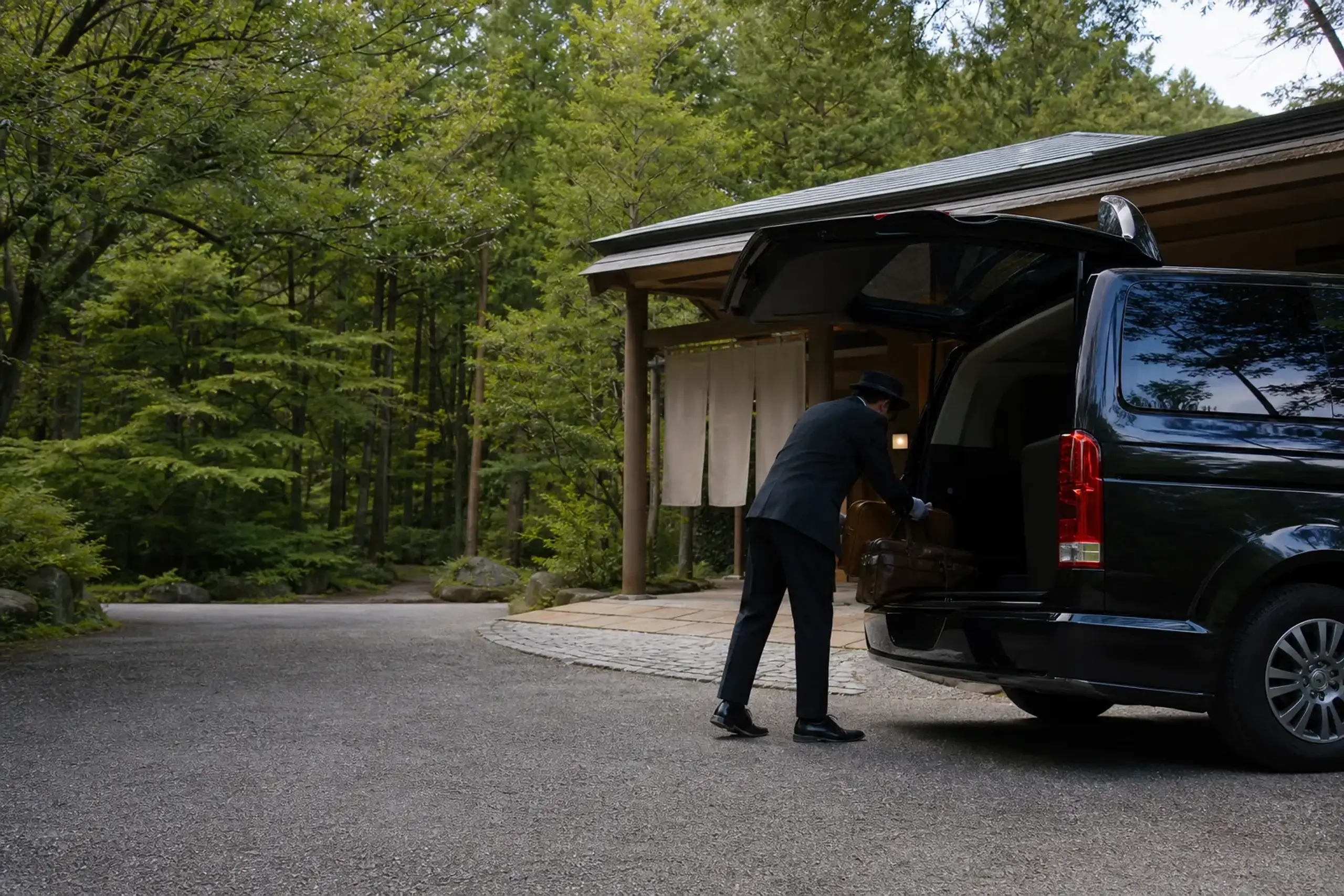
The bases only pay off if the joins between them are clean. That is where a tailor-made itinerary earns its keep — bags forwarded ahead, arrivals timed to miss the peaks, one private car instead of a relay of taxis.
- Kyoto (Miyagawa-cho / Gion) Calm because: Residential lanes, early-light temple access on foot Best for: Culture-first days, artisan visits
- Hakone (Kowakudani / Gora) Calm because: Small-inventory ryokan, private bathing, forest seclusion Best for: Recovery, onsen-first slowdown
- Kanazawa (Higashi Chaya / Katamachi) Calm because: Compact, walkable, low crowds, dense craft culture Best for: Beyond-the-Golden-Route depth
If you want a single default to book with confidence: Kyoto in an eastern residential pocket, two nights of Hakone onsen to decompress, then Kanazawa for the culture Kyoto's crowds hide. Three bases, roughly a week, almost no wasted movement.
Common Questions About 2026 Quiet-Luxury Bases
Is the new Kyoto accommodation tax worth worrying about?
Only to budget correctly. The updated rates took effect March 1, 2026, and the top tier reaches ¥10,000 per night for rooms at ¥100,000 or more. It is paid on-site and per night. Factor it in early and it changes nothing about where you should stay.
When does HOTEL THE MITSUI HAKONE open?
Mitsui Fudosan announced an opening date of December 15, 2026, in the Kowakudani area of Hakone. That makes it a genuinely new choice for winter 2026/27 planning — worth confirming availability well ahead.
Why Kanazawa over another Kyoto night?
Because a second Kyoto night rarely reduces the crowd exposure that tires people out. Kanazawa gives you comparable cultural density — a great garden, preserved teahouse streets, living craft — with a fraction of the foot traffic and a town small enough to walk.
How do you keep the days from feeling rushed?
By choosing bases first, forwarding luggage between them, and timing every arrival and sight against the crowd clock. The rooms matter. The logistics decide how the trip feels.
Why Choose Japan Royal Service
Anyone can list hotels. What our team at Japan Royal Service does differently is plan the day-flow — the six-minute walk to breakfast, the pre-8am temple window, the bags that reach Kanazawa before you do. In our experience, that quiet choreography is what separates a trip you endure from one you remember.
We hold every base to the same calm-logistics test, we advise honestly on 2026 costs and new openings rather than overselling them, and we protect your itinerary and identity with complete discretion. Where cultural access runs on introduction — a shokunin's atelier, an after-hours viewing — we open doors that a booking engine cannot. The apex of our fleet reaches to private aviation, but the daily reality most guests feel is simpler: a calm arrival, a short walk, a table waiting.
Verify each 2026 property's availability before you commit — new openings shift. Our concierge tracks all of it so you do not have to.
To plan a base-first Japan itinerary for 2026, reach our team privately via WhatsApp or LINE, or contact us here. We will tailor the route to how you actually want your days to feel.